rifanmuazin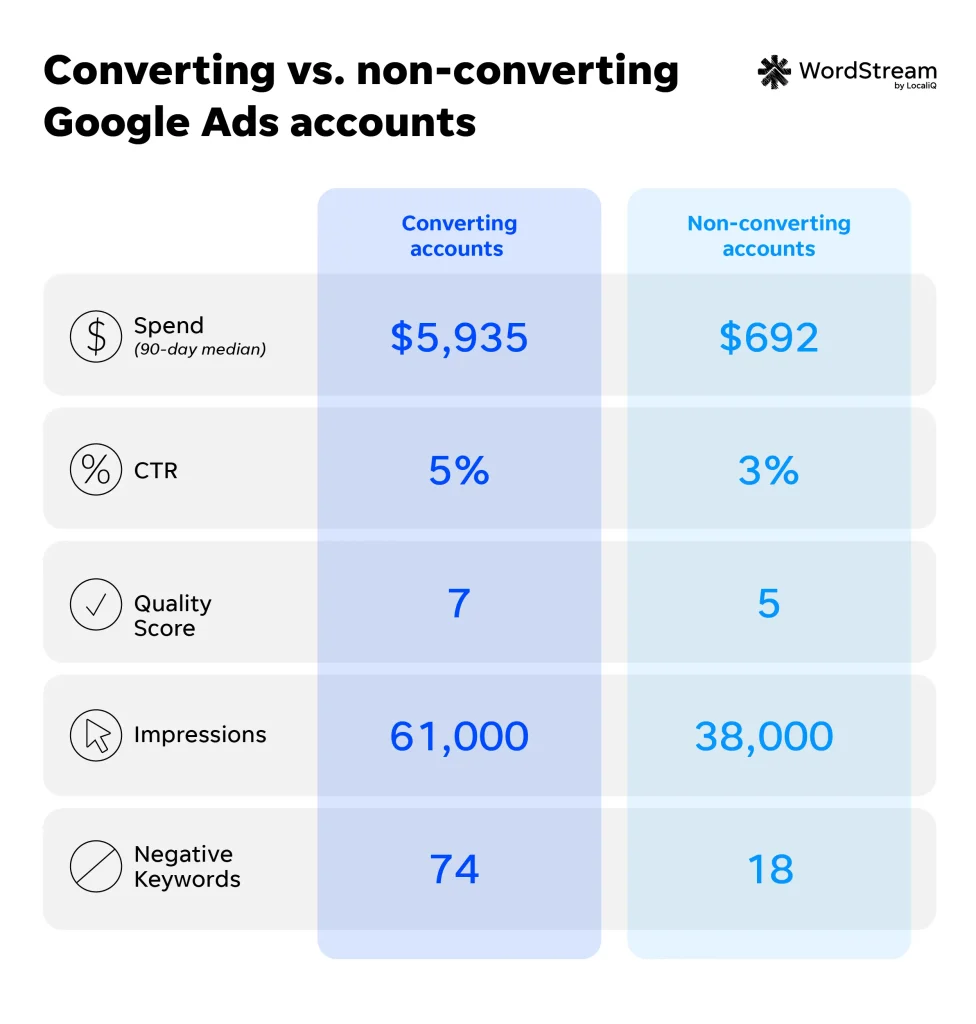
WordStream has released its comprehensive 10-year benchmark analysis of Google Ads and Meta Ads, offering advertisers critical insights into cost per click (CPC) trends and actionable strategies to optimize spending. The latest report, which meticulously compiles cost per click data, provides an in-depth look at how businesses can maintain campaign performance while actively reducing advertising expenditures. Understanding average CPCs is crucial, but the report emphasizes that these figures are highly variable, influenced by industry, targeting precision, and campaign configuration. Beyond raw averages, WordStream shares practical, platform-specific tactics designed to lower costs without compromising effectiveness, leveraging a decade of accumulated data to provide the clearest picture of advertising expenses and their management.
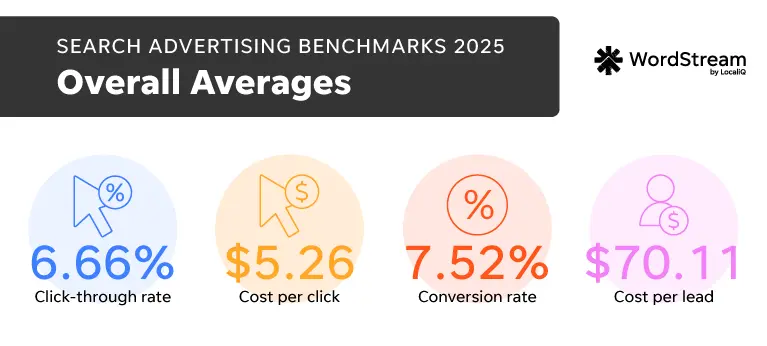
The analysis highlights the importance of knowing the overall average CPC for each platform as a baseline to gauge potential cost reductions. For Google Search ads, the average CPC has fluctuated significantly over the past decade, ranging from $2.32 to $5.26. This wide variation underscores the dynamic nature of the Google Ads auction.

Historical Google Ads CPC Trends
- 2014: Average CPC of $2.32
- 2016: Average CPC of $2.68
- 2018: Average CPC of $3.18
- 2020: Average CPC of $3.47
- 2022: Average CPC of $4.05
- 2024: Average CPC of $5.26
These figures demonstrate a consistent upward trend in Google Search ad costs over the past decade, driven by increased competition, evolving auction dynamics, and a growing demand for digital advertising real estate. Advertisers must adapt their strategies to navigate this increasingly expensive landscape.
Meta Ads (Facebook) CPC Benchmarks
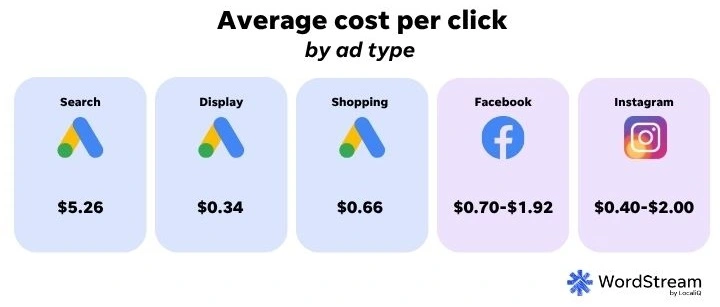
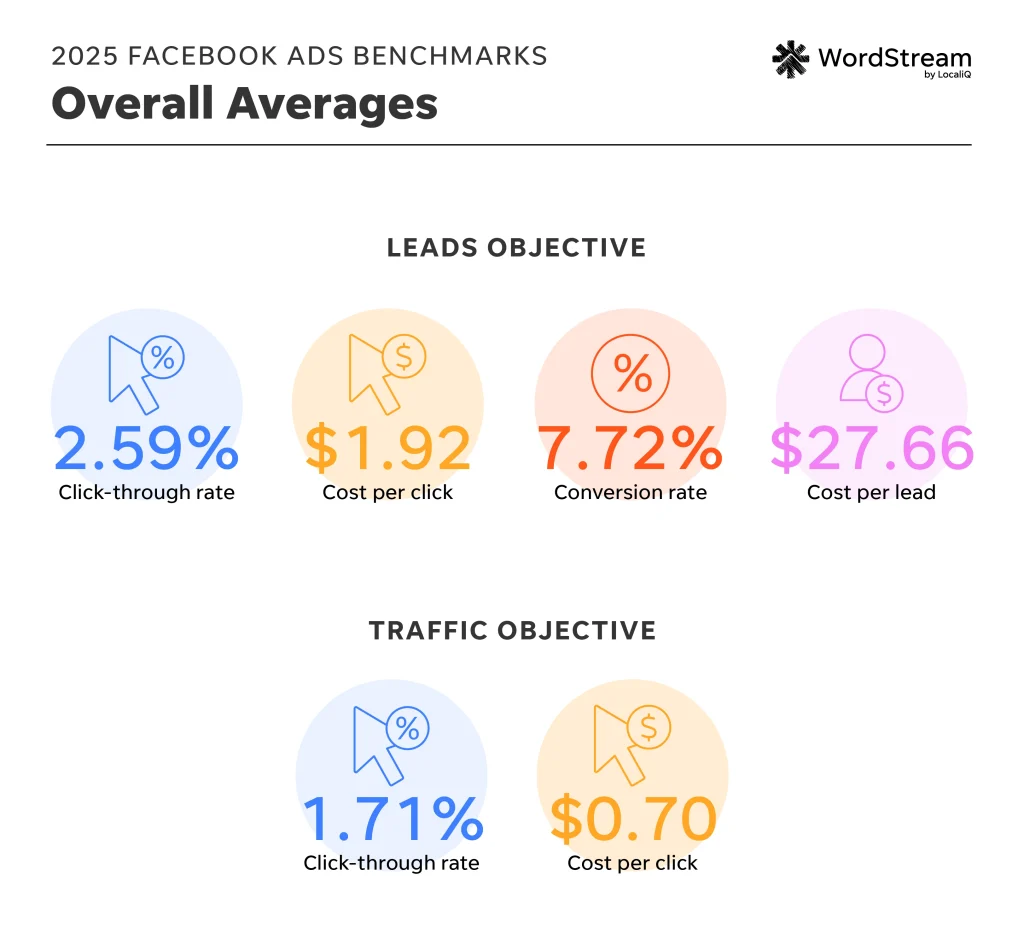
Meta Ads, encompassing platforms like Facebook and Instagram, present a different set of cost considerations. The average CPC varies significantly based on campaign objectives. For instance, campaigns optimized for lead generation typically see an average CPC of $1.92, while traffic campaigns average a lower $0.70. Both objectives can be highly effective for businesses aiming to increase leads, drive website traffic, and complement their broader search advertising efforts.
Strategies for Reducing Google Ads Cost Per Click
Google Search remains a cornerstone of digital marketing, enabling businesses to connect with potential customers actively seeking their products or services. However, the cost associated with these valuable placements can be a significant concern for many advertisers. WordStream outlines several key strategies to mitigate Google Ads CPC:
Strategic Keyword Selection: Beyond the Cheapest Option
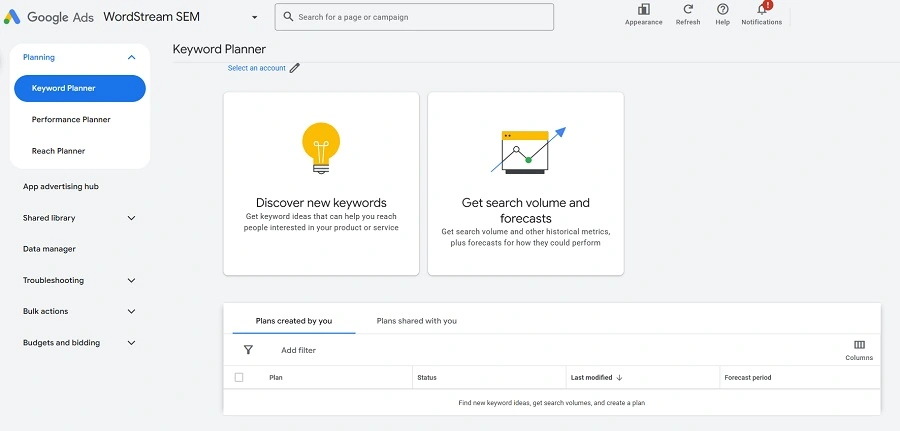
Effective keyword research is foundational for Google Search campaigns. However, the advice extends beyond simply avoiding the most expensive keywords. Advertisers are urged to consider keyword volume and the specific intent behind search queries. A high-converting keyword, even if it commands a higher average CPC, can be more cost-effective in the long run if it drives a greater number of valuable conversions. The strategy might involve focusing budget on these high-performing, albeit pricier, keywords while optimizing spend elsewhere.
Furthermore, a seemingly expensive keyword might possess a higher average search volume, translating to more website clicks and a potentially higher Click-Through Rate (CTR). This improved CTR can positively impact the Quality Score, a critical metric that allows advertisers to secure clicks at a lower cost over time. The overarching principle is to achieve a balanced keyword portfolio that includes both cost-effective options and high-reward terms, ensuring both the lowest possible CPC and the quality and quantity of conversions.
Enhancing Ad and Landing Page Quality for a Higher Quality Score
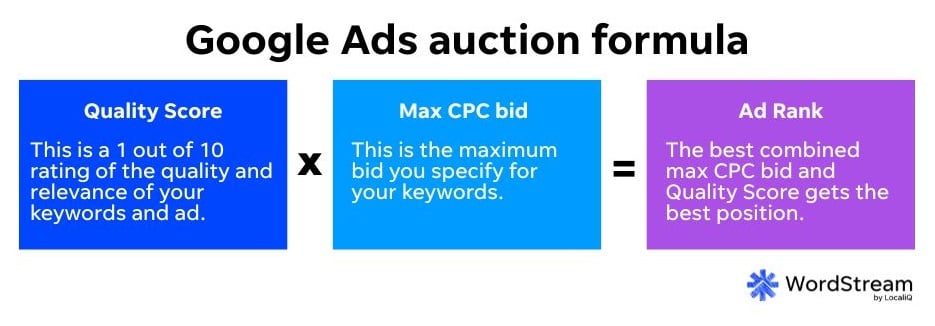
The Google Ads auction is not solely determined by bids; the Quality Score plays an equally significant role. Advertisers with a lower bid but a superior Quality Score can still win auctions and achieve cheaper clicks. Google prioritizes user experience, rewarding ads and landing pages that are highly relevant and useful to searchers. A higher Quality Score signals to Google that an ad is more valuable to the user, thus incentivizing the platform to offer it at a reduced cost.
Key components of the Quality Score include:
- Expected CTR: How likely your ad is to be clicked when shown.
- Ad Relevancy: How closely your ad matches the user’s search intent.
- Landing Page Experience: How relevant, useful, and easy to navigate your landing page is for users who click on your ad.
To improve these factors, advertisers should regularly refresh ad copy, incorporating newly identified relevant keywords. Utilizing Google’s ad strength indicators within the platform can provide actionable insights for improvement. Similarly, landing pages should prominently feature core keywords and offer a seamless user experience that directly addresses the search query.
Leveraging the Google Search Partner Network
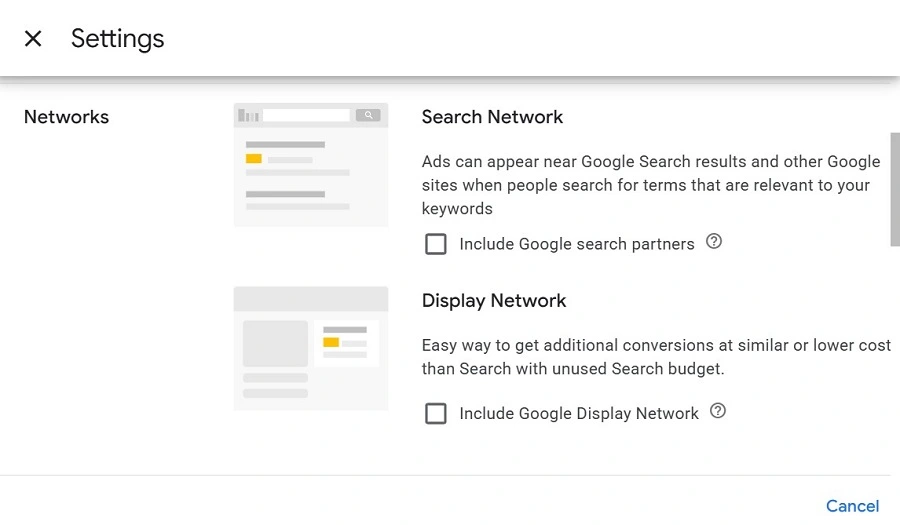
The Google Search Partner Network extends ad visibility to a broader range of websites featuring search capabilities, owned by Google. Historically, clicks from these partners have tended to be less competitive, potentially leading to lower CPCs. By opting into these networks and monitoring performance against Google’s own Search Engine Results Pages (SERPs), advertisers can identify cost-effective opportunities for broader reach.
Capitalizing on Lower CPCs on the Google Display Network
Google Display campaigns generally offer significantly lower CPCs compared to Search ads, with an average CPC often around $0.34. This makes the Display Network an attractive option for advertisers looking to supplement their Search campaigns and reduce overall account costs. Moreover, creative assets developed for the Display Network can often be repurposed across other media networks, extending their reach and cost-efficiency across a full-funnel advertising approach.
Exploring Automated Google Ads Campaign Types
Beyond standard Display campaigns, newer automated campaign types like Performance Max and Demand Gen offer a more integrated approach. These campaigns can simultaneously advertise across the Search network, Display Network, Gmail, and other placements, often resulting in lower overall CPCs, sometimes as low as $0.67. This integrated approach allows for broader reach and potentially more efficient cost management.
Strategic Use of Exclusions
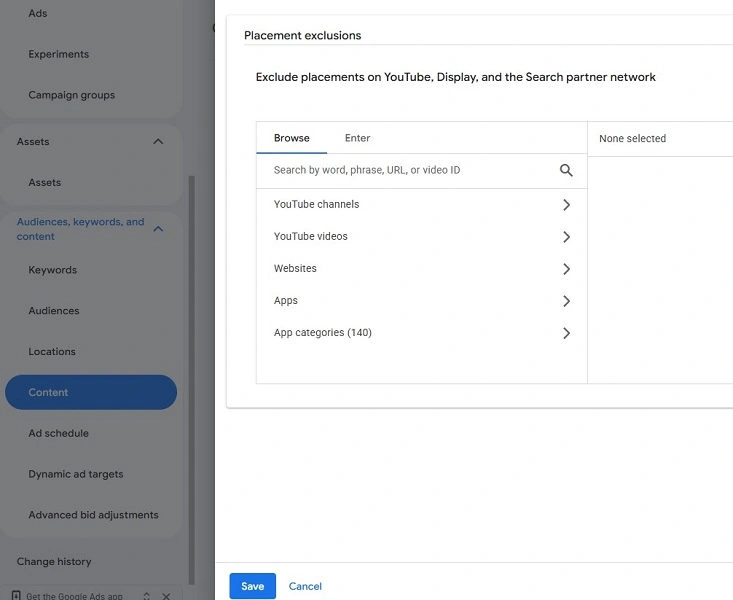
Exclusions are a vital tool for preventing ad spend on irrelevant clicks, especially from high-cost audiences or placements. Standard exclusions, such as by location, are fundamental. However, depending on campaign types, advertisers should also consider:
- Placement Exclusions: Preventing ads from showing on specific websites or apps.
- Audience Exclusions: Preventing ads from being shown to specific demographic groups or remarketing lists.
- Topic Exclusions: Preventing ads from appearing on web pages related to certain sensitive topics.
- Keyword Exclusions (Negative Keywords): Preventing ads from showing for irrelevant search queries.
Embracing Smart Bidding Strategies
Smart Bidding utilizes Google’s machine learning to dynamically adjust bids in real-time based on campaign performance and auction-time signals. This automation can be instrumental in optimizing for specific goals, such as conversions or conversion value, while potentially lowering CPCs by bidding more aggressively only when a conversion is likely. This approach is particularly beneficial for advertisers managing multiple campaigns with varying budgets.
A/B Testing Targeting Options
Similar to keyword selection, A/B testing different audience segments can reveal which groups yield the lowest CPCs for the desired outcomes. While the highest-converting audience may not always have the lowest CPC, a balanced approach that includes both high-reward and cost-effective audiences is recommended. This strategy helps diversify campaign performance and maximize return on investment.
Utilizing Google Shopping Ads
For e-commerce businesses, Google Shopping ads offer a compelling average CPC of $0.66. By setting up a Google Merchant Center account and a product feed, businesses can showcase their products directly in search results. Accuracy in product attributes and alignment with searcher intent are crucial for success.
Enabling Google Local Services Ads (LSAs)
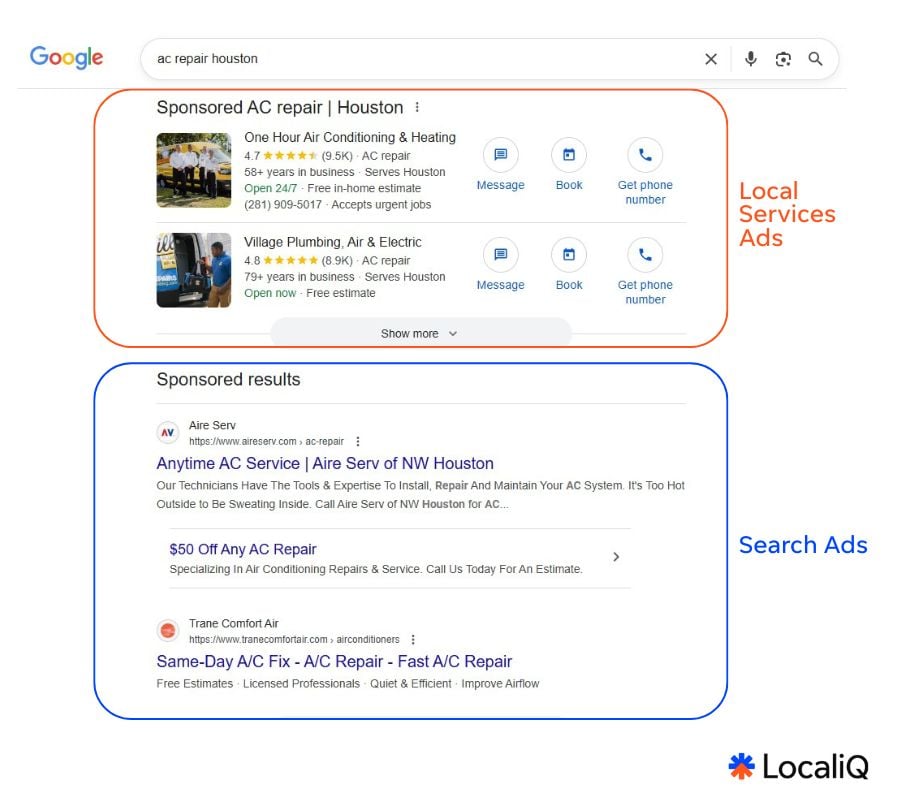
For service-based businesses not engaged in e-commerce, Google Local Services Ads present a unique opportunity to bypass traditional CPC models entirely. LSAs are charged on a per-lead basis, with an average cost per lead of approximately $60, significantly lower than the average cost per lead for standard search ads ($70.11). This model is available in over 70 service-based industries and allows businesses to generate leads directly from the search results page.
Building Robust Negative Keyword Lists
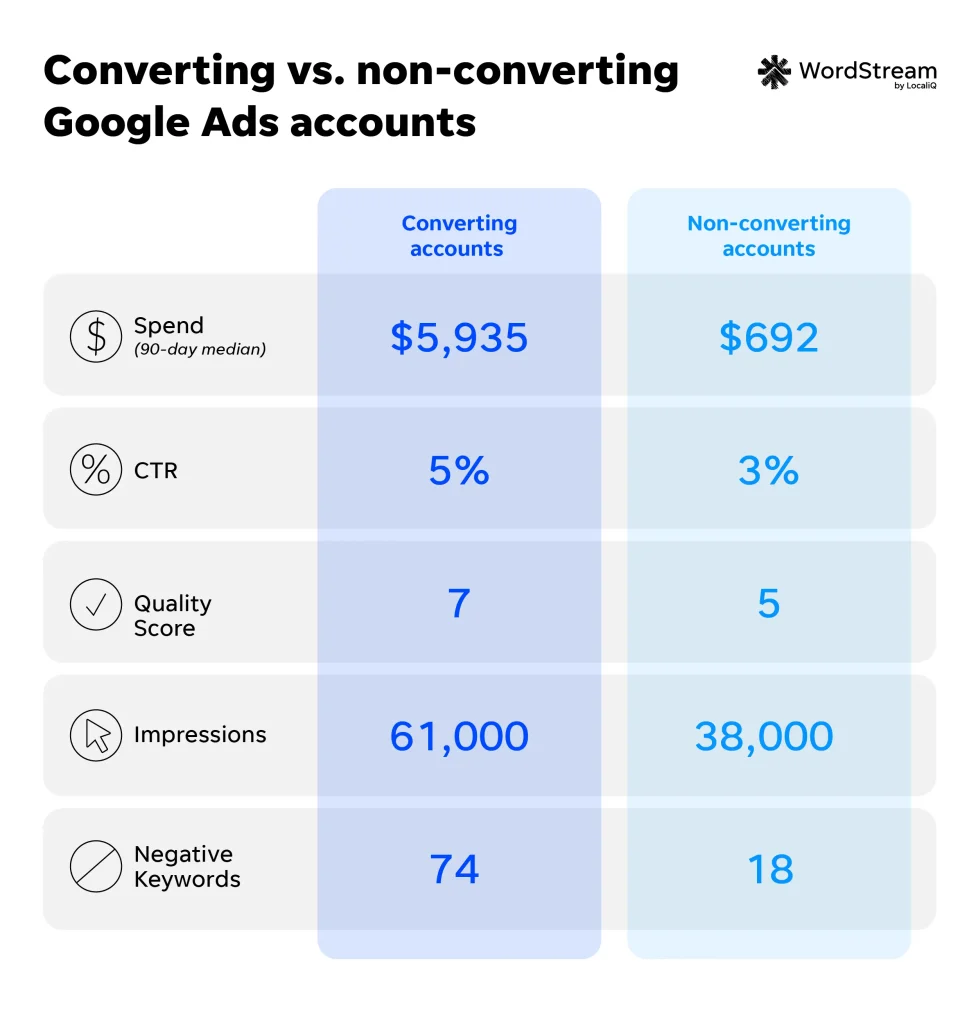
The importance of negative keyword lists cannot be overstated; data from over 15,000 accounts confirms their critical role in optimizing Google Ads campaigns. To further refine CPC, advertisers should consider negating competitor brand names, especially if the SMB’s products or services are not directly comparable or if the competition drives up CPCs unfairly. This ensures a more level playing field and prevents paying for clicks that are unlikely to convert due to brand association.
Strategies for Reducing Meta Ads (Facebook) Cost Per Click

Meta Ads operate on a different paradigm than Google Search, as they aim to capture user attention rather than respond to active searches. Therefore, optimizing for visibility and cost-effectiveness within the scrolling user’s feed is paramount.
A/B Testing Ad Creative and Copy
The effectiveness of Facebook and Instagram ads can vary dramatically based on subtle differences in creative and copy. A/B testing different images, call-to-action buttons, or text variations can reveal which combinations resonate best with the target audience. Facebook’s algorithm favors ads that drive engagement and actions, and ads with lower perceived value or effectiveness may incur higher CPCs. By continuously testing and refining ad elements, advertisers can improve their ad’s ranking and reduce costs.
Selecting the Appropriate Campaign Objective
The chosen campaign objective on Meta platforms dictates how ads are served and optimized. Selecting an objective that misaligns with business goals can lead to increased CPCs. For instance, a conversion-focused campaign might incur higher CPCs because it prioritizes showing ads at times when conversions are more likely, even if those times are more expensive. Aligning the objective with the desired outcome, or testing multiple objectives simultaneously through split campaigns, is crucial for cost efficiency.
Implementing Ad Scheduling
Ad scheduling, available for campaigns with lifetime budgets, allows advertisers to control precisely when their ads are displayed. This feature can be a powerful tool for reducing CPC by ensuring ads are shown only during periods when the target audience is most likely to be receptive and engaged. For example, a breakfast food advertiser might schedule ads to run primarily during morning hours, avoiding wasted spend during less relevant times like late evening.
Customizing Ad Placements
Meta’s advertising ecosystem includes various placements across Facebook, Instagram, Messenger, and Audience Network. While Instagram’s average CPC can range from $0.40 to $2.00, advertisers can further optimize by customizing placements within these platforms. For example, selecting specific placements like Stories or Reels that best align with the ad format and content can prevent wasted clicks and improve cost-effectiveness. Understanding where your audience is most engaged is key to this optimization.
Being Selective with Targeting
In the highly saturated Meta ad environment, precise targeting is essential for cost efficiency. Broadly casting a wide net can lead to increased CPCs due to competition for less relevant audiences. Advertisers are encouraged to refine their targeting by age, location, interests, and behaviors to reach the most qualified prospects. This focused approach ensures that ad spend is directed towards individuals most likely to convert.
Focusing on Engagement-Driven Content
Ads that foster engagement—such as likes, comments, and shares—are favored by Meta’s algorithms, leading to higher ad rankings and potentially lower CPCs. Creating compelling, media-rich content, such as video ads, or using ad copy that encourages audience participation can significantly boost engagement. When ads capture audience attention and drive interaction, they are more likely to lead to conversions and sustained growth, making them more cost-effective.
Conclusion: A Holistic Approach to Cost Optimization
Reducing cost per click on both Google Ads and Meta Ads hinges on a fundamental understanding of targeting, ad creative, and platform-specific nuances. By implementing strategic keyword research, optimizing Quality Scores, leveraging specialized ad formats like Shopping and Local Services Ads, and employing advanced techniques such as exclusions and Smart Bidding on Google, advertisers can significantly impact their CPC. Similarly, on Meta platforms, meticulous A/B testing of creatives, careful selection of campaign objectives, strategic ad scheduling, customized placements, and precise targeting are crucial for driving down costs without sacrificing performance.
WordStream’s extensive analysis provides a data-driven roadmap for advertisers aiming to maximize their return on investment in a competitive digital advertising landscape. The consistent theme across both platforms is the need for continuous testing, refinement, and a data-informed approach to campaign management. By adopting these best practices, businesses can navigate the complexities of digital advertising costs and achieve greater campaign efficiency.