
 rifanmuazin
The digital advertising landscape in 2026 is defined by a widening gap between platform popularity and actual campaign profitability, according to recent industry data and market surveys. An extensive survey of 1,440 marketing professionals conducted by Instapage reveals a significant disconnect: while 87% of marketers continue to utilize Google and Meta Ads as their primary channels, only 44% report Google as their top-performing platform, and a mere 25% cite Facebook as their primary driver of return on investment (ROI). This discrepancy highlights a critical shift in the industry where the effectiveness of an advertisement is no longer determined solely by the platform’s reach, but rather by the technical and psychological experience that occurs after the initial click.

The Rising Cost of Digital Acquisition
The economic environment for digital marketing has become increasingly competitive. Market data indicates that the average cost per lead (CPL) has risen from $66.69 in 2024 to an estimated $70.11 in 2025, with projections suggesting further increases into 2026. As the cost of entry rises, the margin for error narrows. Industry analysts suggest that many brands are essentially subsidizing platform growth while seeing diminishing returns because of a failure to optimize the "post-click" sequence.
A primary technical hurdle remains website speed. Research into consumer behavior shows that a one-second delay in mobile page load times can reduce conversion rates by as much as 20%. With the average landing page still taking approximately four seconds to load on mobile devices, many advertisers are paying premium prices for clicks that bounce before the content even renders. This systemic inefficiency has prompted a reevaluation of how brands allocate their budgets across various search, social, and programmatic platforms.
A Chronology of Platform Evolution (2024–2026)
To understand the 2026 landscape, one must look at the technological shifts of the past 24 months. In 2024, the industry grappled with the initial stages of third-party cookie depreciation. By 2025, the focus shifted toward AI-driven automation, such as Google’s Performance Max and Meta’s Advantage+ campaigns, which took creative control away from manual operators and placed it in the hands of machine learning algorithms.
Entering 2026, the market has matured into a privacy-first era. The timeline of these changes has forced platforms to pivot from granular individual tracking to cohort-based modeling and first-party data integration. Consequently, the "best" platform is no longer the one with the most data, but the one that allows for the most seamless integration of a brand’s own customer insights.
Search Advertising: The Intent-Based Foundation
Despite the rise of social commerce, search advertising remains the bedrock of high-intent digital marketing. Google Ads continues to dominate with access to over 90% of global search traffic. Its primary value proposition in 2026 remains its ability to capture users at the exact moment of "declared intent"—when they are actively seeking a solution.
However, Microsoft Advertising (formerly Bing) has emerged as a high-value alternative. While Bing holds less than 10% of the global search market share, its integration with Windows and the expansion of AI-powered search features has made it a favorite for B2B and older, higher-income demographics. Data suggests that Microsoft Advertising cost-per-click (CPC) rates can be 30% to 50% lower than Google Ads for identical keywords, offering a strategic advantage for brands with limited budgets or those targeting professional environments.
The Social Media Paradigm: Meta, TikTok, and Beyond
The social advertising sphere is currently undergoing a generational transition. Meta (Facebook and Instagram) remains the most used social platform, with 80% of marketers utilizing Instagram for advertising. Yet, the survey data showing only a 9% top-performance rating for Instagram suggests that while the platform is excellent for brand awareness, it often struggles with direct-response conversion compared to search.
In contrast, TikTok Ads has become the fastest-growing sector of the market. Approximately 25% of marketers have reported plans to adopt or increase spending on TikTok in the coming year. The platform’s algorithm, which prioritizes engagement and "native-feeling" content over traditional high-production advertisements, has lowered the barrier to entry for smaller brands. Analysts observe that TikTok works best for brands targeting Gen Z and Millennials through influencer-style creative and "edutainment" content.
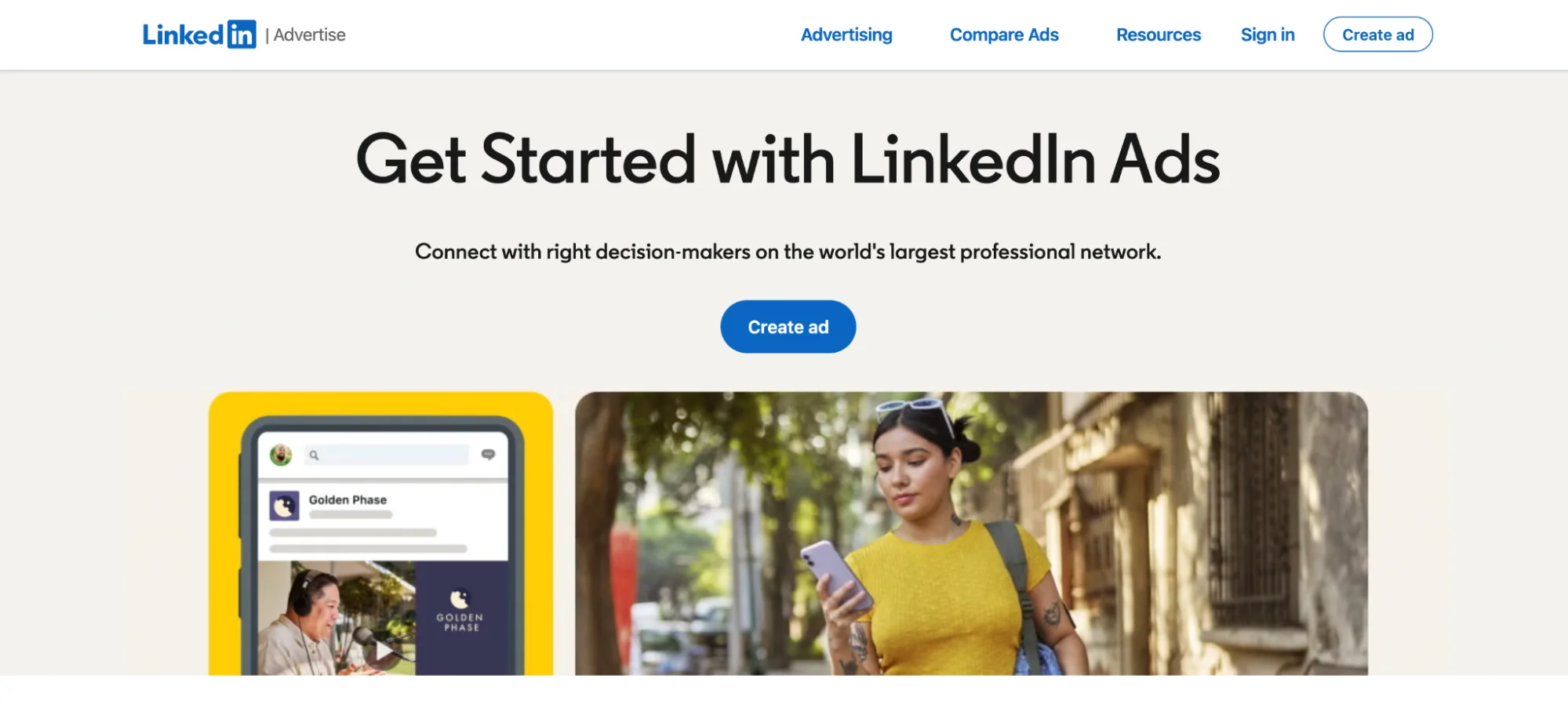
Other social platforms provide specialized utility:
- LinkedIn Ads: The undisputed leader for B2B lead generation, targeting decision-makers by job title, industry, and company size. While CPCs are significantly higher, the lead quality often justifies the expense for enterprise software and professional services.
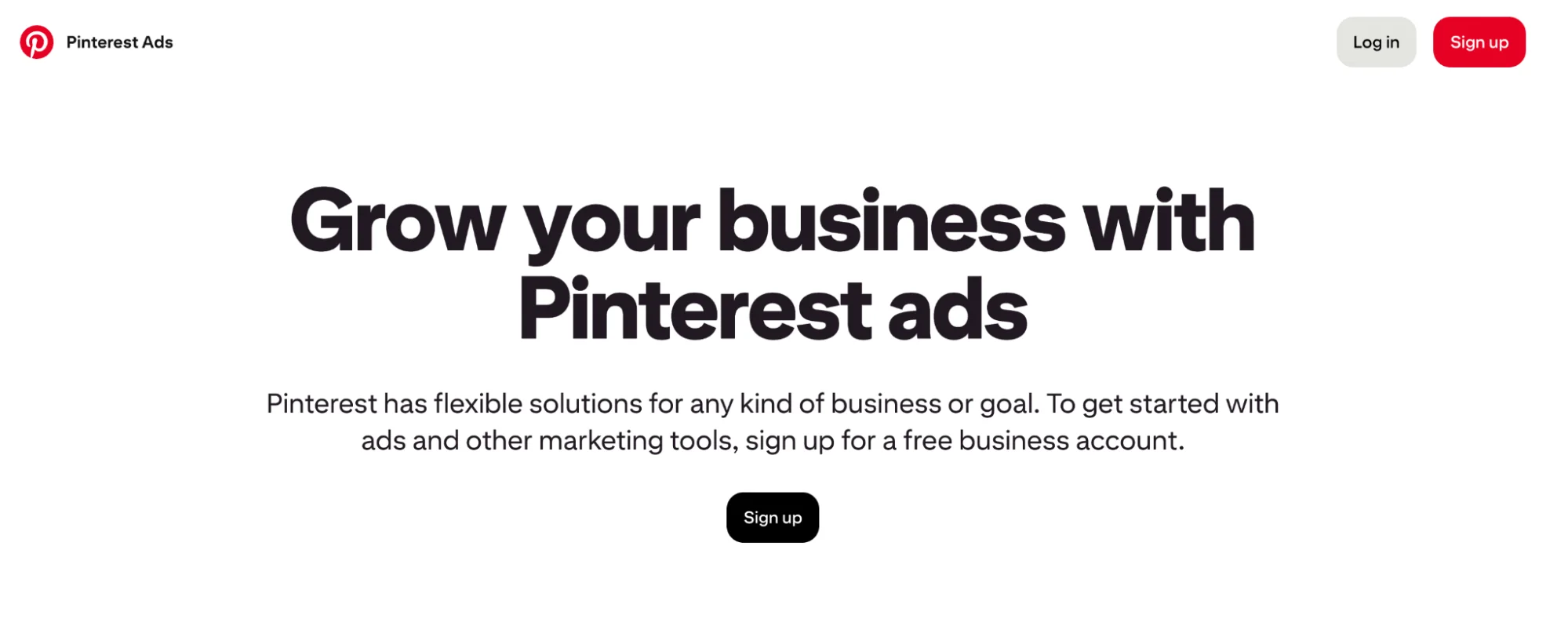
- Pinterest Ads: Acting as a visual discovery engine, Pinterest captures users in the "planning phase" of the consumer journey. This makes it particularly effective for home decor, fashion, and travel brands, where the long lifespan of a "Pin" provides a trailing ROI that other social feeds cannot match.
The Explosion of Retail Media and Native Advertising
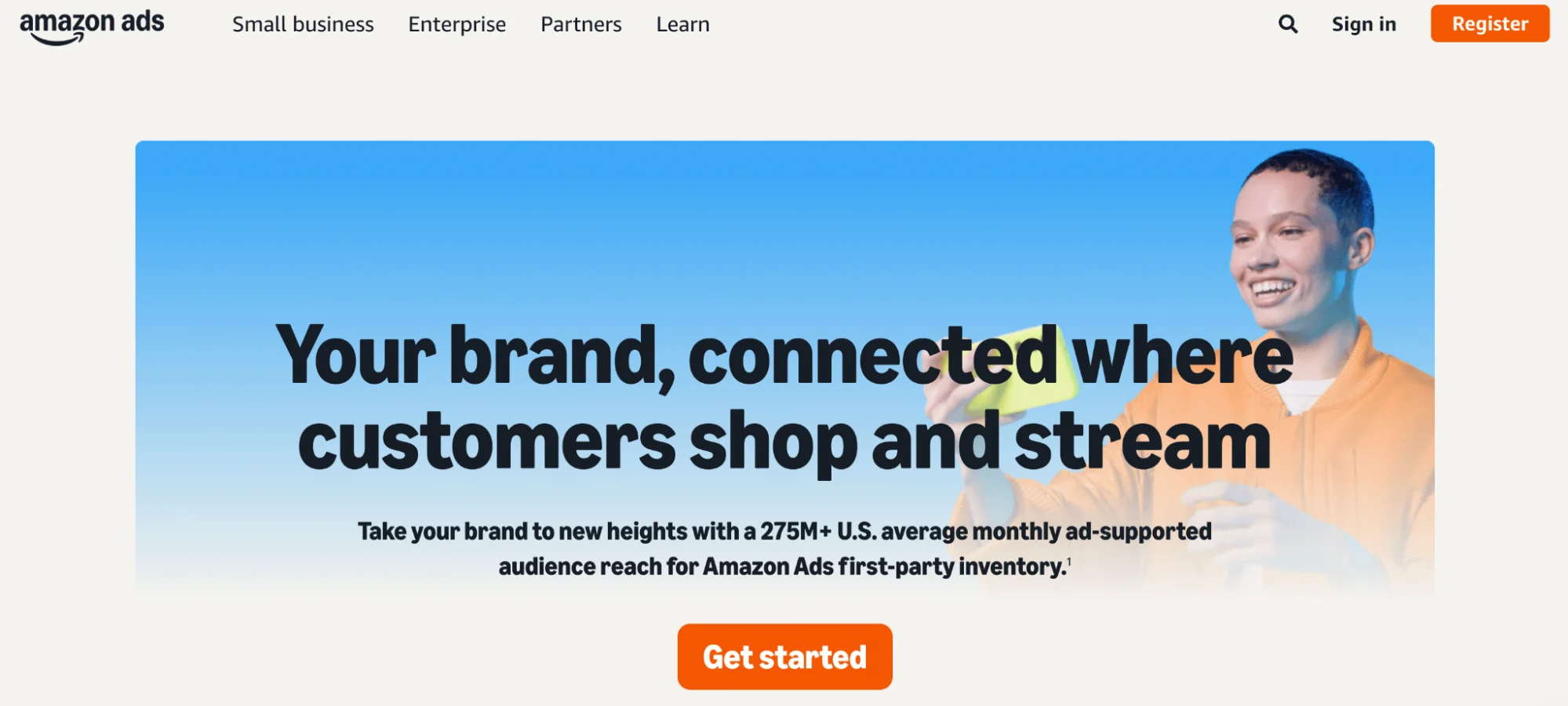
A significant trend for 2026 is the dominance of Amazon Ads and other Retail Media Networks (RMNs). Amazon reaches shoppers at the very bottom of the sales funnel. According to Amazon’s internal reporting, advertisers typically see a 34% increase in sales growth within the first month of launching Sponsored Products campaigns. The platform’s ability to link an ad directly to a purchase within a single ecosystem eliminates the friction that plagues other channels.
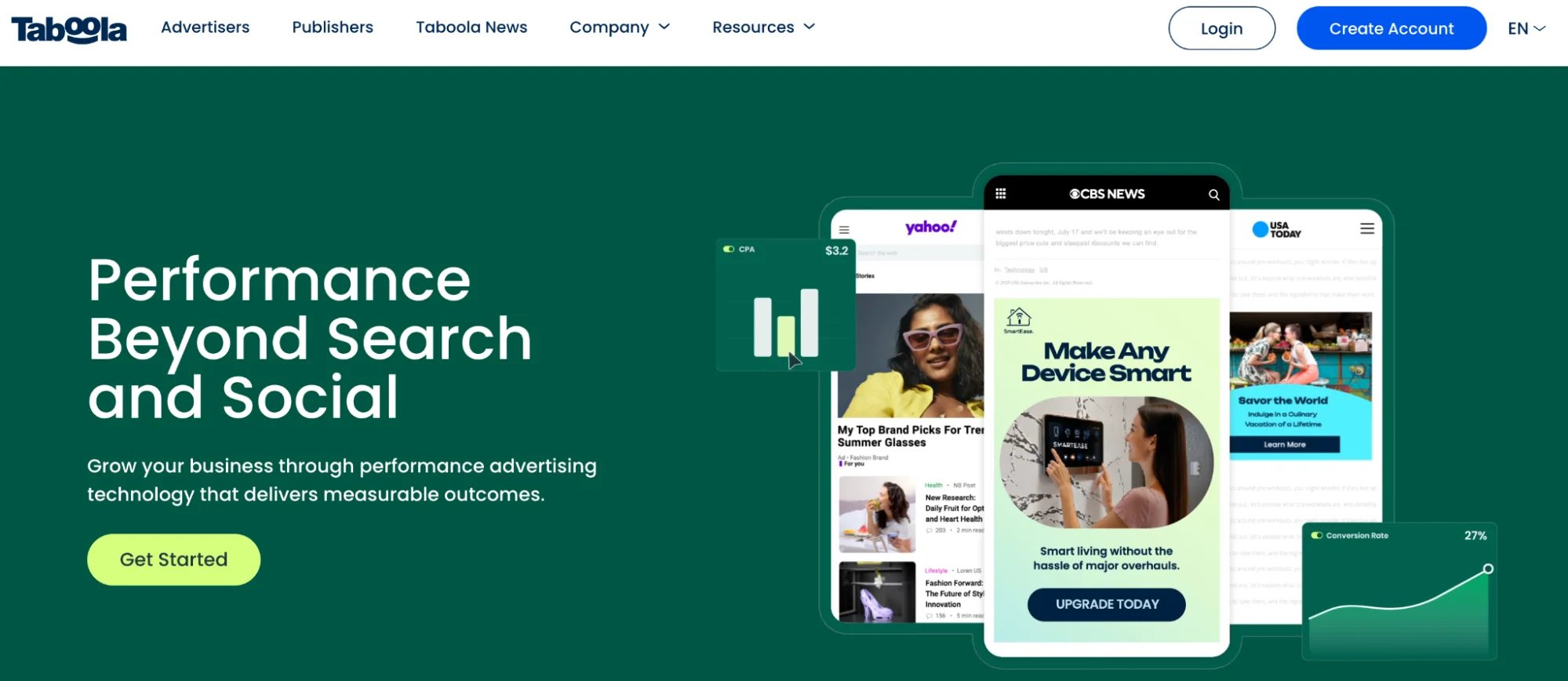
On the "open web," native advertising platforms like Taboola and Outbrain continue to serve as vital tools for content distribution. These platforms place "recommended content" on major news and editorial sites. For brands utilizing a "long-form" sales approach—such as insurance, financial services, or complex health products—native ads provide a way to build trust through editorial-style landing pages before asking for a conversion.
Regulatory Compliance and the Privacy Shift
The regulatory environment in 2026 is more stringent than ever. Digital advertising must now navigate a complex web of international laws:
- GDPR (Europe): Requires explicit, granular consent for data processing.
- CCPA/CPRA (California): Mandates robust opt-out options and transparency regarding data sales.
- PIPEDA (Canada) and LGPD (Brazil): Further complicate the global compliance landscape.
The phasing out of third-party cookies in browsers like Chrome (following the lead of Safari and Firefox) has made first-party data the "new gold." Marketers are increasingly moving toward server-side tracking and Conversion APIs (CAPIs) to maintain measurement accuracy. Failure to implement a robust Consent Management Platform (CMP) not only risks legal penalties but also degrades the quality of the data fed into ad platform algorithms, leading to higher costs and lower performance.
Fact-Based Analysis: Why Campaigns Fail Post-Click
If the platform is the engine, the landing page is the vehicle. Industry analysis identifies four primary reasons why high-quality ad traffic fails to convert:
- Message Mismatch: There is often a disconnect between the promise made in the ad and the reality of the landing page. If an ad offers a "50% Discount" but the landing page focuses on "Award-Winning Service," the visitor experiences cognitive dissonance and exits.
- Generic Destinations: Sending paid traffic to a homepage is a common but costly mistake. Homepages are designed for exploration, not conversion. They contain too many navigation links and competing calls-to-action (CTAs) that distract the user from the specific intent of the ad.
- Latency: As previously noted, speed is a conversion killer. In the 2026 mobile-first world, a slow page is a non-existent page.
- Lack of Personalization: A B2B ad seen by a CEO should lead to a different experience than the same ad seen by a junior manager. Generic pages fail to address the specific pain points of different audience segments.
Strategic Framework for Platform Selection
To maximize ROAS (Return on Ad Spend) in 2026, marketing departments are encouraged to adopt a structured decision-making framework. The first step is aligning the platform with the primary business goal. Search platforms (Google, Microsoft) are prioritized for high-intent leads, while social platforms (Meta, TikTok) are leveraged for awareness and discovery.
Secondly, budget and competition must be evaluated. In highly competitive sectors like legal or insurance, where Google CPCs can exceed $100, diversifying into lower-competition environments like Microsoft Advertising or Pinterest can provide a necessary "breathing room" for the budget.
Finally, the success of any multi-platform strategy depends on measurement maturity. Analysts suggest that focusing on two platforms with perfect conversion tracking is more effective than spreading a budget across five platforms with "fuzzy" attribution.
Conclusion: The Future of Digital ROI
The future of online advertising in 2026 is not found in a single "silver bullet" platform, but in the sophisticated coordination of cross-channel traffic and optimized post-click experiences. As lead costs continue to climb and privacy regulations tighten, the winners in the digital space will be those who treat the click as the beginning of the customer relationship, not the end. By utilizing dedicated landing pages, A/B testing, and first-party data strategies, brands can bridge the gap between platform popularity and true, sustainable profitability.








