

The practice of acquiring third-party contact databases remains a divisive topic among marketing and sales professionals, presenting a complex landscape where immediate tactical gains often collide with long-term strategic risks. While the allure of instant access to thousands of potential leads is significant, the modern digital ecosystem—governed by increasingly stringent privacy laws and sophisticated spam detection algorithms—has fundamentally altered the viability of purchased email lists. For marketing teams, the consensus is almost universally negative; for sales outreach, the utility of these lists is highly situational and fraught with technical and legal hurdles that require a high degree of operational maturity to navigate successfully.
The Legal and Regulatory Landscape: A Shift Toward Privacy
The legal framework surrounding email communications has evolved significantly over the past two decades, moving from a “buyer beware” environment to one of strict corporate accountability. In the United States, the Controlling the Assault of Non-Solicited Pornography and Marketing (CAN-SPAM) Act of 2003 established the baseline for commercial messaging. Under this law, senders must clearly identify themselves, provide a valid physical postal address, and maintain a functional opt-out mechanism. Crucially, once a recipient opts out, the sender is legally barred from further communication or from selling that specific address to third parties.
The European Union’s General Data Protection Regulation (GDPR), implemented in 2018, represents a much stricter standard. GDPR effectively prohibits the use of purchased lists for marketing to EU or UK residents unless the individuals have specifically consented to have their data sold and used by third parties—a high bar that most “bulk” lists fail to meet. While some organizations attempt to justify cold outreach under the “legitimate interest” clause of GDPR, this requires a rigorous assessment and highly personalized, relevant communication. Failure to comply with these regulations can result in catastrophic fines, with GDPR penalties reaching up to €20 million or 4% of a company’s global annual turnover, whichever is higher.
Technical Consequences: The Anatomy of Domain Reputation
Beyond the courtroom, the most immediate threat to a company using purchased lists is the technical “blacklisting” by Internet Service Providers (ISPs) and Email Service Providers (ESPs). Modern email algorithms analyze multiple data points to determine whether a sender is legitimate or a spammer. Key metrics include:
- Bounce Rates: High-quality lists typically have bounce rates below 1%. Purchased lists, often filled with inactive or non-existent addresses, can see bounce rates exceeding 10% to 20%. Any bounce rate over 2% is generally flagged by ESPs as a sign of a purchased list.
- Spam Traps: These are “honeypot” email addresses created by anti-spam organizations or ISPs. They are never used for legitimate communication and are seeded across the internet to be scraped by low-quality data vendors. Sending a single email to a “pristine” spam trap can result in an immediate and permanent block of your sending domain.
- Engagement Metrics: Algorithms track open rates, click-through rates, and deletion-without-opening rates. Because recipients of purchased lists have no prior relationship with the sender, engagement is naturally lower, signaling to ISPs that the content is unwanted.
Major ESPs, including HubSpot, Mailchimp, and Klaviyo, maintain strict policies against the use of purchased, rented, or third-party lists. These platforms utilize “omnivore” algorithms that scan uploaded lists for known spam traps and high-risk patterns. Detection typically leads to immediate account suspension without a refund, as these providers must protect their own server reputations to ensure deliverability for their legitimate clients.
The Chronology of Data Obsolescence
A critical but often overlooked factor is the rapid decay of B2B contact data. Industry research indicates that professional contact information decays at a rate of approximately 22.5% to 30% annually. In highly volatile sectors like technology and software-as-a-service (SaaS), this rate can be even higher.
The timeline of a purchased list’s value looks like this:
- Month 0 (Purchase): Maximum theoretical value, though usually containing 5-10% inaccuracies even from top vendors.
- Month 6: Roughly 15% of the list is likely invalid due to job changes, company closures, or department restructuring.
- Month 12: Nearly one-third of the data is “junk,” leading to high bounce rates and wasted sales efforts.
- Month 24: The list is effectively toxic, serving only to damage domain reputation and provide no viable leads.
This “Great Resignation” and the subsequent era of “Quiet Quitting” and frequent job hopping have accelerated this timeline, making static, one-time list purchases increasingly obsolete compared to live, subscription-based databases.
Strategic Alternatives: Building vs. Renting
Given the risks, many organizations are shifting toward a hybrid model that prioritizes “owned” audiences while utilizing “rented” or “subscription” data for specific growth phases.
In-House List Building
The most sustainable method involves creating high-value content—such as white papers, webinars, and industry reports—that requires users to opt-in. While this process is slow, often taking years to reach a significant scale, the conversion rates are exponentially higher because the leads have demonstrated “intent” and established a relationship with the brand.
List Rental and Newsletter Sponsorships
Unlike buying a list, renting a list involves paying a publisher to send a message on your behalf. The advertiser never sees the data, and the publisher maintains the relationship with the audience. This bypasses the deliverability risks and legal liabilities of handling third-party data. Newsletter sponsorships, in particular, allow brands to “borrow” the editorial trust of established industry voices.
Intent-Based Subscription Databases
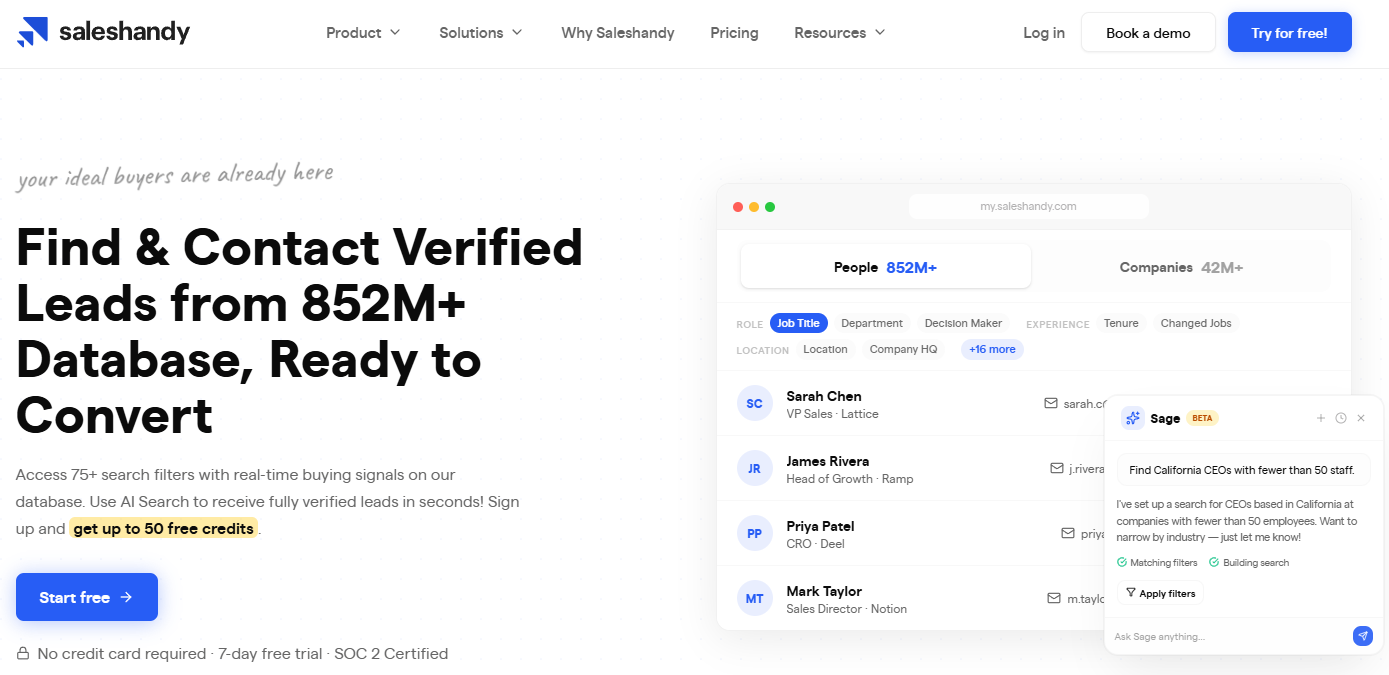
For companies that must perform cold outreach, the industry has moved toward subscription platforms like ZoomInfo or Apollo. These platforms do not sell “lists” in the traditional sense; they provide access to a living database that is constantly refreshed by AI and human researchers. This model mitigates the data decay problem and often includes “intent signals,” such as tracking which companies are searching for specific keywords, allowing sales teams to reach out to the right people at the right time.
Evaluation Criteria for Data Vendors
When an organization determines that a data purchase or subscription is necessary, due diligence is paramount. Industry experts suggest demanding the following from any potential vendor:
- Sourcing Transparency: Vendors must be able to document how data was collected and whether explicit consent for third-party sharing was obtained.
- Security Certifications: Look for SOC 2 Type II and ISO 27001 certifications, which indicate the vendor follows rigorous data handling and security protocols.
- Real-time Verification: Leading vendors now offer real-time SMTP (Simple Mail Transfer Protocol) verification at the moment of export to ensure the email address is currently active.
- Financial Guarantees: Instead of “record replacement” (which often replaces bad data with more bad data), organizations should seek money-back guarantees for bounce rates that exceed a specific threshold.
Leading Providers in the Current Market
The market for professional contact data is segmented by geography, company size, and specific use cases.
Enterprise and North American Focus: ZoomInfo
ZoomInfo remains the market leader for large-scale enterprise operations in North America. With over 420 million contacts, it integrates deeply with CRM systems like Salesforce. Its primary advantage is “Copilot,” an AI agent that identifies buyer-intent signals, moving beyond simple contact info to provide context on why a prospect might be ready to buy.
European Compliance Specialist: Cognism
For companies targeting the UK or EU, Cognism is often the preferred choice. They differentiate themselves through “Diamond Data,” which includes phone-verified mobile numbers and a strict adherence to GDPR compliance. Their focus on the European market helps navigate the complex regional privacy laws that US-centric providers often struggle with.
Mid-Market and SMB: Apollo.io
Apollo has gained significant market share by offering an all-in-one platform that combines a database of 230 million contacts with its own email sequencing and dialer tools. Its transparent, tiered pricing—including a functional free version—makes it the standard for startups and small-to-mid-sized businesses.
Niche and Consumer Brokers: LeadsPlease and BookYourData
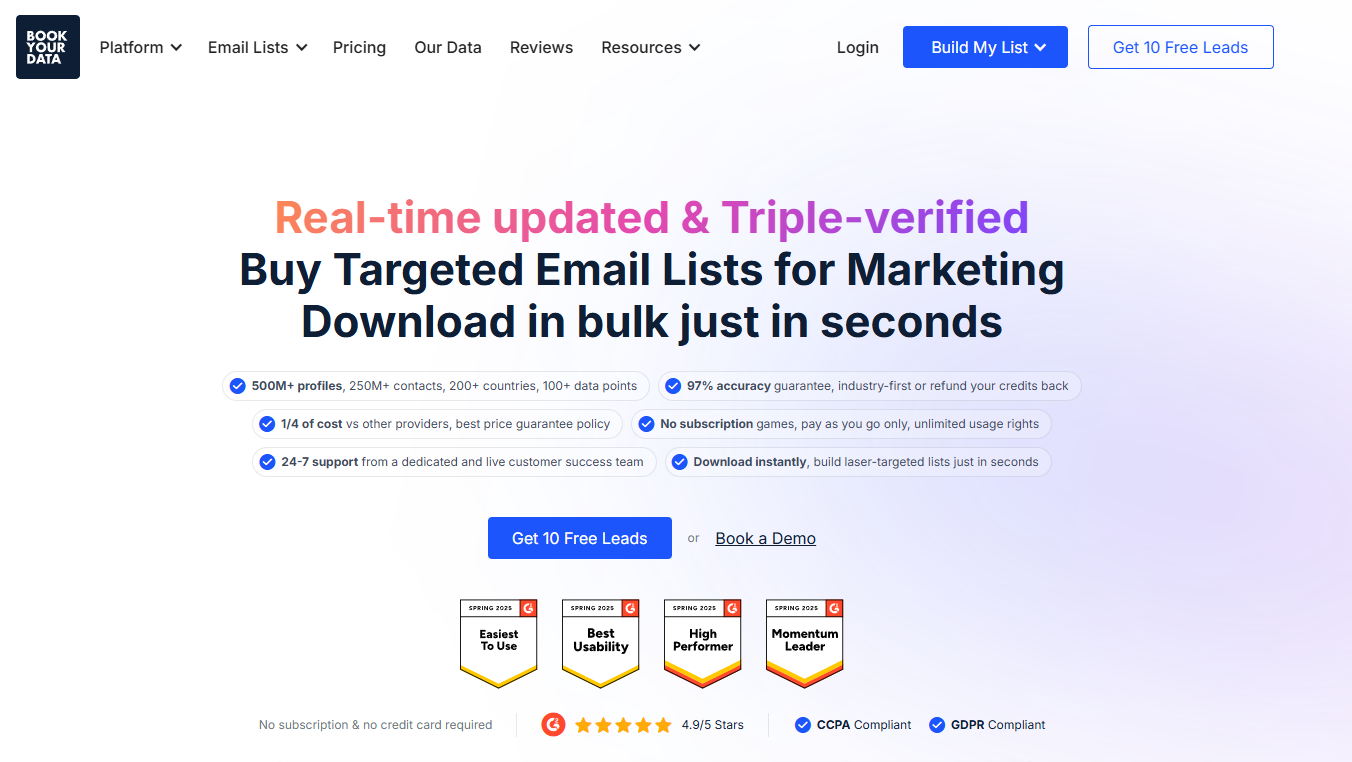
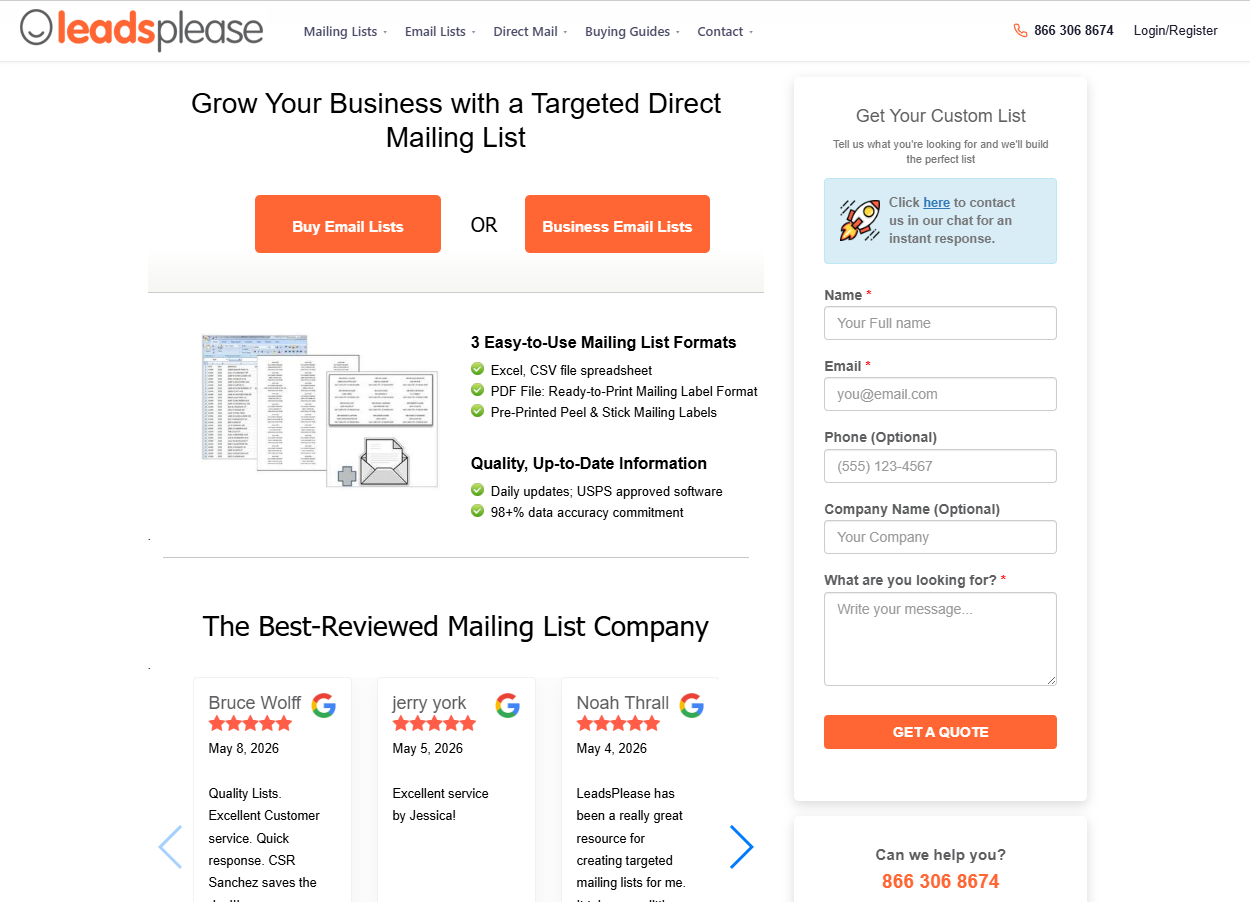
For one-off pulls or consumer-focused data (such as new homeowners or specific geographic radiuses), brokers like LeadsPlease and BookYourData offer pay-as-you-go models. These are less about long-term sales strategy and more about specific, localized direct mail or highly targeted email campaigns.
Analysis of Broader Implications
The shift away from bulk email list purchasing reflects a broader trend in the digital economy: the transition from “interruption marketing” to “permission-based marketing.” As AI makes it easier to generate massive amounts of content and outreach, the value of a human-to-human connection and a clean, opted-in database has reached an all-time high.
For management teams, the decision to buy a list must be weighed against the potential “brand tax.” Even if a cold email doesn’t result in a legal fine or a technical block, it creates a first impression. If that impression is one of an unsolicited, irrelevant intrusion, it can permanently alienate a potential high-value customer. The most successful modern organizations are those that treat data not as a commodity to be bought in bulk, but as a strategic asset to be cultivated through value-exchange and meticulous technical management.







