


In the rapidly evolving landscape of digital experience optimization, redirect tests—often referred to as split URL tests—remain a fundamental tool for marketers and developers seeking to validate significant architectural or design changes. However, the technical implementation of these tests, particularly on the client side, has long been a source of frustration for experimentation professionals. The primary challenge lies in the maintenance of data integrity, which is frequently compromised by the brittle nature of manual configurations. To address these systemic inefficiencies, a new methodology utilizing n8n automation and Artificial Intelligence (AI) has emerged, offering a more robust framework for generating and validating the Regular Expressions (Regex) that govern these redirects.

The Technical Complexity of Redirect Testing
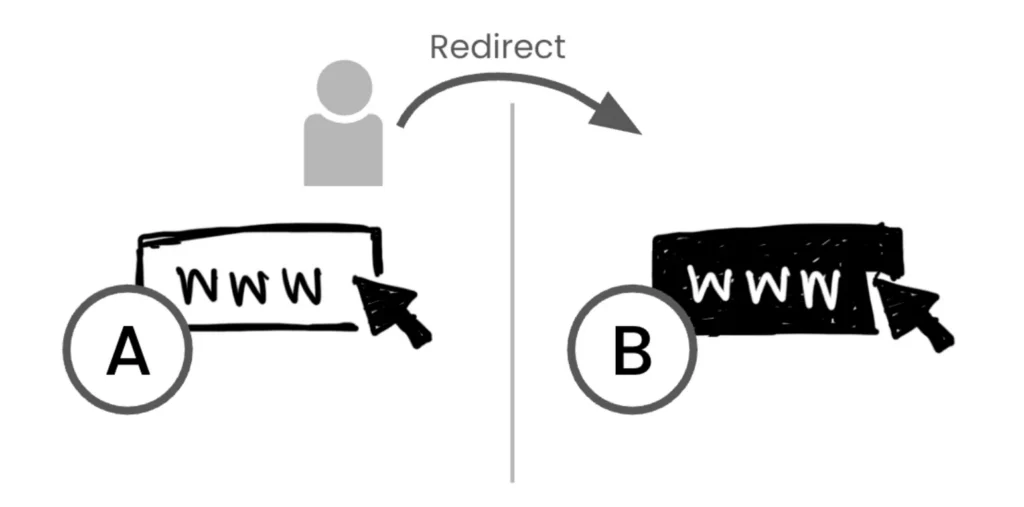
Redirect testing involves a mechanism where users attempting to access a specific original URL (e.g., /original-page) are seamlessly routed to a new version (e.g., /version-b). Unlike standard A/B tests that modify elements on a single page, split URL tests allow for the comparison of entirely different page layouts or backend structures. While server-side redirects are generally considered more stable, client-side redirect tests—those executed within the user’s browser via JavaScript—are notorious for technical debt and data leakage.
The core of any redirect test is the Regular Expression, a sequence of characters that defines a search pattern. In the context of web optimization, Regex is used to match incoming URLs and determine if a redirect should be triggered. While powerful, Regex is notoriously sensitive; a single misplaced character, an overlooked query parameter, or an unexpected edge case can lead to “redirect loops,” broken links, or the inclusion of unintended pages in an experiment. For organizations running hundreds of tests simultaneously, the cumulative risk of manual Regex errors poses a significant threat to the validity of their data and the overall user experience.

The Chronology of Automation: From Manual Entry to n8n Workflows
The shift toward automated Regex generation represents a maturation of the Conversion Rate Optimization (CRO) industry. Historically, the process for creating a redirect test followed a linear, manual path: a strategist would define a change request, a developer would write the Regex, and a QA engineer would manually test a handful of URLs to ensure compliance. This process was not only slow but also prone to human error, particularly when dealing with complex URL structures involving dynamic parameters.
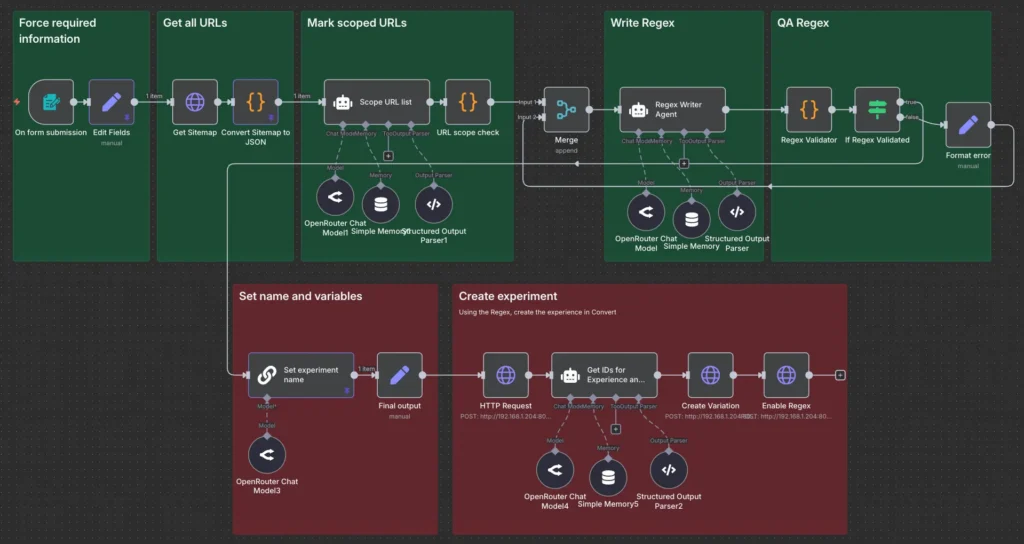
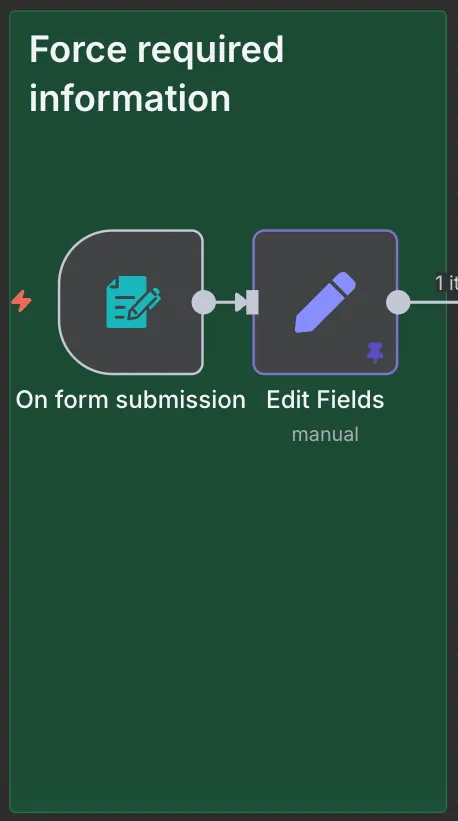
The integration of n8n, an extendable workflow automation tool, allows for a centralized, programmatic approach. The process begins with the structured collection of data, moves through AI-driven logic for scoping and coding, and culminates in an automated Quality Assurance (QA) loop. This transition ensures that every redirect rule is subjected to the same rigorous validation standards before it is deployed to a live environment.
Step-by-Step Breakdown of the Automated Workflow
1. Standardized Data Collection
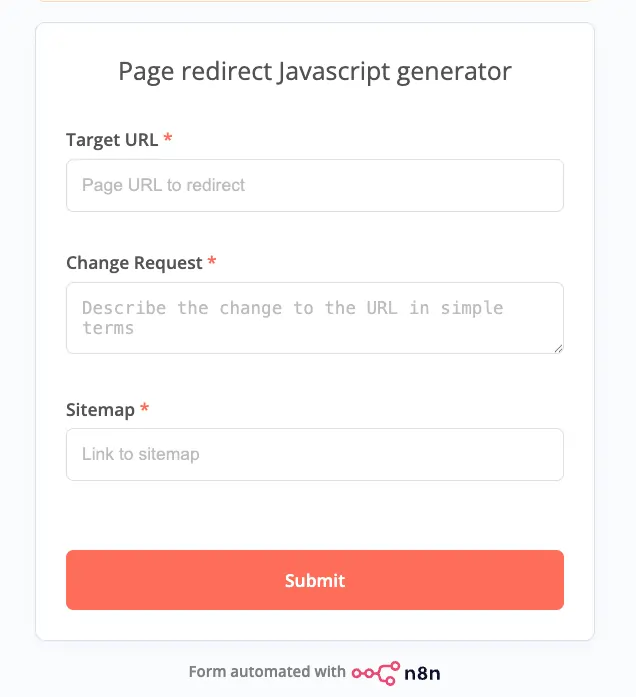
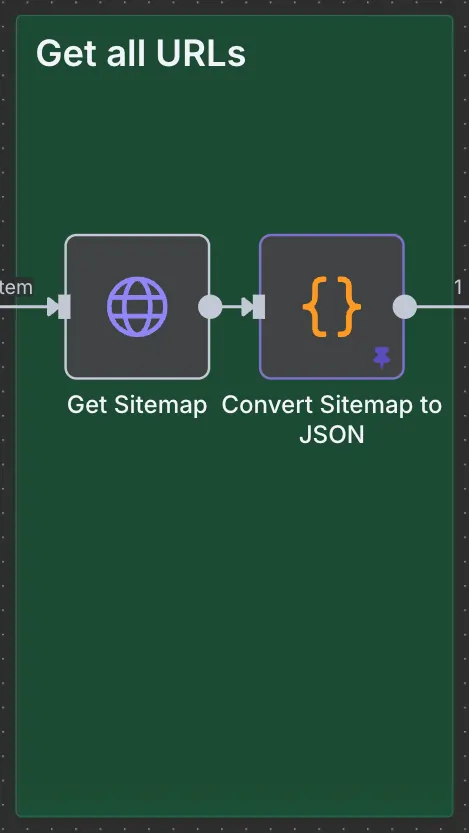
The workflow commences with a standardized form designed to capture three critical pieces of information: the target URL, the specific change request (e.g., “replace /product with /new-product”), and a sitemap or comprehensive list of site URLs. By utilizing a form-based entry system rather than informal communication channels like Slack or email, teams can enforce data hygiene from the outset. The use of a sitemap is particularly crucial, as it provides the automation engine with a complete “map” of the digital environment, allowing it to anticipate potential conflicts on pages not explicitly mentioned in the initial request.
2. AI-Driven Scoping and Pattern Recognition
Once the data is ingested, the first of two AI agents is deployed. This agent is tasked with “determining scope.” It compares the full list of site URLs against the target URL and the change request to identify which pages should be included in the redirect. This step leverages “few-shot prompting,” a technique where the Large Language Model (LLM) is provided with a small number of examples to help it recognize patterns. For instance, if a user wants to redirect a top-level category page, the AI must decide whether sub-pages and paginated results should also be redirected. Automated scoping significantly reduces the likelihood of “scope creep,” where a test unintentionally affects unrelated sections of a website.

3. Automated Regex Generation
The second AI agent functions as the primary coder. Using the scoped URL list, it generates the specific Regex and replacement strings required for the test. The prompt for this agent is engineered to handle common web development hurdles, such as preserving query parameters (UTM tags, session IDs) and managing trailing slashes. By instructing the AI to avoid “lookbehinds”—a specific Regex feature that is not supported in all browser environments—the workflow ensures that the resulting code is compatible across the widest possible range of user devices.
4. The Recursive Quality Assurance Loop
The most innovative aspect of the n8n workflow is the automated QA loop. After the Regex is generated, a script runs it against every single URL in the sitemap. This exhaustive validation checks for three primary failure states:
- False Negatives: URLs that should have been redirected but were not.
- False Positives: URLs that were redirected but should have remained untouched.
- Functional Errors: Redirects that resulted in malformed URLs or broken links.
If the script detects an error, the workflow does not stop. Instead, it packages the error logs and feeds them back to the AI agent, which then attempts to rewrite the Regex to account for the failure. This recursive process continues until the Regex passes a 100% success rate across the entire URL database. This level of verification is virtually impossible to achieve through manual QA.
Supporting Data and Efficiency Metrics
The implications of this automation are measurable in both time and accuracy. In traditional environments, a complex Regex for a site with 5,000+ URLs might take a developer 30 to 45 minutes to write and a QA specialist another 30 minutes to verify. The n8n workflow, utilizing small, efficient AI models (such as GPT-4o-mini or Claude 3 Haiku), can complete the entire cycle in under two minutes.
Furthermore, the cost of running these models is negligible. Because the tokens required for Regex generation are minimal, the operational expense of the automation is outweighed by the savings in human labor. More importantly, the “cost of error”—the potential revenue lost due to a broken redirect on a high-traffic landing page—is mitigated by the workflow’s exhaustive sitemap validation.
Expert Analysis: The Role of the “Human-in-the-Loop”
Iqbal Ali, a prominent experimentation consultant and the architect of this specific workflow, emphasizes that while AI significantly reduces effort, it does not entirely replace the need for professional oversight. The workflow is designed to empower teams with limited specialized knowledge, allowing a marketing manager to build a technically sound test that previously would have required a senior developer. However, Ali suggests that for high-stakes experiments, a final “human-in-the-loop” check can be appended to the workflow to review the AI-generated documentation and QA reports.
This methodology aligns with a broader trend in the tech industry known as “LLM-based Developer Tools.” By treating AI as a specialized compiler for legacy languages like Regex, companies can bridge the gap between creative strategy and technical execution.
Broader Impact and Industry Implications
The move toward automated redirect testing reflects a shift in the CRO industry’s priorities. As privacy regulations like GDPR and CCPA, along with browser changes like Apple’s ITP, make client-side tracking more difficult, the precision of test setup becomes paramount. If the setup of an experiment is flawed, the resulting data is essentially useless for decision-making.
By automating the most “brittle” part of the process—the Regex—organizations can ensure that their experimentation programs are built on a foundation of data integrity. This approach also democratizes the ability to run sophisticated tests. Smaller teams that may not have dedicated dev-ops resources can now deploy complex split URL tests with the same level of technical rigor as enterprise-level organizations.
In the long term, this workflow serves as a blueprint for other areas of marketing automation. The principles applied here—structured input, AI generation, and rigorous automated validation—can be extended to tag management, SEO metadata generation, and even automated bug detection in front-end code. As AI tools become more integrated into the daily operations of digital teams, the focus will continue to shift from “how to build” to “how to validate,” with automation serving as the ultimate safeguard for the user experience.







