
 rifanmuazin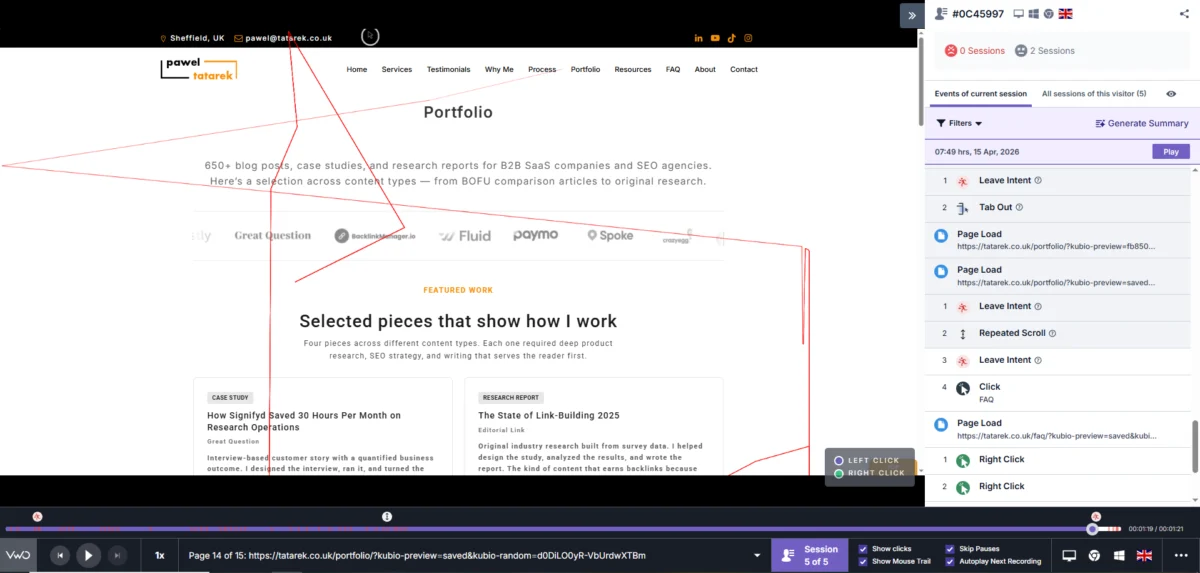
The global conversion rate optimization (CRO) market has undergone a significant transformation over the last decade, evolving from simple heatmapping tools to comprehensive experience optimization platforms. As digital competition intensifies, the choice between foundational simplicity and enterprise-grade experimentation has become a pivotal decision for marketing teams and UX designers. Two of the industry’s most enduring titans, Crazy Egg and VWO (Visual Website Optimizer), represent these two distinct philosophies. While Crazy Egg continues to champion an accessible, bundled approach to web analytics, VWO has positioned itself as a high-velocity experimentation engine for large-scale operations. This analysis explores the technical capabilities, economic models, and strategic implications of choosing one over the other in the current digital landscape.
The Evolution of User Behavior Analytics
The origins of these platforms trace back to a time when understanding website visitor behavior was largely limited to raw log files and basic click tracking. Crazy Egg, co-founded by Hiten Shah and Neil Patel in 2005, revolutionized the space by introducing visual heatmaps that allowed non-technical users to see exactly where visitors were clicking. This democratized UX research, making it accessible to small and medium-sized businesses.
VWO entered the market shortly thereafter, in 2010, founded by Paras Chopra. While it also offered visual analytics, its primary focus quickly shifted toward the "testing" aspect of optimization. Over the last 15 years, the two companies have followed divergent trajectories. Crazy Egg has focused on refining a "Swiss Army Knife" suite—incorporating surveys, recordings, and error tracking into a single subscription. Conversely, VWO has expanded into a modular ecosystem, offering specialized products for web testing, mobile app analytics, and server-side experimentation.
Visual Analytics and Heatmapping Capabilities
At the core of both platforms is the heatmap, a visual representation of user engagement. However, the technical execution of these maps differs significantly in terms of segmentation and data granularity.
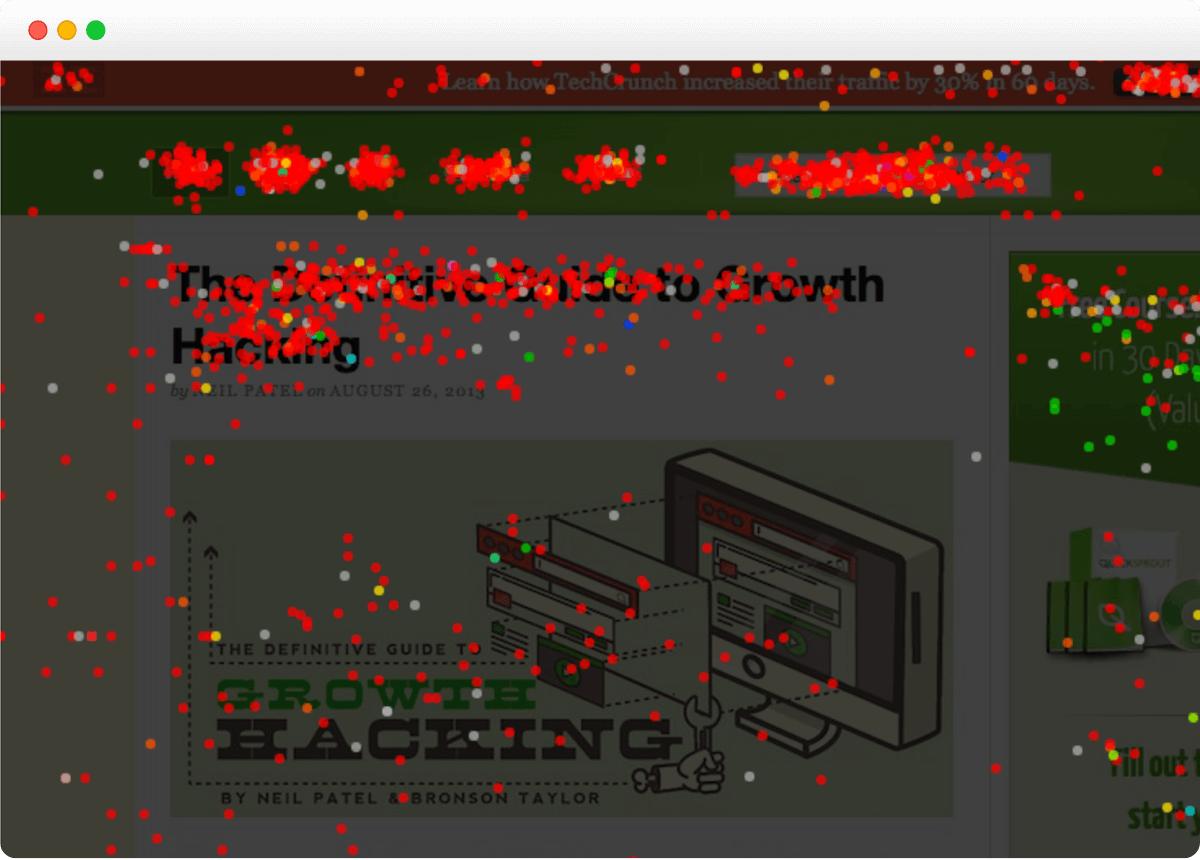
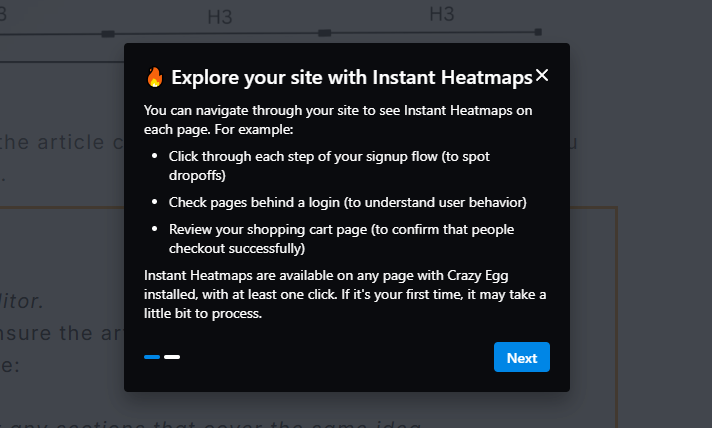
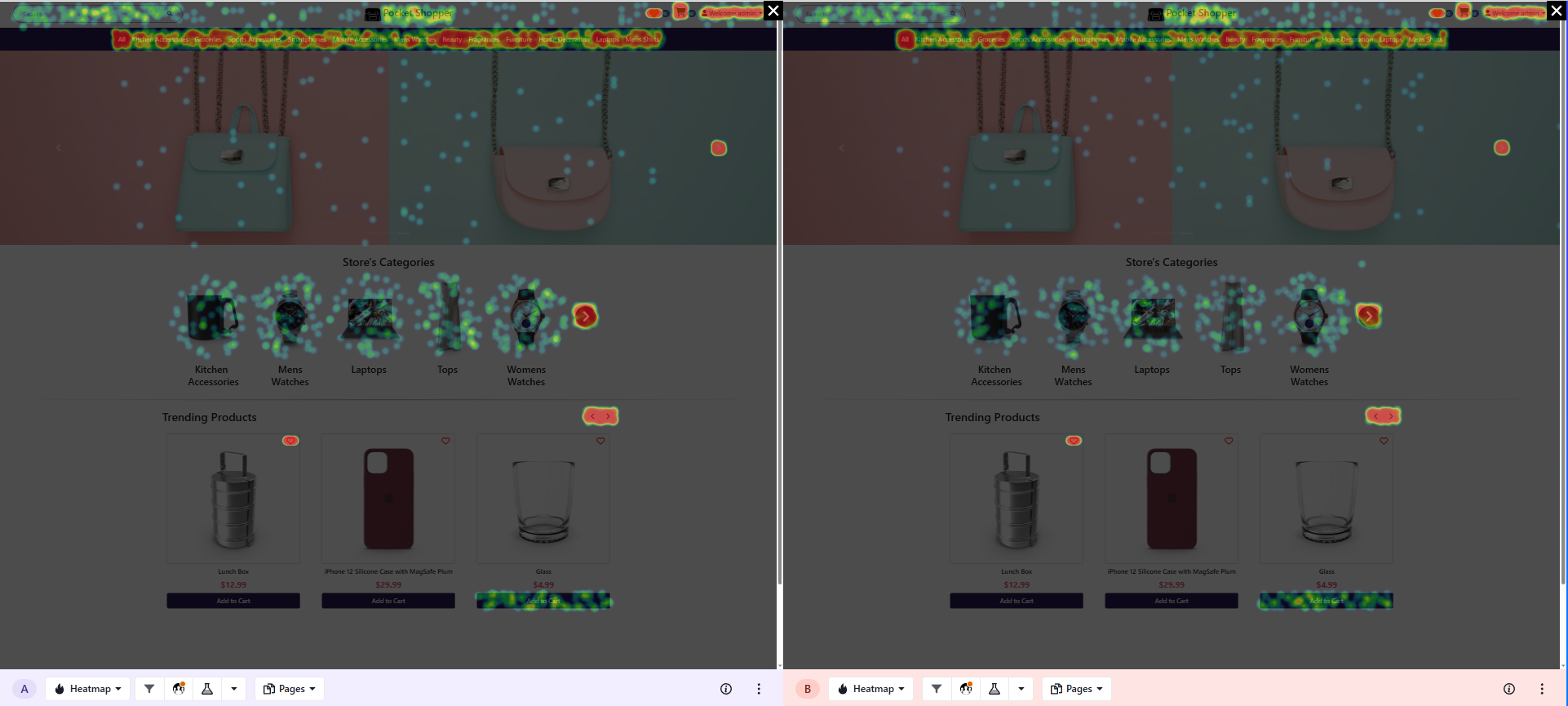
Crazy Egg utilizes a proprietary "Confetti Map" system, which remains one of its most distinct advantages. Unlike standard heatmaps that show a general "glow" of activity, Confetti Maps allow users to see individual clicks color-coded by traffic source, device, or custom variables. This enables a marketer to immediately distinguish how a visitor from a Facebook ad interacts with a landing page compared to a visitor from organic search. Crazy Egg also offers "Instant Heatmaps," a feature that auto-generates engagement data across an entire domain without requiring manual setup for each individual page.
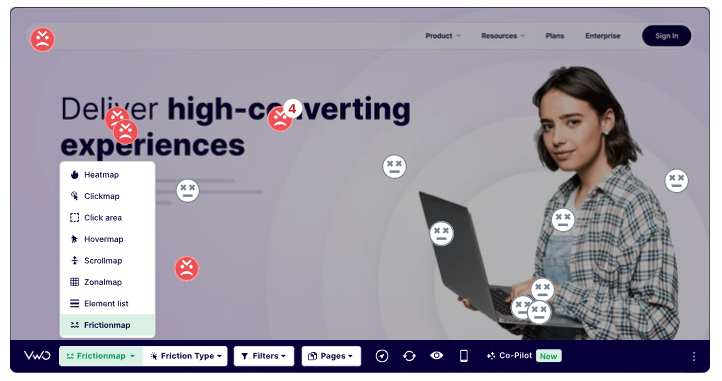
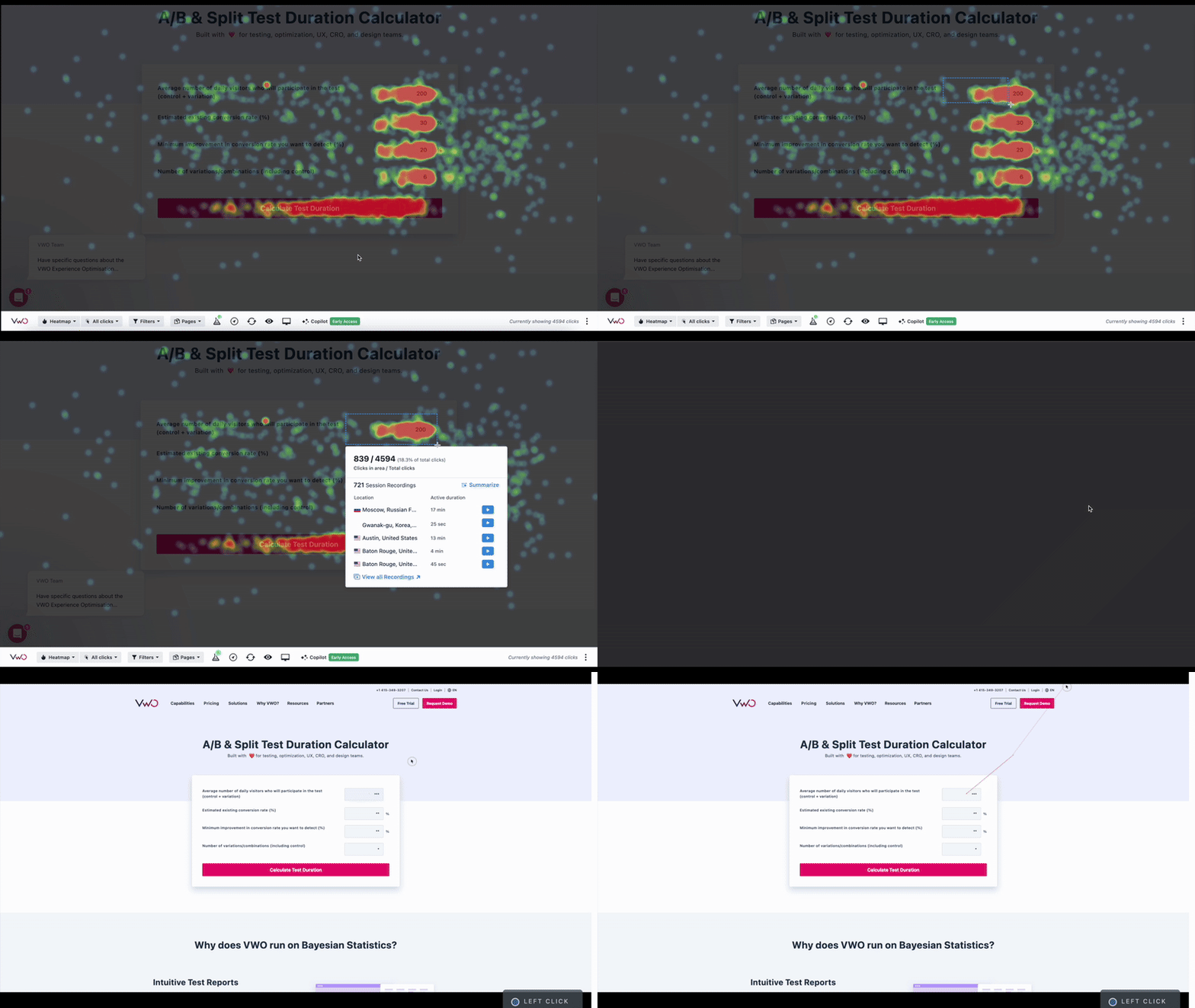
VWO provides a broader variety of map types, including "Frictionmaps" and "Hovermaps." Frictionmaps are particularly useful for identifying areas where users hesitate or experience difficulty, while Hovermaps track mouse movement, which is often used as a proxy for eye-tracking. While VWO’s maps are dynamic—meaning they can track interactions with moving elements like sliders or dropdown menus—they lack a direct equivalent to Crazy Egg’s per-click segmentation. In VWO, comparing different segments usually requires a side-by-side view, which can be less efficient for rapid analysis of multiple traffic sources simultaneously.
Session Recordings and User Privacy
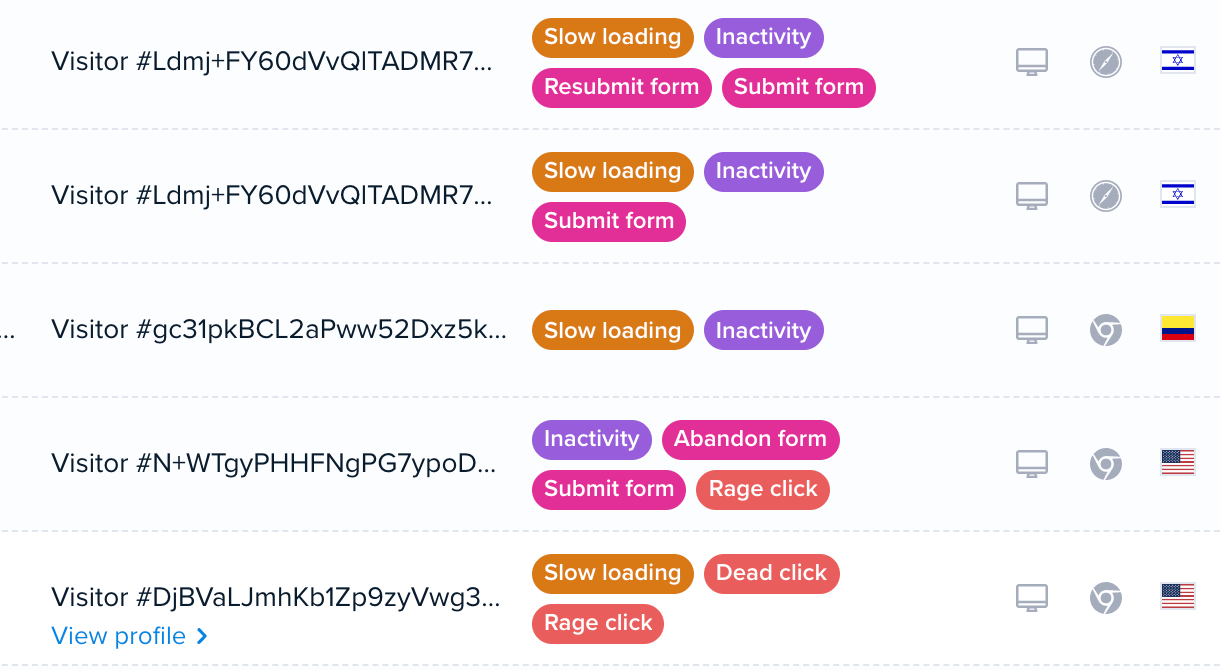
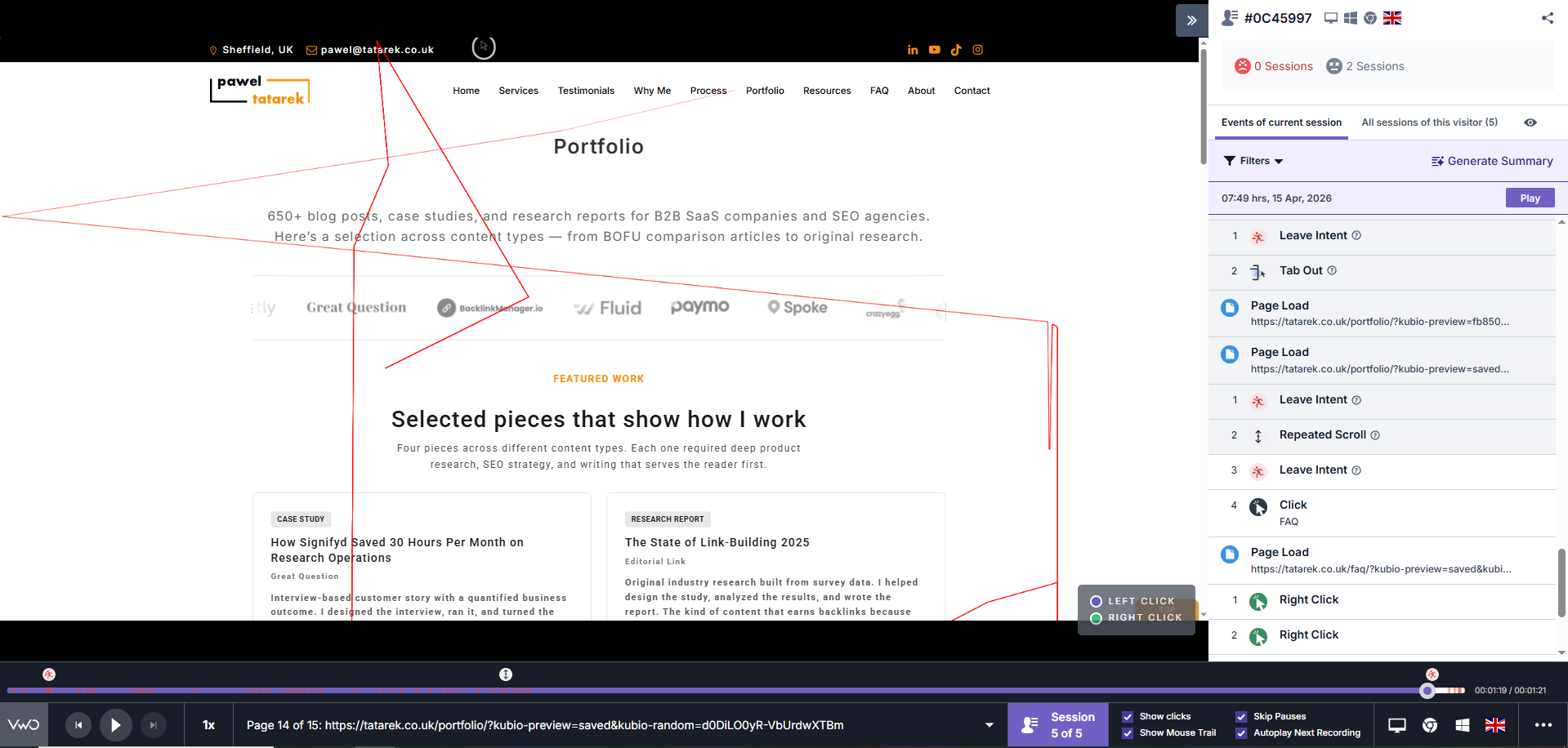
Session recordings have become a standard requirement for CRO, allowing teams to watch "replays" of user journeys. Both Crazy Egg and VWO offer robust recording features, but their data retention and sampling policies differ.
Crazy Egg has optimized its recording suite for long-term troubleshooting. Depending on the plan, users can retain session data for up to two years. This is particularly valuable for businesses with long sales cycles or those needing to investigate historical bugs. Furthermore, Crazy Egg allows for "configurable sampling," where a site owner can choose to record a specific percentage of traffic or a fixed number of sessions on high-value pages, such as the checkout flow.
VWO’s recording tool, housed within its "Insights" product, offers "unlimited" recordings but employs a sampling method that does not guarantee every visitor is captured. Crucially, VWO’s data retention is significantly shorter, typically ranging from one to three months. This makes VWO more suited for "real-time" optimization and immediate feedback loops rather than long-term behavioral audits. VWO does, however, offer superior collaboration tools within its recordings, such as the ability to annotate specific moments in a video and share them directly with development teams.
The Experimentation Engine: A/B and Multivariate Testing
The most significant divergence between the two platforms lies in their approach to experimentation. A/B testing—the process of comparing two versions of a webpage to see which performs better—is a core feature for both, but the depth of the "engine" varies.
Crazy Egg provides a streamlined A/B testing tool designed for marketing teams. It features a visual editor that requires no coding knowledge to change headlines, images, or button colors. It also includes "Multi-Armed Bandit" (MAB) testing, which uses machine learning to automatically direct traffic to the winning variant as the test progresses, minimizing the risk of lost conversions during the testing phase.
VWO Testing is a far more powerful, albeit more complex, product. It supports not only A/B and split-URL tests but also multivariate testing (testing multiple variables simultaneously) and server-side testing. Server-side testing allows developers to run experiments at the application level, which is essential for testing complex features like pricing algorithms or search results. VWO also offers "Guardrails," a statistical feature that alerts users if a test is negatively impacting secondary metrics, ensuring that a "win" in one area doesn’t cause a "loss" in another.
Direct Feedback and Survey Integration
Quantitative data tells you what is happening, but qualitative data tells you why. Both platforms integrate surveys to capture the "voice of the customer."
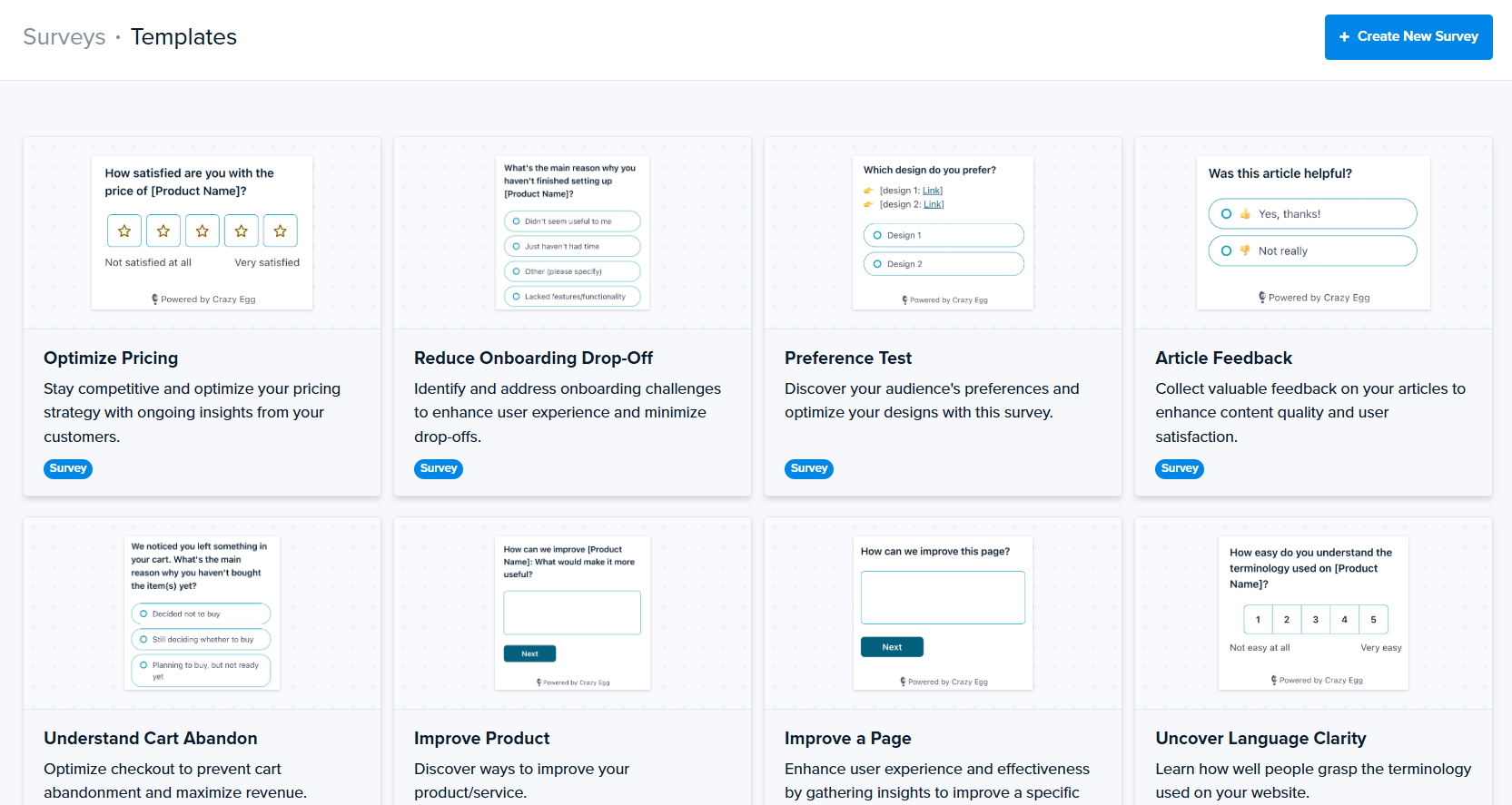
Crazy Egg includes surveys as a free, unlimited feature across all its plans. The survey builder is designed for speed, offering over 50 templates for common scenarios like Net Promoter Score (NPS) or exit-intent feedback. A unique integration in Crazy Egg allows responses to be linked directly to session recordings, so a researcher can watch the exact session of a user who left a negative comment.
VWO Pulse is a dedicated survey product that offers more granular targeting than Crazy Egg. For instance, a VWO survey can be triggered based on highly specific user attributes or behaviors within a native mobile app. It also includes a "Question Bank" and AI-assisted question generation to help researchers craft unbiased surveys. However, unlike Crazy Egg, VWO Pulse is a separate subscription, adding to the total cost of the optimization stack.

The Role of Artificial Intelligence in 2026
Artificial Intelligence has become the latest frontier in CRO. Both companies have integrated AI to help users make sense of the vast amounts of data they collect.
Crazy Egg’s AI focus is on automated analysis. The platform proactively scans heatmaps and recordings to identify "Top Insights," such as identifying that a specific button is being ignored or that a high percentage of users are "rage-clicking" on a non-clickable element. It also allows users to export heatmap data directly to external Large Language Models (LLMs) like ChatGPT or Gemini for deeper custom analysis.
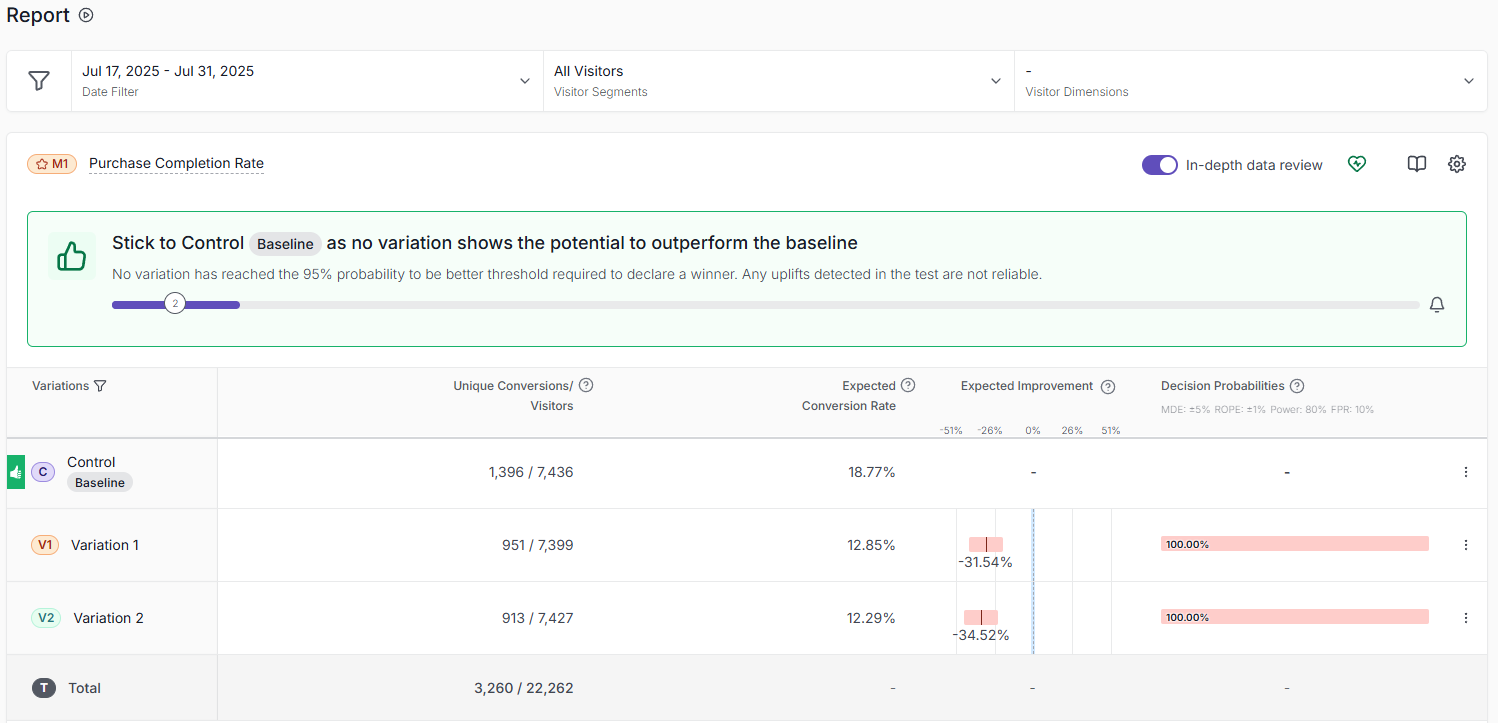
VWO has introduced "Copilot," an AI assistant that goes beyond analysis into creation. Copilot can suggest A/B test ideas based on a website’s current performance, write alternative copy for headlines, and even build custom audience segments for personalization. This makes VWO a more attractive option for teams that have high traffic but lack the creative resources to generate a constant stream of new test hypotheses.
Economic Analysis: Billing Models and ROI
The financial implications of choosing between Crazy Egg and VWO are stark, driven by fundamentally different billing philosophies.
Crazy Egg utilizes a "Tracked Pageview" model. Users are only billed for the specific pages where they have active heatmaps or A/B tests running. This allows businesses to keep the tracking code on their entire site while only "paying" for the data they are actively using. As of early 2026, Crazy Egg’s pricing remains transparent and relatively flat, with a "Plus" plan offering a comprehensive suite for $99 per month.
VWO employs a "Monthly Tracked Users" (MTU) model. This means that every unique visitor who lands on any page where the VWO SmartCode is installed counts toward the billing quota, regardless of whether that user is part of a test or a heatmap. This can lead to significant cost escalations for high-traffic sites. To match the feature set bundled in a single Crazy Egg plan, a business would need to subscribe to VWO Insights, VWO Testing, and VWO Pulse. For a site with 25,000 monthly visitors, this bundle can exceed $1,000 per month—nearly ten times the cost of Crazy Egg.
Market Impact and Strategic Recommendations
The choice between these two platforms ultimately depends on the maturity of the organization’s optimization program.
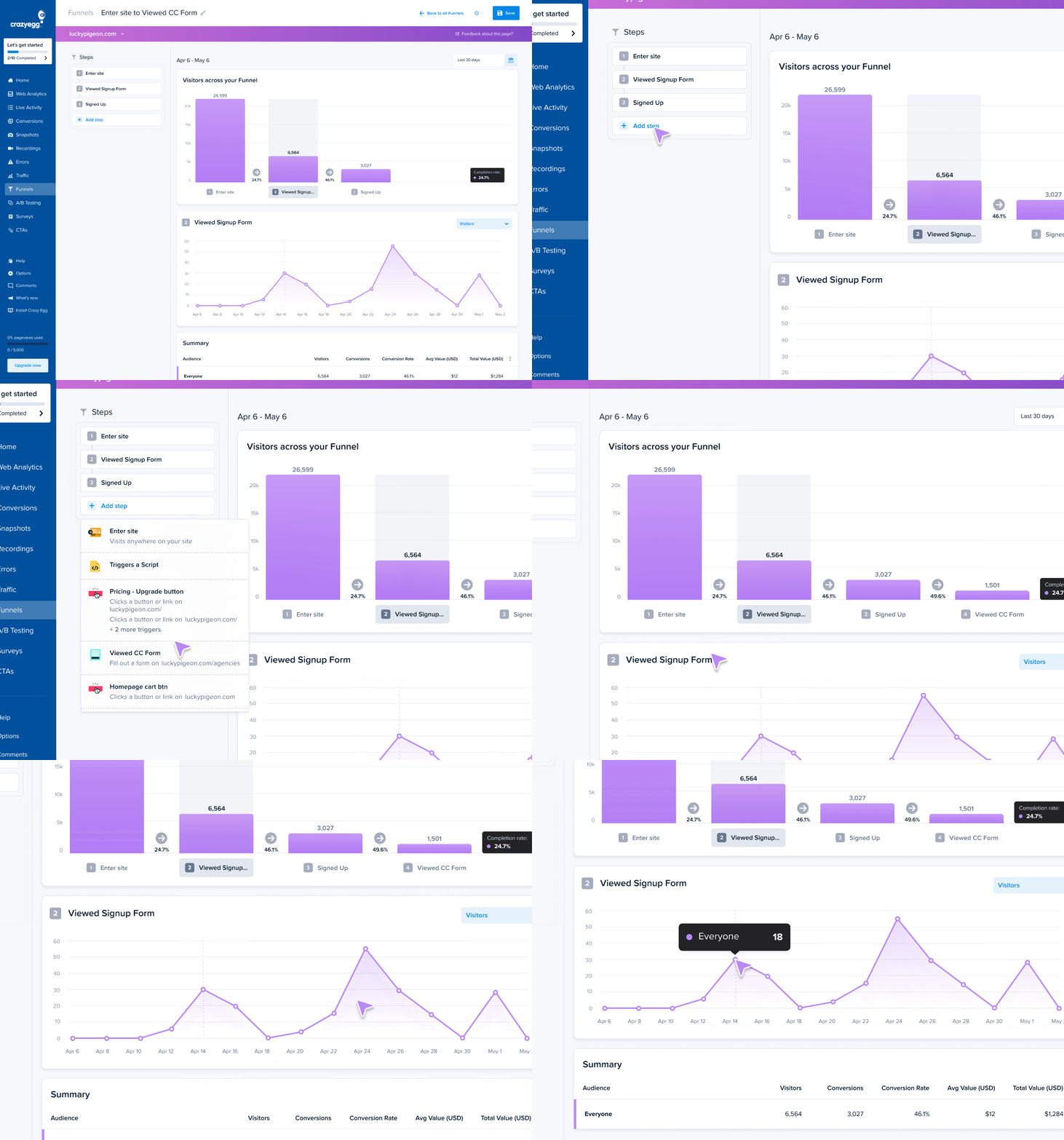
Industry analysts suggest that for small-to-medium businesses (SMBs) and mid-market growth teams, Crazy Egg offers a higher Return on Investment (ROI). Its "all-in-one" approach eliminates the friction of managing multiple subscriptions and provides all the essential tools—heatmaps, recordings, testing, and surveys—needed to build a successful CRO framework. The inclusion of error tracking and popup CTAs further adds value for teams looking to consolidate their marketing stack.
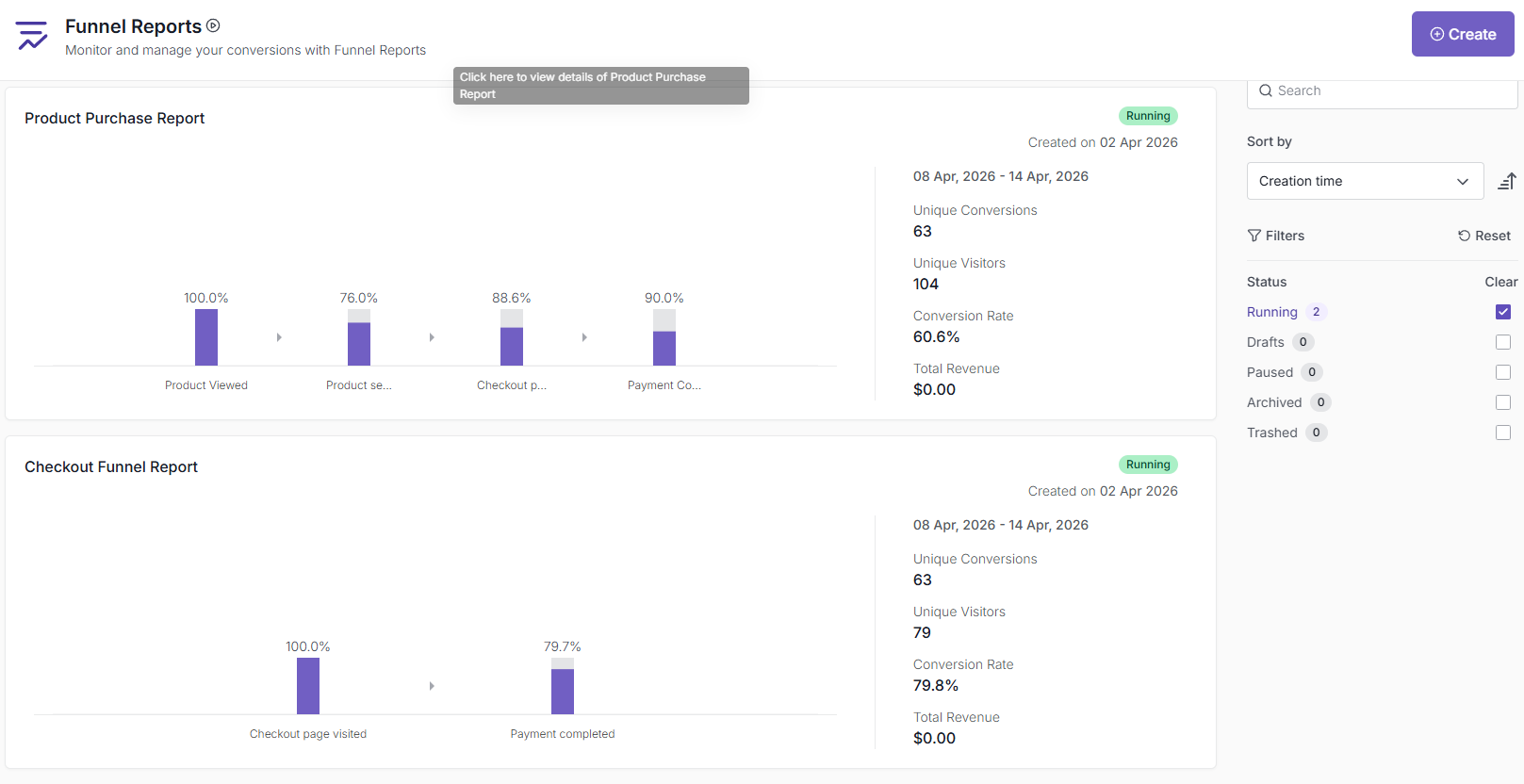
For enterprise organizations with dedicated data science teams and a requirement for complex, cross-platform experimentation, VWO is the logical choice. Its ability to handle mobile app testing, personalization, and server-side experiments makes it a robust "experience optimization" platform that can scale with a global corporation’s needs.
As the digital economy moves toward more personalized and frictionless user experiences, the tools used to understand and influence user behavior will only become more critical. Whether a company chooses the streamlined efficiency of Crazy Egg or the expansive power of VWO, the goal remains the same: transforming data into actionable insights that drive business growth.








