rifanmuazin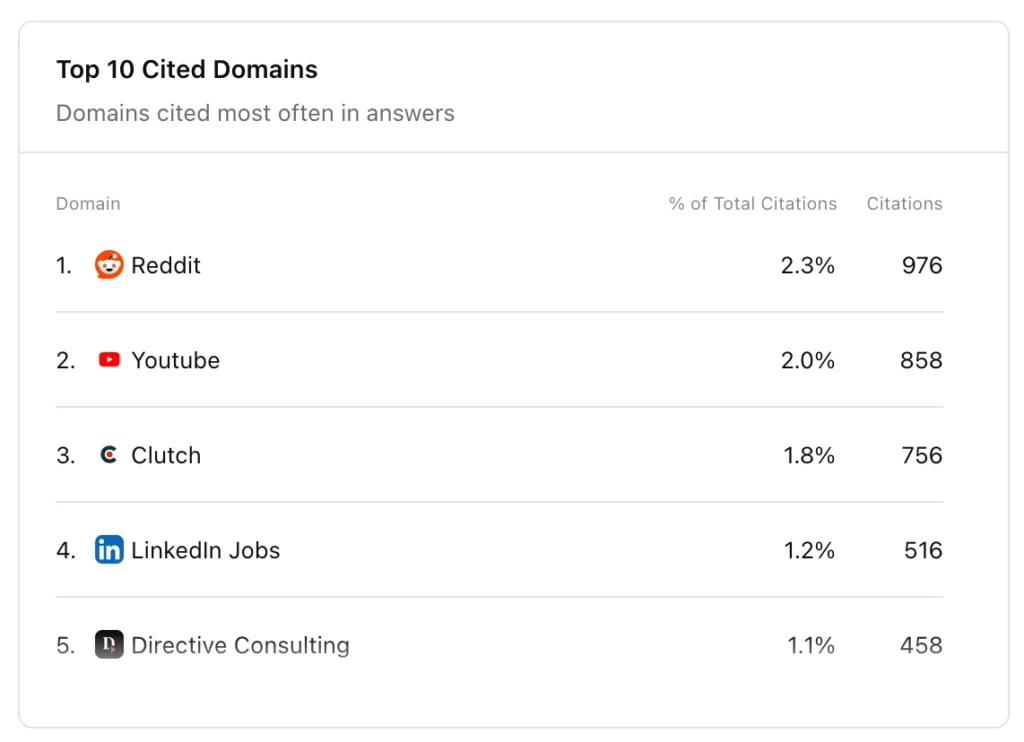
For decades, the media plan has served as the cornerstone of marketing strategy, a single-page artifact meticulously outlining channel allocations and budget distributions throughout the year. This document, when presented to leadership, provides a clear answer to the perennial question of where marketing dollars are being invested. Its inherent structure compels strategic rigor, forces explicit trade-offs, and fosters crucial team alignment. However, when a similar demand is placed upon organic marketing teams, particularly those focused on search engine optimization (SEO), the response has historically been far less concrete. This disparity is not an indictment of SEO professionals but rather a reflection of how the discipline has evolved. For much of search’s history, SEO was largely a singular-asset pursuit, focused primarily on optimizing a brand’s website for Google’s algorithms. The channel was narrow, the digital surface clear, and strategy could be effectively managed within a single team.
This era, however, is rapidly drawing to a close. The proliferation of artificial intelligence (AI) models has fundamentally altered how brands are perceived and discovered online. The sources that shape AI’s understanding of a brand now extend far beyond a company’s own website. Platforms such as Reddit, YouTube, various review aggregators, third-party editorial content, and influencer coverage are all actively contributing to the digital portrait AI systems construct around businesses. These diverse sources operate with distinct dynamics, possess varied ownership structures, and engage with brands on different levels. Crucially, their relative importance can fluctuate dramatically depending on the specific brand, its industry vertical, and the particular AI language model being considered. Currently, a significant challenge for many organizations is the absence of a coherent strategic plan to manage this increasingly complex portfolio of organic touchpoints.
The core issue stems from the fact that most organic marketing teams remain inadequately structured to address this evolving reality. Despite the profound shift in information consumption, many organic programs continue to operate through fragmented activities: a disconnected content calendar here, a standalone keyword roadmap there, and perhaps a separate digital public relations initiative running in parallel. This siloed approach fails to acknowledge the interconnected nature of modern online influence.
Introducing the Organic Media Mix (OMM)
To address this critical gap, the concept of the Organic Media Mix (OMM) has emerged. The OMM is a strategic framework designed to guide the allocation of effort, resources, and budget across various organic channels. Its foundation lies in understanding where AI systems are actively sourcing information within a given category and identifying the channels where a brand has a realistic opportunity to influence those citations.
The tangible output of this framework is a concise, one-page strategic overview. This document serves the same vital purpose as a traditional media plan: it clearly articulates which organic channels are prioritized for a given period, makes explicit the inherent trade-offs involved in these decisions, aligns cross-functional teams towards common objectives, and provides leadership with a transparent view of organic investment and its anticipated outcomes.
A critical understanding for anyone developing an OMM is that no two are identical. The differences between them are not minor; they are fundamental. The optimal organic mix for a consumer packaged goods (CPG) brand will be intrinsically different from that of a B2B technology company. Furthermore, even within the same brand, the strategic landscape can shift depending on which specific AI model is being analyzed. This inherent variability underscores the need for a data-driven, bespoke approach.
Step 1: The Foundational Citation Report
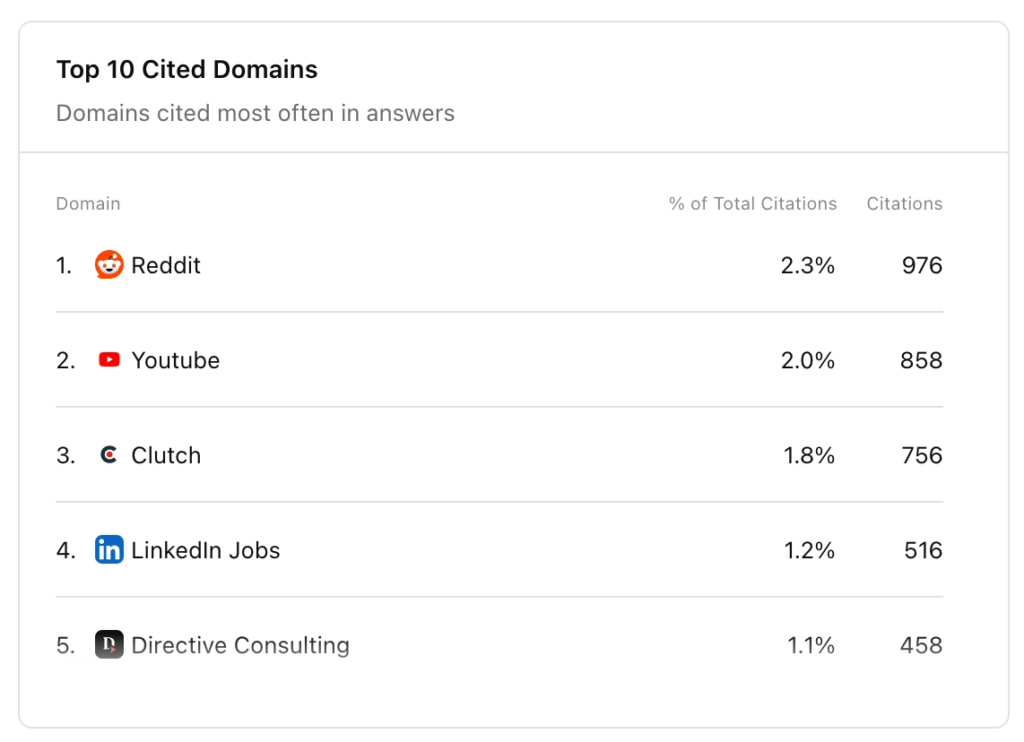
The initial and most crucial step in developing an OMM is to generate a comprehensive citations report. This report provides empirical data on where AI models are drawing their answers from within a brand’s specific category. When a user poses a question relevant to a brand, its products, comparisons, or recommendations, the AI’s response will often cite its sources. The citations report maps these sources, revealing whether the AI references the brand’s own website, a discussion thread on Reddit, an article from a tech publication like TechCrunch, or a review on YouTube.
A variety of AI visibility platforms, such as those offered by companies like Profound, seoClarity, and AirOps, are capable of generating this essential data. The process typically involves:
- Defining Category-Relevant Queries: Identifying a comprehensive set of questions that users are likely to ask within the brand’s industry.
- Prompting AI Models: Submitting these queries to the AI models most relevant to the target audience.
- Analyzing AI Responses: Systematically extracting and cataloging the sources cited by the AI in its answers.
The outcome of this analysis is not an idealized representation of authority, but a factual map of where influence currently resides in the competitive landscape, as perceived by AI systems. It reveals the actual destinations AI models consult when responding to user inquiries about a brand and its competitors.
The Citation Report: A Source of Surprises
The findings from a citation report can often be surprising, and these surprises are unique to each brand. In one observed category, Reddit did not even appear within the top 100 cited sources. In stark contrast, another analysis revealed Reddit accounted for a substantial 21% of all citations, making it three times larger than the second most frequently cited individual domain. This highlights that the relevance of a platform like Reddit to a specific brand is not a matter of general assumption but an empirical question that can only be answered with concrete data.
The variability across different AI models introduces another layer of complexity. For one brand analyzed, Reddit constituted 23% of citations in ChatGPT responses, yet it represented a mere 3% in Google’s AI Overviews. This significant divergence demonstrates that a strategy based solely on data from a single platform will inevitably overlook how a substantial portion of a brand’s potential customers are actually searching and receiving information.
This empirical reality underscores why the OMM cannot be a static, one-size-fits-all document. It must be firmly grounded in a brand’s specific citation data, analyzed across the AI models that are most pertinent to its audience.
Step 2: Evaluating Channels Across Key Dimensions
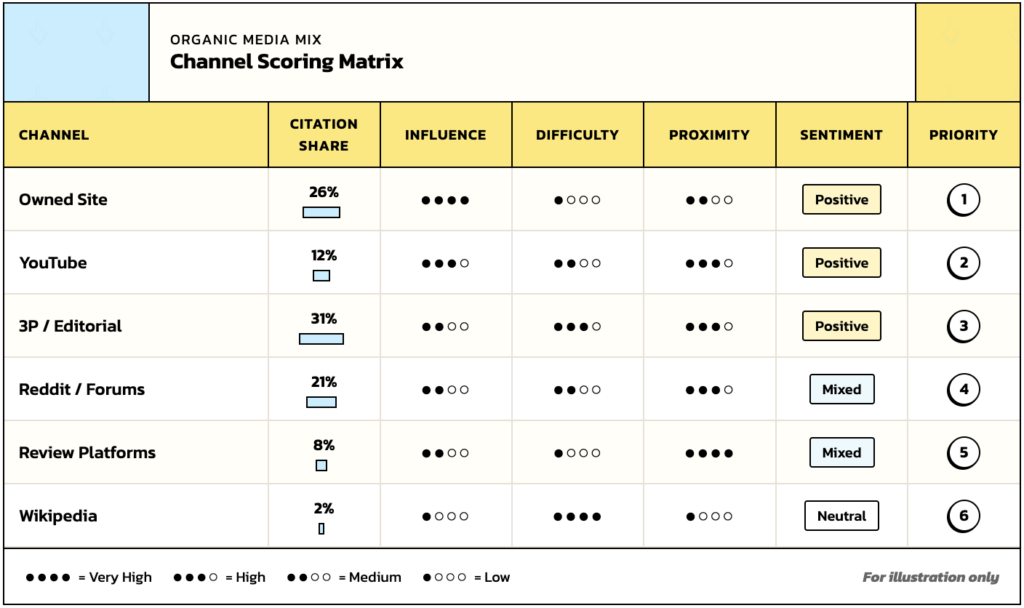
While the raw volume of citations indicates what is occurring in the market, it does not inherently dictate where investment should be concentrated. To inform strategic allocation, each relevant organic channel must be evaluated across four critical dimensions:
-
Degree of Influence: This dimension assesses the extent to which a brand can control or shape the information presented on a particular platform. At one end of the spectrum is a brand’s owned website, where content creation, publication, and updates are entirely within its direct control. At the other extreme lies platforms like Wikipedia, where editorial influence is collaborative and subject to community consensus. Channels such as Reddit, review sites, and digital PR efforts fall somewhere in between, offering varying degrees of influence. While high-influence channels are not always the highest priority, all other factors being equal, they offer the potential for faster strategic adjustments and demonstrable impact.
-
Difficulty of Implementation: This scoring considers the resources, expertise, and time required to effectively engage with a particular channel. Some channels can be managed with a single internal team and a well-defined content calendar. Others necessitate complex integrations, such as requiring developer resources, establishing relationships with external agencies, navigating legal approvals, or engaging in lengthy editorial cycles. Scoring the difficulty of implementation is essential for realistically sequencing initiatives and developing a practical roadmap.
-
Prompt Commercial Proximity: Not all citations carry equal strategic weight in terms of their potential to drive business outcomes. A citation generated from a broad, informational query like “what is protein powder?” holds significantly less commercial value than one earned from a more specific, purchase-intent-driven prompt such as “what’s the best high-protein supplement for endurance athletes over 40?”. The closer a query is to a potential buying decision, the more valuable the resulting citation becomes. Brands should meticulously score their prompt sets and assign greater weight to citations derived from prompts with high purchase proximity in their analysis.
-
Sentiment: A mere mention of a brand is not inherently a positive outcome if the sentiment surrounding that mention is negative. Favorable citations, particularly those originating from trusted third-party sources, carry substantially more weight than neutral or critical mentions. Each citation source should be scored based on the sentiment it consistently delivers, and this assessment must be factored into investment decisions. A forum thread that unfavorably mentions a brand within a highly cited context represents an active liability rather than a neutral data point.
Step 3: Constructing the Organic Media Mix
With the citation report meticulously categorized and the channel scores firmly established, the next logical step is to construct the Organic Media Mix itself. This involves synthesizing the data to create a strategic allocation that reflects the brand’s unique position and objectives.
Consider a hypothetical scenario for a consumer packaged goods (CPG) brand. Prior to conducting a thorough citations analysis, the marketing team operated under the assumption that their owned content was the primary driver of visibility and had allocated resources accordingly. However, the empirical data revealed a markedly different story.
Anonymized Example: Consumer Health Brand (Illustrative)
[Insert Image: A visual representation of the OMM for the consumer health brand, showing allocated resources across various channels, with highlighted shifts in strategy based on data.]
The pivotal finding that reshaped this brand’s strategy was that third-party editorial coverage emerged as the single largest driver of AI citations. This coverage was characterized by high commercial proximity and consistently positive sentiment. Despite this overwhelming evidence, the brand had minimal structured investment in securing such coverage. The team had been approaching digital public relations primarily as a brand awareness tactic, rather than recognizing its potent impact on AI visibility. The OMM framework facilitated a reframing of this conversation, leading to a critical reallocation of budget towards strategic earned media initiatives.
Step 4: Assigning Resources, Teams, and Ownership
The OMM’s strategic value is only fully realized when it translates into concrete decision-making and action. Therefore, the document must provide clear answers to three fundamental questions:
-
Who does what? AI visibility is not a siloed SEO discipline; it is an integrated marketing team endeavor. Executing a robust OMM necessitates collaboration across various departments. SEO practitioners are vital for optimizing owned content and technical infrastructure. Public relations and communications teams are essential for securing digital PR and editorial coverage. Social media teams play a role in managing organic social presence and community engagement. Potentially, influencer and affiliate marketing leads are required for expanding reach through video content and third-party advocacy. The OMM serves as the definitive document that compels a cross-functional dialogue about clear ownership and responsibilities.
-
What is the budget? While not always denominated in traditional advertising dollars, organic marketing is far from free. Content production, outreach efforts, agency retainers for PR and other specialized services, community management tooling, and influencer partnerships all incur costs. Moreover, the invaluable time and focused attention of the marketing team represent a significant investment. The OMM makes these associated costs explicit and directly links them to anticipated citation outcomes, mirroring the way a paid media plan ties expenditure to impression and conversion targets.
-
What is the sequencing? It is rarely feasible to implement all strategic initiatives simultaneously. Leveraging the difficulty scores and citation gap analysis derived from the OMM process, a clear roadmap for implementation can be established. This typically involves prioritizing high-impact, low-difficulty items for immediate execution, while concurrently planning for long-lead infrastructure investments and more complex channel strategies.
Bridging Organic and Paid Media Investments
One of the most significantly underutilized applications of the OMM is its capacity to inform and integrate paid media investment decisions with organic intelligence. If a brand’s citations report reveals a specific Reddit thread that is heavily cited and consistently displays favorable sentiment towards the brand, this presents not merely an organic signal but a tangible paid media opportunity. The question then becomes: can the paid social team strategically place targeted advertising within that thread or in adjacent communities to amplify the existing positive content?
This synergistic approach also operates in reverse. If a paid campaign successfully generates awareness around a particular product use case or benefit, the organic team should proactively develop citation coverage for related queries. This ensures that the brand appears not only on its own owned properties but also across multiple trusted, third-party sources, reinforcing its credibility and reach.
This level of cross-functional collaboration, which historically has been hampered by the siloed management of paid and organic channels, becomes practical and data-driven with the OMM. It establishes a shared language and a common understanding of objectives, making the integration of these formerly disparate functions a strategic imperative.
The Missing Document for Modern CMOs
In the current marketing landscape, an alarming number of AI visibility strategies are still being formulated based on generic, industry-agnostic assertions or outdated principles derived from traditional SEO practices. The Organic Media Mix is the strategic document designed to rectify this deficiency. It initiates with hard data – a comprehensive citations report analyzed across the AI models that are most relevant to the target audience. It then meticulously weights various channels against criteria that demonstrably drive real-world outcomes, including influence, implementation difficulty, commercial proximity, and sentiment. The process culminates in a structured framework for the allocation of resources, the assignment of ownership, and the prioritization of strategic initiatives.
Crucially, a brand’s OMM will be unique, reflecting its specific market position, audience engagement, and competitive dynamics. The optimal channel mix, the nuances of model variations, and the prevailing sentiment landscape are all intrinsically tied to the individual brand and its category. This specificity is precisely the point. Generic organic strategies often contribute to brands becoming invisible in the increasingly important realm of AI-mediated search. Strategic specificity, grounded in data, provides the competitive advantage.
If a Chief Marketing Officer (CMO) can confidently present a board with a detailed media plan that clearly articulates the destination and purpose of every paid dollar invested, they should be equally capable of presenting an OMM that illuminates the strategic allocation of every organic resource. The OMM is no longer a discretionary tool; it is an essential component of a comprehensive, AI-aware marketing strategy.
Brainlabs specializes in developing Organic Media Mix strategies for brands navigating the complexities of AI-driven search visibility. For organizations seeking to gain a profound understanding of their category’s citation landscape and identify the most impactful areas for organic investment, engaging with experts in this evolving field is paramount.