

The pursuit of increased lead volume remains a primary objective for marketing departments and agencies globally, as the correlation between lead acquisition and revenue growth continues to tighten in a competitive digital landscape. Lead generation, defined as the initiation of consumer interest or inquiry into products or services, serves as the foundational layer of the modern sales funnel. As organizations navigate a marketplace characterized by fragmented attention and evolving privacy regulations, the implementation of a diversified lead generation framework has transitioned from a competitive advantage to an operational necessity.
Industry data suggests that the landscape of customer acquisition is undergoing a significant shift. According to recent benchmarks from the Content Marketing Institute, approximately 67% of B2B marketers report that lead generation is their primary metric for content success. However, the complexity of the process has increased; the average customer now requires between eight and ten touchpoints with a brand before converting into a qualified lead. This evolution necessitates a sophisticated blend of inbound and outbound methodologies to capture demand effectively.

The Strategic Framework: Inbound versus Outbound Methodologies
Modern lead generation is categorized into two primary vectors: inbound and outbound marketing. While historically viewed as opposing philosophies, contemporary enterprises increasingly adopt a hybrid approach to maximize reach and efficiency.
Inbound marketing focuses on the creation of valuable content designed to attract prospects organically. By leveraging Search Engine Optimization (SEO), blog content, and social media engagement, brands position themselves as solutions to specific consumer problems. The primary advantage of inbound strategies is their long-term cost-effectiveness and the high level of trust they establish with the audience. Conversely, inbound efforts require significant time investments before yielding a measurable return on investment (ROI).
Outbound marketing involves proactive outreach to potential customers who may not yet be aware of a brand’s offerings. This includes cold email campaigns, direct mail, telemarketing, and paid advertising. While outbound methods often face lower response rates due to their interruptive nature, they offer immediate visibility and the ability to target specific, high-value accounts with precision.

Marketing analysts suggest that the most resilient businesses utilize inbound strategies to build a sustainable pipeline while employing outbound tactics for rapid scaling and seasonal promotions.
Foundational Requirements: Market and Buyer Definition
Before deploying specific tactics, organizations must establish a rigorous definition of their target market and ideal buyer persona. Failure to identify the "who" before executing the "how" often leads to inflated customer acquisition costs (CAC) and poor lead quality.
Market definition requires an analysis of firmographics (for B2B) or broad demographics (for B2C). Key metrics include industry sector, company size, geographic location, and average annual revenue. Following market identification, the focus shifts to the individual buyer. This involves mapping out job titles, pain points, daily challenges, and the specific triggers that necessitate a purchase. Data from Gartner indicates that B2B buying groups now involve an average of six to ten decision-makers, meaning lead generation strategies must often address multiple personas within a single organization simultaneously.

The 13 Pillars of High-Conversion Lead Generation
To navigate the complexities of the current market, organizations are increasingly turning to a set of 13 proven strategies designed to optimize the transition from visitor to lead.
1. Conversion-Optimized Landing Pages
The landing page serves as the terminal point for most marketing traffic. Unlike a general homepage, a conversion-optimized landing page is stripped of distractions, focusing on a single Call to Action (CTA). High-performing pages typically feature a clear value proposition, social proof (such as testimonials), and a streamlined lead capture form. Industry standards suggest that reducing the number of form fields can increase conversion rates by up to 25%.
2. Inbound Content Marketing Systems
Content marketing involves the systematic production of educational or entertaining assets. By addressing the specific questions of a target audience through whitepapers, case studies, and long-form articles, brands build authority. The integration of "gated content"—where users exchange contact information for premium insights—remains one of the most effective ways to transition readers into the sales funnel.

3. Search Engine Optimization (SEO)
SEO ensures that a brand’s digital assets are discoverable during the "intent phase" of the buyer’s journey. By optimizing for high-intent keywords, businesses attract visitors who are actively seeking solutions. The shift toward "zero-click searches" on platforms like Google has forced marketers to focus on providing immediate value while maintaining strong click-through rates to their primary conversion pages.
4. Targeted Cold Email Outreach
Despite the rise of social media, email remains a dominant communication channel. Modern cold outreach has moved away from "spray and pray" tactics toward hyper-personalization. Utilizing intent signals—such as a prospect’s recent job change or a company’s recent funding round—allows sales teams to reach out with relevant, timely offers that bypass traditional resistance to unsolicited mail.
5. Website Popups and Sticky Bars
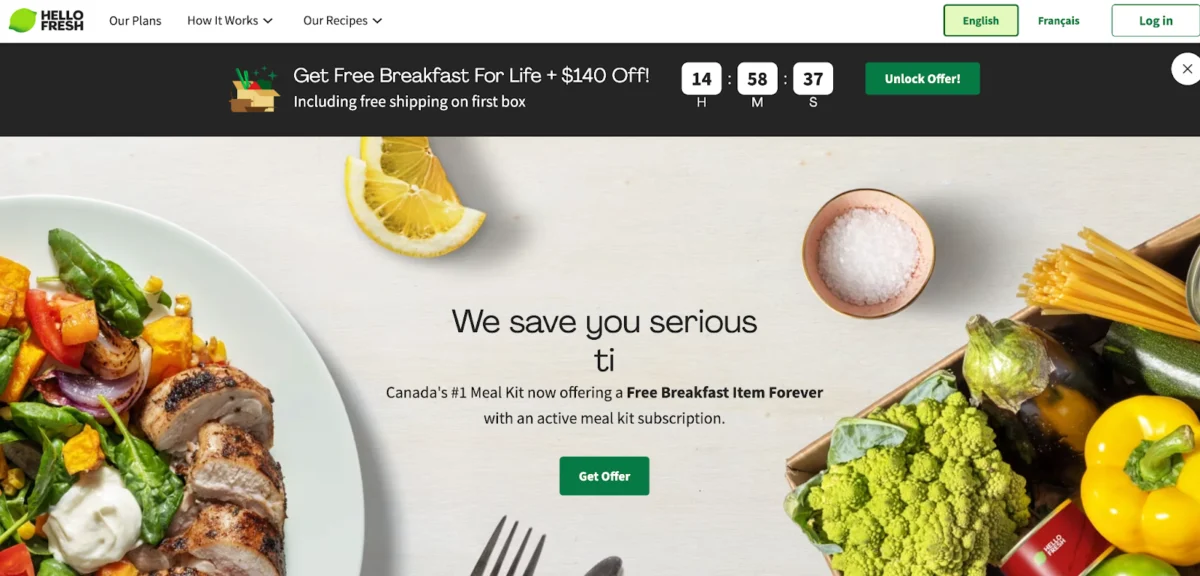
Intervention tools like exit-intent popups and persistent sticky bars provide a secondary opportunity to capture leads. When timed correctly—such as when a user scrolls through 50% of a page—these tools can convert visitors who would otherwise bounce. However, marketers must balance visibility with user experience to avoid penalization by search engines or frustrating the end-user.

6. Social Media Engagement
Social media platforms have evolved into discovery engines. While organic reach on platforms like Facebook and LinkedIn has seen a historical decline, the rise of algorithmic "discovery feeds" allows brands to reach new audiences without a large initial follower count. The key to success in this arena is authenticity and the consistent delivery of platform-native content.
7. Pay-Per-Click (PPC) Advertising
PPC offers the fastest route to lead generation by placing brands at the top of search results or within targeted social feeds. While PPC can be expensive, the ability to control budget, targeting, and messaging in real-time provides unparalleled agility. Conversion data shows that PPC visitors are 50% more likely to purchase than organic visitors due to the high commercial intent of their searches.
8. Webinars and Live Events
Live digital events allow brands to demonstrate expertise and engage with prospects in real-time. The interactive nature of webinars—featuring Q&A sessions and live polls—builds a level of rapport that static content cannot replicate. Furthermore, the registration process for these events provides high-quality lead data, including firmographic details and specific areas of interest.

9. Referral Programs
Word-of-mouth remains the most trusted form of marketing. Formalizing this through referral programs incentivizes existing satisfied customers to act as brand advocates. According to Nielsen, 92% of consumers trust recommendations from people they know, making referred leads significantly more likely to convert and exhibit higher lifetime value (LTV).
10. Influencer Partnerships
The "creator economy" has democratized influence. By partnering with niche industry experts or social media creators, brands can tap into established communities of trust. This strategy is particularly effective for reaching younger demographics who often utilize ad-blocking software and rely on creator recommendations for purchasing decisions.
11. Retargeting Campaigns
Most visitors do not convert on their first visit. Retargeting uses "cookies" or first-party data to serve ads to previous visitors as they browse other sites or social platforms. This keeps the brand top-of-mind and encourages prospects to return and complete the conversion process.

12. Free Trials and Demonstrations
For software and service-based industries, reducing the "perceived risk" is critical. Offering a hands-on experience through a free trial or a live demo allows the prospect to realize the product’s value before committing financially. This "product-led growth" model has become the standard for high-growth SaaS enterprises.
13. Interactive Tools and Quizzes
Gamified lead generation, such as ROI calculators, personality quizzes, or diagnostic tools, offers immediate, personalized value to the user. Because these tools provide a tailored result, users are generally more willing to provide contact information than they would be for a generic newsletter signup.
Economic Implications and Broader Impact
The shift toward data-driven lead generation has profound implications for corporate resource allocation. As digital privacy laws like the GDPR and CCPA become more stringent, the value of "first-party data"—information collected directly from the audience—has skyrocketed. Organizations that master the art of lead generation are essentially building a proprietary database that insulates them from the volatility of third-party advertising platforms.

Furthermore, the integration of Artificial Intelligence (AI) into lead generation is beginning to automate the personalization process at scale. AI-driven chatbots can now qualify leads in real-time, while predictive analytics help marketing teams identify which prospects are most likely to convert, allowing for more efficient use of sales resources.
In conclusion, an effective lead generation strategy is not a singular tactic but a cohesive ecosystem. By defining a clear target audience and deploying a mix of the 13 strategies outlined above, businesses can create a resilient pipeline that drives sustainable growth. The organizations that thrive in the coming decade will be those that view lead generation not merely as a top-of-funnel activity, but as a continuous process of building trust and providing value throughout the entire customer lifecycle.







