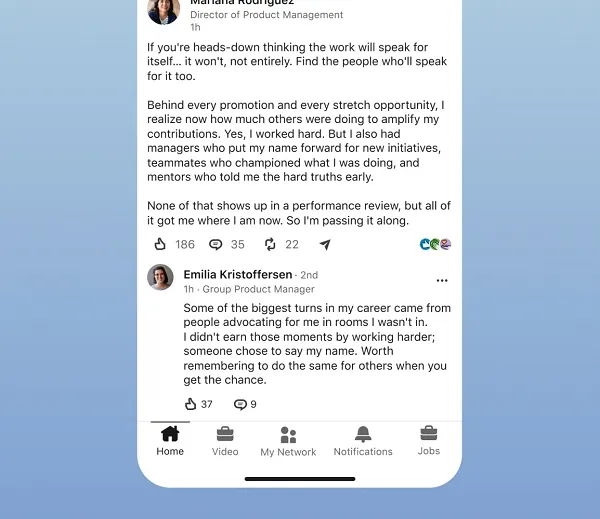
In a significant strategic move aimed at fostering more authentic and pertinent professional dialogues, LinkedIn is rolling out substantial updates to its comment ranking algorithm. The professional networking giant seeks to enhance in-app conversations by prioritizing relevance and engagement that genuinely aligns with each user’s professional interests and network. This initiative comes as the platform grapples with the dual challenge of encouraging user interaction while simultaneously combating a surging tide of inauthentic content, including AI-generated spam and manipulative engagement tactics.
The Algorithmic Shift: Prioritizing Relevance
The core of LinkedIn’s latest enhancement revolves around a sophisticated overhaul of how comments are displayed within user feeds. As highlighted by creator economy expert Lindsey Gamble on Threads, LinkedIn’s new comment ranking system is designed to surface interactions based on their intrinsic relevance to individual users. This means the algorithm will now leverage a multi-faceted set of signals, including a user’s professional interests, their established connections, and their past engagement activities, to determine which comments are most pertinent and valuable to them.
The objective is clear: by presenting comments that resonate more deeply with a user’s professional profile and preferences, LinkedIn aims to naturally boost interest in post engagement. This move is intended to shift the focus from mere volume of comments to the quality and applicability of discussions, thereby enriching the overall user experience and fostering more meaningful professional exchanges. Beyond individual comment ranking, LinkedIn also plans to surface more timely and relevant discussions directly in the main feed, further encouraging spontaneous and impactful in-app dialogues. The underlying premise is that a more tailored and contextually appropriate comment section will inherently invite greater participation and deeper interaction among its diverse global membership.
Driving Engagement: A Strategic Imperative Fueled by Data
This strategic pivot towards refined comment ranking is not arbitrary; it is a direct response to observable trends within LinkedIn’s ecosystem, particularly those revealed in its recent Q2 performance report. Earlier this month, LinkedIn reported a robust 18% year-over-year increase in time spent in post comments. This figure, while seemingly positive, flagged a critical opportunity for the platform: to harness this growing engagement more effectively and ensure its authenticity. The report also indicated a 10% year-over-year rise in overall content consumption, underscoring a strong and expanding user appetite for professional discussions and in-stream connection building.
These metrics collectively painted a picture of a highly engaged user base eager to interact and connect. However, they also presented a conundrum: how much of this increased activity was genuinely valuable, and how much was noise? Improving the relevance of its comment display is seen as a crucial step towards enhancing the quality of this engagement. By intelligently curating the comments users see, LinkedIn hopes to create a more inviting and productive environment, thereby encouraging a higher caliber of participation from its members. The platform’s leadership believes that a more personalized and relevant feed will not only keep users engaged longer but also encourage them to contribute more thoughtfully to conversations, ultimately reinforcing LinkedIn’s position as the premier platform for professional networking and development.
The Battle Against Inauthenticity: AI Spam and Engagement Pods
While the rise in comment activity presented an opportunity, it simultaneously exposed a significant challenge: the pervasive issue of inauthentic engagement. LinkedIn, like many other social media platforms, has been battling a persistent influx of engagement pods and AI-generated content, particularly within comment sections. These deceptive tactics threaten to dilute the quality of discourse and undermine the platform’s core value proposition as a trusted professional network.
Engagement pods, groups of users who artificially inflate engagement metrics (likes, comments, shares) on each other’s posts, create an illusion of popularity and influence. More recently, the proliferation of sophisticated AI models has introduced a new dimension to this challenge, enabling the rapid generation of generic, yet contextually plausible, comments at scale. These AI-generated responses, often designed to appear human-like, can quickly overwhelm comment streams, making it difficult for genuine conversations to thrive.
Compelling data underscores the gravity of this problem. According to an analysis conducted by AI detection startup Pangram Labs, based on a sample of 57,000 public LinkedIn posts, a staggering 30% of all comments posted on the platform between April and June of the current year were entirely AI-generated. This revelation provides critical context to LinkedIn’s reported surge in comment activity, strongly suggesting that a substantial portion of this growth was, in fact, artificial. Such a high percentage of AI-generated content can significantly skew engagement metrics, mislead users about the actual popularity or relevance of posts, and ultimately erode trust in the platform.
Recognizing the severity of this threat, LinkedIn has concurrently escalated its efforts to combat these inauthentic practices. The platform has outlined more stringent measures against engagement pods and has introduced options for users to report AI spam, particularly in comment sections. This dual approach—enhancing authentic engagement while aggressively cracking down on inauthenticity—is crucial for maintaining the integrity and value of the platform. The updates to comment ranking are thus not merely about personalization but also serve as a sophisticated filter, designed to relegate irrelevant or algorithmically suspicious comments to the periphery, thereby prioritizing human-driven, meaningful interaction.
The Algorithmic Arms Race: Balancing Personalization with Purity
The introduction of advanced comment ranking algorithms represents LinkedIn’s latest salvo in an ongoing algorithmic arms race against bad actors. The challenge for any platform is to develop sophisticated AI that can accurately differentiate between genuine human interaction and sophisticated AI-generated content or coordinated inauthentic behavior. This requires constant innovation and adaptation, as spammers and malicious actors continuously evolve their tactics.
Historically, LinkedIn has consistently invested in content moderation and quality control. From combating fake profiles and phishing attempts to addressing misinformation, the platform has steadily refined its defenses. The current focus on comment relevance and the simultaneous crackdown on AI spam and engagement pods illustrate a mature understanding of the complex dynamics of online interaction. The platform’s internal AI systems are likely being trained with vast datasets to identify patterns indicative of automated or inauthentic comments—such as repetitive phrases, overly generic sentiments, or rapid-fire posting from suspicious accounts. This continuous learning process is vital to stay ahead of the curve.
However, striking the right balance is delicate. Overly aggressive filtering risks suppressing legitimate, albeit unconventional, engagement. Conversely, a lenient approach allows spam to proliferate, diminishing user experience. LinkedIn’s strategy appears to be a nuanced one: use personalization to highlight what’s genuinely relevant, while simultaneously employing robust detection mechanisms to prune what is explicitly harmful or artificial. This multi-pronged approach reflects the intricate technical challenges inherent in managing a global professional network of its scale and influence.
Implications for the Professional Ecosystem
The ramifications of these updates extend across LinkedIn’s diverse user base, impacting individual professionals, content creators, and businesses alike.
For Individual Users: The most immediate benefit for the average LinkedIn user is the promise of a cleaner, more relevant, and ultimately more valuable feed. By reducing exposure to generic or AI-generated comments, users can expect to encounter more thoughtful insights, engage in more meaningful discussions, and discover connections that genuinely align with their professional aspirations. This enhanced experience can foster greater trust in the platform and encourage deeper, more productive engagement.
For Content Creators: For the burgeoning community of content creators on LinkedIn, these changes present both opportunities and challenges. On one hand, genuine, high-quality content that sparks authentic discussion will likely gain greater visibility. Creators who prioritize meaningful engagement over superficial metrics will be rewarded. On the other hand, creators who may have inadvertently relied on engagement pods or who generate content that is easily mimicked by AI might find their reach diminished. The emphasis will shift towards crafting truly unique insights and fostering genuine community interaction, moving away from strategies focused purely on algorithmic manipulation. This could ultimately elevate the quality of content across the platform.

For Businesses and Marketers: Businesses and marketers leveraging LinkedIn for brand building, lead generation, and talent acquisition stand to benefit from a more authentic environment. Organic engagement with target audiences will become more valuable as the noise from spam decreases. It underscores the need for genuine, value-driven content marketing strategies over tactics designed to game the system. A more trustworthy comment section also enhances brand safety and reputation, ensuring that brand mentions and discussions occur in a more credible context. The ability to engage with relevant professionals in a less cluttered environment can significantly improve the efficacy of thought leadership and community building efforts.
For LinkedIn as a Platform: Ultimately, these updates are critical for LinkedIn’s long-term sustainability and its core value proposition. In an era where trust in online platforms is increasingly scrutinized, LinkedIn’s commitment to fostering authentic professional interactions reinforces its position as a credible and indispensable tool for career development and business networking. By proactively addressing the challenges of AI spam and inauthentic engagement, LinkedIn aims to solidify user trust, maintain content quality, and ensure the platform remains a valuable and reliable resource for professionals worldwide. Failure to address these issues could lead to user fatigue, decreased engagement, and a gradual erosion of its unique standing in the social media landscape.
The Broader Context: The Creator Economy and Future of Social Interaction
LinkedIn’s strategic adjustments are emblematic of a broader trend sweeping across the social media landscape, particularly within the burgeoning creator economy. As platforms increasingly rely on user-generated content and active participation, the integrity of that interaction becomes paramount. The shift towards algorithmic relevance is not unique to LinkedIn; other platforms are also grappling with how to personalize feeds without creating echo chambers, and how to filter out harmful or inauthentic content without stifling legitimate expression.
The rise of the creator economy has transformed professional networking from static profiles to dynamic content streams. Professionals are increasingly sharing insights, building personal brands, and engaging in public discourse. This evolution has made the comment section a critical battleground for attention and influence. LinkedIn’s move signifies an understanding that for its platform to remain relevant and valuable, it must prioritize the quality of these interactions.
Looking ahead, the challenge of AI-generated content will only intensify. As AI models become more sophisticated, distinguishing human from machine-generated text will become increasingly difficult. Platforms like LinkedIn are on the front lines of this technological and ethical dilemma. Their ability to develop robust detection and filtering mechanisms, while simultaneously fostering an environment conducive to genuine human connection, will define their success in the coming years. These updates are not merely technical adjustments; they are foundational efforts to safeguard the very essence of professional networking in an increasingly digital and AI-influenced world.
In conclusion, LinkedIn’s multi-faceted approach – refining comment ranking for relevance while simultaneously intensifying its crackdown on AI spam and engagement pods – underscores its commitment to cultivating a high-quality, authentic professional environment. While the battle against inauthenticity is ongoing and complex, these strategic updates represent a significant step towards ensuring that LinkedIn remains a trusted and invaluable platform for genuine professional connection and meaningful dialogue. The success of these initiatives will be critical in shaping the future of professional interaction online and reinforcing the platform’s unique position in the global digital ecosystem.