
 rifanmuazin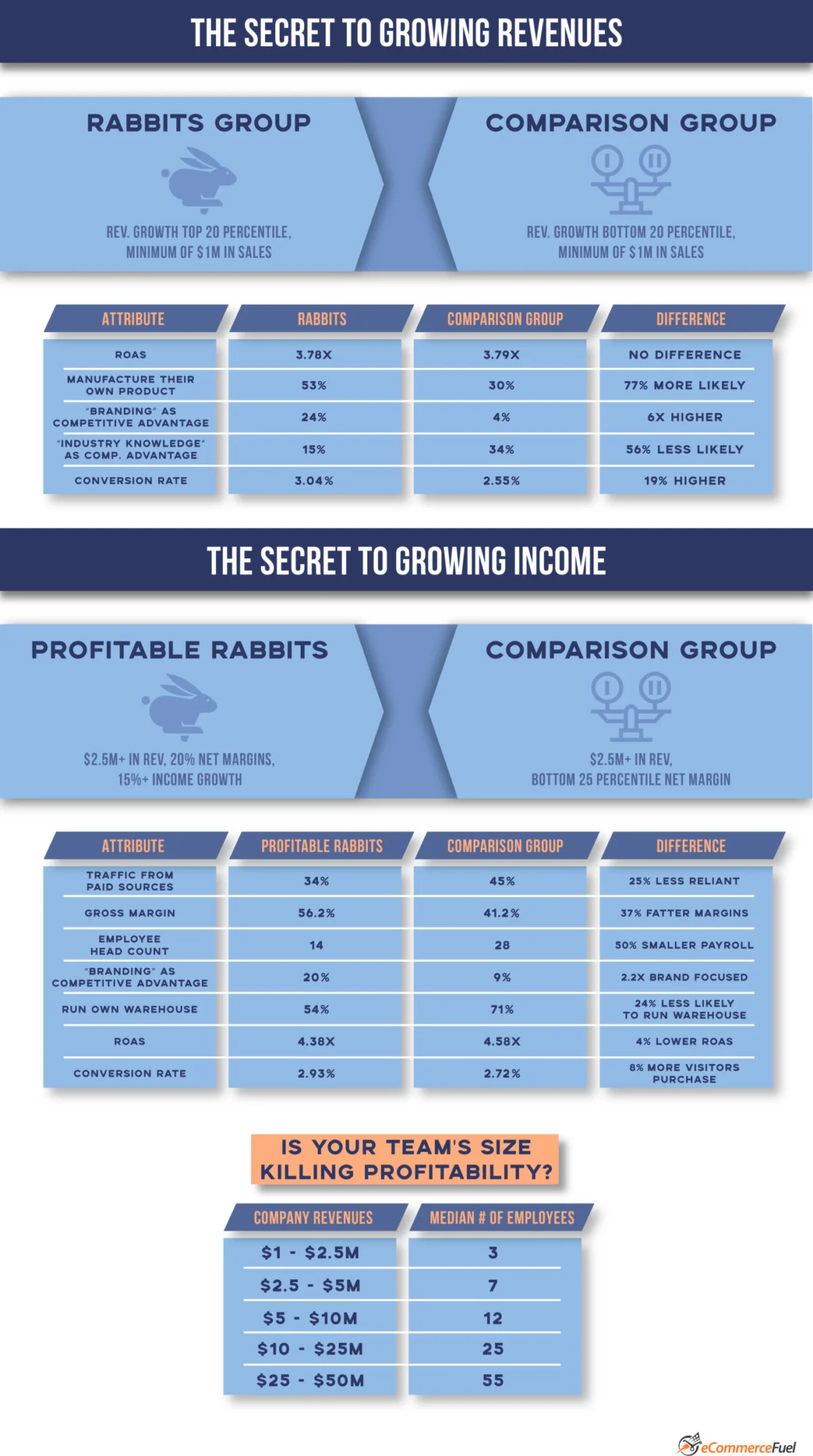
A shift in business strategy, moving away from traditional growth metrics like headcount and focusing instead on operational leanness and sophisticated tax planning, is proving to be a more potent driver of profitability for e-commerce businesses. This approach, often overlooked in favor of aggressive marketing campaigns, allows businesses to retain a significantly larger portion of their earnings, leading to reduced stress and enhanced financial health for owners.
The conventional wisdom in business growth often equates success with expansion, implying that increased revenue necessitates a larger workforce. However, a compelling case study of a store owner who transformed his business by strategically downsizing his team and outsourcing key functions challenges this paradigm. This owner, previously managing 35 employees, found himself in a constant state of stress despite solid revenue. His profit margins were perpetually tighter than desired, a common predicament for businesses grappling with the overhead and management complexities of a large in-house team.
The turning point came with a series of "hard calls." This owner opted for a radical restructuring: transitioning to a remote operational model, partnering with a third-party logistics (3PL) provider for fulfillment, and replacing the majority of his full-time employees with freelancers and independent contractors. The result was a dramatic transformation. His business now operates with just one core employee and eight contractors. This leaner structure has not only led to unprecedented profit levels but has also significantly reduced his stress, allowing him to focus on strategic growth rather than day-to-day management burdens.

This individual experience is not an isolated incident. Research conducted across hundreds of e-commerce businesses reveals a stark contrast between highly profitable enterprises and those struggling to maintain margins. Contrary to expectations, the differentiator was not superior marketing acumen. A detailed analysis of return on ad spend (ROAS) between top-performing and bottom-performing stores showed negligible differences. Businesses achieving exceptional profitability were not necessarily excelling in areas like Facebook advertising or search engine optimization (SEO).
Instead, the data points to a different set of critical factors. Top-performing businesses were found to have, on average, half the payroll of their less profitable counterparts. Furthermore, they were 25% more likely to outsource their warehouse operations and showed a 25% lower reliance on paid traffic. This indicates that operational efficiency and a deliberate approach to cost management, often referred to as "operational leanness," consistently outperformed "marketing cleverness" in driving profitability. This finding is particularly significant in an era where businesses often feel pressured to invest heavily in customer acquisition.
Operational Leanness: Beyond Headcount Reduction
The concept of "staying lean" is frequently misinterpreted as solely meaning workforce reduction through layoffs. However, true operational leanness extends far beyond headcount. It encompasses a thorough examination and optimization of all business overheads. This includes scrutinizing expenses such as underutilized office spaces that are no longer justified by current operational needs, particularly in the post-pandemic remote work landscape. It also involves evaluating the necessity of maintaining in-house fulfillment operations when third-party logistics providers can often offer more cost-effective and efficient solutions.

Beyond physical infrastructure, businesses must also be vigilant about recurring software subscriptions. The proliferation of Software as a Service (SaaS) tools means that small, seemingly insignificant monthly fees can accumulate rapidly, often unnoticed, into substantial annual expenses. A proactive approach involves regularly auditing these subscriptions to ensure they align with current business requirements and are delivering tangible value.
A valuable framework for identifying areas of potential overhead reduction is to ask: "What is truly core to our brand’s unique value proposition?" For instance, if a brand’s competitive advantage lies in its unique product design, retaining in-house design talent might be strategically vital. However, if tasks like packing boxes and managing shipments do not directly contribute to the brand’s distinctiveness, outsourcing these functions to a specialized 3PL can free up internal resources and reduce costs. The most profitable businesses are not cutting expenses indiscriminately; they are making deliberate, strategic decisions about where to allocate their resources, focusing on activities that directly enhance their competitive edge.
The Imperative of Proactive "Hard Conversations"
A fundamental truth in professional and personal success is the willingness to engage in difficult conversations. Many individuals and businesses tend to postpone these crucial discussions until circumstances force their hand, often during economic downturns, cash flow crises, or when declining profitability reaches an existential threat.

However, businesses that consistently achieve higher profits are those that proactively initiate these "hard conversations." They engage in critical self-assessment before external pressures mandate it. This involves asking pertinent questions such as: "Is this role truly essential, or was it created out of a perceived need for busyness?" or "Are we paying for this software tool out of genuine necessity, or is it merely a habit?" They also conduct hypothetical exercises, such as planning for a 25% reduction in expenses tomorrow, to identify areas where cuts could be made without jeopardizing core operations. The crucial difference is that these businesses then translate these considerations into tangible actions, implementing necessary changes not out of desperation, but as a part of intentional, strategic management.
The Untapped Potential of Strategic Tax Planning
While operational efficiency is a significant lever for profitability, another often-overlooked area is strategic tax planning. Many business owners view taxes as a fixed cost, a percentage of revenue that must be paid regardless of business structure or operational choices. However, this perspective overlooks the substantial opportunities for reducing tax liabilities through deliberate, informed decision-making.
Consider two hypothetical store owners with identical businesses, each generating $2.5 million in revenue and $250,000 in profit, with similar personal financial situations. Owner A might pay approximately $75,000 in taxes annually, while Owner B, through strategic planning, could reduce their tax burden to $21,000. This significant difference of $54,000 annually is not the result of aggressive tax avoidance or illicit schemes but rather the outcome of intentional tax optimization strategies.

Let’s examine the specific tactics Owner B might employ, assuming a marginal tax rate of approximately 30%:
- Profit Sharing for Retirement: By contributing $45,000 to retirement accounts through profit-sharing plans, Owner B exceeds typical 401(k) limits, leading to an estimated tax saving of $13,500.
- Donating Appreciated Stock: Instead of donating cash to charities, Owner B donates stock that has increased in value. This strategy allows them to avoid capital gains tax on the appreciated assets while still receiving a full tax deduction for the fair market value of the donation, resulting in approximately $3,500 in savings.
- Maximizing Health Savings Account (HSA): Contributing the maximum family limit of $8,500 to an HSA provides a triple tax advantage (tax-deductible contributions, tax-free growth, and tax-free withdrawals for qualified medical expenses), saving an estimated $2,550 in taxes.
- Employing Children: If Owner B’s three children perform legitimate work for the business, paying them each $7,000 is a deductible business expense. The children can then invest this income in Roth IRAs, allowing it to grow tax-free for decades. This strategy can yield tax savings of approximately $6,300 for the owner.
- Donating Obsolete Inventory: For businesses with old or slow-moving inventory, donating it to a qualified charity can be a highly effective tax strategy. Instead of liquidating at a loss, Owner B donates $60,000 worth of inventory at its fair market value, claiming a substantial deduction. This single action could save an estimated $18,000 in taxes.
These examples illustrate how a proactive and informed approach to tax planning can significantly enhance a business’s net profitability. The cumulative effect of these strategies can amount to tens of thousands of dollars annually, directly contributing to a stronger financial position.
The Invisible Nature of Tax Optimization Opportunities
The reason these significant tax-saving opportunities often remain invisible to many business owners is the fragmented nature of tax reporting and management. Tax information is typically scattered across personal tax returns, business filings, brokerage statements, and payroll reports. Without a consolidated view, owners may not grasp the full scope of their tax obligations or the potential for reduction. Consequently, they may not think to inquire about alternative strategies or question whether they could be paying less.

Many business owners have competent accountants who ensure accurate filing of returns. However, a "decent" accountant typically focuses on compliance rather than proactive tax strategy. They process the information provided to them but do not proactively identify and present opportunities for tax optimization. This passive approach, while ensuring compliance, can lead to substantial missed savings for the business owner.
A Simple Test for CPA Effectiveness
A straightforward method to assess the value of one’s Certified Public Accountant (CPA) is to ask a simple question: "When was the last time my CPA proactively reached out to me with a new idea or a potential strategy to consider for my business?" If the answer is "I can’t remember," or if the CPA only responds to direct inquiries, it suggests that while they may be proficient in basic tax preparation, they may not be maximizing the business’s financial potential. Proactive CPAs, conversely, demonstrate a deeper engagement by analyzing their clients’ situations and offering innovative solutions. These proactive professionals can be instrumental in identifying the types of strategic tax planning opportunities that can lead to significant financial advantages, such as the $54,000 difference illustrated earlier.
Conclusion: Prioritizing Retention Over Acquisition

In the competitive landscape of e-commerce, marketing metrics like Return on Ad Spend (ROAS), Customer Acquisition Cost (CAC), and Lifetime Value (LTV) dominate discussions and strategic planning. While effective marketing is undoubtedly important, the data strongly suggests that focusing on operational leanness and strategic tax planning offers a more direct and often more impactful path to enhanced profitability.
Businesses that prioritize retaining more of the revenue they already generate, through streamlined operations and intelligent tax management, are better positioned for sustainable growth and financial resilience. The narrative of scaling by simply increasing headcount and marketing spend is being challenged by a more sophisticated approach that emphasizes efficiency, cost control, and intelligent financial stewardship. By mastering these often-underestimated levers, e-commerce businesses can achieve greater profitability and a more stable, less stressful operational environment.









