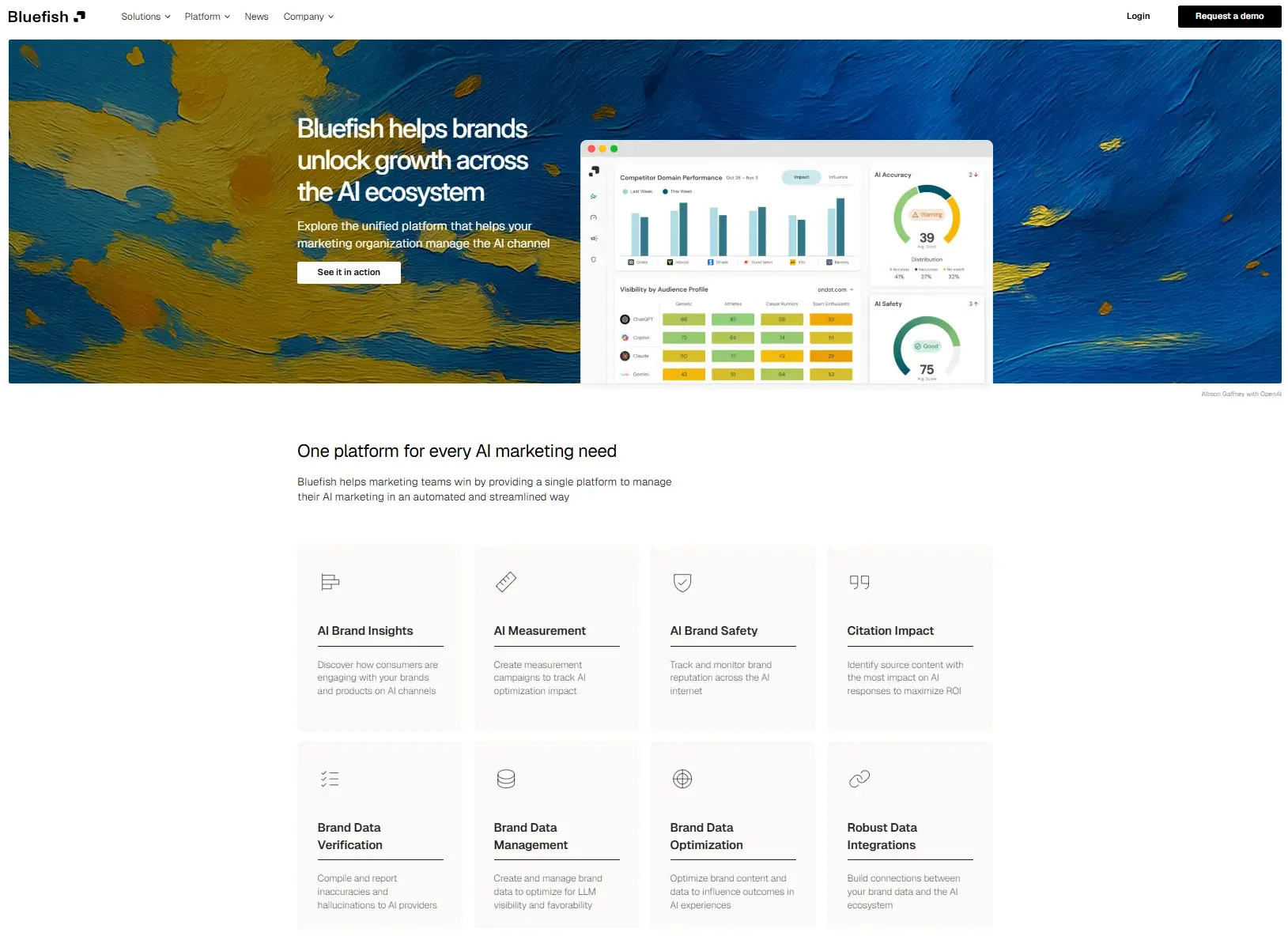
The digital marketing landscape is undergoing a profound transformation, driven by the rapid adoption of artificial intelligence in search. What was once dominated by traditional “blue link” search results is increasingly being augmented, and often replaced, by AI-generated answers, fundamentally altering how consumers discover information and interact with brands. This shift necessitates a new approach to online visibility: Answer Engine Optimization (AEO). As brands grapple with this evolving paradigm, specialized AEO tools like Profound and Bluefish AI are emerging as critical components for monitoring, measuring, and improving a brand’s presence within these intelligent search experiences.
The Rise of Answer Engine Optimization (AEO)
The advent of sophisticated large language models (LLMs) and their integration into major search platforms has marked a significant inflection point. According to McKinsey, a staggering 50% of consumers now utilize “answer engines,” with over 70% relying on them to pose questions and gather comprehensive information. This indicates a growing share of the customer journey, from initial discovery to detailed research, is occurring directly within AI tools, often before a user ever clicks through to a brand’s website. This phenomenon has been dubbed the “new front door to the internet,” where AI serves as the primary gateway to information.
Historically, Search Engine Optimization (SEO) focused on ranking websites high on traditional search results pages. Marketers meticulously optimized keywords, backlinks, and content structure to attract clicks. However, AI answer engines, exemplified by Google’s AI Overviews, ChatGPT, Perplexity, and Gemini, synthesize information from various sources to provide direct answers. This means brands must now optimize not just for clicks, but for citations and accurate representation within these AI-generated summaries. If a brand’s content isn’t visible or correctly referenced in these early-stage interactions, it risks missing critical opportunities for influence and customer engagement.
The chronology of this shift began subtly with features like Google’s Knowledge Panels and Featured Snippets, which offered direct answers to specific queries. However, the release of advanced conversational AI models like OpenAI’s ChatGPT in late 2022 rapidly accelerated the trend, pushing major tech companies to integrate similar generative AI capabilities into their core search offerings. This immediate public adoption highlighted the urgent need for tools that could help businesses navigate this new frontier. AEO, therefore, is not merely an extension of SEO but a distinct discipline focused on ensuring brand presence, accuracy, and favorable positioning within AI-powered answers.

Key Players in AEO: Profound and Bluefish AI
In response to this pressing need, a new category of AI visibility platforms has emerged. Among the leading contenders are Profound and Bluefish AI, each offering distinct approaches to AEO. Marketers are increasingly evaluating these tools to determine which best aligns with their strategic objectives, whether it’s aggressive growth, robust brand protection, or a combination of both. These platforms aim to provide the necessary insights to monitor, measure, and enhance a brand’s appearance in these evolving AI-driven search experiences.
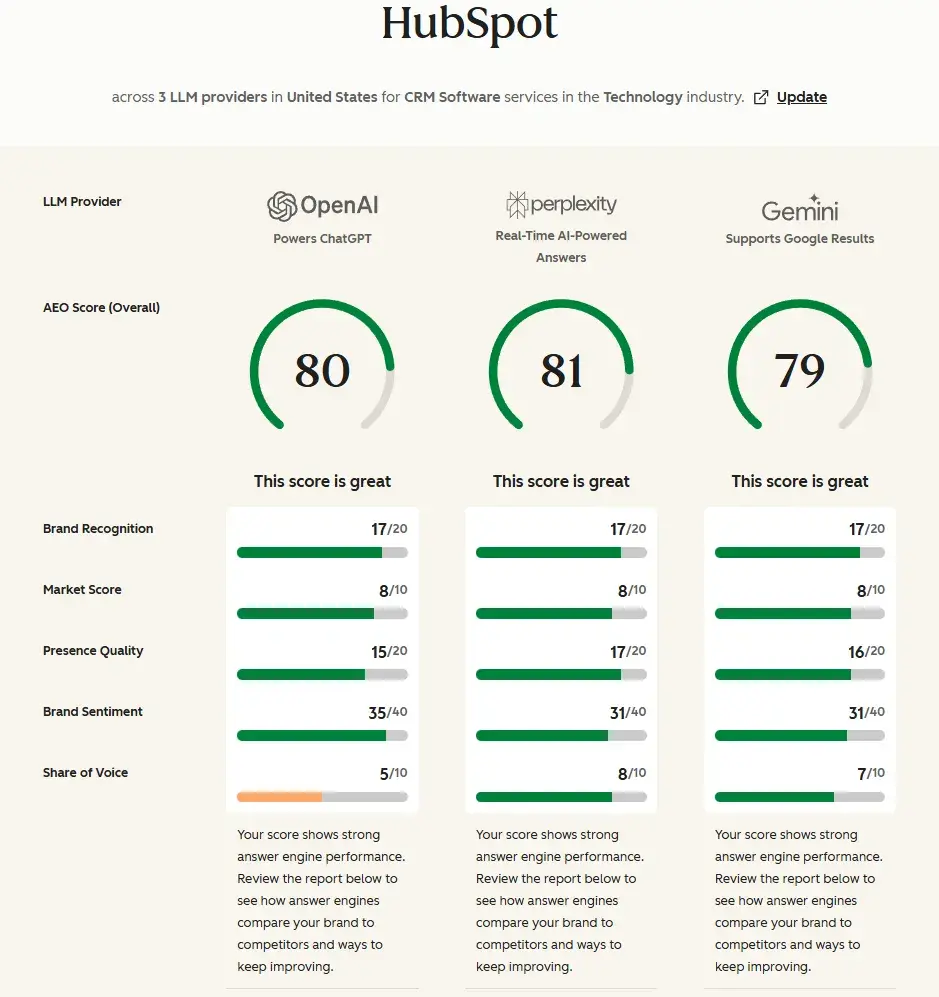
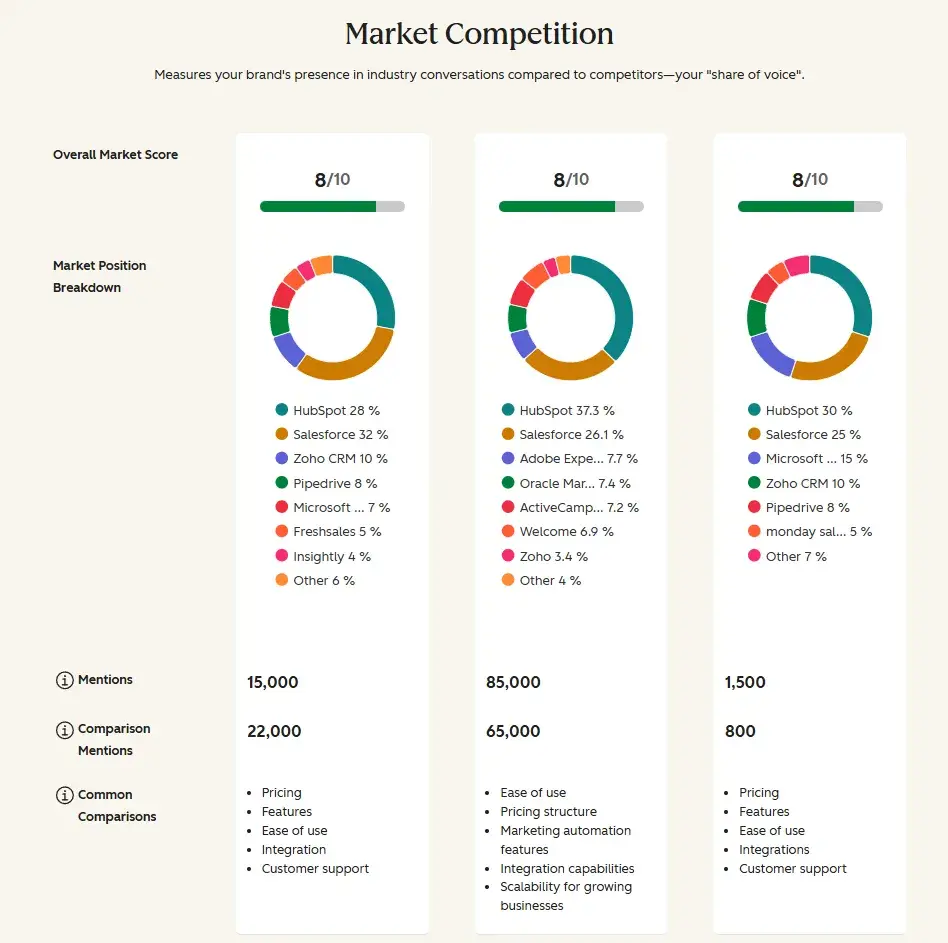
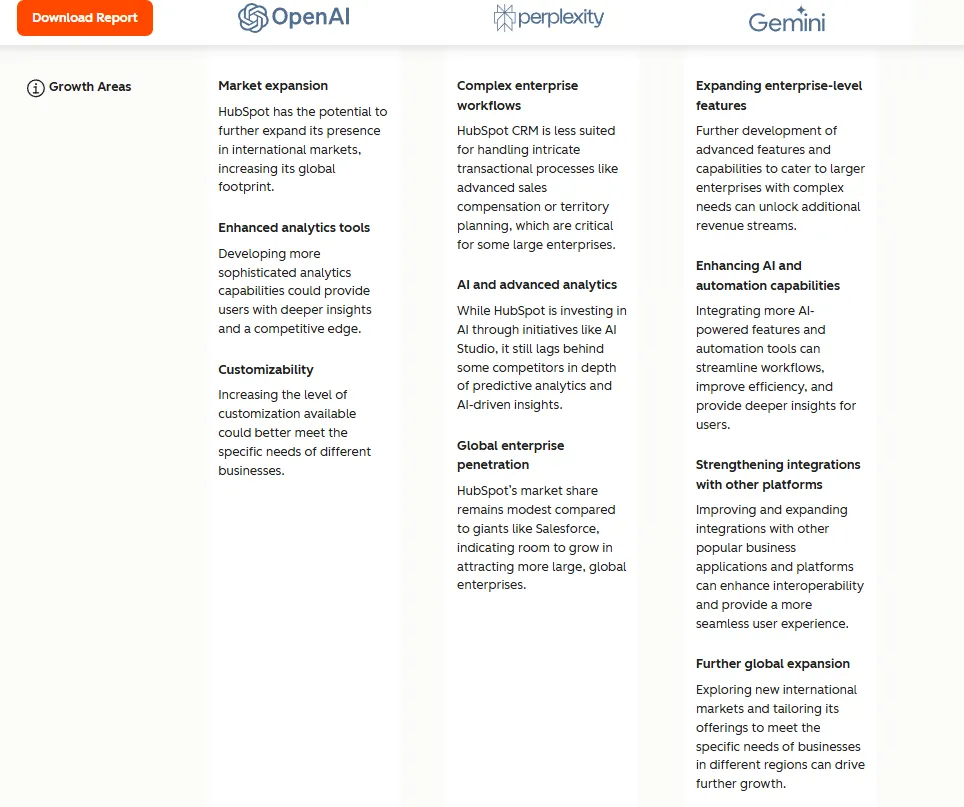
Before committing to enterprise-level solutions, many organizations begin by benchmarking their current AI visibility. Tools like HubSpot’s AEO Grader offer a free, practical snapshot of how a brand performs across major answer engines. This initial assessment helps marketing leaders understand their competitive positioning, identify existing citations, and uncover areas for improvement before investing in more comprehensive platforms like Profound or Bluefish AI. The grader provides visibility scores, competitive comparisons, and actionable recommendations, serving as a crucial first step in any AEO strategy.
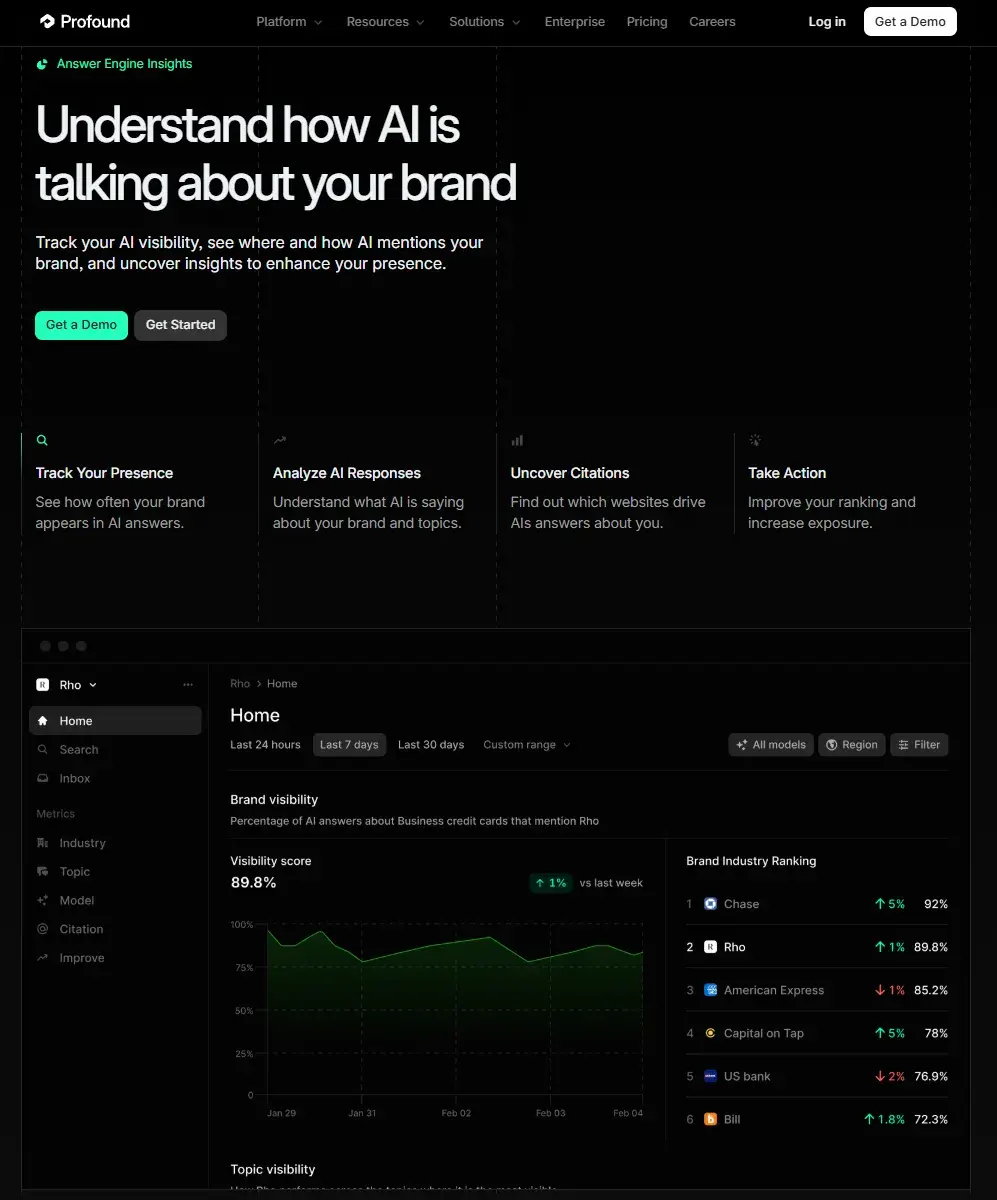
Deep Dive: Profound – The Growth Accelerator
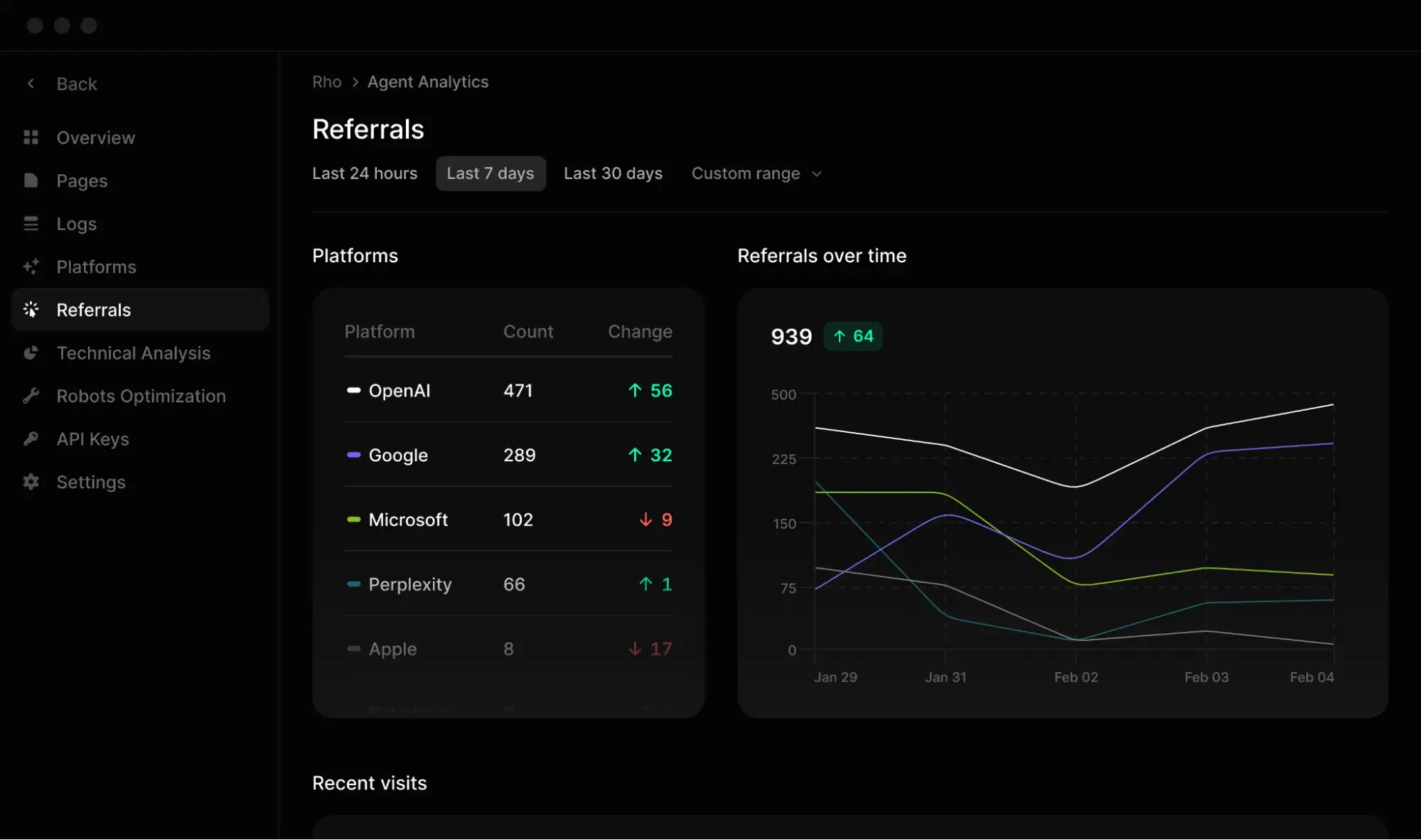
Profound positions itself as an enterprise-grade AI search visibility and Answer Engine Optimization platform, meticulously designed to help brands understand and improve their appearance within AI-generated answers. Its core strength lies in its analytical depth and focus on actionable insights for growth-oriented marketing teams.
-
Platform Coverage and AI Engines: Profound adopts a broad, visibility-first approach to platform coverage. It supports a comprehensive array of major AI systems, including Google AI Overviews, ChatGPT (across its various iterations, including search-integrated versions), Perplexity, Claude, Gemini, Microsoft Copilot, Grok, DeepSeek, and other emerging models. This extensive coverage allows marketers to gain a holistic view of how their brand is referenced across the most influential and emerging AI environments. By using front-end capture and prompt-level tracking, Profound enables detailed analysis of response variations across different engines, comparison of citation order, and monitoring of competitive share of voice at scale. This makes it particularly suited for teams engaged in proactive, multi-engine AEO programs aimed at maximizing reach and influence.
-
Reporting Depth and Competitive Intelligence: Profound leans heavily into analytical depth, specializing in AI visibility tracking and granular citation analysis. It moves beyond simple mention counts, providing rich context and competitive positioning. Marketers can evaluate citation order, understand their brand’s share of voice against competitors, analyze prompt-level variations that trigger different responses, and monitor cross-engine positioning. The platform offers detailed metrics such as citation volume, source authority, sentiment analysis of AI mentions, and impact on organic traffic. For teams treating AEO as a vital growth channel rather than a mere monitoring function, this depth of data supports structured experimentation, precise attribution, and informed strategic adjustments, helping to connect AI visibility directly to measurable business outcomes.
-
Integrations and Workflow Connectivity: For AEO insights to drive measurable ROI, they must be integrated seamlessly into existing marketing workflows. Profound boasts an extensive integration ecosystem designed to operationalize AEO data across the entire marketing stack. It connects with content management systems (CMS), content delivery networks (CDNs), marketing intelligence tools, analytics platforms (like GA4), business intelligence (BI) tools, and CRM systems (such as HubSpot). This comprehensive connectivity ensures that AI visibility data becomes actionable, rather than remaining isolated in standalone dashboards. Profound facilitates the integration of AI search signals into content creation pipelines, performance reporting, campaign optimization, and competitive analysis, making it easier for growth-focused teams to tie AI visibility directly to tangible business results.
-
Pricing Structure, Onboarding, and Scalability: Profound is primarily aimed at enterprise and growth-focused marketing organizations. It offers enterprise-grade security controls, compliance features, and structured onboarding processes tailored to support large, distributed teams. Its implementation model often aligns with complex enterprise procurement cycles, including stakeholder onboarding, robust governance setup, and detailed technical integration planning. While this may entail a longer ramp-up time compared to lighter-weight tools, it ensures scalable deployment across global regions and diverse business units. Profound offers defined paid packages, with starter packages beginning around $82.50/month (though limited to ChatGPT coverage), Growth at approximately $332.50/month, and Enterprise pricing customized based on specific organizational needs and scale.
Deep Dive: Bluefish AI – The Brand Guardian
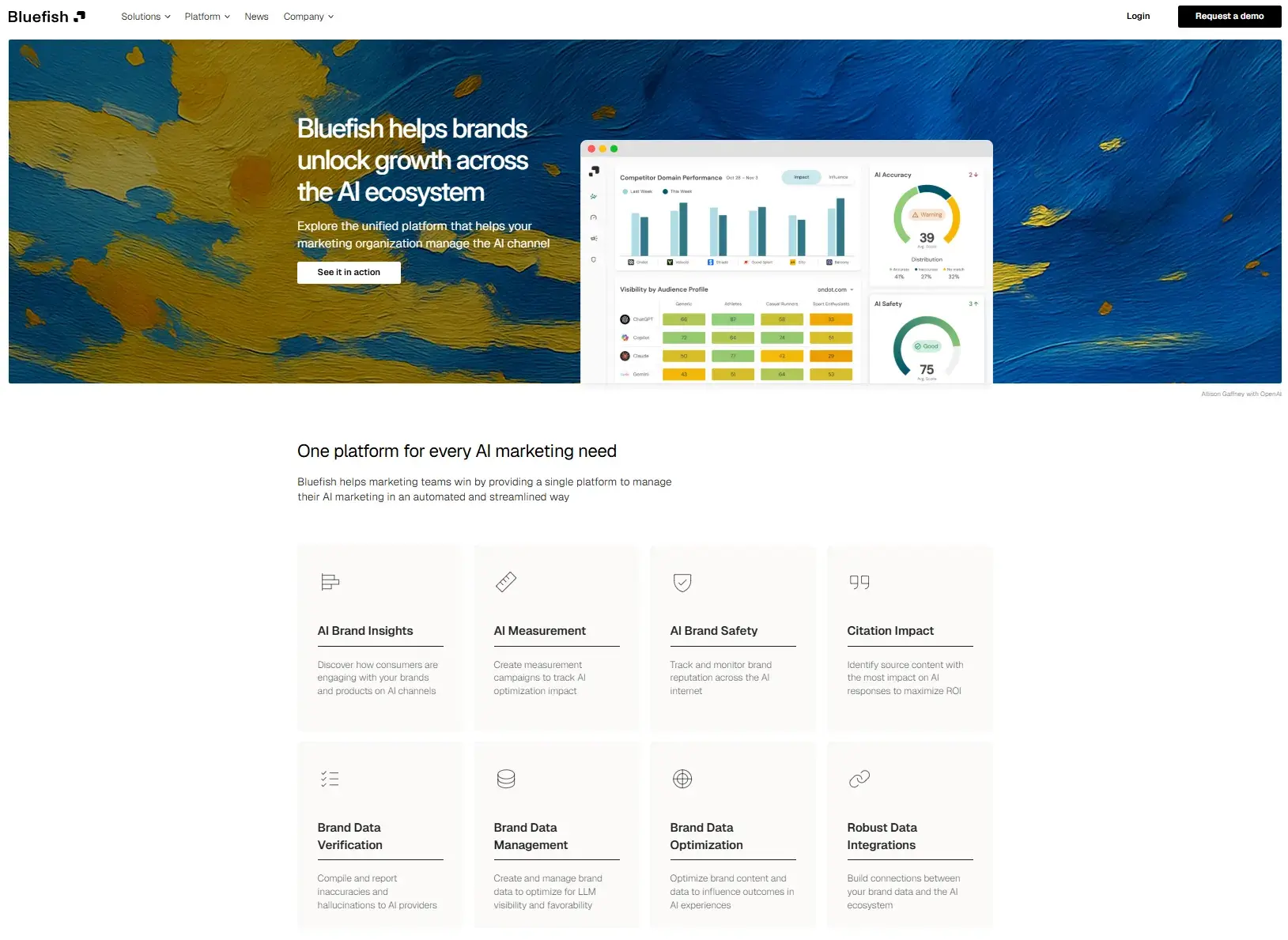
Bluefish AI differentiates itself as an AI visibility and brand safety platform, built to help organizations monitor how their brand is referenced in AI-powered search and generated answers, with a primary emphasis on risk management and accuracy. Its core value proposition revolves around protecting brand integrity in a rapidly evolving, often unpredictable, AI environment.
-
Platform Coverage and AI Engines: Bluefish AI focuses its monitoring on brand representation across major generative AI platforms that significantly influence consumer perception and enterprise risk exposure. While it tracks key generative platforms, its coverage prioritizes widely used AI engines where misinformation, brand misrepresentation, or association with harmful content could pose substantial reputational risk. Rather than aiming for an exhaustive list of every experimental model, Bluefish centers its tracking around high-impact environments and alert-driven monitoring. This approach caters to organizations that prioritize safeguarding their presence in commercially relevant AI ecosystems and mitigating potential brand damage over comprehensive experimental model coverage.
-
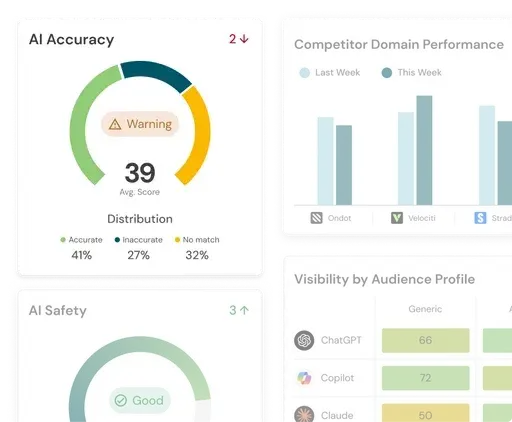
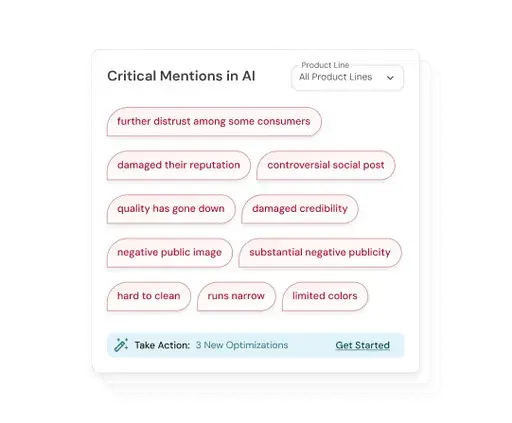
Reporting Depth and Competitive Intelligence: Bluefish AI’s reporting is tailored for brand safety monitoring and misinformation alerts. It excels at surfacing instances where a brand is misrepresented, associated with sensitive or inappropriate topics, or inaccurately cited in AI responses. Bluefish emphasizes signal clarity and actionable alerts, providing insights into potential brand misrepresentation, harmful associations within Search Generative Experiences (SGE), and reputational risk stemming from AI-generated content. Its dashboards highlight critical mentions requiring immediate attention, offering context-rich insights and governance workflows. This makes Bluefish AI particularly valuable for compliance-driven teams in risk-sensitive industries such as healthcare, finance, and legal, where narrative control and risk mitigation are paramount.
-
Integrations and Workflow Connectivity: Bluefish AI supports API access and data exports, enabling teams to integrate AI monitoring insights into broader reporting environments and existing enterprise systems. Its integration focus is on governance workflows, efficient alert routing, and structured reporting mechanisms crucial for compliance and brand protection teams. For organizations where oversight is a top priority, Bluefish ensures that AI-related brand risks are swiftly surfaced to the appropriate stakeholders, facilitating rapid response and mitigation strategies.
-
Pricing Structure, Onboarding, and Scalability: In contrast to Profound, Bluefish AI does not publicly disclose its pricing tiers or provide explicit details regarding its onboarding and scalability processes. Organizations interested in learning more about Bluefish AI’s offerings and cost structure are directed to contact their sales team directly. This approach often indicates a highly customized, enterprise-focused pricing model based on specific client needs, scale of monitoring, and industry-specific requirements, common in solutions for highly regulated sectors.
Strategic Considerations: Choosing the Right AEO Platform
The decision between Profound and Bluefish AI ultimately hinges on an organization’s primary strategic intent and risk profile. Both platforms offer valuable capabilities in the AEO space, but their core philosophies cater to different priorities.
-
For Growth and Attribution-Focused Teams (Profound): If a marketing team’s goal is proactive growth, maximizing measurable AI visibility, driving attribution, and optimizing content at scale, Profound is typically the stronger fit. Its broad platform coverage, deep analytical capabilities, and extensive integration ecosystem are designed to help teams actively shape their presence in AI answers, track performance against competitors, and connect AEO efforts directly to business outcomes. Profound empowers marketers to treat AEO as a new channel for audience acquisition and engagement.
-
For Brand Integrity and Risk Management Teams (Bluefish AI): Conversely, if the paramount priority is protecting brand integrity, managing reputational risk, and ensuring accuracy across AI systems, Bluefish AI may be the more suitable choice. Its emphasis on brand safety monitoring, misinformation alerts, and contextual accuracy is invaluable for industries where regulatory compliance, factual precision, and avoiding negative associations are critical. Bluefish AI acts as a vigilant guardian, alerting teams to potential threats and enabling swift corrective action.
It’s also crucial to remember that AEO platforms operationalize strategy; they do not create it. Before investing in either platform, defining whether the AEO strategy is defensive (risk mitigation) or growth-driven (visibility and acquisition) is paramount. This clarity will significantly streamline the platform selection process and ensure that the investment yields measurable, relevant outcomes rather than just another set of dashboards.
The Broader Implications of AI Search on Marketing
The rise of AI-powered answer engines carries profound implications for the future of marketing and brand communication.
- Content Strategy Evolution: Marketers must shift from creating content primarily for search engine crawlers to developing content that is easily digestible, authoritative, and factually accurate for AI models. This means focusing on clear, concise answers, structured data, and building strong domain authority that AI systems can confidently cite. Content will need to be optimized for both human consumption and AI synthesis.
- Brand Trust and Authority: In an era where AI synthesizes information, the trustworthiness and authority of source content become even more critical. Brands that consistently provide high-quality, verifiable information are more likely to be cited positively by AI, reinforcing their expert status. Conversely, misinformation or inaccurate content can quickly damage a brand’s reputation when amplified by AI systems.
- Customer Journey Transformation: The customer journey is becoming increasingly non-linear. AI answers provide instant gratification, potentially reducing the need for users to navigate multiple websites. This places a greater emphasis on brand presence at the very initial stages of discovery within the AI interface itself. Marketers need to understand how AI influences decision-making before a customer ever reaches their owned properties.
- Measurement and Attribution Challenges: Traditional metrics like clicks and impressions may become less relevant if users obtain answers directly from AI. New metrics related to citations, share of voice within AI responses, sentiment analysis of AI-generated content, and the impact of AI visibility on overall brand perception will gain prominence. AEO tools are designed to help address these evolving measurement challenges.
- Ethical Considerations: The potential for AI to hallucinate, misrepresent, or perpetuate biases raises significant ethical considerations for brands. Proactive monitoring through tools like Bluefish AI becomes essential to ensure brand content is not inadvertently associated with harmful or inaccurate AI outputs.
Conclusion: The Indispensable Role of AEO
As AI continues to reshape the digital landscape, Answer Engine Optimization is no longer an optional add-on but an indispensable component of a comprehensive digital strategy. The decision between platforms like Profound and Bluefish AI underscores the diverse needs within this emerging field. Profound caters to the proactive, growth-driven enterprise seeking to maximize its footprint and derive measurable value from AI visibility. Bluefish AI, on the other hand, serves the critical need for brand governance and risk mitigation, particularly in sensitive sectors where accuracy and reputation are paramount.
Before making a significant investment, however, the initial assessment offered by tools like HubSpot’s AEO Grader remains a prudent first step. It provides a foundational understanding of a brand’s current standing in AI search, enabling marketers to define their strategic priorities—whether defensive or growth-oriented—with greater clarity. This foundational understanding is key to ensuring that any subsequent investment in AEO technology effectively supports measurable outcomes and navigates the complexities of the AI-driven internet effectively. The future of brand visibility is inextricably linked to AI, and mastering AEO is key to thriving in this new digital era.