rifanmuazin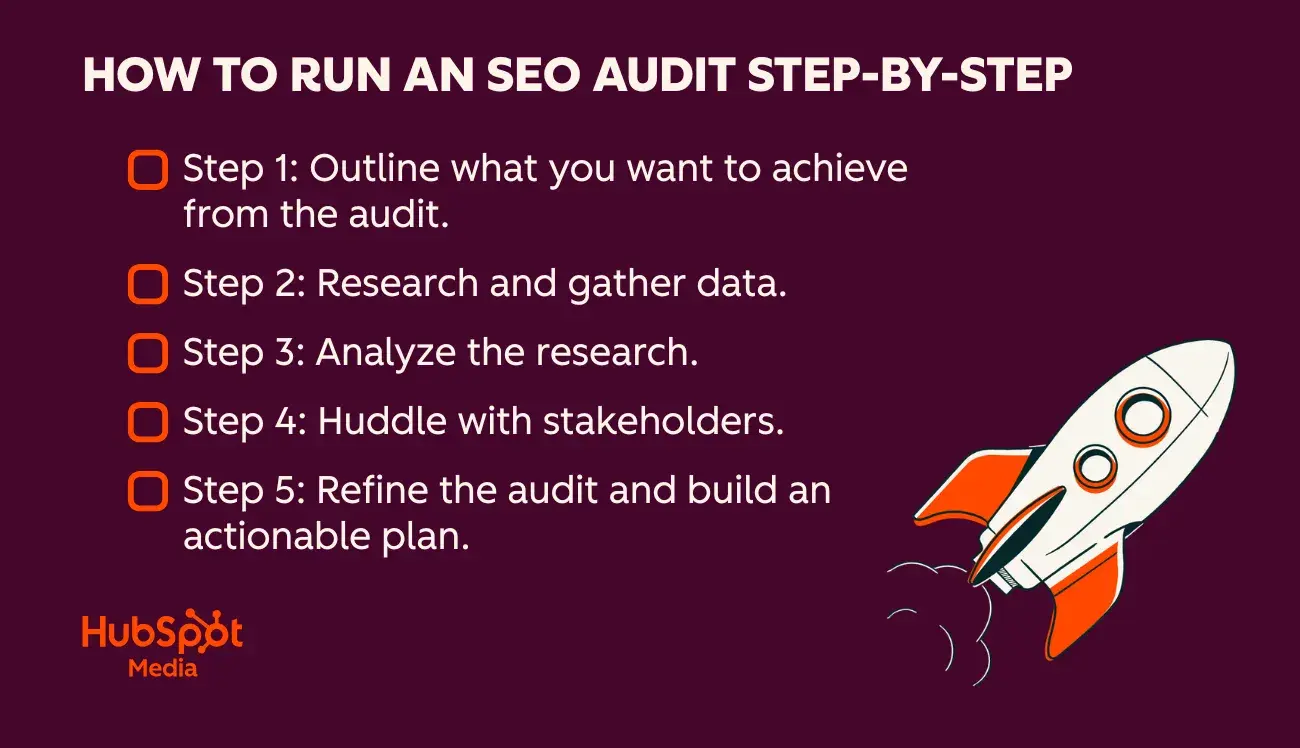
In an era defined by rapid technological advancements and shifting consumer behaviors, the SEO audit has transcended its traditional role, evolving into a critical strategic imperative for businesses aiming to secure and expand their digital footprint. At its core, an SEO audit remains a meticulous, step-by-step examination of a website’s technical health, content efficacy, and overall search visibility. However, the advent of artificial intelligence (AI) in search has dramatically broadened its scope, demanding a comprehensive evaluation that extends beyond conventional "blue-link" rankings to encompass brand recognition within AI-generated answers and performance in generative search environments. This transformation underscores the necessity for SEO professionals to adapt their methodologies, identifying, prioritizing, and rectifying issues that impede traffic, rankings, and, most crucially, conversions, while simultaneously seizing new opportunities presented by AI-driven search paradigms.
![SEO audits: How to conduct one that drives traffic growth [+ checklist]](https://53.fs1.hubspotusercontent-na1.net/hubfs/53/seo-audit-1-20251217-6006144.webp)
The Evolving Imperative of SEO Audits in the Digital Age
Historically, an SEO audit primarily focused on identifying technical glitches, on-page optimization shortcomings, content quality issues, and backlink profile weaknesses. Its objective was clear: to ensure a website was crawlable, indexable, and relevant enough to rank favorably in search engine results pages (SERPs). This foundational understanding still holds immense value, as evidenced by Google’s continuous emphasis on Core Web Vitals, mobile-friendliness, and helpful content. For instance, according to recent industry reports, websites with robust technical SEO can see up to a 30% improvement in organic traffic within the first year of optimization. Moreover, pages with faster loading times and better user experience (UX) metrics consistently outperform competitors, translating into higher engagement and lower bounce rates.
![SEO audits: How to conduct one that drives traffic growth [+ checklist]](https://no-cache.hubspot.com/cta/default/53/1d7211ac-7b1b-4405-b940-54b8acedb26e.png)
However, the digital landscape is in constant flux. Major algorithm updates from Google, such as the Helpful Content updates or the ongoing refinement of E-E-A-T (Experience, Expertise, Authoritativeness, Trustworthiness) guidelines, routinely reshape ranking factors. These updates necessitate regular audits, typically conducted quarterly or annually, to ensure continuous alignment with search engine best practices. Beyond these iterative adjustments, a monumental shift is underway: the rise of AI in search. Platforms like Google’s Search Generative Experience (SGE) and other conversational AI models are fundamentally altering how users discover information and interact with brands. This paradigm shift mandates that a modern SEO audit not only diagnoses issues hindering traditional search visibility but also assesses "entity signals"—how clearly a brand is understood and categorized by AI—and its prominence in AI-powered answer engines (Answer Engine Optimization, or AEO) and generative search results (Generative Engine Optimization, or GEO). Businesses that fail to adapt risk being marginalized in this rapidly evolving search ecosystem.
Anatomy of a Modern SEO Audit: Key Pillars of Evaluation
![SEO audits: How to conduct one that drives traffic growth [+ checklist]](https://53.fs1.hubspotusercontent-na1.net/hubfs/53/infographic%20shows%20the%20seo%20audit%20checklist%20step-by-step..webp)
A comprehensive SEO audit in today’s environment is a multi-faceted process that delves deep into various aspects of a website’s performance and perception. It’s designed to provide a holistic view, uncovering both immediate tactical fixes and long-term strategic opportunities. The key areas of examination typically include:
- Technical Health: This foundational pillar ensures search engines can effectively access, crawl, and index website content. It covers crucial elements like crawlability (e.g., robots.txt, sitemaps), indexability (e.g., noindex tags, canonicalization), page speed and Core Web Vitals (e.g., Largest Contentful Paint, Cumulative Layout Shift, First Input Delay), structured data implementation (Schema markup), and site architecture (internal linking, navigation). Issues here can act as significant roadblocks, preventing even the highest-quality content from ever reaching its audience. For example, a single misconfigured robots.txt file can inadvertently block an entire site from Google’s index.
- On-Page SEO: This involves optimizing individual web pages to rank higher and earn more relevant traffic. Key aspects include metadata (title tags, meta descriptions), heading structures (H1-H6), internal linking strategies, URL structure, and the strategic deployment of topic and keyword clusters. Effective on-page optimization helps search engines understand the context and relevance of a page, thereby improving its chances of ranking for targeted queries.
- Content Quality and Depth: With Google’s emphasis on "helpful content," this area evaluates the relevance, comprehensiveness, originality, and user value of a website’s content. It scrutinizes E-E-A-T signals, assesses topical authority, checks for content freshness, identifies duplication or "thin content" pages, and uncovers content gaps where valuable information is missing. High-quality, in-depth content not only satisfies user intent but also builds trust and authority with search engines.
- Top-Performing and Revenue-Generating Pages: Audits often highlight existing high-traffic or high-impression pages, seeking opportunities to enhance their click-through rates (CTR) and rankings further. Crucially, attention is given to revenue-generating pages (product, service, conversion pages) to identify factors blocking their higher ranking and commercial impact.
- Highest-Conversion Pages: Pages already demonstrating strong conversion rates are analyzed to understand their success factors, with a view to scaling these successes or replicating their attributes across other parts of the site.
- CRO Recommendations: Beyond SEO, audits may include Conversion Rate Optimization (CRO) insights, pinpointing UX issues, layout friction, unclear calls-to-action (CTAs), messaging ambiguities, and opportunities to improve engagement metrics. This integration ensures that increased traffic translates into tangible business outcomes.
- Backlink Profile & Gaps: The quality and quantity of backlinks remain a significant ranking factor. This segment of the audit assesses the authority and relevance of incoming links, identifies potentially toxic or spammy links that could harm SEO, and uncovers opportunities to acquire high-quality links that competitors leverage.
- Brand and Entity Signals: This is where the modern audit truly differentiates itself. It evaluates how clearly a brand is perceived and categorized by search engines and, increasingly, by AI models. Strong entity signals ensure that AI systems accurately understand the brand’s identity, offerings, and industry position, which is vital for visibility in AI-generated answers.
- AI Search Visibility (AEO/GEO): A cutting-edge audit explicitly examines how a site appears in AI-generated answers, generative search experiences, and conversational interfaces. Tools like HubSpot’s AEO Grader can assess how well a brand is positioned to be featured in these new formats, which are rapidly becoming primary information sources for users.
The Strategic Audit Process: A Step-by-Step Guide for Action
![SEO audits: How to conduct one that drives traffic growth [+ checklist]](https://53.fs1.hubspotusercontent-na1.net/hub/53/hubfs/technical%20seo%20is%20a%20must%20as%20part%20of%20the%20seo%20audit%20checklist.%20the%20infographic%20shows%20how%20to%20prioritize%20technical%20issues..webp?width=450&height=283&name=technical%20seo%20is%20a%20must%20as%20part%20of%20the%20seo%20audit%20checklist.%20the%20infographic%20shows%20how%20to%20prioritize%20technical%20issues..webp)
Executing an effective SEO audit requires a structured, strategic approach, moving beyond mere data collection to actionable insights. This process is inherently iterative and collaborative, designed to align SEO efforts with overarching business objectives.
- Define Business Objectives: The initial and most critical step is to clarify the "why." What specific business problems is the audit intended to solve? Is it to recover from a traffic drop, boost conversions for a new product, or improve brand visibility in a competitive market? Every audit must start with well-defined business goals, not just a checklist of technical items. This intent-setting phase guides the entire audit, focusing efforts on the pages, templates, and metrics that hold the most strategic importance. For example, if a company’s primary goal is lead generation for a new SaaS product, the audit will heavily scrutinize content around that product, relevant landing pages, and conversion funnels.
- Research and Data Gathering: This phase involves collecting all quantitative signals of a site’s performance. SEO specialists pull data from a variety of sources: site crawlers (e.g., Screaming Frog) for technical issues, Google Search Console (GSC) for indexing status, search queries, and crawl errors, analytics platforms (e.g., Google Analytics) for traffic, engagement, and conversion metrics, and backlink analysis tools (e.g., Semrush, Ahrefs) for link profiles. All collected data should be consolidated, typically in a central spreadsheet, and serve as a benchmark for future audits, allowing for measurable tracking of improvements.
- In-Depth Analysis and Insight Generation: This is where raw data transforms into actionable intelligence. Beyond merely identifying issues, a sophisticated SEO professional connects patterns, understands the underlying causes of problems, and assesses their impact on traffic, rankings, conversions, and AI visibility. This involves cross-referencing data points, looking for correlations, and synthesizing disparate findings into a cohesive narrative. Crucially, insights must be aligned with the broader business strategy, considering product priorities, seasonal demand, marketing campaigns, and sales goals. For instance, a drop in organic traffic might be linked to slow page speed (technical issue), outdated content (content quality issue), or a recent Google algorithm update (external factor).
- Stakeholder Collaboration and Alignment: Before finalizing recommendations, it is vital to engage key stakeholders—marketing managers, product teams, developers, sales leadership. This meeting serves to validate assumptions, fill knowledge gaps, and ensure that proposed SEO recommendations are feasible, align with current capacities, and fit within the broader business context. It’s an opportunity to discuss the implications of findings, gain buy-in, and potentially realign priorities based on new insights uncovered during the audit. This collaborative approach ensures that the audit’s output is not just an SEO document but a shared roadmap for growth.
- Refine Audit and Construct an Actionable Plan: The culmination of the audit process is the creation of a clear, prioritized, and actionable plan. This plan translates insights into structured tasks, complete with assigned owners, realistic timelines, and expected outcomes. It’s insufficient to merely list problems; the value lies in providing a step-by-step guide for implementation. Recommendations are typically ranked by impact (potential for significant improvement) and effort (resources required), allowing teams to focus on high-impact, low-effort "quick wins" first, followed by more complex, foundational changes. This detailed roadmap ensures that the audit becomes a living document, driving measurable results week after week.
Interpreting Findings and Prioritizing Action for Maximum Impact
![SEO audits: How to conduct one that drives traffic growth [+ checklist]](https://53.fs1.hubspotusercontent-na1.net/hub/53/hubfs/infographic%20shows%20a%20smart%20goal%20example.%20seo%20specialists%20need%20smart%20goals%20to%20help%20them%20prioritize%20where%20to%20focus%20efforts%20within%20the%20seo%20audit%20checklist..webp?width=650&height=374&name=infographic%20shows%20a%20smart%20goal%20example.%20seo%20specialists%20need%20smart%20goals%20to%20help%20them%20prioritize%20where%20to%20focus%20efforts%20within%20the%20seo%20audit%20checklist..webp)
Once findings are collected and analyzed, the art of SEO lies in prioritization. Given the typically extensive list of issues an audit uncovers, a strategic approach to fixing them is paramount to maximize return on investment and build momentum.
- Unblock Crawling and Indexing: Top priority must be given to any issue preventing search engines from discovering or including key pages in their index. This includes accidental
noindextags, severe crawl errors, broken internal links, or misconfiguredrobots.txtfiles. Rectifying these issues often yields the quickest and most significant traffic recovery. This aligns with the "Maslow’s Hierarchy of SEO Needs" where crawlability and indexability form the base layer, essential for any other optimization efforts to matter. - Address Business-Critical Risks: Beyond SEO, some findings pose immediate business risks. Security vulnerabilities (e.g., unpatched software, insecure connections), broken checkout flows, incorrect pricing on product pages, or inaccessible forms directly impact revenue and brand trust. These issues demand immediate attention, irrespective of their direct SEO impact.
- Align with Strategic Business Goals: Prioritize tasks that directly support the company’s specific objectives, such as targeting a new market segment, launching a flagship product, or expanding into a new geographic region. Utilizing SMART (Specific, Measurable, Attainable, Relevant, Time-bound) goals provided by stakeholders ensures that SEO efforts are always aligned with the broader business direction.
- Identify Multi-Channel Content Opportunities: Focus on content updates that serve multiple marketing channels. A single, high-quality piece of content can boost SEO, fuel email nurturing campaigns, empower sales teams, and serve as product education. This approach creates compounding value and maximizes resource efficiency.
- Target High-Impact, Low-Effort Wins: Look for changes that can be implemented quickly (e.g., under 30 minutes) but deliver measurable improvements. Updating a few critical title tags, adding a missing favicon, compressing large images, or deleting outdated, irrelevant pages can generate early momentum and demonstrate tangible progress, motivating the team.
- Cluster Recommendations into Sprints: Group related issues into focused "sprints" (e.g., a "page speed sprint," a "schema markup sprint," or a "content refresh sprint"). This reduces context switching, improves team efficiency, and allows for faster delivery of improvements. Reporting on completed sprints also provides clear milestones and celebrates achievements.
- Leverage Developer Time Strategically: Developer resources are often scarce. Prioritize template-level or sitewide fixes that impact hundreds or thousands of URLs simultaneously, such as addressing global page speed issues, implementing sitewide schema, or overhauling navigation structures. This ensures that valuable development time is spent on systemic improvements rather than one-off page fixes.
Essential Tools for a Comprehensive SEO Audit
![SEO audits: How to conduct one that drives traffic growth [+ checklist]](https://53.fs1.hubspotusercontent-na1.net/hub/53/hubfs/geo-vs-aeo-4-20251216-6278594.webp?width=450&height=518&name=geo-vs-aeo-4-20251216-6278594.webp)
The effectiveness and efficiency of an SEO audit are significantly enhanced by the right suite of tools, which automate data collection and analysis, allowing human experts to focus on strategic insights.
- HubSpot AI Grader: This innovative tool is vital for assessing a brand’s visibility in the AI search landscape. It evaluates how well a brand’s content and entity signals are interpreted by AI models, providing insights into its readiness for generative search experiences. Its focus on entity clarity and authority markers directly addresses the AEO/GEO components of modern SEO.
- HubSpot Website Grader: A user-friendly, free tool that offers a quick, high-level snapshot of a website’s SEO health, performance, mobile usability, and security. It’s excellent for identifying "quick win" opportunities related to basic technical hygiene and on-page elements, serving as an ideal starting point for any audit.
- Semrush: A comprehensive, industry-leading SEO platform offering extensive capabilities for keyword research, competitive analysis, backlink auditing, content insights, and site audits. Its robust reporting and AI-driven recommendations make it indispensable for deep dives into market trends and competitor strategies.
- Screaming Frog SEO Spider: An essential desktop-based crawler for technical SEO audits. It quickly scans websites to uncover critical technical issues such as broken links, redirect chains, orphan pages, duplicate content, and missing metadata. While powerful, it requires a solid understanding of SEO to interpret its data effectively.
- Google Search Console (GSC): A free, fundamental tool provided by Google that offers direct insights into how Google views a website. It provides data on indexing status, crawl errors, search performance (impressions, clicks, CTR), mobile usability, and security issues. GSC is non-negotiable for understanding organic visibility directly from the source.
- Google Analytics: A free web analytics service that tracks and reports website traffic, offering invaluable data on user behavior, engagement metrics, conversion paths, and demographic information. It helps link SEO efforts to business outcomes.
- Google Lighthouse & PageSpeed Insights: Free tools from Google that analyze web pages for performance, accessibility, best practices, SEO, and Progressive Web App (PWA) metrics. They are crucial for diagnosing Core Web Vitals issues and overall page experience.
- HubSpot Marketing Hub and Content Hub: When integrated, these platforms provide a powerful ecosystem for both auditing and implementation. HubSpot Content Hub, with its built-in SEO intelligence and AI content tools, aids in optimizing metadata, refining on-page signals, and managing content clusters. HubSpot Marketing Hub offers comprehensive SEO recommendations, analytics, and reporting, directly connecting SEO efforts to broader marketing and business objectives, facilitating the implementation and tracking of audit recommendations.
Addressing Common Questions and the Future Outlook for SEO Audits
![SEO audits: How to conduct one that drives traffic growth [+ checklist]](https://53.fs1.hubspotusercontent-na1.net/hub/53/hubfs/seo%20audit%20tool%2c%20hubspot%E2%80%99s%20website%20grader.webp?width=650&height=538&name=seo%20audit%20tool%2c%20hubspot%E2%80%99s%20website%20grader.webp)
The complexity and dynamism of SEO often lead to common questions among businesses and marketers:
- How long does an SEO audit take? The duration varies significantly based on site size, complexity, and audit depth, typically ranging from two to eight weeks. Small sites might be completed in days, while enterprise sites with thousands of URLs and intricate structures require more time for thorough analysis and creative problem-solving.
- Is a developer needed for an SEO audit? While SEO specialists conduct the audit and diagnose issues, developers are often indispensable for implementing technical fixes. Template-level changes, Core Web Vitals improvements, structured data implementation, and JavaScript optimizations typically fall within the development team’s purview. The audit identifies the work; developers execute it.
- How often should SEO audits be performed? Most businesses benefit from quarterly, biannual, or annual audits. The frequency depends on industry competitiveness, website update frequency, and the impact of significant search engine or AI changes. A minimum of one comprehensive audit per year is recommended to benchmark performance and detect unexpected declines.
- What’s the difference between an SEO audit and a website audit? An SEO audit is specialized, focusing exclusively on factors influencing search engine rankings, visibility, and organic conversions. A broader website audit encompasses UX design, accessibility, CRO, branding, navigation, and overall site performance. An SEO audit can be considered a critical component within a holistic website audit.
The future of SEO audits is intrinsically linked to the evolution of AI. As AI models become more sophisticated in understanding context, intent, and entities, audits will increasingly focus on optimizing for these deeper semantic connections. The tools themselves will likely incorporate more AI, automating aspects of data analysis and prediction, allowing SEO professionals to dedicate more time to strategic thinking, creative problem-solving, and cross-functional collaboration. The role of the SEO specialist will continue to shift from a technical implementer to a strategic consultant, guiding businesses through an ever-more complex digital landscape.
![SEO audits: How to conduct one that drives traffic growth [+ checklist]](https://53.fs1.hubspotusercontent-na1.net/hub/53/hubfs/seo%20audit%20tool%2c%20semrush.webp?width=650&height=374&name=seo%20audit%20tool%2c%20semrush.webp)
Modern SEO Audits: Beyond the Blue Links, Towards a Growth Engine
A meticulously executed SEO audit is far more than a diagnostic report; it is a powerful catalyst for sustained digital growth. By rigorously examining technical health, content quality, authority signals, and now, critically, AI search visibility, businesses can uncover not only immediate opportunities for improvement but also forge long-term strategies that directly bolster traffic, conversions, and revenue pipelines. The imperative to move beyond traditional "blue-link" optimization and embrace the nuances of generative search and entity understanding cannot be overstated. Tools like HubSpot Website Grader and HubSpot AEO Grader offer accessible entry points for quickly assessing both fundamental SEO health and emergent AI visibility. Ultimately, the most impactful audits are those deeply rooted in explicit business goals, executed through collaborative efforts across departments, and translated into a clear, actionable roadmap. When an audit is performed with such foresight and precision, it doesn’t just identify problems; it empowers teams, clarifies strategic direction, and transforms a website into a robust, adaptable engine for enduring success in the dynamic digital marketplace.