rifanmuazin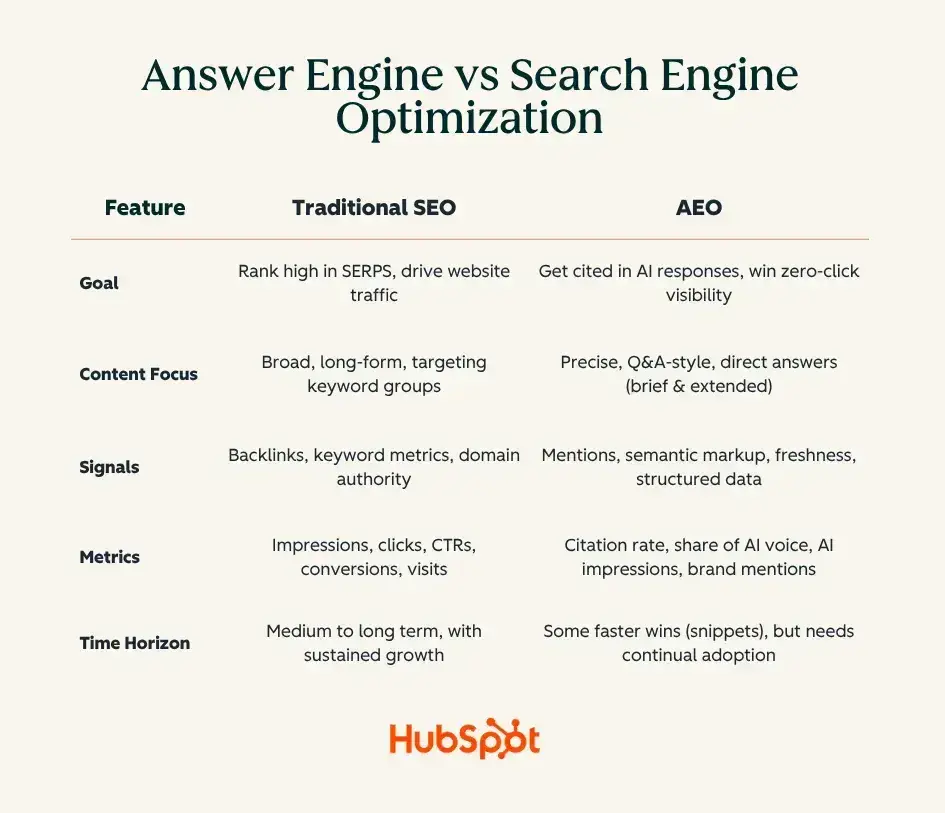
The digital marketing paradigm is undergoing a profound transformation, driven by the rapid integration of artificial intelligence into search and information retrieval. At the forefront of this evolution are two distinct yet complementary strategies: Answer Engine Optimization (AEO) and Generative Engine Optimization (GEO). While often used interchangeably, understanding their nuanced differences and synergistic relationship is paramount for marketers seeking to secure visibility and drive engagement in the contemporary digital ecosystem. This article delves into these critical optimization methodologies, their foundational principles, measurement techniques, and the broader implications for the future of search.
The Genesis of AI in Search: A Brief Chronology
The journey towards an AI-first search environment has been incremental, building upon decades of advancements in information retrieval. Historically, Search Engine Optimization (SEO) focused predominantly on keywords, backlinks, and technical site performance to rank web pages in traditional "blue link" search results. The primary goal was to attract organic traffic by securing top positions for relevant queries, a practice that remains foundational.
However, the landscape began to shift significantly with the advent of "direct answers" and "rich results" on search engine results pages (SERPs). Google’s introduction of featured snippets, "People Also Ask" sections, and knowledge panels marked the initial phase of Answer Engine Optimization. These features aimed to provide immediate, concise answers to user queries directly on the search results page, often reducing the need for a click-through to the source website. Concurrently, the proliferation of voice search further propelled the need for precise, direct answers, as virtual assistants typically deliver a single, authoritative response. This era solidified AEO, where content clarity, structure, and directness became increasingly valuable for capturing immediate user intent.
The most recent and impactful development has been the widespread adoption of large language models (LLMs) and generative AI, exemplified by platforms like ChatGPT, Google AI Overviews (formerly Search Generative Experience or SGE), and Perplexity AI. These generative engines synthesize information from multiple web sources to create comprehensive summaries, comparisons, and recommendations, frequently citing the original sources. This marks the emergence of Generative Engine Optimization (GEO), focusing on ensuring a brand’s authority, expertise, and insights are recognized and cited within these AI-generated responses. This chronological progression highlights a continuous evolution from simple keyword matching to understanding complex intent, then providing direct answers, and now, generating holistic, multi-source summaries.
Defining the Pillars: AEO, GEO, and Their Distinction from Traditional SEO
To effectively navigate this complex and rapidly evolving digital environment, a clear understanding of each optimization strategy is essential.

Search Engine Optimization (SEO): At its core, SEO remains the overarching discipline of improving a website’s overall visibility in search engine results. It encompasses a vast array of tactics, including technical optimization (e.g., site speed, mobile-friendliness, crawlability), on-page optimization (e.g., keyword integration, content quality, user experience), and off-page optimization (e.g., backlink acquisition, brand mentions, social signals). The primary objective of SEO is to earn rankings and organic traffic through traditional "blue links," serving as the foundational layer of relevance, authority, and technical performance upon which AEO and GEO are built.
Answer Engine Optimization (AEO): AEO is a specialized branch of optimization that specifically targets direct answers within search results. Its primary goal is to help website content appear as immediate, authoritative answers to specific user queries. This includes:
- Featured Snippets: The prominent box at the top of Google search results that directly answers a query, often pulling a concise paragraph, list, or table from a webpage.
- People Also Ask (PAA) Sections: Related questions and their short answers presented directly on the SERP, expanding on user intent.
- Voice Search Results: The single, spoken answer delivered by virtual assistants like Google Assistant, Siri, or Alexa, which prioritizes the most direct and authoritative response.
- AI Short Answers: Concise, factual responses provided by AI models integrated into search interfaces, aiming for instant gratification for users.
AEO content is characterized by exceptional clarity, logical structure, and comprehensive coverage of specific questions, meticulously designed for easy and unambiguous extraction by search algorithms. The core focus is on providing the answer directly and efficiently.
Generative Engine Optimization (GEO): GEO is the newest frontier in digital visibility, optimizing for brand citations and recommendations within AI-generated summaries and conversational responses. Its primary goal is to ensure brands are recognized and referenced as authoritative sources by AI chatbots and generative search platforms. This involves:
- Google AI Overviews: The AI-powered summaries that appear at the top of Google search results, synthesizing information and often providing clickable citations to source websites.
- ChatGPT and other LLMs: Optimizing content so that these models accurately pull and attribute information from a brand’s site when generating responses, offering comparisons, or making recommendations.
- Perplexity AI and Gemini: Advanced answer engines that provide comprehensive, cited summaries for complex queries, where brand mentions contribute to perceived authority.
GEO focuses on establishing a brand’s authority, ensuring robust entity clarity, and embedding "quotable insights" that AI models can readily integrate into their generated content, influencing discovery and trust even without an immediate click.
In the simplest terms: AEO optimizes for answers that are directly displayed and consumed on the SERP, while GEO optimizes for citations and mentions within longer, AI-generated summaries. Both are critical extensions of traditional SEO, reflecting the evolving ways users consume information and interact with search.
| Strategy | Primary Goal | How It Shows Up | What It Optimizes For | Best Use Case |
|---|---|---|---|---|
| AEO | Deliver direct answers in search | Featured snippets, PAA, voice search, AI short answers | Clarity, structure, question coverage, conciseness | High-intent, factual queries, rapid information access |
| GEO | Earn brand citations in AI summaries | Google AI Overviews, ChatGPT, Perplexity, Gemini | Authority, entity clarity, quotable insights, trustworthiness | Research queries, informational discovery, brand validation |
| SEO | Earn rankings and organic traffic | Traditional organic blue links in search engines | Relevance, backlinks, technical performance, user experience | Long-term acquisition, traffic growth, broad online presence |
The Imperative for Both: Why AEO and GEO are Indispensable
The ongoing shift in consumer behavior unequivocally demonstrates the need for both AEO and GEO. According to the HubSpot Consumer Trends Report, a significant 72% of consumers surveyed indicated an intention to rely more heavily on AI-powered search when making shopping decisions. This statistic underscores a fundamental change in the buyer’s journey: initial discovery now often begins not with a keyword search leading to a list of links, but with a conversational query leading to a summarized answer or a direct recommendation.
From a strategic perspective, relying solely on traditional SEO is increasingly insufficient. While SEO builds the essential foundation of relevance and authority that underpins all digital visibility, AEO and GEO ensure that a brand’s message penetrates the "answer layer" and "generative layer" of modern search. AEO captures the immediate, direct answer needs, ensuring a brand is the go-to source for specific factual information. GEO, on the other hand, positions a brand as a credible, quotable entity within broader informational summaries, influencing discovery, building trust, and shaping perceptions even without an immediate click-through.
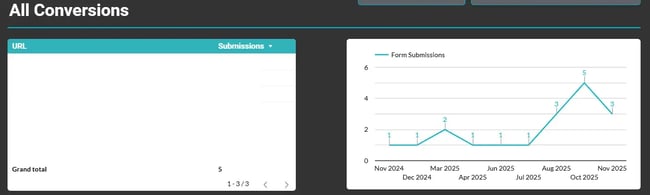
Many marketers have already reported tangible benefits from integrating these strategies. Leads are emerging directly from generative AI tools like ChatGPT, indicating that proactive visibility within these platforms translates into qualified prospects. This visibility is not accidental; it is a direct result of content meticulously optimized for both answer extraction and generative citation. Without a dual focus on AEO and GEO, brands risk becoming invisible in increasingly significant portions of the modern buyer’s journey.
Shared Tactics for Dominating AI Search
Despite their distinct objectives, AEO and GEO are powered by a common set of foundational practices. These tactics converge on creating highly structured, clear, and authoritative content that both human users and advanced AI systems can easily understand, process, and trust.
-
Answer-First Content Structuring: This principle dictates leading with the most straightforward answer to a user’s question before elaborating with supporting details, examples, or context. The goal is to surface the critical information immediately, often within the first 1-2 sentences of a section, in a clean, easily skimmable format. This approach directly facilitates answer extraction by AEO mechanisms (like featured snippets) and provides AI models with concise, unambiguous points for GEO citations. It mirrors the "inverted pyramid" style of journalism, where the most crucial facts are presented upfront. For example, a section titled "What is Answer Engine Optimization?" should immediately begin with a direct definition, such as: "Answer Engine Optimization (AEO) is the practice of structuring content so search engines can extract direct, authoritative answers for featured snippets, AI summaries, and other answer-driven results." This directness is no longer just for optimal user experience; it’s a critical signal for AI systems.
-
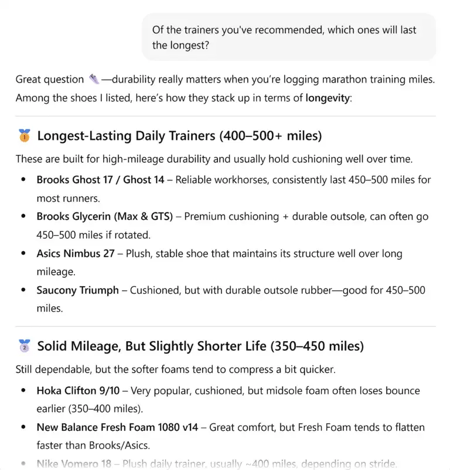
Entity Management and Consistency: An "entity" can be a person, product, concept, or organization. Entity management involves precisely defining these key entities and ensuring their consistent representation across all digital touchpoints. This means product names, features, claims, and categories are described uniformly across websites, blogs, product pages, documentation, press releases, and even third-party mentions. Consistent entity signals build confidence for AI tools, allowing them to reliably connect references back to a brand. Inconsistent descriptions, conversely, can lead to misinterpretations or merging of data by AI models, potentially diluting brand messaging or causing factual errors in AI-generated responses. For instance, if a running shoe manufacturer states a lifespan of "300-500 miles" on their official site, but external reviews or marketing materials inconsistently mention "450-500 miles," this discrepancy can confuse AI. Entity clarity acts as a vital quality control mechanism for AI search, making information stable, repeatable, and unambiguous across the entire web.
-
Quotable Insights and Data Passages: These are short, authoritative statements, statistics, expert explanations, or clear recommendations that AI engines can directly lift and integrate into summaries or answers. Generative engines prefer self-contained passages that require minimal restructuring. By providing "ready-made" quotes or data points, brands significantly increase their chances of appearing in AI Overviews or ChatGPT responses. This tactic also bolsters AEO performance, as these same passages are often prime candidates for answer boxes and voice search results. The focus here is on demonstrating E-E-A-T (Experience, Expertise, Authoritativeness, and Trustworthiness) through verifiable, concise information. Strategically placing these insights immediately after the initial answer, perhaps in a separate paragraph or using bullet points, enhances their extractability and quotability.
-
Schema and Structured Markup Implementation: Schema markup is structured data that provides explicit context to search engines about the meaning of content. It converts plain text into clearly defined entities and their relationships, a machine-readable language. For AEO, schema markup (e.g.,
FAQPage,HowTo,Product,Articleschema) significantly increases a website’s eligibility for rich results, featured snippets, and direct answers by explicitly telling search engines what information represents. For GEO, structured markup reinforces entity consistency and helps generative engines verify information and decide which brands to cite with higher confidence. Common and highly effective schema types for B2B includeOrganization,Product,Service,FAQPage,HowTo, andPerson. Implementing schema is no longer an optional enhancement; it’s a fundamental requirement for optimal AI search visibility.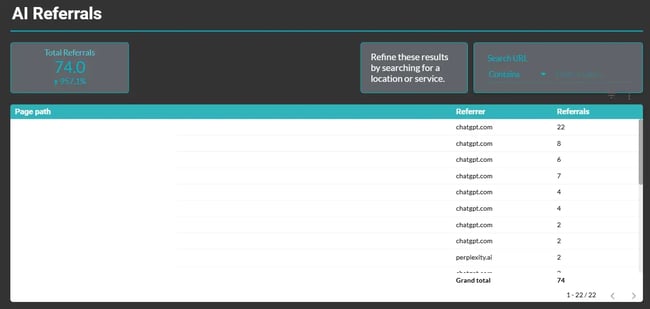
-
Reinforcement Through Repetition (Omnipresence Strategy): This tactic emphasizes the importance of having key facts, claims, and definitions consistently repeated across multiple reputable, independent sources. AI models "triangulate" information; they look for patterns, overlaps, and repeated assertions across the web to validate facts and establish authority. If a brand’s website is the only source claiming a product reduces downtime by 30%, AI may treat it as unverified information. However, if multiple independent sources—such as industry publications, partner sites, press releases, credible academic papers, and comparison platforms—corroborate this claim, AI models are far more likely to adopt it as truth and cite the brand as an authoritative source. This strategy is about building a robust, consistent digital footprint that signals widespread credibility to AI systems. Marketers often worry about repetition, but given the fragmented nature of audience attention across various platforms, reinforcing key messages across different channels is a strategic necessity, not redundancy, to ensure AI models internalize and disseminate accurate brand information.
Measuring Impact: Beyond Traditional SEO Metrics
The rise of AEO and GEO necessitates a fundamental shift in how digital marketing success is measured. Traditional metrics like keyword rankings and organic traffic remain important, but they no longer provide a complete picture of performance in an AI-first world. Marketers must now track visibility within AI-generated answers, citation accuracy, and the downstream impact on conversion quality and pipeline.
-
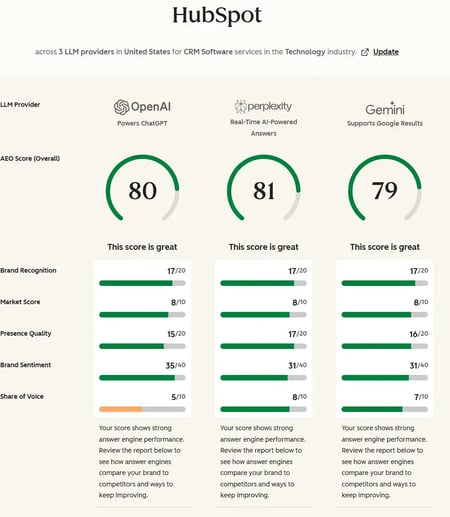
AI Visibility and Citation Coverage: This metric tracks how often a brand appears in generative search experiences like Google AI Overviews, ChatGPT, Perplexity, and Gemini. It goes beyond mere clicks to assess whether AI systems are pulling a brand’s content into their answers, summaries, and recommendations. Furthermore, it involves monitoring the sentiment and accuracy of these mentions. Tools like HubSpot’s AI Search Grader offer a critical advantage by analyzing a domain’s visibility and citations across AI engines, identifying strengths and areas for improvement. Regular audits of key topics and pages are essential to ensure consistent AI presence and accurate representation.
-
Content Quality and Answer Readiness: This metric evaluates how effectively content adheres to