

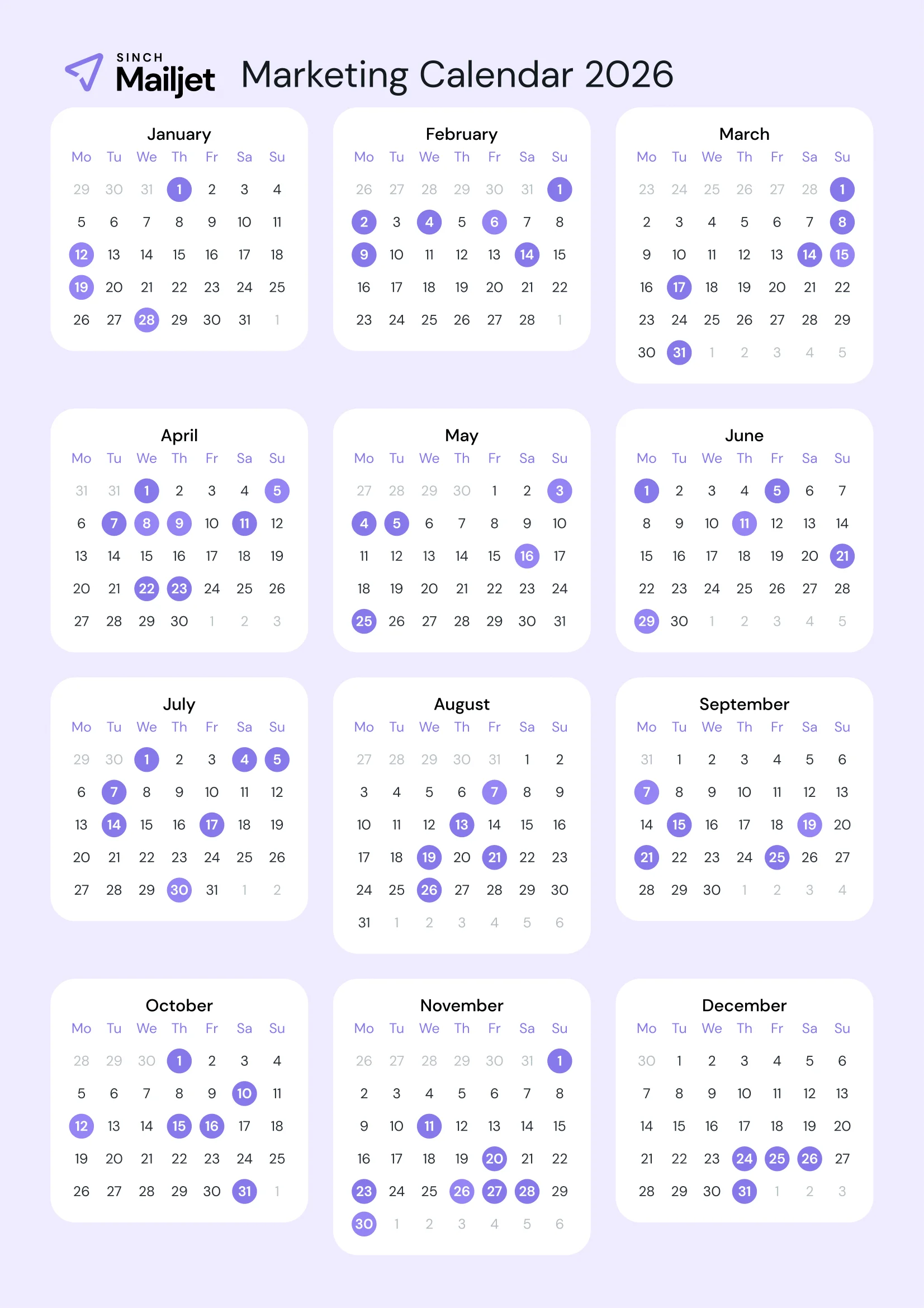
As 2025 draws to a close and the first quarter of 2026 approaches, businesses worldwide are meticulously refining their New Year’s resolutions, with a paramount focus on crafting a winning marketing strategy. The competitive landscape of modern commerce demands foresight and precision, making a comprehensive marketing calendar an indispensable tool for achieving ambitious goals. This guide outlines the critical dates and strategic considerations for 2026, empowering marketers to plan effectively, engage target audiences, and maximize return on investment.
The Strategic Imperative of a 2026 Marketing Calendar
While many perceive campaign implementation as the most demanding phase of marketing, industry experts consistently emphasize that the true heavy lifting occurs in the preliminary stages: goal setting, priority establishment, and meticulous planning. A well-structured marketing calendar serves as the bedrock for this foundational work, transforming abstract objectives into actionable timelines. By preemptively identifying key dates, holidays, and cultural moments, organizations can proactively align their messaging, allocate resources, and anticipate consumer behavior, thereby minimizing unforeseen challenges and optimizing campaign performance.
The dynamic shifts witnessed in recent years underscore the necessity for brands to possess adaptive communication strategies. Unpredictable market conditions and evolving consumer preferences necessitate a fluid yet structured approach to marketing. A robust calendar facilitates this adaptability, enabling brands to pivot swiftly while maintaining a coherent message. According to a 2024 report by the Digital Marketing Institute, companies with a clearly defined marketing calendar reported a 2.5x higher success rate in achieving campaign KPIs compared to those without.
Architecting Your 2026 Marketing Strategy and Plan
Developing a comprehensive marketing strategy begins with introspection and clear objective setting. Marketers must ask fundamental questions: What are the overarching business goals for 2026? Who is the target audience, and what are their evolving needs? Which products or services will be prioritized for promotion? The answers to these questions will inform the selection of promotional strategies, such as special deals, product launches, or seasonal sales, ensuring alignment with broader organizational aims. Misaligned promotional efforts can significantly undermine Key Performance Indicators (KPIs), making this initial strategic mapping critical.

Effective holiday or special day marketing campaigns are not spontaneous events but rather multi-stage initiatives. Marketing strategists advise a phased approach:
- Pre-campaign Buzz: Weeks or even months before a major event, brands should initiate awareness campaigns, teasers, and early-bird offers to build anticipation.
- Peak Event Engagement: During the event, intensive promotional activities, personalized offers, and real-time interactions are crucial.
- Post-event Follow-up: Capitalizing on momentum, post-event surveys, loyalty programs, and nurturing campaigns can convert one-time purchasers into long-term customers. This structured approach ensures sustained engagement and optimized conversion rates throughout the customer journey.
Optimizing Channel Selection: The Omnichannel Imperative
Once the marketing strategy and promotional calendar are established, the focus shifts to message dissemination. For special date promotions, an omnichannel approach is widely recognized as the most effective. This strategy integrates various communication channels—in-store experiences, online platforms, social media, SMS marketing, and email marketing—to create a seamless and consistent customer experience. Omnichannel campaigns not only enhance audience engagement but also unlock significant upsell and cross-sell opportunities, as customers interact with the brand across multiple touchpoints.
While the temptation to leverage every available channel exists, a judicious selection is paramount. For instance, while TikTok might be ideal for Gen Z-focused brands, it may not align with a B2B service provider. However, certain channels remain universally applicable and highly effective. Email marketing, for example, consistently delivers an impressive Return on Investment (ROI), with industry reports from the Data & Marketing Association (DMA) indicating returns of $35 to $40 for every dollar spent. This efficacy stems from email’s capacity for personalization, segmentation, and detailed performance analytics. Crucially, email messages persist in contacts’ inboxes, allowing recipients to revisit promotional codes or store information at their convenience, a distinct advantage over ephemeral social media content.
Leveraging Tools for Calendar Organization and Execution
The sheer volume of dates and campaigns in a modern marketing calendar makes manual tracking impractical. Marketers rely heavily on a suite of organizational and project management tools to streamline workflows and free up cognitive load. These include:
- Project Management Software: Platforms like Asana, Trello, or Monday.com facilitate task assignment, deadline tracking, and team collaboration.
- Content Calendars: Tools such as CoSchedule or HubSpot’s marketing hub help plan and schedule content across various channels.
- CRM Systems: Customer Relationship Management platforms like Salesforce or Zoho CRM enable segmentation, personalization, and customer journey mapping.
- Marketing Automation Platforms: Solutions like Mailjet, HubSpot, or Marketo automate email sequences, social media posts, and other repetitive tasks, ensuring timely execution.
- Analytics Dashboards: Google Analytics, Adobe Analytics, and internal platform dashboards provide critical insights into campaign performance, informing future strategy adjustments.
These tools are not merely organizational aids; they are integral to a sophisticated marketing operation, allowing for precise scheduling, A/B testing, and data-driven decision-making, which are vital for optimizing campaign impact throughout the year.
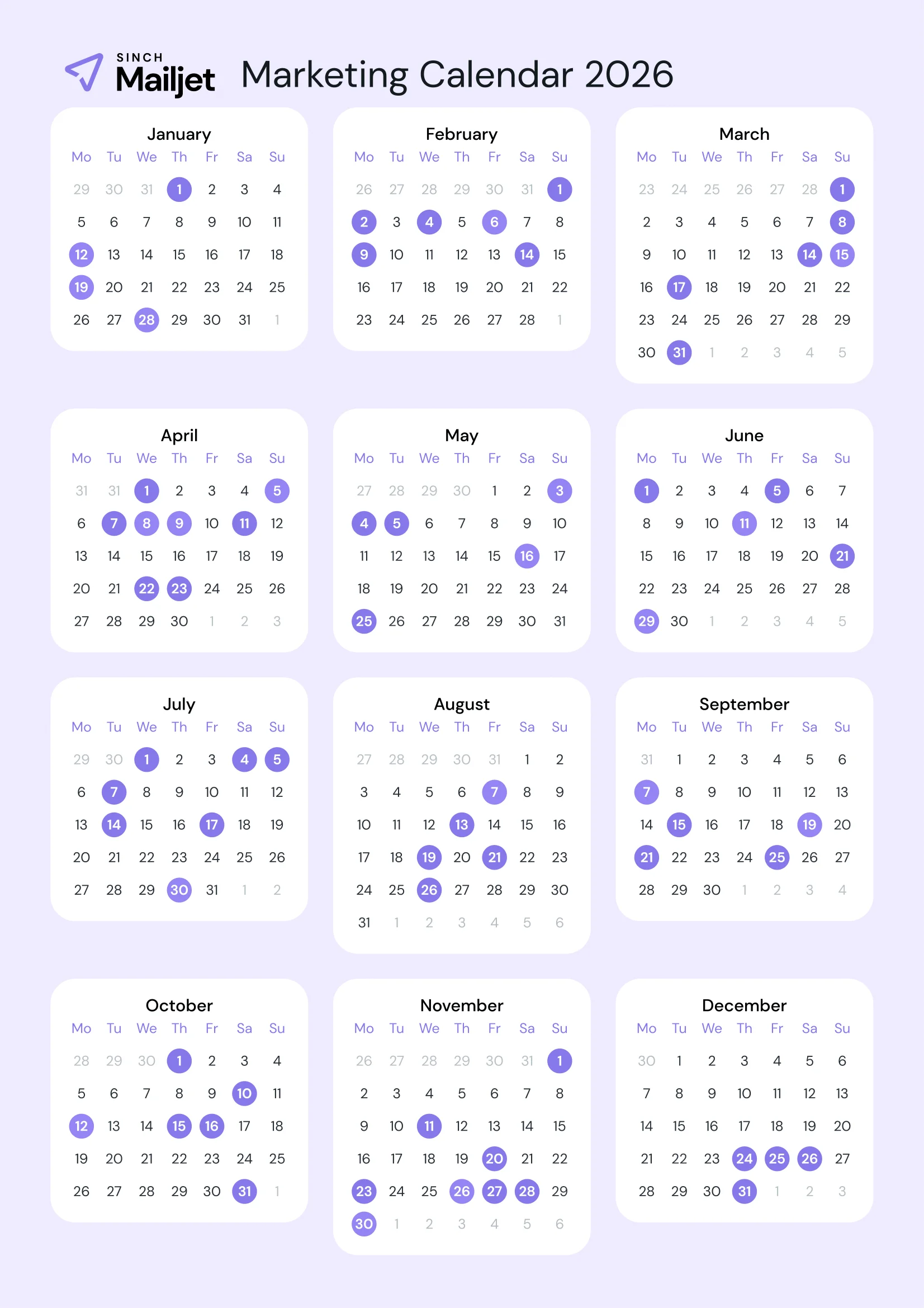
Key Dates in the 2026 Marketing Calendar: A Monthly Overview
The 2026 marketing calendar is replete with opportunities for engagement, sales, and brand building. Understanding the nuances of each month’s key dates allows for tailored and impactful campaigns.
January: Resolutions and Renewal
January typically revolves around New Year’s resolutions, goal setting, and the post-holiday detox. Marketers should capitalize on this period by extending well wishes and offering promotions on products or services that align with self-improvement, health, education, or financial planning. Historically, the wellness industry sees a 15-20% surge in consumer interest during this month. Other notable dates include traditional Winter Sales in Europe, a crucial period for clearing old inventory, and Blue Monday, often framed as the "most depressing day of the year," which presents an opportunity for uplifting or comforting campaigns.
- Key Dates: New Year’s Day, Orthodox Christmas (Jan 7), Martin Luther King Jr. Day (Jan 19), Winter Sales (ongoing), Blue Monday (third Monday).
- Strategic Focus: Wellness, education, organization, fresh starts, post-holiday sales, mood-boosting offers.
February: Love, Legacy, and Leisure
February boasts several high-impact marketing moments. Black History Month offers a significant opportunity for brands to demonstrate commitment to diversity and inclusion, sharing stories of impact and supporting relevant causes. Valentine’s Day is a major retail event; in 2025, U.S. consumers were projected to spend an estimated $27.8 billion on gifts. Similarly, the Super Bowl is a cultural phenomenon, with average spending on food, decorations, and apparel reaching $91.58 per person in 2025. These figures underscore February’s importance for retail and consumer goods.
- Key Dates: Black History Month (all month), Valentine’s Day (Feb 14), Super Bowl (Feb 8, 2026), Mardi Gras/Shrove Tuesday (Feb 17), Ash Wednesday (Feb 18), President’s Day (Feb 16).
- Strategic Focus: Romantic gifts, dining, entertainment, sports-related promotions, cultural celebration, social responsibility.
March: Empowerment and Spring Beginnings
March is characterized by themes of empowerment and the advent of spring. Women’s History Month, culminating in International Women’s Day on March 8th, provides a platform for brands to highlight internal initiatives supporting workplace equality and celebrate female leaders. Ramadan, a holy month for 1.9 billion Muslims worldwide, begins in March 2026, marking a period of spiritual reflection and community. Marketers engaging with this event must do so with utmost respect and cultural sensitivity, focusing on themes of family, charity, and generosity. Other key dates include World Wildlife Day (March 3), International Transgender Day of Visibility (March 31), and the ever-popular St. Patrick’s Day (March 17), offering diverse opportunities for themed campaigns.
- Key Dates: Women’s History Month (all month), Ramadan begins (Mar 1), World Wildlife Day (Mar 3), International Women’s Day (Mar 8), St. Patrick’s Day (Mar 17), International Transgender Day of Visibility (Mar 31).
- Strategic Focus: Empowerment, diversity, cultural sensitivity, charitable giving, spring themes, festive celebrations.
April: Renewal and Playfulness
With Easter falling in April 2026, the month brings themes of renewal and rebirth. Easter, which occurs on the first full moon after the spring equinox, is a blend of religious tradition and secular celebration, particularly known for chocolate and egg hunts. Brands can creatively "hide" Easter eggs (discounts, exclusive content) within their campaigns to boost engagement. April Fools’ Day (April 1) offers a lighthearted opportunity for humorous or unexpected marketing, while Earth Day (April 22) provides a serious platform for promoting sustainability and environmental consciousness.
- Key Dates: April Fools’ Day (Apr 1), Easter Sunday (Apr 5), Earth Day (Apr 22).
- Strategic Focus: Spring sales, family activities, humor, environmental responsibility, digital "egg hunts."
May: Galactic Celebrations and Maternal Appreciation
May features a blend of pop culture and heartfelt appreciation. Star Wars Day (May the 4th) is a massive social media event, allowing brands to tap into a vast, passionate fandom. Many countries celebrate Mother’s Day in May, a time for expressing gratitude to mothers and mother figures. While an important commercial opportunity, marketers must approach this with sensitivity, offering opt-out options for subscribers who may find the occasion difficult due to personal loss or circumstances. Other significant dates include May Day (International Workers’ Day, May 1) and the Eurovision Song Contest, a major international cultural event.
- Key Dates: May Day/International Workers’ Day (May 1), Star Wars Day (May 4), Mother’s Day (various dates, May 10 in US), Eurovision Song Contest Final (mid-May).
- Strategic Focus: Pop culture engagement, heartfelt gifting, appreciation, social sensitivity, international events.
June: Summer Solstice and Pride
As temperatures rise, June heralds the start of summer and often a perceived slump in traditional sales as consumers shift focus to vacations and outdoor activities. However, this period can be a prime opportunity for brands to differentiate themselves. Adjusting marketing strategies to align with summer themes—travel, leisure, outdoor products—can help maintain engagement. June 1st marks the beginning of Pride Month, a global celebration of LGBTQ+ rights. Brands engaging with Pride must do so authentically and with sustained commitment, avoiding "rainbow washing." Other key dates include Father’s Day (various dates, June 21 in US) and the start of the Wimbledon tennis championship, offering sports-related marketing opportunities.
- Key Dates: Pride Month (all month), Father’s Day (various dates, June 21 in US), Summer Solstice (June 20), Wimbledon begins (late June).
- Strategic Focus: Summer travel, outdoor activities, sports, authentic support for LGBTQ+ community, personalized promotions.
July: Independence and Global Sports
July is synonymous with summer holidays for many, posing a challenge for sustained customer engagement. However, 2026 promises a summer packed with major sporting events, including the Tour de France, the Wimbledon final, and significantly, the 2025 FIFA Club World Cup Final (likely in July 2026). These events offer prime opportunities for sports-themed promotions and sponsorships. The Fourth of July (U.S. Independence Day) remains a significant retail holiday, while Emoji Day (July 17) offers a fun, lighthearted avenue for digital engagement.
- Key Dates: Fourth of July (Jul 4), FIFA Club World Cup Final (TBD July), Tour de France (July), Wimbledon Final (early July), Emoji Day (Jul 17).
- Strategic Focus: National celebrations, major sports events, travel, summer sales, lighthearted digital content.
August: Summer’s End and Early Back-to-School
August is often a slower month as summer peaks, but as weeks progress, many return from vacations. This presents an opportune moment to re-engage audiences with offers they might have missed. Email segmentation becomes particularly powerful here, allowing marketers to target contacts who haven’t opened emails since a certain date with tailored "welcome back" promotions or reminders of ongoing sales. Back-to-school preparations begin to gather pace towards the end of the month, signaling a shift in consumer focus.
- Key Dates: Women’s Equality Day (Aug 26), End of Summer Sales.
- Strategic Focus: Re-engagement campaigns, last-chance summer offers, early back-to-school promotions, travel essentials.
September: Back-to-School and Q4 Preparation
September marks a "second January" for many, with a renewed focus on goals, projects, and new beginnings as the back-to-school season commences. This period is not just for children; adults also invest in new planners, educational resources, and professional development. Marketers should leverage this sentiment with campaigns designed to re-engage customers after the summer slump, offering incentives like special promotions, sweepstakes, and exclusive offers. Targeting customers who abandoned online carts is particularly effective during this rebound period. The strategic importance of September also lies in its role as a ramp-up to the crucial Q4 holiday season.
- Key Dates: Labor Day (Sep 7), Grandparents’ Day (Sep 13), Rosh Hashanah (Sep 21-22), Yom Kippur (Sep 30).
- Strategic Focus: Back-to-school/college supplies, professional development, autumn themes, lead nurturing, abandoned cart recovery, Q4 planning.
October: Spooks and Strategic Holiday Planning
October ushers in autumn and the "scariest month of the year" with Halloween. Beyond the fun, October signifies the official start of Q4 and the holiday shopping season. This is a critical time for brands to finalize their holiday strategies, unleash creativity, and inject festive themes into their marketing. The period leading up to Halloween sees significant spending on costumes, decorations, and candy, offering direct promotional avenues. It’s also the ideal time to launch early holiday gift guides and promotions, recognizing that many consumers begin their holiday shopping well before November.
- Key Dates: Halloween (Oct 31), Indigenous Peoples’ Day/Columbus Day (Oct 12), World Mental Health Day (Oct 10).
- Strategic Focus: Halloween-themed promotions, early holiday gift guides, Q4 strategic launches, seasonal product pushes.
November: The B2C Sales Bonanza
November is undeniably the strongest month for B2C sales, dominated by Thanksgiving and the "Cyber 5" shopping weekend. Black Friday, Small Business Saturday, and Cyber Monday are non-negotiable red-letter dates on any marketing calendar. These events drive unprecedented consumer spending, with billions exchanged globally. Brands must kick into high gear with carefully planned promotions, flash sales, and exclusive offers. Small Business Saturday provides an excellent opportunity to support local economies and connect with communities. Given the intense competition, early promotion and clear communication of deals are paramount.
- Key Dates: Thanksgiving (Nov 26), Black Friday (Nov 27), Small Business Saturday (Nov 28), Cyber Monday (Nov 30).
- Strategic Focus: Aggressive sales campaigns, holiday gift promotions, small business support, email and SMS marketing blasts, last-minute deal pushes.
December: Festive Cheer and Final Sales Push
December culminates the year with the festive glow of Christmas and other winter holidays. This month offers a final, significant push for Q4 sales, particularly for last-minute gift shopping. The atmosphere is ripe for creative campaigns—from Christmas competitions on social media (e.g., best decorated tree) to personalized holiday newsletters featuring team carols. Beyond sales, December is a crucial time for customer appreciation, thanking contacts for their loyalty throughout the year. This blend of commercial activity and heartfelt gratitude ensures a strong close to the marketing year, building goodwill for 2027.

- Key Dates: Hanukkah begins (Dec 14), Christmas Eve (Dec 24), Christmas Day (Dec 25), Kwanzaa begins (Dec 26), New Year’s Eve (Dec 31).
- Strategic Focus: Last-minute holiday sales, gift guides, customer appreciation, festive content, year-end reviews, brand loyalty programs.
Building Your Own Marketing Calendar for 2026: A Step-by-Step Guide
Constructing an effective marketing calendar is a strategic exercise that goes beyond simply plotting dates. It requires a holistic view of business objectives, target audience insights, and product development cycles. The following steps provide a framework for developing a robust 2026 marketing calendar:
- Review 2025 Performance: Analyze past campaign data to identify successes, failures, and key learnings. Which dates performed best? Which channels yielded the highest ROI?
- Define 2026 Business Objectives: Establish clear, measurable, achievable, relevant, and time-bound (SMART) goals for the upcoming year, aligning marketing efforts with overall company strategy.
- Identify Target Audience Segments: Understand who you are trying to reach, their demographics, psychographics, and purchasing behaviors. Tailor campaigns to resonate with specific segments.
- Map Out Key Business Events: Include product launches, service updates, company anniversaries, and other internal milestones that require marketing support.
- Integrate Major Holidays and Cultural Events: Incorporate the significant dates outlined above, along with any region-specific holidays relevant to your market.
- Allocate Budget and Resources: Determine financial allocations for various campaigns and ensure adequate staffing and technological support.
- Select Primary Marketing Channels: Based on audience and objectives, decide which channels (email, social media, SMS, PPC, content marketing) will be prioritized for each campaign.
- Develop Campaign Themes and Messaging: Craft compelling narratives and calls to action that are consistent across channels and aligned with the chosen dates.
- Plan Content Creation: Outline the specific content assets needed for each campaign (e.g., email templates, social media graphics, blog posts, video scripts).
- Establish Key Performance Indicators (KPIs): Define how success will be measured for each campaign, whether through sales, leads, engagement rates, or brand awareness.
- Schedule Regular Review Periods: Plan for weekly, monthly, and quarterly reviews to assess campaign performance, identify opportunities for optimization, and make necessary adjustments.
- Build in Flexibility: Acknowledge that unforeseen circumstances can arise and maintain a degree of flexibility within the calendar to adapt to market changes or emerging trends.
By systematically following these steps, businesses can create a dynamic and effective marketing calendar that not only anticipates the year’s opportunities but also builds a resilient framework for sustained growth and meaningful customer engagement throughout 2026. This proactive approach ensures that marketing efforts are always strategic, relevant, and impactful, positioning the brand for continued success in an ever-evolving digital landscape.








