

In the rapidly expanding landscape of digital commerce, Short Message Service (SMS) marketing has emerged as a formidable channel, driving significant engagement and revenue for brands globally. However, the efficacy of SMS campaigns hinges critically on mastering message frequency—a nuanced balance that, if misjudged, can lead to customer attrition, diminished brand loyalty, and substantial compliance risks. Unlike its email counterpart, SMS operates with a distinct set of rules and consumer tolerances, making precise frequency management not merely a best practice but a fundamental requirement for sustained success.
The strategic deployment of SMS messages involves navigating the fine line between providing valuable, timely communication and overwhelming recipients with excessive alerts. Brands failing to identify this optimal cadence risk not only losing existing customers but also alienating potential new ones, leading to negative outcomes that directly impact the bottom line. The challenge lies in recognizing that an SMS opt-out is often a permanent departure; once a subscriber chooses to discontinue messages, re-engagement efforts are significantly more arduous, if not impossible, without explicit re-subscription. This article delves into established SMS frequency benchmarks, elucidates the factors influencing optimal send times and program types, outlines methods for identifying the ideal cadence for diverse audiences, and highlights crucial indicators that signal the need for frequency adjustments.
The Ascendance of SMS in Digital Commerce
The proliferation of smartphones and the pervasive nature of mobile communication have irrevocably altered consumer behavior, propelling SMS marketing into a pivotal role in e-commerce strategies. Over the past decade, SMS has transitioned from a supplementary communication tool to a primary driver of customer engagement and sales. Data from recent industry reports underscores this shift, with SMS click rates more than doubling year-over-year in 2025, according to some analyses. This surge in effectiveness has spurred a significant investment from brands, resulting in a reported 40% growth in SMS volume within the same year. This substantial increase in message traffic necessitates a highly structured approach to frequency to maintain efficacy and avoid subscriber fatigue.
The appeal of SMS lies in its immediacy and ubiquity. With nearly every mobile phone user having access to SMS, and messages typically read within minutes of receipt (often within 90 seconds), it offers an unparalleled direct line to consumers. This stands in stark contrast to email, where open rates average around 20-25%, and click-through rates hover between 2-5%. SMS, conversely, often boasts open rates as high as 98% and click-through rates exceeding 20%, translating into a potent conversion tool when utilized judiciously. However, this power comes with a responsibility to respect the personal space of the recipient, making frequency a paramount concern.
Why SMS Frequency Demands Greater Scrutiny Than Email
While many brands default to a unified marketing calendar for all their digital channels, including email and SMS, this approach overlooks critical distinctions that govern SMS efficacy. The unique characteristics of SMS marketing necessitate an individualized frequency strategy, separate from that applied to email campaigns. Three primary factors underscore why SMS frequency demands heightened attention:
- Permanent Opt-outs: An email unsubscribe can often be mitigated through re-engagement campaigns or segmentation adjustments. An SMS "STOP" command, however, is a carrier-level directive that irrevocably removes the subscriber from the list. Unless the individual actively re-opts in, their connection to the brand via SMS is severed. This makes every unnecessary or poorly timed message a permanent risk to the subscriber base.
- Rigorous Compliance Requirements: Regulatory frameworks, notably the Telephone Consumer Protection Act (TCPA) in the USA, mandate explicit disclosure of message frequency at the point of opt-in. Brands are typically required to state "up to X messages per month." Deviating significantly from this disclosed frequency not only erodes trust but also exposes the brand to considerable regulatory and legal penalties. Therefore, SMS frequency is not merely a marketing decision but a critical compliance one. Similar regulations, such as GDPR in Europe, also emphasize clear consent and the right to withdraw it.
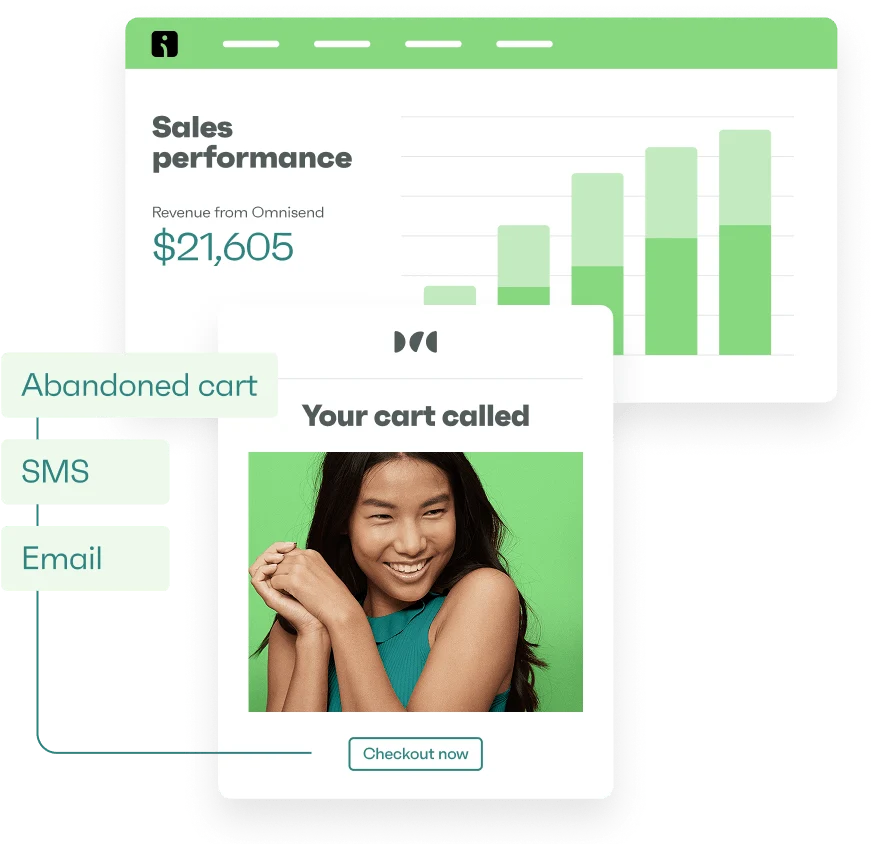
- Differentiated Reception of Message Types: Not all SMS messages are perceived equally by subscribers. Behavior-triggered messages, such as order confirmations, shipping updates, or abandoned cart reminders, are generally welcomed and expected because they are directly relevant to the subscriber’s recent actions. Promotional broadcasts, conversely, are unsolicited and often met with lower tolerance for high frequency. Understanding this distinction is crucial for segmenting message types and adjusting their respective cadences.
Establishing Effective SMS Marketing Frequency Benchmarks
While optimal SMS sending cadence can vary significantly across industries and audience demographics, established benchmarks offer a solid starting point for developing an effective strategy. These guidelines serve as educational context, providing a framework for brands to customize their SMS campaigns.
- Promotional Campaigns: For most e-commerce brands, a frequency of two to four promotional SMS campaigns per month is generally considered acceptable. This allows for regular communication without overwhelming subscribers, preserving the value and impact of each message. These campaigns should ideally be reserved for high-value offers, urgent announcements, or exclusive content.
- Automated Messages: These messages, triggered by specific customer actions (e.g., welcome series, abandoned cart reminders, post-purchase follow-ups), are typically better received due to their contextual relevance. Their frequency is inherently tied to customer behavior. A welcome series might include 2-3 messages over the first week, an abandoned cart flow 1-2 messages within 24-48 hours, and a post-purchase message after delivery.
- Combined Benchmark: When integrating both promotional and automated messages, most subscribers can tolerate a total of four to eight SMS messages per month before opt-out rates begin to climb significantly. This combined total is crucial for overall planning, as all messages contribute to the subscriber’s perceived frequency. Brands must carefully consider the content and timing of both types of messages to stay within this acceptable range and maintain a positive subscriber experience.
Recognizing the Warning Signs: When Frequency is Off-Balance
Monitoring key performance indicators (KPIs) is essential for diagnosing whether your SMS frequency is too high or too low. Timely recognition of these signs allows for agile adjustments, preventing long-term damage to customer relationships and marketing ROI.
Signs of Sending Too Many SMS Messages:
- Spiking Opt-out Rates: This is the most critical and immediate indicator. A sudden or sustained increase in unsubscribe rates, particularly above the industry benchmark of 0.3%, signals that subscribers are feeling overwhelmed. Each opt-out represents a lost customer touchpoint that is difficult to recover.
- Declining Click-Through Rates (CTR): If messages are being sent too frequently, subscribers may start ignoring them, leading to a noticeable drop in the percentage of recipients who click on links within your messages. This indicates message fatigue and a devaluation of your communications.
- Decreasing Revenue Per Send: When the volume of messages increases but the revenue generated per message decreases, it suggests that the incremental messages are not adding value and may even be detracting from overall performance. This points to diminishing returns on your SMS investment.
- Increased Customer Complaints: Direct feedback, even if informal, through customer service channels or social media, can reveal frustration with message volume.
- Carrier Filtering and Blocking: Sending an excessive volume of messages, especially those perceived as spammy or unsolicited, can trigger carrier-level filters. This can result in messages being blocked or undelivered, severely impacting campaign reach and potentially leading to penalties.
Signs of Sending Too Few SMS Messages:
- Stagnant or Low Click-Through Rates (despite good open rates): While high open rates indicate message delivery, low CTRs could mean that messages are not engaging enough or are too infrequent to maintain interest and drive action.
- Low Revenue Per Subscriber: If your SMS channel isn’t contributing significantly to overall revenue, it might be underutilized. Too few messages mean missed opportunities to promote products, announce sales, or nurture leads.
- Lack of Customer Engagement and Momentum: Infrequent communication can lead to subscribers forgetting about your brand, reducing their likelihood of purchasing or interacting. This can manifest as a slow customer journey or a lack of repeat purchases driven by SMS.
- Missed Sales Opportunities: Campaigns that are too sparse might fail to capture immediate interest or capitalize on timely promotions, leaving sales on the table.
Strategic Optimization: Tailoring Frequency to Your Audience
Finding the precise SMS frequency for a specific audience is an iterative process that requires a data-driven approach, sophisticated segmentation, and continuous testing. Here’s a breakdown of the key steps to identify the optimal cadence for your business:
Step 1: Start Conservatively and Increase Gradually
Begin with a cautious approach. Initiate your SMS program by sending a low frequency of promotional campaigns, perhaps two per month, in addition to essential automated messages. After each send, meticulously measure the opt-out rate and revenue per send. If the opt-out rate consistently remains below the critical threshold of 0.3% and revenue per send holds steady or improves, gradually increase the frequency by one message per month. This controlled experimentation minimizes risk while allowing for data-informed expansion.
Step 2: Segment by Engagement Level
Not all subscribers are created equal. Highly engaged customers, those who frequently open messages, click links, and make purchases, typically tolerate a higher SMS message frequency than newer subscribers or less engaged contacts. Implement robust audience segmentation based on:
- Engagement History: Divide subscribers into segments like "highly engaged" (recent clicks/purchases), "moderately engaged," and "low engagement" (recent opt-ins, re-engaged contacts).
- Purchase Behavior: Segment by purchase frequency, average order value, or product categories of interest.
- Lifecycle Stage: Tailor frequency for new subscribers (e.g., welcome series), active customers, and lapsed customers (e.g., win-back campaigns).
For instance, a brand like Vagari Bags achieved remarkable 6-7% SMS click rates by diligently segmenting its audience and delivering a message cadence perfectly aligned with each segment’s engagement level and preferences. This targeted approach ensures that the right message reaches the right person at the right time, enhancing relevance and reducing annoyance.
Step 3: Separate Campaign and Automation Frequency
It is imperative to track promotional campaign sends and automated message sends separately, even though they both contribute to the overall monthly frequency. A subscriber receiving two promotional campaigns and three automated messages in a month experiences a total of five messages. This distinction is vital for planning your SMS marketing messages carefully, ensuring that the combined total does not exceed the recommended monthly frequency or the frequency disclosed at opt-in. While automated messages often have a higher ROI due to their contextual relevance, they can also incur different costs; for example, automated SMS might cost $0.74 per send compared to $0.15 per send for campaigns, making efficient planning even more critical.
Step 4: Rigorous A/B Testing of Frequency
Directly testing different frequencies is one of the most effective ways to determine what resonates best with your audience. Split your SMS list into two equal, randomized segments. Send one group, for example, two promotional campaigns per month, and the other group four campaigns per month, while keeping automated messages consistent across both. Over a defined period, meticulously measure and compare key metrics for both segments: opt-out rates, click-through rates (CTR), and revenue per send. Agencies that consistently implement A/B testing strategies frequently report significantly higher revenue, with some studies indicating a 192% higher revenue for those who test regularly. This empirical data provides irrefutable evidence for optimizing your frequency strategy.
Step 5: Incorporating Subscriber Preferences
Empowering subscribers to dictate their preferred communication frequency can significantly reduce opt-outs and foster a stronger sense of trust. Some progressive brands offer options at the opt-in stage for subscribers to choose their desired frequency—monthly, weekly, or event-triggered only. Implementing a preference center where subscribers can adjust these settings post-opt-in further enhances control and personalization. Respecting these stated preferences demonstrates a commitment to customer-centricity and ensures that messages are always welcome.
The Imperative of SMS Marketing Compliance
Beyond optimizing for engagement and revenue, adherence to regulatory mandates is a non-negotiable aspect of SMS marketing frequency. Non-compliance can result in severe financial penalties, reputational damage, and the revocation of messaging privileges.
- Explicit Consent: All brands must obtain explicit, verifiable consent from recipients before sending any SMS messages. This is a cornerstone of regulations like the TCPA in the USA and GDPR in the EU.
- Clear Disclosure: At the opt-in stage, brands are legally required to provide clear and conspicuous information regarding message frequency, typically stating "Message & data rates may apply. Reply HELP for help, STOP to cancel. Message frequency varies" or "up to X messages per month." Sending messages at a frequency significantly exceeding this disclosed limit is a direct violation and a substantial compliance risk.
- Right to Opt-Out: Subscribers must always have an easy and clear method to opt out of messages, typically by replying "STOP." This process must be immediate and fully respected.
- Automated Messages Count: It’s crucial to reiterate that all messages, regardless of whether they are promotional broadcasts or automated flows (welcome series, abandoned cart, post-purchase, win-back), contribute to the total disclosed frequency. If your welcome series sends three messages in the first week, those three messages count towards your "up to X messages per month" disclosure. This requires integrated planning of all SMS touchpoints.
Failure to comply with these regulations can lead to substantial fines, class-action lawsuits, and a loss of trust with carriers, potentially resulting in messages being blocked or even permanent suspension of messaging capabilities.
Leveraging Technology for Intelligent SMS Marketing
The complexity of managing SMS frequency, segmentation, and compliance necessitates the use of robust SMS marketing software. Platforms designed for e-commerce facilitate the intricate processes required to optimize frequency and maximize ROI. Tools like Omnisend, Klaviyo, GetResponse, and ActiveCampaign offer a suite of features essential for modern SMS marketing.
However, capabilities can vary significantly. For instance, while some platforms restrict SMS support to specific regions (e.g., USA, Canada, UK, Australia), Omnisend distinguishes itself by providing international SMS support, catering to a global e-commerce audience. Beyond geographical reach, a powerful platform offers:
- Advanced Segmentation: To create highly targeted audience groups based on behavior, demographics, and engagement.
- Automation Workflows: To set up intelligent, behavior-triggered message sequences that deliver timely and relevant communications.
- A/B Testing Capabilities: To systematically experiment with different frequencies, content, and send times.
- Comprehensive Analytics: To track opt-out rates, CTRs, conversion rates, and revenue per send, providing actionable insights for optimization.
- Compliance Tools: Features that help brands adhere to regulatory requirements, such as managing consent and providing clear opt-out mechanisms.
Omnisend, for example, emphasizes its ease of use for busy marketing teams, enabling quick setup without a steep learning curve. Its high return on investment, with customers reportedly getting $79 back for every dollar spent, underscores the value of integrated and intelligent SMS marketing. While cost-effectiveness is a factor, prioritizing platforms that offer a comprehensive feature set for optimization and compliance, even if slightly more expensive than basic tools, ultimately drives superior results. The investment in a sophisticated platform often translates into significantly higher revenue and reduced compliance risks.
Conclusion
Mastering SMS marketing frequency is an indispensable component of a successful e-commerce strategy in today’s mobile-first world. It requires a delicate balance between leveraging the immediacy and high engagement potential of SMS and respecting subscriber preferences and regulatory boundaries. By diligently analyzing audience behavior, implementing precise segmentation, conducting rigorous A/B testing, and adhering strictly to compliance mandates, brands can identify and maintain the optimal message cadence. This data-driven, customer-centric approach not only safeguards against costly opt-outs and legal penalties but also cultivates stronger customer relationships, enhances brand loyalty, and ultimately drives sustainable revenue growth. Leveraging advanced SMS marketing platforms that offer comprehensive features for automation, segmentation, and analytics is crucial for navigating this complex landscape and building a lasting, high-performing SMS marketing strategy.
SMS Marketing FAQs
How often should I send SMS marketing messages?
For most brands, a general guideline is to send two to four promotional SMS campaigns per month. In addition to these, automated messages (e.g., welcome series, abandoned cart reminders) are sent based on customer behavior. The combined total, including both promotional and automated messages, should ideally fall within four to eight SMS messages per month. Exceeding this threshold significantly increases the risk of subscriber opt-outs and potential brand fatigue.
What happens if I send too many SMS messages?
Sending an excessive number of SMS messages can lead to several detrimental outcomes. Primarily, it causes subscriber fatigue, resulting in a significant increase in opt-out rates as recipients become annoyed and choose to discontinue communications. Beyond customer attrition, over-sending can trigger carrier-level filtering, where mobile carriers block or delay messages perceived as spam, severely impacting delivery rates. Furthermore, it can damage brand reputation, leading to negative customer perception, and in extreme cases, expose the brand to regulatory penalties for violating disclosed frequency limits.
Do automated SMS messages count toward my frequency limit?
Yes, absolutely. All SMS messages sent to a subscriber, whether they are part of an automated flow (such as a welcome series, abandoned cart reminder, post-purchase update, or win-back campaign) or a broadcast promotional campaign, count towards the total message frequency. This is crucial for compliance with regulations like the TCPA, which require brands to disclose the maximum number of messages a subscriber can expect per month. Therefore, a holistic approach to planning all SMS touchpoints is necessary to avoid exceeding disclosed limits.
How do I know if my SMS frequency is too high?
To determine if your SMS frequency is excessive, closely monitor key performance indicators. A clear sign is a sudden or sustained increase in your opt-out rate, particularly if it rises above 0.3%. Other indicators include a decline in click-through rates (CTR) on your messages, a decrease in revenue generated per send, or an increase in customer complaints related to message volume. If these metrics trend negatively, it suggests that your subscribers are experiencing message fatigue.
Can subscribers choose their own SMS message frequency?
Yes, it is possible, and increasingly common, for brands to offer subscribers the option to set their desired SMS message frequency. This can be presented at the initial opt-in stage or through a dedicated preference center. Subscribers might choose to receive communications monthly, weekly, or only for specific event-triggered messages (e.g., shipping updates, loyalty rewards). Implementing such an option enhances customer control, respects individual preferences, and can significantly reduce opt-out rates by ensuring that messages are always welcome and relevant.








