As the final quarter of 2025 draws to a close, businesses worldwide are shifting their focus to the strategic landscape of 2026. The coming year presents a fresh canvas for marketers to redefine engagement, cultivate customer loyalty, and drive measurable growth. Developing a robust marketing strategy, anchored by a meticulously planned calendar, is not merely a recommendation but an imperative for navigating the dynamic consumer environment. This guide offers a detailed roadmap, highlighting critical dates and providing strategic insights to ensure marketing efforts in 2026 are impactful and resonant.
The Strategic Imperative of a Marketing Calendar for 2026
In an era defined by rapid digital transformation and evolving consumer expectations, the notion that marketing implementation is the most arduous phase of a campaign is fundamentally mistaken. Industry experts consistently assert that the true challenge, and indeed the foundation of success, lies in the pre-implementation stages: meticulous goal-setting, rigorous priority establishment, and comprehensive planning. Proactive calendar development mitigates unforeseen challenges, optimizes resource allocation, and ensures alignment across all marketing touchpoints.
A well-structured marketing calendar serves as the central nervous system for all campaign activities. It moves beyond a simple list of holidays, becoming a dynamic tool that integrates market trends, consumer behavior patterns, and specific business objectives. The unpredictable nature of recent years has underscored the critical need for brands to cultivate adaptable communication strategies, capable of pivoting to maintain relevance and maximize engagement with target audiences. As leading marketing strategists frequently emphasize, “The earlier you define your strategic milestones, the greater your capacity to respond to market shifts and capitalize on emerging opportunities.”
Pillars of an Effective Marketing Strategy
Before populating a calendar with specific dates, businesses must lay foundational strategic groundwork. This involves addressing fundamental questions that shape the entire marketing outlook:

- What are the overarching business goals for 2026? (e.g., increased market share, brand awareness, customer acquisition, retention, revenue targets).
- Who is the primary target audience, and what are their evolving needs and preferences? (demographics, psychographics, purchasing habits).
- What key products or services will be prioritized throughout the year? (new launches, flagship offerings, seasonal promotions).
- What is the allocated budget for marketing activities, and how will it be distributed across channels?
- How will success be measured? (Key Performance Indicators or KPIs aligned with established goals).
The selection of promotional strategies – be it special deals, product launches, or seasonal campaigns – must directly align with these overarching goals. A misaligned promotional focus can severely undermine KPIs and dilute marketing effectiveness. Therefore, an integrated approach, considering the entire customer journey, is paramount.
When conceptualizing campaigns for holidays or special events, a phased planning approach is highly effective:
- Pre-Campaign Buzz: Generate anticipation and awareness leading up to the event. This might involve teaser emails, social media countdowns, or early-bird offers.
- During-Campaign Engagement: Execute the core promotions, ensuring consistent messaging across selected channels.
- Post-Campaign Follow-up: Analyze performance, engage with customers, and leverage momentum for future conversions. This could include thank-you notes, feedback requests, or recommendations for related products.
Optimizing Reach: Finding the Right Marketing Channels
Once the strategic framework and promotional concepts are solidified, the next critical step is channel selection. For special date-driven promotions, an omnichannel approach is widely regarded as the most effective. Integrating various channels—such as in-store experiences, e-commerce platforms, social media, SMS marketing, and email campaigns—allows brands to engage audiences at multiple touchpoints, fostering deeper connections and unlocking significant opportunities for upselling and cross-selling.
While the digital landscape offers a plethora of channels, judicious selection is key. Not every channel suits every business or campaign. For instance, while TikTok excels for viral consumer trends, its utility for highly specialized B2B services might be limited. However, certain channels remain universally relevant for most businesses. Email marketing, in particular, continues to deliver an exceptional Return on Investment (ROI), with industry reports frequently citing returns ranging from $35 to $40 for every dollar spent. Its power lies in its capacity for personalization, segmentation, detailed analytics, and the enduring nature of messages within a contact’s inbox, allowing for easy reference to promotional codes or store details.
2026: A Chronological Marketing Blueprint
The year 2026 is punctuated by numerous cultural, commercial, and social events, each presenting unique marketing opportunities. A detailed monthly breakdown allows for strategic foresight and agile campaign development.
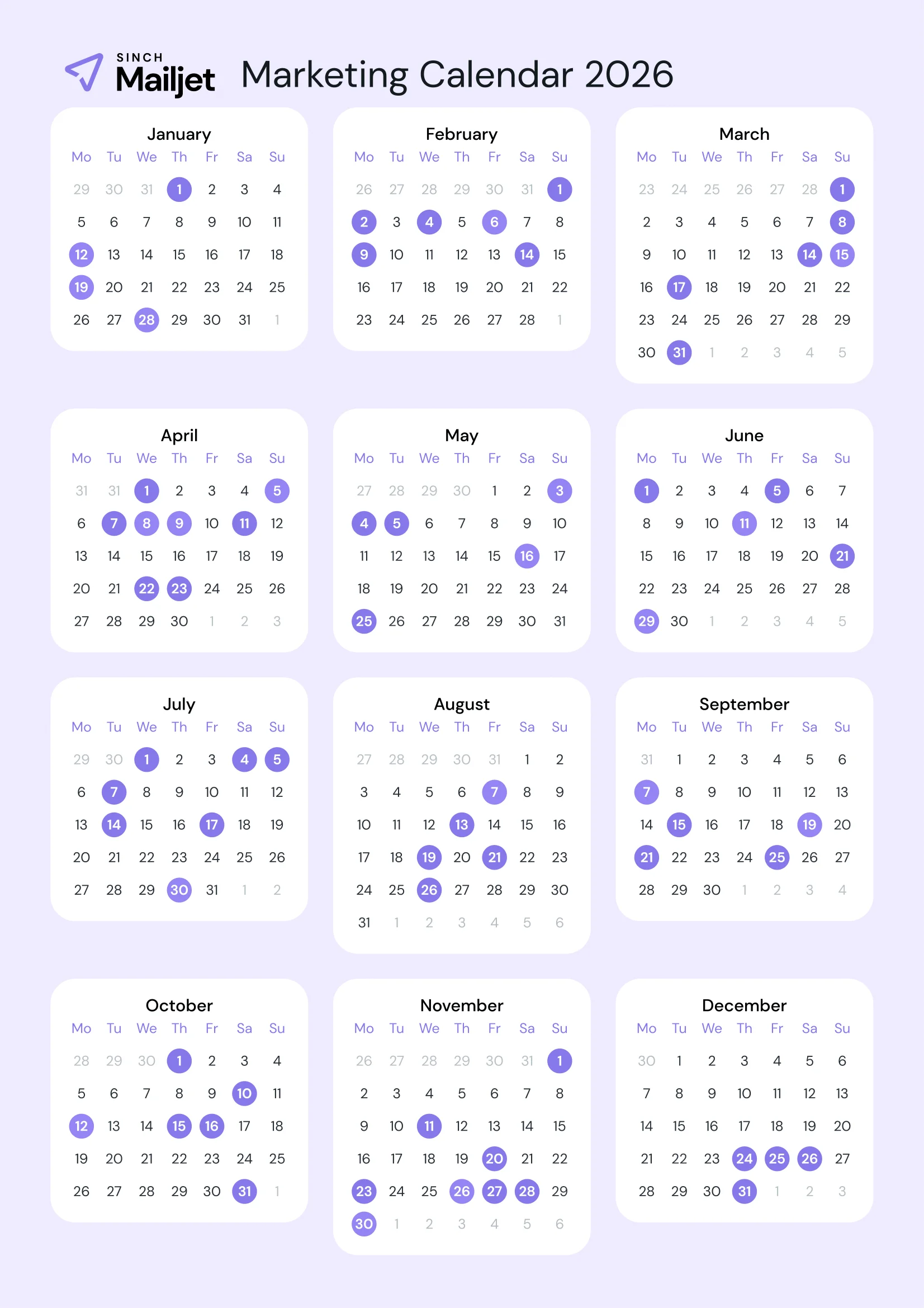
January: New Beginnings and Resolutions
January traditionally marks a period of introspection and new beginnings. As individuals commit to New Year’s resolutions, businesses can align their offerings with aspirations for self-improvement, health, financial wellness, or new skills.
- Key Dates:
- January 1: New Year’s Day. An opportunity for heartfelt wishes and introducing “new year, new you” themed promotions.
- Early January: Winter Sales. Particularly prevalent in Europe, offering discounts on seasonal goods.
- Third Monday of January: Blue Monday (January 19, 2026). Often dubbed the “most depressing day of the year,” this can be leveraged for mood-boosting promotions, wellness offers, or humorous campaigns.
- Strategic Implications: Focus on products or services that support resolutions. Data from previous years shows a surge in gym memberships, educational courses, and healthy food subscriptions. Emphasize value and long-term benefits over immediate gratification.
February: Love, Legacy, and Large Audiences
February is a month of diverse marketing potential, encompassing significant cultural observances and major sporting events.
- Key Dates:
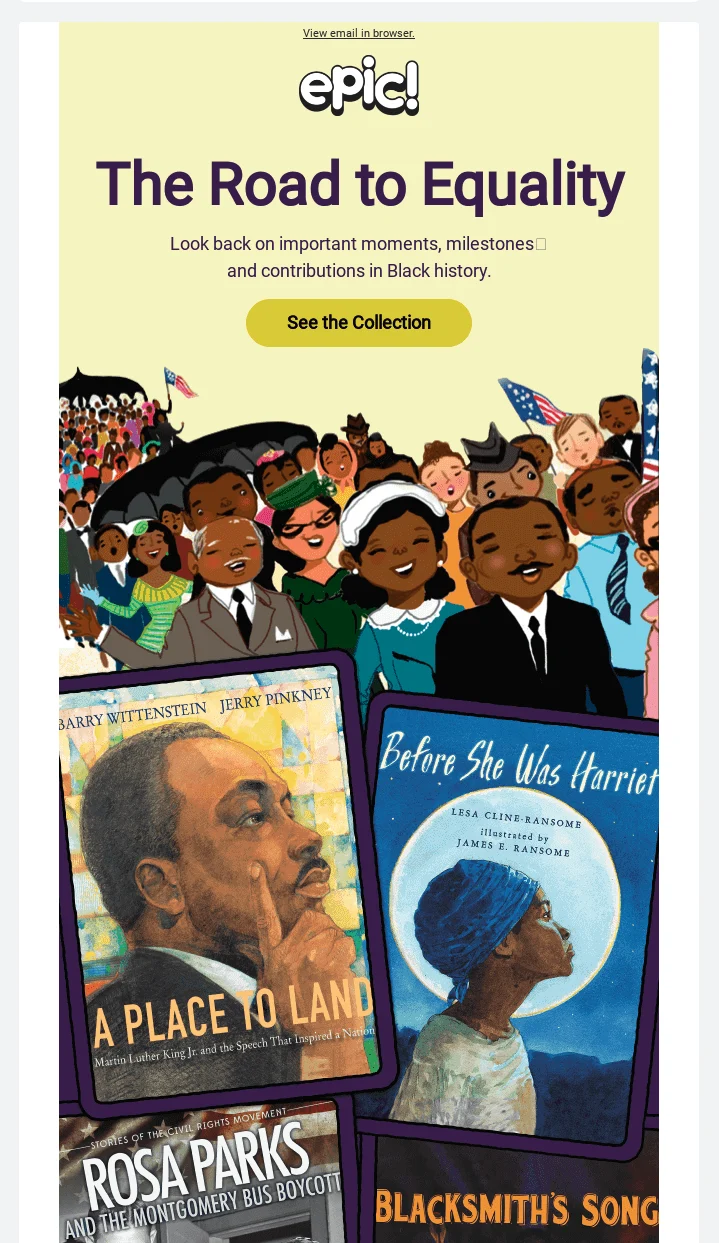
- February 1 – 28: Black History Month. A crucial period for celebrating Black culture, history, and achievements. Brands should focus on authentic storytelling, supporting Black-owned businesses, and promoting diversity and inclusion within their messaging.
- February 14: Valentine’s Day. A significant retail event. The National Retail Federation reported estimated spending of $27.8 billion for Valentine’s Day in 2025.
- Mid-February: Super Bowl (Date TBC for 2026, typically first or second Sunday). A colossal advertising spectacle. In 2025, consumers spent an average of $91.58 on food, decorations, and team apparel, contributing to an overall spend of approximately $18.6 billion.
- Strategic Implications: Valentine’s Day offers opportunities for gift-centric campaigns, romantic getaways, or self-care promotions. Super Bowl marketing, while often expensive, can generate immense brand visibility and engagement through creative, timely campaigns. Black History Month requires respectful and meaningful engagement, often involving partnerships or educational content rather than purely promotional messaging.
March: Empowerment and Cultural Observance
March balances themes of empowerment with significant religious and cultural celebrations.
- Key Dates:
- March 1 – 31: Women’s History Month.
- March 8: International Women’s Day. A powerful opportunity to showcase gender equality initiatives, highlight women in leadership roles within the company, and share inspiring stories.
- March 17: St. Patrick’s Day. A vibrant cultural holiday, particularly in Western markets, suitable for themed promotions and engaging content.
- March (Approximate): Start of Ramadan. A sacred month for Muslims worldwide (approx. 1.9 billion followers). Campaigns should be respectful, offering thoughtful messages and relevant promotions for Iftar and Eid al-Fitr.
- March 3: World Wildlife Day. An occasion for brands to highlight environmental commitments.
- March 31: International Transgender Day of Visibility. An important day for affirming and celebrating transgender people and raising awareness of the discrimination they face.
- Strategic Implications: Campaigns for Women’s History Month and IWD should be authentic and avoid “femvertising” that lacks substance. Ramadan requires cultural sensitivity and a deep understanding of traditions, focusing on community and reflection.
April: Renewal and Playfulness
April brings the promise of spring and a blend of traditional holidays and lighter, more whimsical observances.
- Key Dates:
- April 1: April Fools’ Day. An opportunity for lighthearted, humorous campaigns that can generate viral engagement if executed well and without causing genuine confusion or offense.
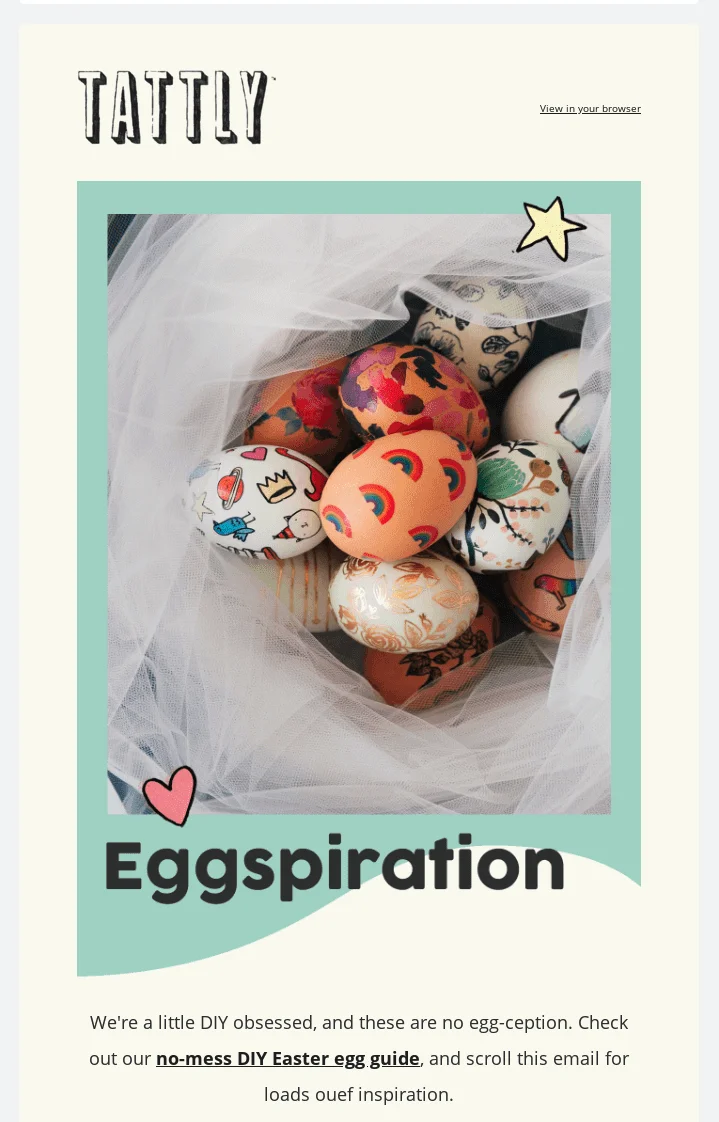
- April (Date Varies): Easter (April 5, 2026). A major holiday with significant retail implications, particularly for confectionery, gifts, and family-oriented activities.
- April 22: Earth Day. A critical date for promoting sustainability, eco-friendly products, and corporate social responsibility initiatives.
- Strategic Implications: Easter campaigns can range from traditional egg hunts (physical or digital) to family-focused promotions. Earth Day provides a platform for brands to demonstrate their commitment to environmental stewardship, appealing to increasingly eco-conscious consumers.
May: Galactic Celebrations and Maternal Appreciation
May features a beloved pop culture phenomenon and a significant family holiday.
- Key Dates:
- May 1: May Day (International Workers’ Day). Observed globally, it can be a day for acknowledging employees or reflecting on labor rights.
- May 4: Star Wars Day (“May the 4th Be With You”). A massive social media event, offering immense opportunities for creative, themed content and merchandise promotions, even for non-directly related brands.
- Second Sunday in May: Mother’s Day (May 10, 2026, in many countries). A major gift-giving occasion.
- May 12-16 (Approximate): Eurovision Song Contest Final. A cultural phenomenon in Europe and beyond, offering potential for engaging, trending content.
- Strategic Implications: Mother’s Day campaigns should be executed with sensitivity, offering subscribers an opt-out option for those for whom the day may be difficult. Star Wars Day is an excellent opportunity for playful, engaging content that taps into a passionate global fanbase.
June: Pride, Paternal Bonds, and Summer Shifts
June marks the transition to summer, alongside important social and family observances.
- Key Dates:
- June 1 – 30: Pride Month. A month to celebrate LGBTQ+ rights and culture. Brands should demonstrate authentic support, engage in meaningful partnerships, and ensure inclusive messaging.
- Third Sunday in June: Father’s Day (June 21, 2026, in many countries). Another key gift-giving holiday.
- Late June: Wimbledon Tennis Championships (Start Date TBC). A major sporting event with global viewership, offering promotional tie-ins.
- Strategic Implications: While summer often brings a “slump” in traditional sales as consumers focus on leisure, it’s a prime time for brands to stand out. Adjust marketing strategies to align with summer activities, travel, and outdoor living. Engage audiences with lighter content, contests, and early-bird offers for autumn.
July: Midsummer Momentum and Sporting Spectacles
July is characterized by peak summer leisure and major sporting finales.
- Key Dates:
- July 4: Independence Day (USA). A significant patriotic holiday with strong retail ties for summer goods, barbecues, and celebrations.
- Early July: Tour de France (Concludes).
- Mid-July: Wimbledon Finals.
- July 17: World Emoji Day. A fun, lighthearted day for engaging social media content.
- Late July (Approximate): 2025 FIFA Club World Cup Final (If carried over to July 2026, original states 2025). Major sporting event with global appeal.
- Strategic Implications: Leverage national holidays for sales events and themed content. Sporting events offer opportunities for real-time engagement and promotions tied to viewership. Despite the holiday season, maintaining consistent, value-driven marketing can prevent customer churn.
August: Summer’s End and Re-engagement
August often represents a slower period as summer winds down, creating opportunities for strategic re-engagement.
- Key Dates:
- August (Various Dates): Back-to-School preparations begin for some regions.
- Strategic Implications: This is an ideal month to re-engage customers who may have been less active during their vacations. Utilizing email segmentation to target contacts who haven’t opened emails since a certain date with “catch-up” offers or exclusive summer recaps can be highly effective. Focus on value propositions that entice consumers returning from holiday.
September: Back to Business and Q4 Preparation
September marks a return to routine for many, often feeling like a “second January” for goal setting and new projects. It’s also the critical gateway to the year’s busiest sales quarter.
- Key Dates:
- First Monday in September: Labor Day (USA and Canada). A holiday often associated with end-of-summer sales.
- Early September: Back-to-School season peaks. A significant retail period for educational supplies, apparel, and technology.
- September 22: Autumn Equinox. Marks the official start of autumn, suitable for seasonal campaigns.
- Strategic Implications: Capitalize on the “back-to” mentality with promotions for new supplies, productivity tools, or skill development. This is also the prime time to start aggressively planning for Q4’s holiday rush, including refining holiday email strategies and recovering abandoned carts with targeted offers.
October: Spooky Season and Holiday Season Kick-off
October ushers in autumn and the official commencement of the crucial Q4 holiday shopping season.
- Key Dates:
- October 31: Halloween. A major retail event for costumes, decorations, and candy, offering immense creative marketing potential.
- Strategic Implications: Beyond direct Halloween sales, October is when brands finalize their overarching holiday strategy. This includes planning for Black Friday, Cyber Monday, and Christmas. Creative, festive campaigns can start building anticipation and generating early interest. Early planning allows for A/B testing and optimization before peak demand.
November: The B2C Sales Bonanza
November is undeniably the strongest month for B2C sales, dominated by a concentrated period of high-stakes shopping events.
- Key Dates:
- November 11: Veterans Day (USA) / Remembrance Day (Commonwealth). A day for respect and remembrance.
- Fourth Thursday in November: Thanksgiving (November 26, 2026).
- Day after Thanksgiving: Black Friday (November 27, 2026). The official kick-off to the holiday shopping season, characterized by massive discounts.
- Saturday after Thanksgiving: Small Business Saturday (November 28, 2026). An initiative supporting local businesses.
- Monday after Thanksgiving: Cyber Monday (November 30, 2026). The biggest online shopping day of the year.
- Strategic Implications: These dates must be prominently marked in red on every marketing calendar. Data consistently shows record-breaking sales during this period, with a growing shift towards online purchases. Brands should plan tiered promotions, exclusive deals, and highly targeted campaigns across all channels. Early communication and clear calls to action are vital.
December: Festive Finale and Year-End Gratitude
December culminates the year with the festive holiday season, offering both continued sales opportunities and a chance for genuine connection.
- Key Dates:
- December (Throughout): Christmas shopping season.
- December 24: Christmas Eve.
- December 25: Christmas Day.
- December 26: Boxing Day (Commonwealth). Another major sales day.
- December 31: New Year’s Eve.
- Strategic Implications: While many focus on last-minute gift sales, December is also a prime time for brand building through gratitude and community engagement. Creative campaigns, such as social media contests (e.g., “best holiday decorations”), team videos, or personalized thank-you messages, can foster loyalty and end the year on a positive, memorable note. This final push is crucial for achieving Q4 targets.
Leveraging Technology for Seamless Execution
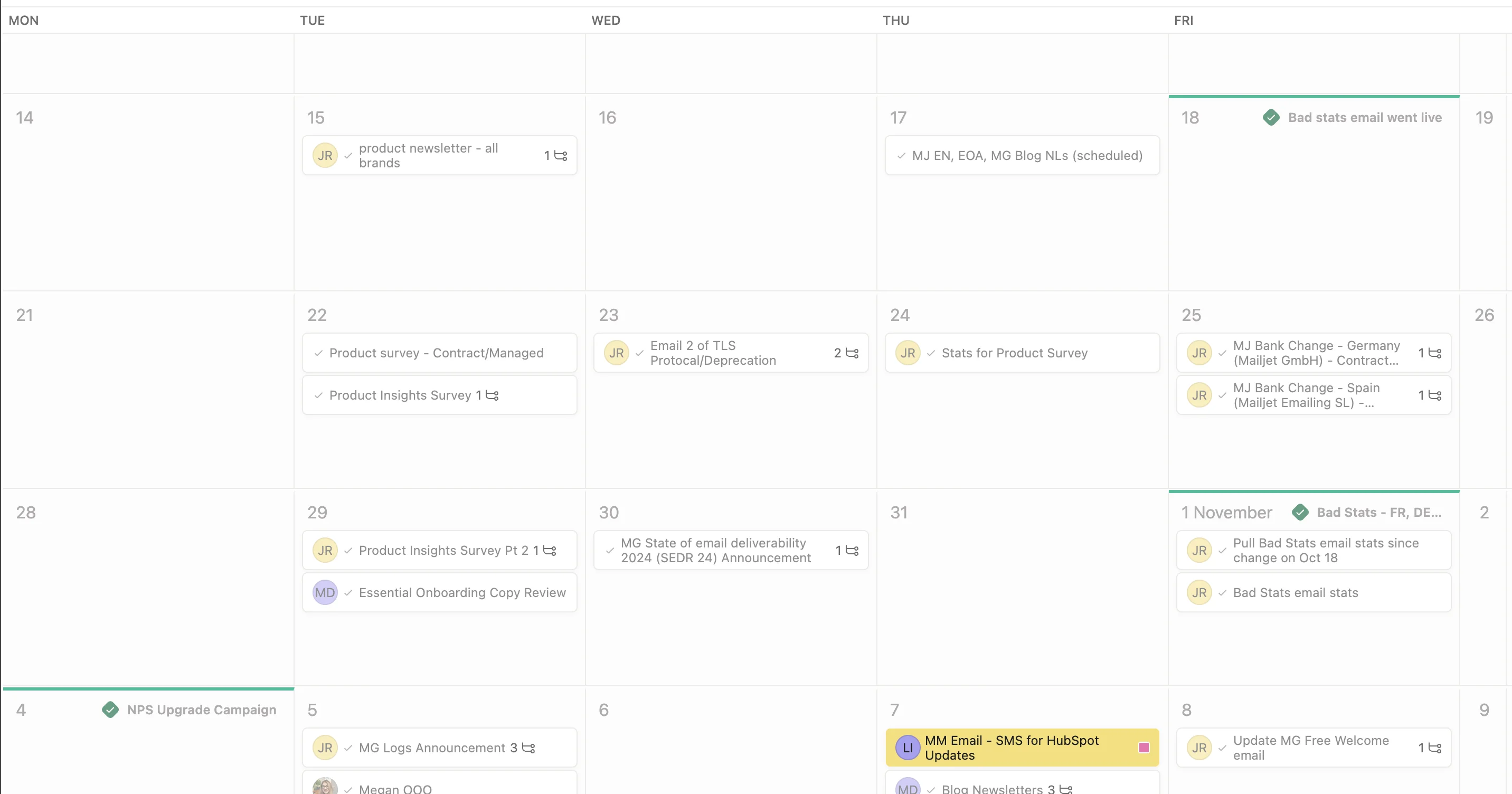
Managing a comprehensive marketing calendar for 2026 requires more than just a spreadsheet. Modern marketers rely on a suite of organizational and project management tools to streamline workflows and maintain focus:
- Project Management Platforms: Tools like Asana, Trello, Monday.com, or Jira help teams track tasks, deadlines, and responsibilities for each campaign.
- Content Calendars: Dedicated tools or modules within larger platforms assist in planning social media posts, blog articles, and email content.
- Marketing Automation Software: Platforms that allow for pre-scheduling emails, social posts, and SMS messages, ensuring timely delivery and consistent messaging.
- Customer Relationship Management (CRM) Systems: Integrate with marketing efforts to track customer interactions and personalize communications based on past behavior.
- Analytics Dashboards: Provide real-time data on campaign performance, enabling quick adjustments and optimization.
Developing Your Bespoke 2026 Marketing Calendar
Building an effective marketing calendar is a strategic exercise that intertwines long-term business objectives with the nuances of audience behavior and product cycles. For businesses seeking to craft their own, a structured approach is recommended:
- Review 2025 Performance: Analyze what worked and what didn’t in the previous year. Identify peak sales periods, successful campaign themes, and areas for improvement.
- Define 2026 Business Goals: Clearly articulate key objectives (e.g., revenue growth, customer acquisition, brand awareness) for the upcoming year.
- Identify Key Product/Service Launches: Plot any new offerings or significant updates on the timeline.
- Map Out Key Seasonal & Holiday Dates: Incorporate the national, international, and industry-specific dates relevant to your target markets.
- Research Industry Trends: Stay abreast of emerging marketing trends, consumer shifts, and technological advancements that could influence your strategy.
- Segment Your Audience: Understand how different segments of your audience might respond to various campaigns and tailor content accordingly.
- Allocate Resources & Budget: Determine staffing, technology, and financial resources needed for each campaign.
- Brainstorm Campaign Ideas: Develop creative concepts for each key date, considering different channels and messaging.
- Outline Content Requirements: Plan specific content pieces (e.g., email copy, social media graphics, blog posts, video scripts) for each campaign.
- Establish KPIs for Each Campaign: Define measurable metrics to track success and inform future strategies.
- Assign Responsibilities & Deadlines: Clearly delegate tasks to team members and set realistic deadlines.
- Build in Flexibility: Acknowledge that unforeseen circumstances can arise and create contingency plans. Regularly review and adjust the calendar as needed.
Creating a marketing calendar for 2026 is more than an organizational task; it’s a strategic declaration of intent. It empowers businesses to be proactive, agile, and deeply connected with their audience throughout the year, ensuring every marketing effort contributes meaningfully to overarching business success. As the marketing landscape continues its rapid evolution, the ability to plan meticulously while remaining adaptable will be the hallmark of successful brands in 2026 and beyond.