
 rifanmuazin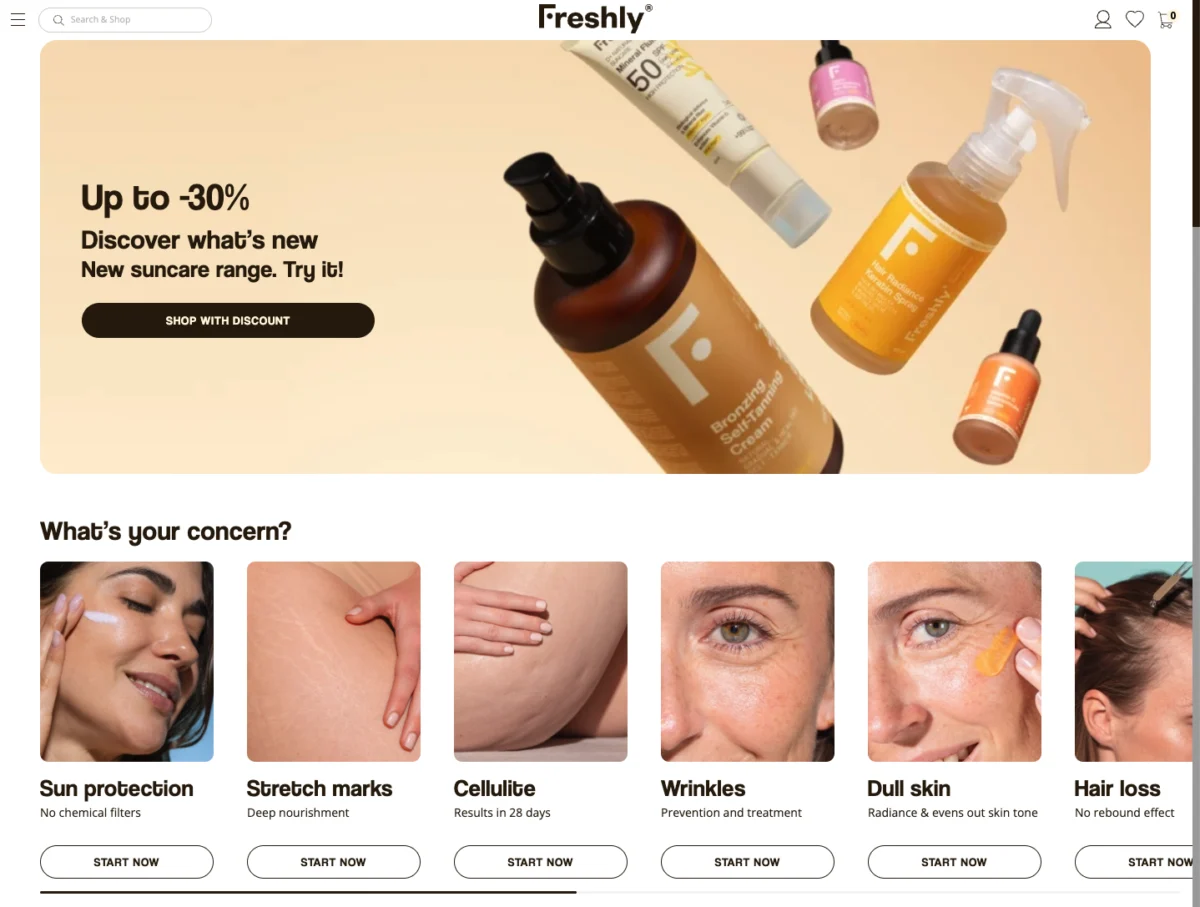
The global e-commerce landscape is currently undergoing a fundamental transformation as artificial intelligence and integrated social platforms attempt to decouple the consumer from the traditional brand website. While the narrative surrounding artificial intelligence in retail is often framed as an existential threat to direct-to-consumer (D2C) brands, recent consumer sentiment data reveals a more complex reality. Although platforms like Google, TikTok, and ChatGPT are encroaching on the sales funnel, a significant "trust moat" still protects independent brand websites. However, industry analysts warn that this defensive barrier is narrowing as tech giants refine their transactional capabilities and security protocols.
The Current State of Consumer Trust and Platform Friction
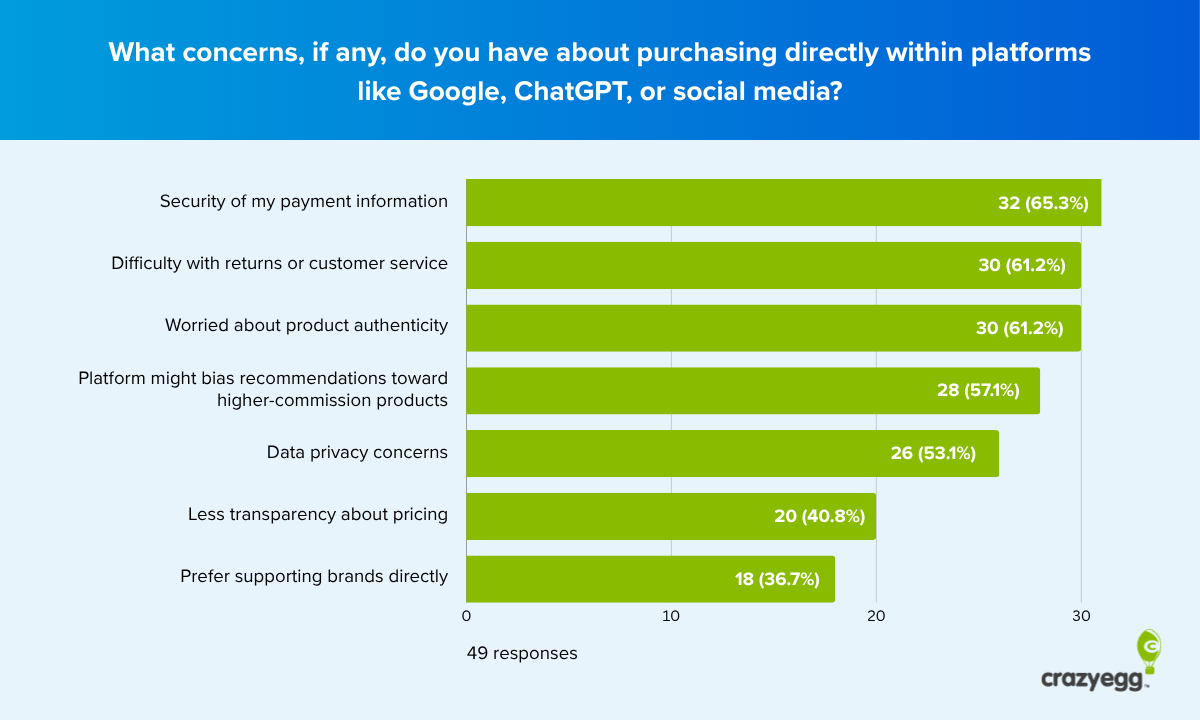
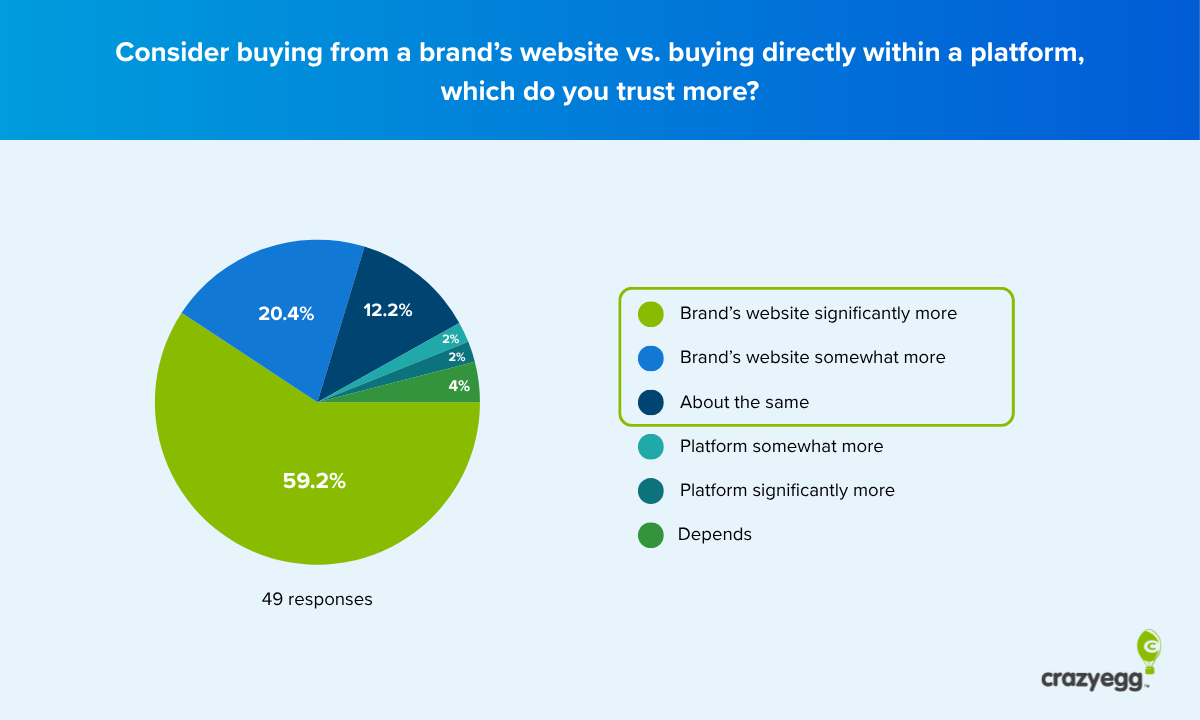
Recent survey data involving online shoppers indicates that the preference for buying directly from brand websites remains robust, though it is propped up by a pervasive distrust of third-party platforms rather than an inherent love for the brand experience. According to the findings, 65% of respondents cite payment security as the primary reason they hesitate to purchase through an AI or social media interface. Closely following this are concerns regarding the difficulty of returns or customer service (61%) and anxieties surrounding product authenticity (61%).
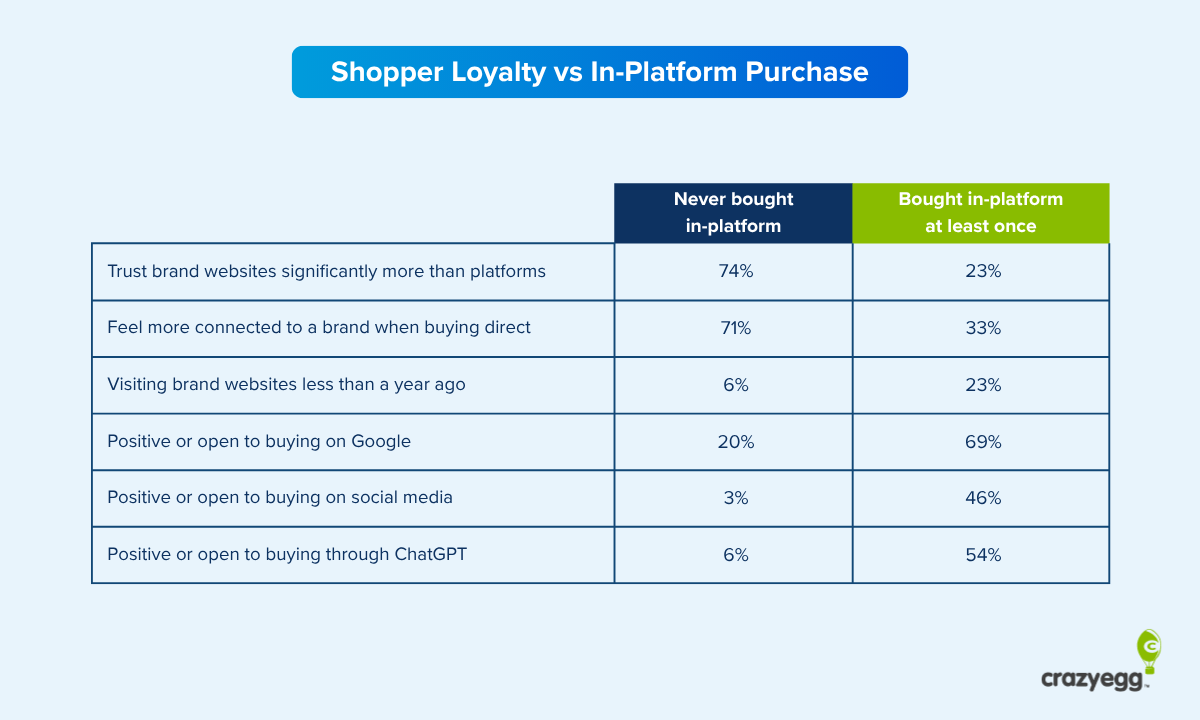
For D2C brands, these statistics represent a temporary strategic advantage. While big tech platforms offer convenience, they often struggle with the "last mile" of consumer confidence—the assurance that a product is genuine and that a human-led support system exists if the transaction fails. Currently, 71% of shoppers report feeling uncomfortable making a purchase directly within a non-retail platform. This discomfort serves as the primary driver of traffic back to the brand’s own digital storefront.
A Chronology of the E-commerce Evolution
The transition from brand-centric shopping to platform-centric shopping has occurred in distinct phases over the last two decades, leading to the current AI-integrated era:
- The Marketplace Era (2000–2010): Dominance was held by aggregators like Amazon and eBay. Brands used these platforms for reach but maintained their primary identity through physical retail or basic web stores.
- The D2C Revolution (2010–2018): Low customer acquisition costs on Facebook and Instagram allowed brands to bypass marketplaces and sell directly to consumers, fostering high brand loyalty and data ownership.
- The Social Commerce Integration (2018–2022): Platforms began introducing "Buy" buttons, attempting to keep users within their ecosystems (e.g., Instagram Shop, TikTok Shop).
- The AI Discovery Phase (2023–Present): The rise of Large Language Models (LLMs) like ChatGPT and Google’s Search Generative Experience (SGE) has shifted the focus from "searching" for products to "asking" for recommendations. While ChatGPT recently scaled back its "Instant Shopping" features, the industry continues to move toward a reality where AI agents handle the entire transaction.
Supporting Data: The Fragility of Brand Loyalty
Despite the current preference for direct sales, the loyalty propping them up is surprisingly fragile. Only 51% of shoppers who prefer brand websites believe they actually receive better value by doing so. Open-text responses from the survey highlight a growing perception that Manufacturer’s Suggested Retail Prices (MSRP) are higher on brand sites than on marketplaces.
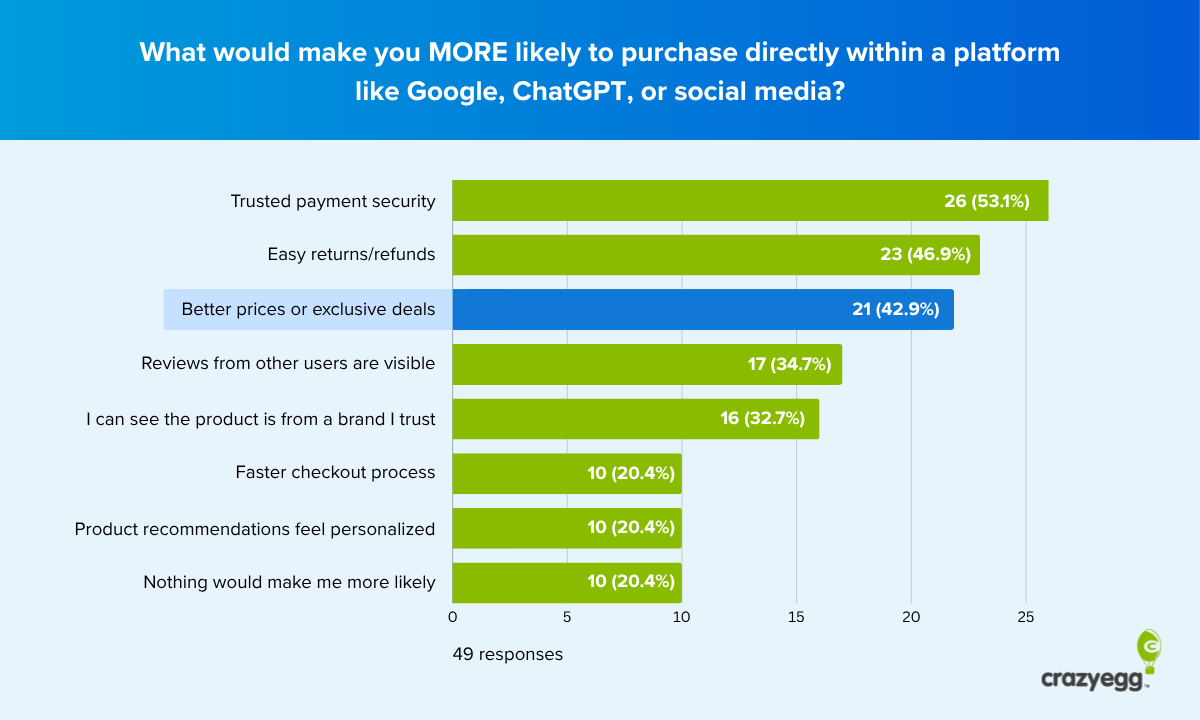
The data suggests that 42.9% of shoppers would be willing to switch to in-platform shopping immediately if offered a better financial deal. This indicates that consumers are essentially paying a "trust tax" to shop directly with brands—a premium they are willing to pay only as long as the security of the alternative remains unproven.
Furthermore, the survey identifies a critical "loyalty shift" triggered by a single successful platform purchase. Respondents who have completed even one transaction within a social or AI platform are:
- Significantly more likely to trust that platform for future purchases.
- More likely to believe they receive better value on the platform than the brand site.
- More inclined to use AI for product discovery and research.
Expert Analysis: Strengthening the Direct Sales Channel
To survive the encroachment of AI-assisted shopping, e-commerce brands must move beyond passive trust and actively optimize their digital presence. Industry experts suggest that the "trust moat" must be reinforced through visible signals and enhanced post-purchase engagement.
1. Visibility of Trust Signals
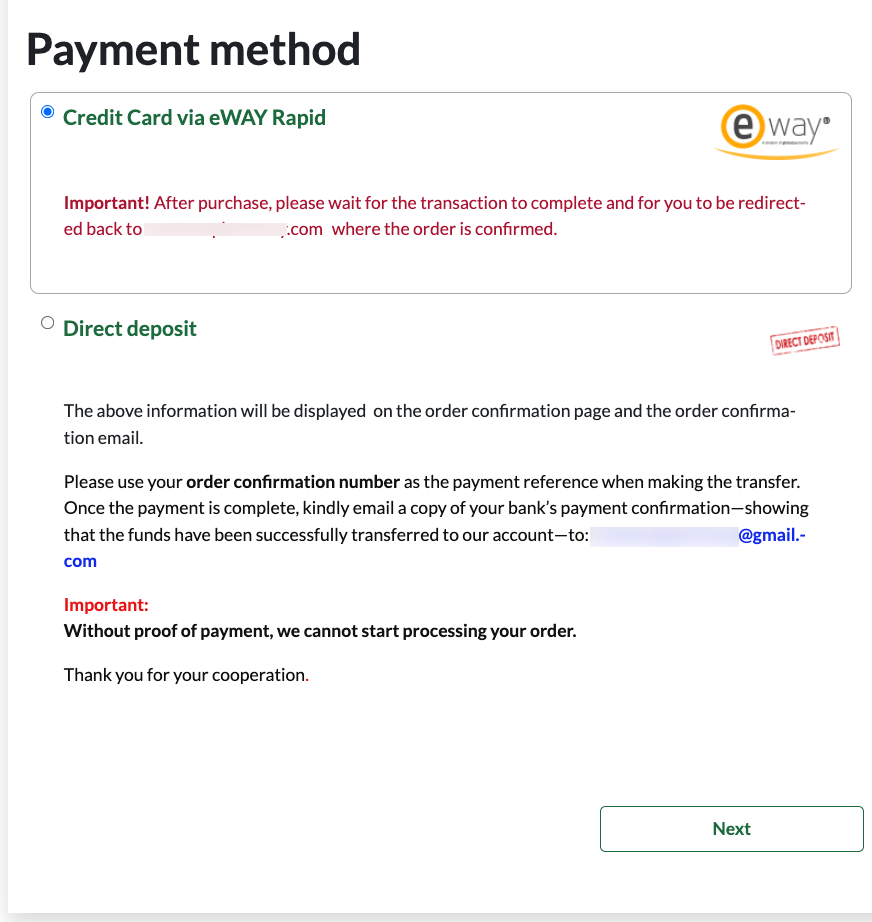
Brands must audit their checkout experiences to ensure they meet modern security expectations. Common "red flags" that drive consumers toward platforms like Amazon include limited payment options, such as requiring direct bank deposits or using unfamiliar third-party gateways. To counter this, brands are increasingly adopting transparent trust signals:
- Trust Badges: Visible certifications from security providers.
- Third-Party Reviews: Integrated, unedited feedback from verified buyers.
- Clear Policies: Easily accessible information regarding shipping timelines and return procedures.
2. Closing the Value Gap
Since nearly half of consumers believe they pay more when buying direct, brands must offer incentives that platforms cannot replicate. This includes exclusive product bundles, early access to new releases, and loyalty programs that provide tangible rewards for repeat direct purchases.
3. The Post-Purchase Emotional Connection
One of the most significant advantages of direct sales is the ability to control the narrative after the transaction is complete. While 59% of respondents feel more connected to a brand when buying directly, many companies fail to capitalize on this "post-purchase" window.
A case study of Freshly Cosmetics, a natural skincare brand, illustrates the power of this strategy. By implementing a tailored post-purchase email flow—focusing on brand values, usage instructions, and personalized follow-ups—the company saw a 136% increase in revenue from repeat customers. This level of emotional tailoring is something that a generic AI interface or a massive marketplace cannot currently provide.
The Impact of AI Discovery on Brand Visibility
As AI tools increasingly dominate the discovery and research phase of shopping, the definition of "visibility" is changing. If a shopper asks an AI tool for a recommendation and a brand does not appear in the generated shortlist, that brand is effectively invisible, regardless of how high-quality its website may be.
For product-led or price-led brands, the priority is shifting toward "AI Optimization." This involves:
- Structured Data: Using Schema.org markup to ensure AI crawlers can accurately read product specifications, pricing, and availability.
- Third-Party Citations: Ensuring the brand is mentioned in reputable gift guides, review sites, and news outlets, which serve as the training data for LLMs.
- Omnipresence: Accepting that some sales will inevitably happen on platforms and ensuring the brand is present there to avoid ceding the market to competitors.
Broader Implications and Future Outlook
The trajectory of e-commerce suggests a bifurcated future. High-end, relationship-driven D2C brands will likely double down on their independent websites, focusing on community, storytelling, and exclusive experiences to maintain their direct relationship with the consumer. Conversely, commodity-based brands will likely become "headless," existing primarily as data points that AI agents can call upon to fulfill a user’s request.
The "trust moat" currently enjoyed by brand websites is not a permanent fixture. As tech giants like Google and Meta integrate more robust buyer protections and verified seller badges, the friction that currently prevents in-platform shopping will dissolve.
The window of opportunity for brands to solidify their direct relationships is currently open, but it is narrowing. The brands that emerge as winners in the age of AI will be those that manage a dual strategy: being discoverable across every AI and social interface while simultaneously making the direct brand experience so valuable that consumers have a reason to seek it out by name. In the evolving digital economy, trust is the currency, and the brand website remains—for now—the most secure vault.








