
 rifanmuazin
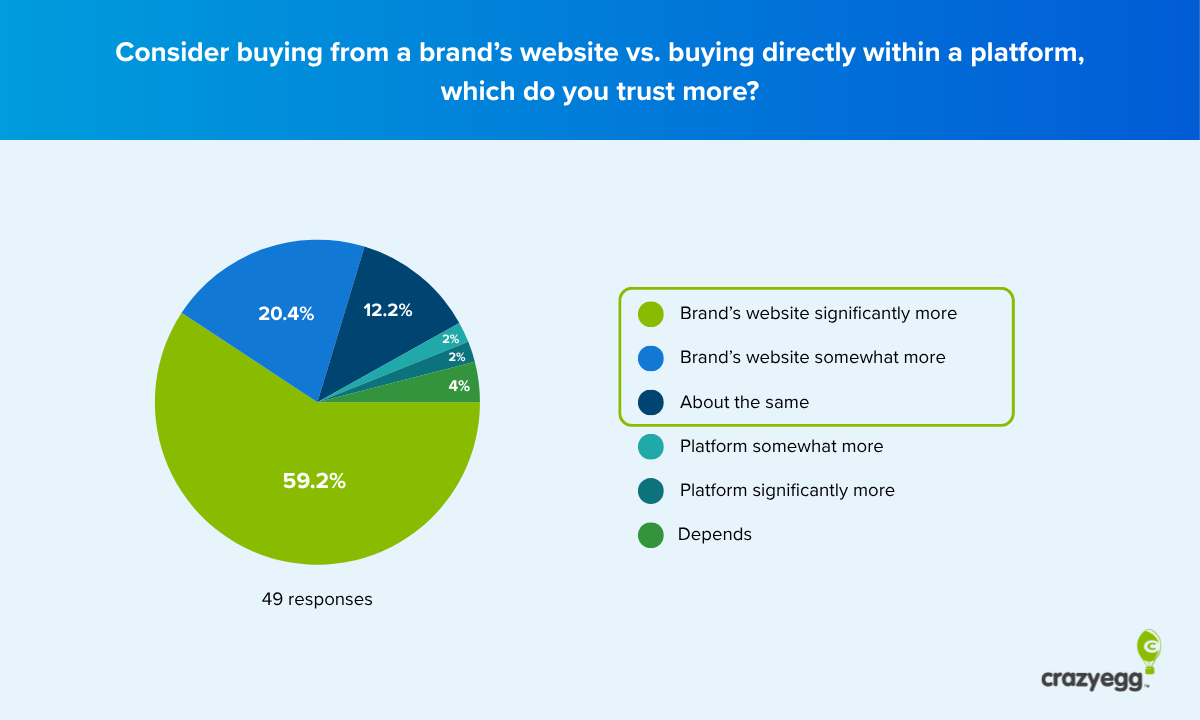
The landscape of global ecommerce is undergoing a fundamental shift as artificial intelligence and large-scale tech platforms attempt to consolidate the path to purchase. While the narrative surrounding AI in retail often emphasizes the immediate threat to traditional brand-owned websites, recent consumer data suggests a more complex reality. Shoppers currently maintain a strong preference for purchasing directly from brand websites, driven primarily by a deep-seated distrust of emerging platforms. However, this "trust moat" is under increasing pressure as tech giants refine their shopping interfaces and AI-driven discovery tools become the primary gateway for product research.
The Current State of Consumer Trust in Digital Commerce
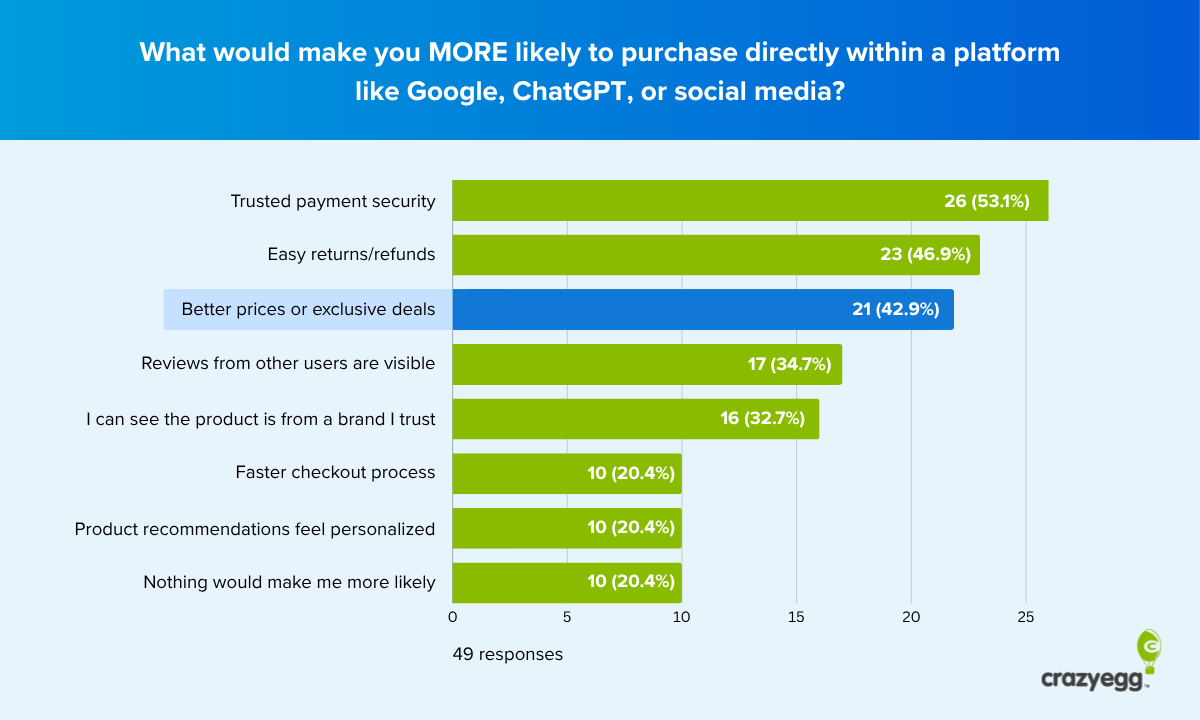
According to recent survey data examining the habits of online shoppers, direct-to-consumer (DTC) channels remain the preferred venue for final transactions. Despite the convenience offered by social media marketplaces and AI-assisted tools, consumers express significant reservations about the security and authenticity of platform-based shopping. The data reveals that 65% of respondents cite payment security as their primary concern when considering a purchase through a third-party platform like Google, TikTok, or an AI interface.
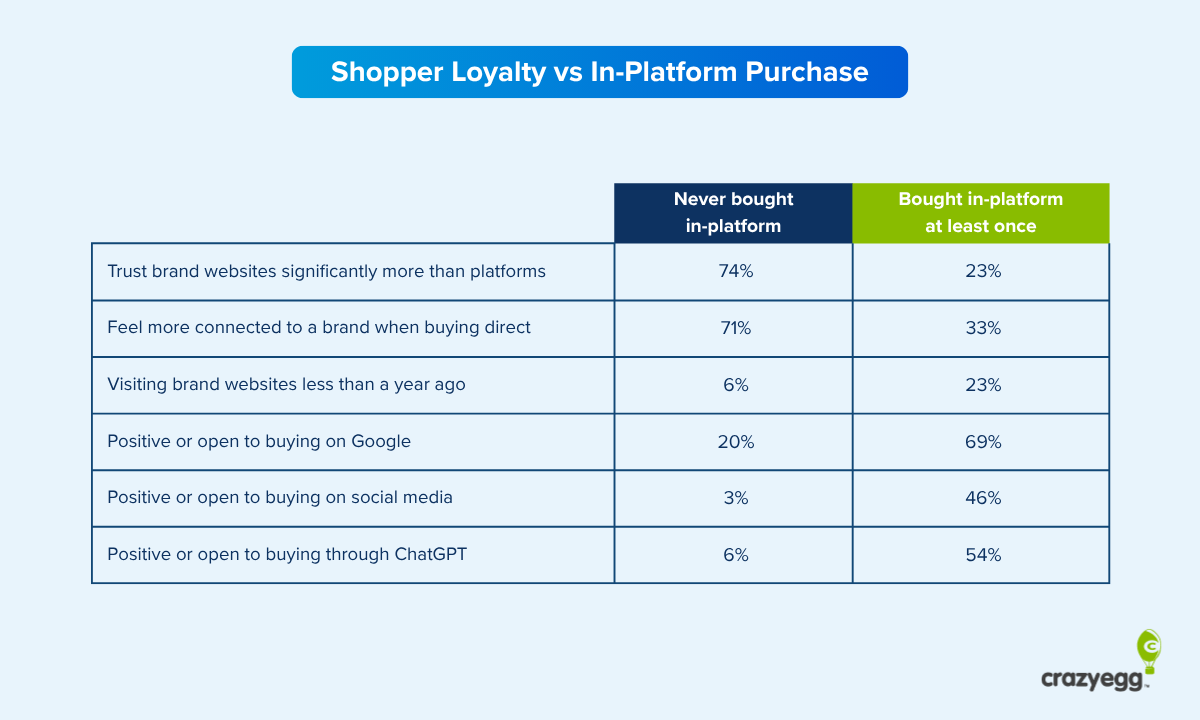
Furthermore, 61% of shoppers expressed anxiety regarding the difficulty of returns and customer service on these platforms, while another 61% questioned the authenticity of products sold outside of official brand channels. These findings indicate that for the modern consumer, the brand’s own website serves as a sanctuary of reliability. As long as big-tech platforms struggle to provide the same level of perceived security and customer support, brand websites will continue to hold a defensive advantage.
However, industry analysts warn that this loyalty is not necessarily born of brand affinity, but rather of "alternative distrust." This suggests that as platforms like Amazon, Instagram, and ChatGPT improve their trust signals—such as verified seller badges and integrated, secure checkout flows—the advantage currently held by DTC brands could evaporate rapidly.
A Chronology of the Evolving Path to Purchase
To understand the current tension between brands and platforms, it is necessary to examine the evolution of digital retail over the last two decades.
- The Direct Web Era (2000–2010): Early ecommerce was defined by destination shopping. Consumers sought out specific URLs to find products. Trust was built through early security certifications (e.g., VeriSign) and the establishment of brand reputation.
- The Marketplace Dominance (2010–2018): Amazon and eBay consolidated the market by offering massive variety and standardized shipping (Prime). Brands began to feel the "Amazon Tax," losing direct customer data in exchange for volume.
- The Social Commerce Surge (2018–2022): Platforms like Instagram and TikTok introduced "shoppable posts." While successful for discovery, the "instant checkout" features saw mixed adoption as users remained hesitant to share credit card information with social networks.
- The AI and Agentic Era (2023–Present): The introduction of Generative AI has moved shopping from "search" to "consultation." Tools like ChatGPT and Perplexity now act as personal shoppers. While early attempts at integrated checkout, such as ChatGPT’s scaling back of Instant Shopping, faced technical and trust hurdles, the industry is moving toward a future where AI "agents" handle the entire transaction.
Supporting Data: The Fragility of Digital Loyalty
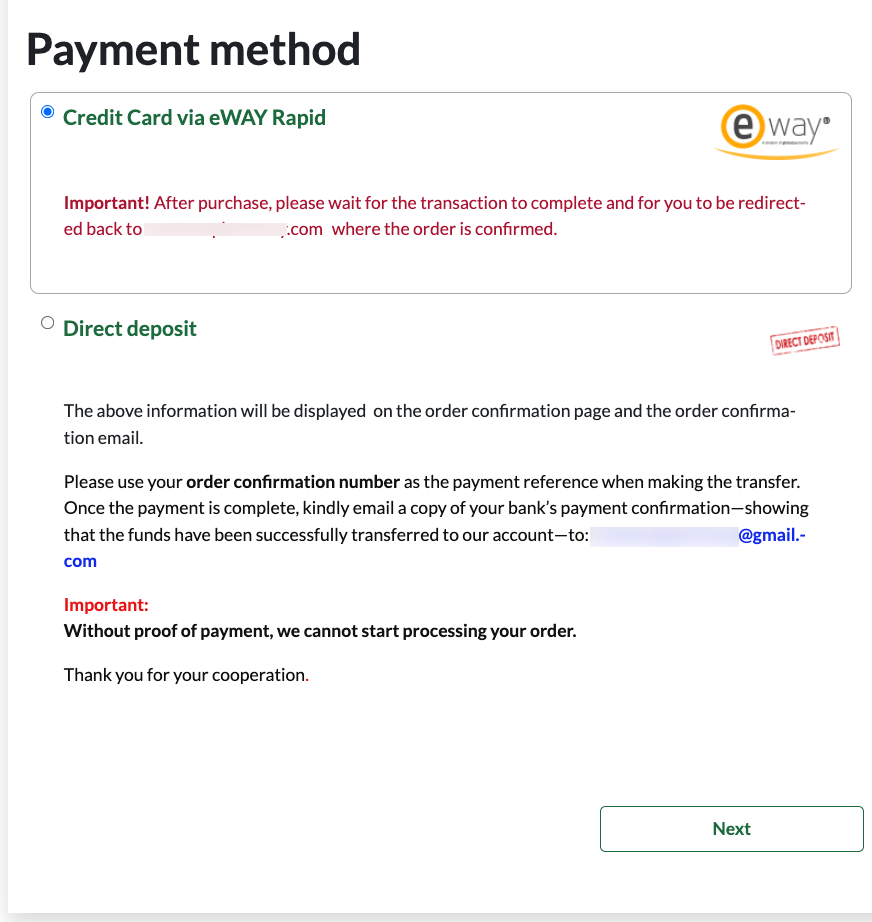
While the preference for brand websites remains high, the survey data highlights a critical vulnerability: the "one-purchase shift." Data indicates that once a consumer makes even a single successful purchase within a platform (such as TikTok Shop or a Google-integrated checkout), their skepticism drops precipitously.
Shoppers who have completed at least one in-platform purchase are significantly more likely to trust those platforms for future transactions. Specifically, these "experienced" platform shoppers report higher levels of comfort with AI-driven recommendations and are less concerned about the "trust tax" associated with third-party gateways. This suggests that the barrier to entry for platforms is a one-time hurdle; once crossed, the brand website loses its primary competitive advantage.
Another area of concern for DTC brands is the perceived "value gap." The survey found that only 51% of shoppers believe they get better value by buying directly from a brand. Many respondents noted that Manufacturer’s Suggested Retail Prices (MSRP) are often higher on brand sites than on marketplaces, and 42.9% stated they would switch to platform shopping if offered a better deal. This indicates that while trust keeps customers on brand sites today, price sensitivity remains a potent lever for tech platforms to pull.
Strengthening the Trust Moat: Strategic Responses for Brands
In response to these findings, retail experts suggest that brands must move beyond passive trust and begin actively optimizing for it. Trust is no longer a baseline requirement; it is a feature that must be marketed.
Visibility of Trust Signals
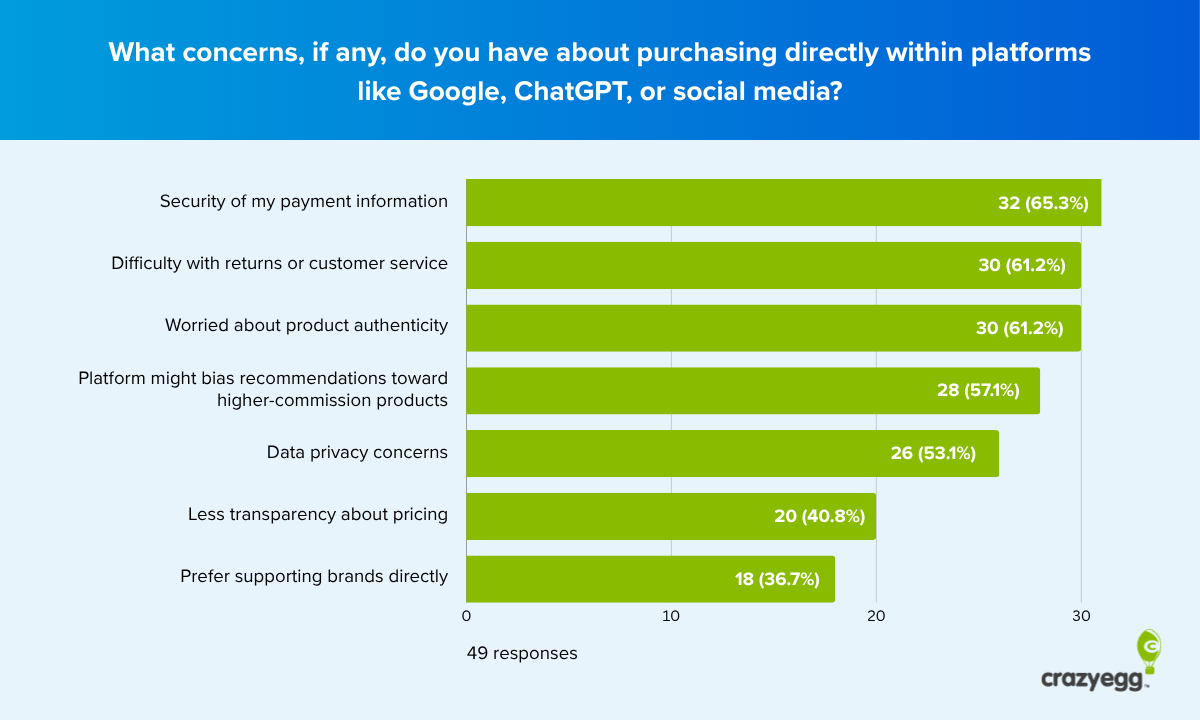
Brands are encouraged to audit their checkout experiences for "red flags." Common deterrents identified in consumer feedback include outdated payment gateways, lack of clear return policies, and the absence of third-party social proof. Successful brands are now integrating transparent, real-time tracking and prominent "satisfaction guarantees" to counteract the perceived security of larger marketplaces.
Closing the Value Gap
To combat the perception that brand websites are more expensive, DTC companies are increasingly turning to exclusive offers. This includes "web-only" product bundles, early access for newsletter subscribers, and loyalty programs that provide long-term savings which marketplaces cannot replicate. The goal is to move the conversation from "price" to "total value," including the quality of the post-purchase experience.
The Power of Post-Purchase Engagement
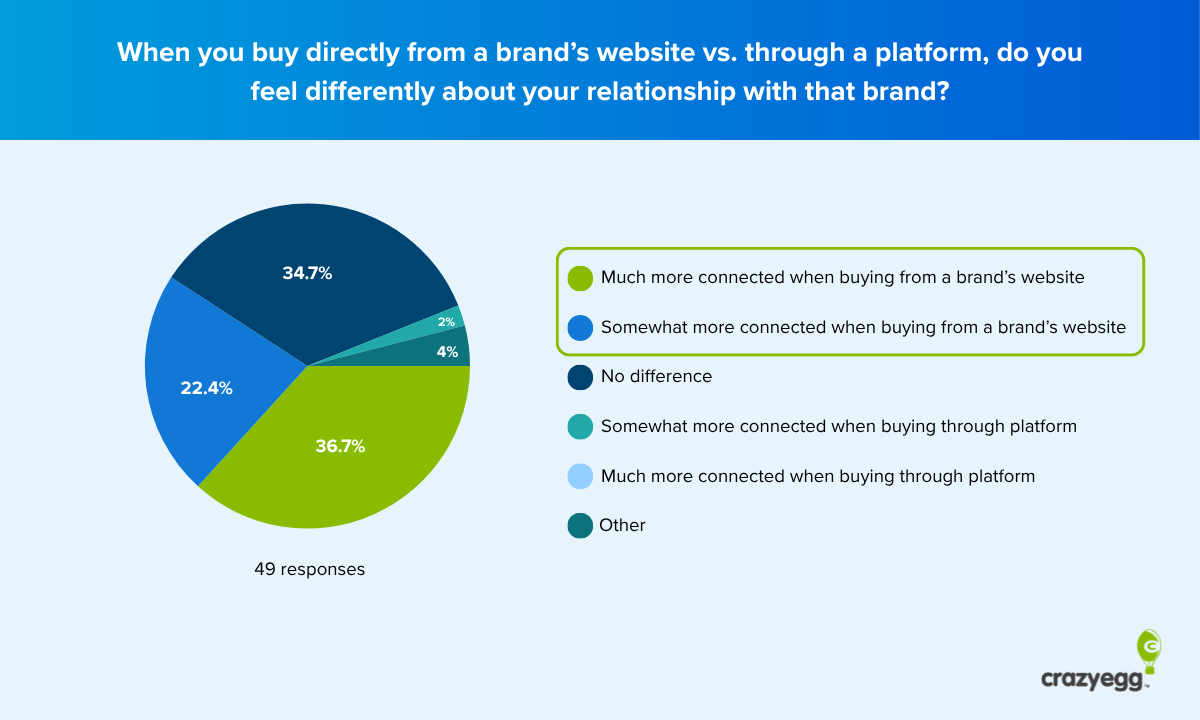
A significant finding in recent retail analysis is the emotional disconnect that occurs after a sale. While 59% of consumers feel a stronger connection to a brand when buying direct, many brands fail to capitalize on this sentiment. The post-purchase phase is often reduced to a series of automated shipping notifications, missing a critical window for building long-term loyalty.
The case of Freshly Cosmetics, a natural skincare brand, serves as a primary example of how to utilize this touchpoint. By building a tailored post-purchase email flow—focusing on brand values, product usage education, and stage-specific follow-ups—the company reported a 136% increase in revenue from repeat customers. This strategy addresses the implicit question every new customer asks: "Did I make the right choice?" By answering this through content rather than just commerce, brands can create a relationship that AI platforms are structurally unable to mimic.
Broader Implications: The Rise of AI-Generated Shortlists
As AI tools increasingly dominate the "discovery" phase of shopping, the risk for brands is no longer just losing the transaction, but becoming invisible. AI models generate recommendations based on existing data, reviews, and web presence. If a brand is not optimized for these "AI shortlists," it may never even enter the consumer’s consideration set.
This has led to the emergence of AI Optimization (AIO), a new frontier in digital marketing. Unlike traditional SEO, which focuses on keywords and backlinks, AIO requires brands to ensure their product data is structured in a way that LLMs (Large Language Models) can easily parse and recommend. For product-led brands where transaction volume is the priority, being shoppable within an AI interface may soon become more important than driving traffic to a standalone website.
Official Reactions and Industry Outlook
Market analysts from firms like Forrester and Gartner have noted that the "de-platforming" of ecommerce is unlikely. Instead, we are entering a hybrid era. "Brands cannot afford to be luddites," says one industry consultant. "The goal is to be found everywhere—on TikTok, in ChatGPT, on Amazon—but to make the experience of buying direct so superior that the customer eventually migrates to the brand’s own ecosystem."
The consensus among ecommerce leaders is that the next 24 months will be a "window of opportunity." Currently, the technical limitations of AI and the lingering distrust of social media platforms provide a buffer for DTC brands. However, as these platforms solve for payment security and product authenticity, the only remaining differentiator for brands will be the strength of their direct relationship with the consumer.
Conclusion: The Survival of the Direct Relationship
The data is clear: direct sales are not dying, but they are becoming more difficult to maintain. The trust advantage currently held by brand websites is a depreciating asset. To survive the encroachment of AI and big-tech platforms, ecommerce brands must transform their websites from simple transaction points into centers of value and connection.
The brands that will win in the age of AI-assisted shopping are those that recognize the "discovery layer" is moving to platforms, while the "loyalty layer" must remain direct. By optimizing for visibility in AI searches while simultaneously deepening the emotional and security-based trust on their own sites, retailers can navigate the transition from a search-based economy to an agent-based one. The window for this transition is open, but as platform capabilities grow, it is narrowing by the day.








