
 rifanmuazin
London, UK – December 2, 2025 – The notion that designing compelling emails is an esoteric art form, beyond the grasp of the average sender, is being swiftly challenged by industry experts. Email design, far from being an exclusive domain, is increasingly understood as a discipline rooted in foundational best practices and a keen awareness of evolving digital trends. While advanced concepts may require specialized knowledge, the core principles are accessible to any email marketer equipped with the right tools and resources, a sentiment echoed and elaborated upon at the recent Email Camp event.
The critical importance of sophisticated email design for brands and marketers was a central theme at the comprehensive Email Camp event, an industry gathering dedicated to dissecting the intricacies of digital communication. At this pivotal summit, Mike Nelson, a leading voice from Really Good Emails, captivated attendees with insights into cutting-edge email design trends poised to significantly boost engagement in the coming year and beyond. His session also delved into strategic approaches for addressing common reader challenges and ensuring universal accessibility across the diverse landscape of digital devices. For those unable to attend the live presentation, a detailed synthesis of the covered best practices, essential resources, and transformative trends follows, aiming to equip marketers with the expertise to excel in the dynamic field of email design.
Foundational Best Practices for High-Impact Campaigns
To kick off the discussion on robust email design, François Sahli, Digital Design Director at Sinch, offered his expert insights into fundamental best practices that remain crucial for both novices and seasoned professionals. His advice, spanning critical aspects from formatting to responsive design, provides a universal roadmap for crafting effective email campaigns.
Optimal Formatting for Universal Display
A cornerstone of effective email design is meticulous formatting, ensuring visual consistency across all viewing environments. Sahli emphasized the importance of adhering to standard email widths: 600 pixels for desktop displays and 320 pixels for mobile phones. Deviating from these widely accepted dimensions can lead to significant display issues, most notably forcing users into cumbersome horizontal scrolling to view the entire message, a guaranteed deterrent to engagement.
Beyond structural dimensions, image optimization plays a critical role. Large, uncompressed images significantly inflate email file sizes, negatively impacting loading times and, critically, email deliverability. Tools like Compress JPEG are invaluable for reducing image file sizes while preserving visual quality. This seemingly minor detail is paramount; overly large images or HTML files are known culprits in damaging email engagement metrics and triggering spam filters. Industry reports consistently highlight the direct correlation between email file size and deliverability rates, underscoring the necessity of optimizing every visual element.
Strategic Use of Images and Deliverability
Images are powerful visual communicators, but their deployment in emails requires strategic consideration to maintain deliverability and prevent messages from being flagged as spam. Internet Service Providers (ISPs) often scrutinize the text-to-image ratio within an email. A recommended balance of approximately 70% text and 30% images is crucial to avoid spam filters and ensure messages reach the inbox. The goal is to create a readable email, not a mere photo album, prioritizing content clarity over excessive visual elements.
A persistent challenge in email marketing is the potential for images to be blocked by recipients’ email clients. To mitigate this, François Sahli advocates for two key safeguards:

- Alt-text (alternative text): This descriptive text appears if an image fails to load, providing context and maintaining the message’s integrity. It’s also vital for accessibility, enabling screen readers to describe images to visually impaired users.
- Background color: By adding a background color behind any background images, marketers ensure that text remains legible even if the images themselves do not display.
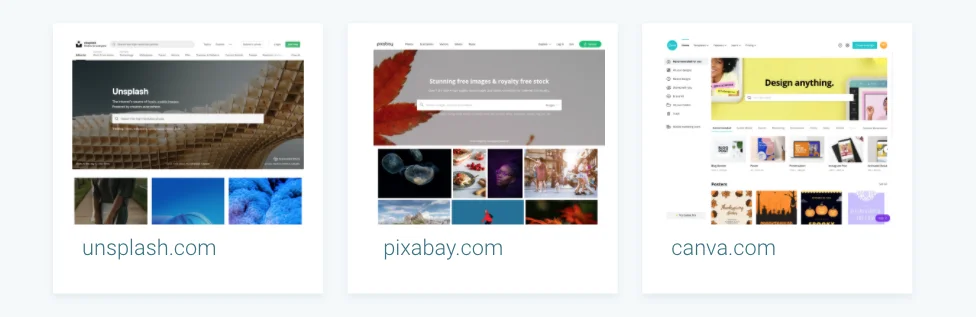
For sourcing high-quality, royalty-free images, platforms like Unsplash and Pixabay offer extensive libraries. Furthermore, design tools such as Canva democratize email design, allowing even those without advanced graphic design skills to create visually appealing elements.
Optimizing Calls-to-Action (CTAs)
Calls-to-action are the direct prompts guiding recipients toward desired actions, whether it’s registering for a webinar, downloading a resource, or making a purchase. To maximize conversion rates, Sahli advises limiting the number of CTAs, particularly "above the fold" – the content visible without scrolling. Strategic use of color and contrast can make CTA buttons stand out, drawing immediate attention and encouraging clicks.
Crucially, the size and spacing of clickable elements, especially for mobile users, cannot be overstated. CTAs and icons should be at least 40 to 48 pixels wide to ensure easy tapping on touchscreens. Smaller clickable areas necessitate greater spacing between them to prevent accidental clicks on adjacent elements, enhancing user experience and reducing frustration.
Navigating Typography: Web Safe vs. Web Fonts
Typography plays a significant role in establishing brand identity and ensuring readability. Email design distinguishes between two primary font categories:
- Web safe fonts: These include widely recognized fonts like Arial, Times New Roman, Verdana, and Georgia. They are universally supported across most operating systems and email clients, guaranteeing consistent display.
- Web fonts: Examples such as Open Sans and Roboto offer greater design flexibility and brand distinctiveness but are not natively available on all systems.
As Sahli highlights, while web fonts unlock extensive design possibilities, their lack of universal support by all email clients presents a challenge. The solution lies in implementing fallback fonts – a prioritized list of web safe fonts that email clients can default to if the primary web font is unsupported. This ensures that the email’s visual integrity remains as close as possible to the original design, preventing display anomalies.
Ensuring Code Compatibility Across Clients
The fragmented ecosystem of email clients means that not all web features and code elements are uniformly supported. Issues can arise, such as Gmail’s occasional difficulty with web fonts, certain Outlook versions’ inability to display background images correctly, or webmail providers struggling with drop shadow effects. Marketers must proactively verify that their email elements are compatible with the diverse array of email systems their audience uses.
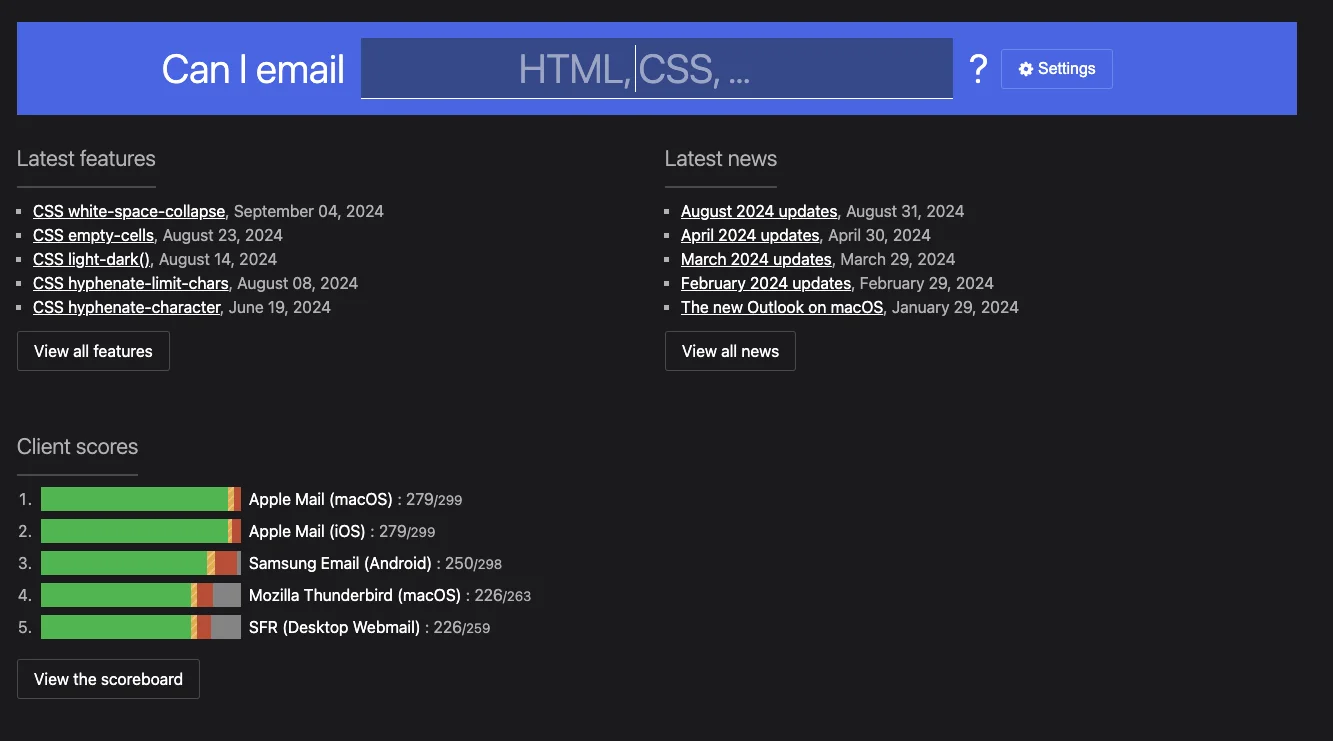
Resources like Can I Email are indispensable. This platform provides a comprehensive database detailing the partial or total support for various HTML and CSS features across numerous email clients. Leveraging such tools allows designers to make informed decisions, considering all design possibilities while ensuring broad compatibility and a consistent user experience.
The Imperative of Responsive Design
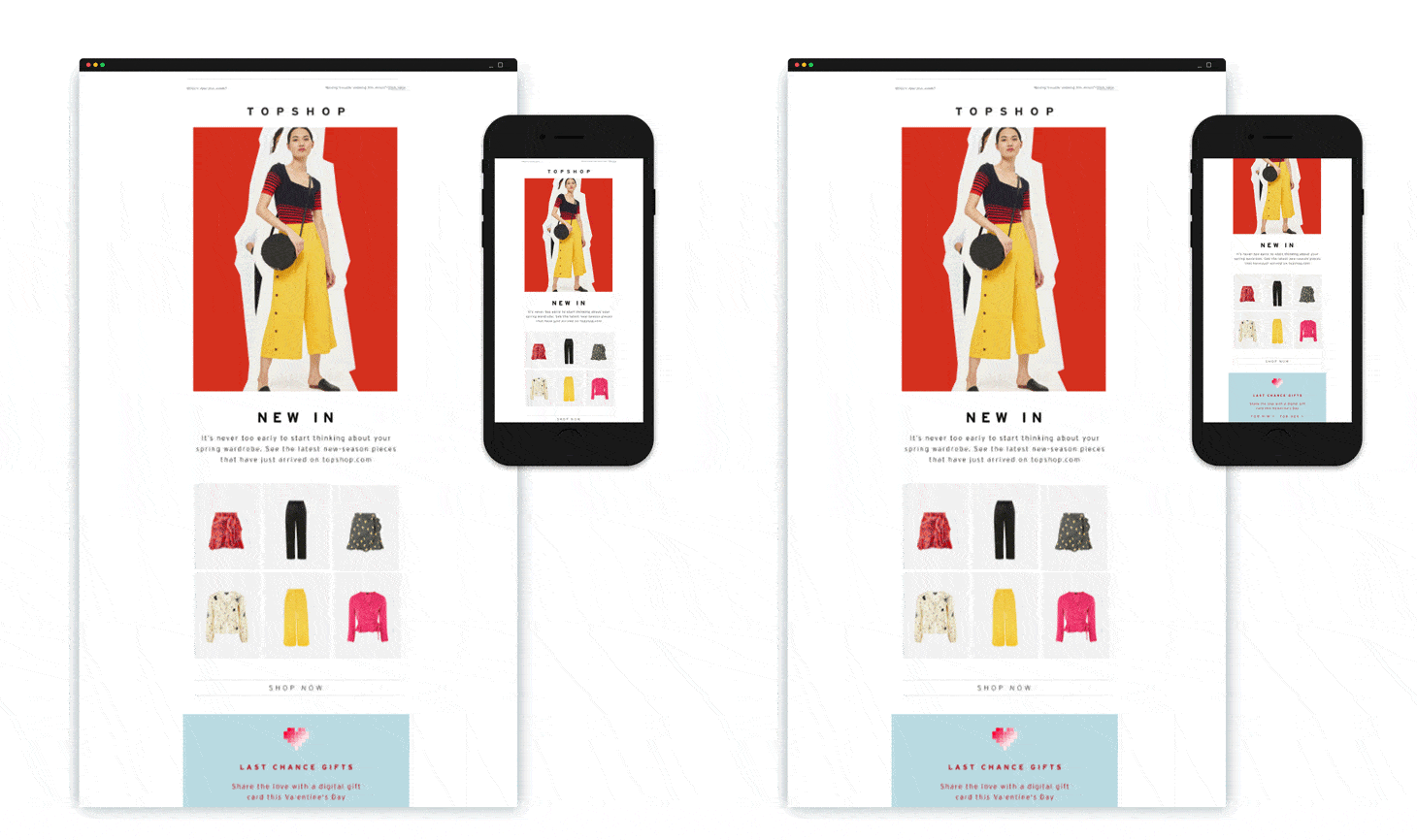
In an era dominated by mobile devices, responsive design is no longer optional; it is essential. This technique automatically adjusts an email’s layout and content to display optimally on any screen size or email client. Statistics reveal that over 80% of email recipients will delete an email that doesn’t render correctly on their mobile device, underscoring the critical impact on engagement and brand perception.
Implementing responsive design requires using email editors that incorporate this functionality by default, such as Sinch Mailjet’s Email Editor. Advanced features like built-in preview tools, which simulate how an email appears across different inboxes, device manufacturers, versions, and countries, are invaluable for comprehensive testing and eliminating guesswork. This proactive approach guarantees a seamless and professional presentation, regardless of the recipient’s viewing environment.
Leveraging Templates and Components for Efficiency
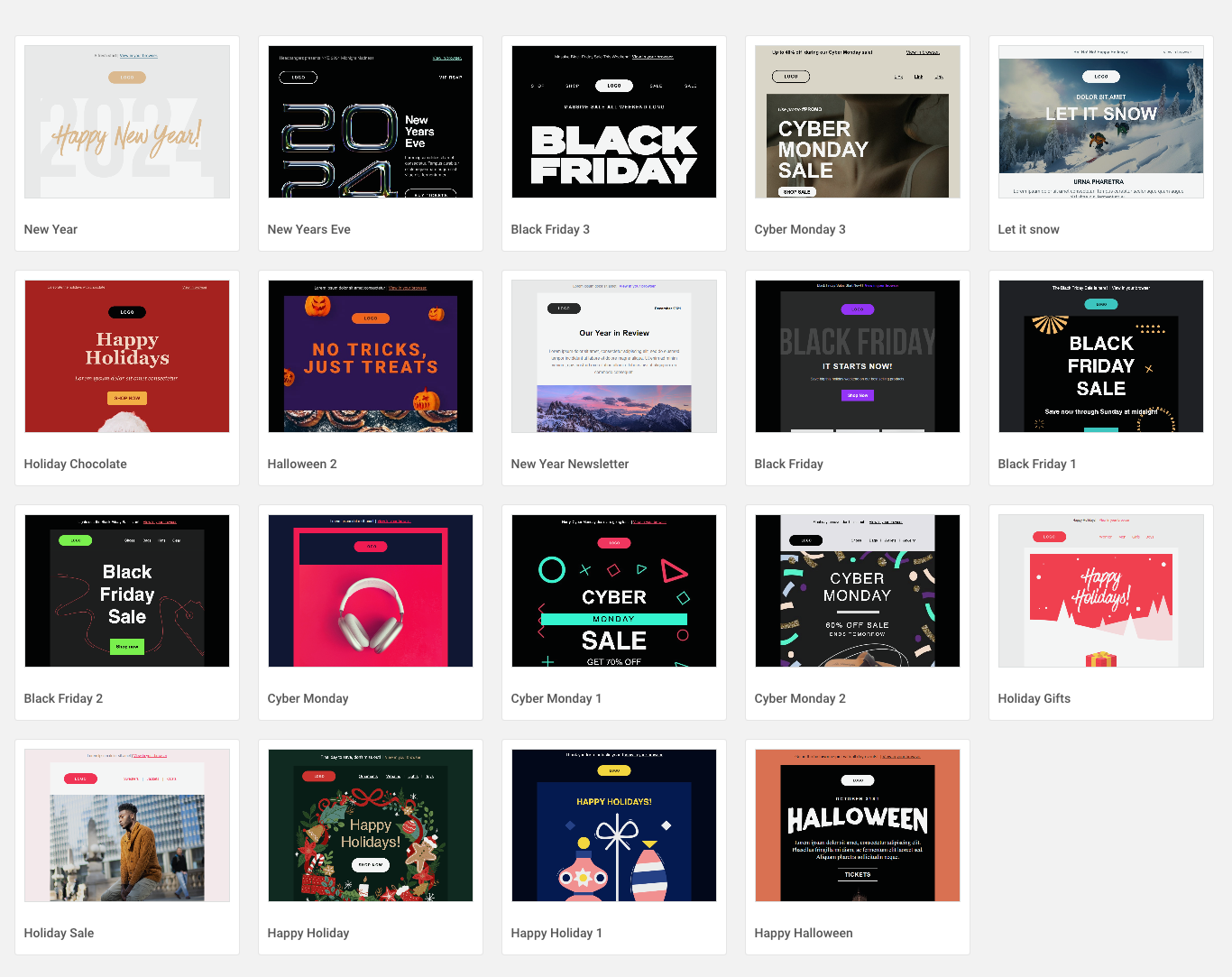
The concept of templates and component libraries, common in web design, offers immense benefits for email campaigns. Creating a centralized library of email components (headers, footers, content blocks, CTAs) ensures brand consistency across all outgoing communications. Once established, this library streamlines the email creation process, allowing marketers to assemble new emails rapidly while adhering to established design guidelines.
Furthermore, a component library facilitates efficient testing. The entire library can be validated to guarantee that any email built from its elements displays correctly. This modular approach also accelerates the process of A/B testing different layouts, enabling quicker iteration and optimization of campaign performance. For inspiration, platforms like Really Good Emails and Email Love showcase a vast collection of well-designed emails, serving as a rich resource for creative ideas.
Emerging Trends Driving Engagement in 2026
Beyond foundational best practices, the email marketing landscape is continuously evolving with innovative design trends. Mike Nelson’s session at Email Camp highlighted several "cutting-edge" approaches that are gaining traction and redefining how brands connect with their audiences.
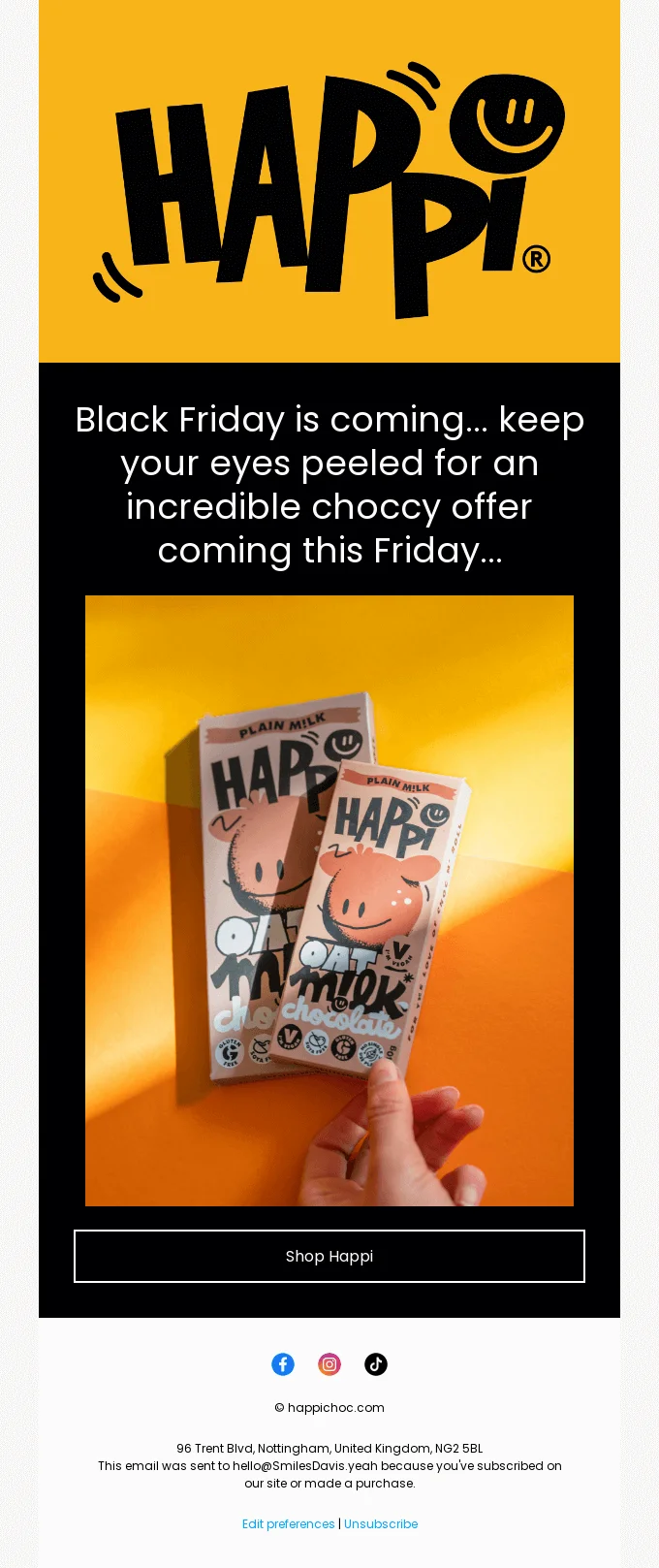
1. "Go Big, or Go Home": Brand-Centric Design
A significant shift observed by Really Good Emails is brands’ intensified efforts to differentiate themselves. This new trend focuses on making the brand itself the focal point of the email, often transcending the traditional emphasis on product or message. Intriguingly, many companies achieve this not through their logo or trademark, but through the bold application of large, striking texts, impactful headlines, and expansive images. For instance, brands like Happi use prominent header images to immediately command attention and reinforce their identity, while The Label Edition employs oversized titles to draw recipients deeper into their content.
This trend is catching on due to the increasingly saturated marketplace. As competition intensifies, brands are seeking unconventional methods to stand out. By intentionally deviating from conventional email structures, they gamble that their distinctiveness will capture attention, drive engagement, and foster memorability.

2. "Hard Tables": Structured Clarity
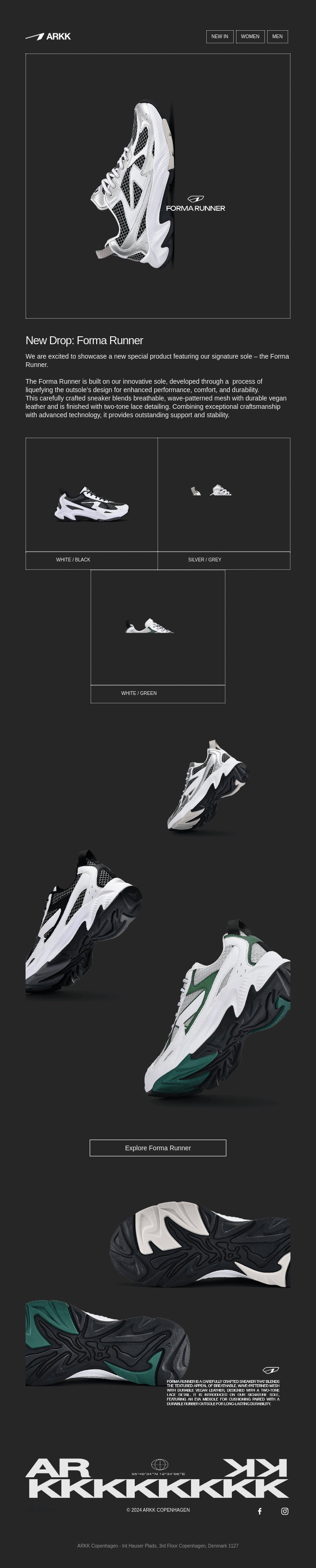
The "hard table" trend involves outlining content blocks with distinct, often heavy, lines. While typically black on light backgrounds, these outlines can be adapted to white or other contrasting colors for dark mode emails. Examples from brands like Arkk showcase this concept on dark backgrounds, using white lines to delineate content, while XXXI employs traditional black outlines on white.
The appeal of hard tables lies in the structured clarity they impart to newsletters. By visually enclosing related content, readers can easily navigate and process information, making the newsletter appear more organized and digestible. This is particularly beneficial for emails with multiple sections or a substantial amount of content, enhancing readability and user experience.
3. "Celeb Cameos": The Resurgence of Influence
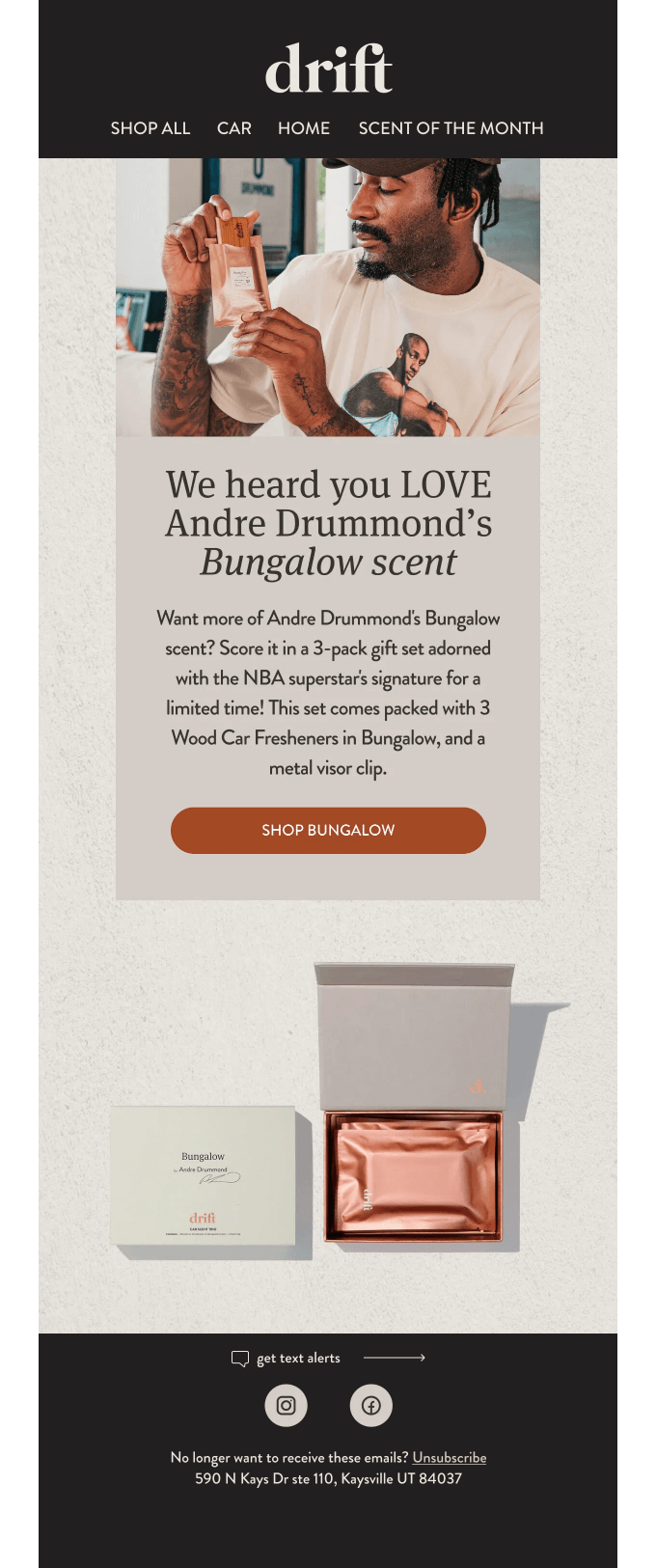
The use of celebrities in marketing is a time-honored tradition, dating back to figures like Lily Langtree endorsing Pears Soap in 1882. This classic strategy is experiencing a notable resurgence in email design. Brands are leveraging celebrity endorsements to lend credibility and appeal to their campaigns. Drift, for instance, featured Andre Drummond as the face of an email campaign.
The effectiveness of celebrity cameos stems from their ability to confer immediate "street credibility" and elevate a brand’s reputation. When a celebrity resonates with the target audience and shares the email content on social media, it can achieve viral reach, vastly extending the campaign’s audience beyond typical subscribers.
4. "Picture Wall": Immersive Visual Storytelling
The "picture wall" trend addresses the challenge of selecting a few images from a large collection of high-quality product photography. Instead of agonizing over choices, brands are opting to use a multitude of images, arranged as a visual mosaic. Lululemon and Le Rose demonstrate this approach, showcasing products from various angles or contexts.
This trend is driven by the desire to provide comprehensive visual information. A picture wall allows brands to display products from different perspectives, highlighting variations in body types, styles, or usage scenarios. For clothing brands, this means showing garments on diverse models, helping potential customers better envision themselves using or wearing the product. This rich visual narrative aids in decision-making and enhances the overall shopping experience.

5. "Raw and Unfiltered": Embracing Authenticity
In an increasingly polished and AI-driven digital world, a counter-culture movement towards authenticity is emerging in email design. Inspired by campaigns like John Smith’s "No nonsense" advertising, brands are incorporating unedited images and raw video footage into their newsletters. Patagonia, for example, opens a newsletter with an unedited photo of a dog in a camper van, while GiftShop’s collaboration with Parisian restaurant Dumbo uses a slide of raw kitchen images to market a new t-shirt line.
This trend reflects a growing weariness among consumers regarding overly curated or artificially generated content. As AI’s influence expands across industries, there’s a heightened appreciation for genuine, original designs and photographs. "Raw and unfiltered" content fosters a sense of transparency, trust, and relatable authenticity, allowing brands to connect with their audience on a more human level.
Overarching Considerations: Environmental Responsibility and Accessibility
Beyond aesthetic trends and technical best practices, the future of email design is deeply intertwined with ethical considerations: environmental responsibility and accessibility. These two pillars are rapidly becoming central to brand strategies and user expectations.
Jonathan Loriaux, CEO and founder of the email marketing agency Badsender, underscores the dual impact of email on the environment: "When we talk about email and environment, there are really two points where we can have a positive influence: data storage and display."
Reducing Email’s Carbon Footprint:
Digital communication, including email, contributes to carbon emissions through the energy consumption of data centers and end-user devices. Marketers can take several simple steps to minimize their email carbon footprint:

- Optimize Image and Video Sizes: Compress media files to reduce bandwidth and storage requirements.
- Simplify HTML Code: Leaner code reduces file size and processing power needed for rendering.
- Minimize Attachments: Link to external resources rather than attaching large files.
- Leverage Plain Text Emails: Where appropriate, plain text emails consume minimal resources.
- Segment Lists Effectively: Avoid sending irrelevant emails to large segments, reducing unnecessary data transfer.
- Clean Email Lists Regularly: Remove inactive subscribers to prevent sending emails that will never be opened or read, thus saving energy.
Enhancing Accessibility for All Users:
Accessibility in email design is a moral imperative and a smart business decision. With over 1.3 billion people globally living with some degree of visual impairment, designing for accessibility ensures that a broader audience can engage with email content. Moreover, the rise of voice assistants means emails are increasingly being "read aloud," necessitating design practices that support these technologies. Key accessibility practices include:
- High Contrast Ratios: Ensure sufficient contrast between text and background colors for readability.
- Clear and Legible Typography: Use readable fonts and appropriate font sizes.
- Descriptive Alt-Text for Images: Essential for screen readers to convey visual information.
- Semantic HTML: Use proper heading structures (H1, H2, etc.) and list elements to create a logical content hierarchy for assistive technologies.
- Logical Reading Order: Ensure the content flows predictably for screen readers.
- Avoid Relying Solely on Color: Convey information through text or symbols in addition to color, as colorblind individuals may miss color-coded cues.
- Keyboard Navigation: Ensure all interactive elements are accessible via keyboard for users who cannot use a mouse.
Sinch Mailjet: Empowering Modern Email Design
Sinch Mailjet’s email marketing solution stands as a powerful ally for marketers aiming to implement these best practices and embrace emerging trends. Its intuitive drag-and-drop email builder empowers users to effortlessly create 100% responsive email campaigns that render flawlessly across all screens and devices. The platform’s built-in preview feature offers invaluable insights into how emails will appear in various inboxes, across different device manufacturers, versions, and geographical regions, eliminating uncertainty.

Furthermore, Mailjet’s extensive email template gallery significantly streamlines campaign creation, freeing up marketers to concentrate on optimizing email performance. Beyond design, Mailjet offers a suite of advanced features crucial for sophisticated email marketing strategies, including robust email segmentation, dynamic personalization, and comprehensive A/B testing capabilities. By combining user-friendly design tools with powerful marketing functionalities, Sinch Mailjet enables brands to craft engaging, accessible, and high-performing email campaigns that resonate with today’s diverse and digitally-savvy audiences.
The landscape of email design is continually evolving, driven by technological advancements, shifting consumer behaviors, and a growing emphasis on ethical considerations. By mastering foundational best practices and thoughtfully integrating emerging trends, marketers can transform their emails from mere messages into powerful tools for engagement, brand building, and conversion, ensuring their communications cut through the digital noise well into 2026 and beyond.









