rifanmuazin
Most SEO strategies are meticulously crafted with a singular, often narrow, objective: driving initial user acquisition. This traditionally translates to boosting website traffic, achieving high rankings for competitive keywords, and attracting new users to a platform or product. However, this acquisition-centric view frequently overlooks a critical phase of the customer journey: what happens after a user signs up, makes a purchase, or converts? This post-conversion segment of the marketing and sales funnel has historically been sidelined in SEO considerations, yet it represents a profound, untapped opportunity. SEO’s utility does not, and should not, conclude at the point of conversion; it can and must be strategically deployed to bolster customer retention, refine onboarding processes, enhance the post-purchase experience, and ultimately simplify the understanding and utilization of a product or service. This shift in perspective uncovers a significant opportunity in optimizing post-conversion content, elucidating its paramount importance for sustained SEO success and outlining effective strategies for its identification and optimization.
The Traditional Focus and Its Limitations
For decades, the prevailing wisdom in SEO has emphasized the “top of the funnel.” Marketers and SEO professionals have been conditioned to prioritize metrics such as organic traffic volume, keyword rankings, and the influx of new users. The prevailing assumption was that once a conversion occurred—be it a subscription, a download, or a purchase—the SEO team’s job was largely done, and the user’s journey transitioned to other departments like customer support, product development, or customer success. This siloed approach, while understandable given the initial complexities of achieving visibility, increasingly proves to be a significant strategic oversight in today’s competitive digital landscape.
While initial conversions are vital for business growth, they represent merely the beginning of a potentially long and valuable customer relationship. Modern business models, particularly in SaaS (Software as a Service) and e-commerce, are heavily reliant on customer lifetime value (CLTV) and recurring revenue. Industry data consistently underscores this point: studies by Bain & Company and Harvard Business School indicate that increasing customer retention rates by just 5% can boost profits by 25% to 95%. Furthermore, acquiring a new customer can be five to twenty-five times more expensive than retaining an existing one, depending on the industry. These statistics highlight the economic imperative of fostering loyalty and engagement beyond the initial transaction.
In this context, the traditional, acquisition-only SEO strategy falls short. It fails to recognize that post-conversion users are still actively searching—for solutions, for guidance, for ways to maximize their investment. They are still learning about the product or service, troubleshooting issues, and, critically, deciding whether to continue their relationship with the brand. Ignoring these post-conversion search behaviors leaves a gaping hole in the customer experience and a substantial amount of potential organic traffic and engagement on the table.
The Untapped Opportunity in Post-Conversion Content
Once a customer begins using a product or receives their purchase, their interactions with a brand often shift from exploratory to utilitarian. They frequently turn to search engines like Google, or a company’s internal search function, for answers related to setup, usage instructions, sizing guides, product care, troubleshooting common issues, or understanding return policies. This is precisely where a dedicated strategy for post-conversion content becomes invaluable.

Such content typically manifests in various forms:
- Help Centers and Knowledge Bases: Comprehensive repositories of articles addressing common questions and procedures.
- Product Explainers and Tutorials: Step-by-step guides, often incorporating multimedia like videos or animated GIFs, to demonstrate usage or features.
- Frequently Asked Questions (FAQs): Targeted answers to specific, recurring queries.
- How-To Guides: Practical instructions for accomplishing tasks with the product or service.
- Community Forums and User-Generated Content (UGC): Platforms where users can ask questions, share experiences, and provide solutions, often moderated by the brand.
- Product Care and Maintenance Guides: Essential for physical goods, extending product lifespan and user satisfaction.
- Troubleshooting Documentation: Specific solutions for known problems.
When these content assets are well-structured, meticulously optimized for real user queries, and regularly updated, they transform into potent “long-tail SEO machines.” Long-tail keywords, which are typically longer and more specific phrases, represent highly intent-driven searches. A user searching for “how to connect my XYZ Bluetooth speaker to a MacBook Pro” is much further down the funnel and has a much clearer intent than someone searching for “Bluetooth speakers.” By ranking for these specific, post-conversion queries, brands can directly address user needs at critical moments, fostering satisfaction and reducing friction.
Furthermore, community forums and customer review/Q&A sections are often overlooked assets. These platforms naturally generate a wealth of authentic, user-generated content (UGC). Real user questions, coupled with real answers from other users or support staff, create an organic ecosystem of long-tail keywords that requires minimal direct maintenance from the brand. This UGC not only provides valuable content for search engines but also builds trust and demonstrates a responsive, engaged community around the product. According to a study by BrightLocal, 87% of consumers read online reviews for local businesses in 2023, and UGC can significantly influence purchasing decisions and brand perception.
The Dual Benefits: SEO Gains and Business Imperatives
The strategic investment in post-conversion SEO yields a synergistic array of benefits, impacting both search engine visibility and core business objectives.
SEO Benefits:
- Long-Tail Keyword Dominance: Post-conversion content naturally targets highly specific, long-tail keywords. While individual long-tail queries may have lower search volumes, their collective impact can be substantial, driving highly qualified traffic. Moreover, ranking for these specific queries often faces less competition, making it an achievable goal for brands.
- Improved User Engagement Signals: When users find quick and relevant answers on a website, it leads to positive engagement signals such as longer dwell times, lower bounce rates, and increased internal click-through rates. Search engines like Google interpret these signals as indicators of high-quality, relevant content, which can positively influence overall site rankings.
- Enhanced E-E-A-T (Experience, Expertise, Authoritativeness, Trustworthiness): By providing comprehensive, accurate, and easily accessible help content, a brand demonstrates its expertise and authority in its domain. This builds trustworthiness with users and, by extension, with search engines, aligning with Google’s emphasis on E-E-A-T guidelines, especially crucial for “Your Money Your Life” (YMYL) topics.
- Increased Branded Searches: Engaged and satisfied users are more likely to conduct branded searches (e.g., “Nike shoe care,” “Yoast SEO tutorial”). An increase in branded searches signals a strong brand presence and user loyalty to search engines, which can contribute to higher rankings for non-branded terms as well.
- Internal Linking Opportunities: A robust help center or knowledge base creates a dense network of internal links, distributing “link equity” across the site and improving the discoverability of valuable content for both users and search engine crawlers.
Business Benefits:
- Reduced Churn and Increased Retention: The most direct business benefit is the impact on customer retention. By proactively addressing potential pain points and providing clear guidance, brands empower users to overcome challenges, fully utilize product features, and extract maximum value. This significantly reduces frustration, a primary driver of churn, and fosters long-term loyalty.
- Higher Customer Lifetime Value (CLTV): Retained customers are not just static; they are more likely to make repeat purchases, upgrade subscriptions, and advocate for the brand. This directly translates to an increased CLTV, a key metric for sustainable business growth.
- Lower Support Costs: A comprehensive and easily searchable knowledge base can significantly deflect support tickets. Users finding answers themselves means fewer calls, emails, or chat requests to customer service teams, leading to substantial cost savings and allowing support staff to focus on more complex issues.
- Improved Product Adoption and Feature Utilization: Clear documentation and tutorials can guide users to discover and effectively use underutilized features, increasing product stickiness and overall satisfaction.
- Enhanced Brand Reputation and Advocacy: A seamless post-purchase experience, supported by readily available information, cultivates positive brand sentiment. Satisfied customers are more likely to leave positive reviews, recommend the brand to others, and become brand advocates, generating invaluable organic word-of-mouth marketing.
Identifying High-Value Post-Conversion Content: A Data-Driven Approach
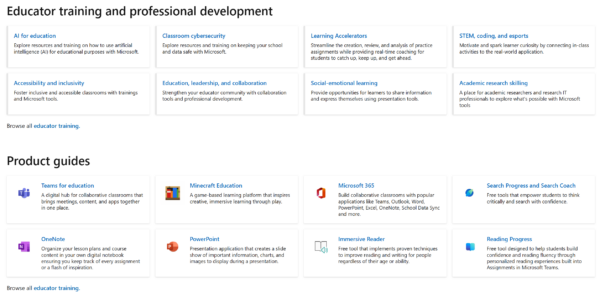
Identifying which post-conversion content to create or optimize is not a matter of guesswork; the answers reside within existing customer interactions and data streams. By systematically analyzing these sources, businesses can pinpoint genuine user friction points and information gaps.
-
Support Tickets and Customer Service Logs:
- Analysis: This is arguably the richest source of post-conversion content ideas. Analyze the most common questions, recurring issues, and points of confusion that lead users to contact support. Look for trends that indicate users are struggling with setup, understanding a specific feature, or troubleshooting a common problem. If the same issue consistently appears across multiple tickets, it’s a clear signal for the need for better, more accessible documentation.
- Action: Transform top support issues into dedicated, searchable help documents, step-by-step tutorials, or concise video guides embedded within your knowledge base or relevant product pages. For example, if many users inquire about “how to reset password,” create a clear, optimized guide for it.
-
Customer Interactions (Sales, Success, Marketing Teams):
- Analysis: Your customer-facing teams—sales representatives, customer success managers, account managers—possess qualitative insights that may not be captured in formal support tickets. They understand the nuances of why certain products or features cause confusion, or why specific steps in the buying or onboarding journey create friction. Regular feedback sessions with these teams can reveal invaluable content opportunities.
- Action: Develop content that directly addresses these insights. This could include onboarding guides that clarify initial setup, expanded documentation on underused features, or content that articulates the “aha!” moment of value derived from the purchase. Crucially, pay attention to the exact language customers use to describe their problems or desired outcomes, and incorporate that language into your content to align with their search queries.
-
Internal Search Queries (Site Search Data):
- Analysis: The search functionality on your website, particularly within a logged-in area or knowledge base, is a goldmine of explicit user intent. What users search for after they’ve converted reveals precisely what they are struggling with or trying to achieve. Platforms like Google Analytics can track internal site search behavior, providing data on top queries, queries with no results, and queries leading to high exit rates. For WordPress sites, specific plugins can provide detailed internal search analytics.
- Action: Identify top queries that either yield poor results, no results, or lead to user abandonment. Prioritize creating or improving content that directly answers these questions. Optimize the titles, headers, and metadata of existing articles to ensure the most relevant content appears first in search results.
-
Feature Usage and Product Engagement Data:
- Analysis: For software products or services, analytics platforms (e.g., Mixpanel, Amplitude, Google Analytics for website interactions) can provide data on feature adoption rates and engagement levels. Low usage of a potentially high-value feature doesn’t always indicate low interest; it might signal unclear setup instructions, poor discoverability, or an inability for users to grasp its full value.
- Action: Investigate features or products with low adoption but high potential impact. Conduct user interviews with those who do use these features successfully to understand their journey and what enabled their success. Then, build content—tutorials, use case examples, benefit-oriented guides—that helps other users achieve similar outcomes, guiding them through the setup and usage process.
Types of High-Value Content to Create (Expanded):
Once identified, the creation of specific content types becomes paramount:
- Comprehensive Help Centers and Knowledge Bases: These should be well-organized, with intuitive navigation, search functionality, and categorization. Each article should be concise, clear, and actionable.
- Step-by-Step Tutorials: Break down complex processes into digestible steps, often using screenshots, videos, or animated GIFs. Examples: “How to set up your new XYZ device,” “Guide to using advanced feature A.”
- Detailed Product Explainers: Go beyond basic features to explain the benefits and various use cases. Examples: “Maximizing productivity with [product feature],” “Unlocking the full potential of your [service].”
- Troubleshooting Guides: Address common errors and provide clear, replicable solutions. Examples: “Fixing common connection issues,” “What to do if [product] isn’t working.”
- FAQs (Post-Purchase Specific): Address questions that arise after a sale, such as “How do I return an item?”, “What’s the warranty policy?”, or “How do I update my payment method?”.
- Community Forums & Q&A Sections: Foster user interaction, where users can help each other, and brand representatives can provide official answers, creating a wealth of UGC.
- Product Care & Maintenance Guides: For physical goods, this ensures longevity and customer satisfaction. Examples: “How to clean your [product],” “Extending the life of your [item].”
- Onboarding Checklists and Guides: To ensure new users smoothly transition from conversion to active usage.
- “Getting Started” Guides: Simple, initial instructions for immediate value.
Internal Linking Strategies for Sustained Engagement

Creating high-quality post-conversion content is only half the battle; it must also be discoverable and integrated into the broader website ecosystem. Effective internal linking is crucial for both user experience and SEO. Post-conversion content should not exist in isolation but be strategically linked, surfaced, and reused across the entire site.
Key Internal Linking Tactics:
- Contextual Links within Blog Posts: When a blog post discusses a product feature, link directly to the relevant help documentation or tutorial.
- “Related Articles” Sections: Implement dynamic “related articles” suggestions at the end of help documents, guiding users to further relevant information.
- Product Pages Integration: Embed links to setup guides, FAQs, or care instructions directly on product pages, especially after a purchase.
- Transactional Email Integration: Include links to relevant help articles in order confirmation emails, onboarding sequences, or post-purchase follow-ups.
- Website Navigation: Ensure help centers and knowledge bases are easily accessible from the main navigation or footer.
- Internal Search Results: Optimize internal search to surface the most relevant post-conversion content.
- Dashboard/User Interface Links: For software products, embed contextual help links directly within the user interface, next to features or settings.
- “Read More” or “Learn More” CTAs: Use clear calls-to-action to direct users to deeper, more comprehensive content.
When executed strategically, this transforms post-conversion content into a robust internal SEO web. This not only enhances user engagement by making information readily available but also strengthens the overall authority and crawlability of the website, signaling to search engines that the site offers comprehensive value.
Why Supporting Existing Users is Good SEO and Good Business
The paradigm shift in SEO, moving beyond mere acquisition to encompass the entire customer lifecycle, is not just a trend; it’s a strategic imperative for long-term, defensible growth. If an SEO strategy solely fixates on attracting new users, it inherently leaves significant value—in terms of both organic traffic and revenue—on the table.
Post-conversion content serves as a powerful bridge, connecting users with the information they need to derive maximum value from their purchases or subscriptions. It proactively addresses potential friction points, reduces frustration, and builds enduring customer loyalty. Simultaneously, it generates a wealth of indexable, intent-driven pages that search engines can effectively surface at precisely the moments users need them most. This alignment of user needs with discoverable content is the hallmark of modern, effective SEO.
For businesses aiming to build a sustainable competitive advantage, the focus must extend beyond initial discovery. It must encompass usability, foster user confidence, and cultivate a sense of support throughout the customer journey. This holistic approach to SEO—one that prioritizes ensuring users stay and thrive, not just show up—is fundamental to building a resilient brand and achieving sustained organic growth in an increasingly crowded digital marketplace.
To initiate this strategic shift, businesses should undertake a comprehensive audit of their existing post-conversion content. This involves mapping out the critical moments and potential pain points that arise after a signup or purchase and ensuring that users receive timely, relevant support at each step. By strategically surfacing help documentation, feature guides, and tutorials where they are most needed, and by connecting these assets with clear, intentional internal links, companies can transform their SEO efforts from a mere acquisition tool into a powerful engine for retention, customer satisfaction, and ultimately, unparalleled business success. SEO, at its core, is about empowering users, building confidence, and ensuring their journey with your brand is as smooth and valuable as possible.