In the rapidly evolving digital ecosystem, blogging has transcended its origins as a personal diary to become an indispensable pillar of digital marketing and search engine optimization (SEO). Once primarily a tool for building an audience and fostering trust, the advent of artificial intelligence (AI) in search engines has fundamentally reshaped its strategic importance. Today, with AI search models capable of answering user queries directly without requiring a click, content creators face the imperative to produce posts that not only rank but genuinely distinguish themselves through unique value and profound relevance. This comprehensive guide delves into the multifaceted aspects of modern blogging, from ideation and creation to optimization, audience building, and monetization, all viewed through the critical lens of AI’s transformative impact on search.
The Foundational Role of Blogging in a Dynamic Digital Environment
At its core, blogging remains a powerful conduit for communication, brand building, and establishing authority. Regardless of a website’s primary function—be it an e-commerce platform, a personal portfolio, or a corporate informational hub—a consistent and high-quality blog is a non-negotiable asset. Beyond its inherent ability to foster engagement and community, blogging serves as a cornerstone of sustainable SEO. Search engines, particularly Google with its AI Overviews and AI Mode, increasingly prioritize content that offers clear, comprehensive, and authoritative answers to user questions. Websites neglecting a robust blogging strategy risk diminishing visibility in an AI-dominated search landscape, thereby missing crucial opportunities for audience connection and organic traffic acquisition.
Blogging as a Strategic SEO Lever in the AI Era

The synergy between blogging and SEO has never been more pronounced. Regular content additions signal to search engines that a site is active, dynamic, and relevant. This continuous stream of fresh, well-structured information is paramount for improved rankings in both traditional search results and AI-generated summaries. As AI models become more sophisticated in understanding context and intent, content that anticipates and thoroughly addresses user queries will be favored.
Historically, SEO strategies focused on keyword density and link building. While these elements retain importance, the AI shift places a premium on semantic relevance and comprehensive topical coverage. Blogging allows sites to target a broader spectrum of keywords, including long-tail and conversational queries that users might input into AI assistants. It also enables the targeting of diverse search intents—informational, navigational, commercial, and transactional—by offering detailed articles that guide users through their research journey. For instance, an e-commerce site might use blog posts to provide in-depth product reviews, how-to guides, or industry insights, capturing users early in their decision-making process before they are ready to make a purchase. This proactive engagement builds brand awareness and positions the site as an authoritative resource, which AI systems are designed to identify and promote.
Blogging as an Advanced Marketing Instrument
Beyond direct SEO benefits, a blog functions as an unparalleled marketing tool. It humanizes a brand, allowing businesses to communicate their values, share behind-the-scenes stories, and showcase customer experiences in a narrative format that resonates far more deeply than traditional advertisements. In an age where consumers seek authenticity and trust, a blog provides a platform for genuine connection. Industry statistics consistently demonstrate that companies with blogs generate significantly more leads and inbound links than those without. For example, a 2023 HubSpot report indicated that marketers who prioritize blogging are 13x more likely to see a positive ROI.
In the context of AI search, this authentic engagement is amplified. AI models are trained on vast datasets of human interaction and content, making them adept at discerning quality, authority, and trustworthiness. Brands that consistently publish high-quality, user-centric content are more likely to be recognized and cited by AI-powered search results, further solidifying their market position. As Carolyn Shelby, Principal SEO at Yoast, aptly states, “A blog isn’t valuable just because it exists. It becomes valuable when it helps your audience solve problems, understand something better, or see your expertise in action. In today’s search landscape, the goal isn’t simply to publish, or even to publish more. It’s to create content worth being found, cited, and remembered.” This underscores the shift from mere content generation to the creation of truly impactful, memorable narratives.

Establishing a Robust Blog Foundation for Longevity
The journey to a successful blog begins with meticulous planning. In the AI era, this preparatory phase is more critical than ever, as AI systems favor well-organized, intent-driven content. Key initial steps include:
- Niche Definition: Clearly defining a blog’s niche ensures focus and attracts a dedicated audience. A well-defined niche allows for deeper exploration of topics, establishing the blog as an expert resource, which is highly valued by AI search algorithms looking for E-E-A-T (Experience, Expertise, Authoritativeness, Trustworthiness).
- Comprehensive Keyword Research: Beyond traditional keyword volume, modern keyword research must encompass conversational queries, user questions, and semantic clusters. AI search tools excel at understanding natural language, so content that aligns with how people actually speak and ask questions will perform better. This involves identifying not just individual keywords but the overarching topics and subtopics that a target audience cares about.
- Strategic Site Structure: A logical and intuitive blog structure is crucial for both user experience and search engine crawlability. This involves mapping out categories, subcategories, and cornerstone content—pillar pages that serve as comprehensive guides to a broad topic, linking to more detailed sub-articles. A strong internal linking strategy, connecting related posts, further enhances navigability and distributes link equity, signaling the hierarchical importance of content to AI systems. A well-structured site makes it easier for AI to understand the relationships between different pieces of content and present coherent summaries to users.
Crafting High-Quality Content: Originality and Readability as Imperatives
The cornerstone of any successful blog is the quality of its content. In the AI era, two aspects have gained paramount importance: originality and readability.
- Original Content: With the proliferation of AI-generated text, search engines are increasingly sophisticated at identifying and de-prioritizing generic or repetitive content. Google has explicitly warned against “commodity content” that merely rehashes existing information without adding novel value. To stand out, blog posts must offer fresh perspectives, unique insights, original research, or distinct angles. This means focusing on what makes a brand or individual unique, even within a crowded niche. AI cannot replicate genuine human experience, deep expertise, or authentic storytelling, making these elements critical differentiators for content that aims to be found, cited, and remembered.
- Readable Content: Regardless of how profound the content, if it’s not easily digestible, it will fail to engage. Readability impacts both human readers and AI systems. Well-structured, clearly written text with logical paragraphs, appropriate subheadings, and a natural flow improves user engagement metrics (time on page, bounce rate), which are signals AI considers. Short sentences, clear language, and the strategic use of transition words make content scannable and understandable, enabling AI to extract key information more efficiently for summaries and direct answers.
Practical Strategies for Exceptional Blog Post Creation:

- Pre-Writing Planning: Before typing a single word, define the target audience, the post’s core message, desired reader actions, and the logical flow of topics. This structured approach ensures clarity and saves time.
- Clear Paragraph Construction: Each paragraph should begin with its most important sentence, followed by supporting details or elaborations. This “inverted pyramid” style allows for easy skimming by both readers and AI. Paragraphs should be concise, ideally seven to eight sentences, and free of jargon.
- Leveraging AI Tools and Human Feedback: While AI content generation tools can assist with outlines or initial drafts, human oversight is indispensable. Tools like Yoast SEO’s readability analysis help refine text, flagging long sentences or suggesting transition words. Yoast AI Optimize (for Premium users) further refines writing. However, the critical step remains human proofreading. A fresh pair of eyes can identify ambiguities, typos, and ensure the message resonates authentically.
Optimizing for Search Engines: The Post-Writing Enhancement
Once a blog post is crafted with originality and readability, the final step is strategic optimization for search engines. This is not about “gaming the system” but about ensuring that genuinely valuable content is discoverable. SEO should always enhance, not compromise, the user experience or content integrity.
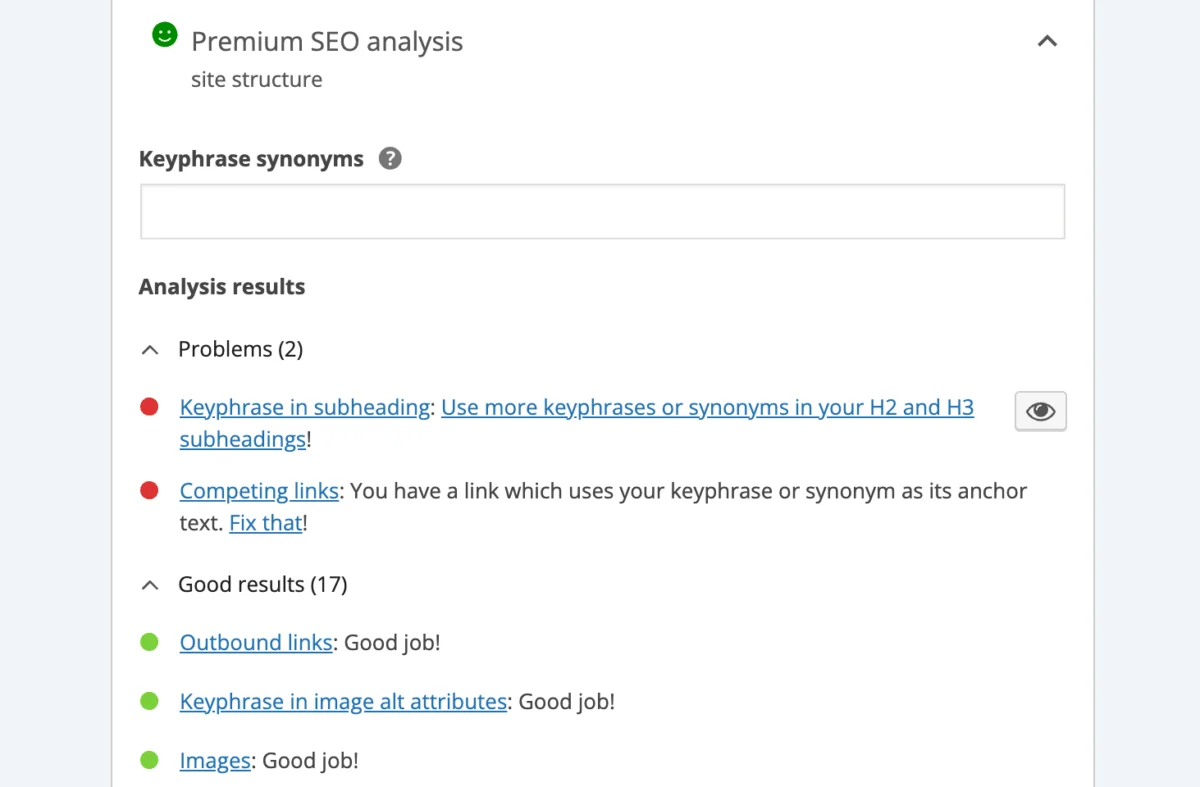
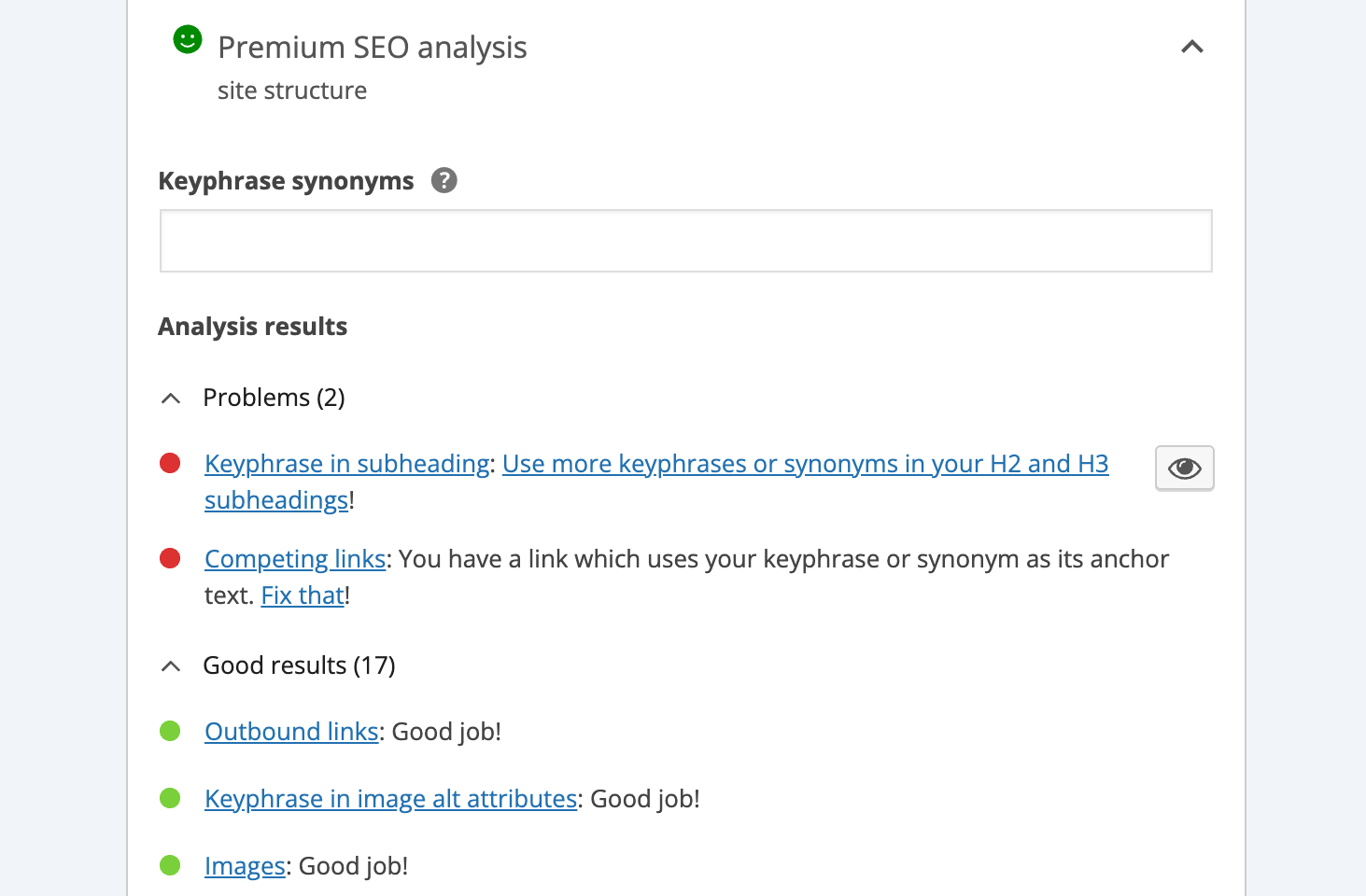
- Yoast SEO and AI Integration: Tools like Yoast SEO provide actionable insights to fine-tune posts. This “Yoast your post” process involves making smart adjustments based on real-time feedback. For instance, it can guide users on optimal keyword placement, internal linking, meta descriptions, and title tags. In an AI-driven search environment, these optimizations help AI models better understand the context and relevance of a page, increasing its chances of appearing in AI Overviews or being cited in conversational search results. Yoast AI Content Planner, for Premium users, exemplifies this by scanning existing content, identifying gaps, and generating tailored post ideas with ready-to-use draft frameworks, including titles, outlines, focus keyphrases, meta descriptions, and section notes. This blend of AI-powered assistance and human editorial control is the future of content optimization.
Fostering Blog Engagement and Community
Engagement is a powerful signal of content quality and relevance. Comments, social media shares, and online discussions indicate an active and valued blog, which AI systems interpret as a sign of authority and trustworthiness.
- Responsive Interaction: Actively replying to comments, answering questions, and participating in discussions demonstrates a brand’s commitment to its audience. This reciprocal interaction builds community and encourages repeat visits. Even negative comments, when handled professionally and constructively, can enhance a brand’s reputation for transparency.
- Beyond Comments: Engagement extends to citations and mentions, even without direct links. When other authoritative sources reference a blog’s content, it signals expertise, which AI algorithms factor into their ranking assessments.
Strategic Blog Marketing and Monetization
Creating great content is only half the battle; ensuring it reaches the right audience is equally crucial.
- Multi-Channel Promotion: Social media platforms (Facebook, X, Reddit, Instagram, TikTok) are essential for extending reach and driving traffic. Tailoring content for different platforms, such as short-form video for Instagram Reels or TikTok, can significantly amplify visibility. Email newsletters remain a potent tool for direct audience engagement, offering a direct line of communication independent of algorithm changes.
- Monetization Avenues: While many bloggers prioritize community or expertise, monetization strategies include:
- Affiliate Marketing: Promoting products or services from other companies for a commission.
- Advertising: Displaying ads through networks like Google AdSense.
- Sponsored Content: Collaborating with brands for paid posts or reviews.
- Selling Digital Products: E-books, courses, templates, or premium content.
- Selling Physical Products: Directly linking to an online shop’s offerings.
- Consulting/Services: Using the blog as a platform to attract clients.
- Donations/Crowdfunding: Direct support from readers.
A blog can significantly boost an online shop’s rankings by attracting organic traffic and strategically linking to product pages, thereby driving direct sales.
Sustaining Blog Growth: Challenges and Proactive Solutions
Maintaining a blog’s relevance and performance requires ongoing discipline and strategic adjustments. Consistency in publishing frequency builds audience trust, but growth introduces new complexities.
- Content Maintenance Strategy: Regularly updating old content to ensure accuracy, freshness, and continued relevance is vital. AI search favors up-to-date information, making content audits and refreshes a critical task.
- Managing Multiple Authors: For growing blogs, clear editorial guidelines, style guides, and content planning tools (like editorial calendars or the Yoast AI Content Planner) are essential to maintain a consistent brand voice and quality across different contributors.
- Addressing Traffic Declines: Proactive SEO audits, competitive analysis, and content performance reviews help identify the causes of traffic drops and inform corrective strategies, such as optimizing underperforming posts or developing new content pillars.
- Evolving Site Structure: As a blog expands, its structure must adapt. Implementing topic clusters, where a central “pillar page” links to multiple related “cluster content” articles, helps organize vast amounts of information. Regular internal link audits and strategic pruning of low-value content prevent bloat and maintain an SEO-friendly architecture.
- Avoiding Keyword Cannibalization: A common challenge for mature blogs is keyword cannibalization, where multiple posts inadvertently compete for the same keywords, confusing search engines and diluting ranking potential. Regular SEO audits are crucial to identify and resolve these issues, often by consolidating content or refining focus keyphrases for individual articles.
Conclusion
Blogging in the AI era is more than just publishing; it’s a strategic endeavor that demands foresight, creativity, and adaptability. It remains one of the most powerful tools for growing a website, enhancing search visibility, and converting casual visitors into loyal followers. To thrive, content creators must embrace a strategy that begins with meticulous keyword research, prioritizes original and readable content tailored for AI search algorithms, and employs robust optimization tools. Consistent engagement with the audience and proactive content maintenance are equally critical for long-term success. By adhering to these principles, businesses and individuals can build blogs that not only rank prominently but also deliver tangible value and cultivate lasting connections in a digital world increasingly shaped by artificial intelligence.