The digital landscape for content creators has undergone a profound transformation, elevating blogging from a mere online diary to an indispensable strategic imperative for businesses, brands, and individuals alike. In an era where artificial intelligence (AI) fundamentally reshapes how users discover information, merely publishing content is no longer sufficient; posts must distinguish themselves to capture attention and build lasting trust. The fundamental questions for modern bloggers — where to begin, what to write, and how to cultivate a loyal readership — now carry an unprecedented urgency as AI-powered search engines redefine visibility. This comprehensive analysis delves into the multifaceted aspects of contemporary blogging, from unearthing compelling inspiration and crafting superior content to optimizing for advanced search algorithms, fostering vibrant communities, and exploring effective monetization pathways.
The Strategic Imperative of Blogging in the AI Era
For any online entity, be it an e-commerce storefront, a personal portfolio, or a corporate website, consistent blogging has become a non-negotiable component of a robust digital strategy. Beyond its intrinsic value as a platform for expression, blogging serves as a cornerstone for search engine optimization (SEO) and a potent marketing instrument. Google’s introduction of AI Overviews (formerly Search Generative Experience, or SGE) and similar AI search platforms marks a significant paradigm shift. These systems prioritize content that offers clear, comprehensive, and authoritative answers to user queries, often summarizing information directly in search results before a user even clicks. Consequently, websites that neglect blogging risk ceding crucial visibility in the evolving search ecosystem and failing to establish meaningful connections with their target demographic.
Historically, blogging emerged in the late 1990s and early 2000s primarily as personal online journals. By the mid-2000s, with the rise of Web 2.0 and platforms like WordPress, it began evolving into a powerful tool for businesses and thought leaders to disseminate information and engage with audiences. The subsequent decades saw blogging become intrinsically linked with SEO, as search engines increasingly rewarded fresh, relevant content. Major Google algorithm updates like Panda (2011), Penguin (2012), Hummingbird (2013), RankBrain (2015), BERT (2019), and MUM (2021) progressively emphasized content quality, semantic understanding, and user intent, laying the groundwork for the current AI-driven search environment. The integration of generative AI into search results, initially rolled out more broadly in 2024, represents the latest evolutionary leap, demanding a re-evaluation of content creation strategies.
Blogging as an SEO Cornerstone
Regular content addition is fundamental to any sustainable SEO strategy. Search engines, particularly those leveraging AI, interpret consistent updates as signals of an active, vibrant, and relevant online presence. These signals are critical for improving page rankings in both traditional organic listings and AI-generated summaries. Reports indicate that companies that blog generate significantly more inbound leads (e.g., 67% more, according to HubSpot data) compared to those that don’t, largely due to enhanced SEO performance.
Blogging expands a website’s footprint by enabling it to rank for a broader spectrum of keywords and maintain visibility for existing ones. With AI search favoring fresh, well-structured, and semantically rich content, regular updates ensure competitive positioning. A blog provides a versatile avenue to address diverse search intents — whether users are seeking informational answers, comparing products, or looking for solutions. Understanding and aligning content with these intents is paramount for capturing traffic in an AI-dominated search landscape. For instance, a detailed "how-to" guide on a specific topic can cater to informational intent, while a comparative review post might address commercial investigation intent.
Blogging as a Potent Marketing Instrument

Beyond SEO, a blog functions as one of the most effective marketing tools available. It allows brands to tell their story, showcase their values, and build a relationship with potential customers that extends beyond transactional pitches. Data consistently shows that consumers are more likely to trust brands that provide valuable, non-promotional content. People remember narratives, experiences, and solutions far more vividly than advertisements. By sharing behind-the-scenes insights, customer success stories, or expert perspectives, blogs foster authenticity and trust, which are increasingly prioritized by AI search algorithms that evaluate brand authority and user engagement.
Not every website visitor is immediately ready to convert. A high-quality blog post offering useful, relevant information can significantly influence future purchasing decisions. It positions the brand as an authority and a helpful resource, increasing the likelihood of recall and conversion when the user is ready to make a decision. In a landscape where AI tools are trained on vast datasets of human interaction and preference, authentic engagement and established brand recognition are powerful differentiators. As Carolyn Shelby, Principal SEO at Yoast, aptly states, "A blog isn’t valuable just because it exists. It becomes valuable when it helps your audience solve problems, understand something better, or see your expertise in action. In today’s search landscape, the goal isn’t simply to publish, or even to publish more. It’s to create content worth being found, cited, and remembered."
Foundational Steps: Setting Up a New Blog for Success
The initial planning phase for a new blog is crucial, particularly as AI search rewards well-organized, intent-driven content. A little foresight can prevent significant challenges later. This involves a thorough exploration of the blog’s niche and meticulous keyword research. The focus should extend beyond mere search volume to encompass topics that genuinely resonate with the target audience, addressing their questions, pain points, and aspirations.
Establishing a clear and manageable blog structure from the outset is equally vital. A logical information architecture, comprising well-defined categories, subcategories, and tags, facilitates navigation for both human readers and search engine crawlers, thereby enhancing engagement and ranking potential. This foundational work includes mapping out cornerstone topics, which are comprehensive, authoritative pieces that serve as central hubs for related content, and developing a robust internal linking strategy. A strong structural foundation ensures adaptability as AI search capabilities continue to evolve.
Crafting Compelling Content: What to Blog About
Sustaining a successful blog necessitates a continuous flow of fresh ideas. Whether blogging is the primary purpose of a site or a supportive marketing tool, strategic topic selection is paramount. Inspiration can be drawn from numerous sources, but the audience’s needs must remain at the forefront.
Advanced Keyword Research for AI Search: The first step in content creation remains sophisticated keyword research. This involves delving into the language and queries used by the target audience. In the age of AI, this extends beyond single keywords to encompass longer phrases, natural language questions, and conversational queries that users might pose to AI assistants or search tools. Integrating these precise terms into content signals relevance to both traditional search engines and AI-powered results. Tools that analyze semantic relationships and related queries are becoming increasingly valuable in this context.
Targeting Search Intent with Precision: As keyword research progresses, understanding the underlying search intent is critical. Users approach search engines with specific goals – to learn, to compare, to buy, or to find a specific website. AI search platforms, such as Google’s AI Overviews, are designed to directly match these intents. For instance, an e-commerce site’s product pages target commercial or transactional intent, while informational blog posts can attract a broader audience in the earlier stages of their research journey. By providing relevant, helpful articles, businesses can engage potential customers long before they are ready to make a purchase, guiding them through the sales funnel.

Diverse Sources of Inspiration: Ideas for blog posts are everywhere. Current events, industry trends, personal work experiences, and direct feedback from readers (e.g., frequently asked questions in customer support or comments on previous posts) are invaluable. Extensive reading of industry publications, news outlets, and competitor blogs can spark new angles. While AI platforms and large language models (LLMs) like ChatGPT, Gemini, Perplexity, or Claude can serve as powerful brainstorming aids, they should be used to generate initial ideas or outlines, not to produce final, unedited content. Tools like Yoast AI Brand Insights can even help analyze how a brand appears in chatbots, offering unique perspectives for content strategy. Analyzing website analytics to identify high-performing posts and topics that resonate most with the audience is also a smart strategy, allowing bloggers to double down on what works. Keeping a running list of ideas on a mobile device ensures that inspiration, whenever it strikes, is captured.
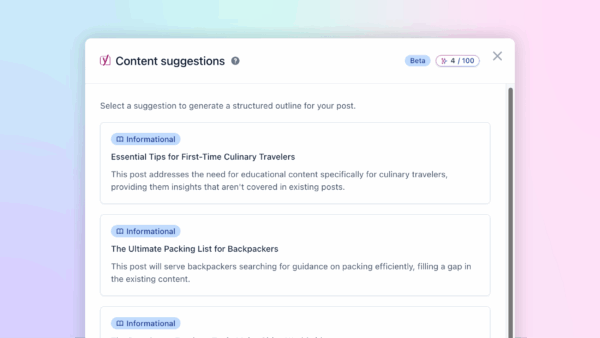
AI-Assisted Content Planning: To combat writer’s block and streamline the content creation process, innovative tools like the Yoast AI Content Planner offer significant advantages for premium users. By scanning existing content, this tool identifies gaps and generates five tailored post ideas, each accompanied by a ready-to-use draft framework. This framework includes a suggested title, outline, focus keyphrase, meta description, and section notes, effectively jumpstarting the writing process. This integration into the WordPress editor allows content creators to move from a blank page to a first draft in minutes, leveraging AI as a productivity enhancer rather than a content generator.
The Pillars of High-Quality Blog Posts: Originality and Readability
The cornerstone of any successful blog in the current digital climate lies in the dual attributes of originality and readability.
Unwavering Originality: Every blog post must offer fresh, unique, and valuable insights. In an environment saturated with content, especially with the proliferation of AI-generated text, generic or repetitive articles will be overlooked by both users and AI search systems. Google has explicitly warned against "commodity content" that merely rehashes existing information without adding value. The emphasis is now firmly on E-E-A-T (Experience, Expertise, Authoritativeness, Trustworthiness). Content that demonstrates real-world experience, deep expertise, established authority, and verifiable trustworthiness will be prioritized. This means offering a unique perspective, solving a problem in an innovative way, or presenting information with a level of depth and nuance that AI cannot replicate. Human expertise and unique insights are the ultimate differentiators.
Prioritizing Readability: Beyond originality, content must be effortlessly readable. Readability directly impacts user experience; a well-structured, clearly written text ensures that the message is understood. This also has significant SEO implications, as Google’s AI tools favor content that is easy to scan, digest, and summarize. Posts with a clear hierarchical structure (using headings and subheadings), logical paragraph flow, and concise language are more likely to rank higher. Studies suggest that web users scan content, often reading only 20-28% of the words on a page. Therefore, scannable content is not just a nicety but a necessity for engagement.
Practical Tips for Crafting Superior Blog Posts:
- Strategic Planning Before Writing: Before typing a single word, dedicate time to outlining. Define the target audience, the core message, the desired reader takeaway, and the logical progression of topics. This upfront planning ensures focus and efficiency.
- Concise and Clear Paragraphs: Each paragraph should begin with its most important sentence, followed by supporting explanations or expansions. This "inverted pyramid" style allows readers and AI systems to grasp key points quickly. Paragraphs should be short (typically 5-7 sentences) and flow logically. Complex jargon should be avoided in favor of simpler, direct language.
- Leveraging Tools and Feedback: Tools like the Yoast SEO plugin are invaluable for improving readability, checking for long sentences, and suggesting transition words. For Yoast SEO Premium users, AI features like Yoast AI Optimize can further refine writing. However, technology is a complement, not a substitute, for human review. Always have a fresh pair of eyes proofread content to catch errors and ensure clarity. If a proofreader struggles, the audience will too.
Optimizing for Search Engines: The Final Polish
Once a blog post is original, valuable, and highly readable, the final step is to optimize it for search engines. This process, which Yoast refers to as "Yoasting your post," involves making intelligent adjustments to maximize visibility without compromising content quality. SEO should always enhance, not dictate, originality and readability.
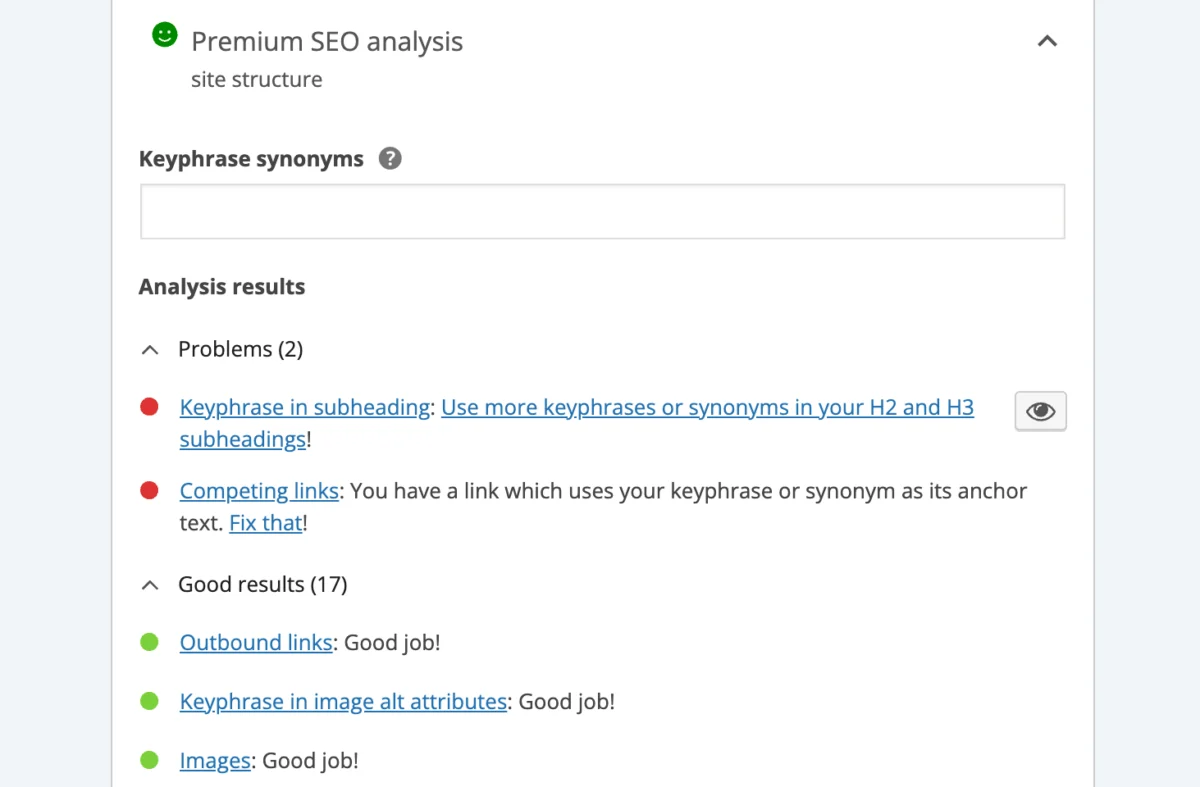
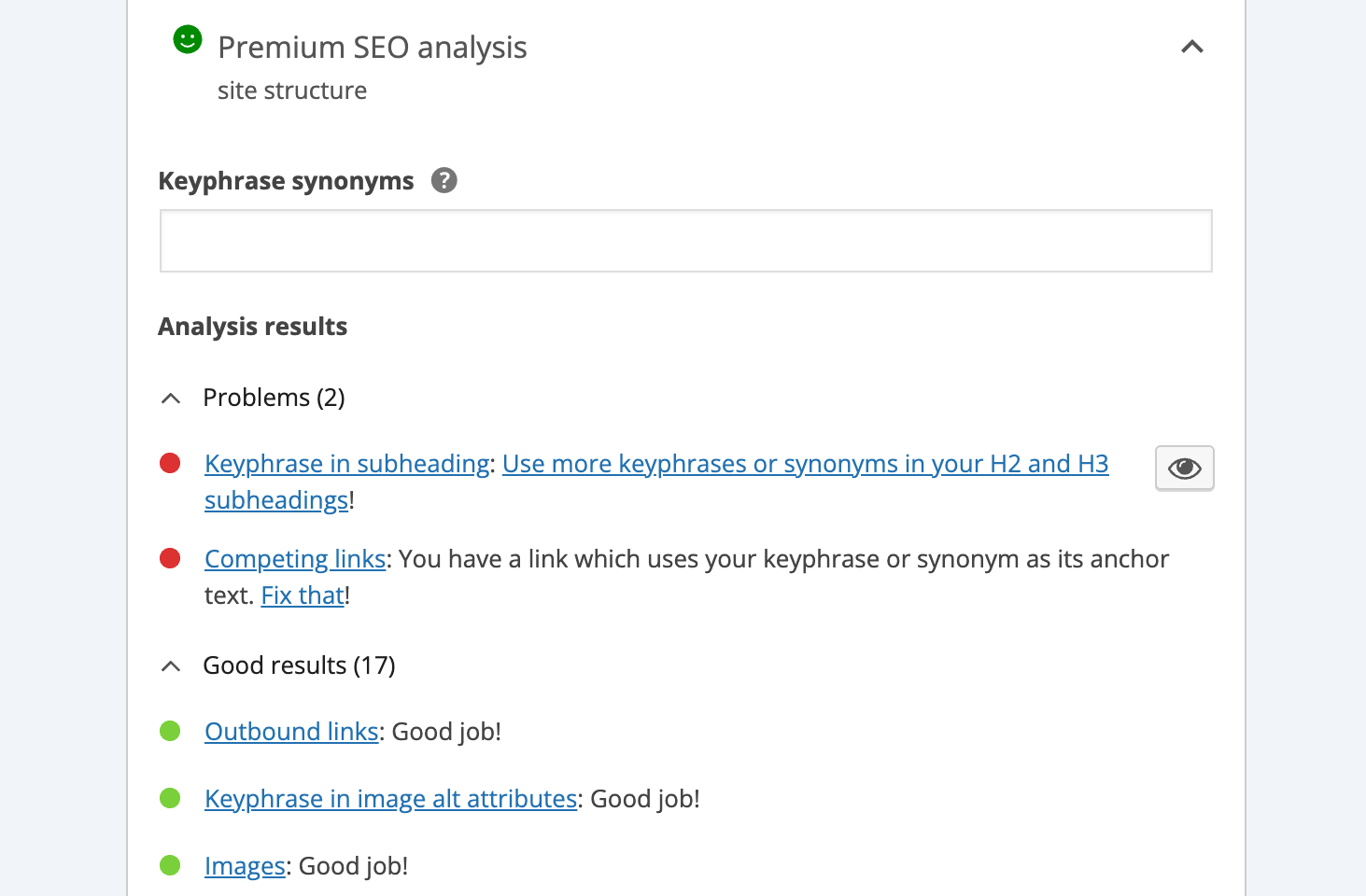
How Yoast SEO Assists: Yoast SEO provides a suite of tools to fine-tune posts. It offers real-time analysis for keyword usage, readability, internal linking suggestions, and checks for elements like title tags, meta descriptions, and image alt text. These small, smart adjustments are crucial for improving how search engines, including AI-powered ones, interpret and rank content. It’s a continuous process of refinement, not a one-time setup.
Fostering Blog Engagement and Community
Blog engagement is a critical SEO factor and a powerful driver of audience loyalty. When readers leave comments, share posts on social media, or discuss content online, it signals to search engines that the blog is active, authoritative, and valuable. This engagement translates into increased traffic and improved rankings. Beyond comments and shares, citations (when other sites reference content) and mentions (even without direct links) further bolster authority and trust, which AI systems are increasingly adept at recognizing.
Responding to comments is essential for building a vibrant community. Engaging in discussions and answering questions demonstrates that the blogger values their audience, encouraging further interaction. While positive feedback is gratifying, negative comments require a professional and constructive approach. Effective moderation and thoughtful responses can turn potential detractors into loyal followers.
Strategic Marketing for Broad Reach
Even the most impeccably written and optimized blog needs an audience. While strong SEO ensures discoverability, proactive marketing amplifies reach.
Harnessing Social Media and Newsletters: Social media platforms are indispensable for connecting with audiences and driving traffic. The strategy should be tailored to the target demographic; while Facebook and X (formerly Twitter) remain important, platforms like Instagram and TikTok are crucial for younger audiences, with short-form video content like Reels and TikToks offering immense potential for virality and reach. Repurposing blog content into digestible social media snippets is an effective tactic.
Newsletters create a direct, owned channel to the audience, independent of algorithm changes. Collecting email subscribers and sending regular updates with new posts, exclusive insights, special offers, or behind-the-scenes content fosters a strong sense of community and ensures repeat visits. Email marketing consistently boasts one of the highest ROIs in digital marketing, with estimates often exceeding 4000%.
Monetizing Your Blog: While many bloggers prioritize community building or sharing expertise, monetization is a viable goal. Effective strategies include:
- Affiliate Marketing: Earning commissions by promoting products or services from other companies.
- Advertising: Displaying ads through networks like Google AdSense or directly selling ad space.
- Selling Digital Products: Creating and selling e-books, online courses, templates, or premium content.
- Offering Services: Using the blog as a platform to market consulting, coaching, or freelance services.
- Sponsored Content: Partnering with brands to create sponsored posts or reviews.
- E-commerce Integration: For online shops, a blog can significantly boost rankings by attracting organic traffic and strategically linking to product pages.
Sustaining Growth: Maintaining a Blog Over Time
Starting a blog is often easier than maintaining it. Consistency is paramount; while daily posts aren’t necessary, establishing a regular publishing schedule and adhering to it builds audience trust and expectation. This requires discipline and a robust content maintenance strategy. As a blog expands, new SEO challenges emerge, including managing content freshness, overseeing multiple authors, addressing traffic declines, and preserving site structure.
Addressing Common Challenges:
- Site Structure: Regularly analyzing and optimizing the blog’s information architecture is crucial. Organizing content into logical categories, subcategories, and topic clusters (where comprehensive pillar pages link to numerous related sub-articles) enhances user navigation and aids AI in understanding semantic relationships. Consistent internal linking, where new posts link to relevant older content and vice-versa, strengthens topical authority. For large, evolving blogs, content pruning—deleting or redirecting low-value, outdated content—is essential for maintaining a clean and SEO-friendly structure.
- Content Planning: Moving from spontaneous posts to strategic content planning is vital for growing blogs. Editorial calendars, which map out topics, deadlines, and authors, prevent duplication and ensure a consistent tone. Tools like the Yoast AI Content Planner support this by suggesting ideas. Regular content audits help identify gaps and adapt to emerging trends, keeping the blog relevant and valuable.
- Avoiding Content Cannibalization: This occurs when multiple articles on a blog compete for the same or very similar keywords, confusing search engines and diluting ranking potential. Regular SEO audits are necessary to identify and resolve cannibalization issues, often by merging similar posts, differentiating their intent, or using canonical tags.
Conclusion
Blogging remains one of the most powerful tools for digital growth, boosting search visibility, fostering brand loyalty, and converting visitors into dedicated followers. However, its effectiveness in the age of AI search hinges on a nuanced approach that blends human creativity with strategic optimization. Success demands a well-defined keyword strategy that anticipates audience queries, a commitment to crafting original and highly readable content that satisfies E-E-A-T principles, and a continuous effort to engage with and grow the audience. By leveraging smart planning tools, adhering to SEO best practices, and consistently delivering value, bloggers can build platforms that not only rank high but also resonate deeply, driving real impact in the evolving digital landscape. The future of blogging is not about competing with AI, but rather, about harnessing its capabilities to amplify human insight and connection.