The Rapid Rollout: A Timeline of the June 2026 Spam Update
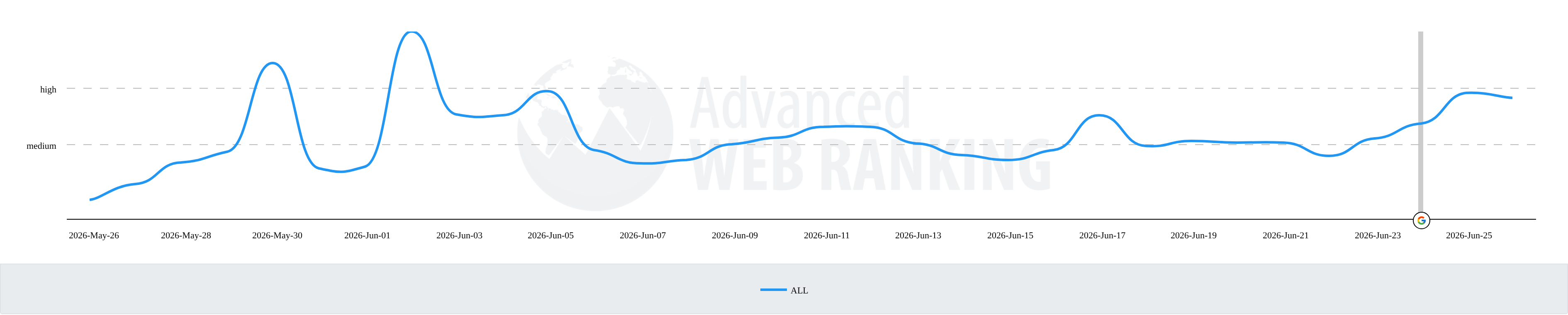
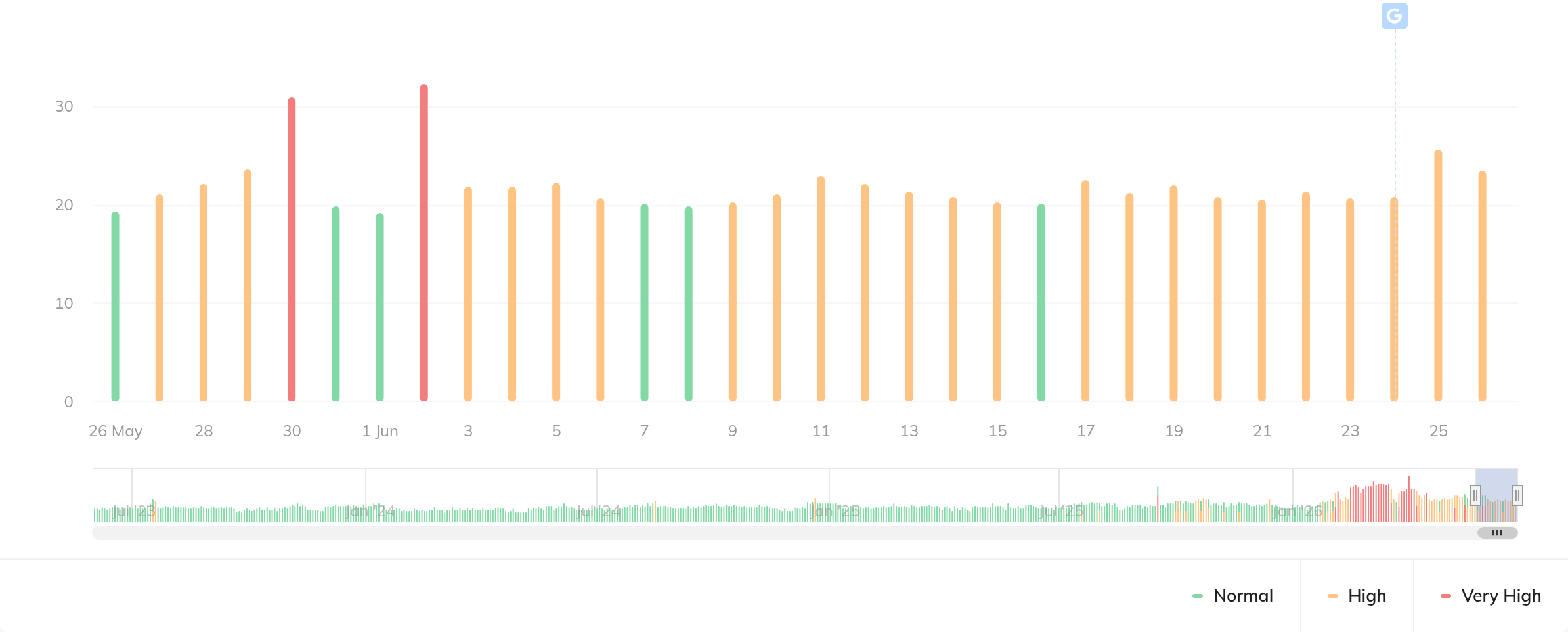
The June 2026 spam update distinguished itself with its compressed rollout period. Spanning just over 48 hours, from Wednesday afternoon to Friday afternoon Eastern Time, the update’s deployment was remarkably quick compared to many previous Google algorithm changes, which often take weeks to fully propagate across Google’s vast index. This swiftness contributed to the immediate and pronounced effects reported by webmasters and tracked by third-party SEO tools.
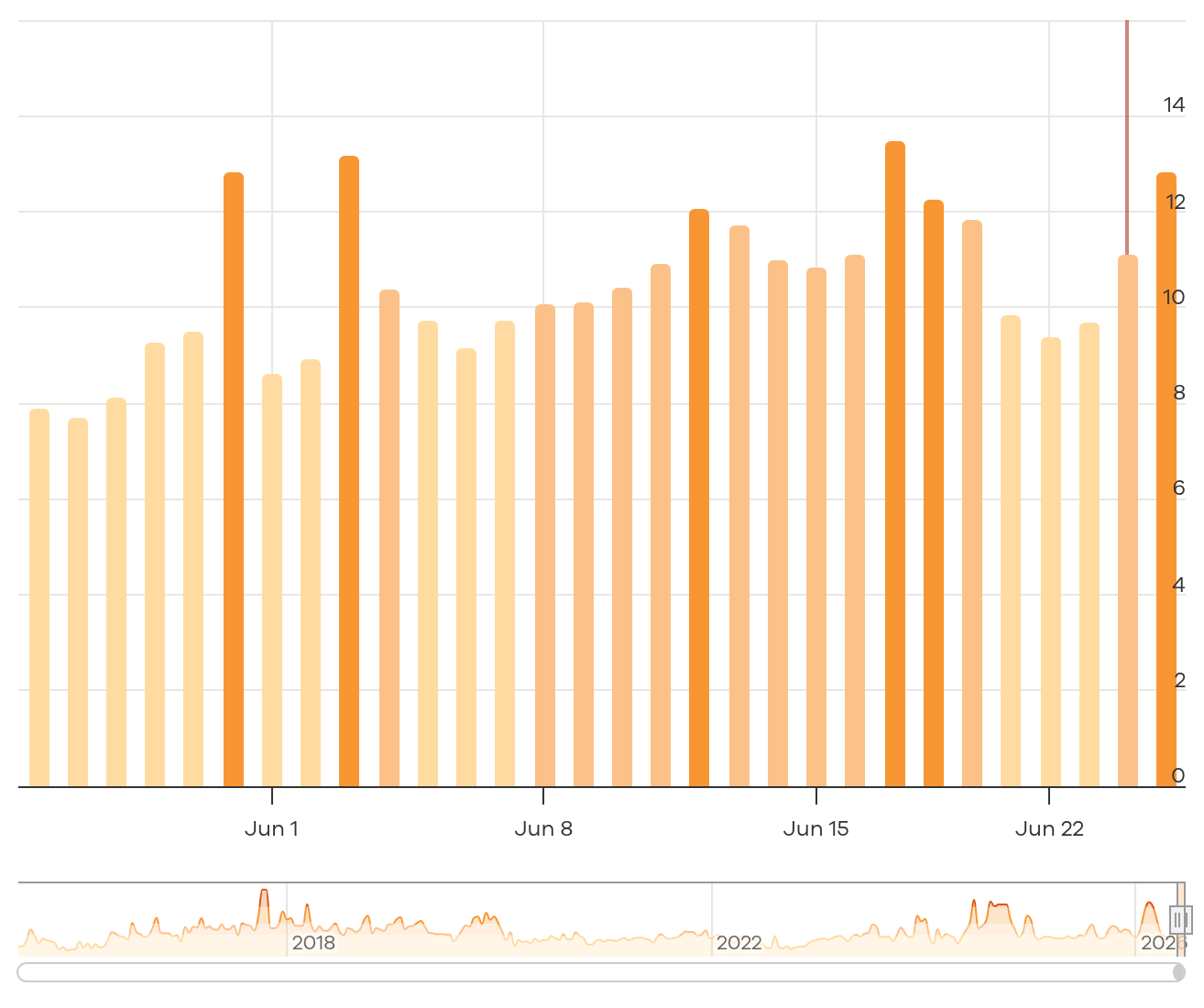
Interestingly, several SEO professionals voiced an anecdotal sense that the update’s effects began to manifest even before Google’s official announcement. This pre-announcement volatility might be attributed to various factors, including localized initial testing phases, the gradual propagation of algorithmic changes across different data centers, or a heightened sensitivity within the SEO community to even minor shifts following recent significant updates. Google’s formal communication regarding the update remained concise: “This is a normal spam update, and it will roll out for all languages and locations.” The company also directed users to its comprehensive spam update help documentation, a standard practice aimed at providing guidance on its anti-spam efforts.
Understanding Google’s Commitment to Search Quality
Google’s continuous deployment of spam updates underscores its unwavering commitment to maintaining the integrity and relevance of its search results. Spam updates are specifically designed to combat various forms of manipulative tactics and low-quality content that seek to artificially inflate rankings, thereby degrading the user experience. These updates target a broad spectrum of practices, including:
- Pure spam: Such as keyword stuffing, cloaking, automatically generated content, and scraped content.
- Link spam: Artificial link-building schemes intended to manipulate PageRank.
- Deceptive content: Content designed to mislead users or provide little to no value.
- Aggressive monetization: Overly intrusive ads or affiliate links that detract from content quality.
- Hacked content: Compromised websites hosting malicious or spammy pages.
The overarching goal of these updates is to ensure that users are presented with the most helpful, reliable, and high-quality information available. By linking to its spam update help documentation, Google implicitly reminds webmasters of its long-standing guidelines, emphasizing the importance of creating valuable, user-centric content rather than attempting to game the system through illicit SEO tactics. In an increasingly complex digital ecosystem, where AI-generated content and sophisticated spam techniques are on the rise, Google’s vigilance through such updates is more critical than ever.
Third-Party Tools Confirm Widespread Volatility
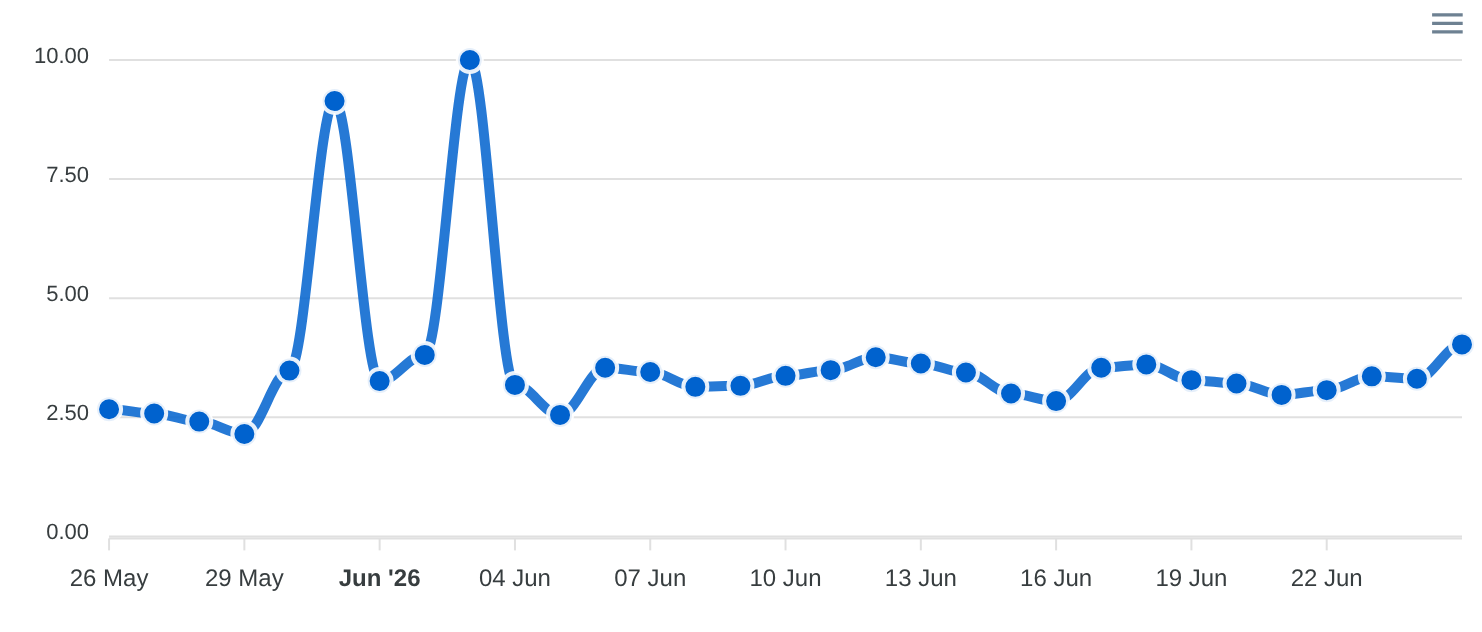
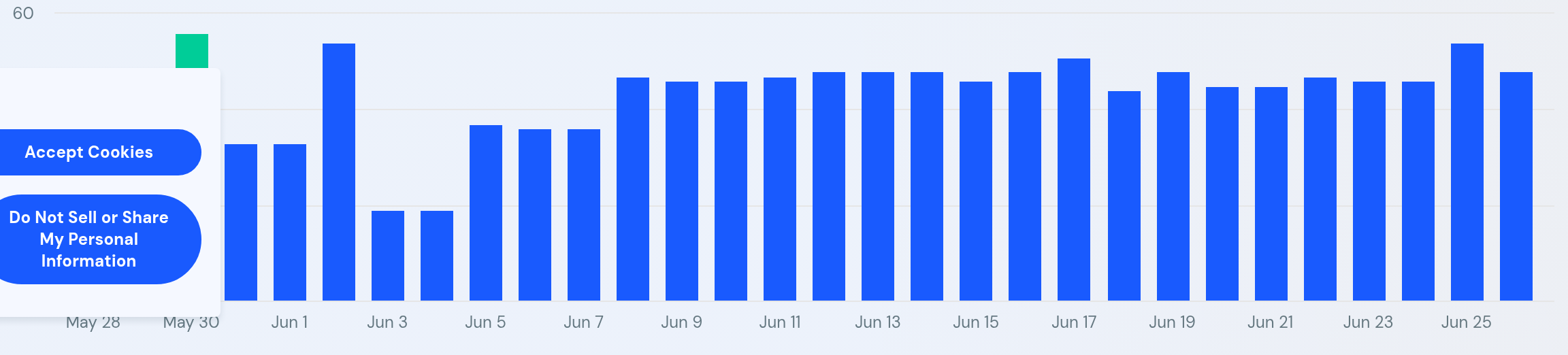
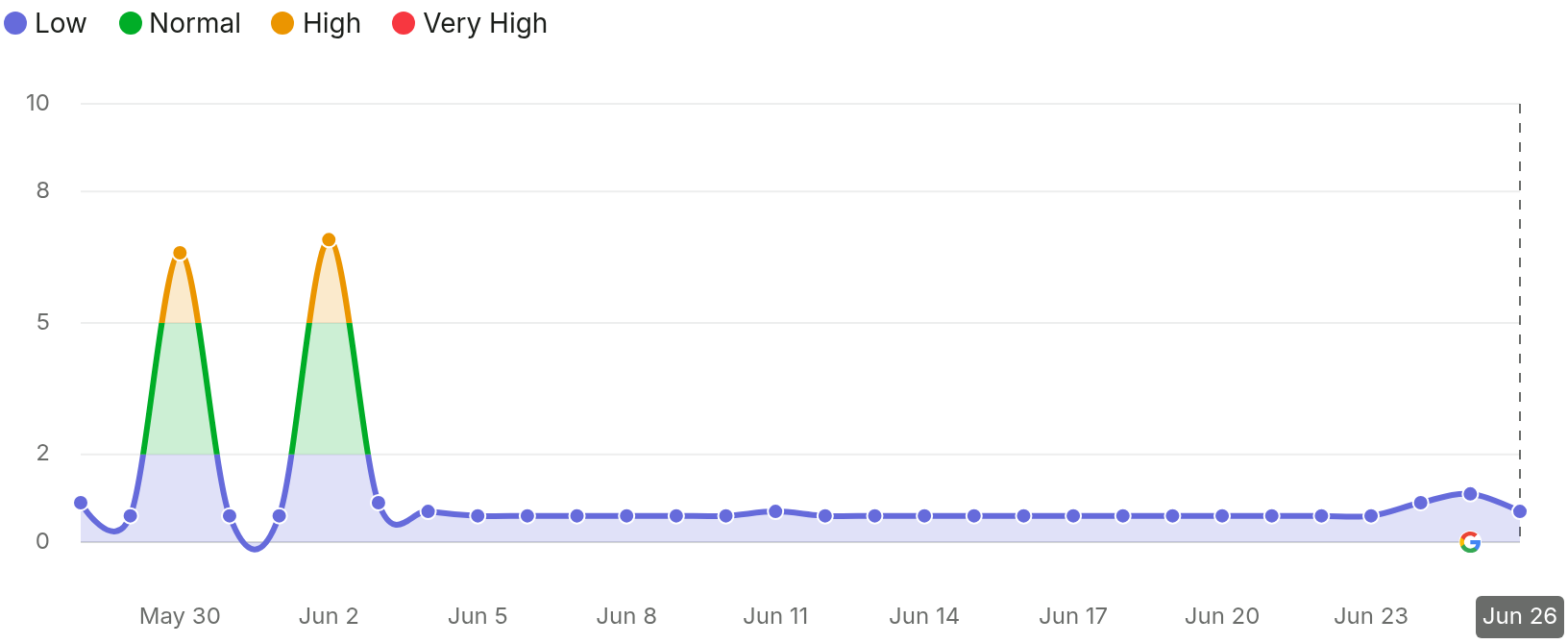
Despite Google’s “normal spam update” descriptor, the collective data from leading third-party SEO tracking tools painted a picture of significant and widespread volatility across search engine results pages (SERPs). These tools, which monitor ranking fluctuations across millions of keywords and websites, provide an independent barometer of algorithm activity.
- AWR (Advanced Web Ranking): Showed notable spikes in its volatility index, indicating a turbulent period for many websites.
- AccuRanker Grump: Registered elevated “grump” levels, suggesting increased instability in rankings, particularly around the core rollout dates.
- Algoroo: While some days showed lower activity, Algoroo’s metrics also reflected the general turbulence, with fluctuations correlating with the update’s timeline.
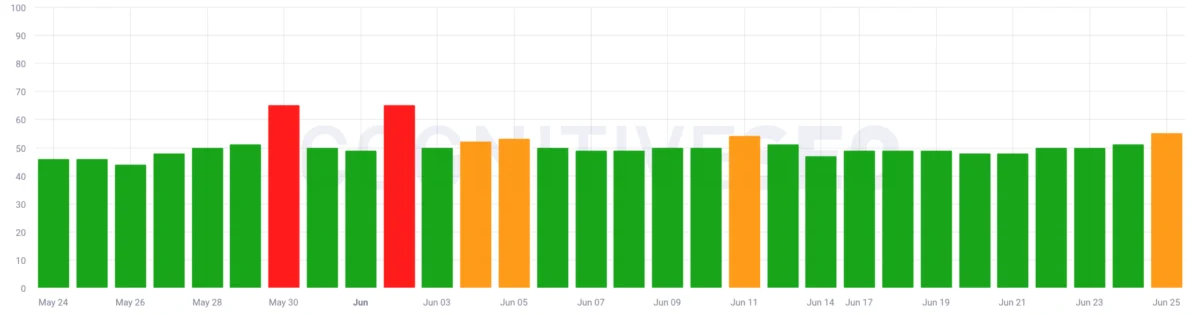
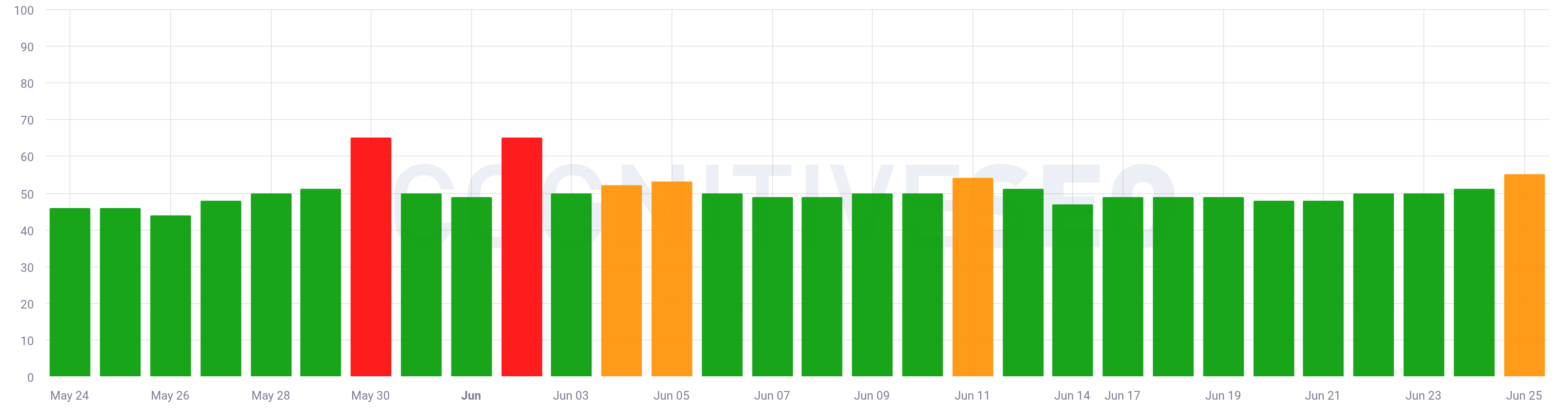
- CognitiveSEO: Reported increased “signals” of algorithm activity, particularly leading up to and during the initial phase of the update.
- DataForSEO SERP Volatility: Displayed significant peaks, highlighting substantial shifts in ranking positions across various niches and geographical locations.
- Mangools SERPWatcher: Recorded heightened instability, indicating that many websites experienced rapid changes in their visibility.
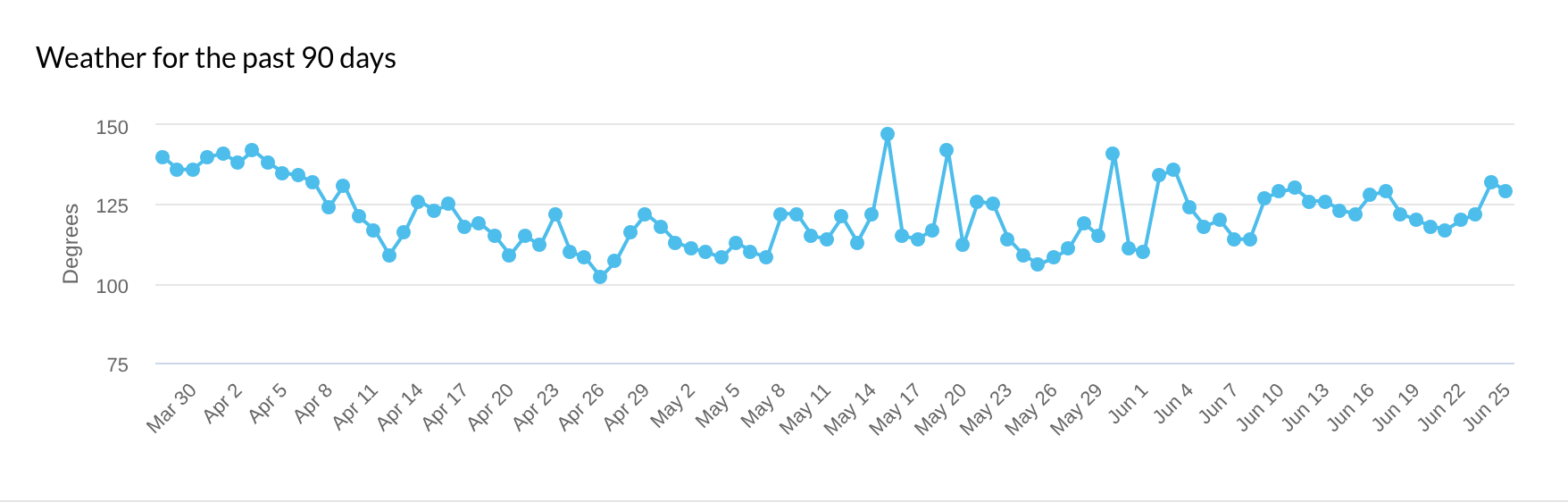
- Mozcast: The “weather report for the Google algorithm” showed an increase in “temperature,” signifying a period of greater-than-average changes.
- SEMRush Sensor: Detected a rise in its “sensor” score, particularly for specific industries and countries, confirming that the update was indeed widespread.
- Serpstat: Its “search engine storm” metric also flared up, indicating a period of significant ranking upheaval for many domains.
- SimilarWeb: Observed noticeable shifts in search visibility metrics for a wide array of sites.
- Sistrix: The Google Update Radar showed considerable movement, with some days registering very high scores, reinforcing the perception of a strong algorithmic push.
- Wincher: Reported elevated volatility, with its tracking metrics showing consistent instability throughout the update period.
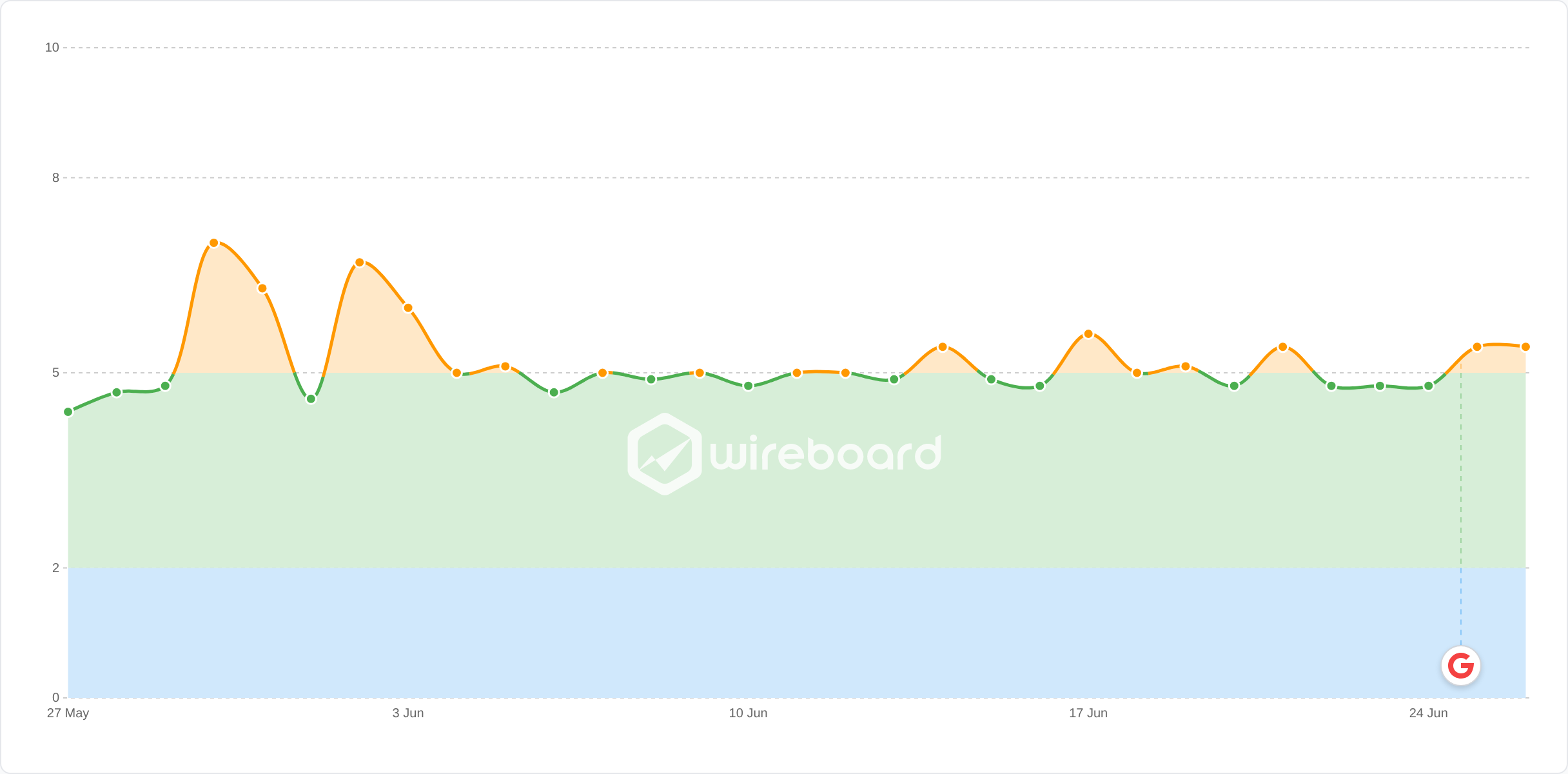
- Wireboard: As an aggregate tool, Wireboard’s chart clearly illustrated an overall surge in SERP volatility, synthesizing the data from multiple sources into a unified view of disruption.
- Zutrix Tension: Indicated heightened “tension” in the SERPs, reflecting the uncertainty and rapid changes experienced by webmasters.
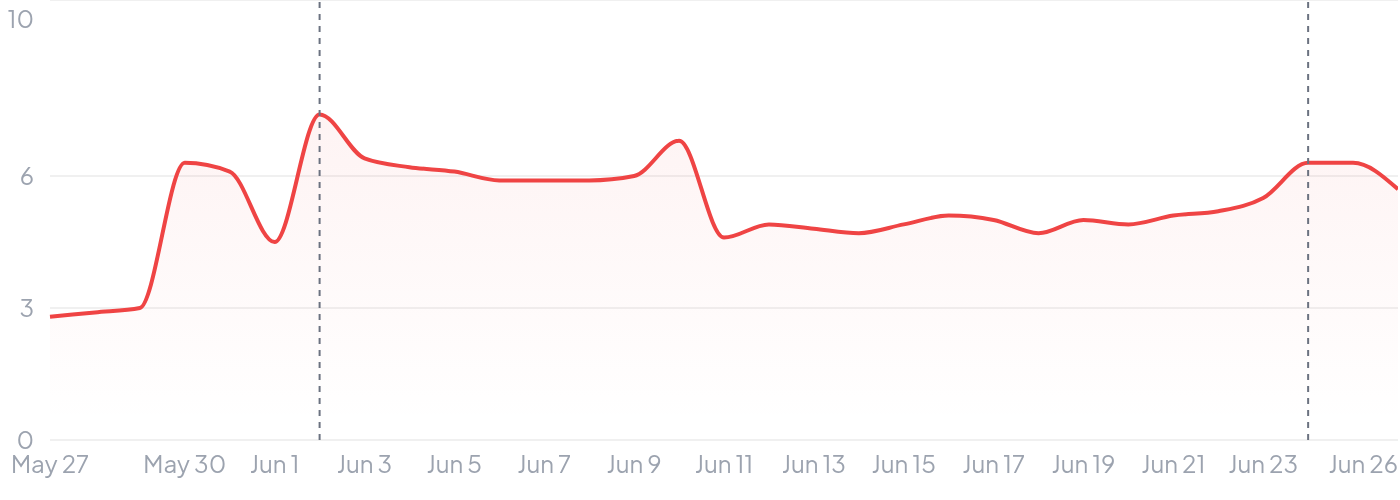
The consistency of these reports across diverse monitoring platforms strongly suggests that the June 2026 spam update, regardless of its official classification, had a tangible and broad impact on search rankings. The aggregated data often showed volatility levels surpassing what might be considered “normal” for a typical, minor spam adjustment, lending credence to webmasters’ observations of a more impactful rollout.

Webmaster Community Reacts to the Shakes
The SEO community, particularly active on forums like WebmasterWorld, provided a deluge of anecdotal evidence and strong reactions to the June 2026 spam update. The sentiment was largely characterized by frustration, confusion, and a sense of disruption, often contrasting sharply with Google’s brief announcement.

- Sudden Drops and Traffic Instability: Many webmasters reported severe and immediate drops in organic traffic and rankings. Comments such as “A huge drop in traffic to my global site yesterday and so far today” and “Very big drop since yesterday. (-80%). We do NOT SPAM” were common. This indicated that the update was not merely nudging low-quality sites but was causing significant shifts for a broad range of domains. The observation “The traffic is jumping back and forth. 20 minutes good traffic from G, 20 minutes almost nothing” highlighted the unpredictable nature of the changes, making it difficult for webmasters to diagnose and respond effectively.
- The Paradox of Increased Spam: A particularly perplexing aspect for many was the report of more spam appearing in search results post-update. One webmaster lamented, “more spam, significantly more spam. The shop is experiencing exactly what Chris just wrote. But we are only at the beginning of the spam-boosting update, so a lot could still change.” Another observed, “spam is skyrocketing, the headlines are flooded with rubbish, and very strange websites are starting to surface in the organic search results.” This seemingly counterintuitive outcome, where an anti-spam update led to an increase in visible spam for some, fueled significant skepticism and frustration within the community. It also raised questions about the efficacy or precise targeting of the update.
- Revenue Impact and Business Concerns: For businesses heavily reliant on organic search traffic, the ranking fluctuations translated directly into financial implications. Reports like “Yesterday continues these terrible drops, now -20% compared to same day last week. Revenue was managing to successfully keep up with last month. With better RPM rates. Now its dropping to -2% compared to last month. Meaning, both traffic and revenue are now down in comparison,” illustrated the real-world economic stress imposed by such updates. This highlighted the critical need for stability and predictability in Google’s algorithms for small and large businesses alike.
- Critiques and Calls for Clarity: The community’s chatter often veered into critiques of Google’s communication and the perceived fairness of its algorithm. Comments such as “Urgh,, Google and your useless ‘updates'” and “Typical spam update from Google. No spam on our site, but we’re down 10%-15%. What a joke the biggest spammer on the internet is” reflected deep-seated dissatisfaction. The mention of “Singaporean bots” also pointed to a general distrust regarding the source and nature of perceived manipulative traffic.
- Unusual Ranking Patterns: Some observed peculiar ranking phenomena. For instance, the comment “The funny thing is, Google allegedly hates top lists where sites rank themselves at number one. Yet, I’m seeing an increasing number of these lists ranking well at the moment. Go figure” highlighted a perceived inconsistency in Google’s algorithmic enforcement. Other observations included news sites performing stronger in Google Discover and a lack of advertisements on Google’s own search results pages in certain niches, suggesting shifting monetization or ranking strategies by Google itself.
Implications for SEOs and Digital Content Creators
The June 2026 spam update, despite its swift completion, carries significant implications for webmasters, SEO professionals, and digital content creators.

- Navigating the Aftermath: Audits and Adjustments: For sites experiencing traffic and ranking drops, an immediate and thorough SEO audit is paramount. This involves analyzing changes in keyword rankings, traffic sources, user behavior metrics, and identifying any potential issues with content quality, technical SEO, or backlink profiles that might have been flagged by the updated algorithm. It is crucial to distinguish between genuine algorithmic penalties and general market fluctuations. Webmasters should cross-reference their data with insights from third-party tools to understand the broader context of volatility.
- The Enduring Focus on Quality and User Experience: The core message from Google remains consistent: prioritize high-quality, valuable, and user-centric content. While specific algorithmic nuances may change, the fundamental principles of E-E-A-T (Experience, Expertise, Authoritativeness, Trustworthiness) continue to be the bedrock of sustainable SEO. Sites that consistently deliver genuine value to their audience are generally more resilient to algorithmic shifts. The reported increase in spam after the update, though concerning, might also indicate that the algorithm is still learning or that new forms of spam are emerging, necessitating continuous adaptation from both Google and ethical webmasters.
- The Evolving Landscape of Search Engine Optimization: This update serves as another reminder that SEO is not a static discipline. The rapid rollout and the varied, sometimes contradictory, community observations underscore the dynamic nature of Google’s algorithms. SEOs must remain agile, constantly monitoring official announcements, industry chatter, and analytics data to adapt their strategies. The perceived disconnect between Google’s simple “normal spam update” label and the complex reality experienced by webmasters highlights the ongoing challenge of interpreting and responding to these changes effectively.
- Beyond Rankings: Holistic Digital Strategy: The update also subtly points to the growing importance of a holistic digital strategy that extends beyond mere organic search rankings. The observation of news sites performing well in Google Discover, for instance, suggests that diversifying traffic sources and engaging with users across different Google properties and content formats can mitigate the risks associated with singular reliance on traditional SERP visibility.
In conclusion, the Google June 2026 spam update, while officially a “normal” part of Google’s ongoing efforts to enhance search quality, was anything but ordinary in its execution and impact. Its rapid two-day rollout triggered significant SERP volatility, as confirmed by numerous third-party tracking tools, and elicited strong reactions from a webmaster community grappling with substantial traffic and revenue drops, and even a perceived increase in spam. This event underscores the perpetual cat-and-mouse game between search engines and those attempting to manipulate them, and it reaffirms the critical importance for webmasters and SEO professionals to anchor their strategies in providing genuine value and adhering to best practices in an ever-evolving digital landscape. The immediate aftermath calls for diligent monitoring and strategic adjustments, while the long-term imperative remains a steadfast commitment to quality and user experience.