
 rifanmuazin
The discipline of Conversion Rate Optimization (CRO) is undergoing a fundamental transformation, transitioning from a narrow focus on website-level A/B testing toward a holistic, experimentation-led decision-making framework. As global markets become increasingly volatile and consumer behavior grows more complex, businesses are shifting their focus from what gets tested to how strategic decisions are formulated. This evolution marks the maturation of the industry, where experimentation is no longer viewed as a series of isolated tactics but as a core “operating model” for business growth.
This shift is central to the latest installment of the “CRO Perspectives” series, which seeks to aggregate the insights of global experimentation leaders. In its 22nd edition, the series features Andres Pinate, a prominent Marketing Director and Strategic Consultant in CRO and Growth based in Spain. With an extensive background spanning consumer electronics, Fast-Moving Consumer Goods (FMCG), mobility, and the automotive sector, Pinate offers a perspective that bridges the gap between quantitative data-driven evidence and qualitative consumer psychology. His approach emphasizes “decision design”—the structured process of using experimentation to illuminate the underlying commercial logic of a business.
The Strategic Lens: Moving Beyond Tactics
For over a decade, CRO was largely synonymous with incremental gains—changing button colors, adjusting headline fonts, or streamlining checkout flows. However, the contemporary landscape demands more. Pinate argues that experimentation is a strategic lens rather than a growth trick. The primary objective is not merely to “move the needle” on a specific metric but to build a system that compounds organizational intelligence over time.

In the current economic climate, where acquisition costs are rising and customer loyalty is fragile, the ability to make better decisions faster has become a significant competitive advantage. Organizations that treat experimentation as a “reusable asset” find that even failed tests contribute to a deeper understanding of the market. This systemic approach moves the discipline away from “performative testing”—running experiments for the sake of activity—and toward a disciplined pursuit of truth.
Divergent Frameworks: B2B vs. B2C Experimentation
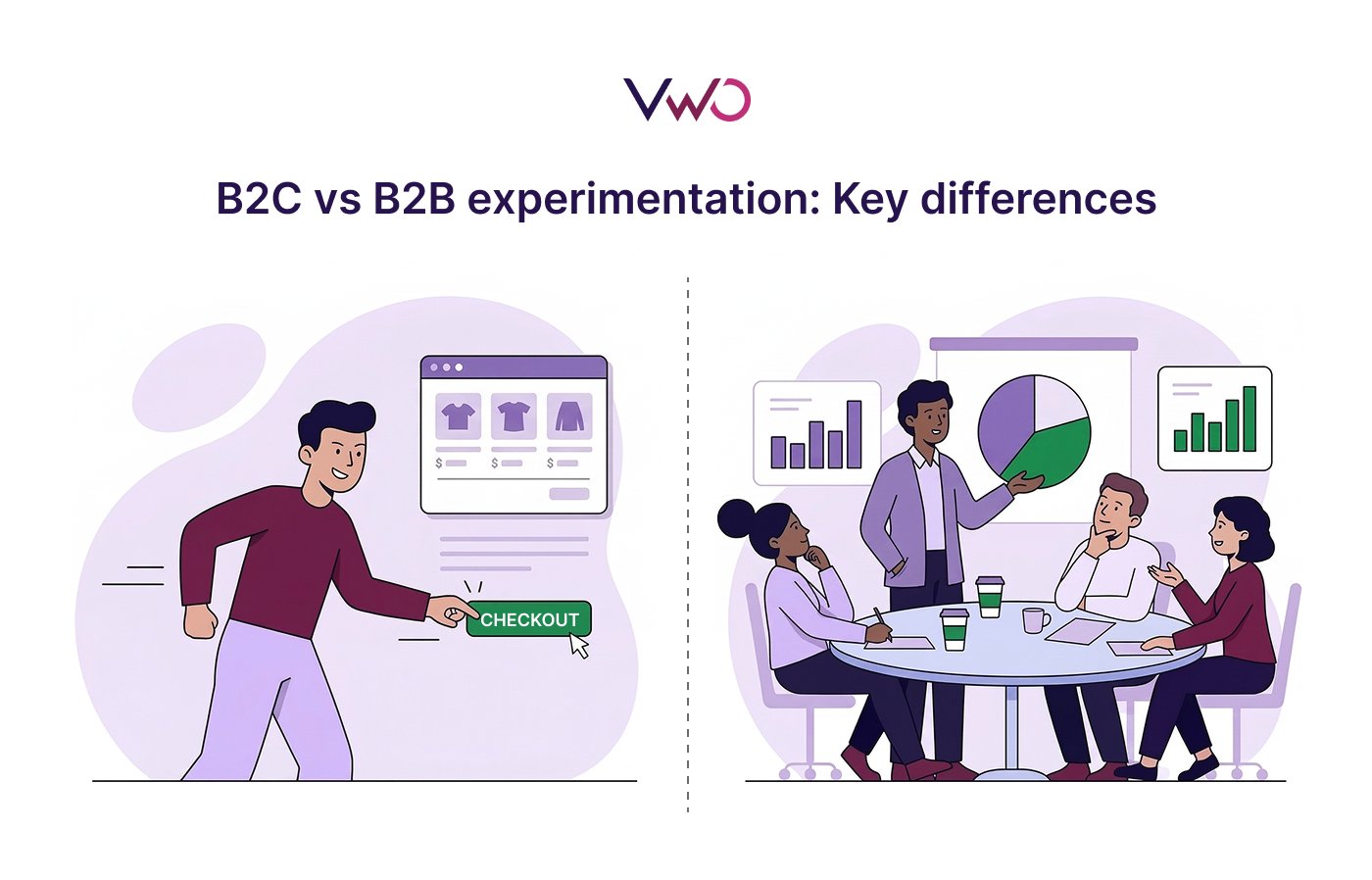
One of the most critical distinctions in modern experimentation lies in the diverging requirements of B2B and B2C sectors. While both aim for conversion, the psychological and operational underpinnings are vastly different.
In the B2C sector, experimentation often rewards immediacy and emotional clarity. The feedback loop is typically shorter, and the primary goal is often the removal of friction. Decisions are frequently made by a single individual, and the path to purchase is driven by a mix of brand trust and immediate gratification. Consequently, B2C experimentation focuses on faster conversion paths and simplified messaging.
Conversely, B2B experimentation is governed by consensus, perceived risk, and long-term trust. Data from Gartner suggests that the average B2B buying group consists of six to ten decision-makers, each armed with different sets of information and priorities. Pinate highlights that in this environment, the role of experimentation is to illuminate how these complex decisions are made. B2B buyers have a higher tolerance for research and are influenced by internal politics and multi-layered commercial logic. Therefore, B2B experimentation frameworks must be more patient and more closely aligned with the actual sales cycle, focusing on building “trust density” rather than just a quick click.

Building the Experimentation Operating Model
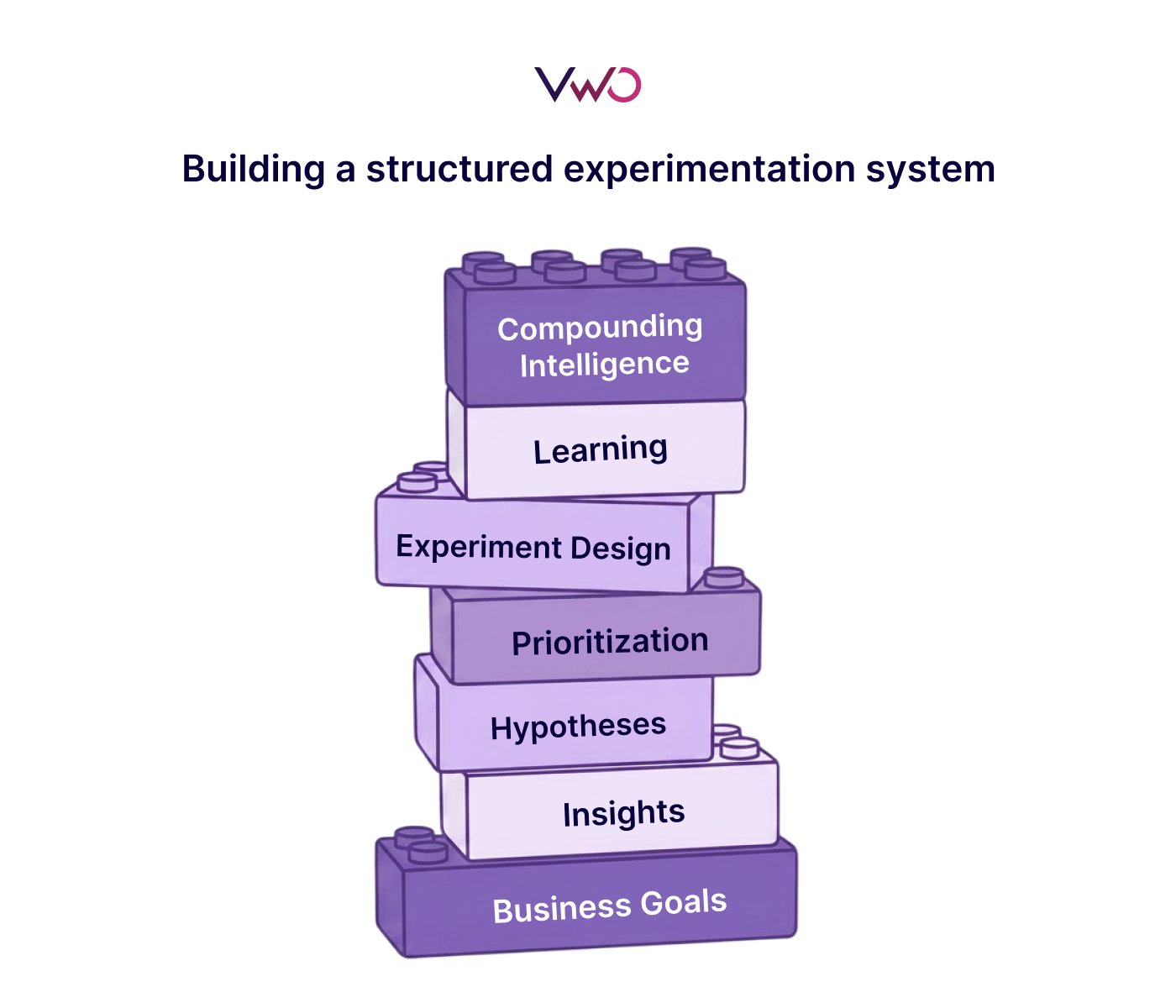
To move beyond isolated tests, Pinate advocates for a structured experimentation system—an operating model that requires a clear business thesis and a process for capturing learning. This system is built in layers:
- Strategic Alignment: Before a single test is launched, there must be a consensus on what the business is trying to solve. Is the goal revenue growth, retention, or acquisition efficiency?
- Insight Intake: This layer involves converting data from analytics, user experience (UX) research, customer feedback, and sales reports into actionable hypotheses.
- Prioritization: Not all ideas are equal. Mature systems use frameworks that balance business impact, user friction, and strategic leverage.
- Learning Accumulation: The final layer ensures that the results of every experiment are documented and used to inform future strategy, ensuring that the organization becomes progressively smarter.
Pinate notes that “busy teams” often focus on the volume of tests, whereas “strong teams” focus on the quality of the learning. If an experimentation program does not improve the quality of future decisions, it is essentially noise wrapped in a process.
The Shift Toward Revenue-Driven KPIs
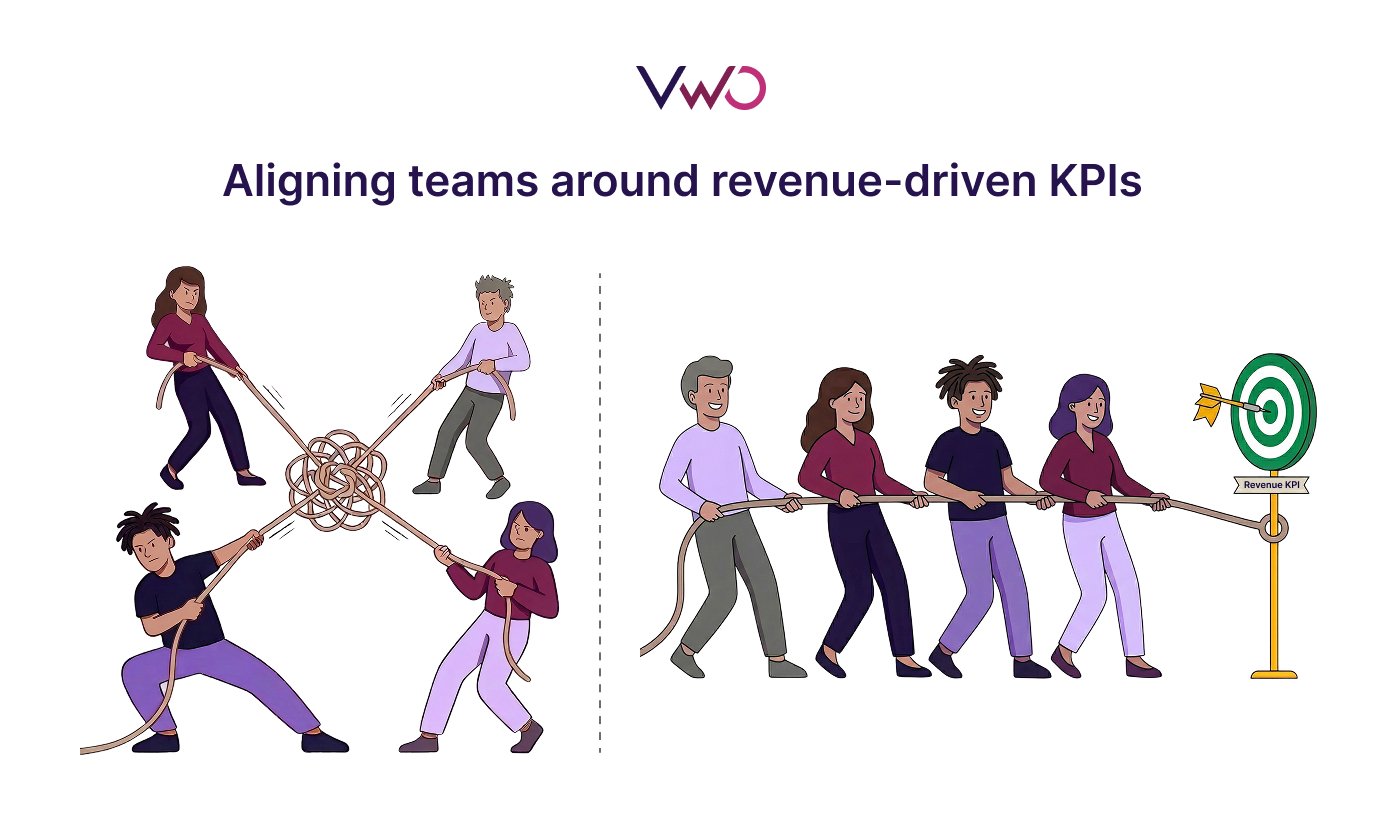
A significant trend identified in Pinate’s analysis is the migration of marketing metrics toward revenue ownership. Traditionally, marketing teams were evaluated on “top-of-funnel” activity—clicks, impressions, and lead volume. However, the modern experimentation leader is increasingly held accountable for business outcomes, such as Customer Lifetime Value (CLV) and expansion revenue.
This shift changes the internal language of the organization. Marketing is no longer a support function; it is part of the company’s economic engine. This requires a unified view of the customer journey, where acquisition, activation, and retention are seen as part of a single, connected revenue system. When teams understand this causality, they stop optimizing for departmental convenience and start optimizing for the bottom line.
Navigating the Zero-Click Reality and Behavioral Data
The rise of “zero-click” behavior—where users find the information they need directly on search engine results pages (SERPs) via AI overviews or featured snippets—has fundamentally altered the user journey. According to industry data from SparkToro, over 50% of Google searches now end without a click to a website.
This environment places a higher burden on the brand’s digital presence. When a user does decide to click through, they arrive with pre-formed context and sharper expectations. The website’s role is no longer to provide basic education but to provide nuance, reassurance, and differentiation. Pinate argues that brands must move from “traffic-centric” thinking to “trust-centric” thinking.
To succeed here, organizations must bridge the gap between quantitative behavioral data (what the user did) and qualitative insight (why they did it). While heatmaps and funnels show where users drop off, they do not explain the emotional state or the specific hesitation that caused the abandonment. Combining these data sets allows teams to address the causes of behavior rather than just the symptoms.
The Role of AI: Scale vs. Judgment
The integration of Artificial Intelligence (AI) into experimentation is perhaps the most discussed trend of 2024. Pinate views AI as a powerful tool for pattern recognition, analysis speed, and hypothesis support. AI can help teams surface insights from massive datasets that would be impossible for a human to process manually.
However, he warns that “scale without judgment is dangerous.” The essential guardrails for AI in experimentation remain human oversight and strategic accountability. While AI can generate thousands of content variations or predict which segment might respond best to a specific offer, it cannot replace the human ability to understand context, culture, and long-term brand strategy. The future belongs to organizations that can combine machine-driven scale with human-driven intuition.
Regional Context: The Spanish Market Landscape
Reflecting on the state of CRO in Spain, Pinate observes a market that is entering a phase of maturity. While Spanish companies have historically been slower to adopt large-scale experimentation cultures compared to their Northern European or American counterparts, the conversation is now shifting toward “decision design.”
There is an increasing recognition that customer understanding is a competitive asset. The next phase of growth in the Spanish market will likely be driven by companies that successfully integrate UX, analytics, and business strategy into a single, coherent conversation. For these organizations, CRO is moving from being a “project” to being a cultural capability that reduces business uncertainty.
Implications for the Future of Business Strategy
The insights provided by Andres Pinate underscore a broader shift in the corporate world: the professionalization of experimentation. As digital landscapes become more crowded and AI continues to disrupt traditional search and discovery patterns, the “gut-feeling” approach to business strategy is becoming increasingly obsolete.
The broader impact of this shift is profound. Organizations that embrace a structured experimentation system are better equipped to handle market pivots, more resilient against competitive threats, and more aligned with their customers’ actual needs. By treating every business decision as a testable hypothesis, these companies move away from a culture of “being right” toward a culture of “learning fast.”
In conclusion, the evolution of CRO into a comprehensive system for decision design represents the next frontier of digital maturity. As businesses move away from tactical fixes and toward strategic experimentation, the focus remains on the compounding value of knowledge. In a world where data is abundant but clarity is scarce, the ability to turn behavioral observations into actionable commercial logic remains the ultimate differentiator. For leaders like Pinate, the goal is clear: build systems that don’t just test better, but decide better.








