

The digital landscape is increasingly saturated with content, a phenomenon amplified by the rise of artificial intelligence (AI) tools designed to generate text at an unprecedented scale. While this efficiency offers marketers the allure of increased output, it simultaneously presents a significant challenge: the proliferation of generic, uninspired content that is beginning to erode reader trust. This article delves into the subtle yet pervasive signs that indicate content may have been produced by AI, explores what genuinely builds reader confidence, and provides actionable strategies for content creators to ensure their work stands out in an increasingly homogenized online space.
The Rise of AI and the Erosion of Authenticity
In recent years, the accessibility and sophistication of AI language models have revolutionized content creation. Tools like ChatGPT, Jasper, and others can now produce articles, social media posts, product descriptions, and even creative writing with remarkable speed. Marketers have embraced these tools for their ability to overcome writer’s block, generate multiple drafts quickly, and potentially reduce production costs. However, this ease of generation comes with a hidden cost.
The underlying algorithms of AI models are trained on vast datasets of existing human-generated text. This training process allows them to identify patterns, structures, and common phrases. While this enables them to produce grammatically correct and coherent text, it also leads to a certain predictability and a lack of unique voice or perspective. The result is content that, while technically sound, often feels flat, generic, and easily dismissible.
A study by the Center for Economic and Policy Research (CEPR) on AI, misinformation, and the value of trusted news highlights the critical link between content authenticity and public trust. As AI-generated text becomes more prevalent, discerning readers are developing an almost intuitive sense for when content lacks genuine human insight. This isn’t about detecting specific keywords or phrases but rather a feeling of hollowness, a sense that the words are assembled rather than crafted with intent and experience.
This growing awareness is significant. While readers may not always consciously analyze why a piece of content feels "off," their subconscious perception of its authenticity directly influences their trust in the source. When content feels templated or interchangeable, it signals a lack of deep thought, unique perspective, or genuine expertise, ultimately diminishing the credibility of the brand or individual behind it.

Identifying the Red Flags of AI-Generated Content
While AI models are constantly evolving, several recurring patterns can signal that content may have been generated by artificial intelligence. It is crucial to remember that these are indicators, not definitive proof. AI learns from human writing, so these traits can appear in human-generated content as well. The key differentiator is the frequency and stacking of these patterns, which cumulatively create a feeling of generic sameness.
1. Monotonous Sentence Rhythms
One of the most common tells is a consistent rhythm throughout the text. This manifests as sentences that are uniformly similar in length, structure, and pacing. AI models often optimize for predictability, leading to outputs where each sentence follows a safe, established pattern.
What it signals to readers: When every sentence has the same cadence, it suggests a lack of natural human variation and intent. The content feels assembled rather than organically written, akin to following a rigid instruction manual.
Instead: Human writing naturally incorporates a mix of short, punchy sentences for emphasis and longer, more complex sentences to convey intricate ideas. Varying sentence structure creates a more engaging and dynamic reading experience, mimicking the natural flow of thought and speech.
2. Lists Lacking Progression
Lists are a common content format, but AI can struggle to create lists where each item builds upon the previous one or contributes to a cohesive narrative. Instead, AI-generated lists often present interchangeable points that could be rearranged without altering the overall message.
What it signals to readers: This lack of logical progression indicates a superficial understanding of the topic or a failure to develop a clear, structured argument. It suggests the points were generated independently rather than as part of a carefully considered framework.

Instead: Effective lists present information in a logical sequence, guiding the reader through a process, building an argument, or exploring facets of a topic in a meaningful order. Each point should feel essential and contribute to the overall understanding.
3. Unqualified Claims
AI models tend to avoid making specific, nuanced claims unless explicitly prompted to do so. This can result in broad promises and generalizations that lack any boundaries, conditions, or acknowledgment of potential tradeoffs.
What it signals to readers: Such unqualified claims significantly undermine credibility. If everything sounds universally achievable without any caveats, readers become skeptical, perceiving the information as unrealistic or overly promotional.
Instead: Genuine expertise often involves understanding limitations and tradeoffs. Acknowledging these nuances, providing specific context, and qualifying claims based on certain conditions lends an air of authority and realism to the content.
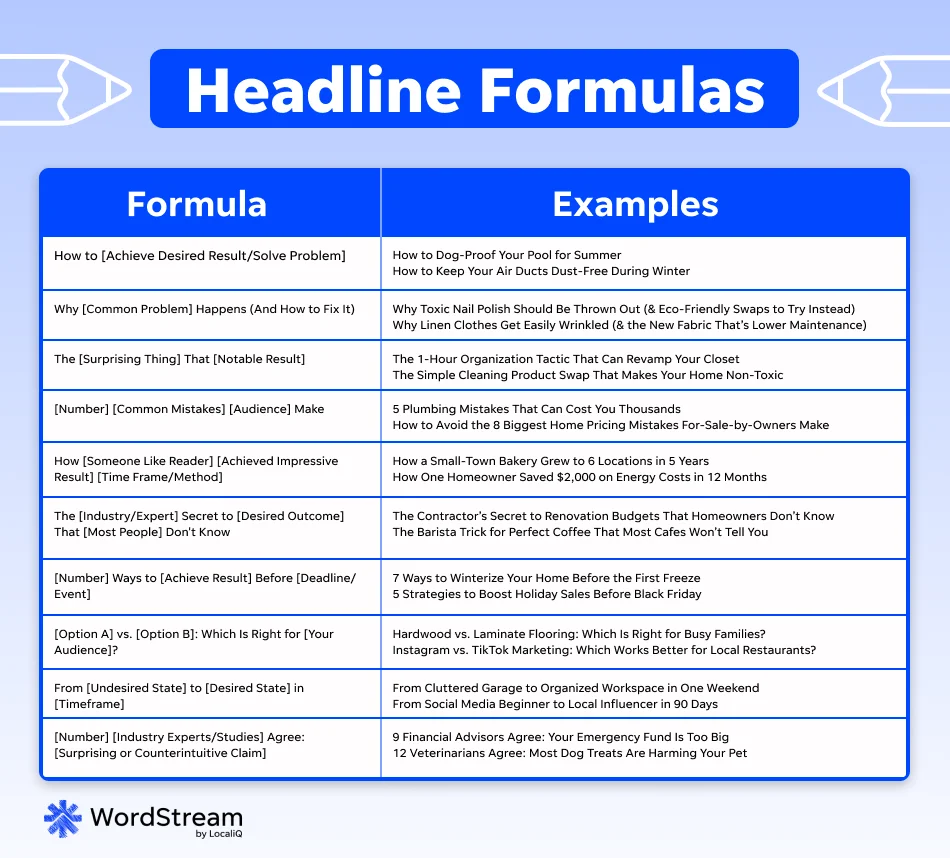
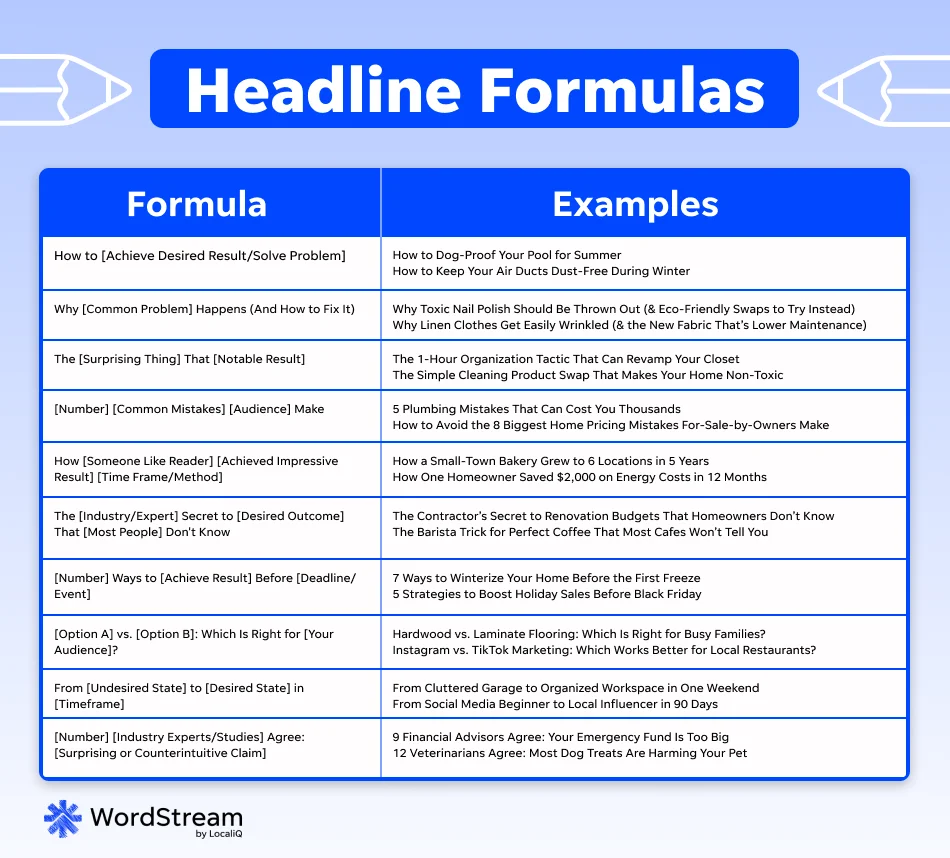
4. Generic Headlines
Headlines that are perfectly functional but could apply to any competitor’s website are a strong indicator of AI generation. These headlines often rely on common patterns and keywords without offering a unique angle, benefit, or hook.
What it signals to readers: Interchangeable headlines suggest a lack of differentiation and a failure to capture the specific essence of the content or the brand. They signal "meh" and fail to pique curiosity.
Instead: Compelling headlines are specific, benefit-driven, and often hint at a unique perspective or solution. They should be tailored to the content and the target audience, making them difficult to copy or replicate.

5. Absence of Concrete Examples
Content that is rich in claims but devoid of specific, tangible examples can feel hollow. AI, by its nature, tends to generalize and may struggle to generate relevant, context-specific examples without explicit instructions.
What it signals to readers: The lack of concrete illustrations suggests that the claims may not be well-supported, tested, or thoroughly considered. It can imply a superficial understanding of the subject matter.
Instead: Grounding claims with real-world examples, case studies, or anecdotes provides tangible proof and makes the information more relatable and believable. Examples allow readers to visualize the concepts being discussed.
6. Equal Weighting of All Information
When every benefit, feature, or claim is presented with the same level of emphasis, it can signal that the content lacks prioritization and clear value hierarchy. AI doesn’t inherently understand the relative importance of different points.
What it signals to readers: This uniform presentation suggests a lack of strategic thinking about what is most important to the reader. It can make it difficult for the reader to identify the most crucial takeaways.
Instead: Effective content prioritizes information, highlighting the most significant benefits or solutions. This can be achieved through formatting, word choice, and the strategic placement of key messages.
7. Repetitive Ideas in Varied Phrasing
A common AI tendency is to expand on an idea by restating it in slightly different ways, using paraphrasing to achieve length and a semblance of thoroughness. This can lead to multiple sentences that essentially convey the same point.
What it signals to readers: This repetition can feel like filler content, making the reader question the depth of insight and the writer’s efficiency. It suggests the content is trying to sound complete rather than being genuinely informative.
Instead: Concise writing eliminates redundancy. Each sentence should introduce new information, elaborate on a previous point with fresh detail, or offer a different perspective.
8. Lack of Tradeoffs or Tension
Content that presents an exclusively positive picture, without acknowledging any limitations, challenges, or potential downsides, can feel unrealistic. AI often defaults to positive framing unless specifically directed to explore negative aspects.
What it signals to readers: The absence of any tension or acknowledgment of complexity can make the content seem overly simplistic or disingenuous. It fails to reflect the complexities of real-world scenarios.
Instead: Acknowledging tradeoffs, discussing potential challenges, and presenting a balanced view demonstrates a deeper understanding of the subject and builds greater trust. It shows that the writer has considered the full picture.
9. Vague Calls to Action (CTAs)
Generic CTAs that require interpretation, such as "Read more?" or "Click here," can create friction and uncertainty for the reader. AI often pulls from common CTA patterns found in its training data.
What it signals to readers: Ambiguous CTAs suggest a lack of clarity about what the user should do next and what the outcome will be. This uncertainty can lead to disengagement.

Instead: Effective CTAs are specific, action-oriented, and clearly communicate the benefit or next step. Phrases like "Download our free guide" or "Request a free consultation" provide clear direction and value.
10. Avoidance of Specifics
Content that lacks concrete numbers, timelines, evidence, or defined outcomes can feel insubstantial. AI’s tendency to abstract rather than ground information in specifics contributes to this.
What it signals to readers: The absence of quantifiable data or concrete results can indicate a lack of confidence in the claims being made, or that the information is not based on actual experience or data.
Instead: Incorporating data, statistics, specific timelines, and measurable outcomes adds weight and credibility to content. These specifics demonstrate that the information is grounded in reality and has been validated.
11. Generic Phrasing Replacing Meaning
The use of familiar, buzzword-laden phrases that sound good but add no real clarity or depth is a hallmark of generic content. AI often leans on these widely used linguistic patterns.
What it signals to readers: When content relies heavily on clichés and jargon, it suggests a lack of original thought and a reliance on linguistic shortcuts rather than genuine understanding.
Instead: Clear, precise language that directly conveys meaning is essential. Focusing on the core message and using original phrasing ensures that the content is informative and engaging.

12. Over-Explanation of Simple Concepts
AI can sometimes elongate explanations of basic ideas, making them seem more complex than they are. This is often done to achieve a desired word count or to create a sense of thoroughness, even when unnecessary.
What it signals to readers: This over-elaboration can suggest that the content is trying too hard to sound intelligent rather than being genuinely helpful or efficient in its communication.
Instead: Strive for conciseness and clarity. Explain concepts directly and efficiently, avoiding unnecessary jargon or lengthy descriptions for simple ideas.
13. Lack of Visible Decision-Making Processes
Content that presents conclusions without outlining the reasoning or process behind them can feel superficial. AI provides results, but often without the underlying logic unless specifically prompted.
What it signals to readers: When the "how" and "why" are missing, it suggests a lack of depth and critical thinking. Readers are left with an outcome but no understanding of how it was achieved.
Instead: Showcasing the thought process, the logic, or the methodology behind conclusions builds greater credibility and educates the reader. This demonstrates a deeper engagement with the subject matter.
14. Complete Lack of Individuality
Ultimately, the most telling sign is content that feels as though it could have been written by anyone. This means it lacks a distinct point of view, personal experience, original thought, unique voice, or any discernible constraints that would make it specific.

What it signals to readers: This absence of individuality suggests a lack of ownership and accountability. The content feels detached and uncommitted, as if it were generated by an anonymous entity.
Instead: Content that reflects a unique perspective, draws on personal experiences, or expresses a distinct brand voice is inherently more engaging and trustworthy. It signals that a real person or team has invested thought and effort.
What Builds Reader Trust Instead?
In contrast to the pervasive sameness of AI-generated content, readers inherently trust elements that signal authenticity, thoughtfulness, and genuine effort. These are the qualities that differentiate human-crafted content and foster a deeper connection with the audience.
- Specific Claims: Clear scope, defined outcomes, and measurable results signal that tangible value exists behind the words. When readers can see precisely what changes and by how much, confidence is built.
- Demonstrated Thinking: Content that allows readers to follow the logic and understand why something works, not just that it works, fosters trust. This doesn’t require exhaustive explanations but a clear demonstration of intention and reasoning.
- Visible Effort: There’s a discernible difference between content that feels generated and content that feels written. While AI can produce grammatically correct sentences, it struggles to convey judgment, nuance, and the care that comes from thoughtful consideration. Content that feels like someone took the time to think it through resonates more deeply.
- Reflected Quality: Clear language signifies clear thinking. This isn’t about complexity for its own sake but about precision and the ability to communicate effectively. When content is precise and well-articulated, it signals a higher level of quality and care.
A Quick Audit: Is Your Content Falling into the AI Trap?
To combat the creeping sameness, marketers can conduct a swift content audit, focusing on a single page at a time. This five-minute exercise can reveal areas for improvement.
| If your content… | People assume… | Fix it by… |
|---|---|---|
| Repeats the same sentence rhythm | It was generated or templated | Rewrite one section without referencing others. |
| Avoids specifics | You’re unsure or overselling | Add one measurable outcome. |
| Sounds perfectly polished everywhere | It lacks a real voice | Introduce variation in tone and structure. |
| Makes broad claims without limits | It’s marketing filler | Add constraints or tradeoffs. |
| Uses interchangeable headlines | You’re not differentiated | Rewrite one headline to be uncopyable. |
Making Content Stand Out in the Age of AI

AI has not invented generic marketing copy; it has merely made its production easier and, consequently, harder to detect. The true shift lies in how the sheer volume of interchangeable content is conditioning audiences to rely on subtle signals to determine trustworthiness.
The strategy for success is not to compete with AI on volume or speed. Instead, the focus must be on creating content that feels undeniably human – content that reflects genuine thought, experience, and a distinct perspective. When content feels like it was thoughtfully crafted by a person, rather than efficiently generated by a machine, it builds the trust and connection that are essential for standing out in today’s crowded digital marketplace.
Recap: 14 Signs Your Content Sounds Like It Was Written by AI (and How to Avoid Them)
- Consistent Sentence Rhythm: Vary sentence length and structure.
- Interchangeable List Items: Ensure lists build logically.
- Unqualified Claims: Add specifics, constraints, and tradeoffs.
- Generic Headlines: Make headlines unique and benefit-driven.
- Lack of Concrete Examples: Ground claims with real-world illustrations.
- Equal Information Weighting: Prioritize key messages.
- Repetitive Ideas: Eliminate redundancy and ensure each sentence adds value.
- No Tradeoffs or Tension: Present a balanced perspective.
- Vague CTAs: Use clear, action-oriented calls to action.
- Avoidance of Specifics: Include data, numbers, and measurable outcomes.
- Generic Phrasing: Use precise language and avoid clichés.
- Over-Explaining Simple Ideas: Be concise and direct.
- No Visible Decision-Making: Show your reasoning and process.
- Lack of Individuality: Infuse your unique voice, experience, and perspective.
By actively identifying and mitigating these AI-induced patterns, content creators can ensure their work resonates with readers, builds enduring trust, and ultimately achieves its intended impact in a landscape increasingly dominated by artificial intelligence. The future of credible content lies not in imitation, but in authentic human expression.









