

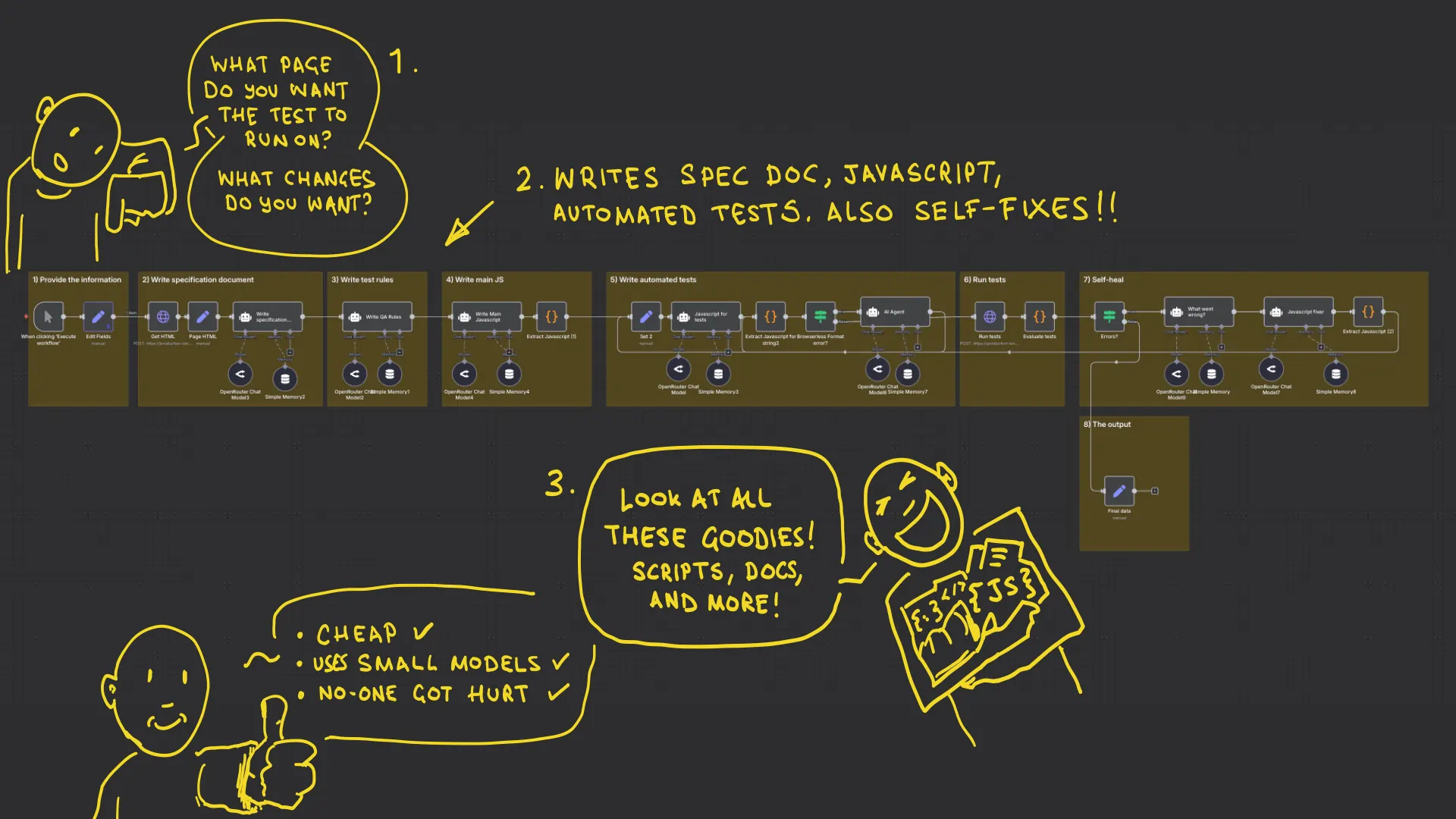
The integration of artificial intelligence into the software development lifecycle has reached a new milestone with the emergence of automated, self-healing workflows designed specifically for client-side experimentation. As organizations seek to increase the velocity of their conversion rate optimization (CRO) programs, the bottleneck has traditionally been the technical implementation of A/B tests—a process that requires front-end developers to write, test, and deploy JavaScript snippets to modify website behavior. Recent developments in Small Language Models (SLMs) and automation platforms like n8n suggest that this process can now be handled with high reliability for a fraction of the cost of traditional development, often as low as $0.06 per experiment.
The Shift from Large to Small Language Models
The broader landscape of generative AI has long been dominated by Large Language Models (LLMs) such as GPT-4 and Claude 3.5. While these models are highly capable, they are often characterized by high latency, significant token costs, and a tendency toward "token-maxing"—the inefficient use of large amounts of data to solve relatively simple tasks. In contrast, the industry is seeing a strategic pivot toward SLMs. These models, which can often be run locally on consumer-grade hardware via tools like Ollama, offer a more sustainable and cost-effective alternative for narrow, specialized tasks such as writing JavaScript for DOM manipulation.
The core of the new workflow lies in its ability to not only generate code but to simulate a human developer’s quality assurance (QA) process. By utilizing a multi-step sequence that includes technical specification, rule generation, and a self-healing loop, the system addresses the inherent non-determinism of AI. This ensures that the final output is not just a "best guess" by a model, but a validated script that has passed automated checks within a headless browser environment.

A Chronology of the Automated Development Workflow
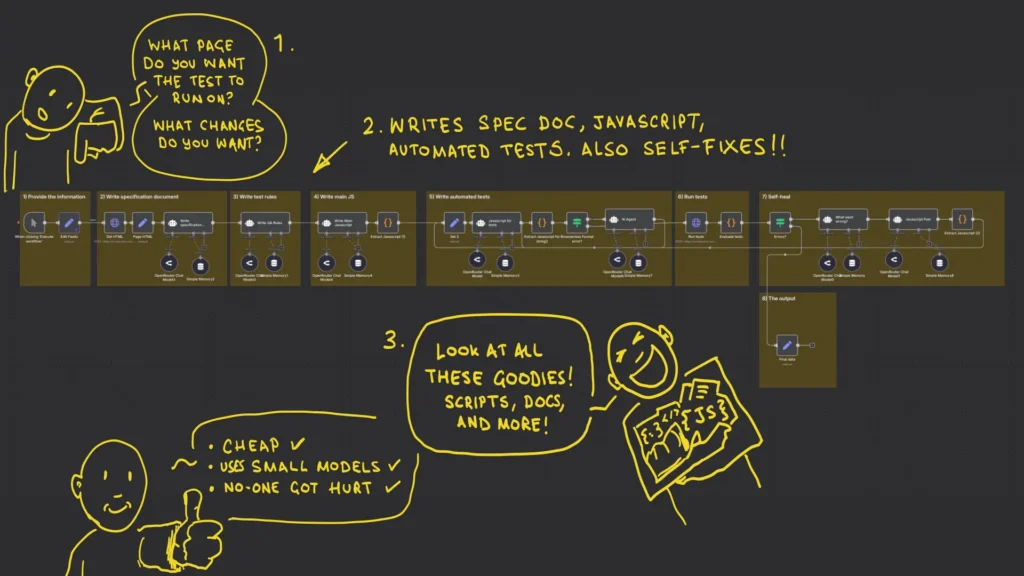
The transition from a manual change request to a production-ready A/B test involves a sophisticated eight-step chronology. This sequence is designed to mimic the professional standards of a senior software engineer overseeing a junior developer.
Phase I: Requirement Analysis and Specification
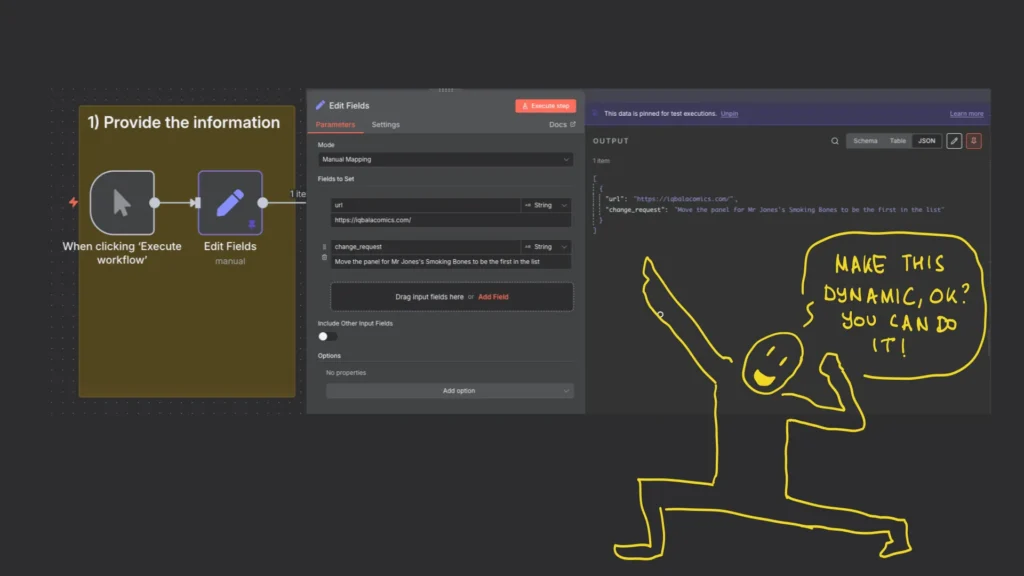
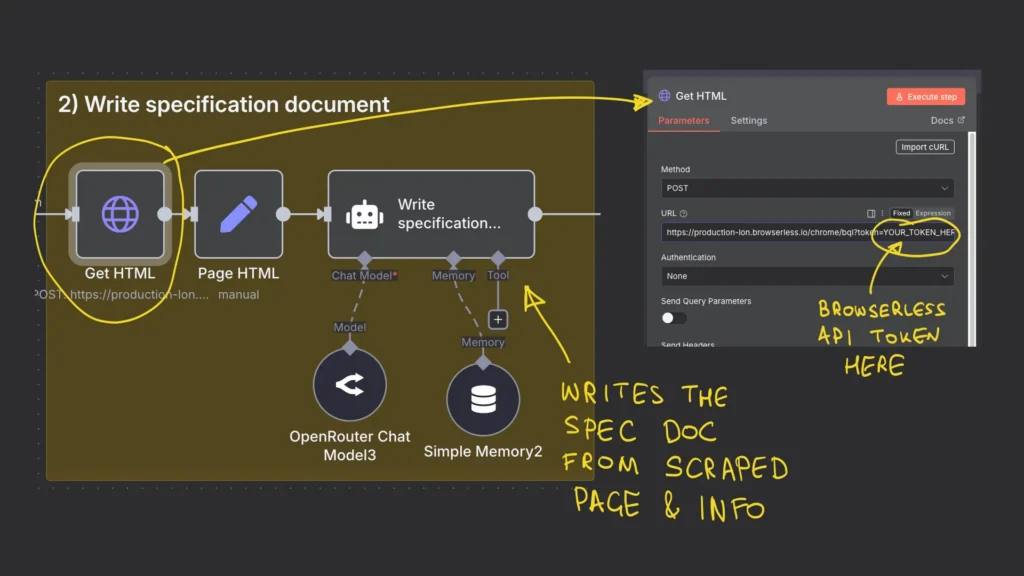
The process begins with the ingestion of two primary inputs: the URL of the target webpage and a plain-language description of the desired change. Unlike simple code completion tools, this workflow does not immediately attempt to write code. Instead, it utilizes an SLM to fetch the HTML of the page via a headless browser service, such as Browserless. With the raw structure of the page in hand, the model drafts a technical specification document. This document serves as the architectural blueprint, detailing exactly which elements need to be modified and how the JavaScript should interact with the existing Document Object Model (DOM).
Phase II: QA Rule Definition and Code Generation
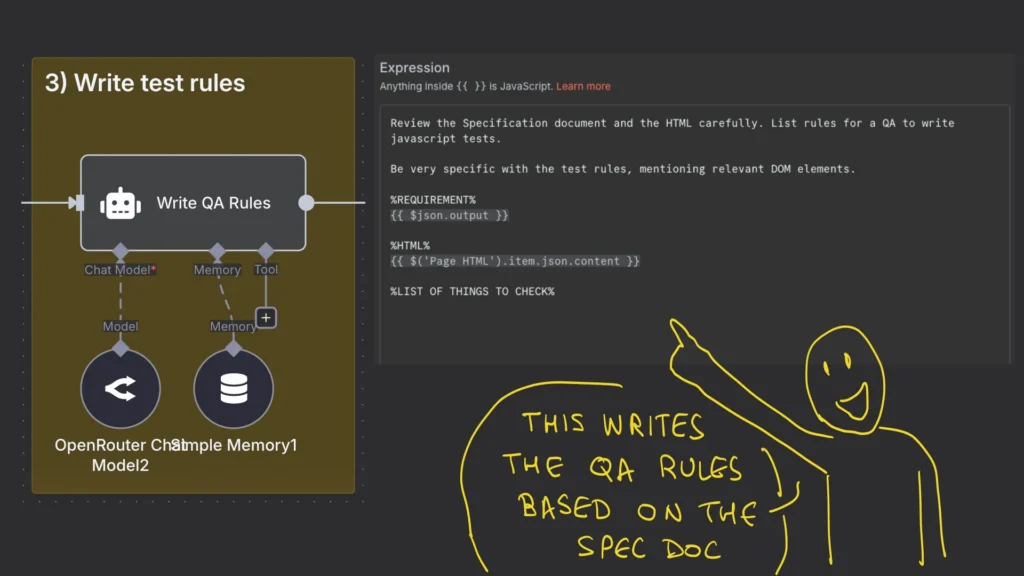
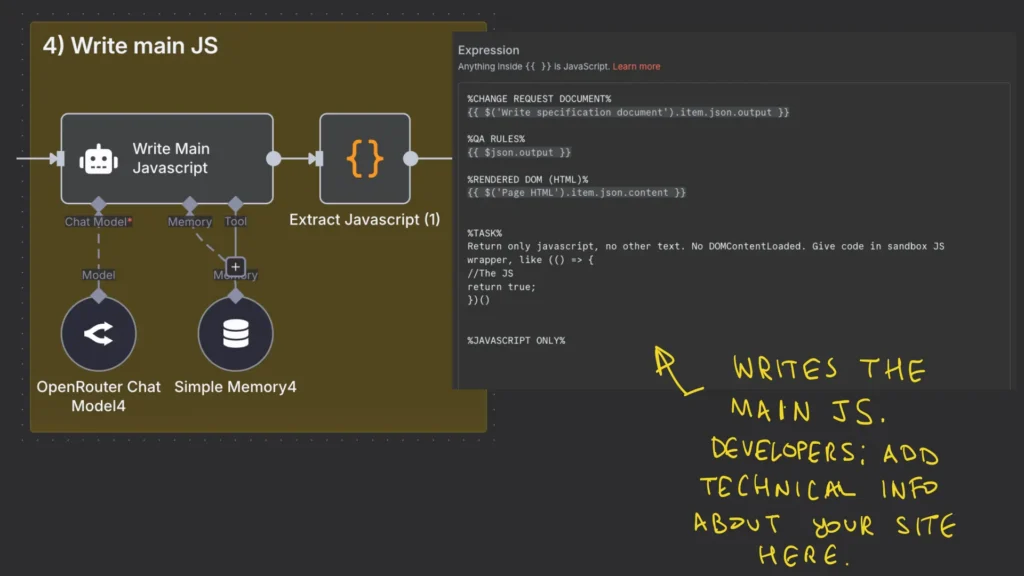
Following the creation of the specification, the workflow identifies specific QA rules. These rules are critical for determining what constitutes a "success" for the code. For instance, if the goal is to reorder panels on a homepage, the QA rule might specify that the "Promotion" panel must appear before the "Testimonials" panel in the DOM hierarchy. Once these parameters are set, the SLM generates the primary JavaScript. Because the model is working from a pre-defined specification rather than a vague prompt, the resulting code is significantly cleaner and more aligned with the site’s existing technical architecture.
Phase III: The Self-Healing Validation Loop
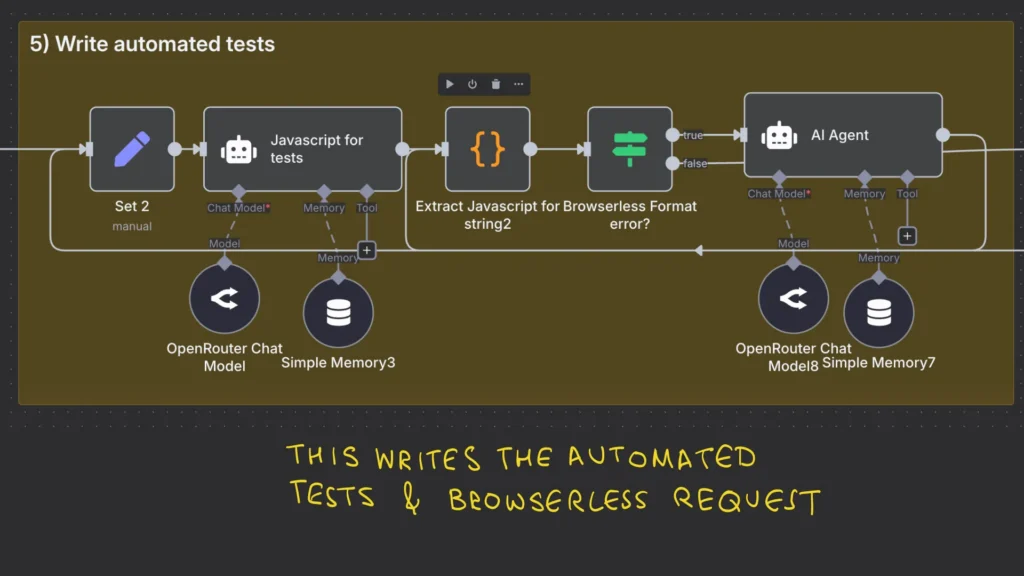
The most innovative aspect of this workflow is the self-healing mechanism. The system generates a series of automated test scripts based on the previously defined QA rules. These tests are then executed alongside the generated JavaScript within a Browserless instance. If the tests fail—indicating that the code did not achieve the desired outcome or caused a regression—the error logs are fed back into the SLM. The model is then given a maximum of three attempts to "heal" the code. This iterative loop is designed for maximum efficiency; if the model cannot resolve the issue within three tries, the system flags the experiment for human intervention, preventing the endless consumption of tokens.
Supporting Data: Cost and Efficiency Metrics
The financial implications of this automated approach are profound. Traditional A/B test development can cost an organization hundreds of dollars per variation when accounting for developer hours, QA specialist time, and project management overhead.
Data gathered from initial implementations of this SLM-based workflow indicates the following:
- Direct API Costs: Using small models via OpenRouter or local instances results in a per-experiment cost of approximately $0.06.
- Time Savings: A process that typically takes 4 to 8 hours of human labor can be completed in under 5 minutes of automated processing.
- Success Rates: By implementing a technical specification phase prior to code generation, the "first-pass" success rate of the code increases by an estimated 40% compared to direct prompting.
- Sustainability: Running models locally via Ollama reduces reliance on energy-intensive cloud data centers and eliminates recurring subscription costs for high-end AI services.
Technical Analysis: The Importance of Determinism
A critical distinction made in this workflow is the use of JavaScript-based tests to validate non-deterministic AI outputs. Generative AI is, by its nature, unpredictable. The same prompt can yield different results on different days. In a production environment, this lack of consistency is a liability.
To counteract this, the workflow introduces "deterministic" elements. JavaScript tests are predictable and consistent; they either pass or fail based on objective criteria. By wrapping a non-deterministic process (AI code generation) in a deterministic shell (JS-based QA), the workflow creates a reliable system of checks and balances. This approach ensures that the "creative" side of the AI is always kept in check by the "logical" side of traditional code execution.
Industry Reactions and Professional Implications
The reaction from the conversion rate optimization community has been one of cautious optimism. Many practitioners view this as a way to "augment" rather than "replace" developers. By automating the repetitive, low-level tasks of moving buttons or changing CSS classes, developers are freed to focus on more complex challenges, such as backend integrations or advanced data tracking.
However, some experts warn that the quality of the output is heavily dependent on the "domain-specific context" provided to the model. An AI that does not understand a specific website’s framework (e.g., React, Vue, or a proprietary CMS) may generate code that conflicts with the site’s core logic. Therefore, the recommendation for most organizations is to treat this workflow as a "starting point" that requires a final human-in-the-loop validation before going live to 100% of traffic.
Broader Impact and Future Outlook
The success of this workflow in the niche of A/B testing suggests a broader application for SLMs in general software maintenance. As models become smaller and more efficient, the possibility of "autonomous maintenance bots" that fix minor bugs and update dependencies becomes increasingly viable.
Furthermore, the integration of local LLM servers like Ollama addresses one of the primary concerns of enterprise-level AI adoption: data privacy. By running the entire code generation and testing process on a local server, companies can ensure that their proprietary website code and experimentation strategies never leave their internal network.
In the coming years, the "serialised workflow" approach—where AI is restricted to specific, rigid nodes in a larger process—is expected to become the standard for professional AI implementation. This move away from "black box" AI agents toward transparent, step-by-step automation represents the next phase of the digital transformation in web development and experimentation.
Conclusion: A New Standard for Experimentation
The ability of Small Language Models to write and self-heal A/B test code represents a significant leap forward in operational efficiency. By prioritizing low-cost, sustainable models and rigorous automated QA, organizations can drastically lower the barrier to entry for technical experimentation. While the role of the human developer remains essential for oversight and complex problem-solving, the "friction" of the development process is being systematically dismantled by the intelligent application of specialized AI workflows. The result is a more agile, data-driven approach to web development where ideas can be tested and validated at the speed of thought.







