The initial six months of 2026 have mirrored the tumultuous landscape of recent years, characterized by a relentless succession of crises that have left consumers feeling overwhelmed by a constant barrage of information and events. The ongoing trade war, initiated at the commencement of President Trump’s second term, has continued to exert pressure on the economy, contributing to a significant decline in consumer sentiment, which has reached historic lows this year. This economic strain is compounded by the protracted conflict in Iran, which has led to a surge in global oil prices and, consequently, elevated inflation rates worldwide.
Amidst this backdrop of global instability, two major cultural events have captured consumer and marketer attention: the FIFA World Cup and the United States’ 250th anniversary. The World Cup, in particular, has emerged as the latest arena for intense competition between established sportswear giants Nike and Adidas, a rivalry that has historically defined athletic apparel marketing. However, both of these significant summer events have been tinged with sociopolitical unease. The Iranian national football team faced unprecedented challenges, with its entire squad reportedly forced to depart the country between matches due to internal political pressures. Similarly, a high-profile UFC event held on the White House lawn was marred by controversy when an offensive remark was directed at former First Lady Michelle Obama, underscoring the pervasive political polarization.
In response to this complex environment, brands have strategically leveraged the lessons learned over the past few years about navigating periods of uncertainty. The imperative to stand out in a crowded marketplace remains paramount, while simultaneously avoiding the pitfalls of engaging in divisive culture war debates. The advertising landscape itself is undergoing a profound transformation, shaped by the dual forces of artificial intelligence (AI) and ongoing mergers and acquisitions within the media and marketing sectors. As the proliferation of fake news, synthetic media, and AI-generated content continues to accelerate, marketers are increasingly focused on creating genuine connections and leaving a lasting, authentic impact on consumers’ lives.
"Everyone is trying to figure out how to be honest, but the struggle is that, for certain brands, that’s been a root in their core and in their DNA, and some are having to decide how to do it when sometimes their output hasn’t been overtly that," commented David Palmer, an executive creative director at the agency Thinkingbox. "Everyone wants this real connection, and they’re grasping at what the honesty is around their brand and how it connects into it."
This drive for authenticity has manifested in brands doubling down on transparent communication. The first half of 2026 has witnessed campaigns that openly acknowledge past mistakes, embrace public perception, or proactively push back against the escalating influence of AI. Marketing Dive has identified seven standout campaigns from this period that offer valuable insights for marketers seeking to navigate an increasingly unpredictable future.
Anthropic’s Super Bowl Ad Play: Navigating the AI Frontier
As artificial intelligence continues to dominate headlines across both the marketing world and broader society, Anthropic, a five-year-old AI firm, has experienced a remarkable year. With a valuation reportedly approaching $1 trillion, the company has surpassed its competitor OpenAI, solidifying its position as a leader in the generative AI space.
Anthropic made a significant impact during this year’s Super Bowl with a memorable advertisement. In an event where many brands opted for safe, conventional advertising strategies, Anthropic’s approach stood out, earning it the prestigious Super Clio award for the most creative commercial of the game. This strategic move allowed the company to effectively differentiate itself in a highly competitive advertising environment.
"They could have done a montage spot with seven different people encountering different versions of AI, but they were restrained in the way they approached it, which at Super Bowl time seems like the antithesis of the way a lot of other people are approaching it," observed Cam Boyd, an executive creative director at Thinkingbox.
The campaign, titled "Can I get a six pack quickly?", and other related ads developed by the agency Mother, depicted users interacting with AI in practical, everyday scenarios. The spot’s success was attributed to its sharp, biting humor that directly addressed the "uncanny valley" phenomenon associated with AI. Furthermore, the campaign strategically positioned Anthropic’s Claude chatbot against its AI competitors. A memorable tagline, "Ads are coming to AI. But not to Claude," underscored the brand’s unique stance.
"They’re not hiding the machine," noted Allison Arling-Giorgi, head of brand at agency Method1. "This feels approachable, it feels humorous, it feels like something that’s delighting me and takes down the suspicion and the mistrust and puts it on the same level." This approach helped demystify AI for a broad audience, fostering a sense of comfort and engagement.
Coca-Cola’s America250 Campaign: A Unifying Message Amidst Polarization
Alongside the global spectacle of the World Cup, the United States’ 250th anniversary presented brands with a unique opportunity to connect with diverse consumer demographics through a shared cultural moment. While numerous major marketers, including Anheuser-Busch, General Mills, Kraft Heinz, Starbucks, and Target, were official sponsors, the 250th anniversary also became a focal point for the nation’s ongoing political polarization.
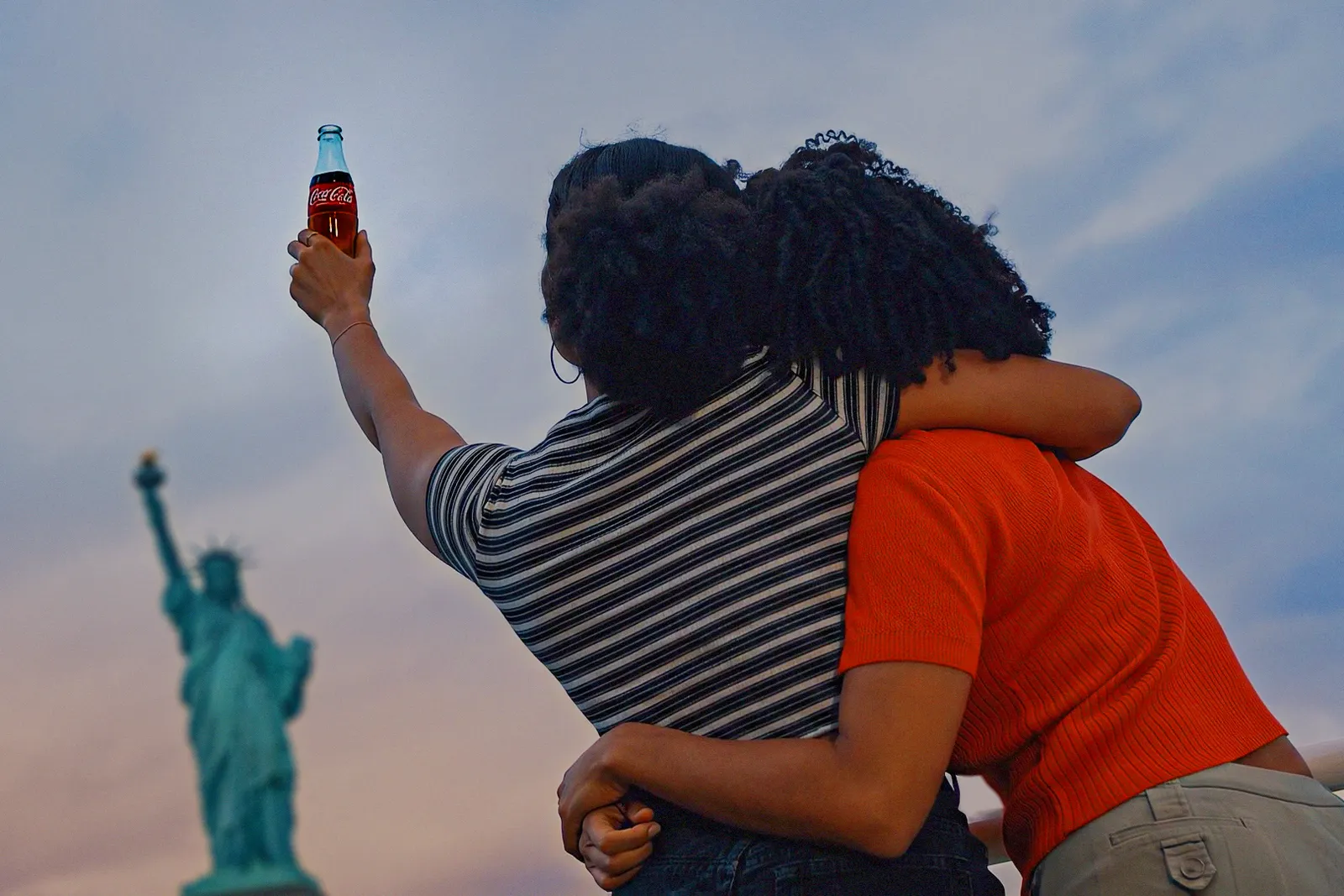
Coca-Cola, however, managed to rise above the partisan fray with its "America250" campaign. At the heart of this initiative, which is further amplified by an ambitious community impact goal, is a three-minute hero video titled "Drink It In America." The film artfully blends the rich tradition of gospel music with quintessential Americana imagery, creating a powerful narrative of unity and shared identity.
"As a very patriotic American who doesn’t love the current political climate, but very much loves my country… I thought it did the perfect job of blending the ethos of the American dream with the core tenet principles of what it means to be American, and blending it with a larger vision," commented Palmer on the campaign’s impact. "It’s basically like, ‘Hey, America, you’re so diverse, and if you guys can all get your shit together, you will be a beacon for the rest of the world.’"
The centerpiece of the hero spot is a reimagining of Coca-Cola’s iconic 1971 "Hilltop" ad song, transforming "I’d Like to Buy the World a Coke" into "I’d Like to Buy America a Coke." While Coca-Cola has previously referenced this pivotal piece of advertising history, this latest iteration carefully navigates the delicate balance of nostalgia-washing by directly addressing broader consumer concerns about national unity and identity.
"They’re not using nostalgia to look backward and to make sure that you have to know what ‘Hilltop’ is – they’re using it as a way to make people feel connected again, and to put it in a place where they’ve always shown the world as it should be, almost as an idealized way of viewing the world," explained Arling-Giorgi. This strategy successfully tapped into a desire for connection and an idealized vision of the nation’s future.
Burger King Reimagines its Identity: Embracing the "Pratfall Effect"
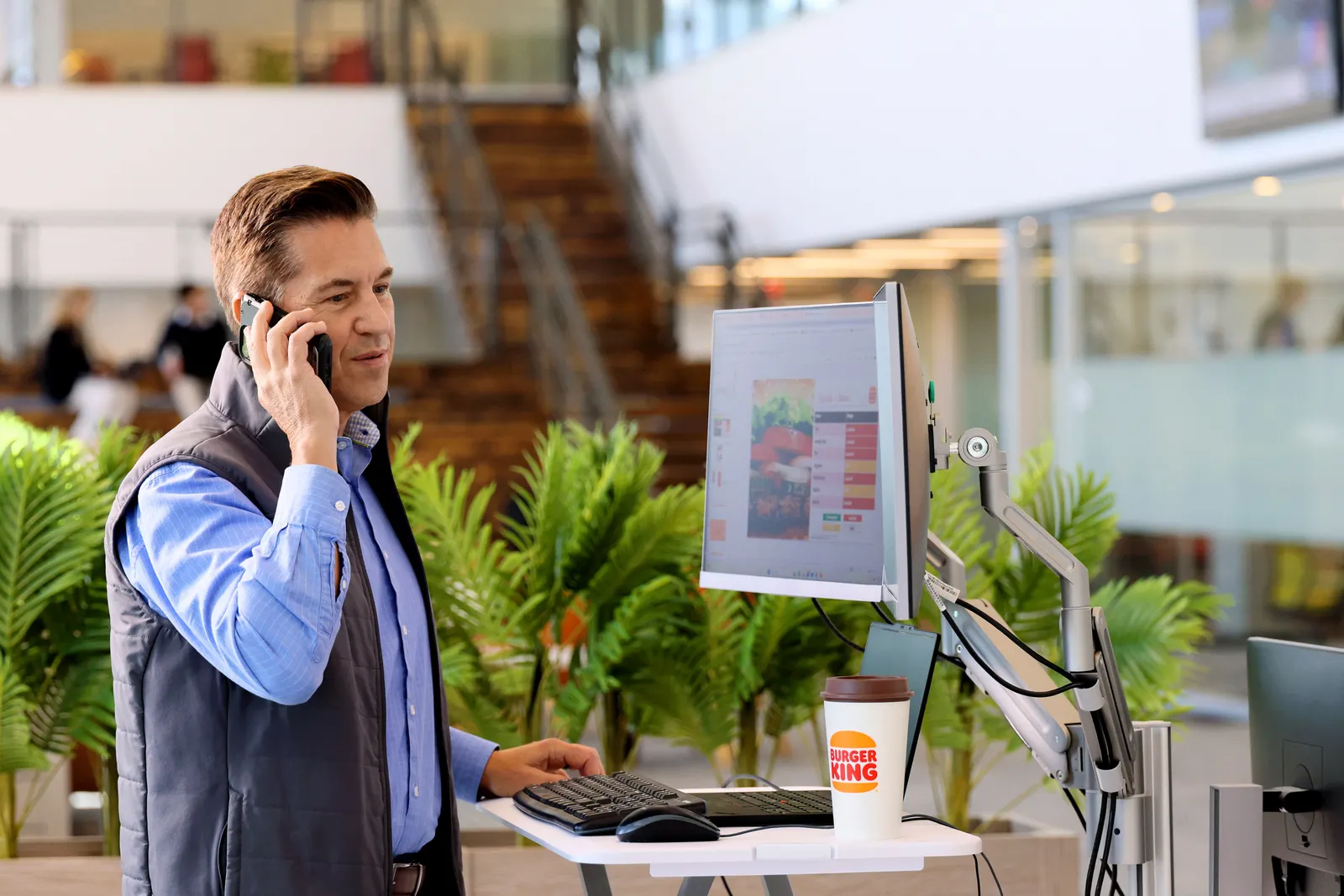
In a bold strategic move, Burger King has retired its long-standing, and at times controversial, mascot, the King. This decision marks a significant shift in the brand’s marketing approach, aiming to re-center consumers at the forefront of its advertising efforts. The campaign, developed with its agency of record OKRP and titled "There’s A New King And It’s You," launched in March during the Oscars. It coincided with a broader industry acknowledgment that "fast food just fell off," signaling Burger King’s commitment to regaining its footing and relevance.
The early results of this repositioning, part of Restaurant Brands International’s (RBI) "Reclaim The Flame" turnaround plan, have been promising. Burger King U.S. comparable sales saw a notable acceleration of 5.8% in the first quarter of 2026, outperforming RBI’s overall sales growth of 3.2%. Furthermore, an impressive 97% of franchisees voted to maintain an elevated ad fund contribution level, indicating strong confidence in the new direction.
"A key highlight this quarter was our direct engagement with guests and the launch of our brand elevation campaign," stated RBI CEO Joshua Kobza during an earnings call. "Overall, this was an exciting quarter for Burger King, and it serves as a strong proof point that our strategy is working."
This strategic pivot bears resemblance to Domino’s successful "Pizza Turnaround" campaign from 2010, a period when Burger King President Tom Curtis and RBI Executive Chairman J. Patrick Doyle held executive positions at the pizza chain. According to Method1’s Arling-Giorgi, Burger King’s latest initiative exemplifies the "pratfall effect" in marketing.
"The pratfall effect basically allows you to admit a flaw, and by not trying to hide it, gloss over it or pretend it doesn’t exist, but owning it and responding to it, you can actually really significantly increase people wanting to choose you," she explained. By acknowledging its past shortcomings and demonstrating a commitment to improvement, Burger King has effectively fostered greater consumer trust and preference.
Dove’s Reddit Campaign: Unfiltered Authenticity and Enduring Brand Strength
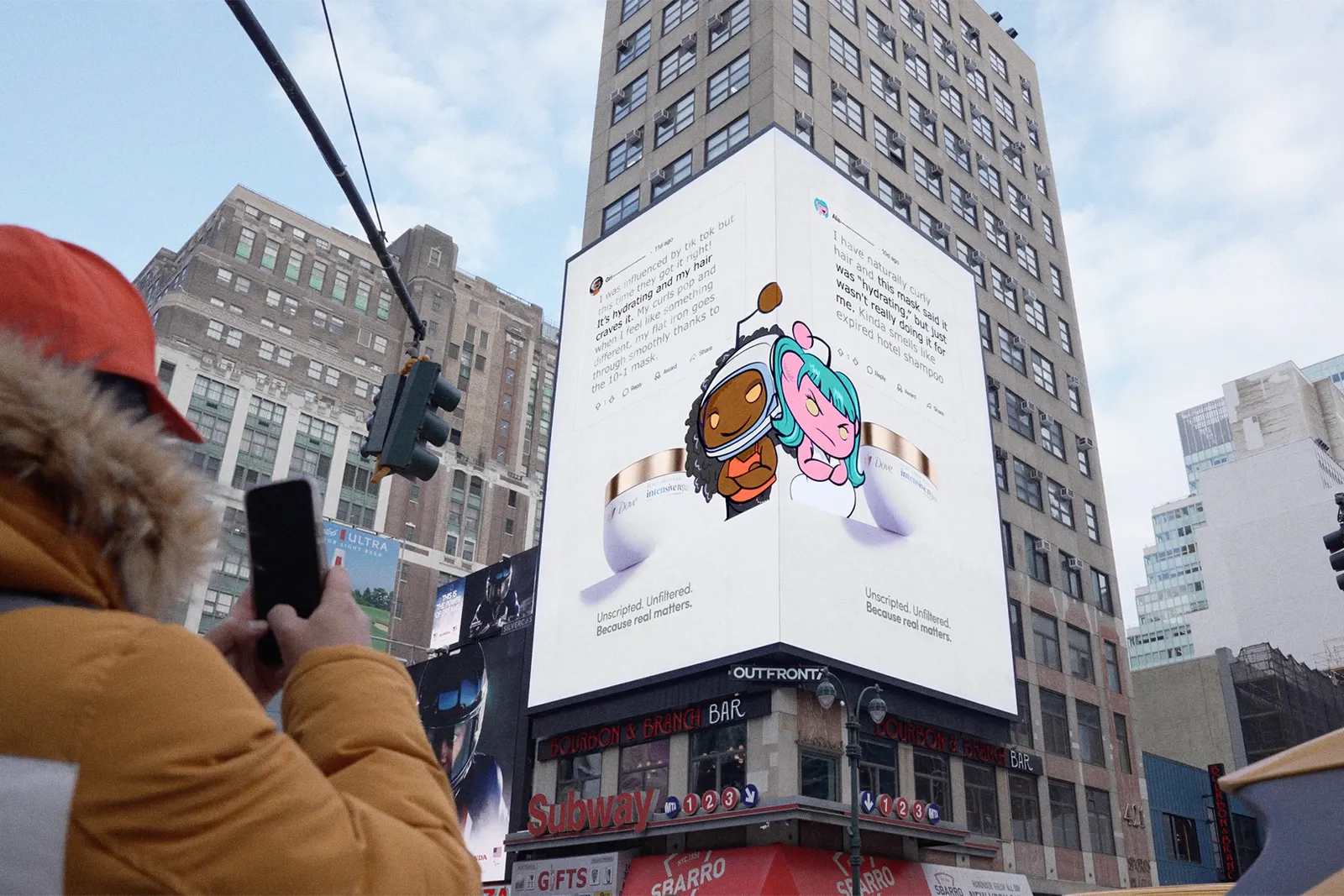
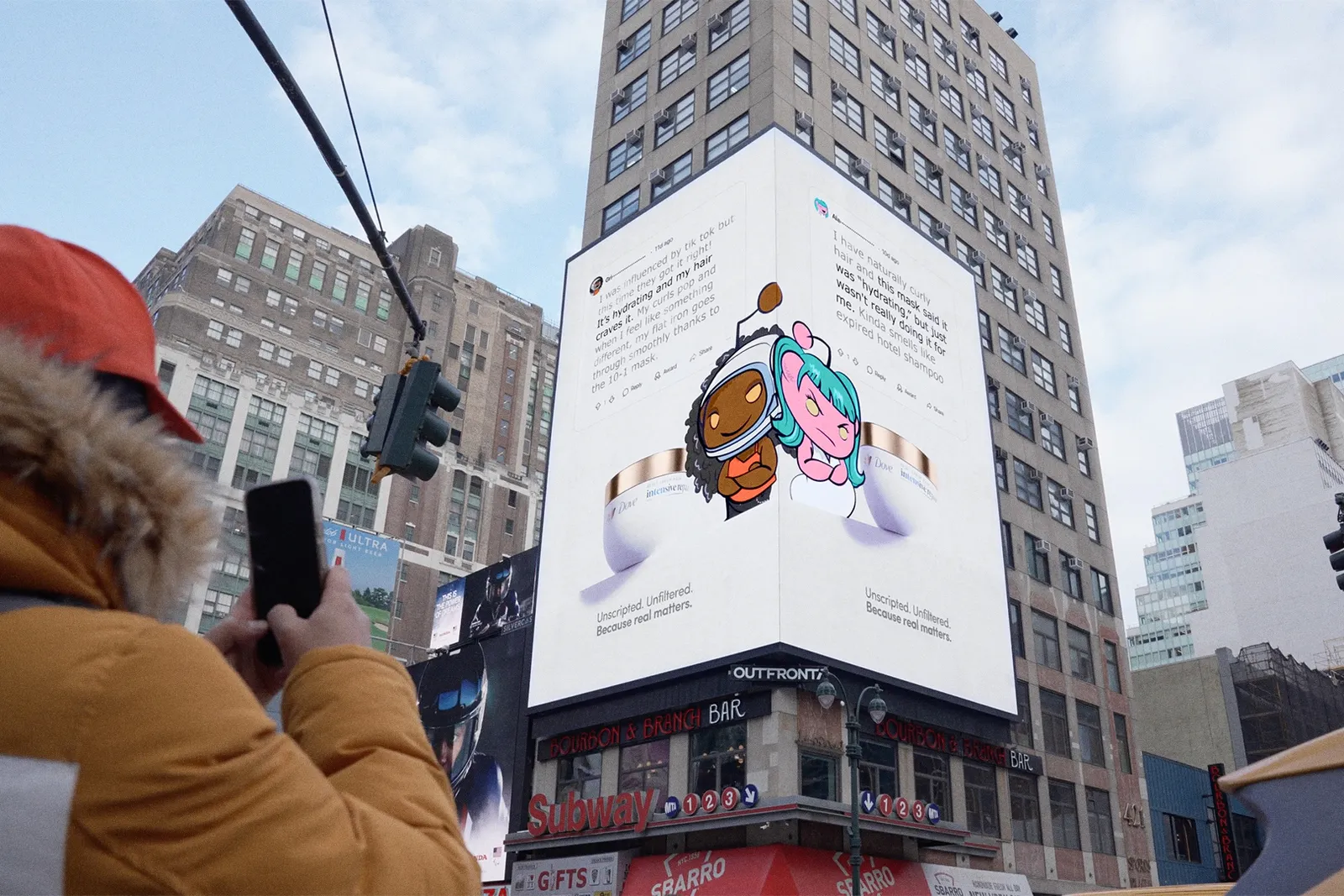
While Unilever’s Dove has consistently championed the concept of "real beauty" in its advertising, often focusing on authentic representations in mirrors and viewfinders, its 2026 "Dove r/eal reviews" campaign took this commitment to a new level by tapping into the unfiltered opinions found on Reddit. Developed in collaboration with David London, AKQA Paris, and WPP Media, the campaign ingeniously transformed the first 50 Reddit reviews of its Intensive Repair 10-in-1 Serum Mask into ad creative, regardless of their sentiment. This bold approach garnered significant industry recognition, including six awards at the Cannes Lions festival.
"We took a shot because we had a lot of confidence in the product itself. We’re not going to please everyone, but we will hopefully please a majority of people," Emily Barfoot, head of Dove U.S., previously told Marketing Dive. "The Redditor community is not brutal for the sake of being brutal. They’re just honest… It pushed us to show up in the way that Redditors want to be spoken to within that environment." This strategy demonstrated a willingness to engage directly with consumer feedback, even when it was critical.
In a marketing landscape often dominated by brand refreshes and repositioning efforts, Dove’s unwavering commitment to its core message of "Real Beauty" stands out. Launched in 2004, this foundational campaign has been instrumental in growing the Unilever brand into an estimated $8 billion entity. Notably, Dove has consistently delivered over 6% growth for 14 consecutive quarters, showcasing the enduring power of its authentic brand proposition.
"Dove, to me, is one of those great brands and a great example of a campaign that’s so clear and has such a sharp point of view, but has enough stretch to iterate over and over and speak to different cultural moments, to speak to humans in different contexts and environments," commented Arling-Giorgi. The brand’s ability to maintain its core identity while adapting to new platforms and consumer dialogues highlights its strategic marketing prowess.
Coach’s Gen Z Co-Creation: Building Brands Through Collaborative Storytelling
While Coach was humorously depicted as a punchline in the fictional film "The Devil Wears Prada 2," its real-world performance has been anything but a joke. The brand has achieved remarkable financial success, reporting a substantial 31% revenue growth in its most recent fiscal third quarter and investing close to $1 billion annually in marketing efforts.
A pivotal element of Coach’s success in this period has been its "Explore Your Story" campaign. This initiative has been highly effective in resonating with its target Gen Z consumer base, achieving strong results across all key metrics, according to Joanne Crevoiserat, CEO of Coach’s parent company, Tapestry.
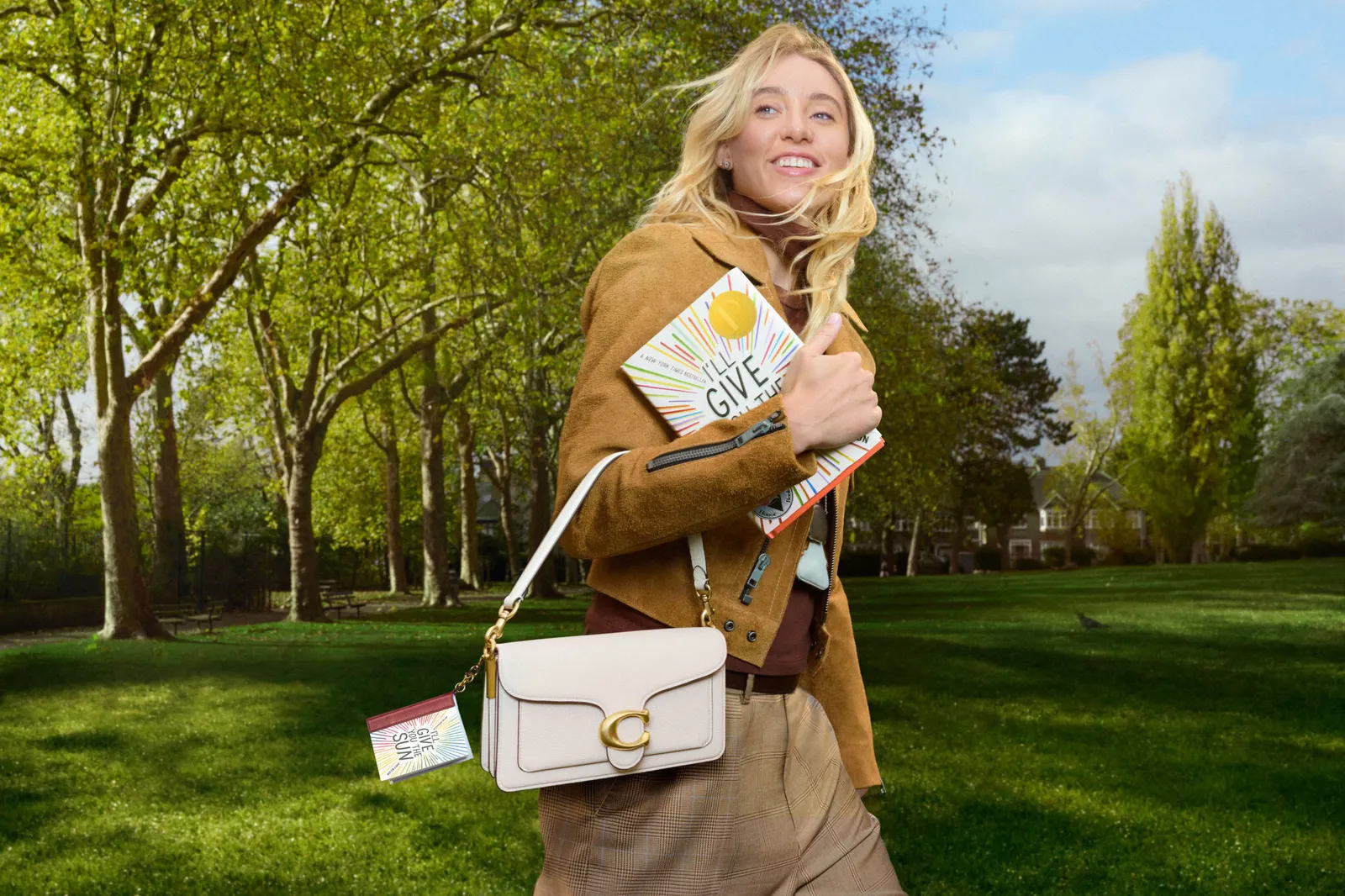
The spring campaign, developed in collaboration with Gen Z voices and the agency Forsman & Bodenfors, centered on the brand’s popular Tabby bag and introduced a collection of readable book charms. These charms, along with accompanying campaign videos, tapped into Gen Z’s growing appreciation for books as a counterbalance to the prevalence of short-form digital content.
"In a world where you have these short-form content kids, they’re hungering for a long-format story, and I think that’s a really interesting pivot that [Coach] made that feels authentic to them," stated Boyd of Thinkingbox. "They’re trying to leave enough space for individuals to contribute as well, so it’s not just a one-sided conversation." This approach fostered a sense of co-ownership and engagement among its young audience.
In addition to featuring global ambassadors such as actress Elle Fanning and basketball star Paige Bueckers, the campaign incorporated partnerships and experiences designed to bring Gen Z together around shared themes of storytelling and self-expression. This effort culminated in the launch of "&Coach," a storytelling platform anchored by Gen Z creators and celebrities, further solidifying the brand’s commitment to collaborative content creation.
"We believe in the opportunity to co-create our brand, hand in hand with our consumers," Coach CMO Joon Silverstein articulated during a Marketing Dive event in February. "We’re increasingly building Coach that way. It’s so much more powerful when our consumers see themselves in the brand and feel like they are helping to build that brand together with us. I think our spring campaign is a great example." This philosophy underscores a shift towards a more participatory brand-building model.
Aerie’s Anti-AI Stance: Championing Authenticity in the Age of Synthetic Media
Echoing Dove’s commitment to genuine representation, American Eagle Outfitters’ Aerie has continued to prioritize inclusivity and authenticity in its advertising. This year, the brand’s "100% Aerie Real" campaign explicitly pushed back against the rising tide of AI-generated content, featuring actress Pamela Anderson in a series of ads that celebrated genuine human beauty.
This campaign coincided with a significant upswing for Aerie, which achieved record first-quarter revenue this year and surpassed $2 billion in revenue on a trailing 12-month basis. Executives attributed this growth, in part, to the effectiveness of their marketing strategies.
"The strong emotional connection we have built with our customer community is driving deeper resonance, relevance, loyalty," Jennifer Foyle, president and executive creative director at Aerie and American Eagle, stated on an earnings call, highlighting the importance of authentic consumer relationships.
Beyond an ad featuring Anderson questioning AI’s ability to capture true human beauty, the campaign also included collaborations with creators who pledged to uphold the same no-AI commitment. The brand further solidified this initiative with the launch of the "Aerie Realmakers Community," a creator program that exceeded its six-month target within weeks, demonstrating strong creator engagement and buy-in.
"Aerie in general does really great creator work that isn’t just with the highest-level macro creators and mega creators: They do stuff that’s really varied, reaching different audiences and different levels," observed John Mathieu, vice president and creative director at Pearpop. "Having Pam Anderson be the lead is only going to help them extend that message into the creator space, which I think the best brands are doing." This strategy leveraged a well-known figure to amplify a message of authenticity across a diverse creator network.
Expedia’s Bold Bet on IShowSpeed: Engaging Gen Z Through Creator-Led Experiences
Similar to Coach and Aerie, Expedia is embracing creators to connect with diverse audiences through authentic messaging. However, Expedia has taken a more concentrated approach, partnering with a single, high-profile creator, streaming star IShowSpeed, to reach a massive Gen Z audience.
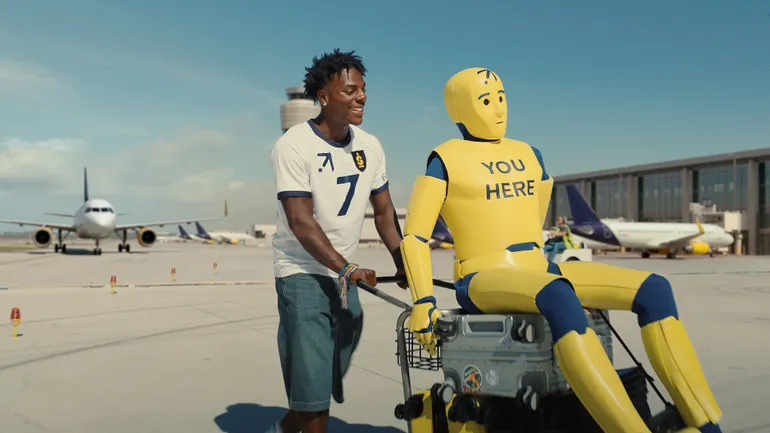
In April, Expedia launched a multi-phase global partnership with IShowSpeed, who has amassed over 150 million followers and designated Expedia as his official travel partner. The initial phase of the campaign featured a 12-hour livestream, a branded hub humorously named "Exspeedia," and a sweepstakes. In June, Expedia extended the campaign with a shoppable travel experience that seamlessly integrated content with commerce, creating a direct pathway from inspiration to booking.
"It doesn’t feel like he’s promoting Expedia as much as it is enabling him to do his thing," noted Boyd from Thinkingbox. "I think what they’ve done with their ecosystem is really strong here, in that there is a lot of participation from his fans and there is a purchase mechanic involved." This approach allowed the creator’s authentic persona to drive engagement and sales.
The livestream, which documented IShowSpeed’s journey across five countries in a single day, reached over 400 million people across social media platforms. This initiative also triggered significant surges in search demand for the island destinations he visited, effectively demonstrating the creator’s powerful ability to drive engagement and sales within the Gen Z demographic.
"He has a significant impact on all of the economies that he goes to," Natalie Wills, senior vice president of integrated marketing and creative at Expedia Group, previously told Marketing Dive. "It just shows you how creators are a channel in their own right." This partnership underscores the evolving role of creators as powerful, independent marketing channels capable of driving substantial brand impact and commerce.