As the global fervor surrounding the FIFA World Cup reaches a crescendo, Major League Soccer (MLS) is gearing up for its own resurgence, with a significant July 16 return date for the league, followed by a full slate of games for all teams on July 22. This strategic timing, coinciding with heightened consumer interest in all facets of the sport, has paved the way for a new, multifaceted campaign from Procter & Gamble’s Febreze. The brand, an official odor fighter of MLS, is launching "Can’t Wash This," a campaign designed to tap into the authentic, often pungent, realities of soccer culture and position Febreze Fabric Refresher as an essential solution for the sport’s enthusiasts.
The "Can’t Wash This" campaign is rooted in a keen observation: the surge in soccer engagement, whether through watching World Cup matches on television or participating in youth leagues, inevitably leads to an increase in sports gear, vehicles transporting sweaty athletes, and fabric-covered surfaces that absorb and retain odors but cannot be easily laundered. This insight provides Febreze with a timely and relevant platform to connect with a passionate consumer base.
A Strategic Partnership and Cultural Resonance
Febreze’s role as the official odor fighter of MLS is a cornerstone of this initiative, stemming from P&G’s broader partnership with the league. This collaboration aims to imbue a product introduced in 1998 with renewed cultural relevance, a challenge that Tyler Beck, vice president of North American air care at P&G, acknowledges has not always been straightforward.
"Soccer gives us a cultural entry point that feels timely and ownable," Beck explained to Marketing Dive. "But we didn’t want to show up in the same way that every brand does. Instead of focusing on the polished aspect of the sport, we leaned into something that’s real." This commitment to authenticity is central to the campaign’s narrative, moving beyond the pristine image of professional athletes to embrace the everyday realities of the game.
The campaign’s multi-pronged approach includes podcast integrations, experiential activations, collaborations with artists, and a robust creator content strategy. A significant component involves the refurbishment of the boot rooms of prominent MLS clubs, including LA Galaxy, FC Cincinnati, Red Bulls New York, and Atlanta United FC. These revamped spaces will serve as backdrops for behind-the-scenes content, offering fans an intimate glimpse into the lives of their favorite teams.
"One of the things that we see across our media mix is Febreze is such an experiential brand," Beck elaborated. "We’re on radio and streaming, but we find that when you can visualize the experience and then also take it experientially to these cities, that’s where the brand can breathe better." This strategy underscores Febreze’s ambition to move beyond passive advertising and foster active engagement with consumers.
Leveraging Influential Voices and Creative Collaborations
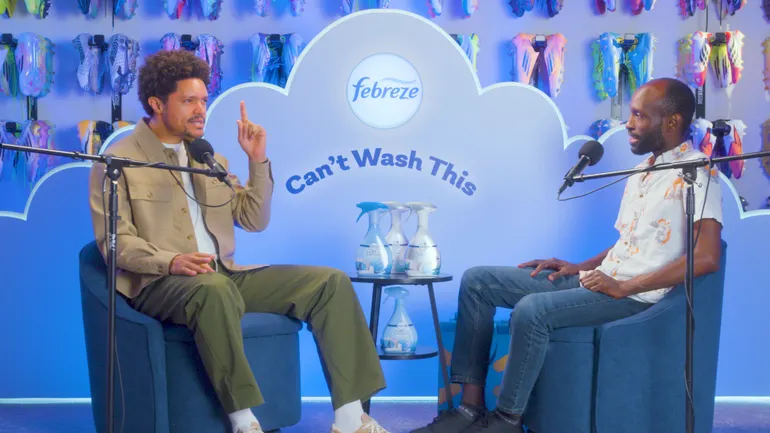
A key element of the "Can’t Wash This" campaign is its integration with the popular podcast "What Now? with Trevor Noah." This collaboration features integrated content surrounding Noah’s World Cup coverage, marking a significant departure for the podcast, which has historically remained within its studio for brand integrations. Noah, former host of "The Daily Show," filmed video content inside the actual boot room of the Red Bulls New York, a testament to the campaign’s emphasis on authenticity.
Esra Yeksek, senior communications manager at P&G, highlighted the organic nature of this partnership. "We didn’t give [Noah] a very strong brief. We said, ‘This is what we’re doing. What do you think?’ and he came up with the ideas and integrations," Yeksek shared. Noah’s enthusiastic response, reportedly stating, "I’m not doing it for an ad, I’m doing it because I feel passionate about the space, and I resonate with this consumer truth," underscores the campaign’s success in aligning with genuine cultural moments and sentiments.
Engaging with Culture Through Creators and Design
Beyond podcast integrations, Febreze is collaborating with multidisciplinary artist Temi Coker to inject a strong design element into the campaign. Coker, a Nigerian-born artist renowned for his vibrant and color-saturated visual work, has created scent-inspired boot designs and a boot room installation. These artistic contributions are integral to the Febreze Boot Room Tour, an experiential activation designed to connect with consumers in key cities including Los Angeles, New York, Cincinnati, Atlanta, and Charlotte, North Carolina, from July 17 to August 29.
This partnership with Coker allows Febreze to connect with consumers on a deeper level, bridging the worlds of art, design, and soccer culture. Beck noted that Febreze, perhaps more than any other P&G brand, resonates strongly with multicultural consumers, particularly African-American and U.S. Hispanic demographics. These groups, according to Beck, are investing 25% more in scent products than other consumer cohorts in the U.S. "You have this love-group for the brand, and you have this emerging, exploding demographic within soccer that has gone relatively unknown and uncaught… so we thought it was a great partnership to bring Temi," Beck stated, emphasizing the strategic alignment of the artist’s work with Febreze’s target audience.
The campaign also leverages creator content to demonstrate how the professional boot room experience can be translated into consumers’ homes. Recognizing the inherent challenge in visually representing scent, Febreze has enlisted a diverse group of visual artists, including miniature artists, makeup artists, and special effects artists, to showcase the product’s efficacy. Furthermore, the brand has expanded its reach to college athletes through Name, Image, and Likeness (NIL) deals, tapping into a new generation of influencers and consumers.
Embracing Evolving Marketing Paradigms
Febreze’s embrace of creator marketing aligns with broader industry trends, echoing the sentiments of P&G Chief Brand Officer Marc Pritchard. Pritchard has consistently spoken about the necessity for brands to adapt to a new era of marketing characterized by media fragmentation, the growth of digital commerce, and the increasing influence of artificial intelligence.
"This whole historical precedent of using our scale and our rates to blast TV everywhere, that’s [not] how we’re going to win a brand new space," Beck observed. "We’re going to feel comfortable with leveraging our consumer groups to tell our story instead. This campaign is a perfect representation of us embracing that." This shift signifies a move away from traditional mass-media broadcasting towards more targeted, authentic storytelling driven by individuals who have established trust and credibility with specific communities.
The "Can’t Wash This" campaign represents a sophisticated strategy by Febreze to not only capitalize on the heightened visibility of soccer but also to deepen its connection with a key demographic through relatable, authentic storytelling. By acknowledging and celebrating the unvarnished realities of the sport, Febreze aims to solidify its position as an indispensable part of the soccer enthusiast’s lifestyle, ensuring that the passion for the game doesn’t come with lingering, unwashable odors. The campaign’s multifaceted approach, from celebrity endorsements to grassroots activations, signals a forward-thinking marketing strategy designed for the contemporary consumer landscape.