The Evolving Landscape of Digital Interaction
Social media platforms, once primarily avenues for personal connection and casual brand awareness, have rapidly transformed into indispensable conduits for direct customer interaction. This evolution has reshaped consumer expectations, with a 2023 study by Sprout Social indicating that 70% of consumers expect a response from brands on social media within an hour. For enterprise brands, this shift presents both immense opportunity and formidable challenge. The public nature of social interactions means every reply, comment, and message contributes to an overarching narrative about the brand’s responsiveness and customer-centricity.
Historically, customer interactions were siloed, often confined to call centers or email support. The advent of social media democratized this process, offering customers an immediate, often public, channel to communicate with brands. This transition, accelerating over the past decade, necessitates a sophisticated approach for large organizations that must juggle high volumes of diverse inquiries, maintain brand consistency, and ensure timely, empathetic responses across numerous platforms and geographical locations. The failure to adapt to this evolving landscape can lead to a significant erosion of trust and customer loyalty.

Defining Engagement: Beyond Awareness and Service
It is crucial to distinguish social media customer engagement from related concepts like brand awareness and traditional customer service, though all three operate within the social sphere. While brand awareness focuses on broad visibility and recognition (e.g., through promoted posts or trending content), and customer service aims to resolve specific issues or complaints (e.g., troubleshooting an order), customer engagement encompasses the ongoing, conversational dialogue designed to build a relationship over time.
Engagement is characterized by a brand’s active participation in discussions, thoughtful replies to comments, and responsive handling of direct messages. Its goal is not merely to be seen or to close a ticket, but to foster a sense of being heard and valued. For instance, a promoted post introducing a new product builds awareness, while a direct message addressing a shipping issue falls under customer service. An engaging interaction, however, might involve a brand playfully responding to a customer’s positive comment about a product, participating in a relevant online thread, or offering proactive assistance based on social listening. This qualitative difference underscores engagement’s role in cultivating a deeper emotional connection, a factor that algorithms increasingly reward by boosting the visibility of responsive and consistent accounts.
The Business Imperative: Retention and Brand Equity

The impact of robust social media engagement extends directly to customer retention and the accumulation of brand equity. When customers receive prompt, helpful, and personalized responses, they are more likely to develop loyalty and return for future purchases. Conversely, a sense of being ignored or undervalued can swiftly lead to customer churn. A 2024 report by Zendesk found that 66% of consumers feel that good customer service makes them more loyal to a brand, with social media being a primary channel for this interaction.
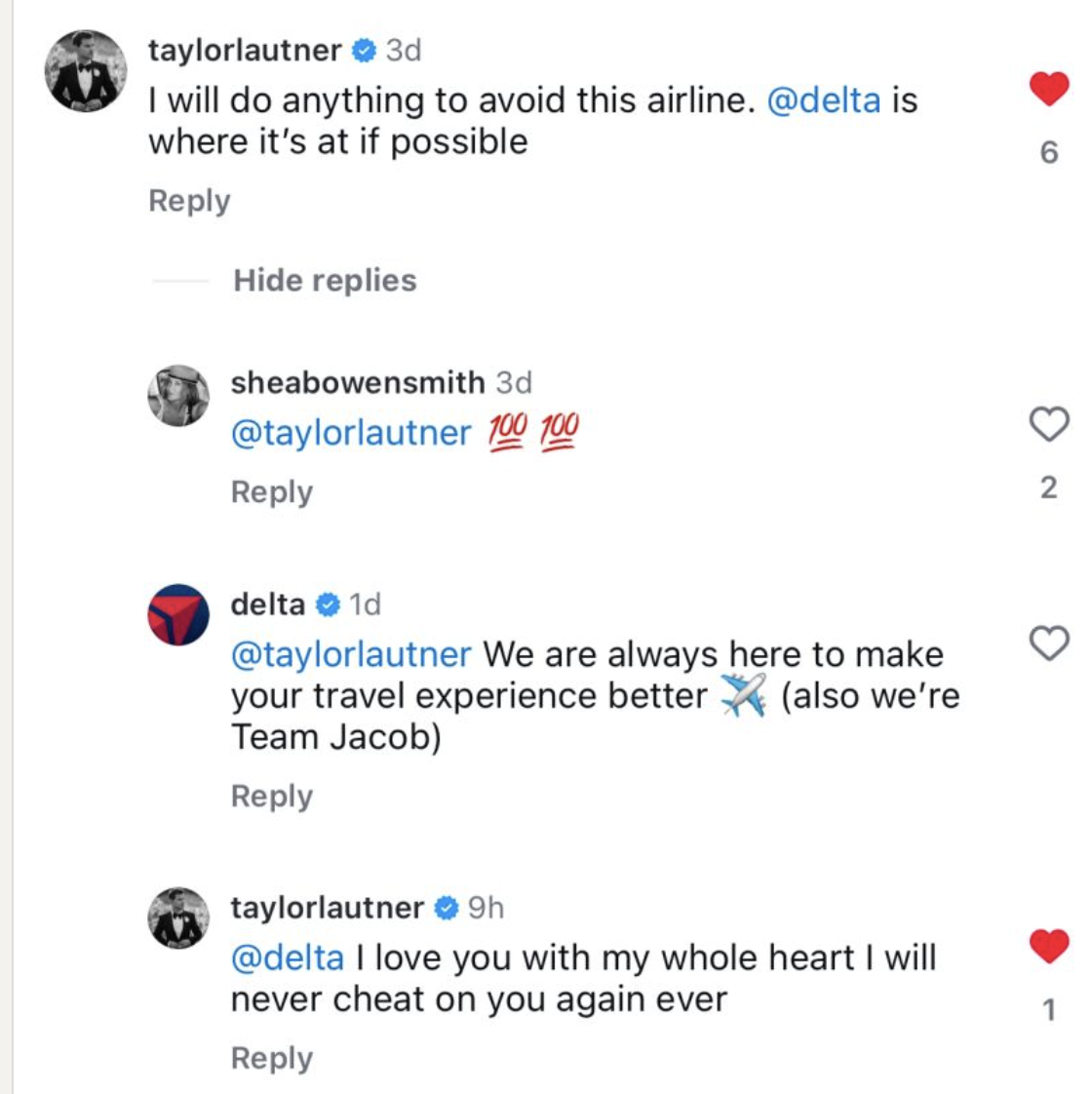
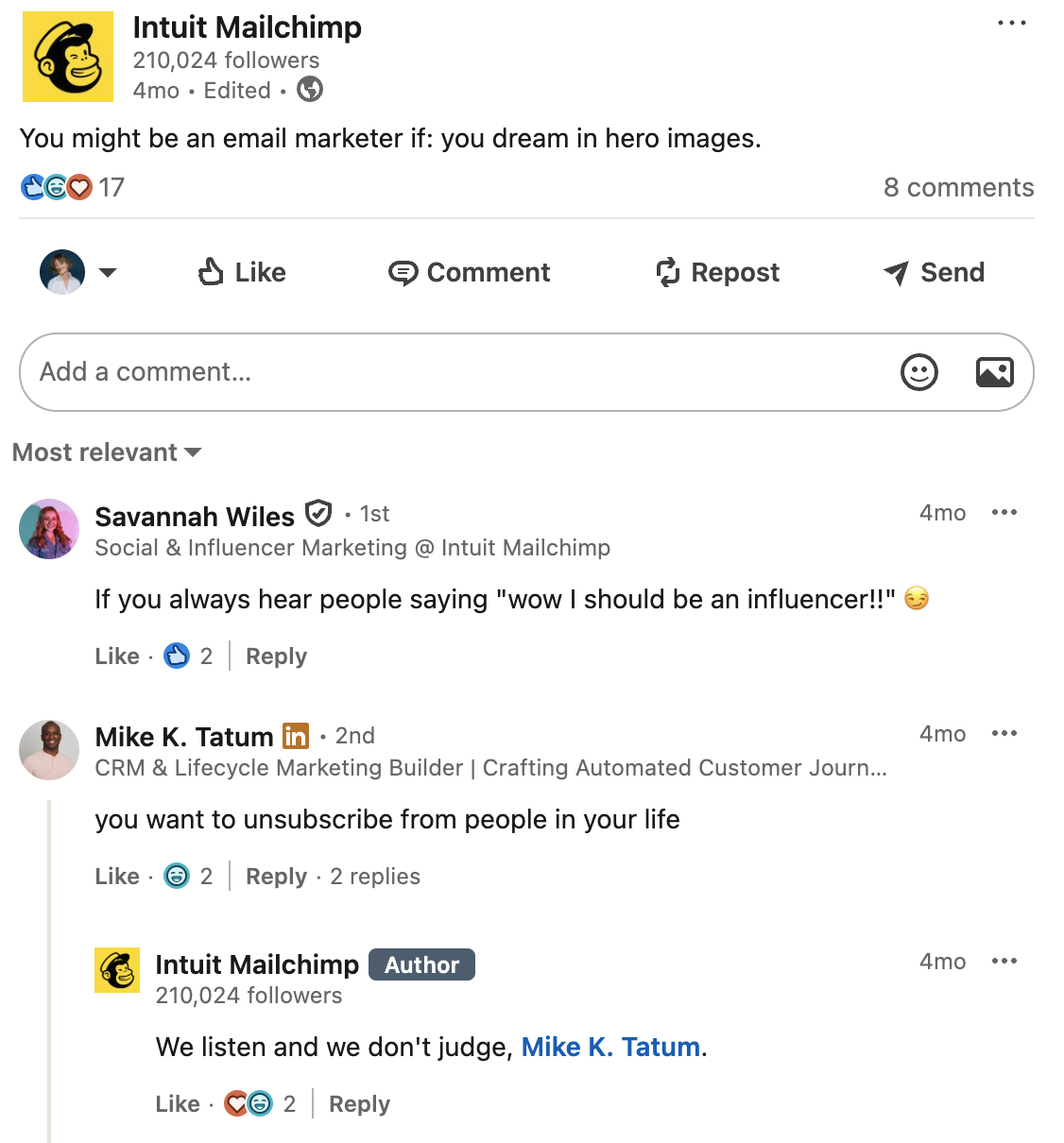
For enterprises, strong engagement translates into tangible brand equity. This emotional connection fosters confidence in a brand, making customers more receptive to new product launches and more forgiving of occasional missteps. The perceived reliability and approachability gained through consistent, positive social interactions influence purchasing decisions, as consumers increasingly gravitate towards brands that demonstrate care and responsiveness. These interactions serve as powerful social proof, publicly showcasing a brand’s commitment to listening and supporting its customer base. A prime example is Delta Airlines’ playful and culturally relevant response to actor Taylor Lautner’s complaint on Twitter, which not only resolved an issue but also generated positive public sentiment, reinforcing Delta’s image as a responsive and relatable brand.
Challenges for Enterprise-Level Engagement
Managing social media customer engagement at an enterprise scale presents unique complexities. Large organizations often contend with geographically dispersed teams, multiple social media accounts for different brands or regions, and an overwhelming volume of daily interactions. This can lead to fragmented communication, inconsistent brand messaging, and delayed responses – all of which erode trust. Without a unified strategy and robust infrastructure, DMs can get lost, comments can be missed, and customers can feel neglected, leading to negative public perception and decreased loyalty. The sheer scale demands systems that can centralize, organize, and streamline interactions without sacrificing the human touch that defines genuine engagement.
Strategies for Scalable Social Engagement
To overcome these challenges, enterprises must implement a comprehensive strategy built on five key pillars, ensuring rapid, consistent, and informed responses across all touchpoints.
-
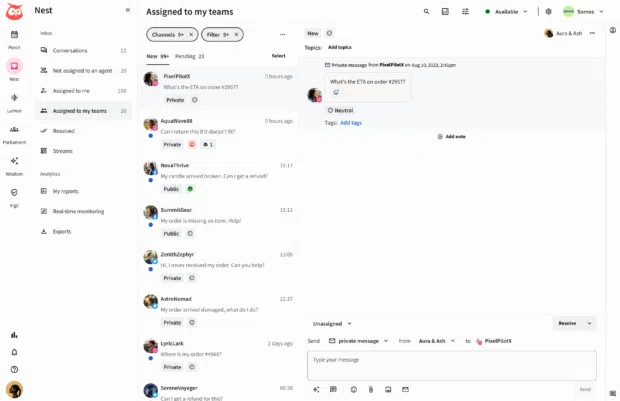
Centralized Communication Hubs: The cornerstone of scalable engagement is consolidating all social media messages, comments, and mentions into a single, unified inbox. This eliminates the need for teams to toggle between various platforms, significantly improving efficiency and ensuring no interaction is overlooked. A centralized system empowers enterprise teams to manage high-volume communications, prioritize urgent queries, and access complete customer profiles, enabling more informed and personalized replies. This approach streamlines workflows, reduces response times, and provides a holistic view of customer interactions.
-
Standardized Workflows and Brand Voice: Consistency is paramount for large organizations. Establishing clear workflows dictates who replies, how they reply, and the escalation paths for complex issues. This typically involves a defined sequence: message reception, tagging, assignment, reply, sensitive content review, and escalation. Complementing this, a standardized brand voice guide ensures that all communications reflect the brand’s identity, whether replies are playful, formal, or empathetic. These guardrails prevent brand dilution and ensure a cohesive customer experience, irrespective of the individual agent or regional team responding.
-
Intelligent Tagging and Routing Systems: To manage the deluge of social interactions, robust tagging and routing rules are indispensable. Tags categorize conversations by topic (e.g., product inquiry, technical support, sales lead), priority (e.g., urgent, high, low), or customer sentiment (e.g., positive, negative, neutral). Routing rules then automatically direct these tagged messages to the appropriate department or specialist, ensuring that sales leads reach the sales team, and complaints are routed to customer care without delay. This intelligent system significantly reduces handling time and ensures that customers connect with the right expert efficiently.
-
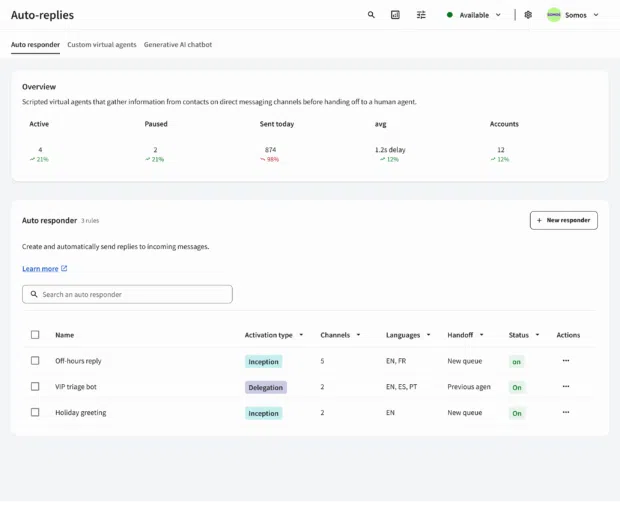
Strategic Automation and AI Integration: Automation should serve as a powerful support system, not a replacement for human interaction. AI tools can automate repetitive tasks such as sentiment analysis, language translation, and the identification of urgent keywords. AI-assisted responses can provide agents with quick, pre-approved drafts, speeding up reply times while allowing human agents to inject empathy and nuanced judgment where required. This hybrid approach allows enterprises to manage high message volumes effectively, maintaining quality and personalized engagement without overwhelming human resources. However, caution is advised, as premature or poorly implemented AI self-service can erode trust, a risk highlighted by Forrester’s prediction that one-third of brands will face this issue in 2026.
-
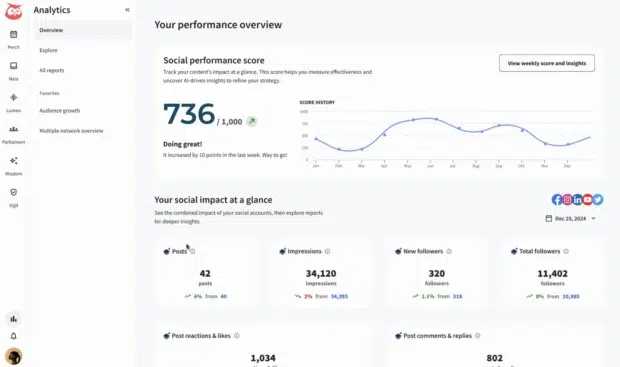
Data-Driven Insights and Analytics: Measuring engagement is critical for continuous improvement. Enterprises must connect engagement data to broader analytics platforms to track key performance indicators (KPIs) such as average response time, resolution time, customer satisfaction (CSAT), sentiment trends, and interaction volume. This data provides actionable insights, revealing areas for improvement, informing staffing decisions, and enabling proactive planning for peak periods or product launches. By analyzing these metrics, teams can optimize their strategies, refine their content, and demonstrate the tangible business value of their social engagement efforts.
Cultivating Proactive and Authentic Engagement
Beyond systematic responses, effective social media engagement requires a proactive and authentic approach to content and community building.
-
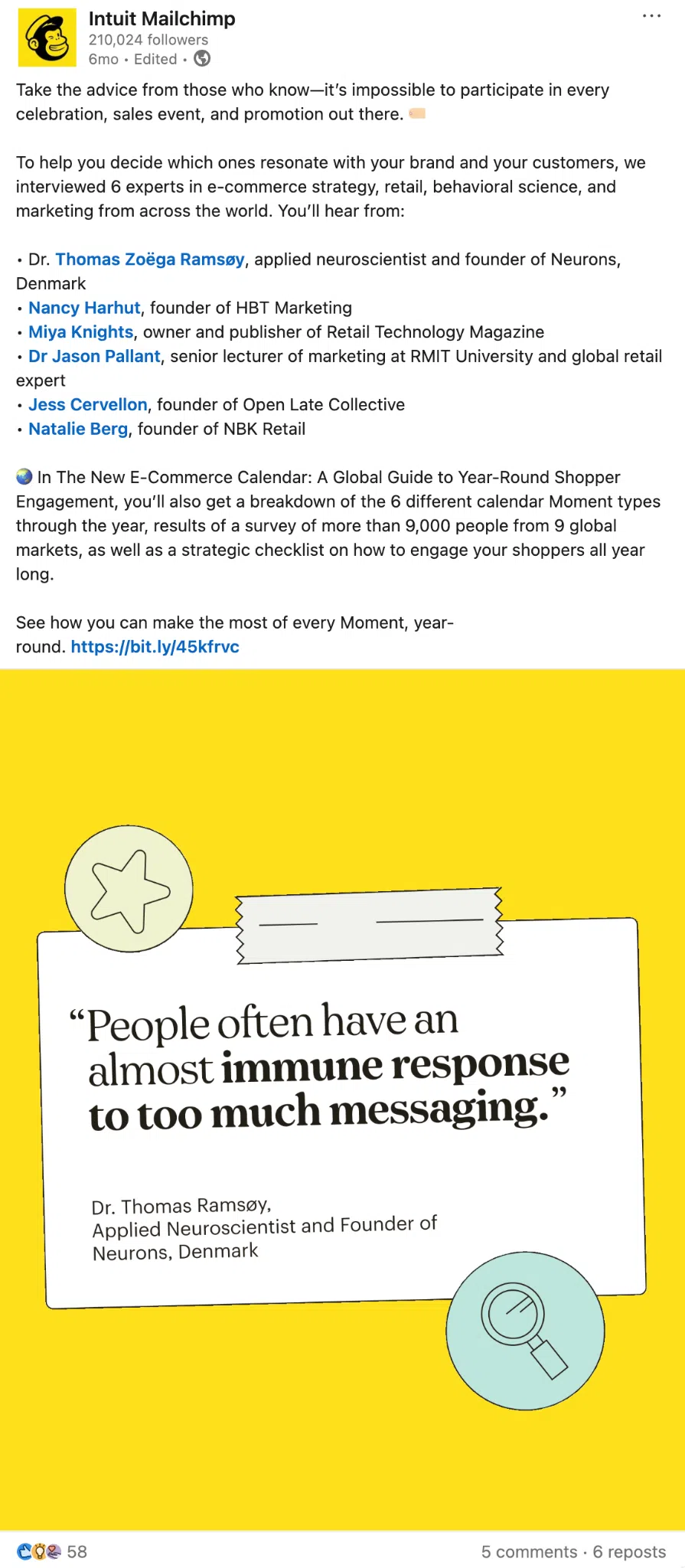
Content Relevance and Value: Customers engage with content that is relevant, useful, or entertaining. Amanda Vance, Senior Content Strategist for Intuit Mailchimp, emphasizes that authenticity, relevancy, and added value are critical. Every post should offer a compelling reason for an audience to dedicate their scarce time, encouraging shares and deeper interaction. Content that genuinely helps or resonates with audience pain points or interests will always outperform generic promotional material.
-
Joining Existing Conversations: Instead of solely waiting for inbound engagement, brands should actively seek out and participate in relevant online communities and comment sections. Vance advocates for "outbound engagement," urging brands to "truly go where your targets are." By respectfully joining existing discussions and offering valuable insights, brands can earn trust and establish credibility, paving the way for their own content to gain traction.
-
Audience Behavior Analysis: Moving beyond superficial metrics like likes, enterprises must delve into why people interact. This involves deep social listening to understand audience behavior patterns: common problems, preferred content formats, and moments that elicit the most comments. This nuanced understanding allows brands to tailor content that feels personal and resonant, fostering genuine engagement rather than generic outreach.
-
Community Building Through Interactive and User-Generated Content (UGC): Community is a powerful driver of engagement, leveraging the inherent trust people place in their peers. Interactive content like polls, Q&As, contests, and challenges invite direct participation. UGC, such as customer reviews, photos, and stories, transforms customers into brand advocates, providing a continuous stream of authentic content. For enterprises, clear governance is essential to ensure UGC sourcing, approval, and resharing adhere to brand guidelines and compliance standards across all regions.
-
Proactive Engagement and Social Listening: Proactive engagement involves monitoring brand mentions and stepping into relevant discussions before customers directly tag the brand. This predictive approach, enabled by advanced social listening tools, allows enterprises to address potential issues early, engage with loyal customers, and even anticipate trends. Such foresight demonstrates a high level of attentiveness, a significant differentiator in a crowded digital space.
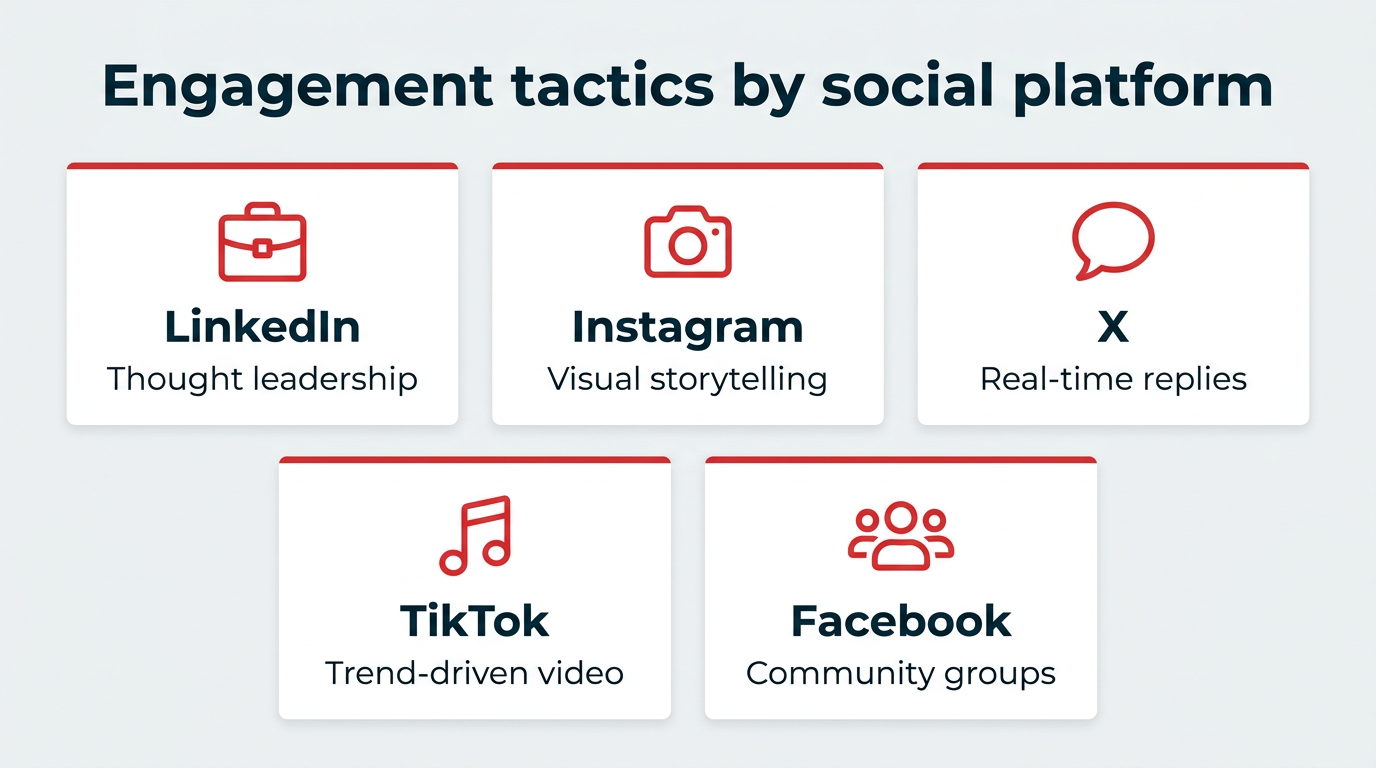
Platform-Specific Engagement Tactics
Effective engagement is not a one-size-fits-all endeavor; it must be tailored to the unique characteristics and audience expectations of each platform.
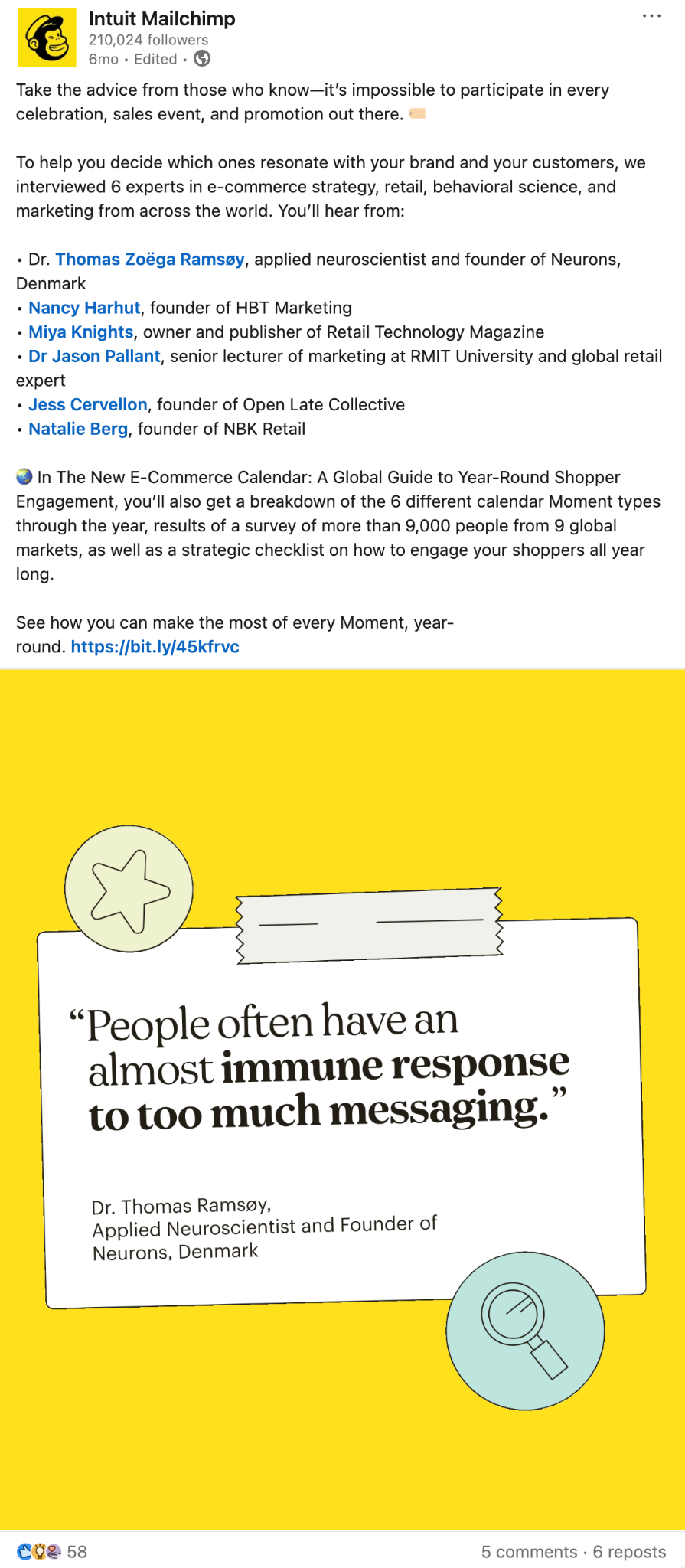
- LinkedIn: Ideal for thought leadership, B2B networking, and professional discussions. Engagement here thrives on insightful articles, industry analysis, and respectful commentary on professional topics.
- Instagram: A visual-first platform where storytelling, high-quality imagery, and short-form video dominate. Engagement is driven by visually appealing content, interactive Stories, and direct replies to comments on posts.
- X (formerly Twitter): Characterized by real-time conversations, rapid replies, and trending topics. Brands engage through quick responses, participation in relevant hashtags, and concise, impactful messages.
- TikTok: The realm of trend-driven, short-form video. Engagement is fueled by creative challenges, collaborations, and authentic, often humorous, content that resonates with younger demographics.
- Facebook: Remains a hub for community groups, longer-form discussions, and targeted advertising. Engagement involves active participation in groups, responsive handling of Messenger inquiries, and community-centric content.
Adapting engagement styles to each platform ensures that brands meet customers where they are, in the manner they expect.
Developing a Comprehensive Engagement Plan
A well-documented social media customer engagement plan is essential for transforming reactive responses into a strategic, repeatable process. This plan typically involves six critical steps:
- Audit Current Engagement: Assess existing social media interactions, identifying strengths, weaknesses, response times, and areas of customer dissatisfaction.
- Set Clear Goals: Define measurable objectives, such as reducing average response time by 20% or increasing CSAT scores from social interactions by 15%.
- Define Roles and Workflows: Clearly delineate responsibilities for each team member, establish approval processes, and outline escalation paths for complex issues.
- Choose Platforms and Tactics: Select the most relevant social media platforms based on audience demographics and business objectives, then define platform-specific engagement tactics.
- Build a Response Framework: Develop a repository of common questions and approved responses, along with guidelines for tone, empathy, and crisis communication.
- Set a Measurement Cadence: Establish a regular schedule for reviewing KPIs, analyzing data, and making necessary adjustments to the strategy.
Once formalized, this plan becomes the enterprise’s playbook, ensuring alignment across all regions and consistent execution of the engagement strategy.
Measuring Success: Beyond Vanity Metrics
Measuring the true impact of social media engagement requires moving beyond superficial metrics like likes and impressions to focus on engagement value and its contribution to business outcomes.
-
From Engagement Rate to Engagement Value: This approach assigns a point value to different types of interactions based on their helpfulness or impact, rather than just their quantity. For example, a customer complaint resolution might be weighted higher than a simple like. By calculating an average engagement value over time, brands can assess the quality and meaningfulness of their interactions, identifying whether responses are genuinely satisfying customer needs. A rising score indicates more effective interactions, while a falling score may signal issues with response quality or speed.
-
Standardize Global KPIs for Consistency: For multinational enterprises, a unified set of KPIs is crucial for consistent measurement and cross-regional performance comparison. Key metrics include average response time (speed of initial reply), average resolution time (efficiency in problem-solving), CSAT from social interactions (customer sentiment post-engagement), sentiment trend (changes in positive/negative mentions), interaction volume (workload indicator), and engagement rate (content appeal). Standardizing these benchmarks allows leaders to identify patterns, allocate resources effectively, and provide targeted training to improve performance globally.
-
Link Engagement to Customer Journey Outcomes: The ultimate measure of engagement success lies in its ability to improve the customer journey. This involves tracking how social interactions contribute to support resolutions, new customer acquisitions, repeat purchases, or enhanced loyalty. By connecting these dots—for example, by observing if proactive social outreach leads to higher conversion rates or reduced churn—enterprises can demonstrate the tangible business value of their engagement strategy.
-
Use Analytics Tools to Track Trends Over Time: Advanced analytics tools are indispensable for discerning patterns across thousands of interactions. These platforms enable teams to identify peak interaction times, pinpoint common customer issues, predict staffing needs, and continuously refine the overall customer experience. By integrating social listening data, enterprises can also monitor sentiment shifts, uncover emerging trends, and gain a deeper understanding of customer needs and preferences, facilitating agile strategic adjustments.
The Future of Engagement: AI and Integrated Platforms
The future of social media customer engagement at the enterprise level is inextricably linked to the strategic integration of AI and comprehensive, unified platforms. AI is poised to revolutionize how large organizations manage customer interactions by handling repetitive tasks, translating languages, analyzing sentiment, and providing AI-assisted response drafts. This allows human agents to concentrate on complex, empathetic, and high-value interactions, thereby enhancing both efficiency and quality.
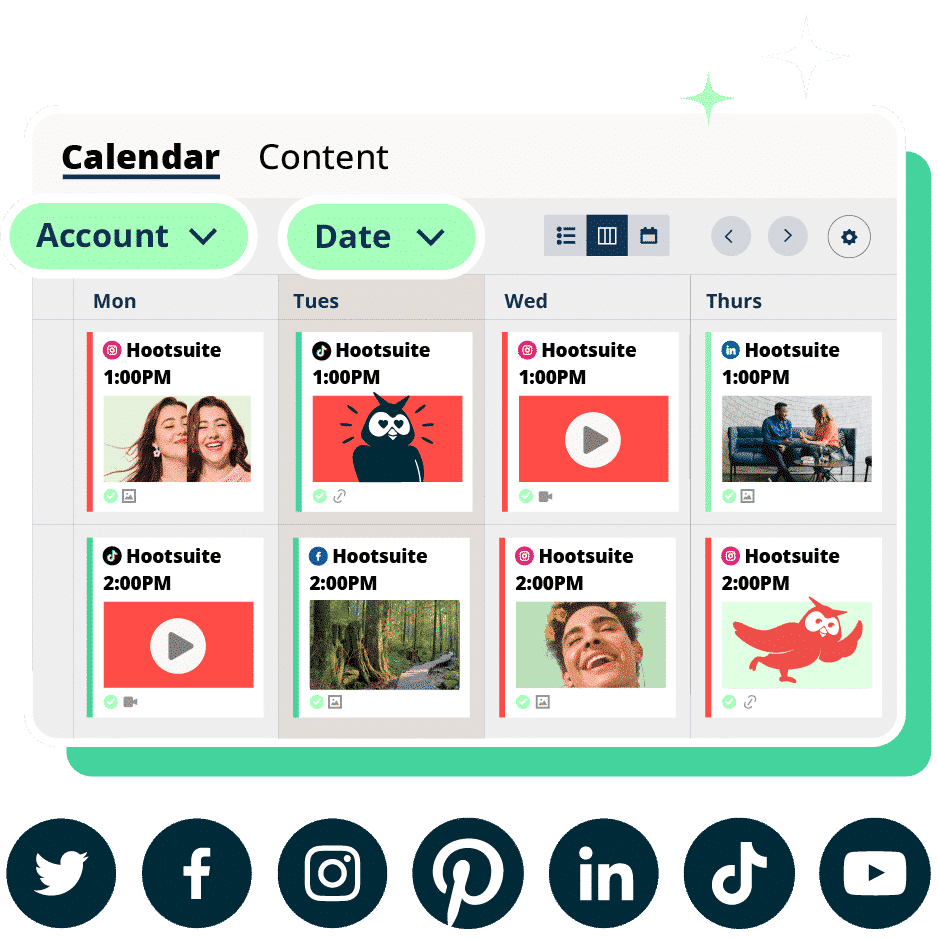
However, the key is governed AI, operating within established rules and workflows to augment human capabilities rather than replace them entirely. Integrated social operating systems, such as Hootsuite Social OS, exemplify this future. These systems combine shared inboxes (like Nest), AI orchestration (like Wisdom for AI), and contextual intelligence (like Lumen for listening) into a single ecosystem. This integration enables enterprises to centralize customer care, automate workflows intelligently, derive deep insights from conversations, and maintain a consistent, human-centric approach at an unprecedented scale.
Case Study: U-Haul Strengthens Customer Engagement with Hootsuite
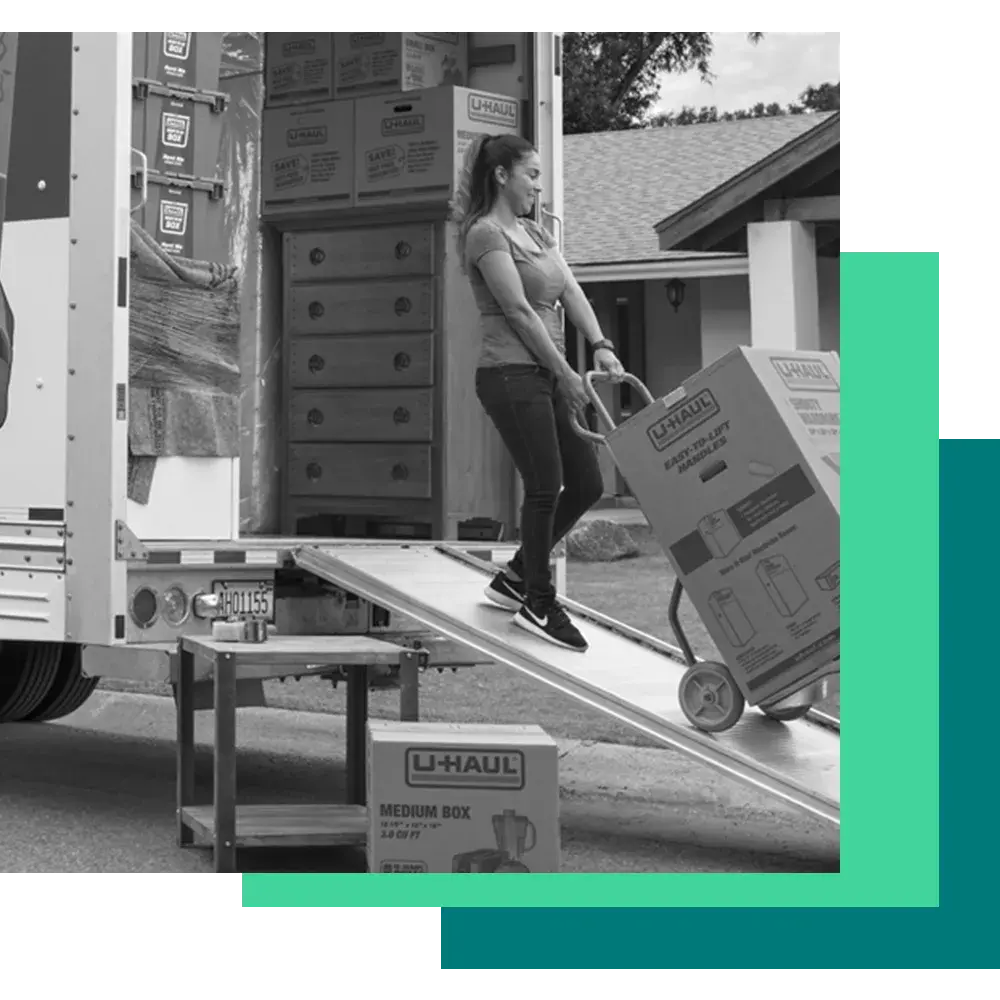
The practical application of these strategies is evident in organizations like U-Haul. Faced with a massive volume of daily customer conversations across various social channels, U-Haul struggled to maintain timely and consistent responses. By centralizing all comments, DMs, and mentions into a single Hootsuite inbox, U-Haul empowered its agents with a streamlined view of all interactions, allowing them to quickly spot messages, tag them, and respond with full interaction history readily available. This centralization drastically improved their response metrics: first response time plummeted to under 10 minutes, and full resolutions were achieved in under 30 minutes. This not only enhanced customer satisfaction but also allowed agents to focus more efficiently. Furthermore, U-Haul leveraged the platform for proactive engagement, identifying and addressing conversations that required attention or where sentiment dipped, thereby reinforcing brand loyalty through timely intervention. This case underscores how robust engagement systems can lead to faster replies, clearer workflows, and a more profound human connection, even at an expansive enterprise scale.
Conclusion
In conclusion, sophisticated social media customer engagement is no longer an optional component but a fundamental driver of enterprise success in the digital age. By strategically centralizing communications, standardizing workflows, leveraging intelligent automation, and adopting a data-driven approach, large organizations can transform scattered interactions into a powerful engine for building trust, fostering loyalty, and enhancing brand equity. The integration of advanced AI and unified platforms will further empower enterprises to navigate the complexities of global social media, ensuring that every customer interaction is timely, empathetic, and contributes meaningfully to the overall customer journey and competitive advantage. The future demands a proactive, intelligent, and human-centered approach to engagement, making it a cornerstone of sustained growth and market leadership.