Snapchat continues to solidify its position as a vital connective platform, particularly among younger demographics, despite facing intense competition in the social media arena. With a global daily active user base reaching 433 million as of the latest reports, the platform demonstrates sustained engagement and attention from its audience. What originated as a niche tool for ephemeral messaging and "risqué" image sharing has remarkably transformed into a significant player in the broader social media ecosystem, often outpacing many newer applications in terms of user interaction and content consumption.
However, Snapchat’s inherent privacy-focused design, which prioritizes intimate connections and disappearing content, presents a unique challenge for marketers. Traditional brand messaging, often designed for more public and persistent platforms, can feel intrusive or out of place within the curated, personal streams of Snapchat users. This dynamic necessitates a nuanced and deeply researched approach for brands aiming to establish a meaningful presence and achieve impactful results. Recognizing this imperative, Snapchat has been proactively developing and rolling out a suite of new advertising options and creator tools, aiming to bridge the gap between its user experience and marketer needs. For brands to effectively leverage these advancements and resonate with the platform’s distinctive audience, a strategic and informed methodology is paramount.
The Evolution of Snapchat and Its Marketing Landscape
Snapchat’s journey from a nascent startup in 2011 to a global media powerhouse illustrates a significant evolution in digital communication. Initially lauded for its innovative approach to ephemeral content – messages and photos that disappeared after viewing – it cultivated a user base that valued authenticity, immediacy, and a degree of privacy often absent on other social networks. This unique value proposition attracted a demographic predominantly composed of Gen Z and younger millennials, who continue to form the core of its audience.
Over the years, Snapchat expanded its functionalities beyond one-to-one messaging to include Stories, Discover content from publishers, AR Lenses, and the Snap Map. Each addition aimed to enhance user engagement and provide new avenues for content creation and consumption. This growth, however, was not without its hurdles. The mid-2010s saw fierce competition, particularly from Meta’s Instagram, which famously adopted the "Stories" format, and later, TikTok, which captured significant youth attention with its short-form video content. These competitive pressures led to periods of slowed growth in key markets like the US and EU, prompting Snapchat to innovate further in its product offerings and monetization strategies.
For marketers, Snapchat’s evolution has meant a shifting landscape of opportunities and challenges. Early advertising efforts were often experimental, struggling to integrate seamlessly into the user experience. The platform’s emphasis on user-generated content and the fleeting nature of Snaps required brands to rethink traditional campaign structures. The introduction of more sophisticated ad formats, robust analytics, and dedicated business tools marked a turning point, signaling Snapchat’s commitment to becoming a viable and valuable platform for commercial engagement. The ongoing development of AI-powered advertising solutions and a more structured creator economy reflects a proactive strategy to simplify campaign management and enhance creative impact, making Snapchat a more accessible and potentially lucrative channel for brands by 2026.
The Unique Snapchat Audience and Engagement
Understanding the Snapchat audience is the cornerstone of any successful marketing strategy on the platform. Unlike many other social media platforms that often cater to broad demographics, Snapchat has maintained a strong hold on younger users. Global statistics consistently show that a significant majority of its daily active users fall within the 13-34 age bracket, with Gen Z forming a particularly engaged segment. This demographic is characterized by a high degree of digital fluency, a preference for visual communication, a desire for authentic and unpolished content, and a strong awareness of privacy and data usage.
Engagement on Snapchat is distinct. Users spend considerable time within the app, not just consuming content but actively creating and sharing it. The platform’s interactive features, such as AR Lenses and Filters, foster a playful and creative environment that encourages participation. This creates an ecosystem where passive consumption is often intertwined with active creation, offering brands unique opportunities for interactive advertising and user-generated content campaigns. For instance, branded AR Lenses allow users to virtually try on products, transform their surroundings, or interact with brand elements in real-time, turning advertising into an experience rather than a mere message.
The "Discover" section and Spotlight, Snapchat’s answer to short-form viral video, provide avenues for curated content and entertainment, offering brands a chance to appear alongside publisher-grade content or user-generated viral hits. However, the success here hinges on content that feels native to the platform – authentic, fast-paced, visually driven, and often humorous or aspirational. Brand messaging that overtly disrupts this flow or feels overly corporate tends to be disregarded. Therefore, marketers must internalize the unique behavioral patterns and content preferences of Snapchatters to craft campaigns that resonate deeply and drive genuine engagement. This often means prioritizing creativity, interactivity, and a commitment to understanding the platform’s distinct culture over simply repurposing content from other channels.
Strategic Imperatives for 2026: A Deep Dive into Marketing on Snapchat
For marketers targeting the influential and highly engaged Snapchat demographic in 2026, a well-defined strategy, grounded in research and optimized for the platform’s unique characteristics, is essential. The following four pillars provide a comprehensive framework for maximizing brand presence and achieving measurable results.
I. Comprehensive Competitive and Platform Research
Given Snapchat’s lack of a publicly accessible, comprehensive trend library or extensive advertising benchmark database comparable to some other platforms, effective research on the platform is inherently a more manual and investigative process. Marketers cannot rely solely on generic industry trends; instead, they must combine hands-on in-app exploration with a thorough review of Snapchat’s official business resources.
The initial phase of research involves deep immersion within the Snapchat application itself. Marketers should conduct targeted searches using relevant topic keywords, competitor brand names, and influential creators within their niche. This direct observation allows for an organic understanding of what types of profiles, content styles, and AR Lenses are currently capturing the attention and resonance of Snapchatters. Analyzing the visual aesthetics, tone of voice, call-to-actions, and interactive elements employed by successful accounts provides invaluable qualitative data. A deeper dive into the engagement metrics (where visible) and related profiles can further illuminate the nuances of what connects with the Snap audience. For instance, observing whether short, punchy videos or longer, narrative-driven Stories perform better, or which interactive elements like polls or quizzes generate higher participation, can inform creative direction.
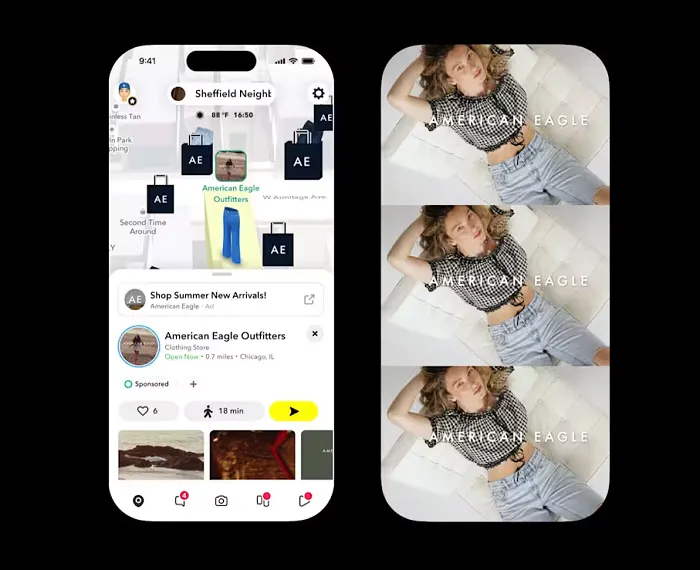
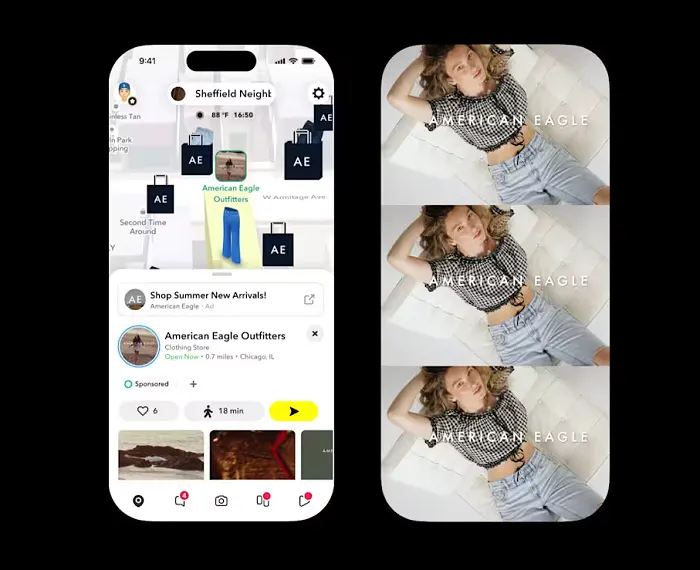
Beyond content analysis, the Snap Map offers a unique geographical and contextual research tool. By exploring relevant locations, stores, and local trends, marketers can gain insights into physical foot traffic patterns, popular gathering spots, and culturally significant events that could be leveraged for location-based advertising or augmented reality experiences. For example, a fashion brand might observe which retail locations are popular on the Snap Map among its target demographic, informing future geo-fenced campaigns or in-store AR activations.
Complementing this in-app exploration, Snapchat provides an extensive array of business resources designed to empower marketers. These include detailed guides on ad formats, in-depth case studies showcasing successful campaigns across various industries, measurement materials to track performance, educational webinars, and comprehensive training content. These resources are crucial for understanding the technical specifications of ad creation, best practices for campaign setup, and how to effectively utilize the platform’s brand and advertising tools. The "general overview of ad case studies" on the Snapchat Business site and the "Snap Focus education platform" are particularly valuable for gaining a structured understanding of successful strategies and the underlying principles that drive them. By diligently combining these two research methodologies – qualitative in-app observation and quantitative resource review – marketers can build a robust foundation of understanding before committing significant resources to campaign development.
II. Crafting an Authentic Brand Persona and Strategy
Armed with comprehensive insights from initial research, marketers can proceed to formulate a distinct brand persona and a tailored content strategy that is specifically optimized for the Snapchat environment. It is critical to recognize that a successful approach on Snapchat often differs significantly from strategies employed on platforms like Instagram, Facebook, or TikTok, given the platform’s unique user expectations and content consumption habits. Snapchatters often prefer content that feels authentic, spontaneous, and less polished than what might succeed elsewhere.
The process involves analyzing what types of voices, visual aesthetics, and video presentations resonate most powerfully with Snapchat users. Brands should meticulously examine the content strategies of successful competitors and complementary brands within their niche. This analysis should extend beyond mere observation to a deconstruction of their guiding persona: Are they humorous, informative, aspirational, or relatable? How do they leverage Snapchat’s unique features like AR Lenses, stickers, or drawing tools to convey their message? Understanding these elements allows a brand to reverse-engineer a persona that feels native to Snapchat while remaining true to its core identity.
For example, a brand targeting Gen Z might adopt a more informal, conversational tone, incorporating trending memes or challenges, and utilizing interactive elements like polls or quizzes within their Stories. Conversely, a luxury brand might focus on visually stunning, immersive AR experiences that offer a unique glimpse into their products or brand world, maintaining an aspirational yet engaging presence.
Snapchat further supports this strategic formulation through a wealth of resources. Its "campaign case studies" offer concrete examples of diverse ad approaches that have yielded positive results, providing inspiration and practical blueprints. Moreover, Snapchat has significantly invested in "AI-powered capabilities" to assist marketers. These tools are designed to streamline various aspects of campaign management, including initial setup and ongoing optimization, creative development (e.g., generating ad copy or visual ideas), facilitating shopping experiences, identifying suitable creator partnerships, and even developing conversational AI experiences for customer interaction. Leveraging these AI tools can help brands rapidly test and refine their persona and content strategy, ensuring it is both engaging and efficient, thereby maximizing the likelihood of connecting with the target audience on a deeper, more personalized level.
III. Establishing a Robust Public Profile and Creator Network
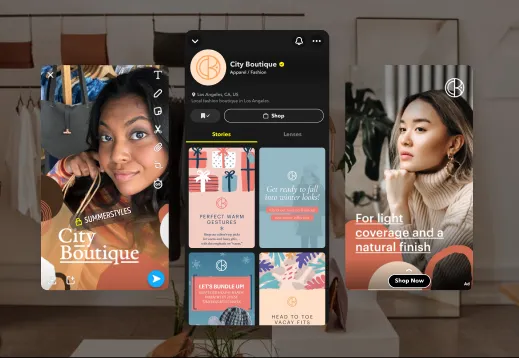
For any brand serious about establishing a lasting presence and maximizing discoverability on Snapchat, creating a "public profile" is not merely recommended but essential. Snapchat explicitly positions public profiles as a brand’s permanent storefront within the application, offering a centralized hub where all Snapchat users can discover, view, and engage with brand content. Unlike ephemeral Snaps or Story posts, a public profile provides a persistent digital identity, allowing brands to curate their image and showcase their offerings continuously.
Setting up a public profile involves careful consideration of audience expectations. This includes uploading high-quality profile pictures and banners, crafting compelling bios that convey the brand’s essence, and organizing content into accessible categories. Brands can use their public profile to host an evergreen collection of their best Stories, Lenses, and Spotlight content, allowing new followers to quickly grasp their brand identity and offerings. This acts as a living portfolio, demonstrating the brand’s style and value proposition. The profile can also integrate product catalogs, facilitating direct shopping experiences within the app, thus shortening the customer journey from discovery to purchase.
Beyond direct content publication, Snapchat is significantly enhancing its ecosystem for brand-creator collaborations with the upcoming launch of its Snap Creator Network. This AI-powered system is designed to simplify the often-complex process of creator discovery and campaign activation. Marketers will be able to input specific criteria describing their ideal creators – including desired audience demographics, content tone, relevant categories, and overarching campaign goals. The AI then leverages this information to identify and recommend creators whose profiles and content align perfectly with the brand’s objectives. This innovation is poised to revolutionize influencer marketing on Snapchat, making it easier for brands to forge authentic partnerships that resonate with specific segments of the platform’s vast user base. By integrating a public profile with a well-curated creator network strategy, brands can amplify their reach, build credibility through trusted voices, and generate diverse, engaging content that feels native to the Snapchat experience, thereby fostering deeper connections with their target audience.
IV. Data-Driven Analysis and Continuous Optimization
Once an organic content strategy and initial campaigns are launched on Snapchat, the critical next step involves rigorous analysis and continuous optimization. Snapchat provides marketers with valuable "audience insights" within the settings for public profiles, offering granular data on who is engaging with their content, how they are interacting, and which specific pieces of content are performing best. This data is indispensable for identifying successful strategies and discarding those that fall flat. Metrics such as views, unique viewers, completion rates for Stories, engagement with AR Lenses, and click-through rates on specific calls-to-action provide a clear picture of content effectiveness.
For seasonal campaigns, such as upcoming holiday promotions or back-to-school initiatives, the company strongly recommends early planning. This allows ample time for A/B testing different creative approaches, refining messaging, and optimizing targeting parameters based on preliminary performance data. Early planning also enables brands to capitalize on seasonal trends and user behaviors as they emerge, rather than reacting belatedly. For instance, a brand launching a holiday campaign might run small-scale test campaigns weeks in advance, experimenting with different ad creatives and audience segments to identify the most effective combinations before the full launch.
Snapchat also offers a variety of promotional tools to amplify reach and boost brand awareness. While organic reach is valuable, strategic boosting of initial updates or high-performing content can significantly accelerate audience growth and engagement. The platform’s recently "added a conversational assistant" within its ad platform further empowers marketers. This AI-powered assistant can guide users through the complexities of strategic ad approaches, offering recommendations on ad formats, targeting options, budget allocation, and even creative best practices based on industry benchmarks and campaign objectives. This tool democratizes advanced ad management, making sophisticated optimization strategies accessible even to marketers with less specialized experience.
In essence, marketing on Snapchat necessitates a more dedicated and uniquely tailored approach, largely owing to the distinct ways in which people utilize the app for connection, entertainment, and self-expression. The key to unlocking success lies not in simply porting existing strategies from other platforms, but in deeply understanding the nuances of how brands are successfully engaging on Snapchat, and continuously refining one’s approach based on data-driven insights and the platform’s evolving capabilities. This iterative process of research, strategy formulation, execution, and analysis ensures that brands remain agile and effective in this dynamic social media environment.
Broader Impact and Future Outlook
Snapchat’s continued evolution as a marketing platform carries significant implications for the broader digital advertising landscape. Its unwavering focus on augmented reality (AR) and visual communication positions it as a leader in immersive advertising experiences, pushing the boundaries of how brands can interact with consumers. The increasing sophistication of its AI-powered tools, from creative assistance to campaign optimization and creator matching, indicates a future where advertising on Snapchat becomes more intuitive, efficient, and personalized. This not only benefits marketers by streamlining complex processes but also enhances the user experience by delivering more relevant and engaging ad content.
The platform’s commitment to fostering a robust creator economy, exemplified by the Snap Creator Network, signals a shift towards more authentic and community-driven brand endorsements. As consumers increasingly trust creators over traditional advertisements, Snapchat’s efforts to simplify these partnerships will likely attract more brands seeking genuine connections with their target audiences. Furthermore, its strong foothold among Gen Z and younger millennials ensures its continued relevance for brands looking to cultivate loyalty among future consumer generations.
However, challenges persist. Intense competition from platforms like TikTok and Instagram for youth attention and ad dollars means Snapchat must consistently innovate to retain its distinct appeal. Data privacy regulations and user concerns will also continue to shape its advertising offerings, requiring a delicate balance between personalization and user protection. Looking ahead to 2026 and beyond, Snapchat is poised to remain a critical, albeit unique, component of a diversified digital marketing strategy. Brands that invest the time to understand its distinct culture, leverage its innovative tools, and embrace its commitment to authenticity and creativity will be best positioned to unlock the full potential of this dynamic platform. Its ongoing advancements promise not just new advertising formats, but entirely new ways for brands to tell their stories and connect with a highly engaged, visually-oriented audience.