The digital commerce landscape is currently undergoing a fundamental architectural shift as retailers move away from the rigid constraints of keyword-based search engines toward a more fluid, intent-driven semantic model. For over a decade, the standard for online shopping has relied on a relatively simple mechanic: matching the specific characters typed by a shopper into a search bar against the product descriptions stored in a catalog. While this system functions adequately for high-intent searches involving specific product names or SKUs, it increasingly fails to meet the expectations of the modern consumer. Today, the gap between typing "black leather boots" and "shoes for a rainy outdoor wedding" represents the primary challenge facing eCommerce executives. As search queries become more conversational and human-centric, the industry is witnessing the decline of the keyword-first era and the rise of semantic intelligence.
The Structural Limitations of Keyword-Based Systems
Keyword-based search systems operate on the principle of literalism. If a shopper types "crimson dress" but the product is tagged as "red gown," the engine may return zero results unless a human merchandiser has manually created a synonym link between those terms. Historically, brands have managed this limitation through sheer manual labor. Merchandising and search teams have spent thousands of hours building exhaustive synonym lists, drafting complex keyword rules, and constantly adjusting ranking weights to ensure relevance.
However, this approach is increasingly viewed as unsustainable. As product catalogs expand into the hundreds of thousands or millions of units, the manual "patchwork" required to maintain a keyword system grows exponentially. Research from the Baymard Institute suggests that approximately 61% of eCommerce sites still require users to search for the exact jargon used by the site, often leading to "No Results" pages that drive immediate site abandonment. Furthermore, Google Cloud research has estimated that "search abandonment"—when a consumer cannot find what they are looking for on a retail site—costs retailers globally more than $2 trillion annually.
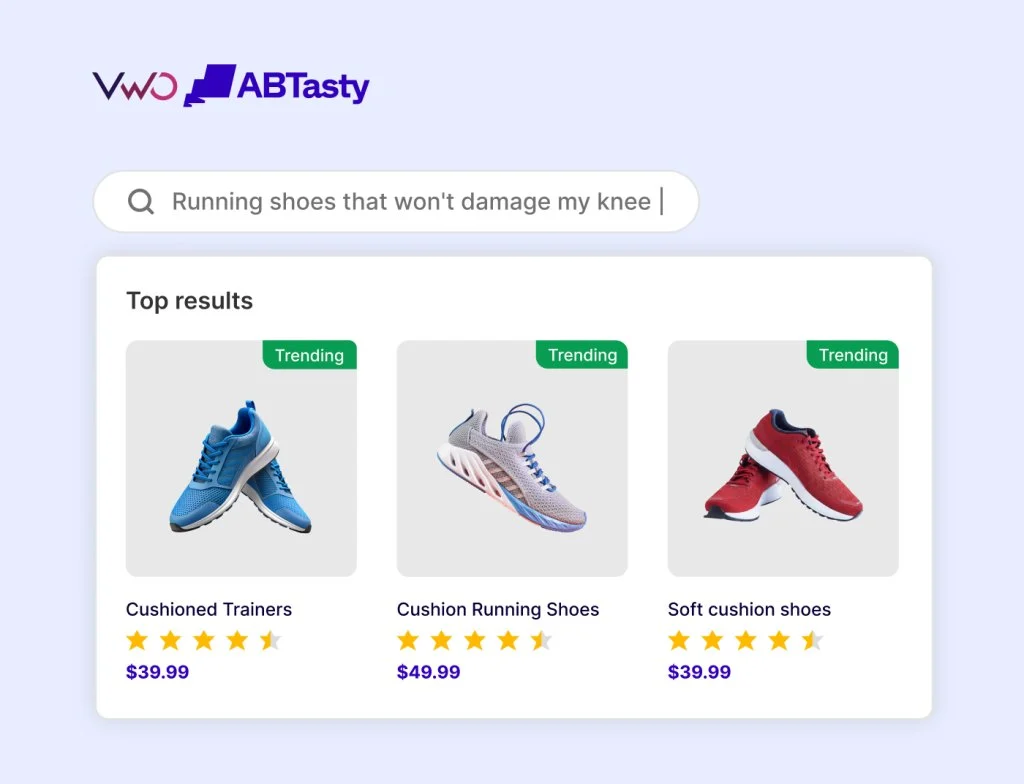
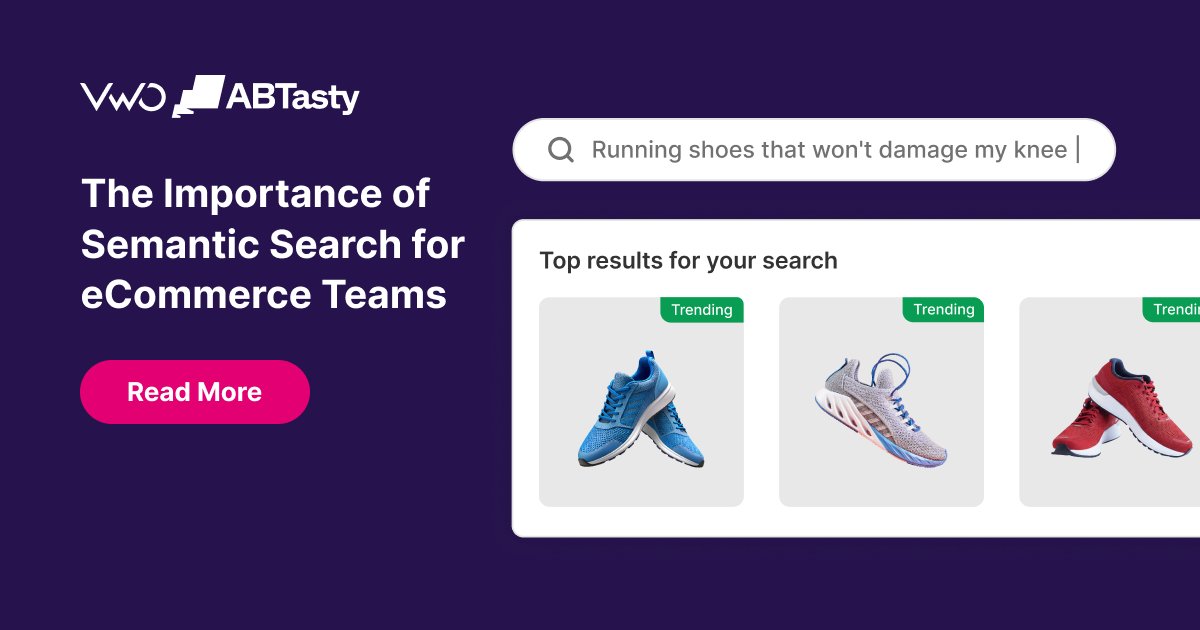
The breaking point for keyword search often occurs during the transition to mobile-first browsing. Mobile users, frequently utilizing voice-to-text or conversational phrasing, do not interact with search bars as if they are querying a database; they interact as if they are speaking to a sales associate. When a query like "running shoes that won’t damage my knees" is entered into a keyword-based system, the engine often focuses on the word "damage" or "knees," potentially surfacing medical supplies or irrelevant accessories rather than cushioned athletic footwear.
A Chronology of Search Technology Evolution
To understand the current shift, it is necessary to examine the technological trajectory of eCommerce discovery over the last thirty years.
In the late 1990s and early 2000s, search was characterized by Basic Boolean Logic. These systems were purely binary, looking for the presence or absence of specific strings. If a user made a typo, the system failed. By the mid-2010s, the industry moved toward Indexed Keyword Search with Basic NLP (Natural Language Processing). This era introduced "stemming" (recognizing that "running" and "run" are related) and basic synonym libraries. This period also saw the rise of manual "boost and bury" rules, where retailers could manually force specific products to the top of the results page.
The current era, beginning around 2020, is defined by Vector Search and Semantic Understanding. This technology utilizes machine learning to convert words and phrases into mathematical vectors in a multi-dimensional space. In this model, the system understands that "sofa" and "couch" are geographically close in meaning, even if they share no letters in common. This shift represents a move from "strings" to "things," where the engine understands the entity and the intent behind the query rather than just the characters used to express it.
Semantic-First vs. Keyword-First: A Technical Comparison
The fundamental difference between these two approaches lies in the initial question the engine asks upon receiving a query. A keyword-first engine asks, "Did the shopper type the exact word found in my index?" Conversely, a semantic-first engine asks, "What is this shopper actually trying to achieve?"
This change in perspective allows semantic engines to handle "long-tail" queries—highly specific, multi-word phrases—with far greater precision. In a keyword-first environment, every additional word in a search query increases the likelihood of a "no match" error. In a semantic environment, additional words provide more context, actually making it easier for the engine to narrow down the intent.
Data suggests that while keyword matching is still superior for technical catalogs—such as those for automotive parts or industrial hardware where exact serial numbers are the primary search method—it fails in "discovery-driven" categories like fashion, home decor, and lifestyle. For example, a semantic engine can interpret the "vibe" of a query. If a user searches for "mid-century modern living room inspiration," a semantic engine can surface items categorized under "teak," "tapered legs," and "minimalist," even if the specific phrase "mid-century modern" is missing from those individual product titles.
The Downstream Impact on the Customer Journey
The implications of search logic extend far beyond the results page. The underlying search engine serves as the foundational "intelligence" for the entire site. When a search engine fails to understand intent, that failure cascades into other areas of the user experience.
- Filtering and Facets: If a search engine cannot correctly categorize a query, the filters (size, color, brand) displayed on the sidebar will often be irrelevant. A semantic engine ensures that if a user searches for "winter gear," the filters automatically prioritize insulation ratings and water resistance.
- Product Recommendations: Most recommendation carousels ("You may also like") are powered by the same product relationships defined in the search index. Semantic understanding ensures that recommendations are based on complementary styles rather than just shared keywords.
- Category Merchandising: When search logic is semantic-first, category pages become more dynamic. They can adapt to seasonal language and evolving trends without requiring a merchandiser to manually re-tag every item in the collection.
Industry analysts note that this integration is crucial for maintaining "signal" in data. When search results are irrelevant, user clicks become "noisy" and provide poor data for machine learning models. High-relevance semantic search creates a clean data loop: users find what they want, they click on relevant items, and the system learns even more about what constitutes a successful match.
Official Responses and Market Reactions
Technology providers and retail CTOs are increasingly vocal about the necessity of this transition. Platforms like VWO AB Tasty have integrated semantic-first search into their broader commerce suites, signaling a move toward unified "experience platforms" rather than siloed search tools.
Industry experts suggest that the "maintenance load" of traditional search is one of the biggest hidden costs in eCommerce today. "We are seeing a shift where merchandising teams want to spend their time on high-level strategy and creative storytelling, not on writing thousands of synonym rules for ‘sneakers’ versus ‘trainers,’" says one digital transformation consultant.
Retailers who have made the switch to semantic-first models report significant uplifts in key performance indicators. Internal data from early adopters suggests that semantic search can reduce "No Results Found" rates by up to 40% and increase search-to-cart conversion rates by nearly 15%. These improvements are particularly pronounced on mobile devices, where the friction of re-typing a failed query often leads to total session abandonment.
Broader Implications and the Future of Intent-Based Commerce
As we look toward the future, the integration of Large Language Models (LLMs) and Generative AI into eCommerce search will only accelerate the semantic trend. The ultimate goal is "Zero-Search Commerce," where the system understands the user’s context—previous purchases, browsing history, and current intent—so deeply that the search bar becomes a conversational assistant.
However, the transition is not without challenges. For organizations with deeply entrenched legacy systems, moving to a semantic-first model requires a clean-up of product data and a shift in organizational mindset. The focus must move from "controlling the results" to "optimizing the intent-recognition engine."
In conclusion, the modernization of eCommerce search is no longer a luxury for top-tier retailers; it is a baseline requirement for survival in an era of conversational AI and mobile dominance. By building a foundation around intent rather than just keywords, brands can bridge the gap between how people speak and how computers index information. The transition to semantic-first search, as exemplified by modern platforms like VWO AB Tasty Commerce, represents a commitment to understanding the human behind the query, ensuring that whether a shopper types "shoes" or describes a complex "beach wedding" outfit, the technology is capable of delivering the right result at the right time.