
 rifanmuazin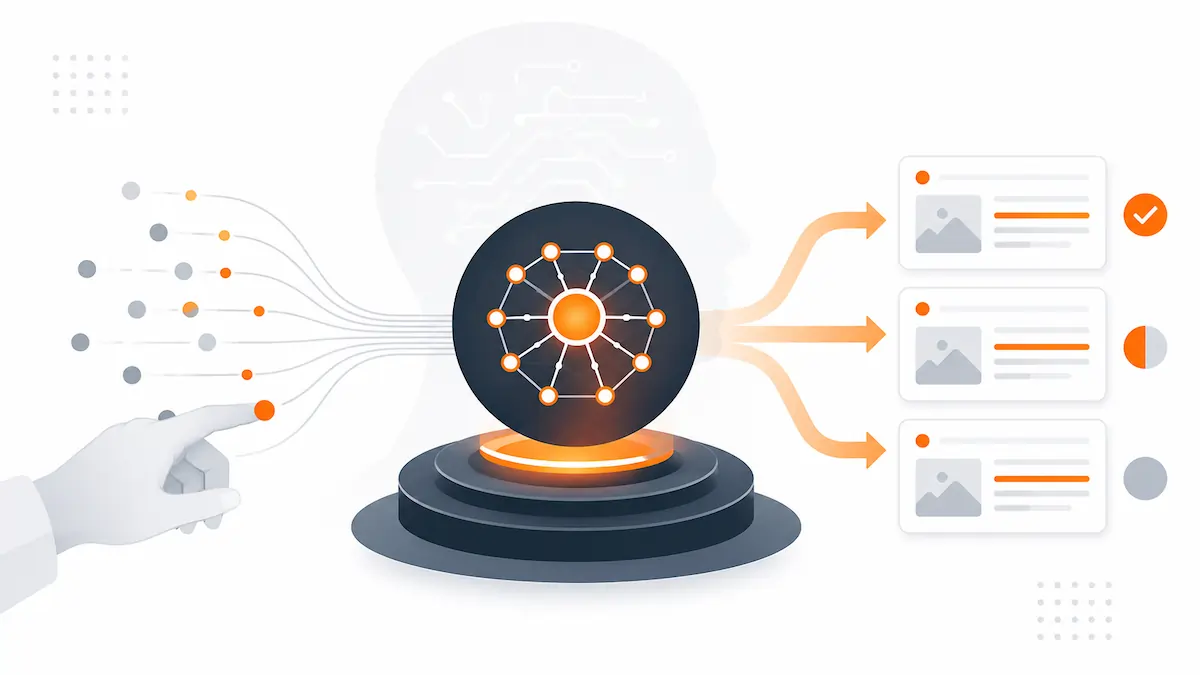
The release of the Q1 2026 SearchPulse report by Reflect Digital has signaled a definitive end to the era of search engine monoculture, revealing a landscape where artificial intelligence and social media platforms have fundamentally dismantled the traditional “front door” of the internet. The quarterly research, which analyzes data from the United Kingdom’s general public, suggests that the digital ecosystem is no longer merely anticipating an AI-driven shift but is currently operating within a total transformation of how information is sought, processed, and utilized. As professionals and consumers alike migrate toward specialized tools, the data underscores a growing tension between technological efficiency and the preservation of brand trust.
The Fragmentation of the Search Journey
For decades, the path to information was linear, typically beginning and ending with a primary search engine. However, the Q1 2026 data indicates that this monopoly has fractured. The most significant disruption is observed within the 18-44 age demographic, where discovery has evolved into a multi-platform ecosystem. In a landmark shift for the industry, 54.8% of users aged 18 to 24 now report using TikTok as a regular search tool, marking the first time the social video platform has surpassed Google in frequency of use for this segment.
This transition is attributed to a psychological shift away from “Search Friction.” Younger audiences are increasingly rejecting the high cognitive load required to scan multiple blue links and text-heavy results. Instead, they are prioritizing “Processing Fluency,” a state where information is easily digested through visual and social formats. This has led to the emergence of what analysts call the “Big Three” discovery stack: TikTok is utilized for visual inspiration and lifestyle queries, Instagram serves as the primary engine for social proof and brand validation, and AI models act as the terminal for instant, transactional answers.
Professional Integration and the Principle of Least Effort
While younger demographics lead the social search trend, working professionals have integrated AI into their daily operations as a functional necessity rather than a novelty. The SearchPulse report highlights a direct correlation between professional sectors and AI adoption rates. The Information Technology (IT) and Business Consulting sectors remain the primary drivers of this trend, with the IT sector consistently maintaining the highest usage of ChatGPT across all tracked quarters leading into 2026.
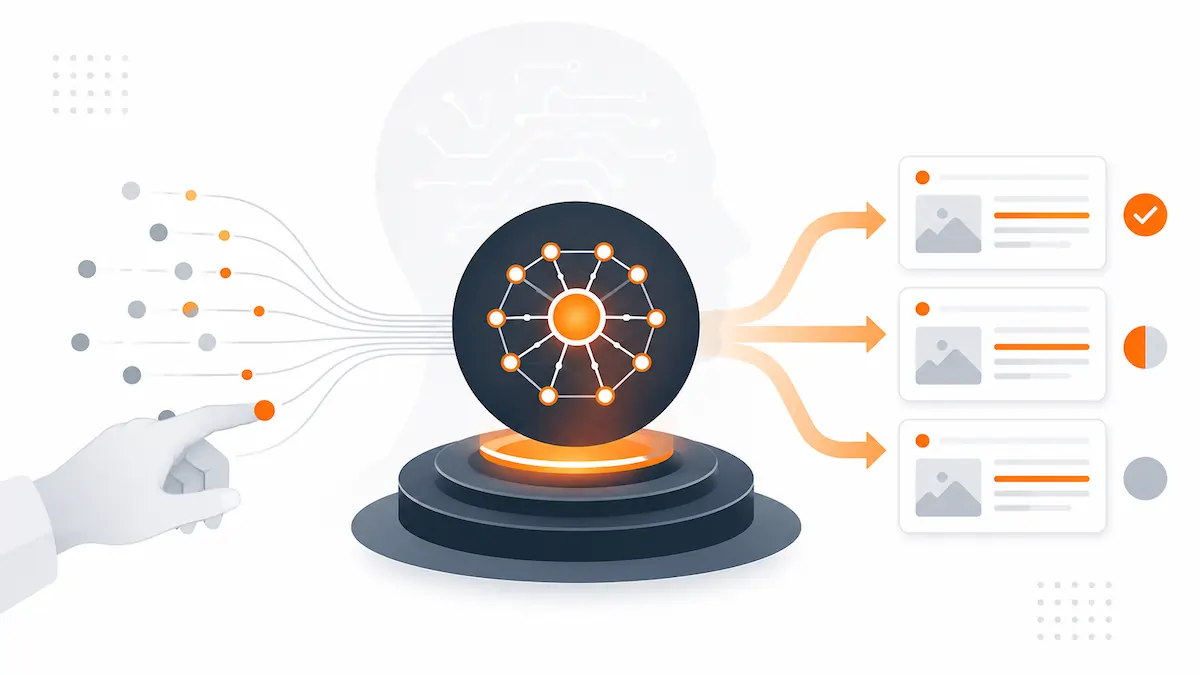
The motivation behind this adoption is rooted in the “Principle of Least Effort.” Professionals are increasingly delegating cognitive tasks to AI “personal assistants” to bypass the noise of traditional search results. According to the research, 61.2% of professionals prioritize ease of use, while 56.9% value the speed of results provided by generative tools. By collapsing the traditional marketing funnel—moving from awareness to conversion in a single conversational interaction—AI is effectively removing the middle layers of the digital experience.
The Rise of Specialized Knowledge Agents
As the general public becomes more sophisticated in its use of generative AI, a secondary shift is occurring: the migration from general-purpose bots to specialized “Knowledge Agents.” While mainstream users of platforms like ChatGPT and Gemini exhibit a blend of trust and skepticism, a new cohort of “AI Specialists” is emerging. These users are gravitating toward niche platforms such as Perplexity and Claude, which are perceived to offer higher precision for complex tasks.
Trust remains the critical currency in this space. Perplexity, in particular, has seen a surge in credibility, with 60% of its user base reporting high levels of trust in its outputs. This suggests that when tasks reach a certain level of complexity, users abandon general search engines in favor of platforms that utilize “Authority Bias”—the tendency to trust a source perceived as an expert. This migration poses a significant challenge for traditional search engines that rely on broad indexing rather than curated, cited accuracy.

Identifying the Four Modern Search Personas
The SearchPulse research identifies four distinct personas that have emerged from the fractured search landscape. These personas represent the psychological drivers that now dictate how brands must position themselves to be discovered:
- The Visual Explorer: Predominantly younger users who seek information through short-form video. They prioritize aesthetics and immediate visual demonstration over textual explanation.
- The Efficiency Seeker: Professionals who use AI to condense hours of research into seconds. They value the “Least Effort” path and are unlikely to click through to a website if the AI provides a comprehensive summary.
- The Fact-Checker: Users who utilize specialized AI like Perplexity to verify information. They are highly sensitive to citations and third-party validation.
- The Social Validator: Consumers who rely on Instagram and social communities to confirm the reliability of a brand before making a purchase, treating social engagement as a proxy for quality.
The Trust Paradox and the Risk of AI Advertising
One of the most provocative findings in the Q1 2026 report is the “Trust Paradox” regarding advertising within AI environments. As AI models are increasingly viewed as private, intimate personal assistants, traditional advertising is being perceived as an intrusive breach of trust. The data reveals that 41.5% of respondents would trust a brand less if they encountered its advertisements within a ChatGPT conversation.
This sentiment is particularly potent among users who value AI for its perceived lack of bias and operational efficiency. For these users, a paid placement suggests a compromise in the AI’s objectivity. Consequently, the report suggests that in an AI-driven environment, attention cannot be bought through traditional PPC (Pay-Per-Click) models in the same way it was on legacy search engines. Instead, authority must be earned through organic mentions and citations within the datasets that these AI models consume.
Chronology of the Search Revolution: 2022–2026
To understand the current state of search in 2026, it is necessary to view the rapid progression of the last four years:

- Late 2022 – 2023: The “Hype Cycle” begins with the public release of ChatGPT, leading to mass experimentation but limited functional integration in professional workflows.
- 2024: Major search engines introduce Search Generative Experiences (SGE), attempting to blend traditional links with AI summaries. Social media platforms begin optimizing for “search-like” intent.
- 2025: The “Functional Reality” phase. AI adoption stabilizes in the workforce. Specialized tools like Perplexity and Claude gain significant market share from users seeking accuracy over general conversation.
- Q1 2026: The “Fractured Ecosystem.” TikTok officially overtakes Google for the youngest adult demographic. The “Trust Paradox” becomes a primary concern for digital marketers as AI advertising faces consumer backlash.
Strategic Implications: From Selling to Proving
The shift in user behavior necessitates a fundamental change in digital strategy. With 35% of the public still expressing skepticism toward AI-generated answers, the role of a brand is no longer just to be “found” but to be “verified.” To win in this environment, companies must transition from a strategy of “selling” to one of “proving.”
This involves doubling down on third-party validation. Because AI models rely on existing web data to build their responses, a brand’s presence in independent expert reviews, academic citations, and authoritative technical documentation is more critical than ever. If a brand is not cited by the sources the AI trusts, it effectively ceases to exist in the conversational search result.
Analysis of Future Impacts
The findings of the Q1 2026 SearchPulse report suggest that the industry is moving toward a “Post-Channel” world. In this reality, the distinction between “SEO,” “Social Media Marketing,” and “AI Optimization” is blurring into a single discipline of “Presence Management.”
For businesses, the competitive advantage in the remainder of 2026 will not come from chasing every new AI tool or social platform. Instead, it will come from establishing organic authority. As the search monopoly continues to fracture, the brands that thrive will be those that ensure they are the “source of truth” for the AI agents that consumers now rely on. The focus must shift toward being mentioned and cited by trusted, real-world experts, thereby bypassing the distrust filter of the modern searcher.

The transformation of search is no longer a future projection; it is a functional reality. The traditional marketing funnel has been collapsed, the “front door” of the internet has been removed, and the metrics of success have shifted from clicks to citations. As Q2 2026 approaches, the digital landscape will likely continue to reward those who prioritize accuracy, authority, and organic integration over intrusive interruption.








