Siti Muinah
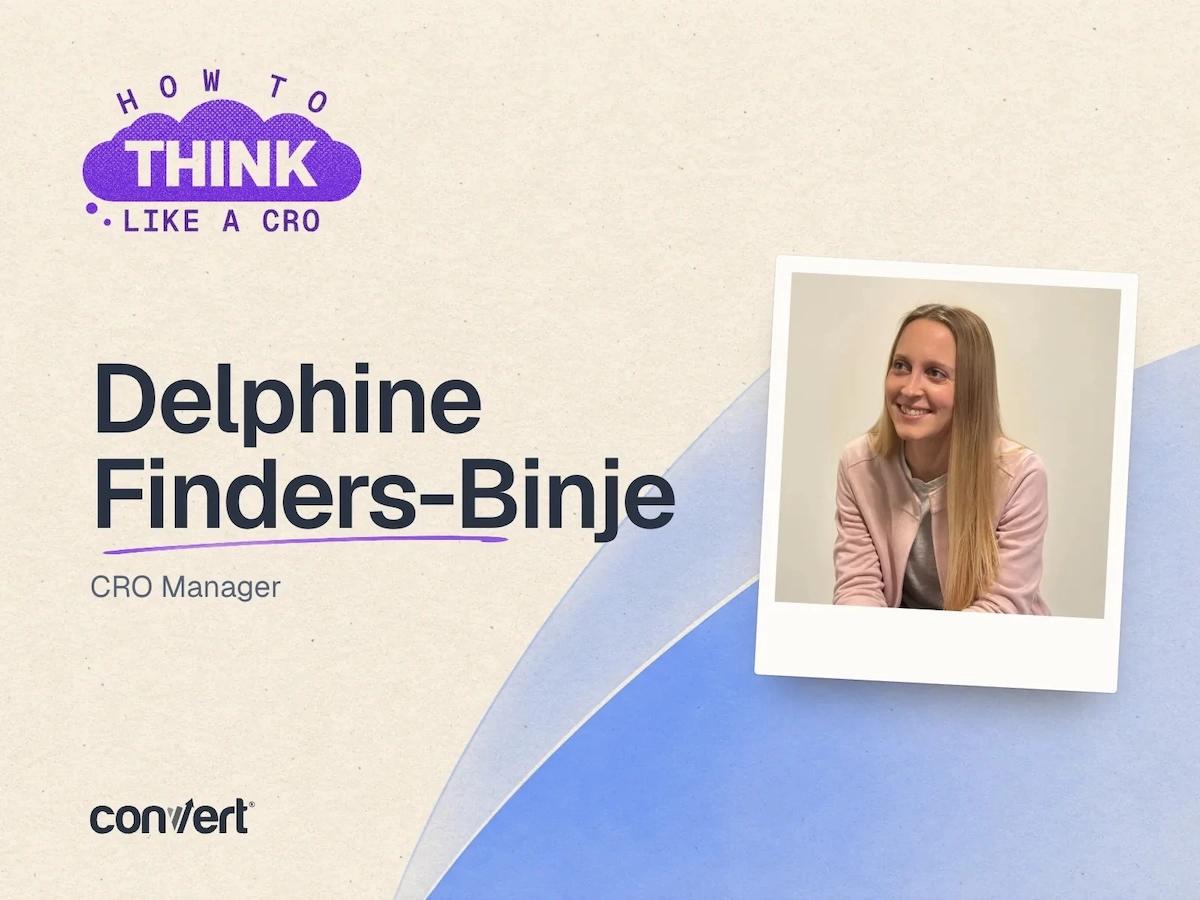
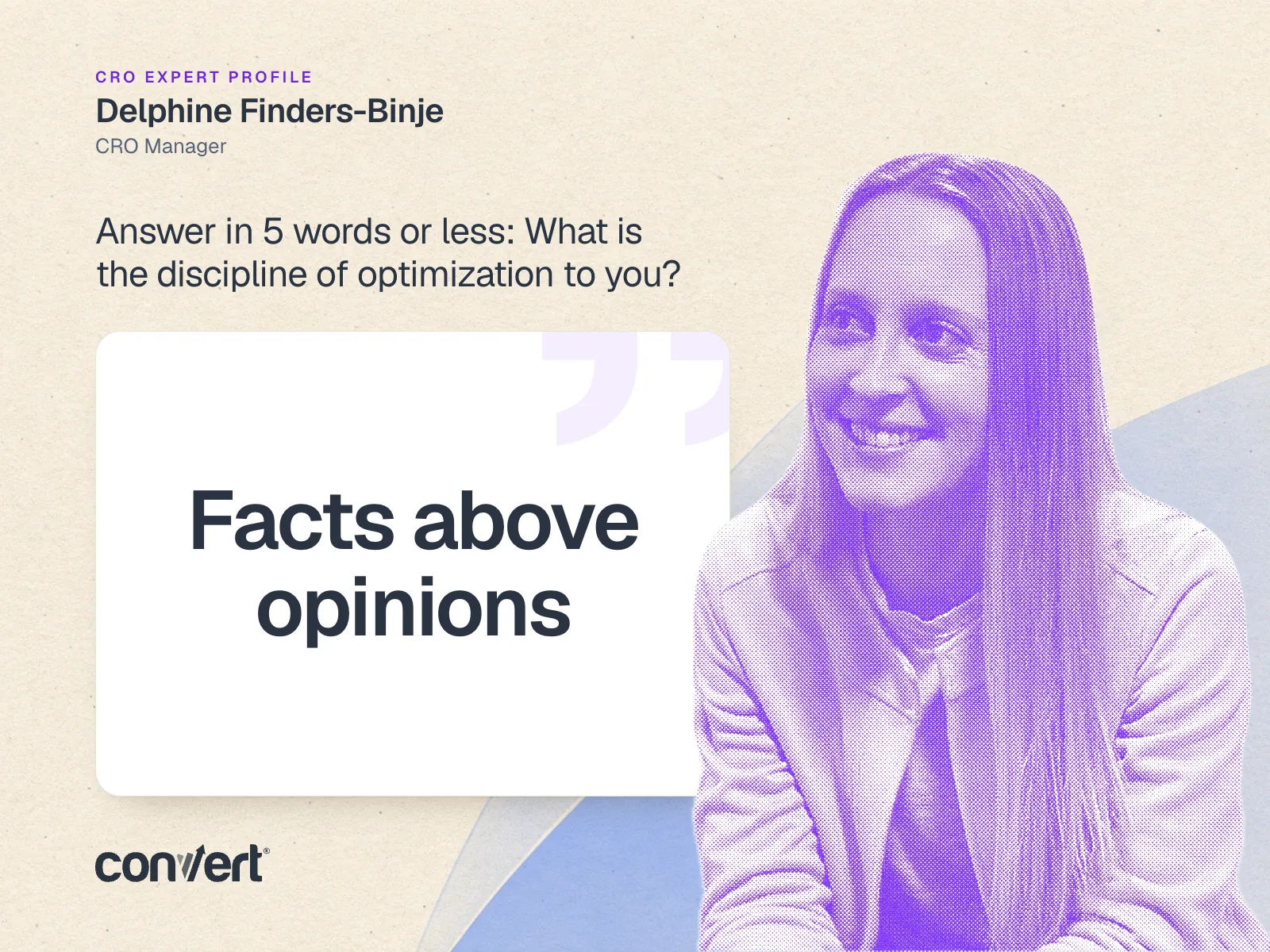
The global market for Conversion Rate Optimization (CRO) software and services is currently undergoing a radical transformation, driven by the rapid integration of artificial intelligence and a shift toward high-velocity experimentation. In the latest installment of the Testing Mind Map series, industry expert Delphine Finders-Binje provides a comprehensive look into the practical application of experimentation, moving beyond theoretical frameworks to address the daily realities of data-driven decision-making. With a professional history that includes over 250 controlled experiments, Finders-Binje argues that the discipline of optimization is fundamentally about prioritizing empirical facts over subjective opinions—a transition that is increasingly facilitated by automated technologies.
A Chronology of Experimentation: From Twin Studies to Digital Marketing
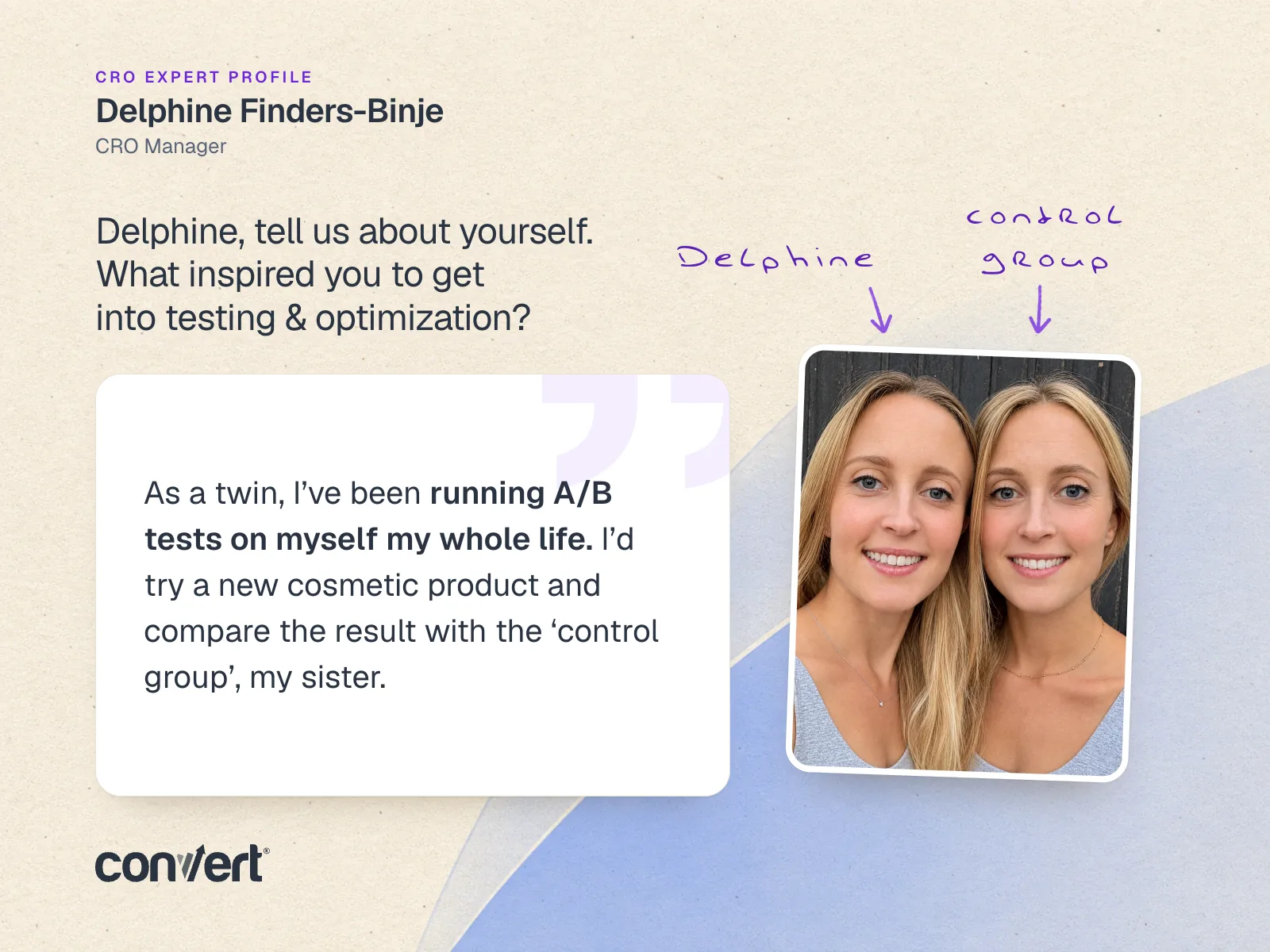
Finders-Binje’s entry into the world of experimentation was not a deliberate career choice so much as a lifelong immersion. As a twin, she describes her entire life as a series of informal A/B tests, using her sister as a constant control group to measure the efficacy of various variables, from cosmetic products to lifestyle choices. This early exposure fostered a mindset centered on comparison, learning, and iteration, which eventually found a professional outlet in the digital marketing sector.
The transition from traditional marketing—characterized by posters and television commercials—to the digital realm was influenced by a familial background in software development. During her early career, the introduction of specialized A/B testing tools provided the necessary infrastructure to marry an analytical mindset with a deep interest in customer psychology. This professional evolution mirrors the broader history of the CRO industry, which has moved from simple "button color" tests in the early 2010s to complex, multi-variate experiments that influence the core product strategy of major e-commerce and SaaS platforms.

The Strategic Integration of Artificial Intelligence
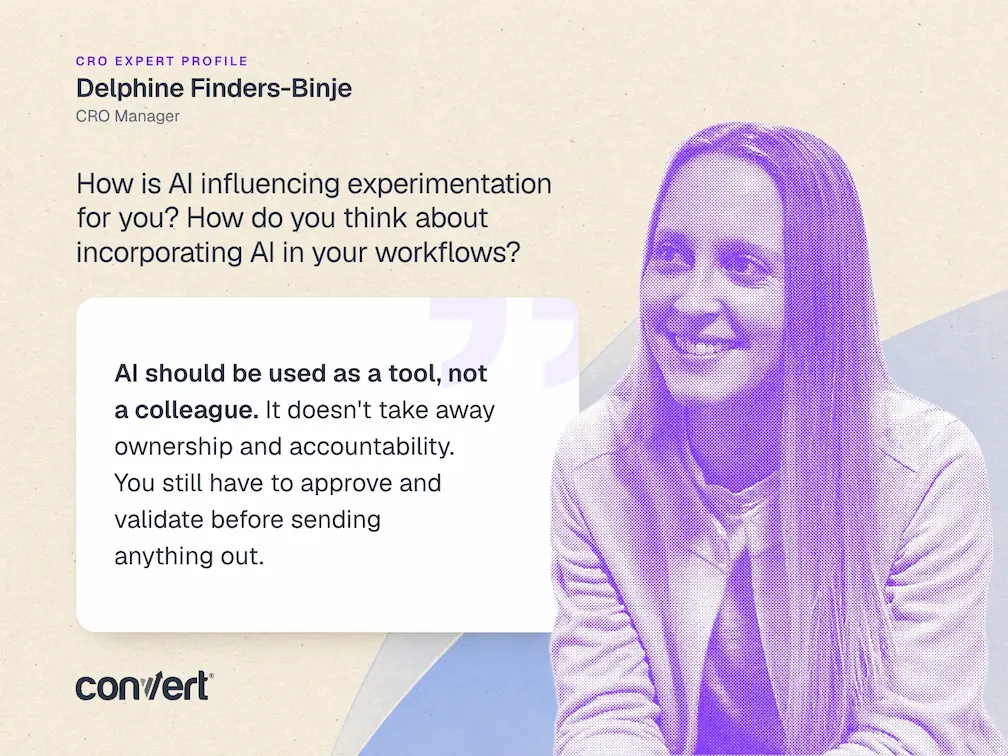
As AI becomes a commodity in the execution of marketing tasks, Finders-Binje posits that its value is determined entirely by the purpose assigned to it by the human operator. She likens AI to a "ball" that can be used for various sports; the tool itself is neutral, but the application defines the outcome. In her current workflow, AI is not a replacement for human expertise but a sophisticated tool for "offloading" repetitive execution tasks.
Current AI applications in Finders-Binje’s methodology include:
- Automated Data Analysis: AI systems analyze test results and cross-reference them with historical data sets to identify patterns that might be invisible to the human eye.
- Stakeholder-Specific Reporting: The technology is used to generate tailored reports. For instance, a report destined for a web analyst will emphasize statistical significance and raw figures, while a report for a product manager will focus on high-level outcomes and actionable strategic learnings.
- Visual and Iterative Review: AI tools are now capable of reviewing test screenshots and previous iterations to ensure consistency and identify potential technical conflicts before a test goes live.
This shift allows practitioners to maintain ownership and accountability while focusing on "judgment and strategy"—areas where human intuition and contextual understanding still outperform algorithmic processing.
Supporting Data: The Economics of Automation in CRO
The financial implications of integrating AI into experimentation workflows are significant. Finders-Binje reports that by automating repetitive tasks—such as manual data entry, basic analysis, and report generation—she has been able to save approximately 16 hours of labor per testing period for a medium-sized client.
In a professional services context, this efficiency translates to an estimated $35,000 in value. This "recaptured" value can be redirected in two primary ways:
- Strategy Enhancement: Investing more time in deep-dive qualitative research, such as user interviews and heat-map analysis, to fuel higher-quality hypotheses.
- Increased Testing Velocity: Running more experiments in the same timeframe, thereby accelerating the "learning rate" of the organization and shortening the time-to-market for optimized features.
Industry data supports this trend. According to recent market analysis, organizations that utilize AI-driven automation in their marketing stacks report a 15-20% increase in operational efficiency. For CRO agencies, this means moving away from billable hours based on execution toward a value-based model centered on strategic insight.
The Personalization Paradox: A Case Study in "Creep Factor"
One of the most significant insights shared by Finders-Binje involves the risks associated with hyper-personalization. While the industry often champions personalization as the "holy grail" of user experience, empirical evidence suggests that it can backfire if not executed with psychological nuance.
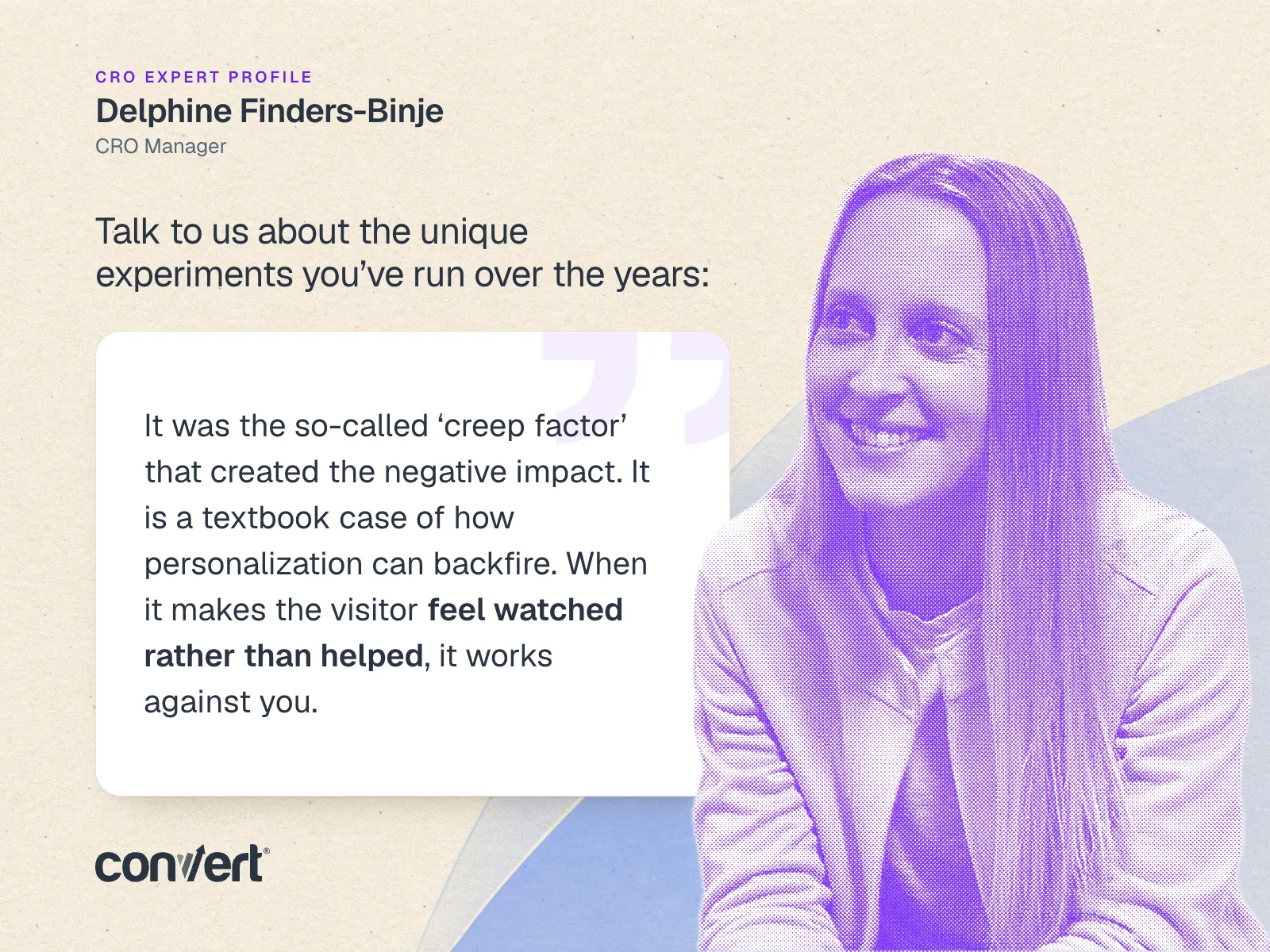
In a specific experiment conducted for a grocery e-commerce platform, Finders-Binje tested the replacement of a generic cross-sell carousel on the homepage with a personalized version featuring products from the user’s previous orders. Theoretically, this should have increased relevance and conversion. However, the initial result was a 5% drop in revenue per visitor.
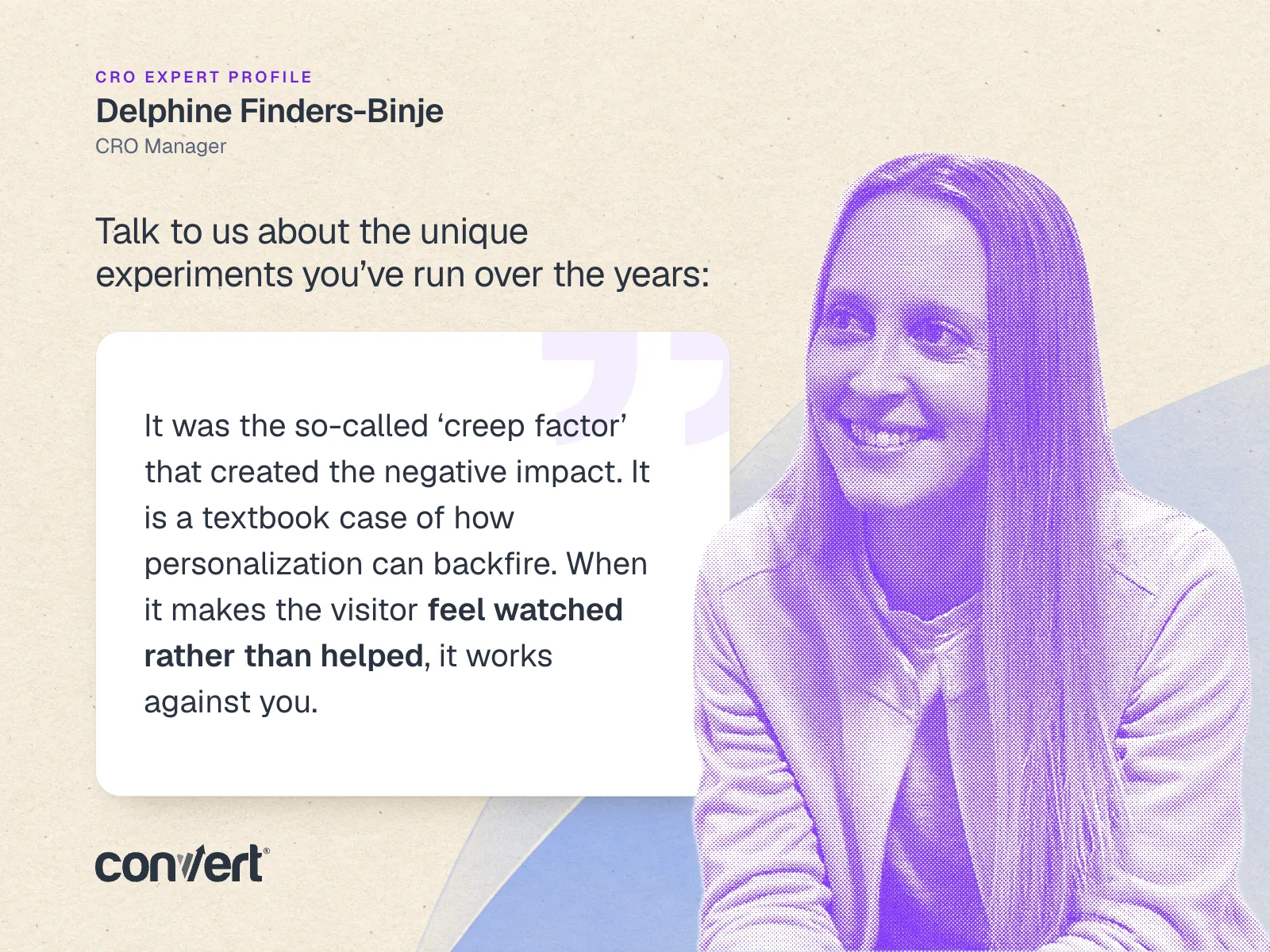
Post-test analysis revealed that the issue was not the product selection or the design, but the "creep factor." The title of the carousel, "Products from your last order," was perceived as overly intrusive, making users feel "watched" rather than assisted. By simply removing the intrusive title while keeping the personalized logic, the next iteration achieved a 4% lift in revenue per visitor. This case study highlights a critical lesson for modern optimizers: the goal of personalization should be to help the user, not to demonstrate the extent of the company’s data collection.
Broader Impact and the Future of the Discipline
The CRO industry is currently at a crossroads. As execution becomes faster and more automated, the demand for rigor in documentation and process has never been higher. High-quality documentation is the "fuel" for AI; without structured data and clear historical records, automated systems cannot provide accurate recommendations.

Finders-Binje identifies several key trends that will define the next decade of experimentation:
- The Shift from Execution to Judgment: As AI handles the "how" of testing (coding, reporting, data cleaning), humans will focus on the "why" (hypothesis generation, ethical considerations, and brand alignment).
- Documentation as a Competitive Advantage: Companies with robust, clean experimentation repositories will be able to train internal models to predict test outcomes with increasing accuracy.
- The Rise of Technical CRO: The role of the optimizer is becoming more technical, requiring an understanding of how to build integrations and manage the data pipelines that feed automated systems.
Conclusion and Analysis of Implications
The insights provided by Delphine Finders-Binje suggest that the "Testing Mind Map" is shifting from a focus on individual wins to a focus on organizational systems. The primary challenge for modern practitioners is not the lack of tools, but the need to adjust their workflows to accommodate a new era of human-AI collaboration.

The broader implication for the business world is that experimentation is no longer a niche marketing tactic but a core operational philosophy. As AI continues to lower the barrier to entry for running tests, the companies that succeed will be those that can balance the speed of automation with the wisdom of human judgment. The "Facts above opinions" mantra serves as a foundational principle in an era where data is abundant but true insight remains a premium commodity.
By focusing on the "inspector-of-finished-work" mentality—prioritizing detail, psychology, and empirical validation—Finders-Binje and her peers are redefining what it means to be a marketing professional in the 21st century. The transition may be disruptive, as seen in the historical shifts brought about by the adoption of the internet, but it ultimately creates new roles centered on high-value strategic thinking and the ethical application of technology.

 Asep Darmawan
 Evan Lee Salim