YouTube stands unequivocally as one of the most influential digital platforms globally, its pervasive presence underscored by numerous studies that highlight its widespread popularity across virtually every demographic group. This digital behemoth has transcended its origins as a mere video-sharing site, evolving into a central hub where content trends originate and subsequently permeate all other media elements. A significant shift in consumer behavior now sees audiences consuming YouTube content with the same dedicated engagement previously reserved for traditional television shows, further cementing its cultural and commercial significance. This monumental reach presents an unparalleled opportunity for brands to forge meaningful connections with their target audiences, dramatically increasing exposure for their products and services in a dynamic and highly engaged environment.
The platform’s journey from a nascent video repository to a global media powerhouse began with its founding in February 2005 by Chad Hurley, Steve Chen, and Jawed Karim. Acquired by Google in November 2006 for $1.65 billion, YouTube rapidly expanded its functionalities, moving beyond simple video uploads to incorporate features like live streaming, community posts, and sophisticated analytics. This evolution was critical in fostering the "creator economy," where individuals could build entire careers producing content, attracting massive audiences, and, crucially, becoming influential figures for brands. Initially, brand engagement was limited to traditional pre-roll and display advertisements. However, as the platform matured, so did its marketing potential, paving the way for integrated content sponsorships, product placements, and full-fledged influencer marketing campaigns that are now integral to many brand strategies.
Today, YouTube boasts over 2.7 billion monthly active users, collectively watching over a billion hours of video daily. This staggering engagement is not merely passive viewing; it represents active participation in communities, educational pursuits, entertainment consumption, and increasingly, commercial interactions. According to Nielsen’s "The Gauge" report, YouTube frequently surpasses traditional broadcast and cable television in viewership among key demographics, demonstrating a seismic shift in media consumption habits. For marketers, understanding and effectively leveraging this dynamic ecosystem is paramount to contemporary digital success. The following comprehensive strategies are designed to guide brands in building and optimizing an effective YouTube presence.
Leveraging Data for Strategic Content Development
In the competitive landscape of online video, a data-driven approach is no longer optional but essential for success. Marketers must move beyond anecdotal evidence and tap into the wealth of insights available to understand audience preferences and industry shifts.
Unearthing Audience Interests with Google Trends
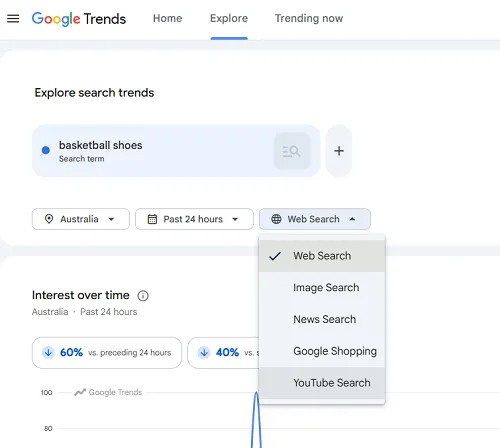
One of the foundational steps for any brand looking to establish or enhance its YouTube presence is to conduct thorough research into prevailing industry trends. Google Trends, a free tool offered by Google, provides an invaluable resource for this purpose. Marketers can visit the platform, enter any relevant key term pertaining to their industry or product, and then filter the results specifically for "YouTube Search." This granular filtering reveals not only overall search interest over time but also related queries, rising search terms, and even geographical interest patterns.
For instance, a beauty brand could search for "skincare routine" or "makeup tutorial." The insights derived might indicate a surge in interest for "vegan skincare" in specific regions or a rising query like "TikTok makeup hacks." This data allows marketers to construct a broader, more accurate view of what YouTube viewers are actively searching for and interested in. By aligning their brand content with these validated trends, companies can ensure their videos are relevant, discoverable, and resonate deeply with their target demographic, moving beyond assumptions to data-backed content creation. This approach significantly enhances the likelihood of videos being recommended by YouTube’s algorithm and discovered by a receptive audience, optimizing content calendars and even informing video titles and thumbnail designs for maximum impact.
The Power of Creator Partnerships and AI-Driven Discovery
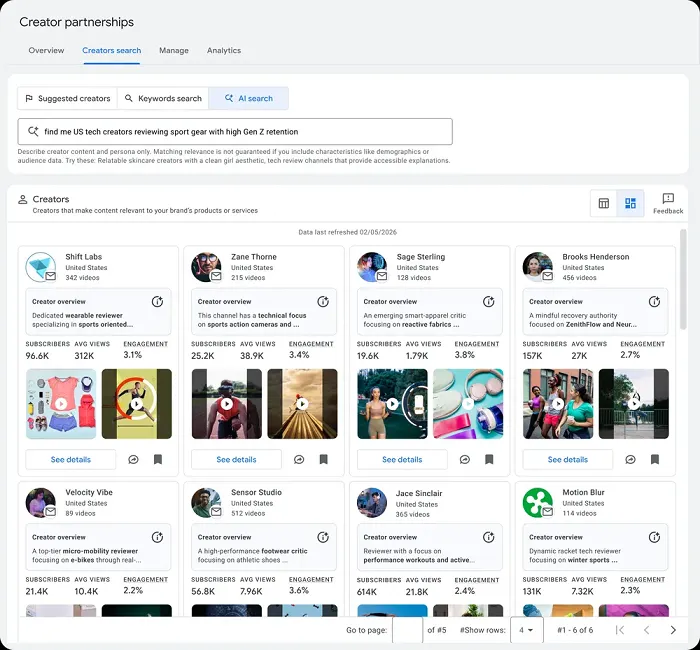
Beyond understanding general trends, identifying the right voices to deliver a brand’s message is crucial. YouTube has significantly streamlined this process with its creator partnerships tool, accessible through YouTube Studio. This sophisticated feature empowers marketers to research and identify top creators within any specific niche or industry. The tool is powered by Google’s advanced Gemini artificial intelligence model, which facilitates highly granular keyword and conversational searches. This AI integration allows brands to move beyond simple subscriber counts, enabling them to find creators whose audience demographics, engagement patterns, and content themes align precisely with campaign objectives.
The tool provides essential data points such as subscriber counts, average engagement rates, audience sentiment analysis, and even past brand collaborations, offering a holistic view of a creator’s potential impact. Industry experts, including digital marketing strategists like Sarah Jenkins from Influencer Marketing Hub, consistently emphasize that genuine collaboration, rather than mere transactional engagement, is key to success in the creator economy. Brands can engage in various forms of collaboration, from sponsored video content and dedicated product reviews to integrated product placements within a creator’s regular programming or even long-term brand ambassadorships. The authenticity of a creator’s endorsement, built on trust with their audience, often translates into significantly higher conversion rates and brand affinity compared to traditional advertising. Reports from Statista indicate that the influencer marketing market size is projected to reach $24.1 billion in 2024, highlighting the substantial return on investment (ROI) many brands are seeing from these partnerships.
Competitive Analysis and Best Practices
Once initial research into trends and potential creators is complete, marketers must delve deeper into what specifically "works" within their chosen niche. This involves a rigorous analysis of successful content and creators. Brands should actively monitor competitor channels and leading creators in their space, dissecting their content strategies. This includes examining video topics, narrative structures, production quality, frequency of uploads, and audience interaction in comments sections.
Key questions to address include: What content formats are creators using most effectively (e.g., long-form tutorials, short-form vlogs, live Q&As, product reviews)? Which video lengths achieve the highest audience retention? What kind of calls to action are converting viewers into subscribers or customers? Beyond YouTube Studio’s built-in analytics, third-party social listening tools and competitive intelligence platforms can provide even deeper insights into engagement metrics, sentiment analysis, and audience demographics of competitor channels. By systematically analyzing these elements, marketers can identify winning formulas and adapt them to their own brand voice and objectives, avoiding common pitfalls and accelerating their learning curve. This iterative process of observation and adaptation is critical for continuous improvement and maintaining a competitive edge.
Adapting to Evolving Content Formats and Monetization Avenues
The digital video landscape is constantly evolving, and YouTube has been at the forefront of introducing new content formats and direct-to-consumer commerce opportunities. Brands must adapt swiftly to these changes to maximize their exposure and engagement.
Dominating with YouTube Shorts: The Micro-Content Revolution
The meteoric rise of short-form video content has fundamentally reshaped how users consume digital media. YouTube Shorts, the platform’s answer to TikTok and Instagram Reels, has rapidly become a critical component for brands aiming to maximize their YouTube exposure. Launched globally in 2021, Shorts now garners over 70 billion daily views, demonstrating its immense power in audience discovery and engagement.
For brands, embracing Shorts requires a distinct content strategy focused on immediate impact and captivating hooks. Given the brief nature of these videos (up to 60 seconds), content must be attention-grabbing from the first second. This often involves fast pacing, dynamic visuals, trending audio, and clear, concise messaging. Brands can leverage Shorts to showcase quick product demos, behind-the-scenes glimpses, bite-sized tutorials, or engaging challenges. Partnering with relevant creators who have already mastered the Shorts format can significantly amplify a brand’s reach within this segment, ensuring content resonates with the specific Shorts audience. YouTube itself provides a wealth of tips and best practices for creating engaging Shorts, often emphasizing authenticity, creativity, and interactivity. Furthermore, Shorts can serve as a powerful funnel, driving viewers to longer-form content on a brand’s main channel or directly to product pages, thereby integrating micro-content into a broader marketing ecosystem. YouTube executives have repeatedly highlighted Shorts as a critical growth area, investing heavily in its features and monetization, signaling its long-term strategic importance for the platform.
Capitalizing on YouTube Shopping: Direct-to-Consumer Pathways
Recognizing the growing convergence of content consumption and e-commerce, YouTube has made significant strides in integrating shopping functionalities directly into its platform. For brands, YouTube Shopping represents a crucial direct-to-consumer pathway and should be a primary consideration. The platform’s shopping affiliate program allows marketers to connect their online stores directly to YouTube, enabling creators to tag branded products seamlessly within their videos. This functionality transforms entertainment and informational content into immediate shopping opportunities, significantly shortening the sales funnel.
Beyond the affiliate program, YouTube offers several other shopping features, including live shopping events, which allow creators to host interactive product showcases and answer questions in real-time, driving impulse purchases. Product shelves can be displayed beneath videos, featuring items discussed or demonstrated. This comprehensive suite of tools facilitates an immersive shopping experience, allowing viewers to discover, research, and purchase products without ever leaving the YouTube app. This strategy aligns with the broader trend of social commerce, which is projected to grow substantially in the coming years. For instance, Insider Intelligence forecasts that US social commerce sales will reach nearly $80 billion by 2025. By leveraging YouTube Shopping, brands can capitalize on the trust and influence of creators, transforming their video content into powerful, conversion-driving sales channels and offering an experiential shopping journey that rivals traditional e-commerce sites.
Strategic Implementation and Continuous Optimization
Developing a robust YouTube presence is not a one-time effort but an ongoing process that requires careful planning, execution, and continuous refinement.
Crafting a Comprehensive YouTube Content Strategy
After laying the groundwork through extensive research, the next critical step for marketers is to formulate a comprehensive YouTube content strategy. This strategy must be built on a data-backed approach that leans into the latest trends identified in their niche. Key elements of this strategy include:
- Goal Setting: Clearly define objectives, whether it’s increasing brand awareness, driving website traffic, generating leads, or directly boosting sales.
- Target Audience Definition: Refine the understanding of the ideal viewer, including demographics, psychographics, interests, and pain points, to tailor content effectively.
- Content Pillars: Establish core themes or categories for content that align with brand values and audience interests, ensuring consistency and thematic relevance.
- Publishing Schedule: Develop a realistic and consistent content calendar, balancing production quality with regular uploads to maintain audience engagement.
- Resource Allocation: Determine the budget, personnel, and tools required for content creation, promotion, and analytics.
- Brand Voice and Visual Identity: Ensure all content adheres to a consistent brand voice, tone, and visual aesthetic, reinforcing brand recognition.
- Integration with Other Channels: Plan how YouTube content will be cross-promoted on other social media platforms, websites, and email marketing campaigns to maximize reach and drive conversions.
A well-articulated strategy serves as a roadmap, guiding all content creation efforts and ensuring that every video contributes to the overarching marketing objectives.
The Iterative Process: Analytics, A/B Testing, and Refinement
The journey on YouTube is not static; it is an iterative process of learning and adaptation. Once a strategic approach is implemented, marketers must diligently use YouTube insights, readily available in YouTube Studio, to analyze performance. This includes examining a wide array of metrics such as:
- Traffic Sources: Understanding where viewers are coming from (e.g., YouTube search, suggested videos, external links).
- Audience Demographics: Gaining deeper insights into who is watching the content.
- Watch Time and Audience Retention: Identifying which parts of videos keep viewers engaged and where they drop off.
- Impressions and Click-Through Rates (CTR): Assessing the effectiveness of thumbnails and titles in attracting clicks.
- Unique Viewers and Subscribers: Measuring audience growth and loyalty.
By meticulously interpreting these metrics, marketers can identify what is working exceptionally well and what areas require improvement. This data should inform continuous refinement of the content strategy. A/B testing, for instance, can be applied to video thumbnails, titles, calls to action, and even video intros to determine which variations perform best. An agile marketing approach, where strategies are adapted based on real-time data and performance feedback, is crucial for sustained growth and effectiveness on YouTube. This commitment to analysis and improvement ensures that marketing efforts remain dynamic, responsive, and ultimately, more impactful.
Broader Impact and Implications
YouTube’s role extends beyond a mere marketing channel; it is a significant player in the broader digital advertising landscape, influencing media consumption patterns and shaping the future of e-commerce. The platform’s ability to combine entertainment, education, and direct commercial opportunities creates a powerful ecosystem for brands. As technology advances, the integration of features like augmented reality (AR) for virtual product try-ons or more sophisticated interactive video experiences could further enhance the platform’s commercial appeal.
However, brands must also navigate ethical considerations, particularly in influencer marketing, ensuring transparency in sponsored content and adhering to advertising regulations. Data privacy and the responsible use of audience insights also remain paramount. While YouTube faces competition from other short-form video platforms like TikTok and Instagram Reels, its robust creator monetization programs, diverse content library, and deep integration with Google’s search and advertising ecosystem provide it with a unique and enduring competitive advantage. By understanding and strategically leveraging the key trends, tools, and approaches outlined, marketers can effectively harness YouTube’s immense power to boost their brand promotion efforts, foster deeper connections with consumers, and drive measurable business results in the ever-evolving digital age.