

Product adoption serves as the definitive bridge between a user’s initial curiosity and their long-term habitual use of a digital solution, acting as a primary driver of sustainable revenue in the modern software-as-a-service (SaaS) economy. While the acquisition of a user represents a marketing success, true product adoption occurs only when that user recognizes the inherent value of a tool and integrates it into their daily or professional workflows. Industry data suggests that the transition from a casual observer to a power user is a multi-layered psychological and technical process that requires a strategic blend of personalized onboarding, education, and continuous engagement. As the technological landscape shifts toward artificial intelligence, the parameters of adoption are undergoing a fundamental transformation, moving away from human-centric user interfaces toward bot-friendly architectures and automated integrations.
The Strategic Framework of Product Adoption
To understand product adoption, one must distinguish it from related but distinct phases of the customer journey: acquisition, activation, and engagement. Acquisition is the process of bringing a user to the product, often measured by sign-ups. Activation occurs when the user first experiences the "Aha! moment"—the specific point where the product’s value becomes tangible. Engagement represents the frequency and depth of use. However, adoption is the culmination of these stages; it is the point where the user stops evaluating the tool and starts relying on it.
The duration of this process varies significantly based on product complexity. Simple utilities, such as the scheduling tool Calendly, often achieve adoption within minutes. A user signs up, sets their availability, and immediately sees the value in eliminated back-and-forth emails. Conversely, sophisticated platforms like the AI model Claude or enterprise resource planning (ERP) systems may require a "lengthy gestation period." In these instances, users may interact with the tool sporadically for months before the value proposition justifies the effort required to rebuild their existing workflows around the new software.
The Six-Stage Chronology of User Integration
The path to adoption is rarely linear, yet it generally adheres to a six-stage psychological progression:
- Awareness: The potential user discovers that the product exists, often through marketing, referrals, or search.
- Interest: The user begins to seek more information, researching features and comparing the tool to competitors.
- Evaluation: A critical decision point where the user weighs the perceived benefits against the cost and effort of implementation.
- Trial: The user tests the product, often through a free tier or a limited-time trial, to verify the marketing claims.
- Activation: The user achieves their first meaningful goal using the tool, validating the product’s core value.
- Habit: The final stage of adoption, where the tool becomes a standard part of the user’s toolkit.
This process remains consistent whether a company is launching a disruptive new technology or iterating on an established enterprise tool.
Diffusion of Innovation and the Crossing of the Chasm
The speed and scale of product adoption within a market are often analyzed through the lens of Everett Rogers’ "Diffusion of Innovations" theory, first introduced in 1962. Rogers categorized users into five distinct groups based on their willingness to embrace new technology:
- Innovators (2.5%): Risk-takers who pursue new technology for its own sake.
- Early Adopters (13.5%): Visionaries who use new tools to gain a competitive advantage.
- Early Majority (34%): Pragmatists who wait for a technology to be proven before investing.
- Late Majority (34%): Conservatives who adopt only after the majority of the market has done so.
- Laggards (16%): Skeptics who only adopt when there is no other viable alternative.
A significant challenge for modern tech firms is what Geoffrey Moore famously termed "The Chasm"—the gap between the early adopters and the early majority. Many products fail to achieve mass-market success because they cannot transition from being a "cool new tool" for visionaries to a "must-have solution" for pragmatists. Bridging this chasm requires a shift from selling features to selling reliability and ecosystem integration.
Quantitative Metrics for Measuring Success
To accurately track adoption, product teams rely on a suite of data-driven metrics. The most vital of these is the Product Adoption Rate, calculated by dividing the number of newly adopted users by the total sign-ups over a specific period. However, defining an "adoption event" is subjective. For a communication platform like Slack, adoption is often defined as a team reaching a threshold of 2,000 sent messages. For accounting software, it might be the completion of a full monthly billing cycle.
Supporting metrics provide a more granular view:
- Activation Rate: A study by Amplitude conducted between September 2023 and September 2024 revealed that 69% of products with strong early activation also demonstrated high three-month retention. This underscores the importance of the initial user experience.
- Time to Value (TTV): This measures the duration from sign-up to the first activation event. In an era of shrinking attention spans, a lower TTV is highly correlated with higher adoption.
- Feature Adoption Rate: This tracks how many users are utilizing specific functionalities within the product. High core feature adoption is typically a leading indicator of overall product health.
- Stickiness (DAU/MAU): By dividing daily active users by monthly active users, companies can see how often users return. However, this metric can be misleading for products intended for infrequent use, such as tax software or travel booking sites.
The AI Paradigm Shift: Bots as the New User Class
The rise of artificial intelligence is fundamentally altering the traditional product adoption playbook. Two major trends have emerged: the widening "adoption gap" and the rise of the AI agent.
First, AI has dramatically increased the velocity of product development. Teams can now ship features and entirely new products at a pace that exceeds human capacity for learning. Brian Balfour, founder of Reforge, noted in late 2025 that while AI accelerates development toward "the speed of computers," human habit formation remains tethered to "human speed." This creates a bottleneck where products are updated faster than users can integrate them, leading to feature bloat and decreased adoption rates.
Second, the industry is witnessing the emergence of a "second user class": AI agents. These agents do not interact with a product via a graphical user interface (GUI). Instead, they utilize the Model Context Protocol (MCP) to call products directly. Data from IDC shows that MCP downloads surged from 100,000 in late 2024 to over 22 million monthly downloads by March 2025.
This shift suggests that future product adoption may not depend on "onboarding flows" or "tooltips," but rather on API depth, data accessibility, and integration reliability. If an AI agent becomes the primary user of enterprise software, the traditional obsession with "daily active users" may become obsolete, replaced by metrics focused on successful machine-to-machine transactions.
Strategies for Improving Adoption and Reducing Churn
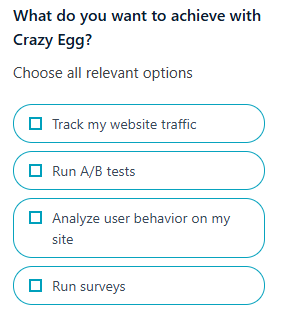
For products still catering to human users, improving adoption requires a proactive approach to friction reduction. Personalized onboarding is the most effective tool in this regard. By using initial surveys to identify a user’s specific goals, platforms can trigger tailored checklists and interactive walkthroughs that lead directly to the user’s "Aha! moment."
Furthermore, contextual in-app messaging—such as banners or tooltips that appear only when a user is on a relevant screen—can drive engagement with new features without overwhelming the user. This is supported by customer education programs, including searchable knowledge bases, webinar series, and certification courses. These resources not only help users solve immediate problems but also build long-term competence and loyalty.
Diagnostic Methodologies for Low Adoption
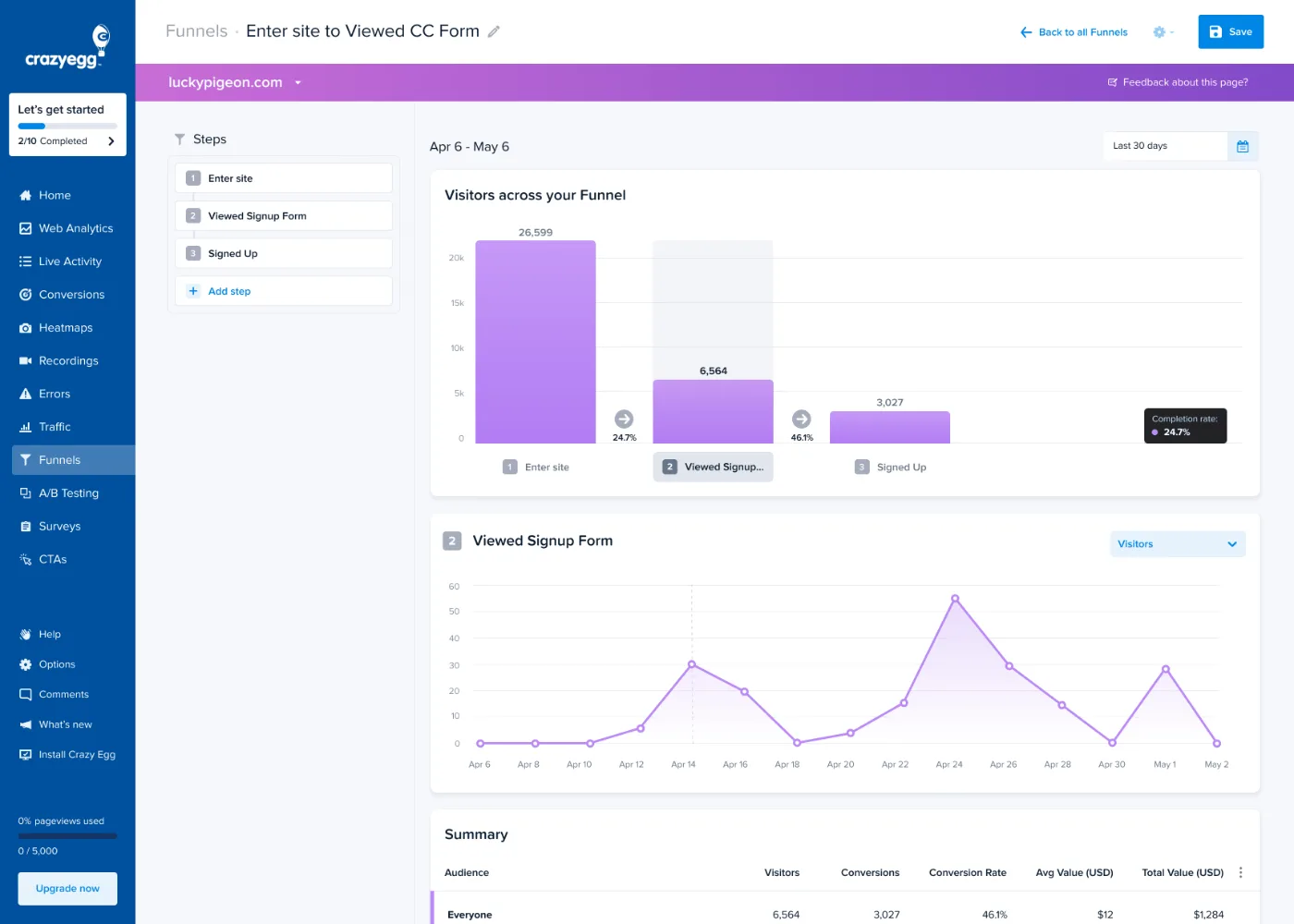
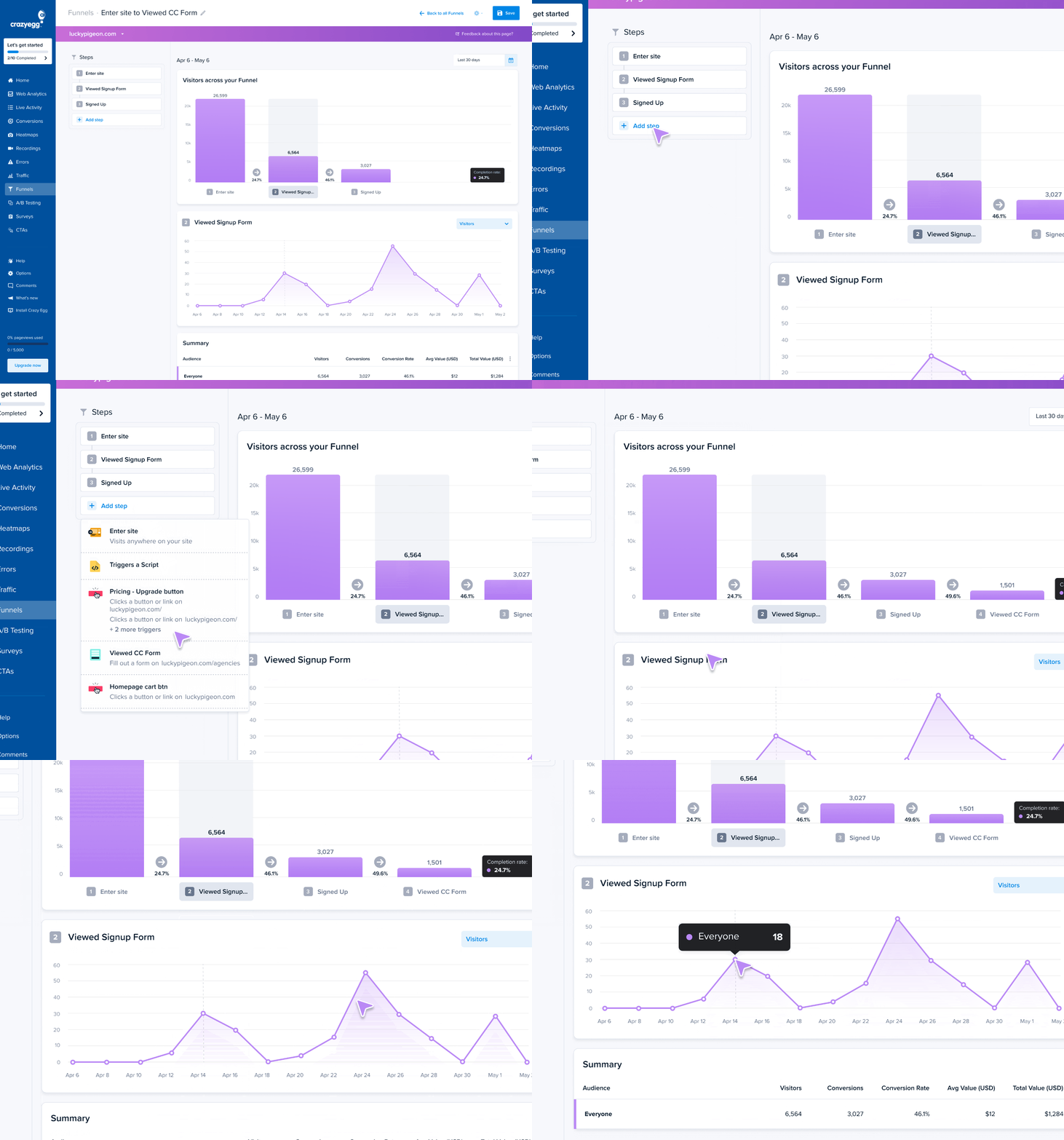
When adoption rates stall, companies must employ diagnostic tools to identify the "leaks" in their user funnel. Funnel analysis allows teams to see exactly where users drop off—whether it is during the initial sign-up, the setup process, or the transition to advanced features.
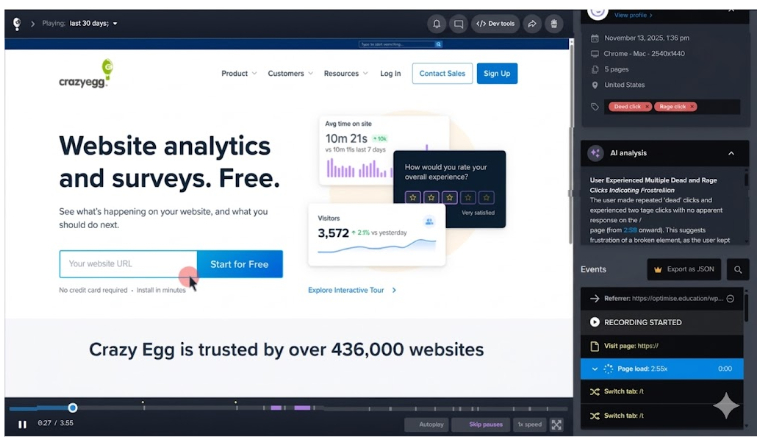
To understand the "why" behind the "what," session recordings provide a visual record of user struggles. Observations of "rage-clicking" on unclickable elements or aimless scrolling through menus can reveal UI/UX flaws that impede adoption. Finally, contextual surveys—triggered either within the app or via email for churned users—provide qualitative feedback that data alone cannot offer.
As the digital landscape evolves, the definition of success is moving beyond mere acquisition. In an environment where AI can build products in days, the competitive advantage lies in the ability to foster deep, habitual adoption—whether the user is a human building a new workflow or an AI agent executing a task. Through a combination of rigorous data analysis and a commitment to user-centric design, organizations can ensure their products do not just exist, but become indispensable.







