

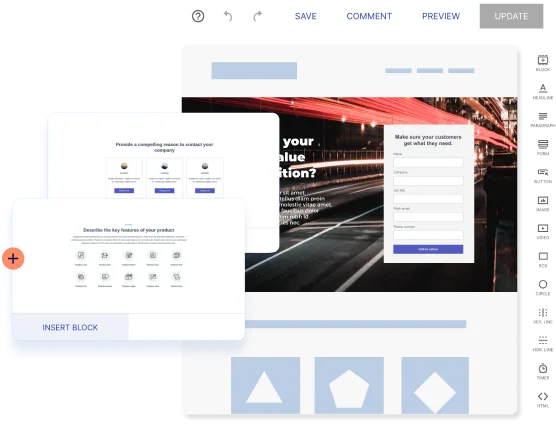
The modern recruitment landscape has shifted from a passive "post and pray" model to a high-stakes digital marketing ecosystem where companies frequently pay upwards of $5.00 per click to drive traffic to their job listings. Despite these significant investments in Pay-Per-Click (PPC) advertising on platforms like LinkedIn, Indeed, and Google, many organizations report a staggering rate of abandonment. Candidates click the advertisement, arrive at a corporate careers page, and depart within seconds without initiating an application. This phenomenon represents a substantial drain on talent acquisition budgets, yet the failure rarely stems from the job description or the creative quality of the advertisement itself. Instead, industry analysts point to a critical breakdown in the post-click experience: the lack of a dedicated recruitment landing page.
Most corporate recruitment funnels are characterized by high-friction environments. When a candidate clicks an ad for a specific role, they are often redirected to a generic career portal featuring dozens of unrelated listings, complex global navigation menus, and a lack of immediate relevance to the role they initially sought. This cognitive overload leads to a "bounce" rate that nullifies the initial ad spend. A recruitment landing page functions as a specialized, standalone destination designed with a singular objective: converting a visitor into an applicant. By removing distractions and focusing exclusively on the value proposition of a specific role, companies can drastically reduce their cost-per-applicant and improve the quality of their talent pipeline.
The Evolution of Digital Recruitment: A Historical Context
The transition toward recruitment landing pages is part of a broader evolution in the Human Resources (HR) technology sector. In the early 2000s, digital recruitment was largely limited to job boards that mimicked newspaper classifieds. As the "War for Talent" intensified over the following two decades, and as mobile technology became the primary medium for job seekers, the industry saw a shift toward "Candidate Experience" (CX).
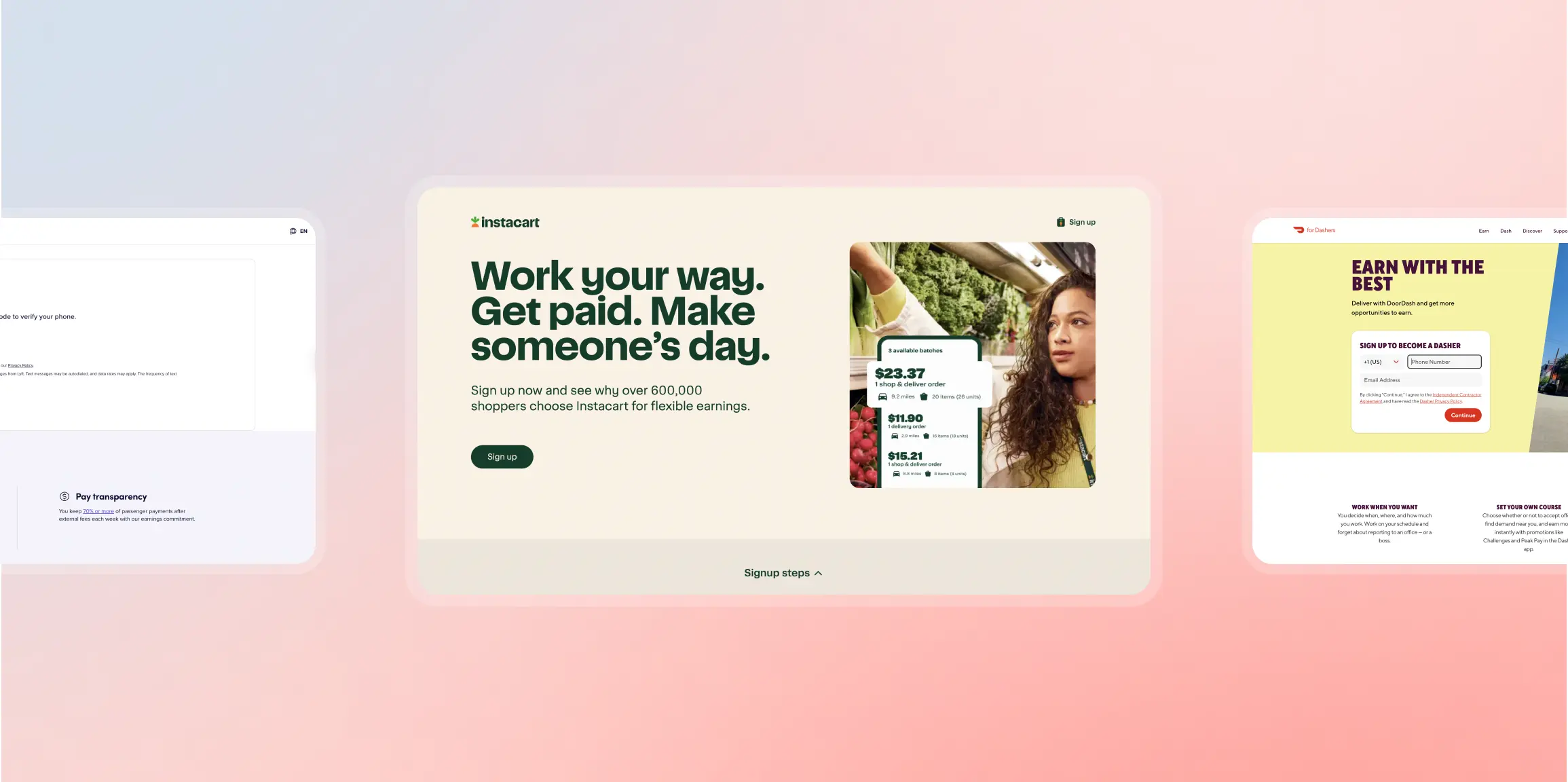
Market data indicates that approximately 70% of job seekers now use mobile devices to search for opportunities, yet many legacy Applicant Tracking Systems (ATS) are not optimized for mobile conversion. The rise of the gig economy—pioneered by firms such as Uber, Lyft, and DoorDash—further accelerated the need for streamlined, high-speed recruitment funnels. These companies required thousands of new contractors weekly, necessitating a recruitment process that mirrored the efficiency of a high-converting e-commerce checkout. Today, this methodology is being adopted by traditional corporate sectors to remain competitive in a labor market where candidate attention is a scarce commodity.
Strategic Best Practices for High-Converting Recruitment Pages
To transform a recruitment landing page from a simple informative site into a conversion engine, talent acquisition specialists must adhere to several core principles derived from conversion rate optimization (CRO) data.
Message Match and Headline Alignment
The psychological principle of "message match" is paramount. If a candidate clicks an ad promising a "Remote Senior Developer role with a $150,000 salary," the landing page headline must immediately mirror that language. Discrepancies between the ad copy and the landing page create "conversion scent" issues, where the candidate feels misled or confused, leading to immediate exit. A professional recruitment page ensures the transition from the ad platform to the landing page is seamless and reinforcing.
The "Above the Fold" Mandate
Research into web browsing behavior suggests that users form an opinion about a page within 0.05 seconds. Consequently, the most critical information—the job title, top three benefits (such as compensation, flexibility, or growth), and a prominent "Apply Now" Call to Action (CTA)—must be visible "above the fold" (on the first screen without scrolling). Including a trust signal, such as a company logo or an "Employer of Choice" award, within this initial view can increase conversion rates by up to 15%.
Minimizing Form Friction
The length of the application form is inversely proportional to the conversion rate. Data from recruitment marketing platforms suggest that for every additional field added to a form, the abandonment risk increases by 5% to 10%. High-performing pages limit initial intake to 3-5 essential fields: name, email, phone number, and a resume upload. For complex roles requiring more data, experts recommend a two-step "lead capture" process where the candidate’s contact information is secured first, allowing recruiters to follow up even if the full application is not completed.
The Power of Social Proof
In an era of transparent workplace reviews on platforms like Glassdoor, candidates are increasingly skeptical of corporate marketing. Integrating authentic social proof—such as short video testimonials from current employees or specific workplace rankings—humanizes the brand. Using real names and photos of employees, rather than stock photography, builds the credibility necessary for a candidate to share their personal data.
Case Studies: Analyzing Industry Leaders
Several major players in the gig and tech economies have mastered the recruitment landing page, providing a blueprint for others to follow.
-
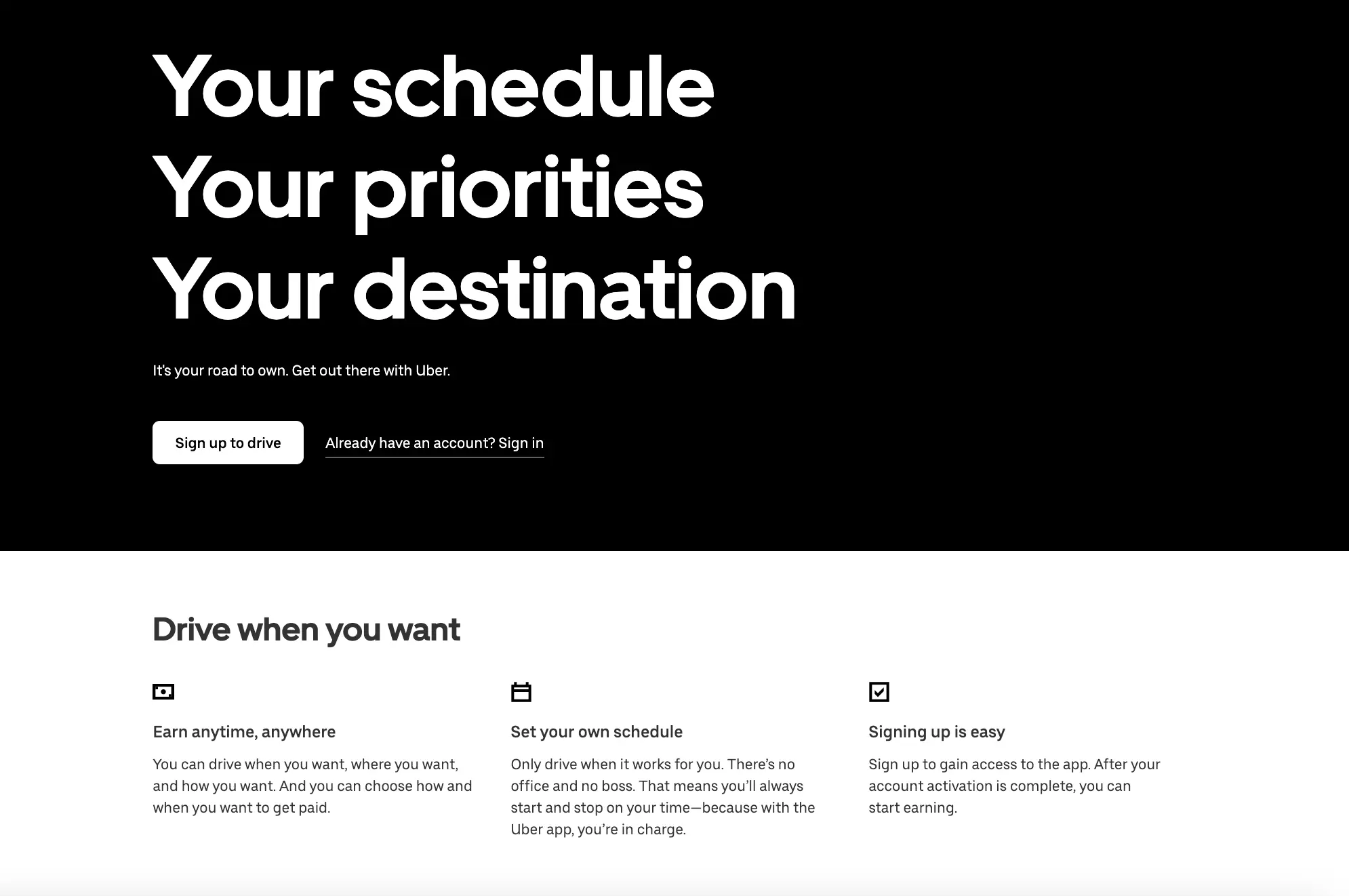
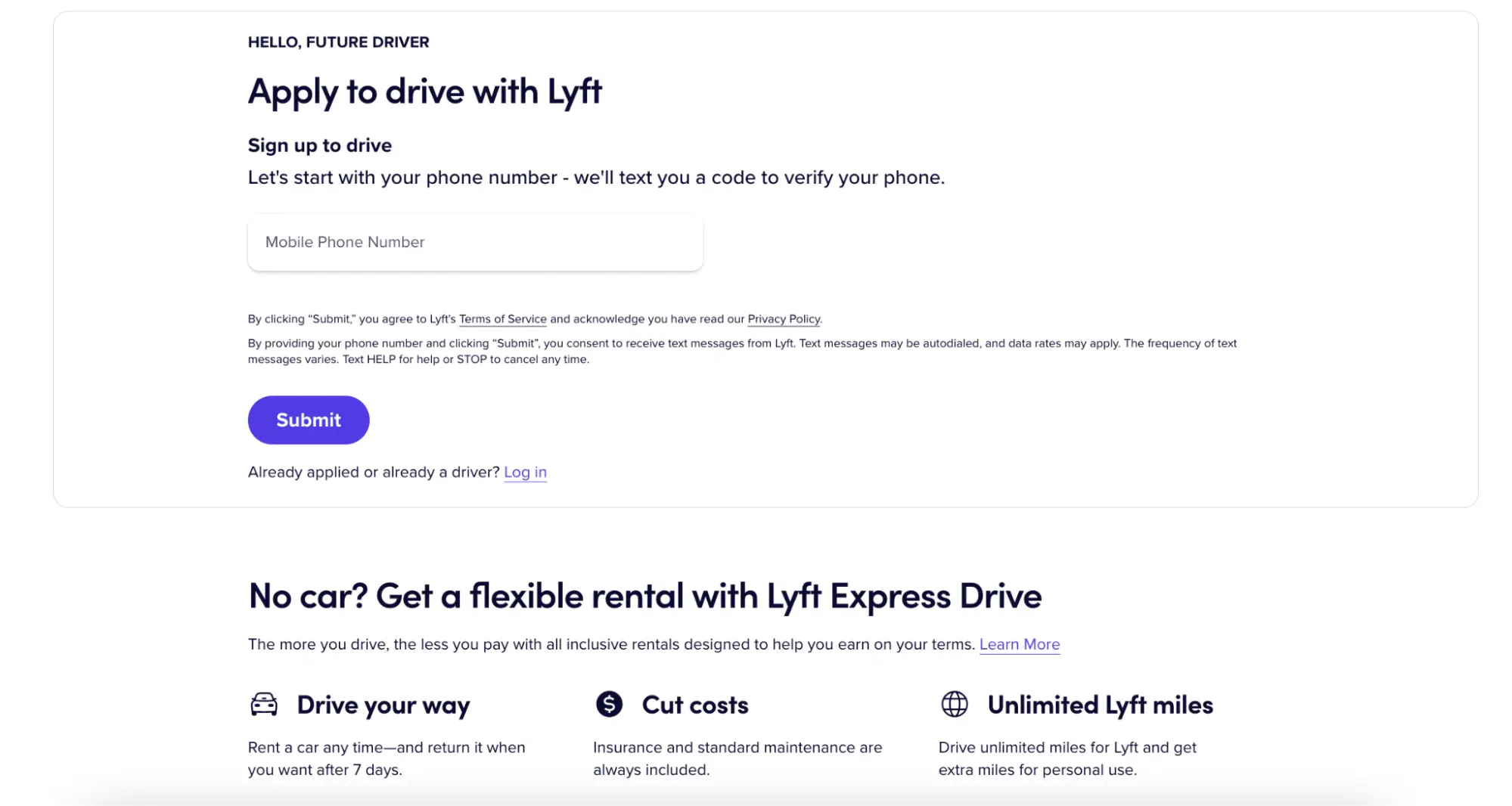
Uber and Lyft: Both rideshare giants utilize hyper-focused pages for driver recruitment. These pages are characterized by a "no-exit" strategy, meaning there is no top navigation menu to lure the candidate away. The focus is entirely on the earnings potential and the "Sign Up to Drive" form. Uber, in particular, excels at using localized imagery and clear, benefit-driven subheadlines that address common driver concerns like flexibility and weekly pay.
-
DoorDash: The "Dasher" recruitment page is optimized for extreme mobile speed. Recognizing that their target demographic is often browsing on the go, DoorDash minimizes heavy scripts and uses high-contrast CTA buttons. Their page structure often includes a "How it Works" section that uses icons rather than heavy text, catering to the rapid scanning behavior of modern users.
-
Writers Work: As a freelance platform, Writers Work uses a "qualification" style landing page. This creates a sense of exclusivity and vetting, which can paradoxically increase conversion by making the applicant feel they are entering a curated community rather than a generic job pool.
-
Instacart: Instacart’s shopper recruitment pages often utilize "earnings calculators" or clear geographic targeting. By showing a candidate exactly what they can expect to earn in their specific city, Instacart removes the ambiguity that often causes drop-off in the early stages of the application process.
The Chronology of a Successful Application Journey
To understand the impact of these pages, one must analyze the timeline of a successful recruitment interaction:

- T-Minus 0 Seconds: The candidate sees a targeted ad on social media.
- T-Plus 2 Seconds: The candidate clicks the ad, expecting a specific opportunity.
- T-Plus 5 Seconds: The recruitment landing page loads (ideally in under 3 seconds). The candidate sees the headline matches the ad.
- T-Plus 15 Seconds: The candidate scans the 3-4 key benefits and sees a testimonial from a peer.
- T-Plus 45 Seconds: The candidate fills out the 4-field form and uploads their resume.
- T-Plus 60 Seconds: The "Thank You" page appears, setting expectations for the next steps in the hiring process.
This 60-second journey is the gold standard for digital recruitment. In contrast, a journey that leads to a generic career site often extends to five or ten minutes of searching, usually ending in abandonment before the application is even started.
Data-Driven Decision Making: The Role of A/B Testing
The final pillar of a sophisticated recruitment strategy is continuous experimentation. Tools like Instapage allow recruitment marketers to run A/B tests—or "split tests"—to determine which page elements drive the most applications.
A/B testing involves creating two versions of a landing page: a "control" (the original) and a "variation" (the one with a single change). For example, a recruiter might test a green "Apply Now" button against a blue one, or a headline emphasizing "High Pay" against one emphasizing "Work-Life Balance."
Professional testing protocols suggest waiting for at least 100 conversions per variation before declaring a winner. AI-powered testing tools have further refined this process by automatically directing more traffic to the winning variation in real-time, ensuring that the recruitment budget is always being funneled toward the most effective page. Industry benchmarks suggest that a 1% improvement in landing page conversion can lead to a 10% reduction in overall cost-per-hire when scaled across a large campaign.

Implications for the Future of Talent Acquisition
The shift toward dedicated recruitment landing pages represents more than just a technical update; it is a fundamental change in how organizations view potential employees. By treating candidates with the same level of respect and "user-centricity" as customers, companies can build stronger employer brands.
As Artificial Intelligence (AI) continues to integrate into HR tech, the next frontier will be hyper-personalization. Future recruitment landing pages will likely adapt in real-time based on the candidate’s browsing history or professional background, showing different benefits to a software engineer than they would to a marketing executive.
In conclusion, the competitive nature of the current labor market leaves no room for inefficient ad spend. Organizations that continue to drive paid traffic to generic, high-friction career sites will see their recruitment costs rise while their talent pipelines stagnate. Conversely, those who adopt the recruitment landing page model—prioritizing message match, mobile speed, and minimal friction—will secure a significant advantage in attracting and converting top-tier talent in an increasingly digital world.







