
 rifanmuazin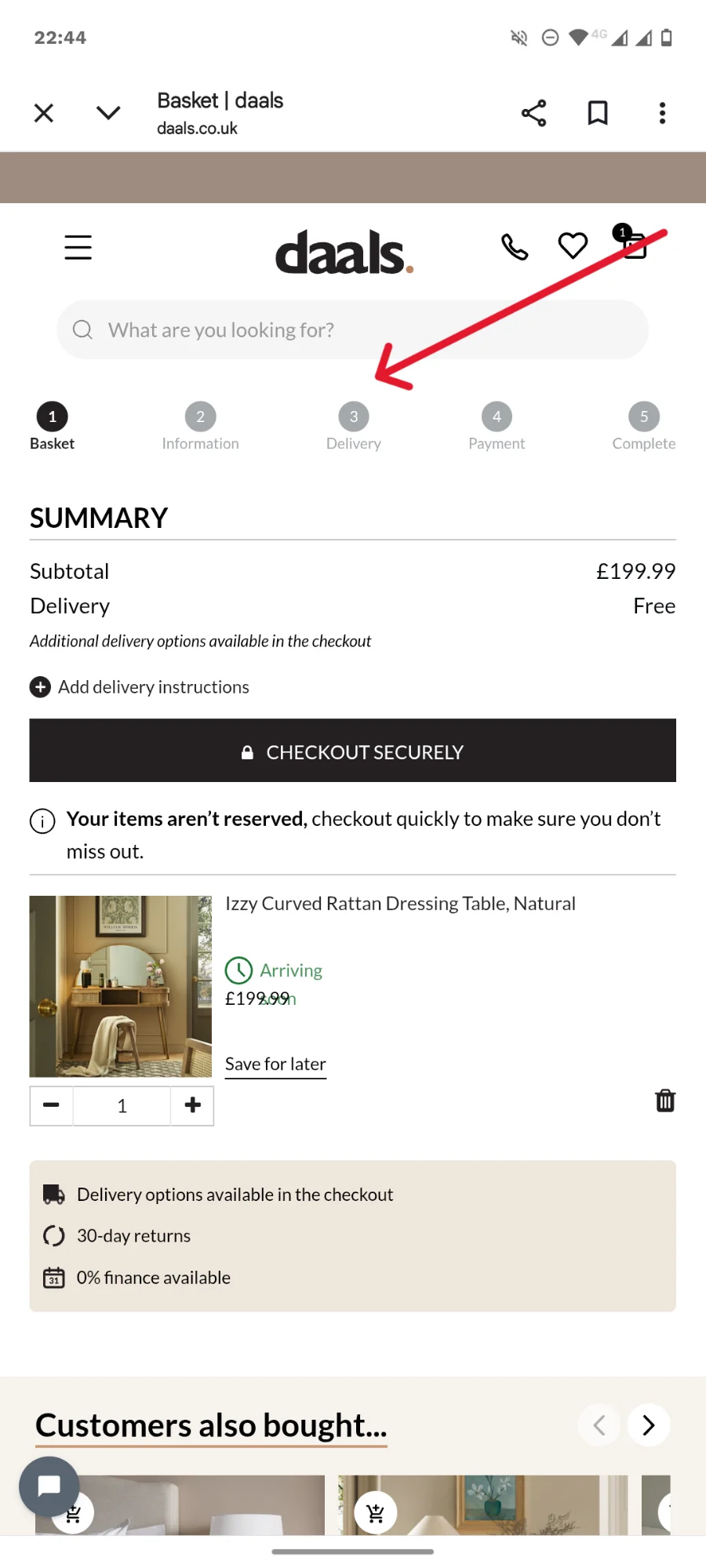
The disparity between mobile e-commerce traffic and successful conversions represents one of the most significant financial leaks in the modern digital economy. According to benchmark data from April 2026 provided by DynamicYield, while a staggering 74% of all e-commerce traffic originates from mobile devices, the cart abandonment rate for these users remains stubbornly high at 81.72%. This figure is approximately 11 percentage points higher than desktop abandonment rates, signaling a profound “mobile gap” that retailers must bridge to maintain competitiveness. While it is true that mobile users often engage in “window shopping” or top-of-funnel browsing with lower initial purchase intent, a substantial portion of these lost sales is directly attributable to poor user interface design, technical instability, and high-friction checkout flows.

The Evolution of Mobile Commerce and the Rise of Transactional Friction
To understand the current state of mobile checkout, one must look at the chronology of digital retail. In the early 2010s, “mobile-friendly” simply meant a responsive website that scaled down desktop elements. However, as mobile traffic surpassed desktop traffic mid-decade, the industry shifted toward “mobile-first” design. Despite this shift, the checkout process remained a bottleneck. The introduction of Apple Pay in 2014 and Google Pay in 2018 marked a turning point, offering the first true “one-tap” solutions. By 2024, the rise of social commerce through platforms like TikTok and Instagram further complicated the landscape, as in-app browsers often rendered traditional checkout pages inconsistently.
The industry is now entering a phase where “frictionless” is no longer an advantage but a baseline requirement. Industry analysts suggest that for every second of delay in mobile load time, conversion rates can drop by as much as 20%. This economic reality has forced a re-evaluation of the 11 core pillars of mobile checkout optimization.
Pillar 1: Ergonomic Design and the Thumb Zone
Effective mobile checkout design must prioritize the physical reality of how a user holds their device. Research into mobile ergonomics reveals that the majority of users navigate with their thumbs while holding the phone in one hand. This “Thumb Zone” dictates that primary action buttons, such as “Continue” or “Place Order,” should be located in the lower third of the screen and span the full width to accommodate both left- and right-handed users.
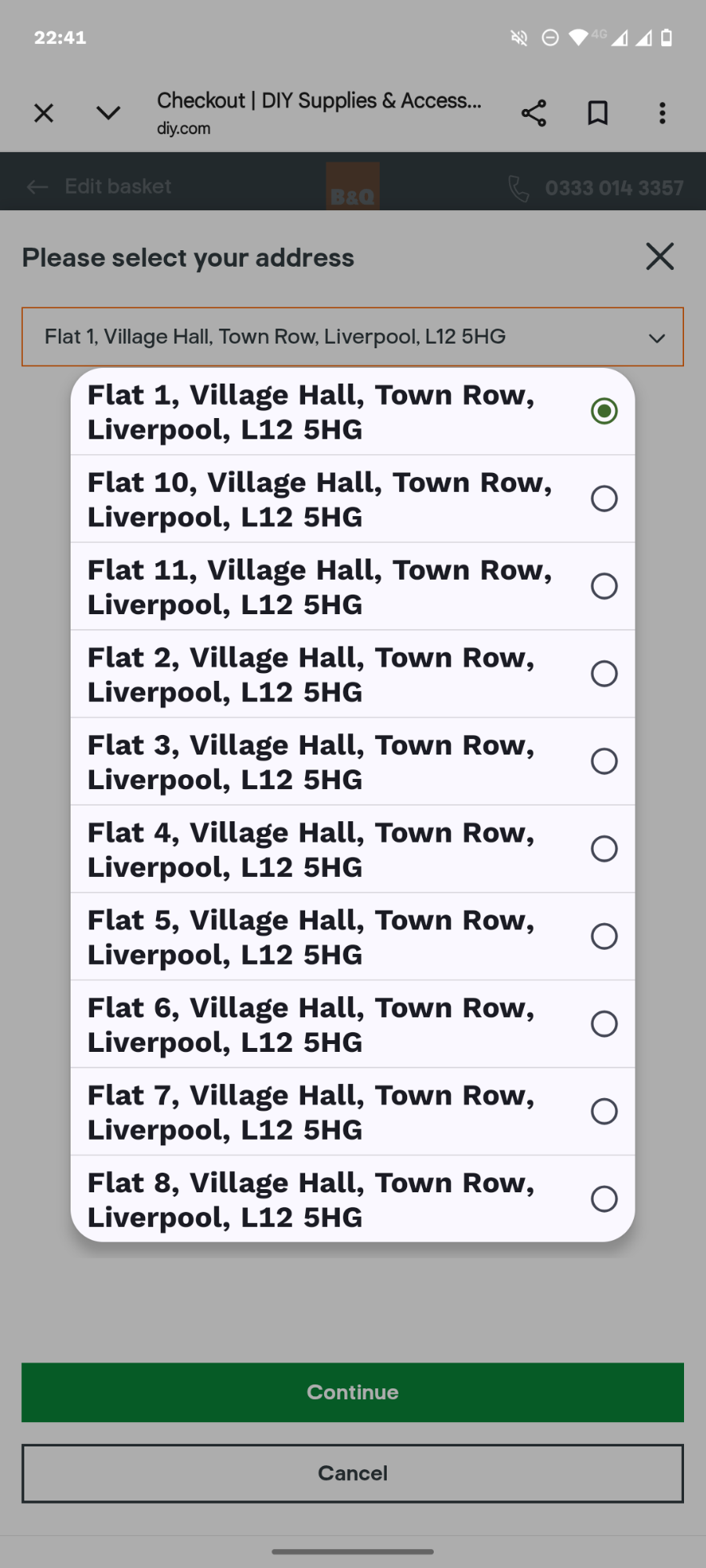
Furthermore, designers must account for the rendering differences in social media in-app browsers. When a user clicks a product link from Instagram, the site is displayed within a specialized browser that often includes its own header and footer overlays. Failure to test UI elements in these environments frequently leads to “clipped” buttons or overlapping text, which renders the checkout process impossible to complete.
Pillar 2: The Architecture of the Checkout Flow
A long-standing debate in e-commerce circles concerns the efficacy of single-page versus multi-page checkouts. Data indicates that neither is inherently superior; rather, the quality of execution is the deciding factor.
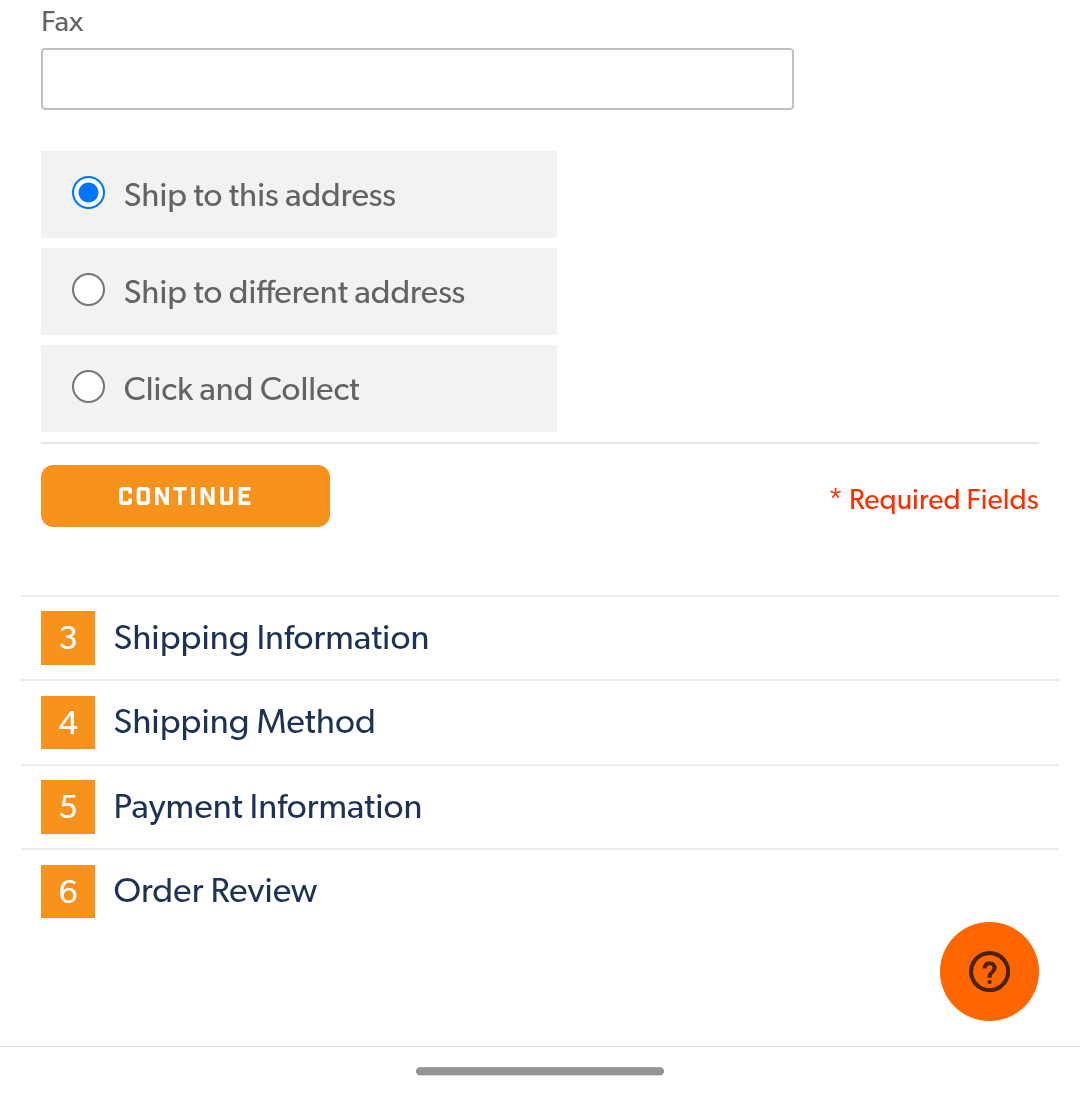
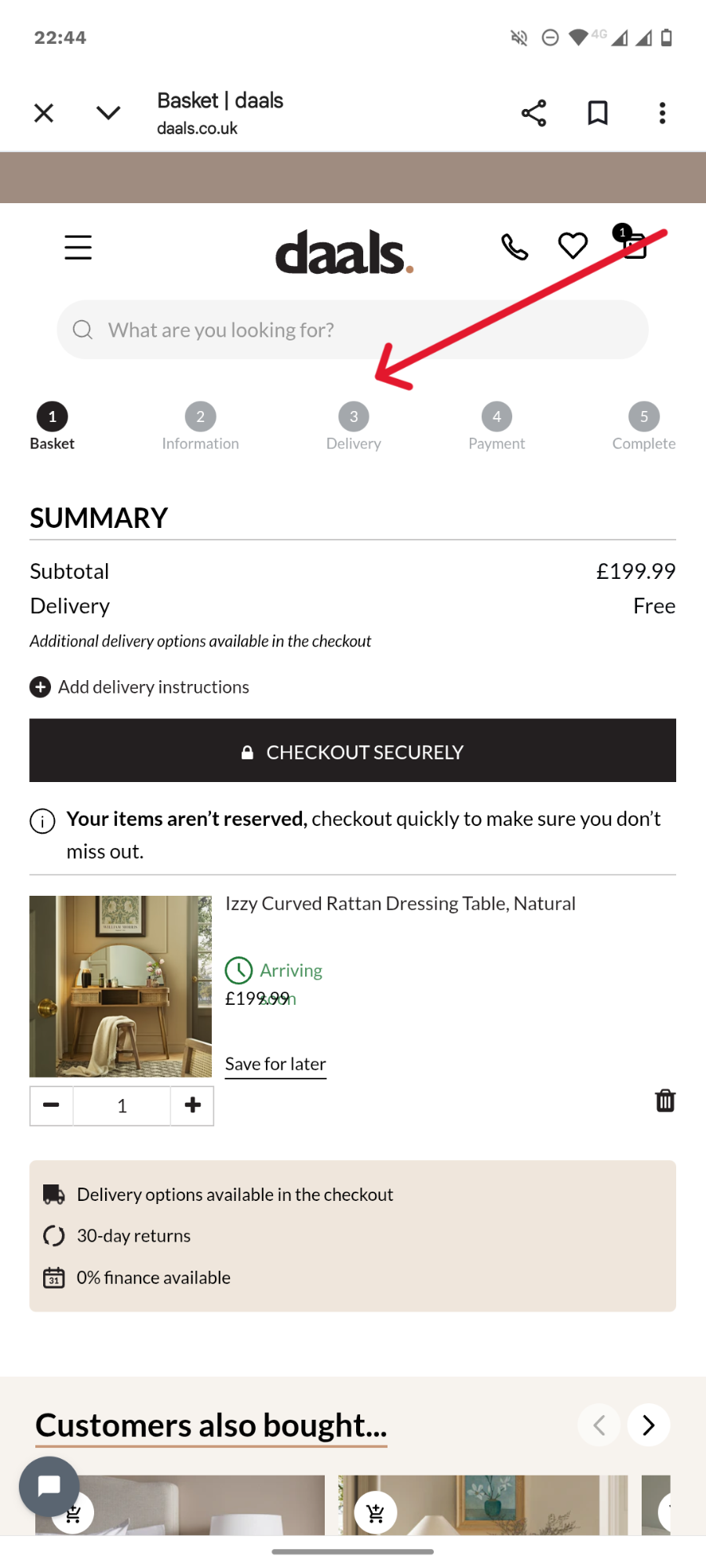
A single-page checkout reduces the risk of page-load errors between steps but can become visually overwhelming on a small screen. To mitigate this, retailers often employ an “accordion” design, which collapses completed sections to keep the user focused on the current task. Conversely, multi-page checkouts allow for the early capture of email addresses—essential for abandoned cart recovery—and provide a logical progression that feels less daunting. When utilizing a multi-page approach, a progress indicator is a mandatory psychological tool, informing the user of exactly how much effort remains.
Pillar 3: Reducing Barrier to Entry via Guest Checkout and SSO
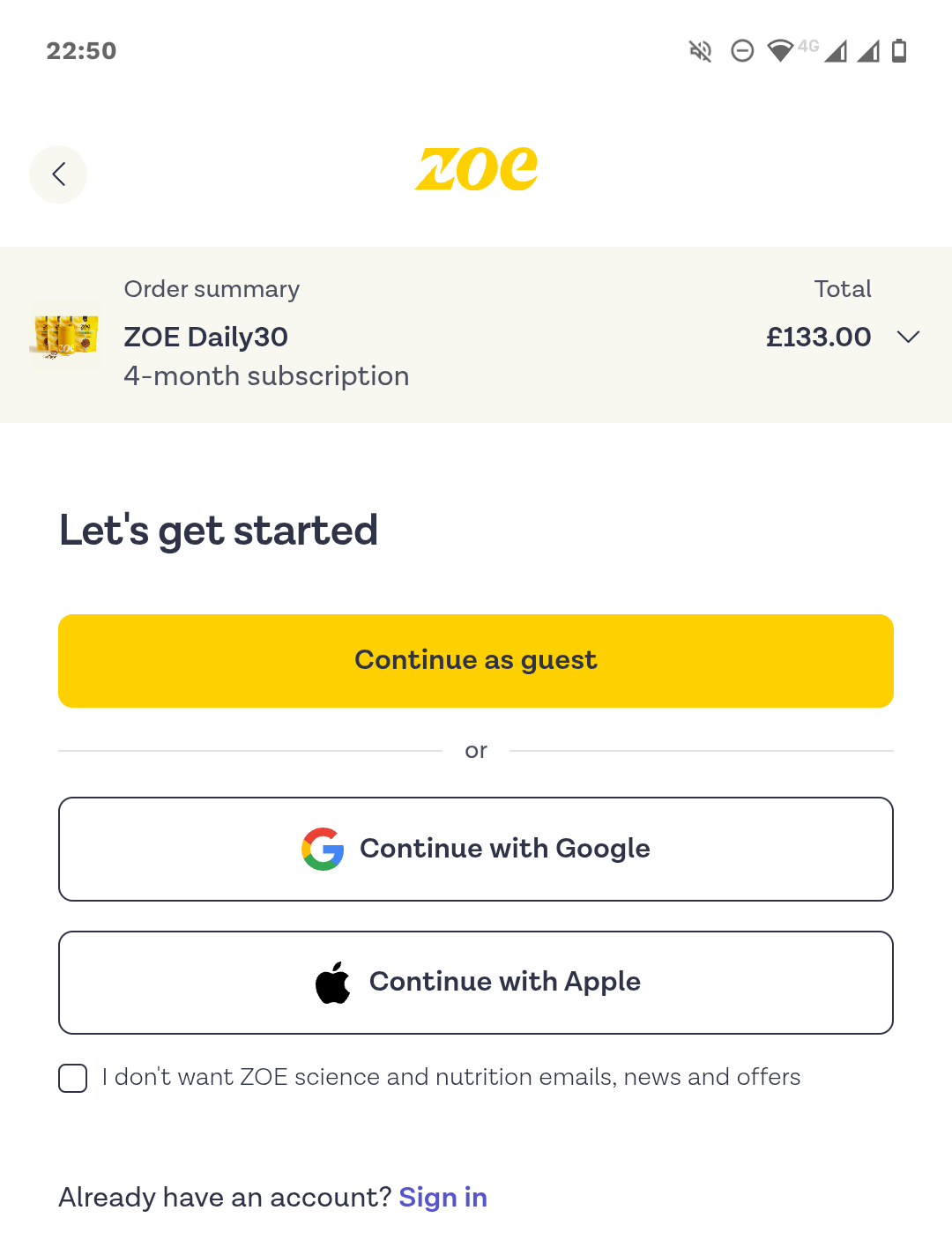
Forced account creation remains a primary driver of abandonment, responsible for approximately 19% of lost sales according to the Baymard Institute. On a mobile device, the friction of creating a password and verifying an email address is amplified. The most successful retailers now position “Guest Checkout” as the primary option, often utilizing a full-width button to ensure high visibility.
Additionally, the integration of Single Sign-On (SSO) through providers like Google, Apple, and Facebook has become a standard. By allowing users to authenticate with existing credentials, retailers can reduce the registration process to a single tap. Industry estimates suggest that SSO implementation can boost conversion rates by 20% to 40% by eliminating the need for manual data entry.
Pillar 4: The Dominance of Digital Wallets and Express Payments
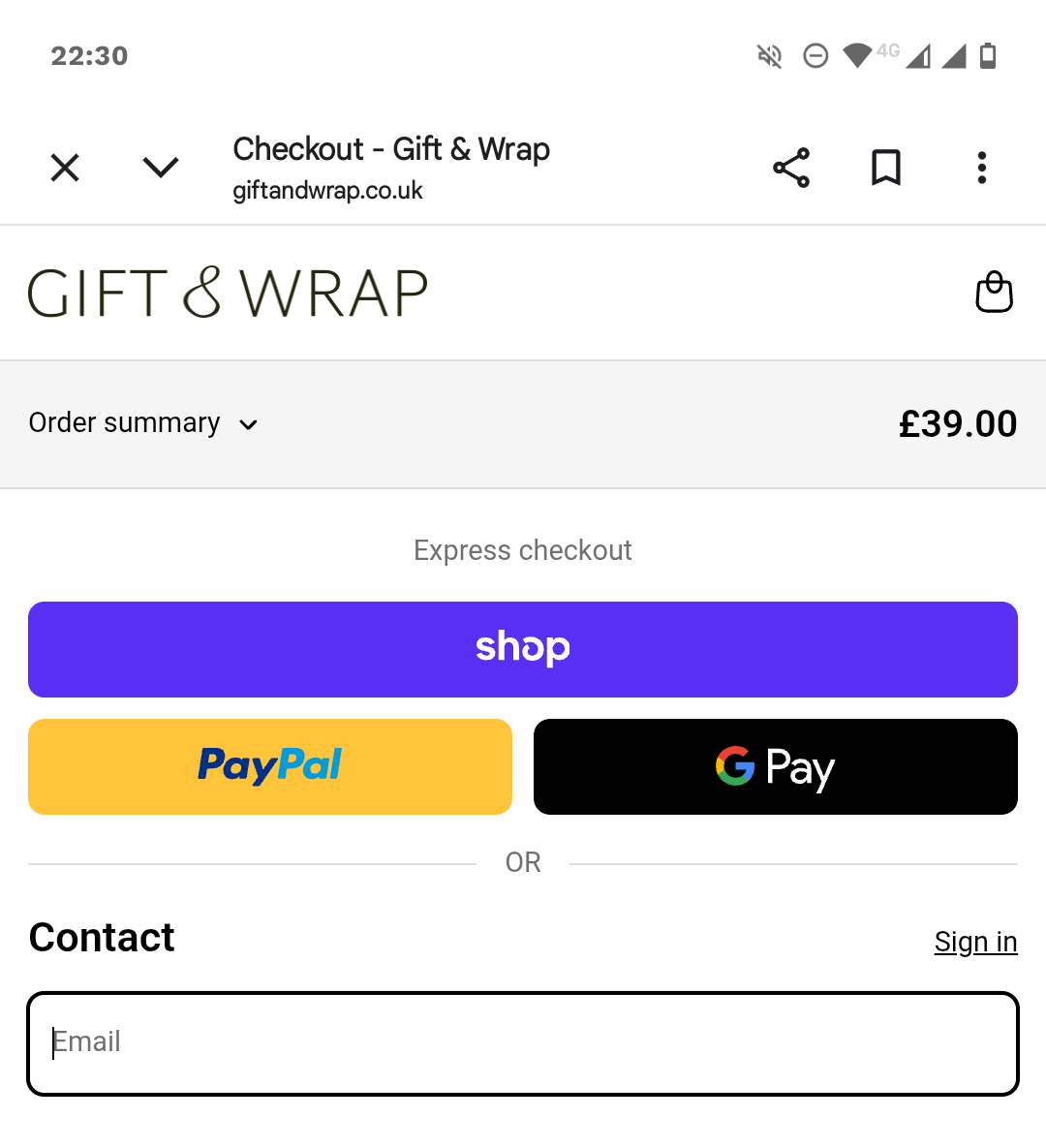
The integration of digital wallets—Apple Pay, Google Pay, PayPal, and Shop Pay—is perhaps the most high-impact technical fix available. A June 2025 study by Stripe revealed that adding Apple Pay alone boosted conversion by 22.3% among eligible checkouts. These “express” payment methods solve three critical mobile problems:
- Security: They utilize biometric authentication (FaceID/TouchID), which is more secure than manual card entry.
- Speed: They bypass the need for shipping and billing forms entirely, as this data is stored within the wallet.
- Trust: Users are more likely to trust a known payment gateway than a niche retailer’s proprietary form.
Localized digital wallets also show outsized impact. In the Netherlands, the inclusion of iDEAL can drive a 39% lift in conversion, while Alipay in China can see lifts as high as 91%.
Pillar 5: Leveraging Buy Now, Pay Later (BNPL) for Average Order Value (AOV)
The “Buy Now, Pay Later” (BNPL) phenomenon, led by providers like Klarna and AfterPay, has shifted from a niche trend to a core financial tool for mobile shoppers. Stripe’s June 2024 data indicates a 14% revenue lift for businesses that offer BNPL options. The psychological impact is significant: by spreading the cost over several installments, the immediate financial strain is reduced, encouraging users to complete higher-value purchases on mobile devices that they might otherwise have deferred to a desktop. The “sweet spot” for BNPL effectiveness typically falls between the $100 and $500 price points.
Pillar 6: Strategic Placement of Trust Signals
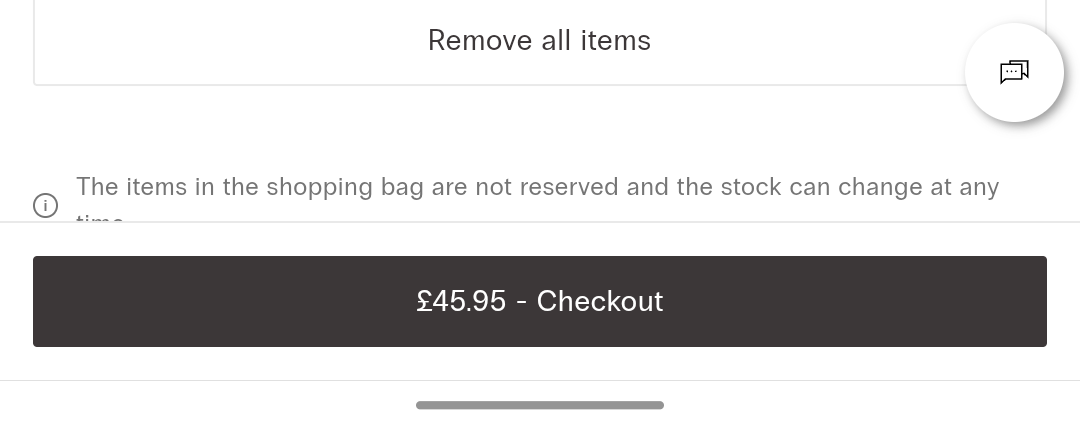
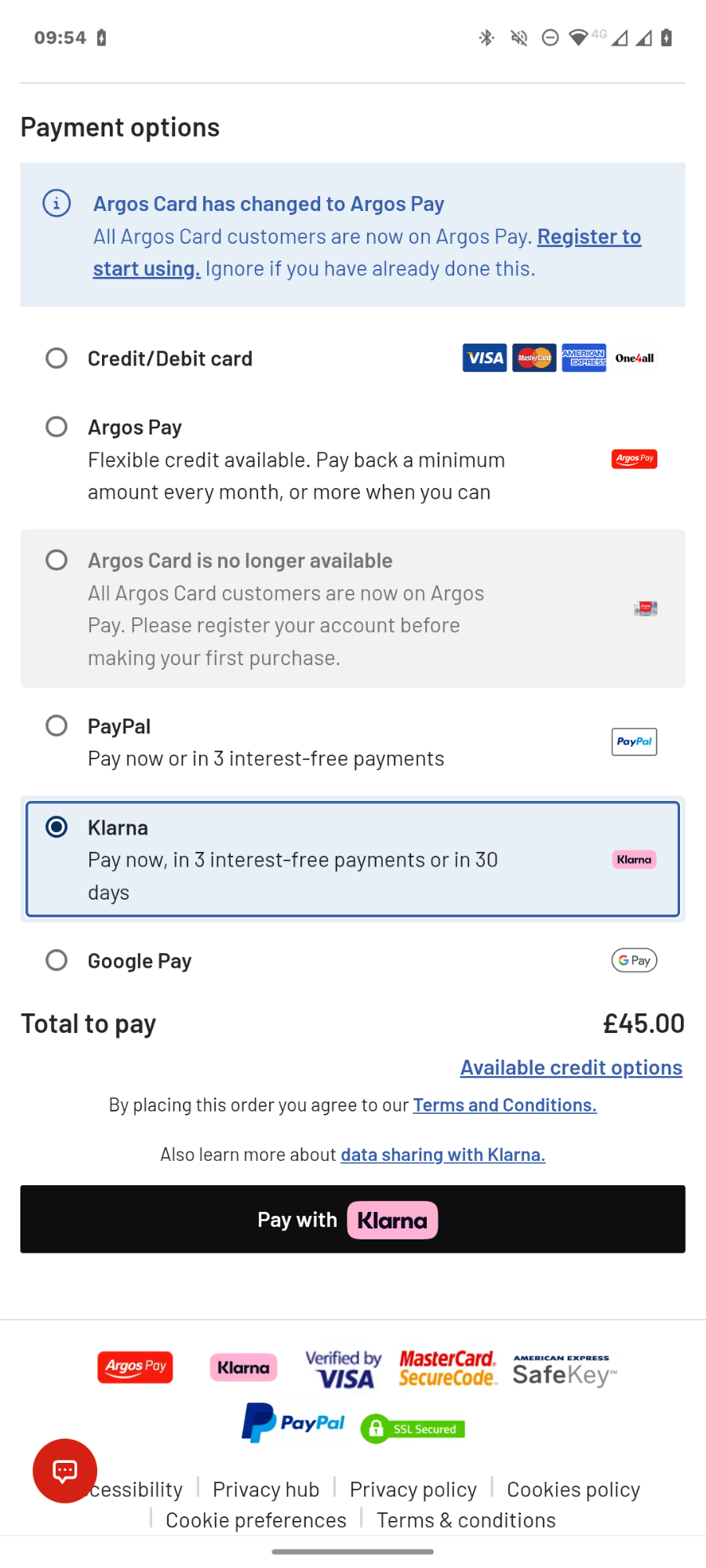
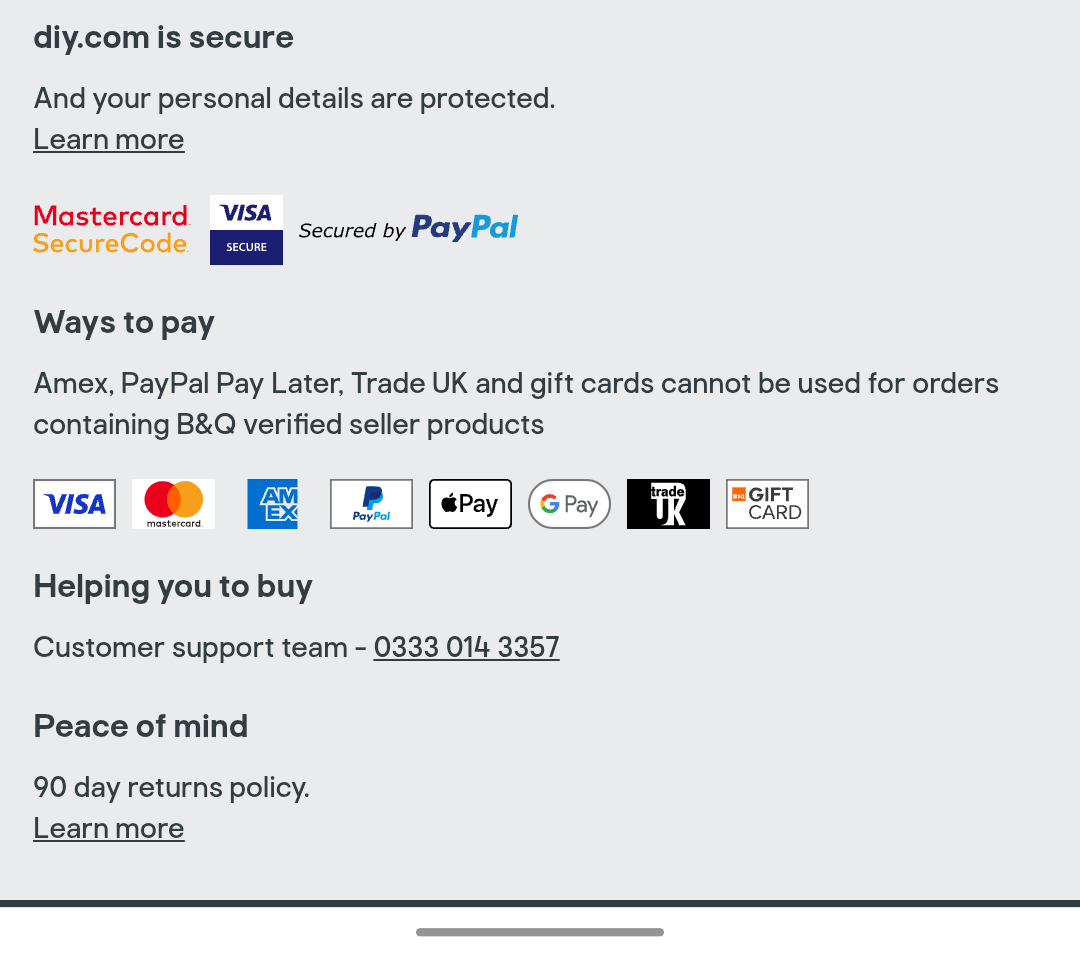
Trust is a fragile commodity on mobile. With 19% of shoppers abandoning carts due to security concerns, retailers must place trust signals—such as SSL badges, “Secure Checkout” text, and accepted payment logos—directly adjacent to the primary “Pay” button. On a desktop, these elements might sit in a sidebar, but on mobile, they must be within the immediate viewport of the final action to provide the necessary psychological reassurance.
Pillar 7: Form Field Optimization and Minimalist Data Collection
The average checkout form in 2024 contained 11.3 fields, yet the optimal number for B2C conversion is between 6 and 8. Every additional field represents a point of potential failure. Retailers can drastically reduce field counts by:
- Using a “Full Name” field instead of separate “First” and “Last” name fields.
- Defaulting the “Billing Address” to be the same as the “Shipping Address.”
- Eliminating optional fields like “Company Name” or “Address Line 2” unless absolutely necessary.
Pillar 8: Enhancing User Effort through Technical Shortcuts
The “effort” required to complete a form is often more important than the number of fields. Mobile-optimized forms should utilize:
- Address Autocomplete: Using Google Maps API to populate addresses after a few keystrokes.
- Dynamic Keyboards: Automatically triggering a numeric keypad for zip codes and credit card numbers.
- HTML5 Autofill: Ensuring that fields are correctly tagged so the browser can populate saved user data.
Pillar 9: Technical Stability and Core Web Vitals
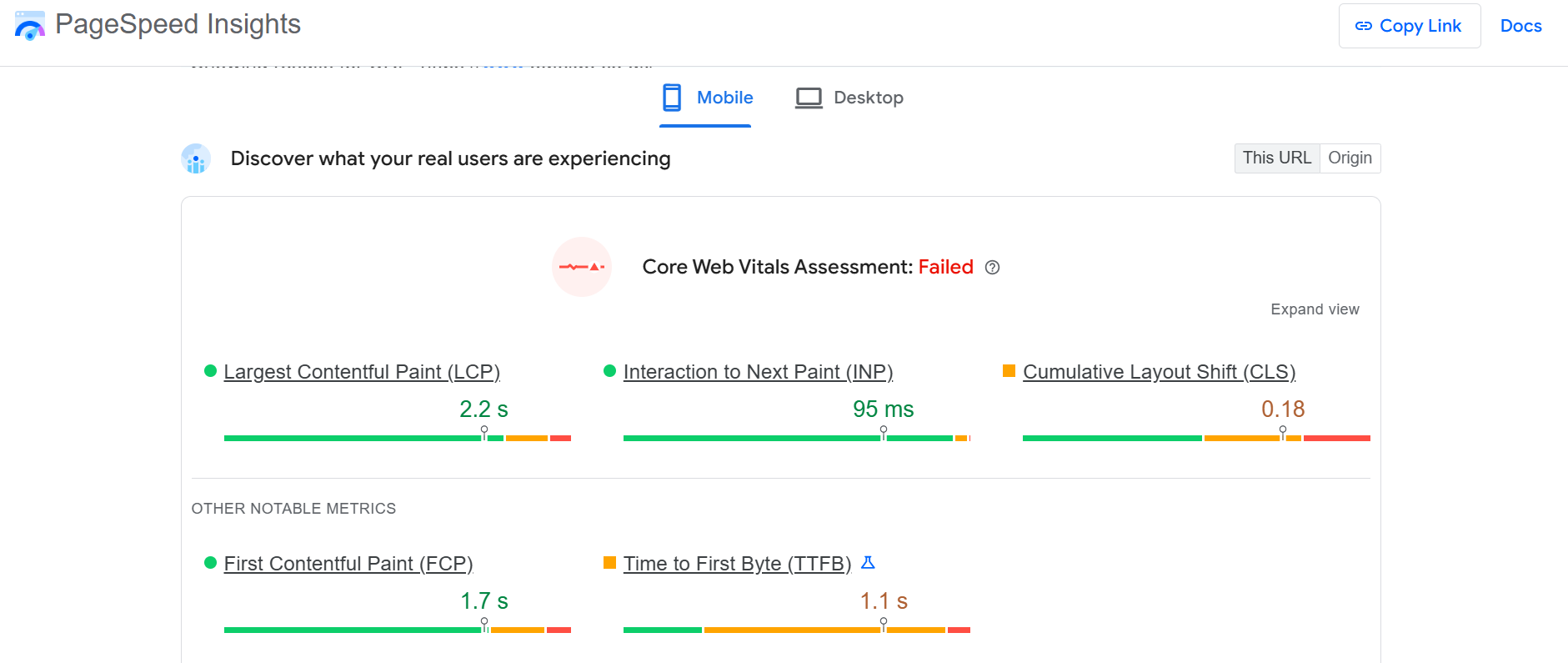
Slow load times and technical crashes are catastrophic for mobile conversion. Approximately 15% of users will abandon a cart if the site crashes or displays an error. Beyond raw speed, “Page Stability”—measured by Cumulative Layout Shift (CLS)—is vital. If a user attempts to tap a button but the page shifts due to a late-loading image, the resulting “mis-tap” creates immense frustration and often leads to site exit.
To maintain stability, retailers must:
- Optimize image assets for mobile-specific resolutions.
- Use Content Delivery Networks (CDNs) to reduce latency.
- Aggressively test checkout scripts to ensure they do not conflict with mobile browser architectures.
Pillar 10: Cross-Device Continuity and Cart Persistence
The consumer journey is rarely linear. A user may discover a product on TikTok via mobile, add it to their cart during a commute, but ultimately wish to complete the purchase on a desktop for a sense of security. Saving the “cart state” is essential for this transition. By linking the cart to a user’s email or social login, retailers can ensure that the items remain available across all devices. This continuity is often supported by “abandoned cart” email sequences, which Shopify and Klaviyo recommend sending at intervals of 1, 24, and 72 hours after the initial drop-off.
Pillar 11: Radical Transparency in Pricing
The single largest cause of cart abandonment is the late disclosure of extra costs. Shipping fees, taxes, and service charges that only appear at the final stage of checkout account for 39% of drop-offs. The most effective mobile strategy is to provide a “Total Cost” estimate as early as the product page or the initial cart summary. If a user knows the final price before they start the checkout process, their intent to complete the transaction is significantly higher.
Industry Implications and the Role of Behavioral Analytics
The broader impact of mobile checkout optimization extends beyond immediate revenue. In an era of rising Customer Acquisition Costs (CAC), losing a lead at the final stage of the funnel is a massive waste of marketing spend. To diagnose specific points of failure, industry leaders are increasingly turning to behavioral analytics tools like Crazy Egg. By utilizing heatmaps and session recordings, retailers can identify “rage clicks” (where a user taps a button repeatedly out of frustration) or “form hesitation” (where a user stalls on a specific field).
As e-commerce continues to evolve toward a mobile-dominant future, the “checkout” will likely cease to be a separate page and instead become a background process integrated into the browsing experience. For now, the implementation of these 11 fixes remains the most reliable method for retailers to reclaim the billions of dollars currently lost to mobile cart abandonment. In a competitive market, the winner is not necessarily the one with the best product, but the one who makes it the easiest to buy.








