Nana Wu
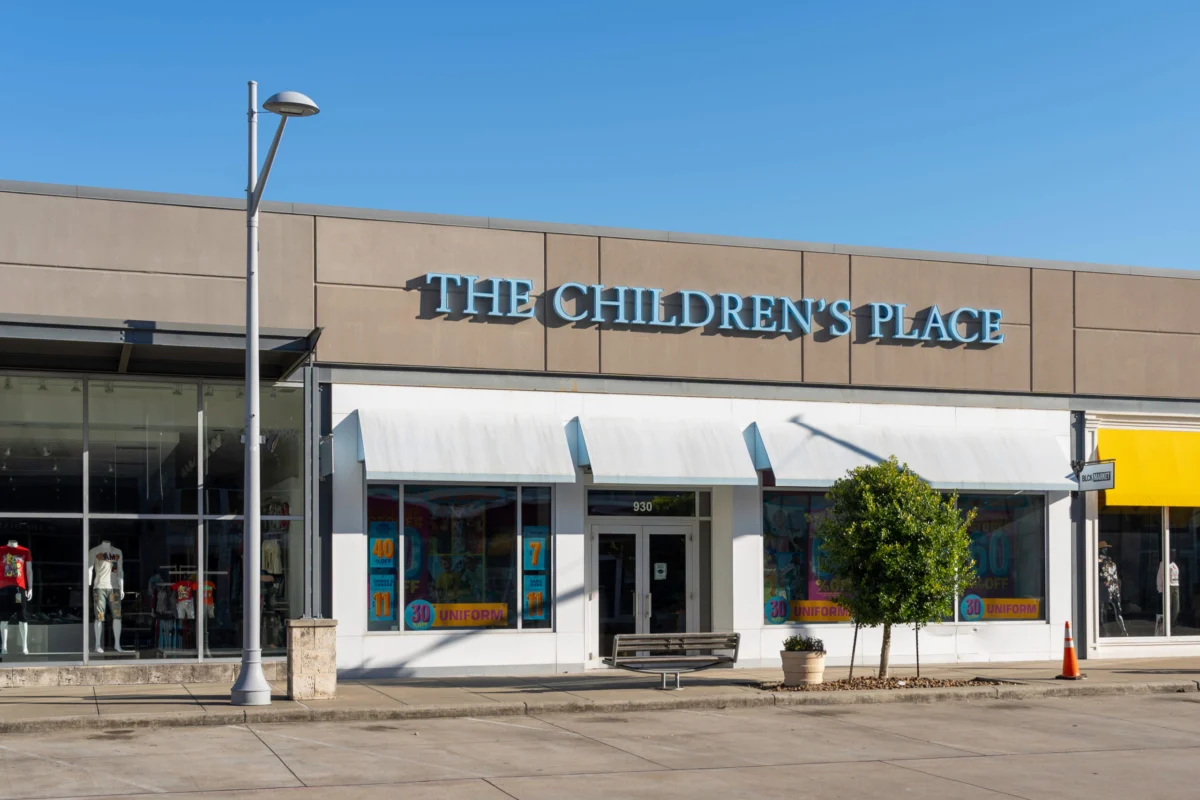
The Children’s Place Inc., a prominent retailer in the children’s apparel sector, has officially filed for Chapter 11 bankruptcy protection, marking a significant turning point for the nearly six-decade-old company. The filings, dated November 8, signal the commencement of a strategic process aimed at restructuring the business and securing its future. On the same day the bankruptcy petition was lodged, the company announced its intention to pursue the sale of "substantially all of its assets," with a formal bidding process set to begin in December.
Despite the bankruptcy filing, The Children’s Place intends to maintain the operational continuity of its e-commerce platforms and physical store locations. This decision is crucial for preserving the brand’s presence and customer engagement during the restructuring period. The company views these measures as essential steps toward funding a comprehensive overhaul of its business model and financial structure.
This development places The Children’s Place at position 199 within the esteemed Top 1000 Database, a comprehensive ranking compiled by Digital Commerce 360 that tracks North America’s largest online retailers based on their annual e-commerce sales and other key metrics. Furthermore, the company is recognized at No. 753 in the AI Commerce Rankings, a joint initiative by Digital Commerce 360 and ReFiBuy, underscoring its engagement with emerging technologies in the retail landscape. These detailed rankings are accessible through the Top 1000 Pro with AI Database.
Underlying Financial Pressures and Executive Departures Precede Bankruptcy Filing
The decision to seek Chapter 11 protection stems from persistent financial challenges that have impacted The Children’s Place. In its fiscal second quarter, which concluded on August 1, the retailer reported a substantial 18.9% year-over-year decrease in net sales, bringing in $241.8 million. This revenue decline resulted in a net loss of $31.0 million for the period, highlighting the growing strain on the company’s financial performance.
Adding to the internal flux, U.S. Securities and Exchange Commission filings revealed on November 4 that four high-level executives had departed the company. While the specific names and titles of these executives were not detailed in the initial announcement, the timing of their exits, preceding the bankruptcy filing, suggests a broader strategic recalibration at the leadership level. At the time of these departures, John Szczepanski was appointed to assume the role of acting president, indicating a shift in operational leadership.
A Strategic Path Forward: Asset Sale and Restructuring
Rudy Morando, co-chief restructuring officer of The Children’s Place, articulated the company’s perspective on the bankruptcy filing. "Today’s announcement marks an important step in our efforts to secure the best path forward for The Children’s Place," Morando stated. He further emphasized the brand’s long-standing legacy: "For nearly 60 years, The Children’s Place has supported growing families with apparel that customers have come to know and love." This statement underscores a commitment to preserving the brand’s heritage while navigating a necessary period of transformation.
The company has outlined a clear timeline for the proposed asset sale. Bids are expected to be submitted by December 9, initiating a court-supervised sale process. The Children’s Place anticipates that this process will reach its conclusion by the end of 2026. This structured approach aims to maximize value for stakeholders and facilitate a smooth transition for any potential acquirer.
"We recognize the significance of this development for our employees, customers, vendors, and other partners, and we are committed to conducting an efficient and transparent sale process," Morando added. "In the meantime, we remain focused on serving the families who have trusted The Children’s Place for generations." This assurance aims to mitigate concerns among the company’s extensive customer base and its network of business partners.
Historical Context and Industry Landscape
The Children’s Place has been a fixture in the retail landscape for decades, catering to the apparel needs of infants, toddlers, and older children. Founded in 1969, the company experienced significant growth, expanding its footprint both domestically and internationally through its brick-and-mortar stores and, more recently, its e-commerce channels. Like many traditional retailers, The Children’s Place has faced increasing competition from online-only players, shifting consumer shopping habits, and the economic pressures that have impacted the broader retail sector.
The challenges faced by The Children’s Place are not unique. The past few years have seen numerous retailers, across various sectors, resort to bankruptcy protection as a means of addressing insurmountable debt, adapting to market changes, and shedding underperforming assets. The rise of e-commerce, coupled with evolving consumer preferences for value and convenience, has reshaped the competitive dynamics of the apparel industry. Companies that have struggled to adapt their business models, invest in digital capabilities, or manage their physical store portfolios effectively have often found themselves in precarious financial positions.
The Children’s Place’s ranking within the Top 1000 Database indicates its historical strength in online retail. However, the need for Chapter 11 protection suggests that e-commerce alone has not been sufficient to offset broader financial headwinds. The company’s position in the AI Commerce Rankings also points to an awareness of technological advancements, but the current financial situation implies that the implementation and impact of these advancements may not have been enough to avert distress.
Analysis of Implications
The filing for Chapter 11 bankruptcy and the subsequent sale of assets will have several significant implications. For consumers, the immediate impact is expected to be minimal, with stores and online operations continuing as usual. However, the long-term availability of the brand and its product offerings will depend on the outcome of the sale process. A successful acquisition by a strategic buyer could lead to continued operation and even revitalization, while a liquidation scenario would result in the cessation of business.
For employees, the situation presents uncertainty. While the company has expressed its commitment to its workforce, the sale process often involves a review of staffing levels and operational structures. Job security will likely be a primary concern for The Children’s Place’s employees across its corporate offices and retail locations.
Vendors and suppliers will also be closely monitoring the situation. The bankruptcy process typically involves the restructuring of debts, and suppliers may face delayed payments or the possibility of not recovering the full amount owed for goods and services rendered prior to the filing. The terms of any asset sale agreement will be crucial in determining the extent to which these parties are made whole.
From a broader industry perspective, the potential sale of The Children’s Place assets could lead to consolidation within the children’s apparel market. A competitor or private equity firm acquiring the brand could leverage its existing infrastructure, customer base, and intellectual property to strengthen its market position. This could lead to a more concentrated competitive landscape, potentially impacting pricing and product innovation in the future.
The company’s reliance on its established brand recognition and customer loyalty, built over nearly six decades, will be a key factor in attracting potential buyers. The ability of any new ownership to effectively integrate The Children’s Place into their existing operations or to inject fresh capital and strategic direction will be paramount to its future success. The transition from a publicly traded entity to a privately held asset, or the absorption into a larger retail conglomerate, represents a significant shift in its corporate identity and operational framework.
The coming months will be critical as The Children’s Place navigates the complex legal and financial terrain of Chapter 11 bankruptcy. The outcome of the asset sale will ultimately determine the future of this long-standing children’s apparel retailer and its impact on the broader retail ecosystem. The company’s ability to demonstrate a clear path to profitability and sustained growth will be essential in attracting strong bids and securing a favorable resolution to its current financial predicament.
Do you rank in our databases?
Retailers are encouraged to submit their data to Digital Commerce 360 to be included in future ranking updates. This process allows businesses to benchmark their performance against industry leaders and understand their position within the competitive landscape of e-commerce and AI-driven commerce.
Stay Informed
For ongoing coverage of the online retail industry and breaking news, interested parties are invited to sign up for a complimentary subscription to Digital Commerce 360 Retail News. Staying informed about these developments is crucial for understanding market trends, competitive strategies, and the evolving dynamics of the retail sector. Follow Digital Commerce 360 on LinkedIn, X (formerly Twitter), Facebook, and YouTube for timely updates and in-depth analysis.


 Iffa Jayyana

 Basiran