rifanmuazin
Artificial intelligence tools are rapidly transforming content creation, offering unprecedented speed and efficiency. However, a common challenge emerges when these sophisticated algorithms fail to capture the nuanced personality of a brand. Unlike human team members who absorb brand identity through immersion and interaction, AI requires explicit, detailed guidance that extends far beyond a simple prompt. The solution lies in meticulously crafted brand voice and tone guidelines specifically designed for AI integration. These comprehensive documents act as an AI’s cheat sheet, dictating precisely how a brand communicates, which vocabulary to employ (and eschew), and the desired emotional resonance of its content. By implementing this strategic approach, businesses can significantly elevate the quality of AI-generated content, minimizing the need for extensive post-generation editing and maximizing the impact of their digital presence.
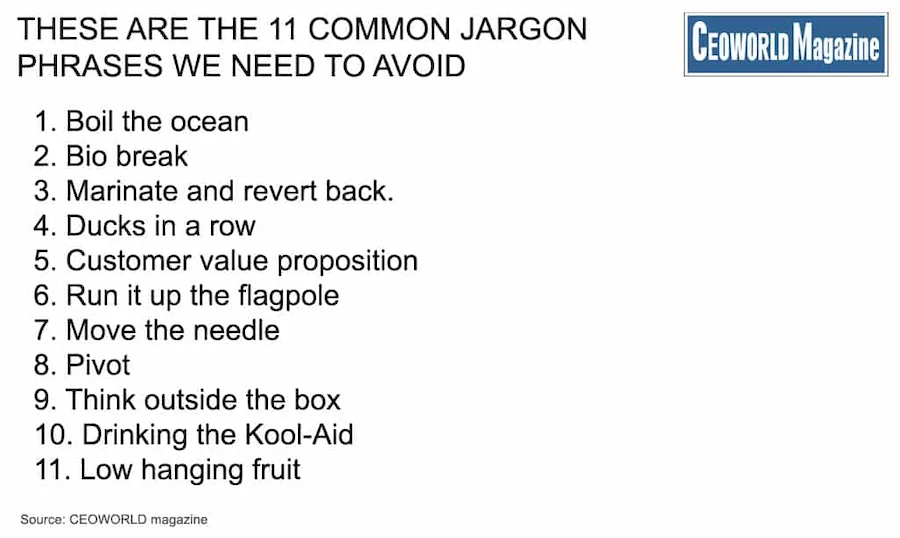
The genesis of this challenge stems from the fundamental differences in how humans and AI process information and interpret linguistic cues. Human writers, when instructed to adopt a "conversational tone," can infer a multitude of subtextual elements: the use of contractions, shorter sentences, occasional humor, and a generally approachable cadence. An AI, on the other hand, processes such instructions literally. Without explicit parameters, it defaults to its training data, which often results in bland, overly formal prose, frequently peppered with generic corporate jargon such as "in today’s digital landscape." This disconnect necessitates a more robust framework for AI communication, one that translates abstract brand concepts into actionable directives.
The development of AI-specific brand guidelines represents a critical evolution in how businesses leverage artificial intelligence. It moves beyond the traditional brand style guide, which often serves as a foundational document for human designers and marketers, encompassing logo specifications, color palettes, and broad strokes of brand voice. While these existing guides are valuable, they typically lack the granular detail required to effectively steer AI. The inherent ambiguity that humans can navigate through shared context and dialogue is a significant hurdle for AI systems. Consequently, the focus shifts from descriptive adjectives to prescriptive examples and clear definitions.
The strategy involves distilling comprehensive brand messaging into a concise, actionable "voice and tone snapshot." This condensed document, typically spanning two to three pages, highlights the most critical and applicable elements of a brand’s communication style. It serves as a perpetual reference point for all AI-driven content creation endeavors, enabling the efficient production of high-quality blog posts, emails, social media updates, and other marketing collateral.
Essential Components of AI-Ready Brand Guidelines
To effectively imbue AI tools with a brand’s unique identity, a structured approach to guideline development is paramount. The following sections detail the crucial elements that should be included in an AI-ready brand voice and tone document:
1. Core Voice Attributes with Explicit Definitions
Simply listing adjectives to describe a brand’s voice is insufficient for AI. The key is to provide concrete definitions that illustrate what each attribute signifies in practice. AI thrives on specificity, transforming abstract concepts into actionable instructions.

- Example: Instead of stating, "Our voice is conversational," an effective guideline would articulate: "Conversational means we write as if explaining a concept to a friend over coffee, prioritizing clarity and relatability over formal presentation. This involves using everyday language and avoiding overly technical terms unless absolutely necessary."
- Contrast: The less effective approach, "Our voice is conversational," leaves the AI to interpret "conversational" based on its broad, often generic, training data.
Similarly, for an attribute like "Authoritative," the AI needs to understand the practical application:
- Example: "Authoritative means we support our claims with specific data, credible sources, and real-world examples. We avoid vague assertions and instead focus on providing evidence-based insights."
- Contrast: "Our voice is authoritative" provides no actionable guidance on how to achieve this.
By providing these "Do this" versus "Not this" examples, the AI is equipped with a clear mental model, enabling it to generate content that aligns precisely with the brand’s intended communication style.
2. Defining the Brand’s Personality Through Persona
Conceptualizing the brand as a person can be an incredibly effective method for AI training. Assigning a distinct persona helps the AI make consistent decisions regarding word choice, humor, and the overall level of formality. This goes beyond simple descriptors to create a more relatable and predictable output.
Consider the widely recognized brand personality of Wendy’s, particularly its engagement on social media platforms like Twitter. Their use of informal language, slang, and witty, often edgy, commentary creates a distinct and memorable brand persona that is fun, approachable, and laid-back. This consistent voice across all their social channels reinforces their brand identity.
For a local bakery, the persona might be: "We are the enthusiastic baker, eager to share the joy of a perfectly crafted sourdough. Our tone is warm, slightly nerdy about our craft, and always humble, never pretentious."
For a financial advisory firm, the persona could be: "We are the calm, reassuring expert who demystifies complex financial matters, making them accessible and manageable. Our communication is clear, confident, and always respectful of the client’s time and concerns."
This persona-based approach provides the AI with a rich tapestry of behavioral cues to draw from, ensuring a more cohesive and authentic brand representation.
3. The Power of "Do This, Not That" Examples
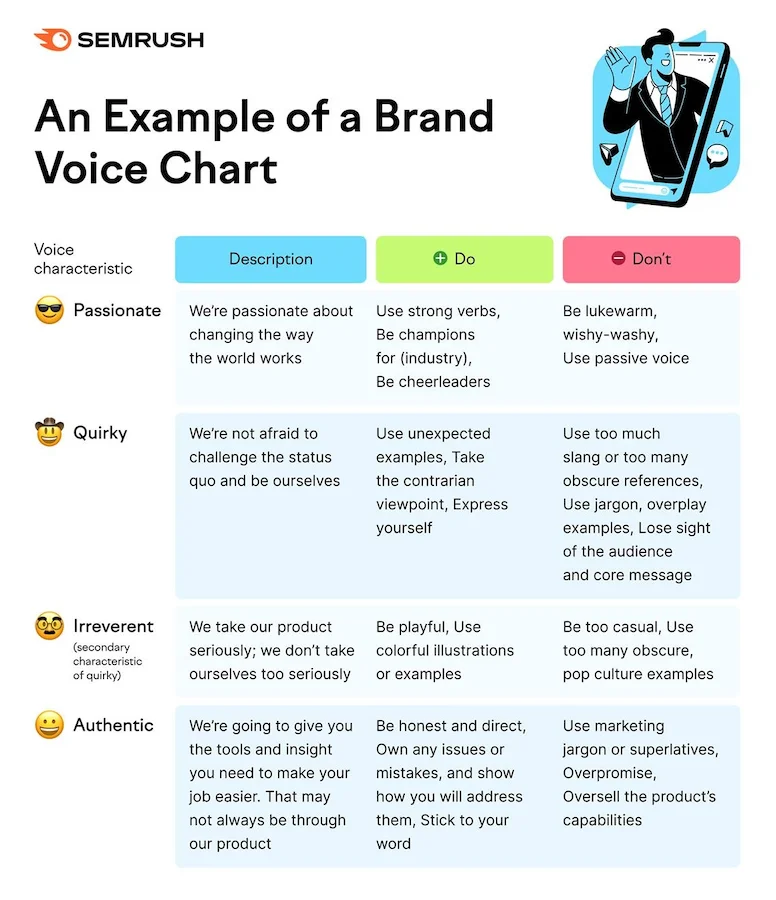
This section is arguably the most crucial in the entire AI-ready guideline document. It directly trains the AI on the distinctions between on-brand and off-brand communication through concrete comparisons. This method is exceptionally effective for teaching the AI to avoid common pitfalls and to consistently adhere to the brand’s specific stylistic preferences.
These comparisons should cover three key areas:
- Tone and Style: Contrasting overly formal or generic phrasing with the brand’s preferred conversational or specific tone. For instance, showing an AI that "leverage our synergistic capabilities" is off-brand, while "work together to achieve our goals" is on-brand.
- Vocabulary and Phrasing: Highlighting preferred terms versus those to be avoided. This might include specific industry jargon, clichés, or words that carry unintended connotations. For example, demonstrating the preference for "customer" over "client" or vice-versa, depending on the brand.
- Sentence Structure and Flow: Illustrating preferred sentence lengths, the use of active versus passive voice, and the natural cadence of on-brand writing.
The effectiveness of this section lies in its direct, comparative nature, leaving little room for misinterpretation by the AI.
4. Sentence Length and Formatting Preferences
While humans often intuitively grasp preferred sentence structures and formatting, AI requires explicit directives. These seemingly minor details significantly contribute to the overall feel and readability of the content, making it sound more authentically "you."
Guidelines should specify preferences such as:
- Sentence Length: Indicating a preference for shorter, punchier sentences, or a mix of lengths to maintain reader engagement.
- Punctuation: Detailing the preferred use of em dashes versus parentheses, the appropriate use of semicolons, and the frequency of exclamation points.
- Contractions: Clearly stating whether contractions (e.g., "don’t," "it’s") are encouraged or discouraged.
- Capitalization: Specifying rules for capitalizing industry terms, product names, or specific concepts.
- Formatting: Outlining preferences for bullet points, numbered lists, and the use of bolding or italics for emphasis.
By articulating these stylistic nuances, the AI can produce content that not only conveys the right message but also feels familiar and comfortable to the target audience.
5. Themes and Points of View
Every brand possesses recurring themes and core beliefs that shape its perspective. Documenting these themes provides AI tools with the confidence to write with a strong, consistent point of view, avoiding the trap of producing neutral or ambivalent content.

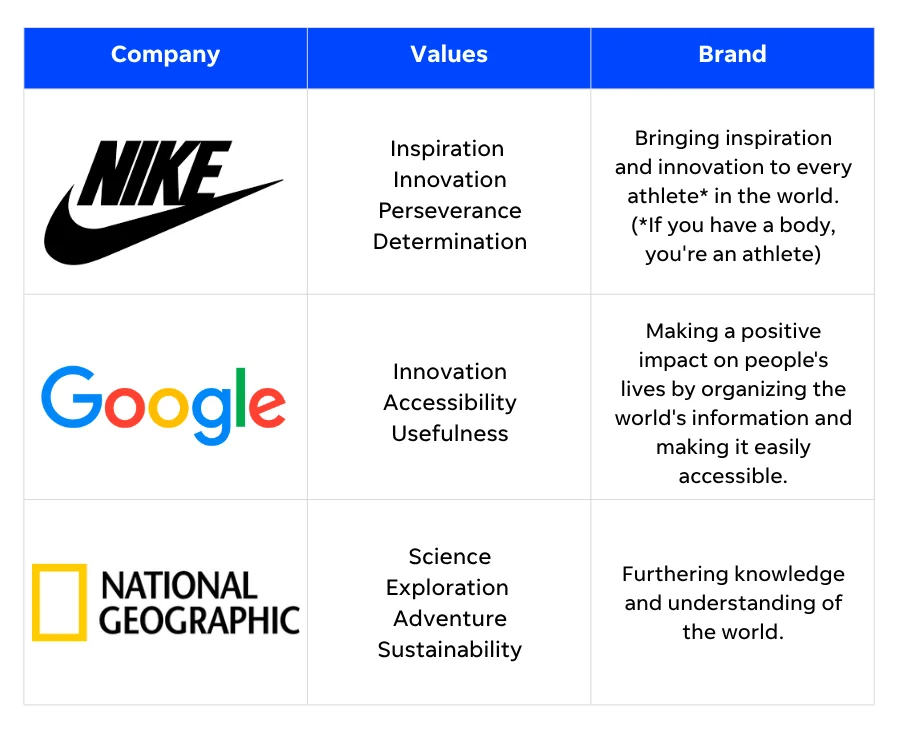
Iconic brands like Nike, Google, and National Geographic exemplify this. Nike consistently emphasizes determination and overcoming challenges. Google champions innovation and progress. National Geographic focuses on exploration, discovery, and the wonders of the natural world.
For a small marketing agency, these themes might be: "We believe small businesses deserve access to sophisticated marketing strategies previously available only to large corporations," and "We advocate for clear, actionable marketing advice, cutting through unnecessary complexity."
For a local fitness center: "Consistency in fitness yields greater long-term results than sporadic intensity," and "Fitness should be an integrated, sustainable part of your life, not an overwhelming obligation."
Additionally, noting industry debates where the brand takes a definitive stance can further enhance the AI’s ability to generate content with authentic perspective, making it more engaging and less generic.
6. Language Guidelines: Vocabulary and Jargon Management
This section, though concise, is vital for maintaining linguistic integrity. It should cover the specific lingo the brand uses and avoids. For example, whether to use "sales representative" instead of "salesman," or if the brand prefers "client" over "customer."
A critical aspect of language guidelines is the management of industry jargon. This can be effectively categorized into three buckets:
- Must-Use Terms: Specific industry terms that are essential for clarity and authority within the target audience.
- Use Sparingly: Terms that are part of the industry lexicon but can alienate a broader audience if overused.
- Avoid Entirely: Jargon that is either too technical, too niche, or carries negative connotations for the brand’s audience.
Providing clear examples for each category ensures the AI can navigate the linguistic landscape of the industry while remaining aligned with the brand’s communication objectives.
7. Content Structure Preferences
Dictating content structure is particularly important for formats like blog posts, emails, and landing pages, where organization directly impacts readability and user experience. This section guides the AI on how to logically arrange information for maximum impact.
Guidelines might include:
- Introduction Style: Specifying whether to start with a hook, a question, a statistic, or a brief overview of the topic.
- Body Paragraphs: Detailing preferred paragraph length, the use of transitions, and the logical flow of arguments or information.
- Use of Subheadings: Guiding the AI on the frequency and style of subheadings to break up text and improve scannability.
- Conclusion Structure: Outlining whether to summarize key points, offer a call to action, or pose a concluding thought.
- Call to Action (CTA) Placement and Style: Specifying where CTAs should appear and how they should be phrased.
Clear structural directives ensure that AI-generated content is not only well-written but also effectively organized for reader comprehension.
8. Hard Boundaries: The "Never Do This" List
Establishing explicit "hard boundaries" is crucial for AI. These are the non-negotiable rules that the AI must strictly adhere to. AI tools are remarkably adept at respecting clear, definitive constraints when they are clearly articulated.
Examples of hard boundaries include:
- Prohibited Language: A list of offensive, discriminatory, or politically charged terms that must never appear in the content.
- Misleading Claims: A strict prohibition against making unsubstantiated claims or guarantees.
- Competitor Mentions: Guidelines on whether and how competitors can be mentioned, if at all.
- Specific Topics: Outlining sensitive subjects that should be avoided or handled with extreme caution.
By anticipating and explicitly defining these "never do this" scenarios, businesses can prevent the AI from making common errors that could damage brand reputation or alienate customers.
9. Comprehensive Comparison Examples
The most powerful training tool for an AI is the provision of direct, full-paragraph comparison examples. This involves creating two to three distinct paragraphs, each representing a different stylistic approach, and clearly labeling them as "On-Brand" and "Off-Brand."
For example:
- On-Brand Paragraph: This paragraph would exemplify the desired tone, vocabulary, sentence structure, and overall feel.
- Off-Brand Paragraph: This paragraph would demonstrate common mistakes, generic phrasing, or a departure from the brand’s voice.
This method provides the AI with a concrete reference point for calibration, akin to showing a photograph of a house rather than merely describing its features. It offers a tangible benchmark against which the AI can measure its output.
10. Audience Context and Granularity
Finally, a detailed understanding of the target audience is essential for AI content generation. Vague descriptions like "small business owners" are insufficient. Instead, specificity is key.
- Demographics and Psychographics: Provide granular details such as age range, industry, company size, job roles, pain points, motivations, and level of existing knowledge.
- Audience Expertise: Clearly state what the audience already knows (to prevent over-explanation) and what they need to learn (to ensure the content is valuable).
- Content Needs: Differentiate between the audience’s need for tactical "how-to" advice versus high-level strategic insights, or specific tool recommendations versus general frameworks.
Understanding the audience’s existing knowledge base prevents the AI from patronizing them or failing to provide essential information. Similarly, specifying the desired outcome of the content—whether it’s to educate, persuade, or inform—further refines the AI’s output.
Implementing the AI Brand Guidelines Effectively
Developing an AI-ready brand voice and tone guide is the foundational step. The true power of this resource is unlocked through its effective implementation in the AI content generation workflow.
Uploading and Explicitly Referencing the Guidelines
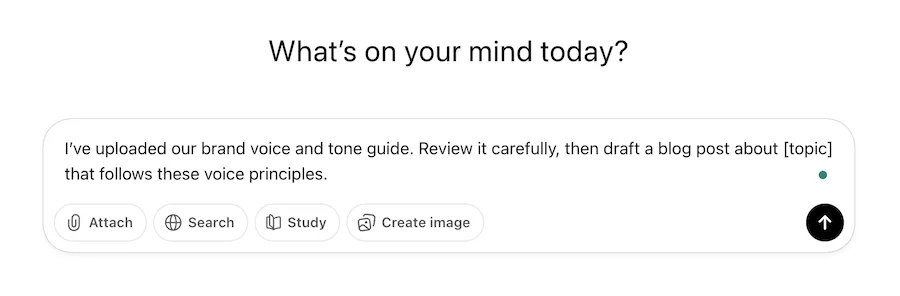
Most advanced AI tools offer the functionality to upload documents as contextual reference material. However, simply attaching the file is not enough. The AI must be explicitly instructed to consult and adhere to these guidelines.
- Example Prompt: "I have uploaded our comprehensive brand voice and tone guide. Please review it thoroughly and then draft a series of email marketing messages for our upcoming product launch, ensuring all content strictly follows the voice and tone principles outlined in the document."
This direct instruction ensures that the AI prioritizes the provided context, leading to significantly higher quality and more on-brand outputs.
Building a Library of Exemplary Content
Beyond the formal guidelines, curating a small library of the brand’s best-performing content serves as invaluable training material for AI. This collection should comprise 10-15 pieces that exemplify the brand voice at its peak, across various formats such as blog posts, emails, social media captions, and landing pages.
The selection criteria should prioritize content that has resonated well with the target audience and accurately reflects the desired brand persona. The more relevant the examples are to the specific task at hand, the more accurate and effective the AI’s output will be.
- Reverse-Engineering Existing Content: For brands lacking a formal voice guide, a powerful shortcut is to use AI to analyze their top-performing content. By uploading these pieces and prompting the AI to "Analyze the voice, structure, and style of these pieces, then summarize those patterns into key points I can use as a brand voice guide," businesses can effectively generate a foundational document from their existing successful content.
Front-Loading Contextual Information
Before initiating any content generation request, providing the AI with as much relevant background information as possible is crucial. This can include:
- Detailed Audience Insights: Reiterate the granular audience context previously defined.
- Competitor Analysis: Include links to competitor articles or content that the brand wishes to differentiate itself from.
- Internal Knowledge: Incorporate proprietary information such as customer research findings, case study data, product documentation, or internal strategic documents.
The more specific and proprietary the information shared, the more distinctive and tailored the AI-generated content will be. Generic inputs inevitably lead to generic outputs.
Treating the Guide as a Living Document
An AI brand voice guide is not a static artifact. As brands evolve, customer preferences shift, and insights are gained from AI tool performance, the guide must be updated accordingly. Regular maintenance ensures its continued relevance and effectiveness.
Key maintenance habits include:
- Regular Reviews: Schedule periodic reviews (e.g., quarterly) to assess the guide’s accuracy and completeness.
- Updating with New Learnings: Incorporate new insights gained from analyzing AI content performance, identifying recurring issues, or recognizing emerging brand themes.
- Incorporating Feedback: Collect feedback from internal teams who use the AI and the guide to identify areas for improvement.
- Adapting to AI Advancements: As AI technology evolves, so too might the methods for guiding it. Stay abreast of new features and best practices.
The Bottom Line: Specificity is Paramount
AI writing tools are undeniably powerful, capable of producing robust content that requires minimal editing. However, their effectiveness hinges on the quality of the context provided. The key to generating AI content that truly embodies a brand’s voice lies in one word: specificity.
Instead of issuing broad instructions like "be conversational," businesses must demonstrate precisely what "conversational" looks like for their brand through concrete examples and detailed definitions. This upfront investment in creating a comprehensive AI-ready brand voice and tone guide pays significant dividends. Every piece of content generated by AI—whether a blog post, email, social caption, or landing page—will be demonstrably superior, and the time spent on editing will be drastically reduced.
Your Brand Voice Guide Checklist
To ensure all essential elements are covered when building an AI-ready brand voice and tone guide, consider the following checklist:
- [ ] Core Voice Attributes with Explicit Definitions
- [ ] Brand Personality Defined Through Persona
- [ ] "Do This, Not That" Comparative Examples
- [ ] Sentence Length and Formatting Preferences Clearly Stated
- [ ] Key Themes and Points of View Documented
- [ ] Language Guidelines, Including Vocabulary and Jargon Management
- [ ] Content Structure Preferences Outlined
- [ ] Hard Boundaries: A "Never Do This" List
- [ ] Full Comparison Examples (On-Brand vs. Off-Brand)
- [ ] Granular Audience Context and Needs Defined
- [ ] Instructions for Uploading and Referencing the Guide within AI Tools
- [ ] Plan for Building a Library of Exemplary Content
- [ ] Strategy for Front-Loading Contextual Information
- [ ] Commitment to Treating the Guide as a Living Document
By meticulously crafting and strategically implementing these AI-specific brand guidelines, businesses can harness the full potential of artificial intelligence, ensuring that their digital communications are not only efficient but also authentically representative of their brand identity. This proactive approach transforms AI from a generic content generator into a powerful, brand-aligned communication asset.