rifanmuazin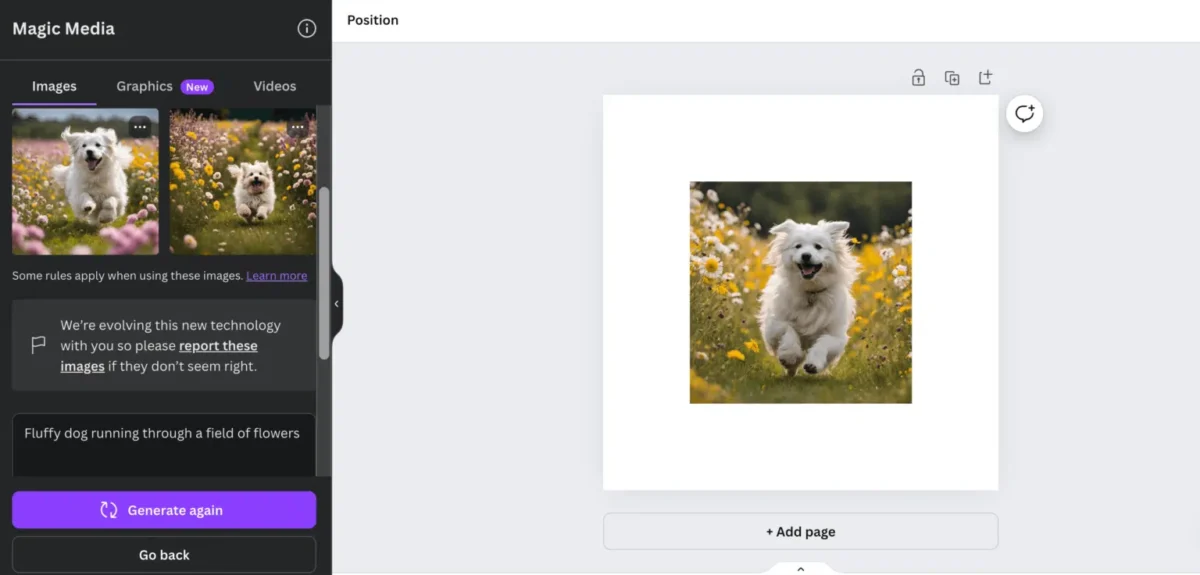
Artificial intelligence is rapidly solidifying its position as an indispensable engine within the social media marketing landscape, poised to redefine content creation, management, and optimization strategies. Projections indicate that global AI marketing revenue is set to exceed an astounding $107 billion by 2028, underscor underscoring the profound economic and operational shift underway. This exponential growth reflects AI’s capacity to empower marketing teams to generate more content, enhance engagement, and scale operations with unprecedented efficiency, mitigating the chaos often associated with multi-platform management.

The integration of AI into social media workflows marks a pivotal moment for brands and content creators alike. As social media platforms proliferate and audience expectations for fresh, engaging content escalate, traditional manual approaches are increasingly unsustainable. AI tools emerge as a critical solution, enabling marketers to navigate the complexities of a dynamic digital ecosystem by automating repetitive tasks, gleaning deeper insights from vast datasets, and fostering creative output at scale. From brainstorming initial concepts and drafting compelling captions to real-time performance analytics and strategic optimization, AI is weaving itself into every fabric of a successful social media strategy.

The Genesis of AI in Social Media Marketing
The rapid evolution of artificial intelligence, particularly in areas like natural language processing (NLP) and machine learning (ML), has paved the way for its pervasive adoption in marketing. Initially, rudimentary AI applications offered basic automation, but advancements in large language models (LLMs) and generative AI have unlocked sophisticated capabilities. Social media marketing, characterized by its high volume of content, diverse audience segments, and data-rich environments, proved to be fertile ground for AI’s transformative potential. The past few years have seen a significant acceleration in the development and deployment of AI-powered tools, moving from niche applications to comprehensive, integrated platforms. This shift is driven by the universal marketing challenge: how to achieve greater reach and deeper engagement without commensurately increasing human resources. AI provides the leverage to meet these demands, offering scalable solutions for content ideation, production, distribution, and performance analysis.
Market Growth and Strategic Investment
The projected surge to $107 billion in AI marketing revenue by 2028 is not merely an arbitrary figure but a testament to sustained investment and burgeoning demand. This forecast, from reputable analytics firms like Statista, highlights a compound annual growth rate (CAGR) that significantly outpaces many traditional tech sectors. Companies are recognizing that AI is no longer a luxury but a strategic imperative for maintaining a competitive edge. Investment is flowing into both standalone AI applications and the integration of AI capabilities into existing marketing technology stacks. This includes venture capital backing for innovative startups, as well as substantial research and development budgets within established enterprise solution providers. The objective is clear: leverage AI to optimize resource allocation, personalize customer experiences, and ultimately drive superior return on investment (ROI) in digital campaigns.
Comprehensive AI Integration Across the Social Media Lifecycle
Modern AI tools are designed to support the entire social media content lifecycle, from initial ideation to post-publication analysis. This holistic approach ensures that marketers can maintain a cohesive strategy while benefiting from AI-driven efficiencies at every stage.
-
Content Generation and Curation:
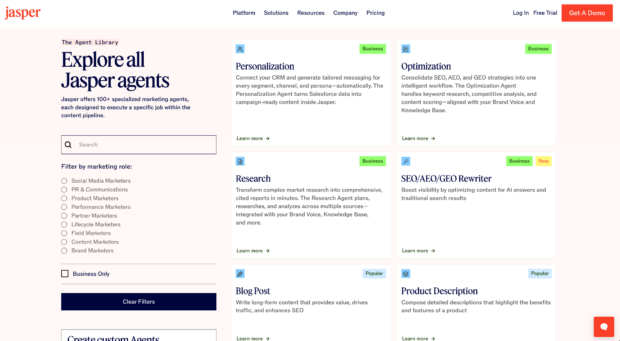
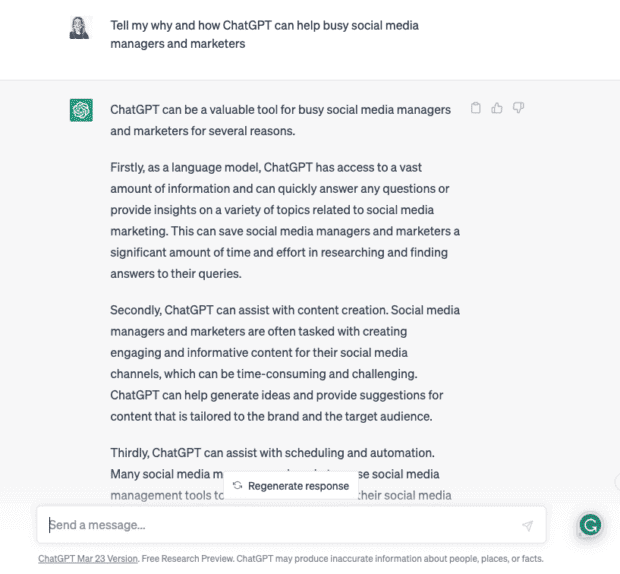
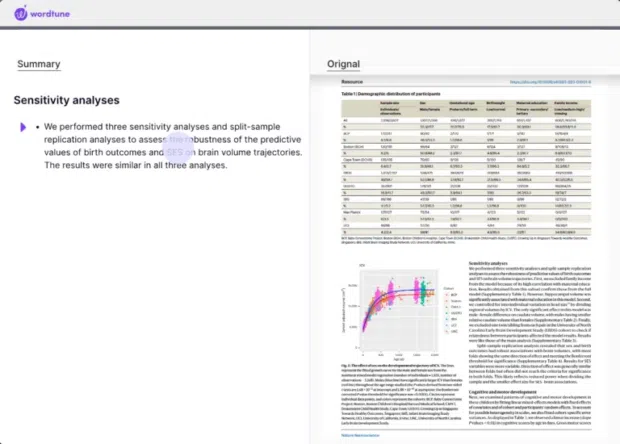
- Textual Content: Tools like ChatGPT have revolutionized the initial stages of content creation, serving as powerful AI writing assistants. They excel at generating content ideas, drafting social media posts, and repurposing existing long-form material into concise, platform-specific formats. Similarly, Jasper specializes in copywriting, offering features like tone guardrails to maintain brand voice consistency across high-volume content production. For refinement, Wordtune enhances readability by adjusting tone, tightening sentences, and improving grammar, particularly valuable for platforms like LinkedIn where detailed messaging is key.
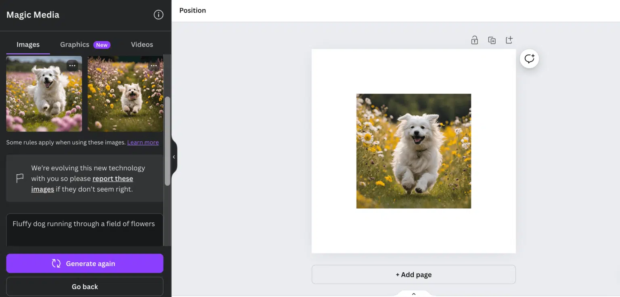
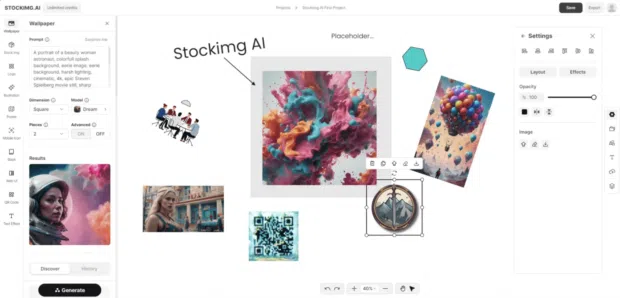
- Visual Content: The demand for compelling visuals on social media is insatiable, and AI tools like Canva are making professional-grade design accessible. Canva’s AI features allow users to generate images from text descriptions and apply various artistic styles, directly integrating into design workflows. Magic Studio offers specialized capabilities for product photography, creating professional backgrounds and removing unwanted objects, which is invaluable for e-commerce brands. Stockimg.ai takes image generation a step further by creating custom visuals—ranging from stock photos and illustrations to logos and posters—from simple text prompts, significantly reducing the time spent searching through generic stock libraries.
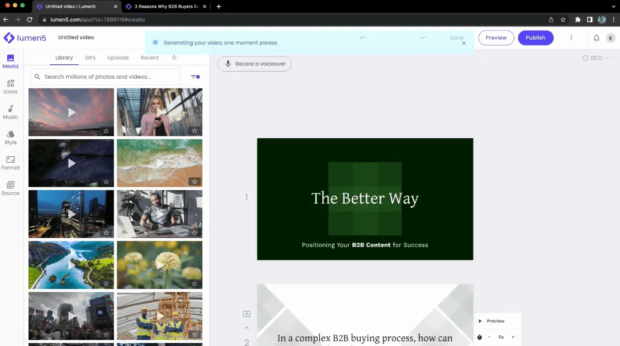
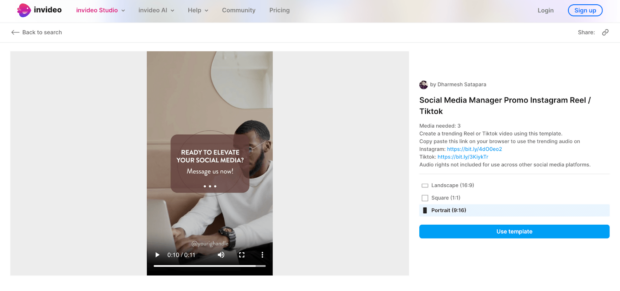
- Video Production: With video dominating engagement metrics, AI tools are transforming video creation. Lumen5 efficiently converts existing textual content, such as blog posts, into short, social-ready videos complete with scripts and visuals. Invideo serves as a text-to-video generator, producing complete videos with stock footage, voiceovers, and music from simple prompts, ideal for quick production of TikToks, YouTube Shorts, or Instagram Reels. For repurposing long-form video, Munch intelligently identifies and extracts the most engaging segments, converting them into shareable short clips, and automatically generates subtitles for enhanced accessibility. Peech offers generative AI video editing, transcribing, editing, and branding video content without requiring extensive editing expertise. For advanced virtual presentations, Synthesia utilizes AI avatars and voiceovers to turn text into polished videos, supporting multiple languages for global reach without the need for traditional production setups.
- Audio Content: AI also extends to audio, with tools like Riffusion generating original music tracks from text prompts, allowing creators to custom-fit audio to their video content. Murf.ai provides realistic AI voiceovers in various tones and languages, offering a cost-effective and scalable alternative to human voice talent for tutorials, product launches, and social videos.
-
Integrated Management and Optimization:
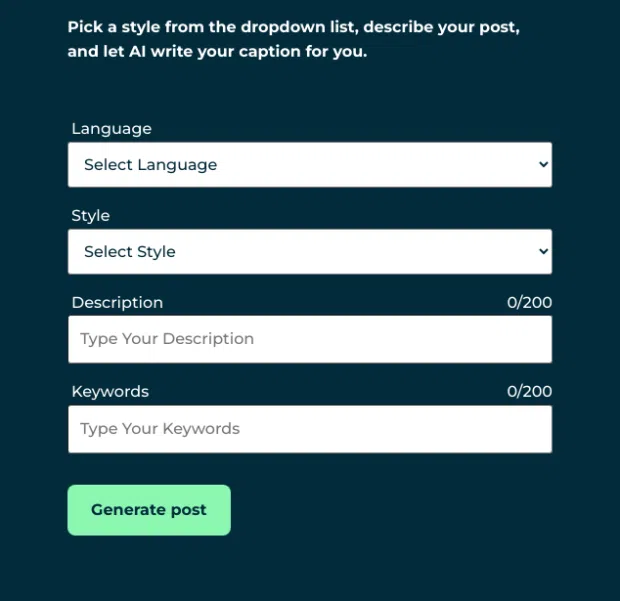
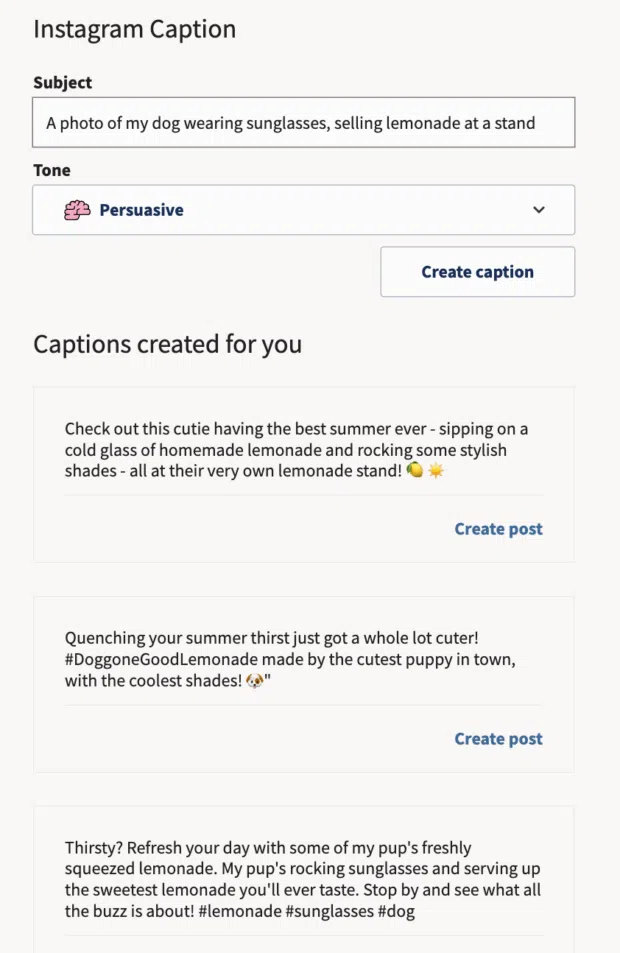
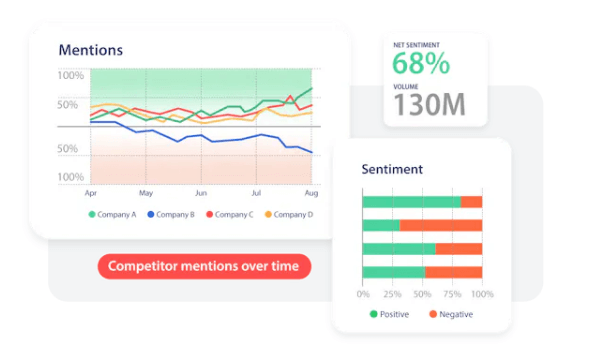
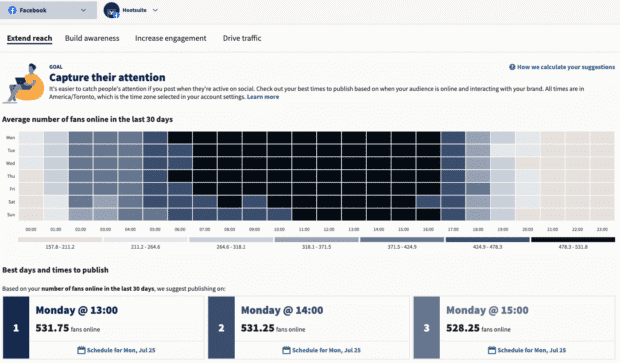
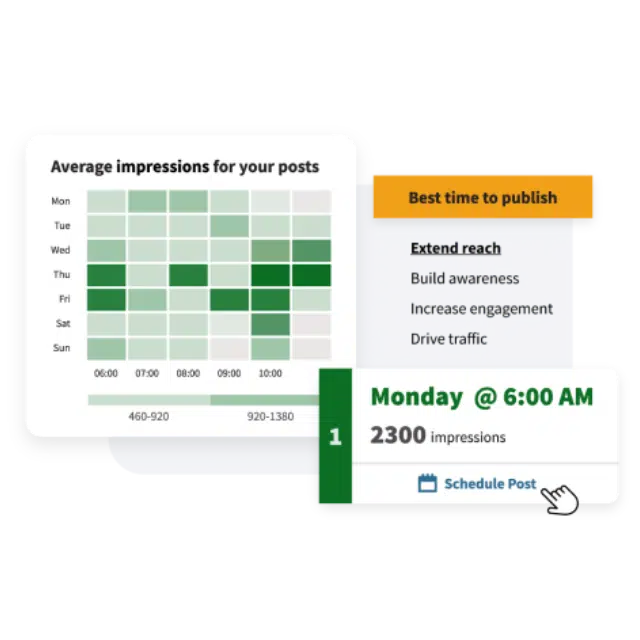
- All-in-One Platforms: Solutions like Hootsuite exemplify the convergence of AI capabilities within a unified social media management platform. Its integrated AI tools, such as the free caption generator and OwlyWriter AI, streamline content creation by suggesting post ideas, generating captions, and repurposing content. Hootsuite’s AI-powered social listening, leveraging Talkwalker technology, enables real-time monitoring of conversations, sentiment analysis, and audience understanding. Further optimization features include AI-driven hashtag suggestions to improve discoverability and the "Best Time to Publish" feature, which analyzes audience behavior to recommend optimal posting times based on specific campaign goals like engagement or reach.
- Productivity Tools: Beyond content, AI enhances overall team productivity. Fireflies.ai acts as an AI meeting assistant, recording, transcribing, and summarizing conversations from platforms like Zoom and Google Meet, transforming brainstorming sessions into actionable content ideas and briefs. Notion AI, integrated directly into the Notion workspace, helps teams plan, organize, and create content by assisting with idea generation, task list creation, and project tracking, centralizing social media campaigns and assets.
Expert Perspectives and Ethical Considerations
Industry experts widely acknowledge the profound impact of AI on social media marketing while also highlighting critical considerations. Shanté Gorman, Founder and CEO of Sugarpunch Marketing, emphasizes the efficiency gains: "We interview them on a call and then extract content that we can turn into short-form videos, carousel graphics, and text posts. This saves us at least 10 hours of time per client." This illustrates AI’s power in automating tasks like transcription and content repurposing, freeing up valuable human capital.

Cristy Stewart-Harfmann, a content creator and professor of digital marketing at Florida Atlantic University, advises marketers to refine their interaction with AI: "Once you find prompts that work well, save them for future use. This can streamline your process and ensure consistency in content generation." This underscores the importance of effective prompt engineering and the iterative process of "training" AI tools to better understand specific brand voices and objectives, a point echoed by Bianca Garcia, Social Media Specialist at Leadhub. Garcia stresses, "Take the time to ‘train’ your AI tool," by providing clear brand guidelines, inputting specific examples, and offering constructive feedback on generated content.
However, the rapid advancement of AI also necessitates a vigilant approach to ethical considerations and platform compliance. Megan Celestini, Social Media Specialist and Founder at Queen Bee Social, cautions marketers: "I always stress to be cautious of what you plan to use from AI because there’s a gray area." She highlights the importance of understanding platform-specific terms of service, as non-disclosure of AI-generated content can lead to violations and content removal. For instance, YouTube has introduced policies requiring creators to disclose altered or synthetic content, which is then labeled for viewers. This evolving regulatory landscape means marketers must stay informed and prioritize transparency to mitigate risks associated with AI content. The broader societal implications, including potential for misinformation and copyright complexities surrounding AI-generated assets, remain subjects of ongoing debate and policy development.
Implications for the Future of Social Media Marketing
The proliferation of AI tools is not merely augmenting existing marketing functions; it is fundamentally reshaping the roles of social media professionals. Marketers are transitioning from being sole content creators to strategic curators and orchestrators, leveraging AI to handle volume while focusing human creativity on higher-level strategy, brand storytelling, and authentic engagement. This shift demands new skill sets, including proficiency in AI tool operation, prompt engineering, data interpretation, and ethical AI deployment.

Businesses that embrace AI early and strategically are likely to gain a significant competitive advantage. The ability to rapidly test content variations, personalize messaging at scale, and gain deeper, faster insights into audience behavior translates directly into more effective campaigns and stronger brand presence. The future of social media marketing will be characterized by a symbiotic relationship between human ingenuity and artificial intelligence, where AI handles the heavy lifting, allowing human marketers to unleash their strategic and creative potential more fully. The journey towards a fully AI-integrated social media landscape is still unfolding, but its trajectory is clear: AI is not just a trend but a foundational technology that will continue to drive innovation and efficiency across the digital marketing spectrum.