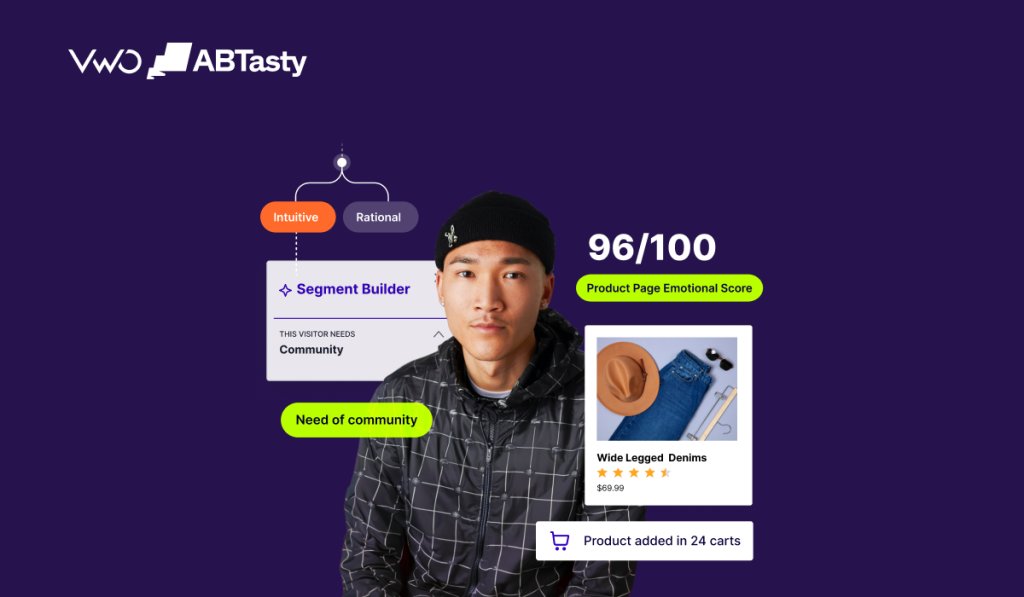
The landscape of digital commerce is undergoing a fundamental shift from tracking what users do to understanding why they do it. While traditional analytics have long focused on click-through rates and bounce metrics, a new frontier in consumer psychology reveals that approximately 80% of human decision-making is driven by emotion rather than cold logic. In response to this realization, Wingify has introduced EmotionsAI, a sophisticated behavioral engine designed to decode the "micro-moments" of hesitation, urgency, and doubt that define the modern customer journey. By leveraging over eight years of behavioral data, the platform identifies ten distinct emotional profiles within 30 seconds of a visitor’s arrival, allowing brands to move beyond generic personalization toward high-precision, human-centric experiences.
The Evolution of Behavioral Intelligence
The transition toward emotional segmentation represents the fourth major era of digital marketing. The industry has evolved from basic web analytics in the early 2000s to demographic segmentation, followed by the rise of behavioral targeting based on past purchase history. However, these methods often fail to account for a user’s current state of mind. A consumer may be a "loyalist" according to their history but may be experiencing "urgency" or "skepticism" during a specific browsing session.
EmotionsAI utilizes an intuitive AI engine to surface hidden patterns in user journeys. This technology does not merely observe a user’s path; it interprets the velocity of their scrolling, the cadence of their hovering, and the nature of their interactions to assign them to one of ten psychographic categories. This real-time processing allows marketing teams to deploy specific widgets and experimentation strategies from the Wingify library that align with the visitor’s immediate psychological needs.
The Ten Pillars of Emotional Segmentation
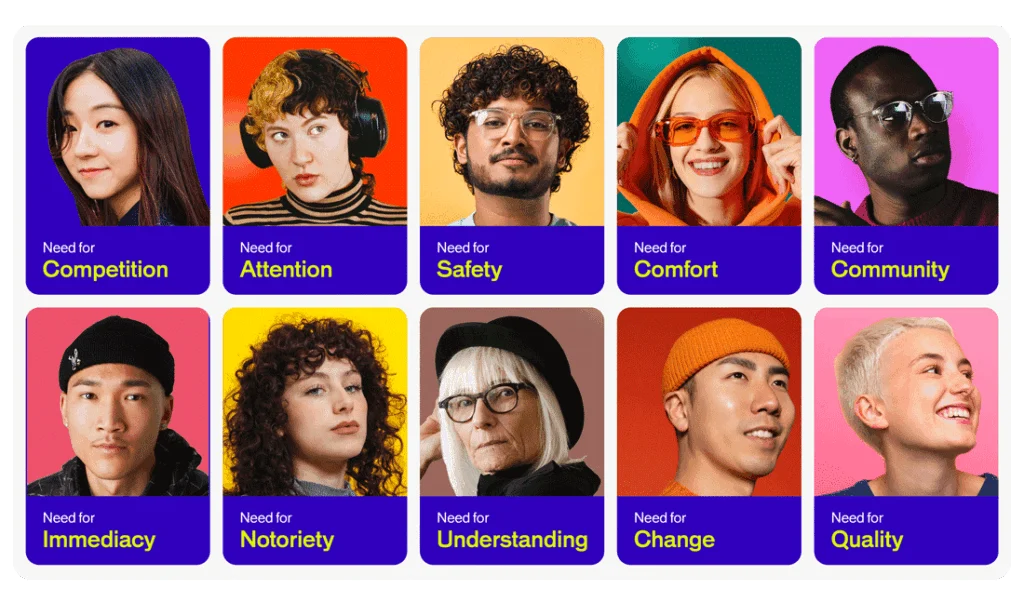
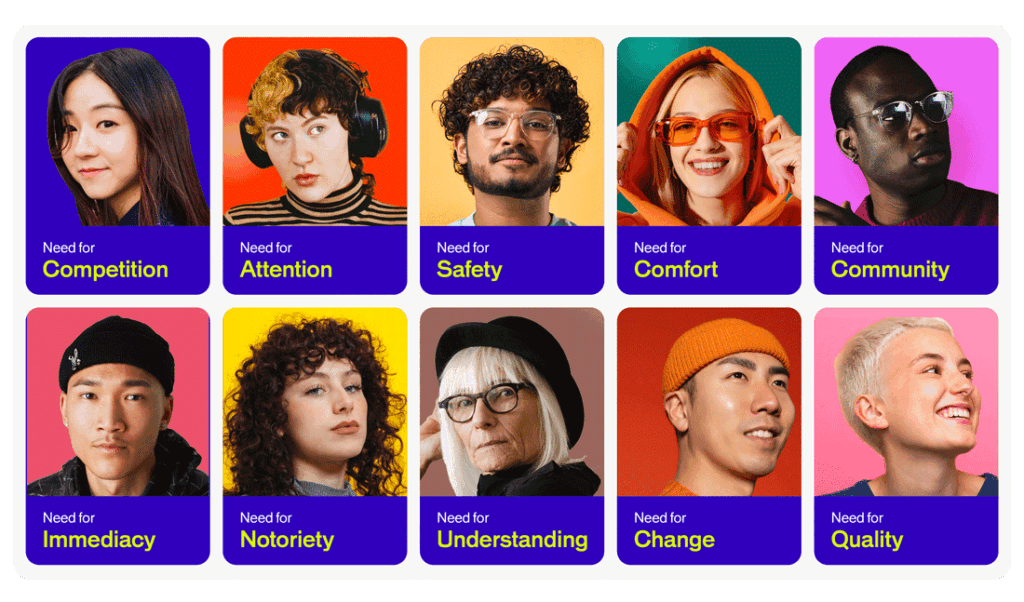
Data derived from extensive behavioral studies indicates that nearly every online visitor falls into one of ten emotional archetypes. Understanding these segments is critical for reducing friction and maximizing conversion potential.
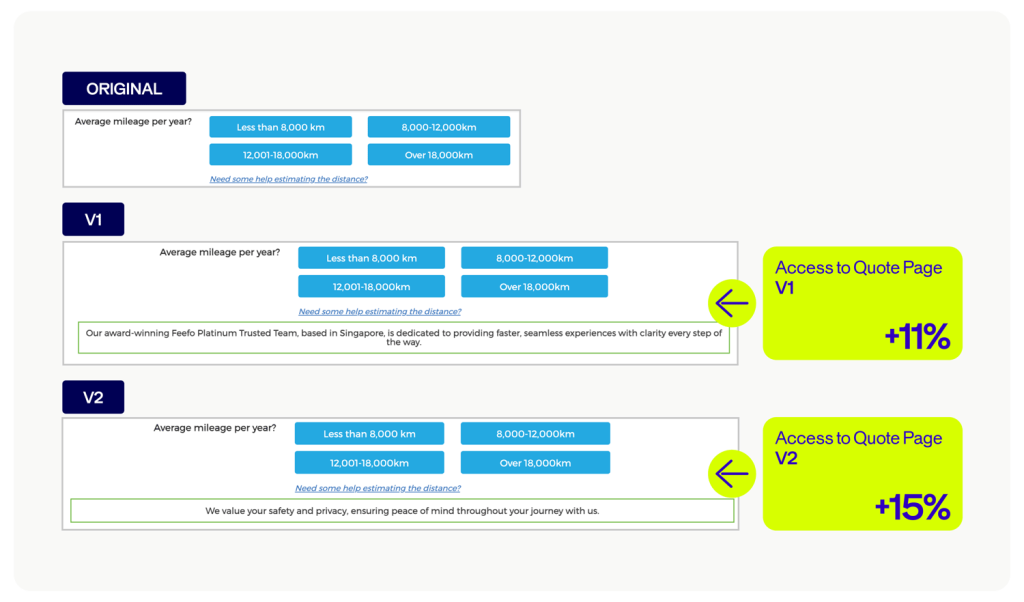
1. The Safety Segment (27% of Audience)
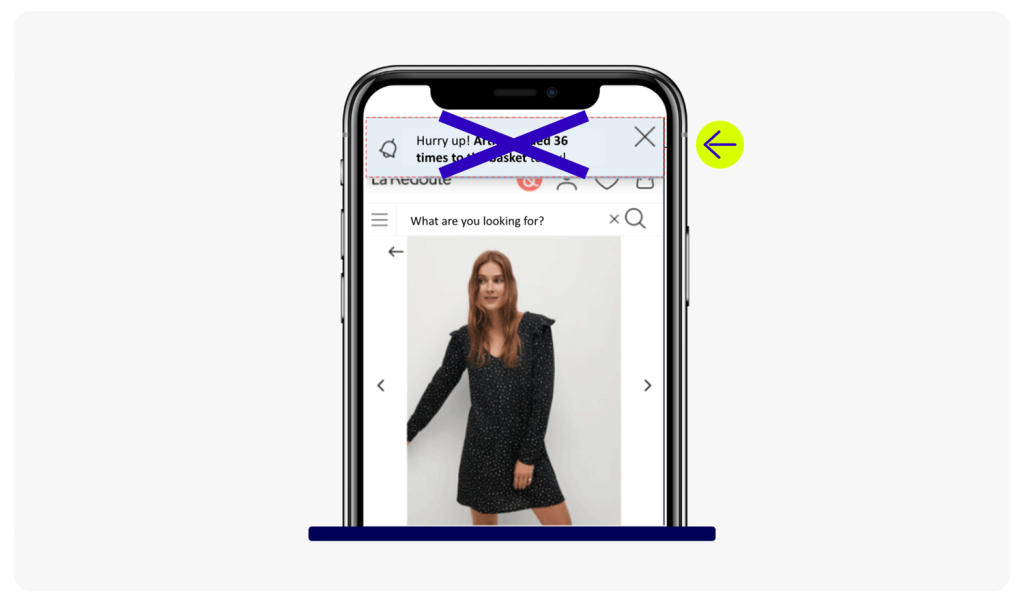
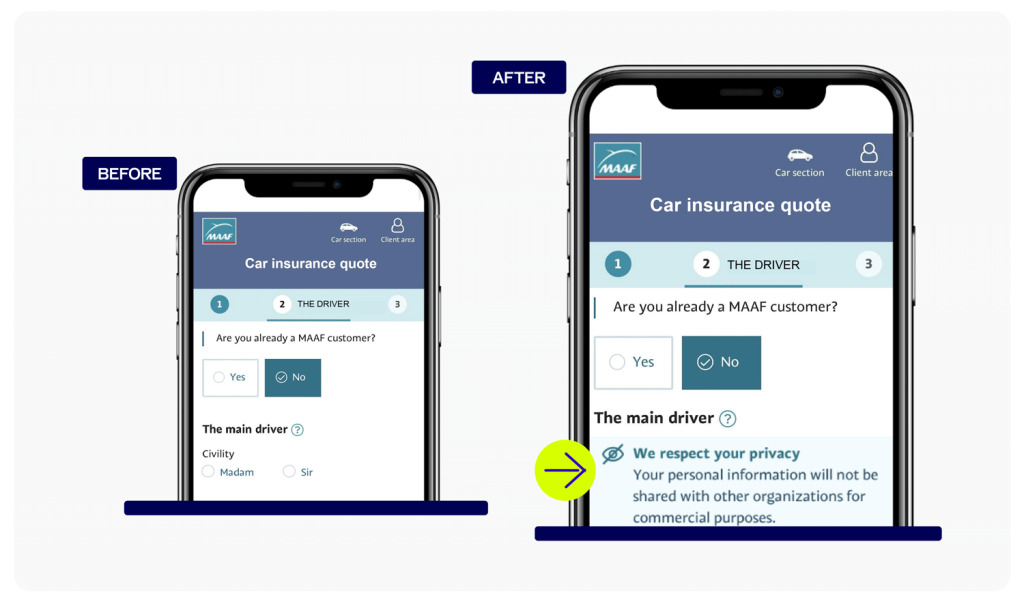
Comprising over a quarter of the average digital audience, the Safety segment is the largest and most delicate. These visitors are characterized by high levels of sensitivity and a tendency toward anxiety. They are easily deterred by aggressive "exit" pop-ups, ambiguous shipping costs, or high-pressure sales tactics. For this group, trust is the primary currency. Brands must prioritize transparent data handling, visible security certifications, and supportive, non-alarming copy.
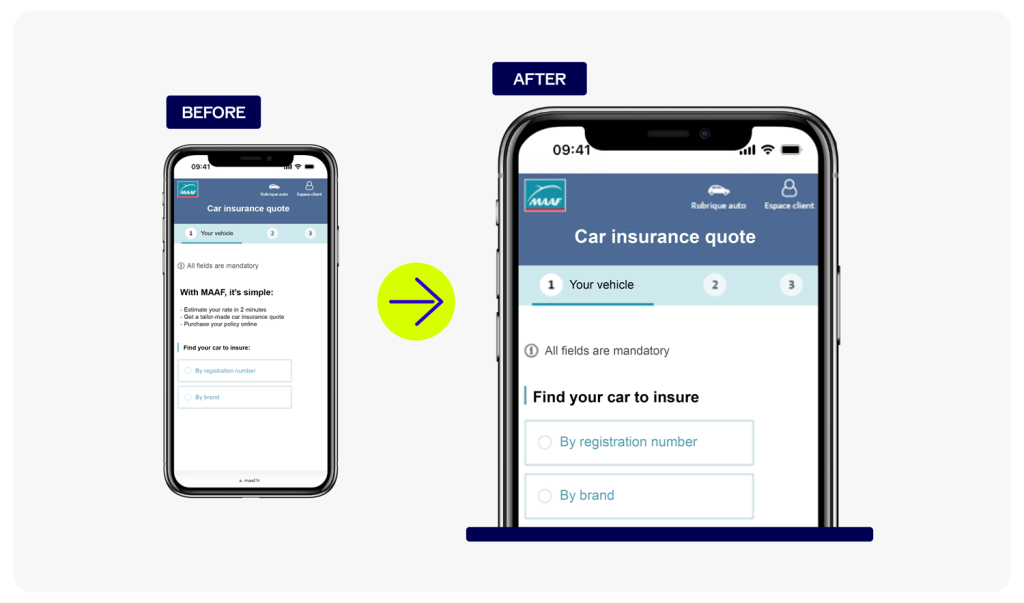
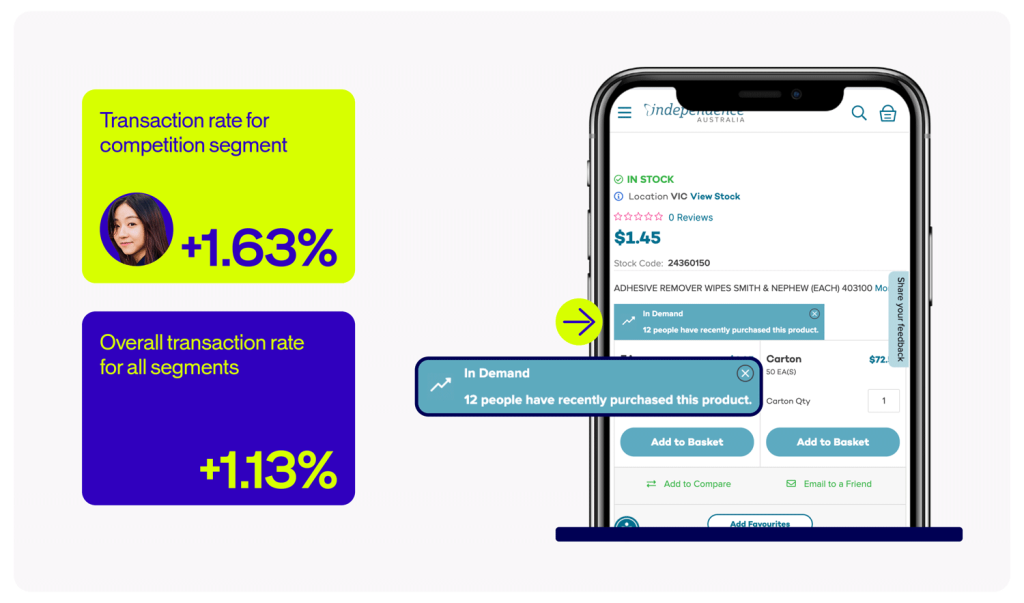
2. The Competition Segment (10% of Audience)
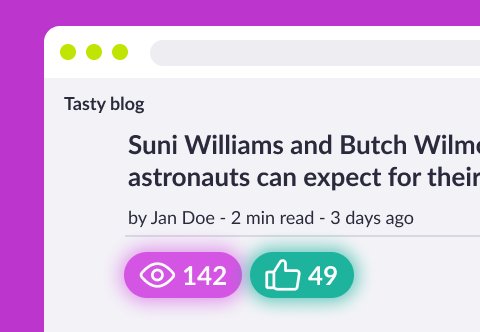
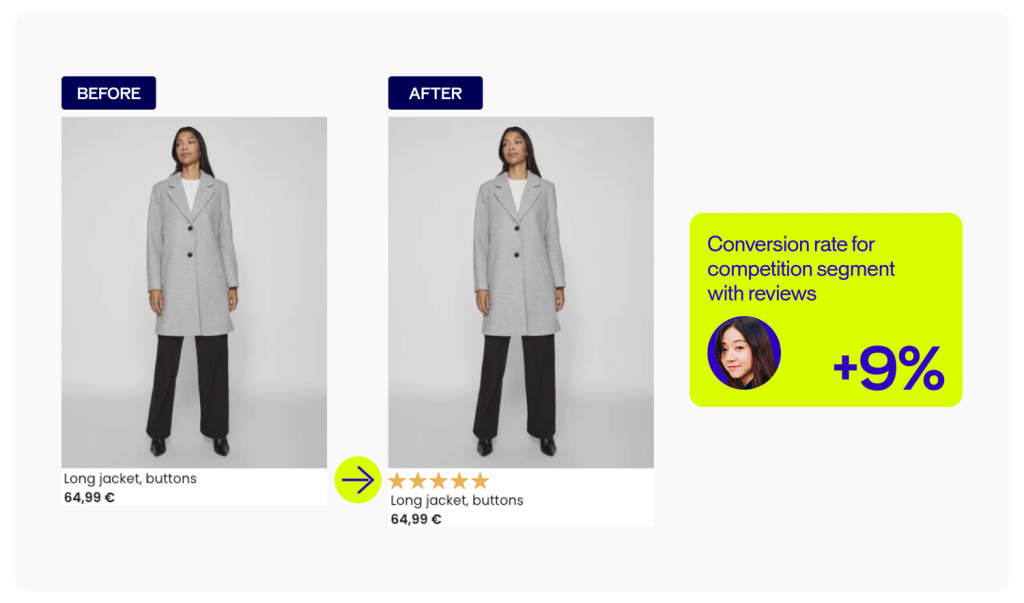
Driven by a desire for social status and leadership, these visitors view shopping as a means of staying ahead of the curve. They are motivated by quantitative proof of superiority, such as "Top Rated" lists and "Best Seller" badges. Action-oriented copy and social proof—such as "12 people purchased this in the last hour"—speak directly to their competitive instincts.
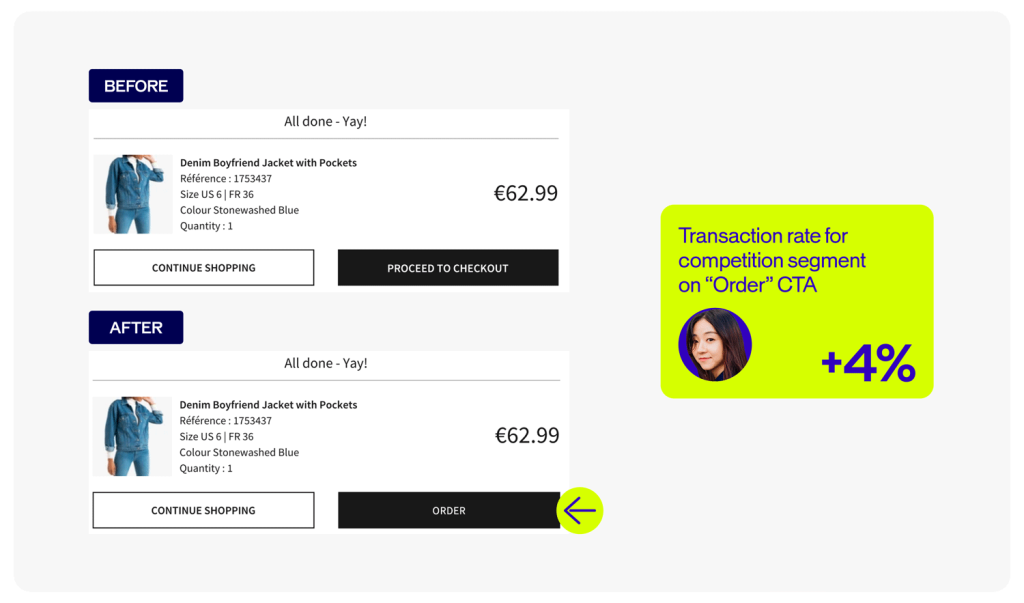
3. The Attention Segment (10% of Audience)
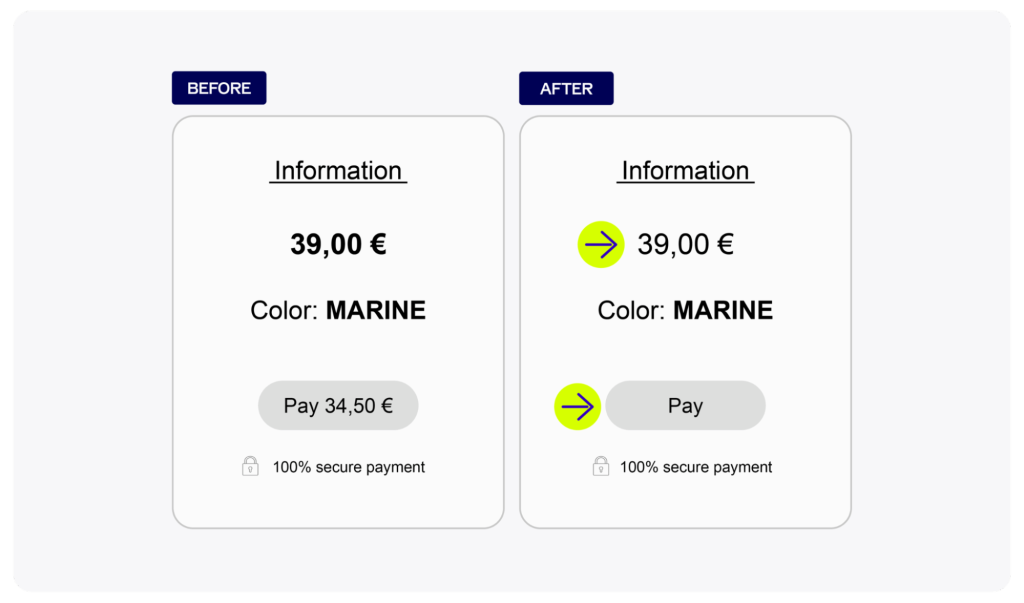
Attention-oriented visitors seek immediate enjoyment and a sense of exclusivity. They want to feel that a brand has tailored an experience specifically for them. Unexpected gestures, such as "surprise gifts" at checkout or personalized discounts, resonate deeply. For this group, the value proposition must be front and center, while pricing should be softened to avoid breaking the "experience" of being pampered.
4. The Comfort Segment (10% of Audience)
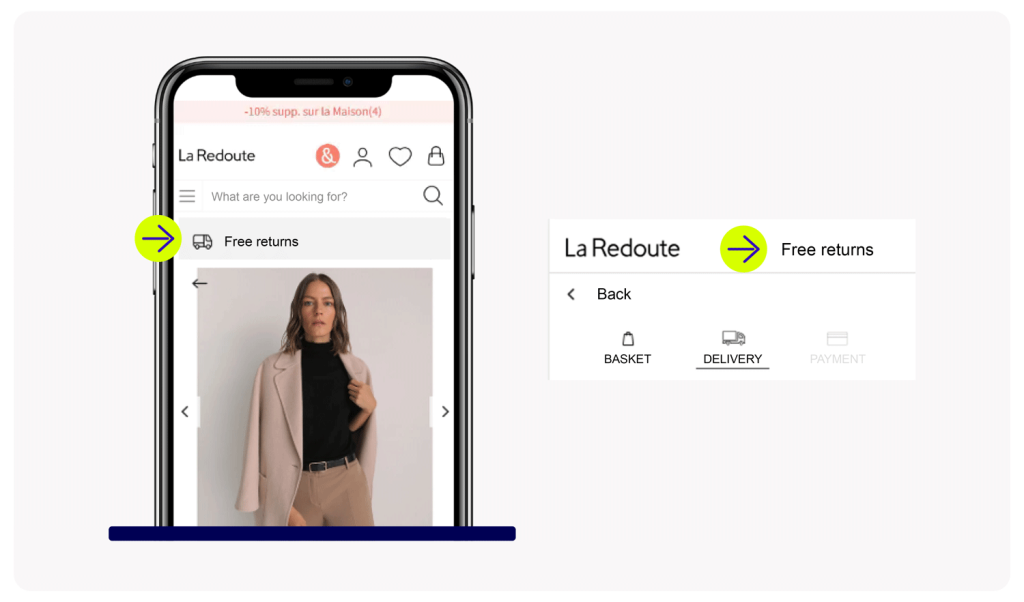
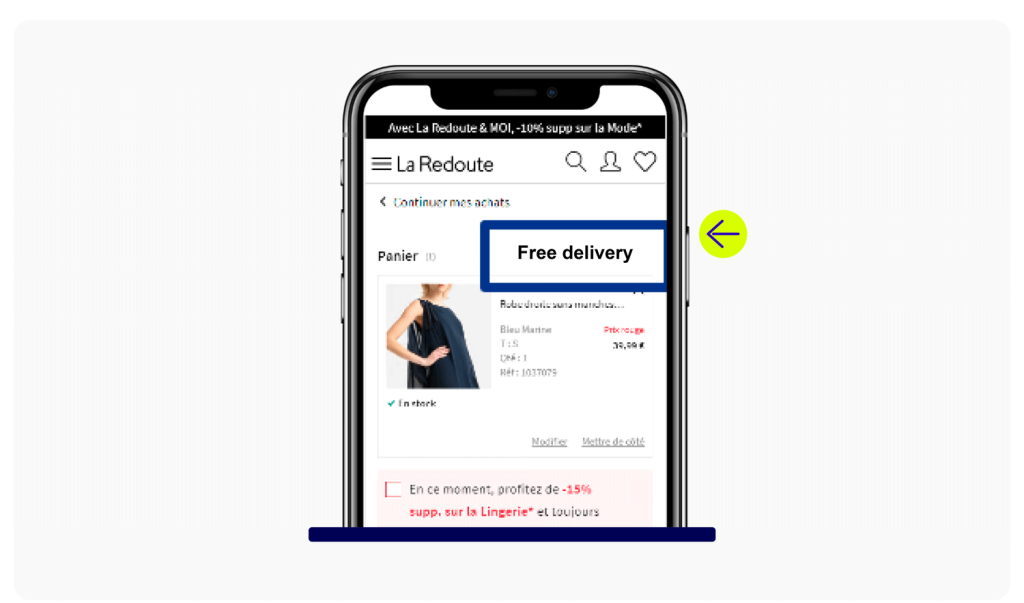
This segment values simplicity and the reduction of cognitive load. Often browsing from a relaxed environment, these users will abandon a journey if it becomes complex. To convert a Comfort-seeker, brands must highlight free delivery, easy returns, and "painless" payment options like one-click checkout. The goal is to make the digital experience as effortless as sitting on a sofa.
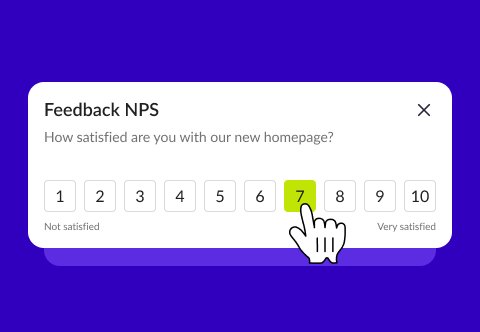
5. The Understanding Segment (9% of Audience)
These are the "rationalists" of the digital world. They are goal-driven and detail-oriented, requiring comprehensive information before committing to a purchase. They prefer data, percentages, and technical specifications over emotional storytelling. Progress bars and clear, step-by-step checkout funnels are essential to satisfy their need for logical structure.
6. The Change Segment (8% of Audience)
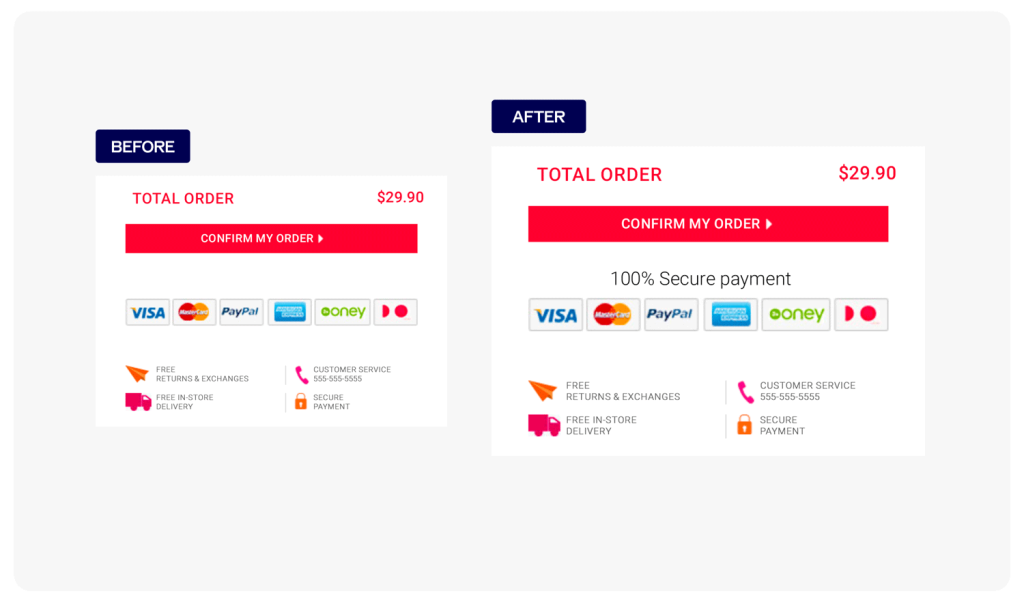
The Change segment is characterized by a disdain for routine and a craving for the novel. They are early adopters who are drawn to "New Arrivals" and innovative services. Standard reassurances like "100% Secure" feel dated to them; instead, they respond to modern payment methods like Buy Now, Pay Later (BNPL) and unconventional delivery options that suggest a brand is forward-thinking.
7. The Community Segment (6% of Audience)
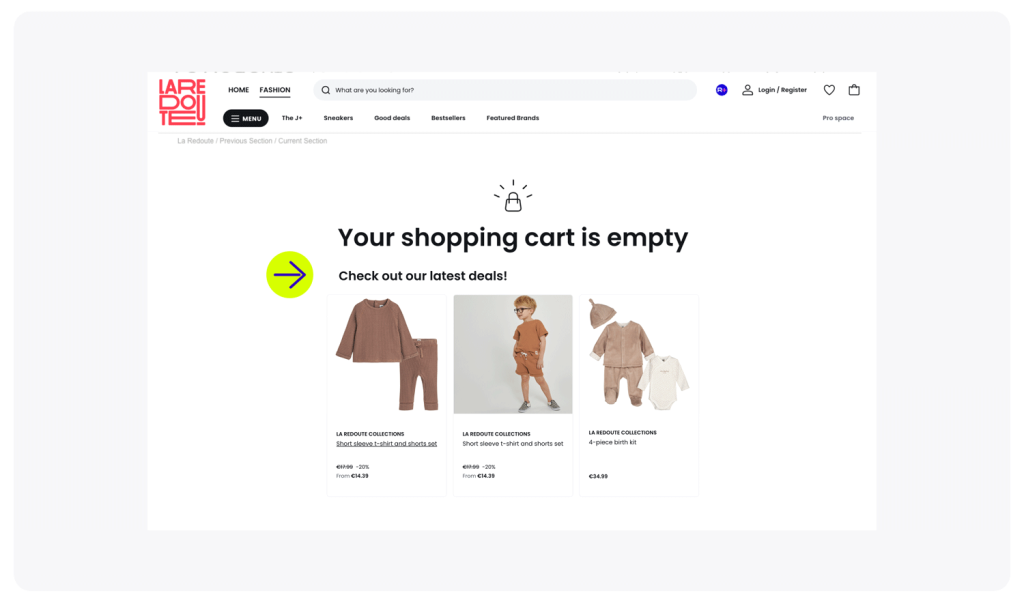
Connection and shared values drive this group. They are motivated by the social impact of their purchases, looking for eco-friendly labels and sustainability tags. Personal touches, such as using the customer’s first name and highlighting how a purchase contributes to a greater cause, help these visitors feel like part of a brand’s inner circle.
8. The Immediacy Segment (5% of Audience)
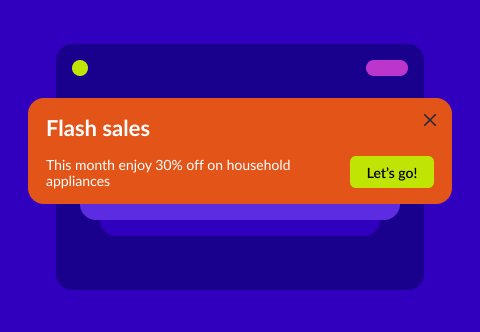
Speed is the only metric that matters to this segment. Anything that slows down the momentum—such as long blocks of text or unnecessary navigation bars—is a dealbreaker. They require direct, bold Calls to Action (CTAs) like "Order Now" and low-friction features that facilitate a rapid transition from discovery to ownership.
9. The Quality Segment (3% of Audience)
The Quality segment is immune to discounts and price-based marketing. They are looking for craftsmanship, heritage, and the "story behind the product." To reach them, brands must focus on long-form narratives about excellence and peer validation through detailed, high-quality reviews rather than simple star ratings.
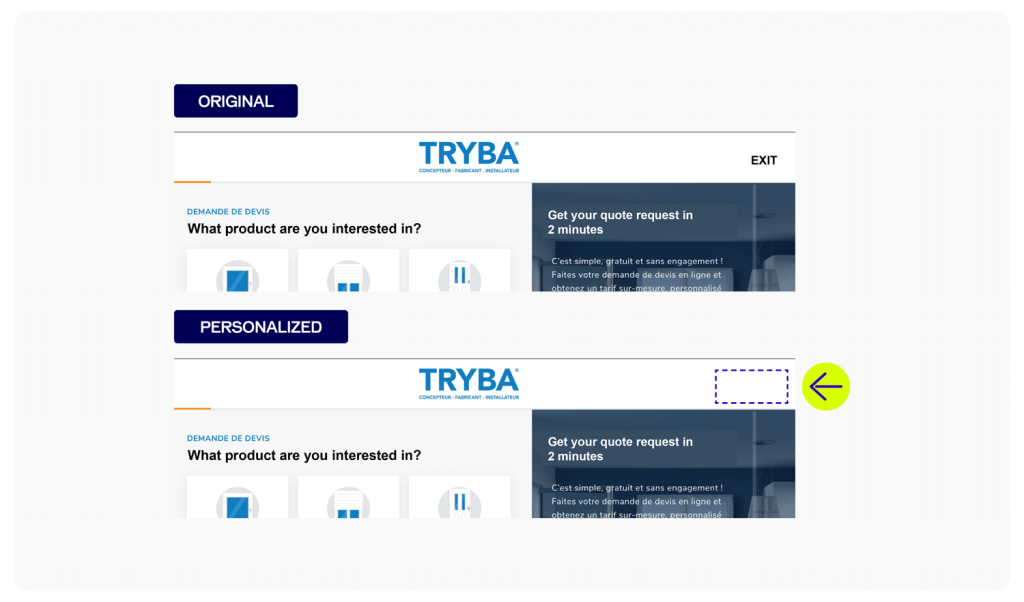
10. The Notoriety Segment (2% of Audience)
This small but influential group relies entirely on established reputations and "tried and tested" solutions. They are risk-averse and prefer polished, professional visuals over user-generated content. For these visitors, a brand must project an aura of sophistication and long-standing credibility through dark, somber color palettes and ironclad warranties.
Chronology of Implementation: From Insight to Action
The deployment of an emotional segmentation strategy typically follows a structured timeline within an organization’s marketing department.
- Phase 1: Baseline Assessment (Weeks 1-2): Integration of EmotionsAI with existing experimentation platforms to begin the 30-second identification process and gather initial audience distribution data.
- Phase 2: Segment-Specific Mapping (Weeks 3-4): Creative teams develop tailored messaging and UI components based on the 10 emotional profiles. For instance, creating "high-detail" versions of product pages for the Understanding segment and "high-speed" versions for the Immediacy segment.
- Phase 3: Live Experimentation (Months 2-3): A/B testing is conducted where users are served different experiences based on their detected emotional state.
- Phase 4: Optimization (Ongoing): Refinement of the AI engine’s accuracy and expansion of the widget library to cover more nuanced emotional sub-states.
Industry Implications and Expert Analysis
The shift toward emotional AI has profound implications for the future of User Experience (UX) design. Industry analysts suggest that as third-party cookies are phased out, "Zero-Party Data"—information that a consumer intentionally and proactively shares—will be supplemented by "Inferred Behavioral Data" like that provided by EmotionsAI.
"The challenge for modern e-commerce isn’t a lack of data, but a lack of empathy," notes a lead UX strategist at a global retail firm. "If you treat a ‘Safety’ visitor with the same urgency you apply to an ‘Immediacy’ visitor, you don’t just lose the sale; you damage the brand’s reputation for that user. Emotional segmentation allows for a digital version of the ‘intuitive shopkeeper’ who knows when to offer help and when to step back."
Furthermore, the financial impact of this technology is quantifiable. Early adopters of emotional targeting have reported conversion rate uplifts ranging from 15% to 30%, alongside significant reductions in cart abandonment. By addressing the "why" behind the hesitation—whether it is a lack of trust (Safety) or a lack of information (Understanding)—brands can solve the specific problem preventing a conversion.
Conclusion: The Human-Centric Future
The introduction of EmotionsAI marks a departure from the "one-size-fits-all" approach to digital marketing. By recognizing that no two visitors are truly the same, and that their needs can change from one hour to the next, Wingify’s platform provides a blueprint for a more humanized internet.
In an era where consumers are increasingly wary of invasive tracking, emotional segmentation offers a more respectful alternative: responding to real-time needs rather than mining historical privacy. The ultimate goal of this technology is not just smarter personalization, but the creation of digital experiences that feel less like marketing and more like genuine understanding. As the digital marketplace becomes more crowded, the ability to meet a visitor exactly where they are emotionally may be the only sustainable competitive advantage.


 Asro
Asro
 Dwi Wanna