


The digital landscape has evolved into a hyper-competitive arena where the difference between a conversion and a bounce often hinges on subtle user experience nuances. For marketing teams and product managers, the quest to refine these experiences has led to the adoption of sophisticated website optimization platforms. Two of the most prominent names in this sector, Crazy Egg and Optimizely, represent fundamentally different philosophies in the Conversion Rate Optimization (CRO) market. While Crazy Egg positions itself as an accessible, all-in-one suite designed for rapid, daily optimization, Optimizely has transformed into a comprehensive Digital Experience Platform (DXP) catering to high-complexity enterprise environments. Understanding which tool aligns with a company’s technical maturity, budgetary constraints, and strategic goals is essential for any organization looking to leverage data-driven decision-making.
The Evolution of the CRO Marketplace: A Brief Chronology
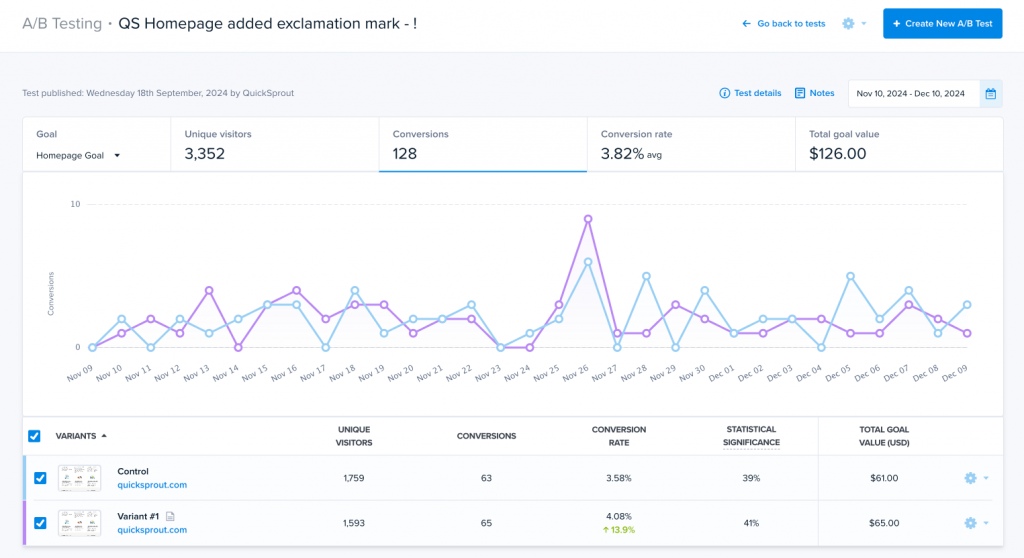
The history of these two platforms reflects the broader trajectory of web analytics and testing. Crazy Egg, co-founded in 2005 by Hiten Shah and Neil Patel, was a pioneer in visual behavior tracking. It introduced the concept of heatmaps to the mainstream, allowing non-technical marketers to see where users were clicking and scrolling. Its focus has remained on democratizing data, ensuring that visual insights are paired with accessible A/B testing.
In contrast, Optimizely emerged in 2010, gaining significant fame after its founders, Dan Siroker and Pete Koomen, used the platform to optimize the 2008 Obama presidential campaign. Since then, Optimizely has moved aggressively toward the enterprise tier. A pivotal moment occurred in 2020 when Optimizely was acquired by Episerver, a move that integrated world-class experimentation with content management and commerce capabilities. This shift signaled Optimizely’s departure from being a simple testing tool to becoming an "Agentic" ecosystem that manages the entire customer lifecycle.
Core Feature Comparison: Experimentation and Technical Depth
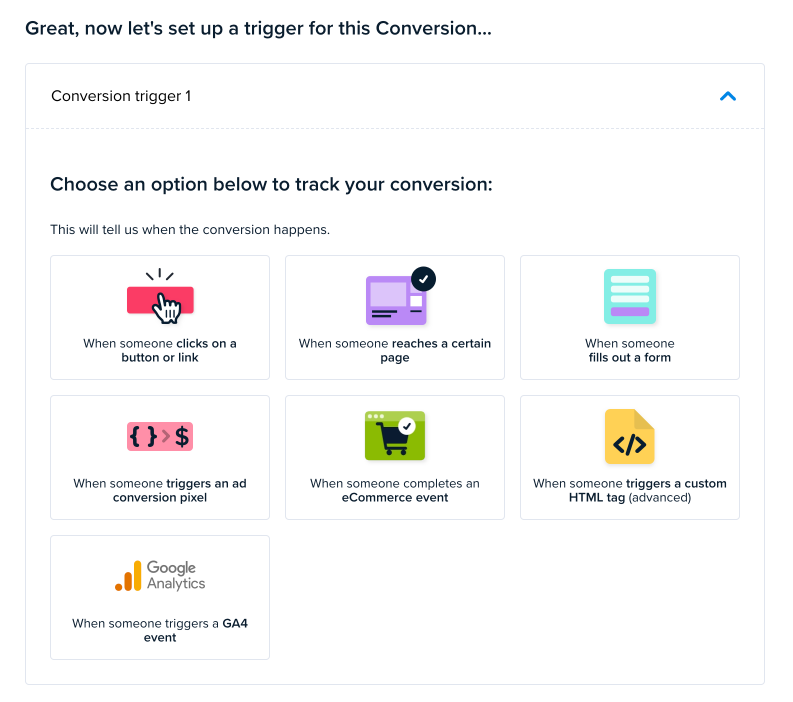
When evaluating experimentation capabilities, the distinction between the two platforms is stark. Crazy Egg is designed for efficiency and ease of use. It offers a visual editor that enables marketers to launch A/B tests and split-URL tests without developer intervention. A unique value proposition of Crazy Egg is the automatic generation of heatmaps and session recordings for every variant in a test. This allows teams to not only see which version won but also observe the behavioral patterns that led to that victory.
Optimizely’s Web Experimentation product, however, is built for deeper technical rigor. While it includes standard A/B and split-URL testing, it excels in multivariate testing, which allows for the testing of multiple variables simultaneously to find the optimal combination. Furthermore, Optimizely offers "Feature Experimentation," a server-side solution that enables product teams to run experiments on the backend. This is crucial for testing complex features like search algorithms or pricing models that cannot be easily manipulated via a browser’s front-end code.
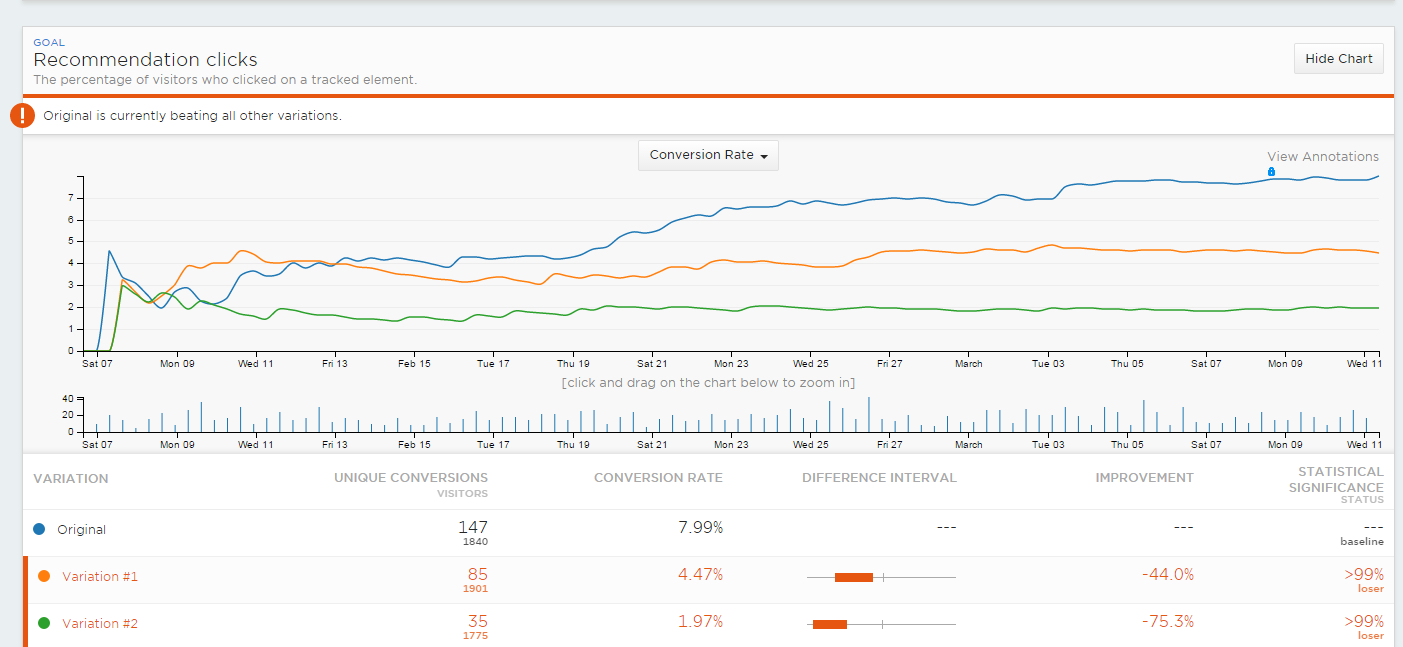
Supporting data suggests that while Crazy Egg is sufficient for 90% of standard marketing optimizations, Optimizely is the preferred choice for engineering-heavy teams. Optimizely’s use of mutually exclusive groups—allowing multiple tests to run on the same page without contaminating each other’s data—is a critical requirement for high-traffic enterprise sites that need to run dozens of experiments concurrently.
Behavioral Insights vs. Data Warehouse Integration
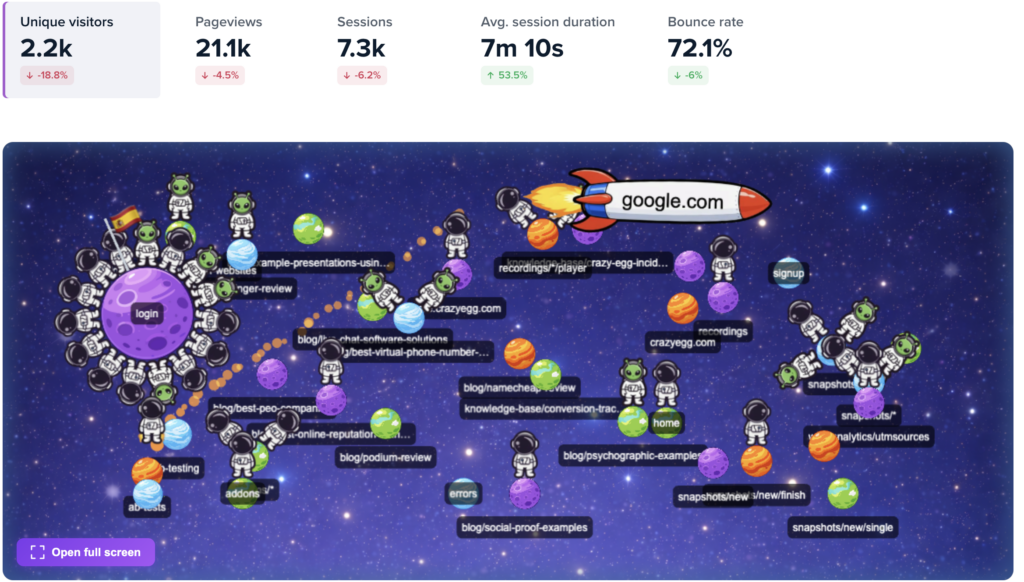
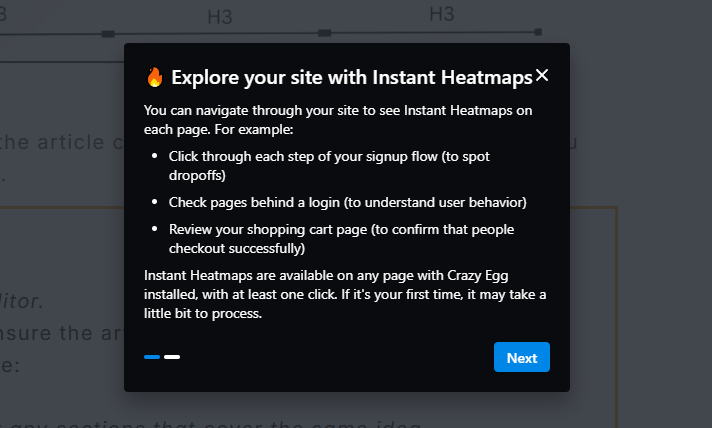
The methodology for gathering behavioral insights represents another major fork in the road. Crazy Egg provides a native suite of five different heatmap types, including the "Confetti Report," which segments clicks by referral source, and the "Overlay Report," which breaks down click percentages for every page element. These are complemented by native session recordings, surveys with unlimited responses, and JavaScript error tracking. This native integration ensures that data is consistent and immediately actionable within a single dashboard.
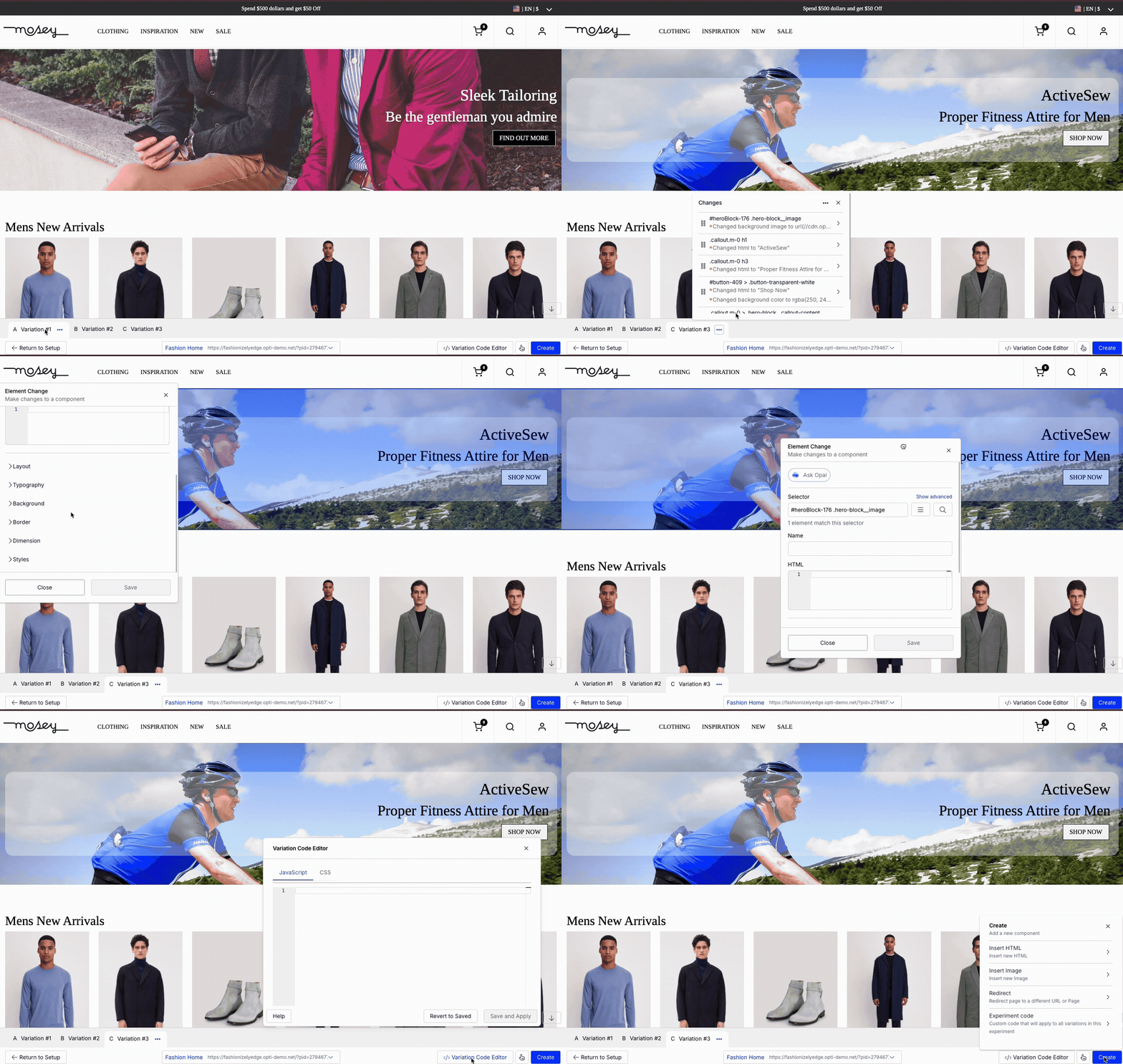
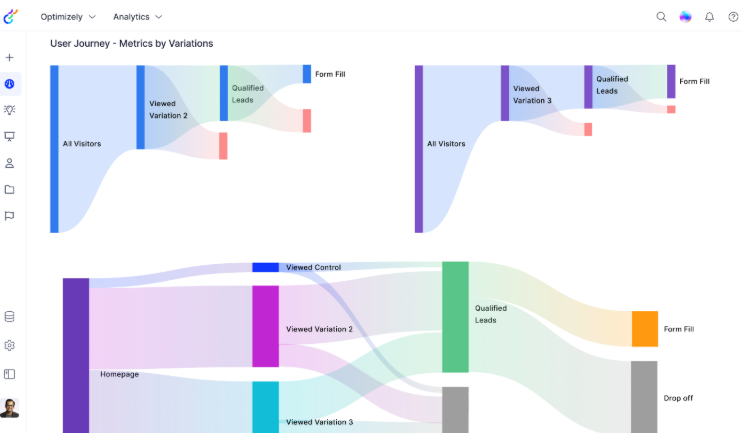
Optimizely has taken a different route, choosing to focus on being the "brain" of the experimentation stack rather than the "eyes." It does not offer native heatmaps or session recordings. Instead, it relies on third-party integrations with tools like Hotjar, Microsoft Clarity, or Contentsquare. For enterprises that already have a preferred behavioral analytics tool, this is a non-issue. However, for teams seeking a streamlined setup, the lack of native behavioral tools in Optimizely necessitates additional procurement and implementation cycles.
Where Optimizely gains the upper hand is in "warehouse-native" analytics. For organizations that store their customer data in Snowflake
, BigQuery, or Redshift, Optimizely can connect directly to these sources. This allows for multi-touch attribution and the mapping of complex customer journey paths that span multiple sessions and devices—a level of depth that goes beyond the capabilities of Crazy Egg’s GA4-integrated web analytics.
The Rise of AI: From Insights to Agentic Orchestration
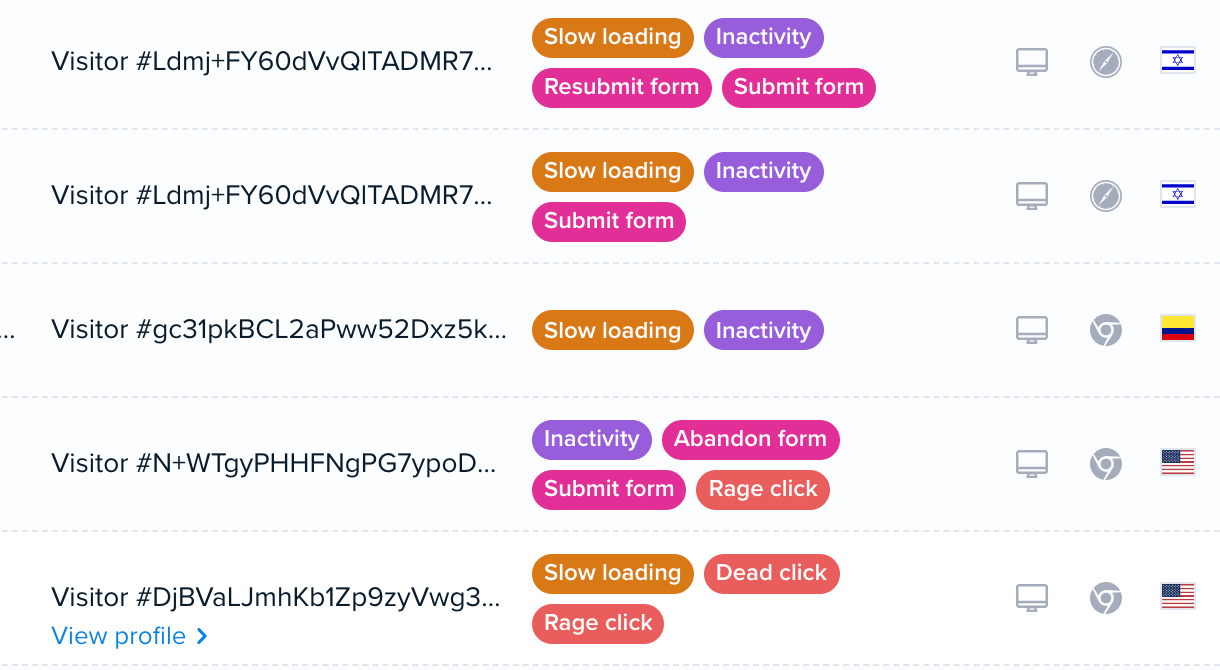
As artificial intelligence becomes the cornerstone of marketing technology, both platforms have integrated AI to reduce the "time to insight." Crazy Egg’s AI focus is on interpretative analysis. Its "AI Top Insights" feature scans raw behavior data—heatmaps, recordings, and survey responses—to highlight friction points in plain English. For example, the AI might identify that a specific button is being "rage-clicked" on mobile devices, providing an immediate fix for the user experience.
Optimizely has moved toward a more structural AI model branded as "Opal." Opal is an agent orchestration platform that allows teams to build and chain AI workflows. These agents can assist in experiment planning, content generation, and even GA4 report interpretation. Optimizely’s introduction of Model Context Protocol (MCP) servers further allows AI clients like Claude or Cursor to interact directly with an organization’s experiment data. This "agentic" approach is designed to automate the heavy lifting of experiment management, though it operates on a credit-based system that may require additional budget as usage scales.
Economic Implications and Implementation Timelines
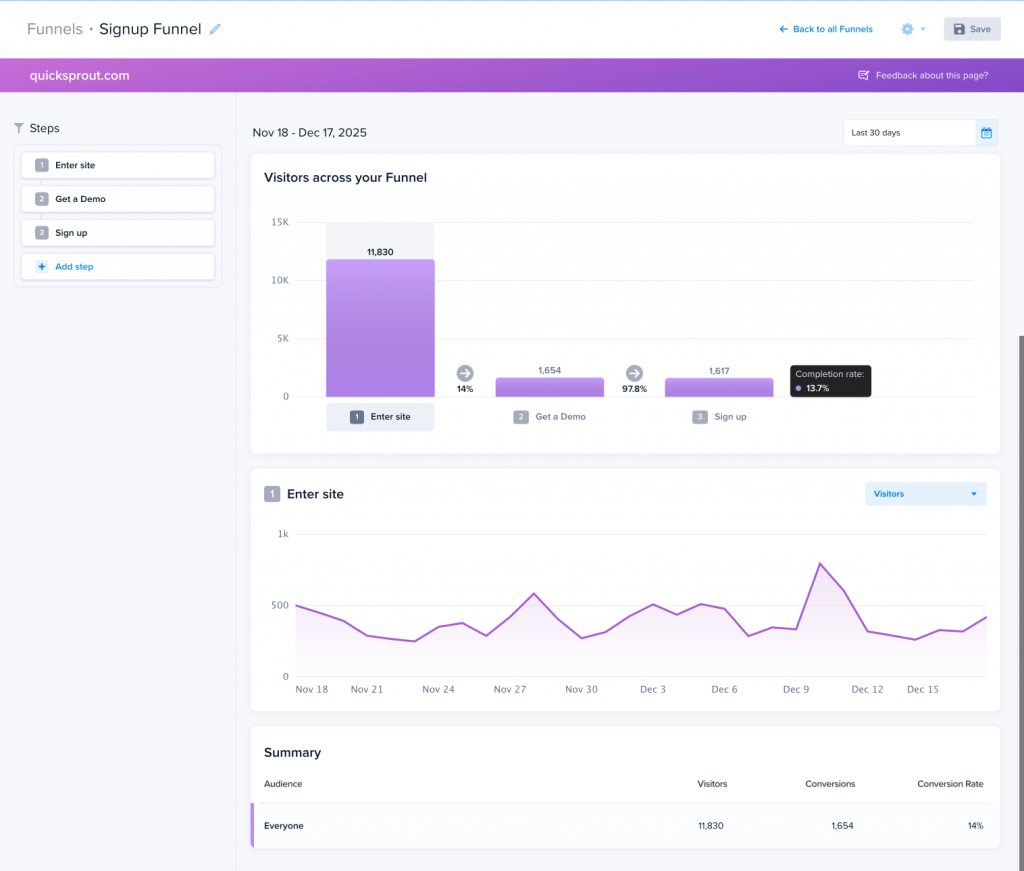
The financial commitment required for these platforms varies significantly, reflecting their target audiences. Crazy Egg operates on a transparent, self-serve pricing model. Its plans range from $29 to $599 per month, billed annually. This allows small to mid-sized businesses, as well as enterprise departments, to start optimizing almost immediately with a single tracking script.
Optimizely’s pricing is quote-only and significantly more substantial. Market data from procurement platforms like Vendr indicates that mid-market experimentation contracts typically range between $50,000 and $80,000 per year, with enterprise-level deployments often exceeding $200,000 annually. Furthermore, the implementation of Optimizely can be a multi-month project involving professional services and technical consulting, often costing an additional $50,000 to $200,000.
These costs create a high barrier to entry but are often justified by enterprises that require the security of ISO 27001, SOC 2 Type 2, and PCI DSS certifications—all of which Optimizely maintains. While Crazy Egg provides robust security, including GDPR and CCPA compliance and IP anonymization, Optimizely’s extensive list of certifications is often a prerequisite for procurement departments in the finance and healthcare sectors.

Strategic Impact and Broader Implications
The choice between Crazy Egg and Optimizely ultimately defines a company’s optimization strategy. Selecting Crazy Egg is a commitment to agility and marketing-led optimization. It is ideal for teams that need to validate hypotheses quickly, fix UX bugs, and improve conversion rates without being bogged down by complex technical architecture. The "all-in-one" nature of the platform reduces vendor fatigue and ensures that every member of the marketing team can access and understand user data.
On the other hand, selecting Optimizely is a strategic decision to build a long-term, data-centric ecosystem. It is the correct choice for organizations that view experimentation as a core product function rather than just a marketing tactic. By integrating experimentation with CMS, commerce, and customer data platforms, Optimizely allows for a level of personalization that can dynamically alter the entire digital experience based on predicted intent or category affinity.
However, the "enterprise trap" is a real concern. The significant initial investment and multi-year contract commitments associated with Optimizely can lead to vendor lock-in. Organizations must be certain that they have the internal bandwidth and traffic volume to utilize Optimizely’s advanced multivariate and server-side features effectively. For many, the simplicity and immediate ROI of a tool like Crazy Egg may prove more beneficial than the untapped potential of a more complex suite.
Conclusion: Aligning Tools with Organizational Maturity
In the final analysis, neither platform is objectively "better" than the other; rather, they serve different stages of organizational maturity. Crazy Egg remains the gold standard for accessible, visual-first optimization, providing a comprehensive toolkit that empowers marketers to act on data without technical bottlenecks. Its recent foray into AI-driven "Tasks" and guided optimization suggests it will continue to simplify the path to higher conversions.
Optimizely, conversely, has successfully positioned itself as the backbone of the enterprise digital experience. For companies with the budget to support it and the technical requirements for server-side testing and deep data warehouse integration, it offers a powerful, scalable solution. As the market moves toward AI-driven automation, the divide between these two paths—one focused on marketer agility and the other on enterprise-wide orchestration—will likely continue to widen, forcing digital leaders to choose the philosophy that best fits their future roadmap.







