Sagoh
In an increasingly complex and competitive digital environment, strategic social media content planning has emerged as a critical imperative for businesses seeking to maintain relevance, engage audiences, and achieve measurable marketing objectives. Far from being a mere scheduling exercise, effective content planning is a systematic process of defining content purpose, timing, and alignment with overarching business goals, allowing organizations to move beyond reactive posting to a proactive, data-driven approach. This structured methodology is essential for optimizing team efficiency, mitigating burnout, and ensuring that daily social media activities contribute directly to strategic outcomes.

The Evolving Landscape of Social Media Marketing
The rapid evolution and diversification of social media platforms over the past decade have transformed digital marketing from a nascent field into a cornerstone of brand communication. What began as informal online interactions has matured into a sophisticated ecosystem where brands contend for audience attention amidst an incessant flow of information. This heightened competition, coupled with dynamic algorithmic changes and the constant demand for fresh, engaging content, presents significant challenges for marketing teams. Many organizations initially adopted an ad-hoc approach, posting content impulsively or in response to immediate trends. However, this often led to inconsistent brand messaging, inefficient resource allocation, and a struggle to demonstrate tangible return on investment (ROI).

The recognition of these challenges has driven a paradigm shift towards formalized content planning. Industry data consistently underscores the benefits of a structured approach. Studies indicate that companies with documented content strategies are significantly more likely to report success in their marketing efforts. For instance, a 2023 survey revealed that marketers who meticulously plan their content are nearly twice as likely to achieve their goals compared to those who do not. This shift is not merely about organizational tidiness; it’s about embedding strategic foresight into every digital interaction, ensuring that each post serves a deliberate purpose within a larger narrative.
The Core Pillars of Effective Content Planning

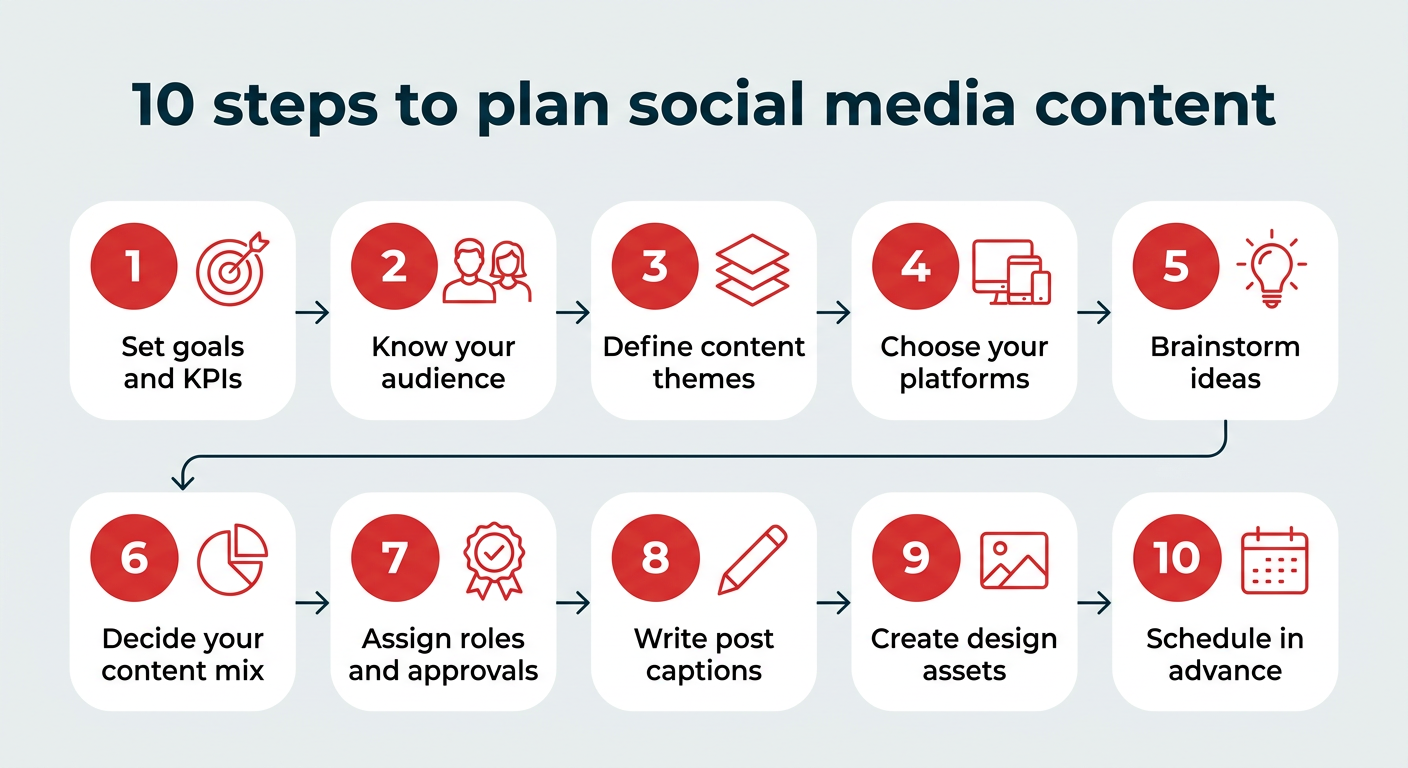
Building a robust social media content plan involves a multi-faceted approach, starting with foundational strategic elements and progressing through detailed execution. The following ten steps outline a comprehensive process adopted by leading organizations:
-
Setting Clear Goals and Measurable KPIs: The cornerstone of any effective strategy is a clear understanding of desired outcomes. Social media goals typically fall into categories such as brand awareness, audience engagement, lead generation, customer support, or sales conversions. Each goal must be paired with specific, measurable Key Performance Indicators (KPIs). For example, "increase brand awareness" becomes "increase monthly impressions by 20% in Q2." This precision provides a clear target for content creators and a benchmark for performance evaluation.

-
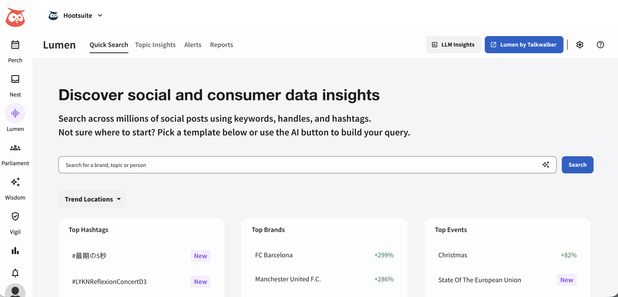
Deep Audience Understanding: Content must resonate with its intended recipients. This necessitates thorough audience research to identify demographics, interests, pain points, preferred platforms, and consumption habits. Leveraging internal analytics data (e.g., top-performing posts, audience demographics) and external social listening tools provides invaluable insights into the language and topics that genuinely engage the target demographic. Documenting these insights ensures a shared understanding across the content team.
-
Defining Content Themes (Pillars): To maintain consistency and focus, content themes, or pillars, act as strategic guardrails. These themes should directly support broader marketing goals. Common themes include educational content, promotional material, community engagement, behind-the-scenes glimpses, or user-generated content showcases. For example, a software company might focus on themes like "product tutorials," "industry insights," "customer success stories," and "company culture." These pillars guide content creation, ensuring relevance and brand alignment.

-
Strategic Platform Selection: Given the proliferation of social platforms, a critical step is to prioritize where marketing efforts will be concentrated. This decision should be informed by audience research—identifying where the target demographic spends most of its time. Rather than attempting to be everywhere, focusing on two or three key platforms allows for tailored content strategies, while others might receive repurposed content or be put on hold until capacity allows. Each platform has unique content requirements and audience expectations (e.g., short-form video for TikTok, professional networking on LinkedIn).
-
Continuous Brainstorming and Idea Generation: With themes and platforms established, the focus shifts to generating a pipeline of specific post and campaign ideas. High-performing teams often integrate regular brainstorming sessions, dedicated communication channels for idea sharing, and mechanisms to capture insights from across the organization. Ideas should be grounded in past performance data, emerging trends, and audience insights, ensuring they are both creative and data-informed.
Crafting the Content Mix and Streamlining Production
Beyond ideation, the practicalities of content creation and management are paramount. A balanced content mix and efficient workflows are essential for sustained success.
-
Deciding on the Content Mix: A successful social media strategy typically involves a blend of original and curated content. Curated content, which involves sharing relevant, high-quality content from other sources, can significantly extend reach and maintain channel activity without overtaxing internal resources. While there’s no universal formula, many strategists suggest a mix of approximately 40% original and 60% curated content as a starting point. Crucially, curated content must still align with brand values and quality standards. Furthermore, variety in format (e.g., short-form video, carousels, stories, text posts, link posts) is vital, as different formats perform differently across platforms and algorithms.
-
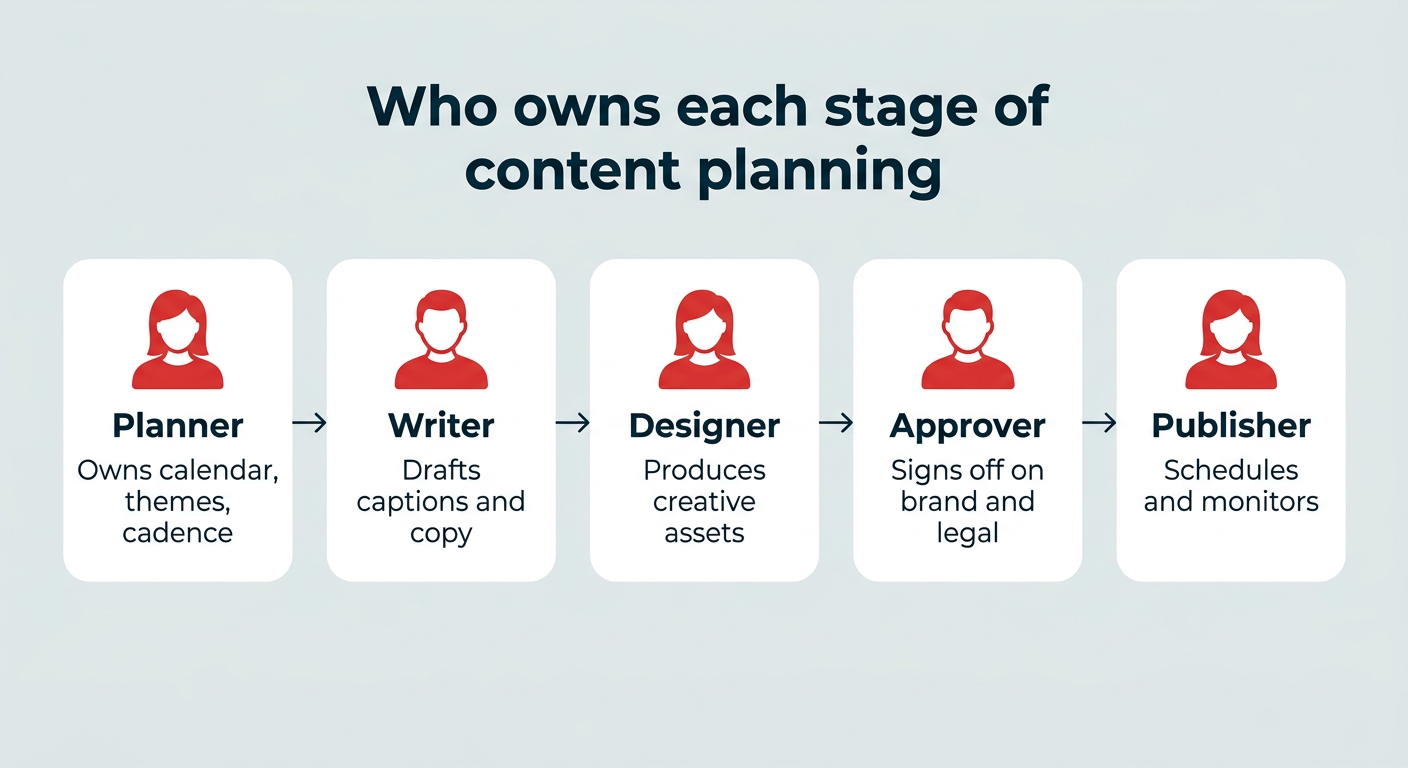
Assigning Responsibilities and Setting Approvals: Clear ownership and defined workflows are critical to keeping content planning on track. Social media teams often involve multiple stakeholders, including writers, designers, legal/compliance officers, and management approvers. A well-defined social media workflow outlines the journey from content planning to creation, review, and publication. For regulated industries such as healthcare or finance, robust governance layers and legal review are non-negotiable, and skipping these steps can lead to severe legal and reputational consequences. Building review time into the timeline, rather than treating it as a last-minute bottleneck, is essential. Enterprise-grade tools often feature granular permission settings and automated approval workflows to streamline this process.
-
Writing Post Captions: Drafting social media captions before visual assets are finalized offers several advantages. It ensures that the copy drives the visual narrative, rather than the other way around, fostering a stronger message. It also allows for early compliance checks and brand voice alignment. Modern AI-assisted writing tools are increasingly playing a role here, generating draft captions, hashtags, and even suggesting tone variations, significantly reducing drafting time for content writers.
-
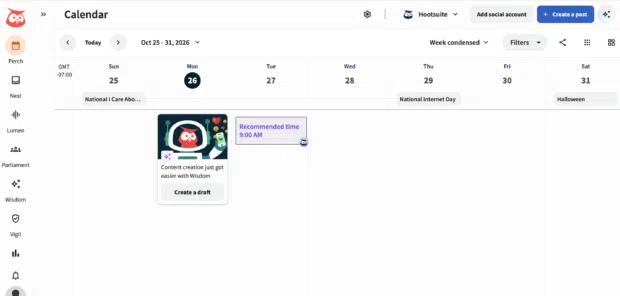
Creating or Sourcing Design Assets: Visual content is paramount on social media. Developing a clear timeline for the creation or sourcing of design assets (images, videos, infographics) prevents bottlenecks. Collaboration tools that integrate design and content teams allow for seamless asset management and ensure that visuals are on-brand and optimized for each platform. The ability to manage and approve assets within a unified content calendar is a key feature of advanced planning tools.
-
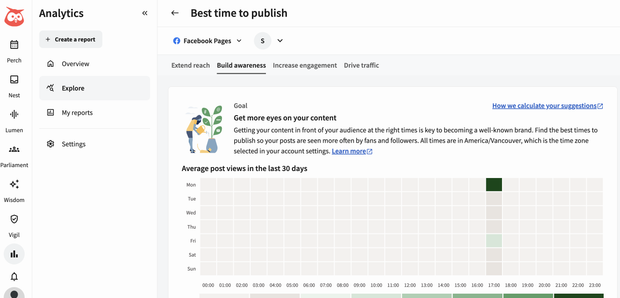
Scheduling Content in Advance: Scheduling content ahead of time is a fundamental practice for efficiency and consistency. Beyond merely ensuring regular posting, strategic scheduling involves leveraging data to identify optimal posting times based on audience activity and past performance. Advanced scheduling features, often powered by AI, can analyze unique audience data to suggest the best times to publish for specific goals, such as brand awareness or traffic generation, across various platforms. Cross-platform scheduling tools provide a unified calendar view, allowing teams to identify content gaps, prevent campaign collisions, and maximize asset reuse across channels. Some platforms even offer bulk upload capabilities, enabling the scheduling of hundreds of posts simultaneously.
The Transformative Role of Artificial Intelligence (AI) in 2026
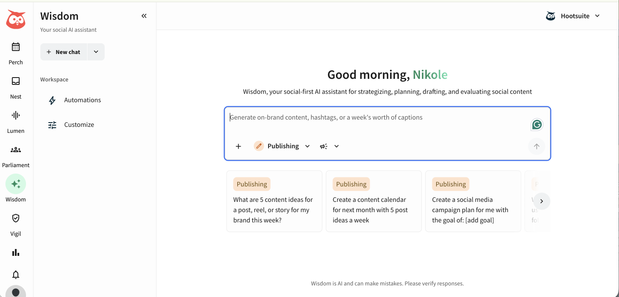
The integration of Artificial Intelligence into social media content planning is rapidly evolving, with 2026 marking a significant period of adoption and refinement. AI’s role is less about autonomous content generation and more about accelerating research, drafting, and timing decisions that traditionally consume considerable human effort. While a Gartner survey noted that 77% of marketers are exploring generative AI, only 44% have realized significant benefits, underscoring the importance of strategic implementation and human oversight.
AI’s utility in the content planning workflow manifests in several key areas:
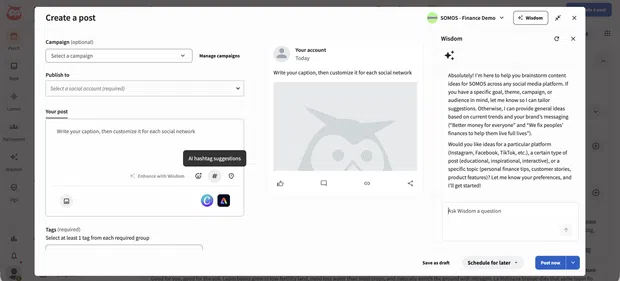
- Idea Generation: AI can analyze vast datasets to identify trending topics, popular formats, and audience interests, providing creative prompts and content angles.
- Caption Drafting: Generating initial drafts of captions, headlines, and calls to action, saving writers significant time.
- Optimal Timing Recommendations: Leveraging machine learning to predict the best times to post for maximum reach and engagement, based on historical performance and real-time audience activity.
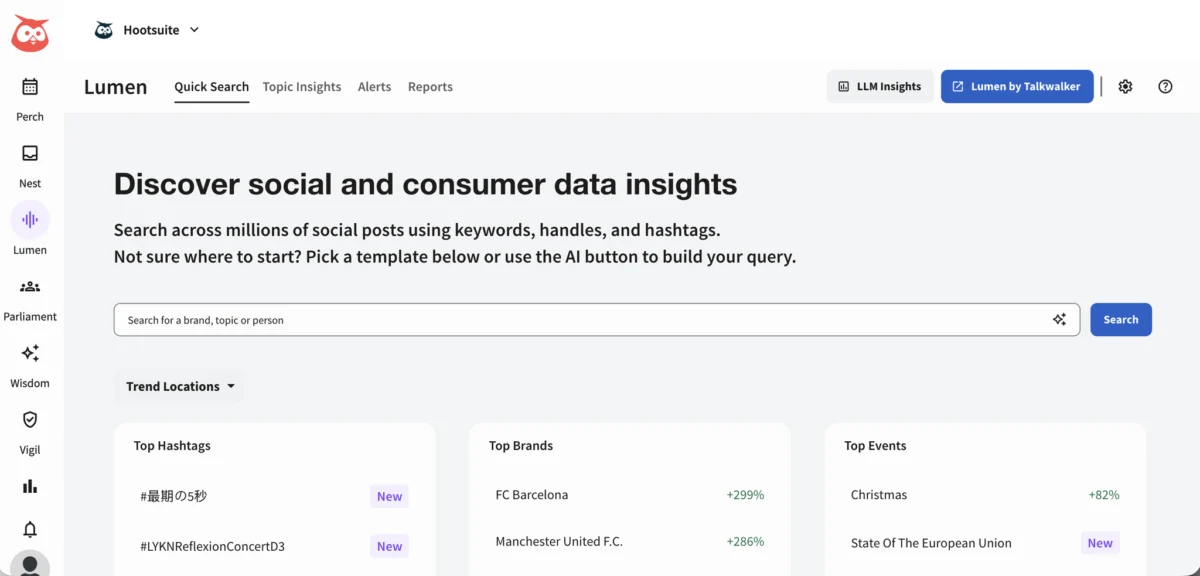
- Trend Tracking and Social Listening: AI-powered listening tools can quickly flag rising conversations and emerging topics within a brand’s category, enabling agile content adjustments.
However, the rapid growth of AI also brings challenges. The same Gartner survey revealed that 49% of consumers believe generative AI has worsened content quality. This highlights the critical need for human review and governance. AI outputs must be meticulously edited for brand voice, factual accuracy, and compliance, particularly in regulated sectors where unreviewed claims can have serious legal ramifications. Integrated systems that combine AI-powered intelligence with human-governed workflows are therefore becoming the industry standard, ensuring both efficiency and integrity.
Measuring Success and Adapting Strategies
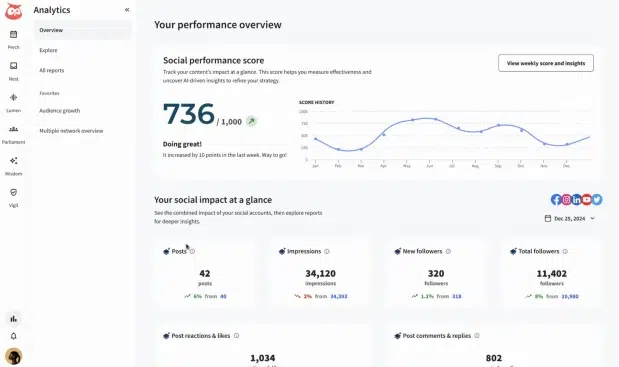
A content plan is a dynamic document that requires continuous evaluation and refinement. Measuring performance against the initial KPIs is crucial for identifying what resonates with the audience and what needs adjustment. Key metrics include engagement rate (likes, comments, shares), reach and impressions, website traffic, lead conversions, and sales attribution. Tools like Hootsuite’s engagement rate calculator and comprehensive ROI guides facilitate this measurement.
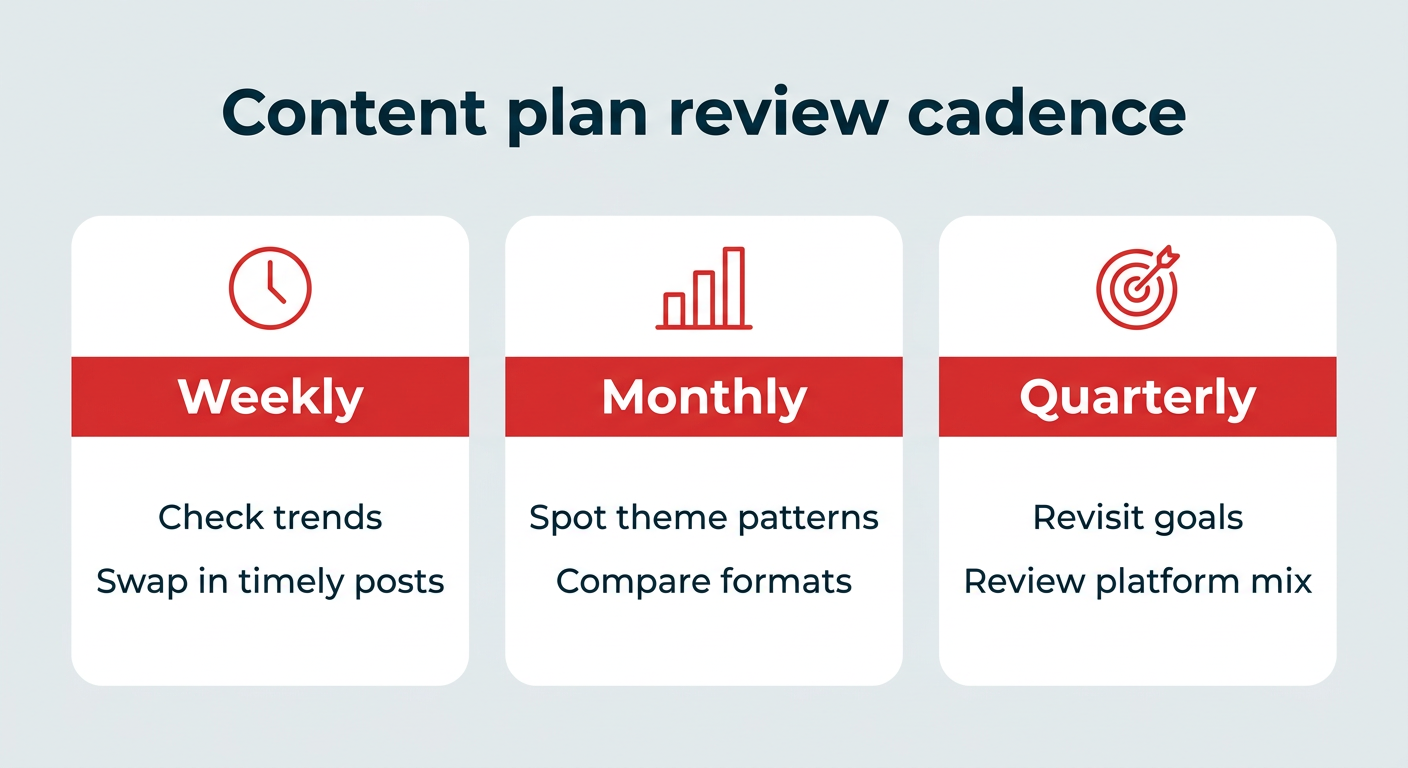
Establishing a regular review cadence is vital:
- Weekly Check-ins: Allow for agile adjustments, such as swapping in timely content related to current events or addressing immediate performance shifts.
- Monthly Reviews: Provide an opportunity to spot broader patterns across content themes and formats, informing tactical adjustments for the upcoming month.
- Quarterly Reviews: A strategic re-evaluation of overall goals, platform mix, posting frequency, and content pillars, ensuring long-term alignment with business objectives.
This iterative process transforms the content plan from a static document into a living strategy that continuously improves based on empirical data. If data reveals that short-form video outperforms static images on Instagram, the subsequent plan should allocate more resources to video content. Conversely, underperforming themes should be re-evaluated or phased out.
Industry Perspectives and Future Outlook

Industry experts widely concur that the future of social media content planning lies in integrated, intelligent platforms. "The days of siloed social media tools are numbered," states a prominent digital marketing analyst. "Brands are increasingly seeking ‘connected suites’ that unify planning, creation, publishing, listening, and analytics into a single ecosystem. This not only drives efficiency but also provides a holistic view of performance, enabling more strategic decision-making." The evolving skill set for social media professionals now includes proficiency in data analysis, AI literacy, and strategic thinking, complementing traditional creative and communication skills.
The strategic imperative for businesses is clear: those that embrace structured content planning, leverage advanced tools, and integrate AI responsibly will gain a significant competitive advantage. This approach fosters consistent brand presence, deepens audience engagement, and ultimately drives measurable business impact, ensuring that social media is not just a marketing channel but a powerful engine for growth.
Key Tools and Best Practices for Implementation
For organizations embarking on or refining their social media content planning journey, selecting the right tools and leveraging proven best practices is paramount. Essential content planning tools typically offer:

- Multi-platform scheduling: To manage content across various social networks from a single dashboard.
- Unified content calendars: Providing a visual overview of all scheduled posts and campaigns.
- Performance analytics: Customizable reports to track KPIs and understand content effectiveness.
- AI-assisted content creation: Features for idea generation, caption drafting, and optimal timing.
- Approval workflows: Streamlining internal and external review processes.
- Social listening: To monitor brand mentions, industry trends, and audience sentiment.
- Governance and permissions: For large teams and regulated industries, ensuring brand consistency and compliance.
When evaluating tools, it is crucial to consider the scope of the workflow they cover. While basic schedulers address one aspect, comprehensive platforms offer an end-to-end solution that minimizes manual handoffs and maximizes integration. Leading enterprise solutions, for example, might offer advanced features like single sign-on (SSO), integration with third-party listening tools, and robust employee advocacy programs, catering to the complex needs of large-scale operations.
In conclusion, the journey from ad-hoc posting to strategic social media content planning is a critical one for any modern organization. By embracing a systematic approach, leveraging technological advancements like AI, and committing to continuous measurement and adaptation, businesses can navigate the dynamic digital landscape with precision, purpose, and ultimately, unparalleled success.


 Suro Senen
 Iffa Jayyana