The Spangler Candy Company, a venerable institution with a history spanning 120 years, has strategically positioned itself for sustained success by building a future firmly rooted in nostalgia. While its offerings may not command the colossal sales figures of titans like M&M’s or Reese’s, Spangler has carved out an enviable and enduring niche with beloved brands, many of which boast over a century of history themselves. Company executives emphasize that these heritage candies possess a unique resilience, allowing them to transcend the trends and intense competition that often define the confectionery landscape, a market frequently dominated by chocolate, caramel, and crunchy confections.
"These brands have incredible history to them," stated Evan Brock, vice president of marketing at Spangler. "That history makes them very difficult for competitors to come and take their place. You obviously can’t replicate that kind of nostalgia, that kind of legacy overnight." This sentiment underscores the company’s core strategy: leveraging the deep emotional connections consumers have with these established treats to ensure their continued relevance and appeal.
Spangler, currently guided by a fourth-generation family member, has reported consistent annual sales growth, experiencing a "satisfactory" clip of 3% to 5% each year. This steady expansion, while modest compared to some industry giants, speaks to the enduring power of their brand portfolio and their effective stewardship of these classic confections.
The company’s origins trace back to 1906, when it initially focused on producing baking soda, cornstarch, and spices. It wasn’t until two years later, in 1908, that Spangler ventured into the confectionery business. Today, the company’s operations are entirely dedicated to producing sweets. Notably, none of the flagship candy brands in Spangler’s current portfolio were originally conceived by the company. Instead, Spangler has meticulously grown its brand roster through strategic acquisitions, frequently targeting brands that were either in financial distress or facing bankruptcy. This acquisition strategy has allowed Spangler to become the custodian of a rich candy heritage, breathing new life into brands that might otherwise have faded into obscurity.
The Power of Legacy Brands: Dum Dums and Candy Canes
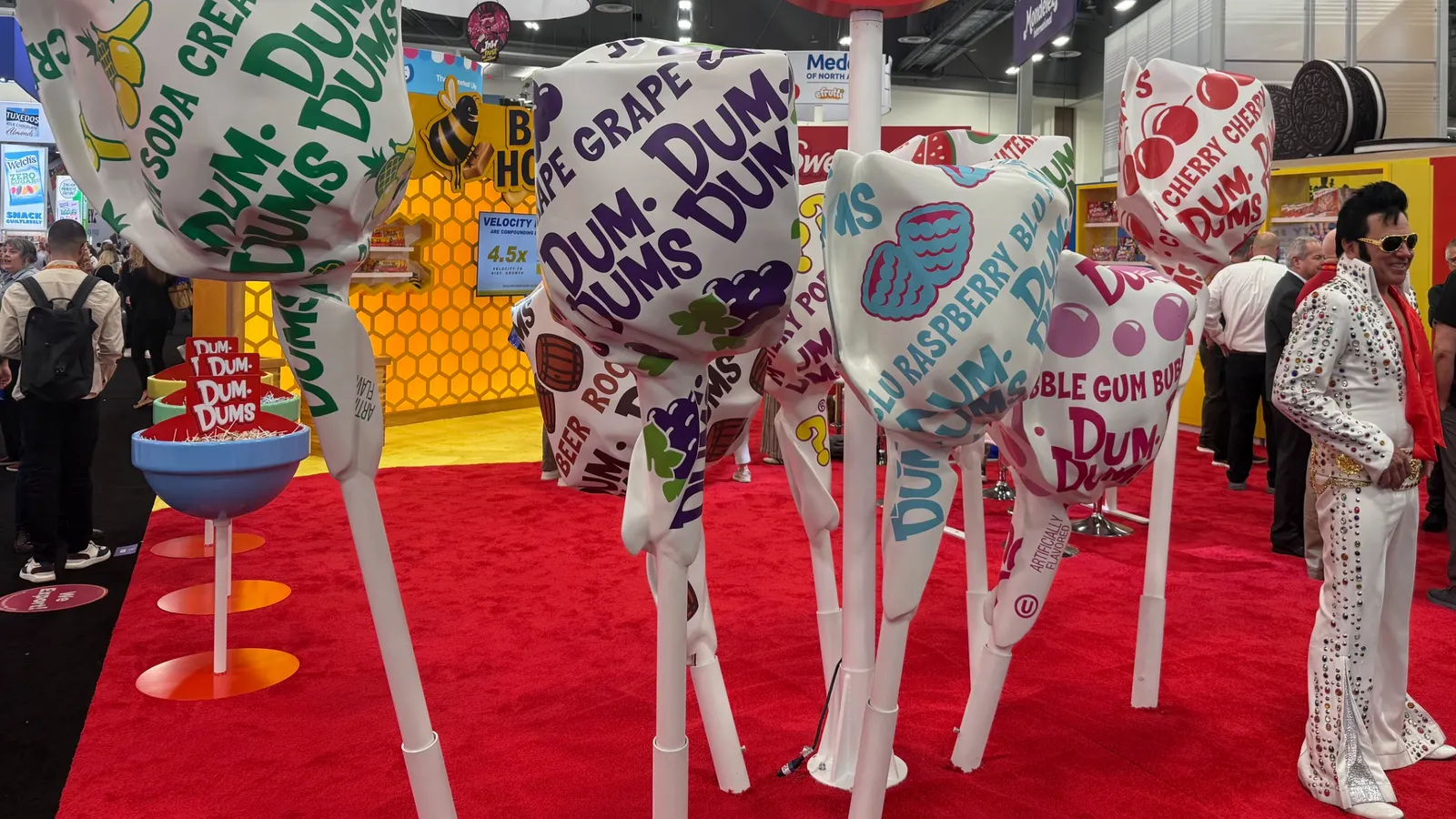
Spangler’s most expansive and widely recognized brand, Dum Dums, was acquired in 1953. Annually, the company produces an astonishing 2.3 billion of these diminutive lollipops, a ubiquitous presence in settings ranging from bank lobbies and school offices to barber shops. These colorful, bite-sized treats have become a symbol of simple, accessible joy.
A year after acquiring Dum Dums, Spangler expanded into the seasonal candy cane market. This venture has grown to such an extent that Spangler now accounts for nearly half of all candy canes produced in the United States. This significant market share highlights the company’s ability to scale production and dominate specific segments within the confectionery industry.
"We’re really great at honestly restoring some of these legacy brands that just have incredible history in the marketplace," Brock explained. This focus on authentic restoration, rather than radical reinvention, has been key to their success.
Revitalizing Distressed Brands: The Bit-O-Honey and Sweethearts Success Stories
More than half a century after its initial foray into acquiring established brands, Spangler continues to employ this successful strategy to revitalize distressed candy brands. In 2020, the company acquired Bit-O-Honey, a chewy taffy candy with a distinctive almond and honey flavor. Upon assessment, Spangler recognized that the brand "needed some TLC," as Brock described it.
After conducting thorough market research, Spangler embarked on a comprehensive overhaul of the Bit-O-Honey brand, aiming to resonate more effectively with its predominantly adult consumer base. Key changes included a redesign of the packaging, which featured a less juvenile depiction of the brand’s iconic bee mascot. Crucially, Spangler reverted to the original recipe, a move that involved softening the candy’s texture and increasing the almond content, thereby enhancing its classic appeal.
These strategic adjustments have yielded remarkable results, with Bit-O-Honey sales experiencing a surge of 50% over the past year. "It was a big change that frankly, we were a little nervous about," Brock admitted. "But it was a good move, and restoring Bit-O-Honey to its original recipe has kept people coming back for more." This success story exemplifies Spangler’s ability to identify underperforming brands and implement targeted improvements that honor their heritage while re-engaging consumers.
In the same acquisition transaction that brought Bit-O-Honey into the Spangler fold, the company also acquired Sweethearts, the iconic conversation hearts. Spangler promptly reverted Sweethearts to its classic flavor profile and original recipe, which is responsible for the candy’s signature crunchy texture. Recognizing the evolving consumer landscape, particularly in the realm of dating and relationships, Spangler has also introduced new and topical messages to its heart-shaped candies in recent years, a deliberate effort to maintain relevance.
Shortly before Valentine’s Day in 2024, Spangler generated considerable buzz by adding contemporary sayings to the Sweethearts candies. Phrases such as "Love in This Economy," "Split Rent," "Share Logn" (likely a typo for "Share Longevity" or similar), and "Buy n bulk" were introduced alongside perennial favorites like "Cutie Pie" and "Marry me." These modern quips, designed to reflect current economic realities and relationship dynamics, tapped into the brand’s unique selling proposition as "the only candy that speaks." This campaign not only generated significant media attention but also effectively drew renewed attention to the brand, reinforcing its position as a culturally relevant confection.
Preserving Authenticity: The Necco Wafers Approach
Spangler’s approach to brand management is not monolithic; the company does not necessarily impose significant changes on every brand it acquires. In some instances, preserving the existing identity of a candy has proven to be the most effective strategy.
Shortly after acquiring Necco Wafers in 2018, a brand with a nearly 200-year history, Spangler made the deliberate decision to leave the candy largely untouched. The company observed that consumers held a deep affection for the nostalgic qualities of Necco Wafers and concluded that altering the nearly two-century-old candy could potentially harm the brand’s established appeal. This decision highlights Spangler’s nuanced understanding that for some heritage brands, their very longevity and unchanging nature are their most valuable assets.
"The truth is, other marketers, other brands would kill for the kind of nostalgia that our brands have, but there is a process of keeping them relevant with consumers that just has to be done to sustain these types of legacies," Brock emphasized. This statement encapsulates Spangler’s dual strategy: honoring the past while strategically adapting for the future.
A Legacy of Sweet Success: Spangler’s Enduring Appeal
Spangler’s long-standing success can be attributed to its astute business acumen, its deep respect for brand heritage, and its ability to connect with consumers on an emotional level. By focusing on brands that evoke cherished memories and by implementing thoughtful revitalization strategies when necessary, Spangler has demonstrated a remarkable capacity to thrive in a competitive market. The company’s commitment to preserving the essence of its acquired brands, while also infusing them with contemporary relevance, ensures that these timeless treats will continue to be enjoyed by generations to come. This strategic fusion of tradition and innovation positions Spangler Candy Company as a testament to the enduring power of nostalgia in the modern marketplace.
The confectionery industry, valued at over $100 billion globally, is a dynamic sector characterized by constant innovation and shifting consumer preferences. Within this landscape, Spangler’s focus on heritage brands offers a unique counterpoint to the relentless pursuit of novelty. While larger competitors often invest heavily in developing entirely new product lines, Spangler’s strategy of acquiring and revitalizing established brands taps into a different, yet equally powerful, consumer driver: the comfort and familiarity of the past. This approach allows Spangler to build brand loyalty not just through taste and quality, but through shared cultural memory.
Furthermore, Spangler’s success with brands like Bit-O-Honey and Sweethearts provides valuable case studies for the industry. It suggests that even in a market saturated with new options, there remains a significant appetite for well-loved, classic candies. The key, as Spangler has demonstrated, lies in understanding the core essence of these brands and in implementing changes that enhance, rather than dilute, their inherent appeal. The company’s careful calibration of preservation and adaptation is a delicate balancing act that has clearly paid dividends.
Looking ahead, Spangler’s continued success will likely depend on its ability to identify future acquisition targets that possess similar nostalgic resonance and market potential. The company’s track record suggests a keen eye for identifying brands with a strong historical foundation and the capacity for renewed growth. As consumer tastes evolve and new trends emerge, Spangler’s commitment to its core strategy of building a sweet future on the bedrock of nostalgia appears to be a recipe for sustained and meaningful success. The company’s journey is a compelling narrative of how the past can indeed pave the way for a prosperous future in the ever-sweetening world of confectionery.