Tuesday, November 18th, 2025 – 1:13 pm
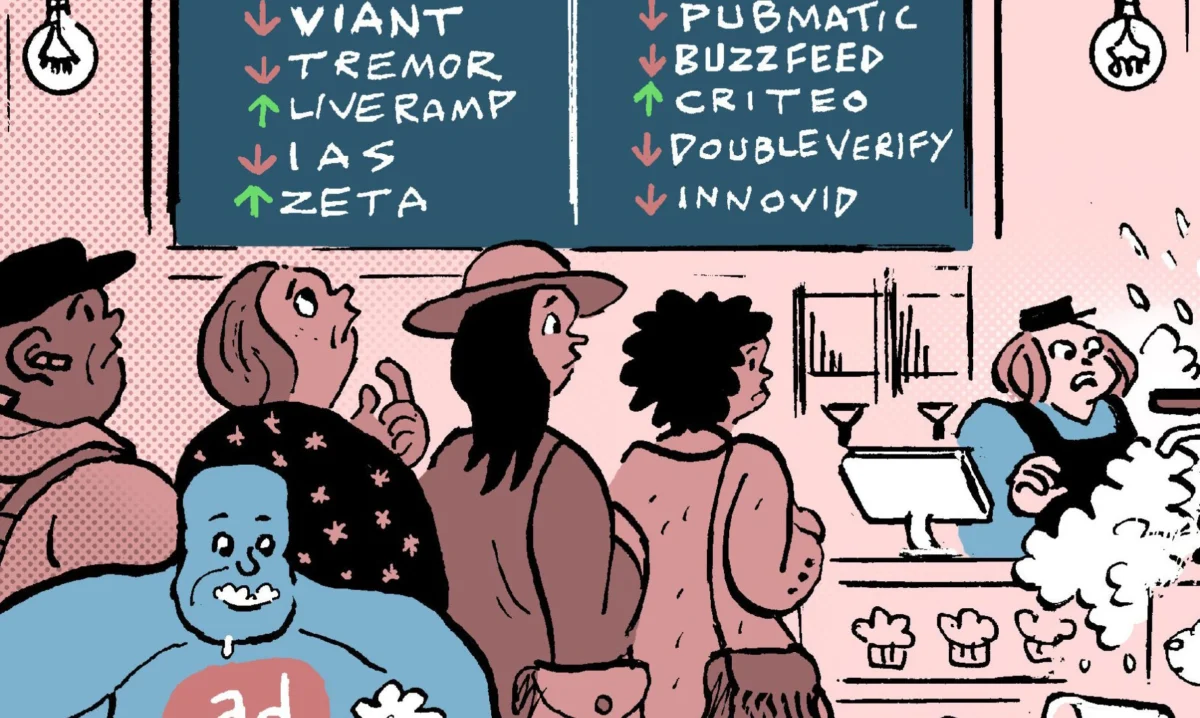
The digital advertising technology landscape is currently a battleground, characterized by escalating competitive tensions and a dramatic reshaping of industry dynamics. Throughout 2025, a palpable friction has permeated the programmatic ecosystem, primarily fueled by dwindling revenues and a desperate scramble for market share. The traditional alliances have fractured, replaced by a complex web of accusations, strategic maneuvers, and a stark reevaluation of established roles within the ad tech supply chain. This year’s earnings reports have served as stark, tangible evidence of these underlying pressures, revealing a significant downturn in spending that is forcing industry players to confront uncomfortable truths about their business models and their relationships with key partners.
The Genesis of the Conflict: Data Access and Shifting Power Dynamics
The current turmoil did not materialize overnight. For years, many third-party programmatic companies found common ground in their shared opposition to Google’s dominant position. This era of unified resistance, however, has waned considerably. A pivotal point of contention has been the ongoing evolution of data privacy and access, particularly in the wake of initiatives like Google’s Chrome Privacy Sandbox. Many vendors, including Supply-Side Platforms (SSPs) and Demand-Side Platforms (DSPs), invested significant resources and strategic planning into adapting to these new privacy-centric frameworks, only to feel sidelined or disadvantaged by Google’s subsequent decisions. This perceived betrayal has exacerbated existing rivalries and fostered a climate of distrust.
The Trade Desk, a major player in the programmatic space, has been particularly active in asserting its influence. Its recent moves, including the introduction of new auction mechanisms and the strategic prioritization of its own supply path, OpenPath, have significantly altered the flow of programmatic transactions. These actions have not gone unnoticed, prompting strong reactions from other industry participants. Organizations like Prebid.org, an open-source initiative aimed at improving programmatic advertising, and the IAB Tech Lab, a standards-setting body, have found themselves at the center of these debates, tasked with navigating the complex interests of a fragmented industry. The “spilling tea” mentioned in industry circles refers to the candid and often critical discussions happening within these forums as companies grapple with the implications of these power plays.
Earnings Reports as Barometers of Industry Health
The financial results reported by publicly traded ad tech companies in the latter half of 2025 have painted a clear picture of the economic headwinds facing the sector. The narrative threads of competition and strategic maneuvering are no longer abstract; they are directly impacting the bottom line.
Magnite, PubMatic, and Nexxen: Declining DSP Spending as a Key Indicator
Several prominent SSPs have publicly disclosed significant and unexpected decreases in spending from unnamed DSPs during the third quarter of 2025. This decline, described as "precipitous," has become a recurring theme in their earnings calls, signaling a broader malaise within the demand side of the ecosystem.
PubMatic CEO Rajeev Goel, while not directly naming The Trade Desk, offered a veiled critique when he stated that The Trade Desk’s new ad-buying platform, Kokai, operates “differently from what we have seen.” This statement echoed earlier observations from PubMatic’s leadership regarding a sudden drop in spending from a specific DSP, strongly suggesting a connection to The Trade Desk’s evolving strategies.
Magnite CEO Michael Barrett was more direct in his assessment. He explicitly noted that The Trade Desk had implemented a change that “prioritized OpenPath as a default path for supply.” This strategic shift by a major demand-side player forced Magnite, a leading programmatic supply provider, to engage directly with large agency buyers to re-establish a “preferred supply path.” Barrett acknowledged the significant impact of this move, given The Trade Desk’s substantial role as a source of demand and Magnite’s position as a critical supplier of programmatic inventory.
Nexxen, a company operating both a DSP and an SSP, revised its financial forecasts downwards for the remainder of the year. CEO Ofer Druker attributed this adjustment to an uncharacteristic absence of the typical pre-holiday surge in programmatic growth, which usually commences in October. He clarified that the reduction in spending was not isolated to a single DSP but represented a widespread programmatic plateau, a stark departure from historical trends. This sentiment suggests a systemic issue rather than an isolated incident.
System1: Allegations of Invalid Traffic and Potential Legal Action
Adding to the industry’s woes, System1 CEO Michael Blend revealed that the company had been burdened by “significant invalid or nonhuman” traffic originating from an unnamed programmatic vendor within its demand channel. This issue has prompted System1 to seek reimbursements and to consider legal recourse, highlighting a persistent problem of ad fraud and poor inventory quality that continues to plague the digital advertising space, even amidst broader market contractions.
Strategic Positioning and the Battle for Narrative Control
Beyond the immediate financial pressures, the heightened antagonism within programmatic advertising is also a strategic play for market positioning. Companies are actively attempting to frame the narrative around how programmatic advertising should function, seeking to influence investors, marketers, and advertisers alike.
The Trade Desk’s Assertions and Competitor Rebuttals
The Trade Desk CEO Jeff Green has been vocal in defining the competitive landscape. In comments to investors, he questioned the classification of Amazon’s offerings as a DSP in the same vein as traditional platforms. This framing serves to delineate The Trade Desk’s unique value proposition and potentially diminish the perceived competition from integrated players like Amazon.
Conversely, Viant, an independent DSP, has adopted a contrasting strategy. CEO Tim Vanderhook has emphasized that Viant encounters "less competition when you look at truly objective buy-side-only platforms." This statement is a deliberate attempt to carve out a specific category of competitors, implicitly excluding The Trade Desk. Vanderhook further characterized The Trade Desk as "no longer independent or objective" due to its preferential treatment of its own OpenPath supply integrations, suggesting a conflict of interest.
Nexxen’s CEO, Ofer Druker, echoed the sentiment that major DSPs are increasingly moving towards vertical integration. He predicted that "Big DSPs in the future will have to build their own end-to-end solutions in order to increase their margins," a move that could further fragment the market and concentrate power within a few large entities. These diametrically opposed viewpoints from within the independent DSP sector highlight the intense debate over platform neutrality and the future structure of programmatic trading.
The SSPs Under Scrutiny: The "Reseller" Label and Ecosystem Cleansing
The designation of SSPs as "resellers" by The Trade Desk has also generated significant concern among investors. This label carries negative connotations, implying a less direct or value-added role in the supply chain.
PubMatic CEO Rajeev Goel has vehemently rejected this categorization, asserting that PubMatic is not a reseller and remains a strong partner of The Trade Desk. Goel appears unfazed by the decreased spending from The Trade Desk or the broader “noise” surrounding the reseller debate. He describes the ecosystem as "multifaceted, certainly complex," suggesting a willingness to navigate these evolving relationships pragmatically.
Magnite’s CEO, Michael Barrett, similarly refuted the reseller label for his company. While acknowledging that supply-side resellers are a genuine concern within the industry, he firmly stated that Magnite is not one of them. Barrett expressed Magnite’s commitment to "cleaning up the system" by actively working to eliminate duplicate bids and low-quality impressions, positioning the company as a solution provider rather than a part of the problem. He concluded by emphasizing, "Let’s be clear, we don’t believe Magnite is a reseller. I think the term applies to others," a pointed remark that signals a clear demarcation between Magnite and other players facing this criticism.
Broader Implications and Future Outlook
The current upheaval in ad tech is more than just a temporary market correction; it represents a fundamental recalibration of the industry’s architecture. The decline in overall ad spend, coupled with the intense competition for a shrinking pool of revenue, is forcing a reevaluation of roles and responsibilities.
Data Transparency and Supply Chain Efficiency
The debates surrounding data transparency and the roles within the supply chain are not merely philosophical. They are intrinsically linked to profitability. As revenues tighten, every participant is scrutinized for their efficiency and value. The push for greater transparency is, in part, a demand for clearer accounting of where money is spent and what value is delivered.
The Role of Open Standards and Industry Collaboration
The pressure on organizations like Prebid.org and the IAB Tech Lab to provide clear guidance and standards is immense. Their ability to foster collaboration and define a path forward that addresses the concerns of all stakeholders – publishers, advertisers, and technology providers – will be critical in navigating this turbulent period. The effectiveness of these bodies in mediating disputes and establishing fair practices will shape the future of programmatic advertising.
Consolidation and Innovation
The current environment could accelerate industry consolidation. Companies struggling to maintain profitability may seek mergers or acquisitions to achieve economies of scale or to acquire critical technologies. Conversely, the challenges might also spur innovation, leading to the development of new advertising models and technologies that are more efficient, transparent, and privacy-compliant.
The year 2025 has proven to be a watershed moment for programmatic advertising. The intertwined forces of economic pressure, technological evolution, and strategic competition have created a volatile environment. The resolutions to these ongoing conflicts will not only determine the financial success of individual companies but will also fundamentally redefine the structure and operation of the entire digital advertising ecosystem for years to come. The coming months will likely see further strategic maneuvers, continued public discourse, and potentially significant shifts in market leadership as players fight to secure their positions in a rapidly changing landscape.