rifanmuazin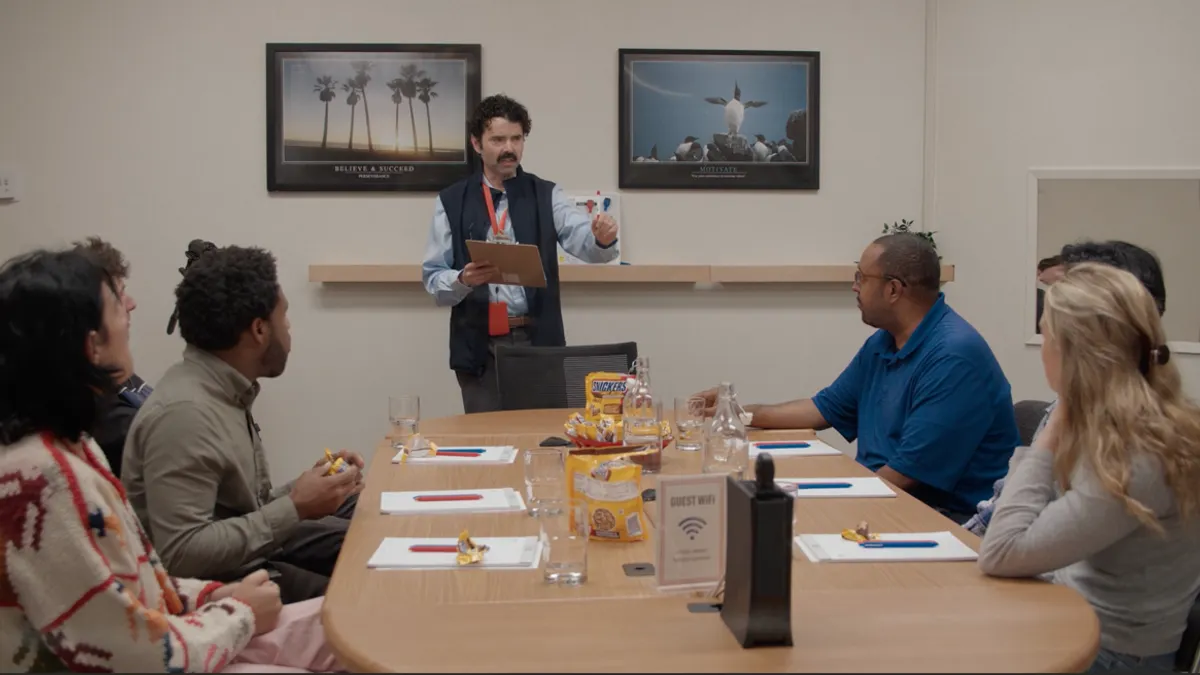
New York, NY – June 2, 2026 – Snickers, the beloved candy bar brand owned by Mars, Incorporated, has launched a provocative new advertising campaign that directly challenges the long-standing dominance of Reese’s in the peanut butter confectionery market. Directed by Eric André, the campaign features a series of commercials and accompanying digital activations that ingeniously leverage the name “Reese” itself, creating a unique and memorable narrative that underscores Snickers’ expanded peanut butter product line. The initial commercial, which debuted earlier this year, showcases a focus group comprised entirely of individuals named Reese, as they enthusiastically sample and praise Snickers’ new peanut butter squares and ice cream bar. This bold move not only amplifies Snickers’ commitment to its peanut butter offerings but also subtly positions it as a formidable contender against the iconic Reese’s Peanut Butter Cups.
The campaign’s central creative conceit revolves around a controlled experiment: a focus group composed of people who share the name “Reese” (including variations like Rhys and Reece). These participants, unaware of the shared nomenclature at the outset, are invited to provide honest feedback on Snickers’ new peanut butter-infused treats. The unfolding scene is designed to highlight genuine, positive reactions to the texture and flavor of the Snickers products, emphasizing the creamy peanut butter and crunchy peanut components. The humor and surprise arise when the participants collectively realize their shared name, a meta-commentary on the very brand they are being asked to evaluate. The campaign cleverly uses this shared identity to imply that if “Reese” himself (or anyone named Reese) approves, then the product must be exceptional, drawing a direct parallel to the established brand name that dominates the peanut butter candy category.
Strategic Positioning Amidst Market Dynamics
This campaign arrives at a pivotal moment in the confectionery landscape. Snickers’ aggressive push into the peanut butter segment, encompassing chocolate squares, bite-sized variants, and ice cream bars, signals a strategic intent to capture a larger share of this highly lucrative market. The global confectionery market is projected to reach over $200 billion by 2027, with chocolate and candy segments showing consistent growth. Peanut butter confectionery, in particular, holds a significant and loyal consumer base, making it a key battleground for major players like Mars and Hershey.
Snickers’ approach is not merely about introducing new products; it’s about a calculated repositioning. By directly engaging with a name so intrinsically linked to peanut butter candy, Snickers is attempting to associate its own brand with the desirable qualities of the category – namely, the satisfying combination of chocolate and peanut butter. This strategy is further amplified by the brand’s consistent messaging around satisfying hunger, a platform that has proven highly effective for Snickers over the years. The “Stuck” ad, released in April as part of this broader peanut butter push, exemplified this by depicting a dire situation alleviated by the consumption of a Snickers Peanut Butter bar, reinforcing the idea of the product as a solution to immediate cravings and discomfort.
The “Reese” Factor: A Clever Name Game
The genesis of the “Reese” focus group campaign appears to be a deliberate and sophisticated marketing play, likely orchestrated by Snickers’ long-standing creative agency of record, BBDO New York. The inclusion of individuals named Reese serves as a subtle yet powerful nod to Hershey’s iconic Reese’s brand, without explicitly naming it as a competitor in the initial ad. The humor derived from the focus group members’ eventual realization of their shared name, coupled with the introduction of a non-Reese participant named Greg (who is humorously identified as a paid actor, a disclosure necessitated by legal counsel), adds layers of self-awareness and wit to the campaign. This approach allows Snickers to critique and challenge a rival indirectly, relying on consumer understanding of the brand landscape to grasp the underlying message.
The inclusion of “Greg,” a paid actor, highlights the meticulous planning and legal considerations involved in such a campaign. Disclosures like these are crucial in maintaining transparency and avoiding potential legal challenges, particularly when engaging in comparative advertising or subtle critiques of established brands. The fact that Snickers felt the need to explicitly state Greg’s role underscores the sensitive nature of this marketing initiative and the brand’s commitment to navigating the competitive landscape with careful precision.
Expanding the Narrative: Digital Engagement and Consumer Incentives
Beyond the television commercials, Snickers has extended the “Reese” concept into the digital realm with an online pledge drive. This initiative invites individuals with “Reese” in their first, middle, or last name to sign a digital document on Snickers’ website. This engagement strategy serves multiple purposes: it further personalizes the campaign by directly involving consumers, it generates user-generated content and social sharing, and it provides valuable data for the brand. The first 100 participants to sign the pledge are promised special rewards, and 25 randomly selected winners will receive a year’s supply of Snickers Peanut Butter products. This creates a sense of exclusivity and urgency, encouraging widespread participation.

This digital activation is more than just a contest; it’s a data-gathering and community-building exercise. By encouraging people named Reese to engage with the brand, Snickers is not only reinforcing the campaign’s message but also building a database of potential brand advocates and identifying a highly relevant consumer segment. The offer of a year’s supply of product is a significant incentive, designed to foster brand loyalty and encourage continued consumption.
The Importance of Texture and Taste
Snickers’ strategic emphasis on the sensory experience of its peanut butter products is grounded in consumer insights. The brand cites survey data from Puratos, a global leader in bakery, patisserie, and chocolate, which indicates that 71% of consumers consider texture a critical factor in their eating experiences. This statistic underscores the importance of not just flavor, but also the tactile sensations associated with food. Snickers is leveraging this data to highlight the dual appeal of its peanut butter offerings: the smooth, creamy texture of the peanut butter combined with the satisfying crunch of real peanuts. This focus on textural contrast aims to differentiate Snickers from competitors and appeal to consumers who value a multi-sensory treat.
This emphasis on texture is particularly relevant in the context of the recent controversies surrounding Reese’s. Earlier this year, the grandson of the inventor of Reese’s Peanut Butter Cups publicly criticized Hershey, accusing the company of compromising the quality of the product by using cheaper ingredients. This criticism resonated with a segment of consumers who felt that the iconic candy had changed for the worse. Hershey has since acknowledged these concerns and announced plans to revert to its classic formulas, a move that is expected to take effect next year. Snickers’ campaign, by highlighting its own commitment to quality ingredients and superior texture, can be seen as an opportunistic move to capitalize on this consumer sentiment and attract those who may be seeking an alternative or an improvement on their current peanut butter candy experience.
Broader Implications and Competitive Landscape
The Snickers “Reese” campaign represents a significant strategic maneuver in the highly competitive confectionery market. It demonstrates a willingness to engage in direct, albeit subtle, competition with an established market leader. The campaign’s success will likely be measured not only by immediate sales figures but also by its ability to shift consumer perception and carve out a larger share of the peanut butter confectionery market.

The implications for the broader industry are also noteworthy. This campaign exemplifies how brands can leverage creative storytelling, humor, and consumer insights to challenge market dynamics. By using a unique naming convention as a focal point, Snickers has created a memorable and shareable narrative that transcends traditional advertising. The integration of online activations and consumer incentives further strengthens the campaign’s reach and impact, creating a holistic brand experience.
The ongoing “quality” debate surrounding Reese’s also provides a fertile ground for Snickers to position itself as a superior alternative. Consumers, increasingly attuned to ingredient quality and product integrity, may be more receptive to brands that demonstrably prioritize these aspects. Snickers’ focus on “real creamy peanut butter and crunchy peanuts” directly addresses this consumer concern, offering a tangible benefit that resonates with a discerning audience.
As the campaign unfolds, it will be interesting to observe how Hershey and Reese’s respond. While they may choose to ignore the subtle jabs, a direct response could escalate the “candy war” and further elevate Snickers’ profile. Regardless of the competitive reaction, Snickers has successfully initiated a conversation and generated considerable buzz around its peanut butter offerings, positioning itself as a serious contender in a category long dominated by a single, iconic brand. The clever use of the name “Reese” has not only provided a memorable hook but has also strategically placed Snickers at the forefront of the evolving peanut butter confectionery landscape.