

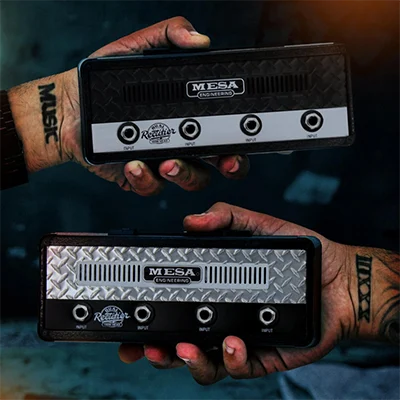
The journey of Pluginz, an Anaheim-based company renowned for its distinctive Jack Rack key holders, illustrates a significant challenge faced by many businesses operating in the e-commerce landscape: the pervasive issue of intellectual property (IP) infringement. For years, Pluginz founders Dan Jacobs and Mike Stricklin battled the relentless tide of counterfeit products that undermined their brand and siphoned off potential revenue across various online marketplaces. Their experience on Temu, however, has marked a turning point, offering a robust framework for IP protection that has allowed the company to shift its focus from damage control to strategic business expansion.
The Genesis of Pluginz and the Jack Rack Phenomenon
The origin story of Pluginz is rooted in ingenuity and a passion for music culture. In 2015, Mike Stricklin, driven by a desire to create a functional and aesthetically pleasing key holder, fashioned the first Jack Rack from repurposed guitar amplifier parts. Mounted on his garage wall and shared on Reddit, the unique design quickly captured attention. This organic buzz led to a successful crowdfunding campaign, which funded the initial production run. The early days were characterized by rapid sales, with Stricklin reportedly averaging $10,000 a day and personally assembling units with the help of friends.
The company’s trajectory accelerated when Stricklin partnered with Dan Jacobs, a guitarist for the Southern California metalcore band Atreyu. Jacobs’ extensive network within the music industry proved invaluable in securing official licensing agreements. The breakthrough came with a deal from Marshall, a legendary amplifier manufacturer, which paved the way for subsequent partnerships with iconic brands like Fender, Gibson, and Mesa Boogie, as well as licensing deals with acclaimed artists such as Ozzy Osbourne and Oasis. This strategy of embedding authentic music brand recognition into everyday products became the cornerstone of Pluginz’s identity.
The Pervasive Threat of Counterfeits
As Pluginz’s popularity grew, so did the proliferation of counterfeit versions of their signature Jack Racks and other licensed products. These knockoffs, often of inferior quality, posed a direct threat to the brand’s reputation and the integrity of its licensed collaborations. For a business built on the trust and prestige associated with established music brands, every counterfeit represented not just a lost sale but a dilution of brand equity.
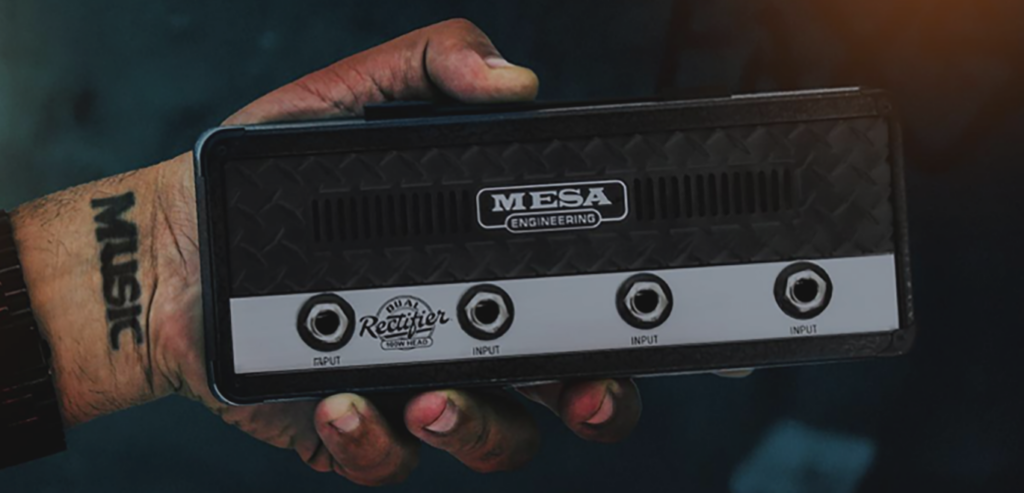
Jacobs and Stricklin found themselves dedicating significant time and resources to policing these infringements across the numerous online marketplaces where their products were listed. The process was arduous and often frustrating, involving extensive legal efforts to issue takedown notices and pursue infringers. The company held patents and trademarks on its designs, along with stringent licensing agreements, providing the legal framework to combat these violations, but the sheer volume of counterfeits made it a constant, uphill battle. "We’re not a big company," Stricklin remarked. "We just made something people wanted, and kept going. The hard part has been protecting what we built."
Temu’s Proactive Approach to Intellectual Property Protection
Pluginz’s decision to list on Temu in 2025 marked a pivotal moment in their ongoing struggle against counterfeits. From the outset, the platform’s commitment to intellectual property protection stood out. Before any product could be listed, Temu implemented a rigorous verification process, requiring Pluginz to substantiate every license, partnership, and design with proof of rights.
"It means Temu takes their intellectual property protection seriously," stated Jacobs, emphasizing the platform’s diligence. This multi-layered approach to IP screening begins before a product goes live and continues throughout its lifecycle on the platform. Temu verifies seller credentials and rights during onboarding, cross-references listings against an extensive brand and image database, and maintains continuous monitoring for infringing content.
According to Temu’s 2026 IP Protection Report, the platform has demonstrated a significant commitment to combating IP infringement. Proactive removals of infringing listings reportedly outnumbered reactive takedowns by a substantial ratio of 331 to 1, a marked increase from approximately 200 to 1 in the previous year. Furthermore, the e-commerce giant has more than tripled its IP protection coverage, now safeguarding 15,000 brands. The platform’s efficiency in addressing IP complaints is also noteworthy, with an average resolution time of less than 24 hours.
This proactive stance was quickly evident to Pluginz. Shortly after joining Temu’s Local Seller Program, which enables domestic businesses to sell and fulfill orders within their respective countries, Stricklin identified a suspected counterfeit of one of their licensed products. Temu’s response was swift and decisive. The platform initiated an enforcement action within hours of Stricklin’s report, a stark contrast to the often protracted battles Pluginz had experienced on other platforms. "What struck me on Temu was a multi-layered system doing the catching," Stricklin observed, highlighting the efficiency and comprehensiveness of Temu’s IP enforcement mechanisms.
Rapid Growth and a Shift in Business Focus
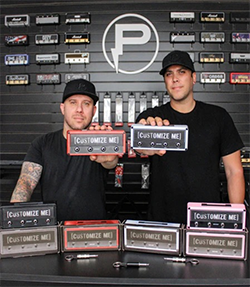
The benefits of Temu’s robust IP protection extended beyond safeguarding intellectual assets. Pluginz’s participation in Temu’s Local Seller Program, initiated in November 2025, led to unprecedented sales growth. Within six months, the Anaheim-based company had sold over 10,000 items, establishing Temu as its fastest-growing sales channel. The platform’s ability to connect Pluginz with a broad new customer base was remarkable. Many buyers discovered the brand for the first time on Temu and subsequently became repeat customers.
The volume of orders surged, with Pluginz fulfilling hundreds of orders daily from their own fulfillment center in Anaheim. Stricklin noted that the Temu store began outselling their more established sales channels within days of launching, even before the full product catalog had been fully synchronized. This rapid success underscores the power of reaching a large, engaged audience on a platform that facilitates discovery and trust.
Crucially, the significant reduction in time and resources previously allocated to combating counterfeits has allowed Pluginz to reinvest in core business activities. The company is now able to dedicate more energy to product development, marketing, and strategic expansion. This shift in focus is enabling Pluginz to capitalize on its momentum and pursue new avenues for growth.
Expanding Horizons and Future Prospects
With the support of Temu’s IP protection framework and its rapidly expanding customer base, Pluginz is poised for further growth. The company is actively working to expand its product lineup to meet increasing demand and is planning to venture into European markets through Temu. Furthermore, Pluginz is strategically broadening its appeal beyond its traditional hard rock and metal genres. By tapping into new musical segments such as country and classic rock and roll, the company aims to launch new band licenses at a consistent pace, approximately every two weeks.
"We’re just getting started," Stricklin declared, reflecting a renewed sense of optimism and ambition. The partnership with Temu has not only provided a much-needed sanctuary from the relentless problem of counterfeiting but has also unlocked new potential for innovation and market penetration. This symbiotic relationship highlights the evolving dynamics of e-commerce, where platforms that prioritize brand integrity can foster significant growth for their sellers, allowing them to focus on what they do best: creating and innovating. The story of Pluginz on Temu serves as a compelling case study for other businesses grappling with similar challenges, demonstrating that a commitment to intellectual property protection can be a powerful catalyst for sustained success in the digital marketplace.








