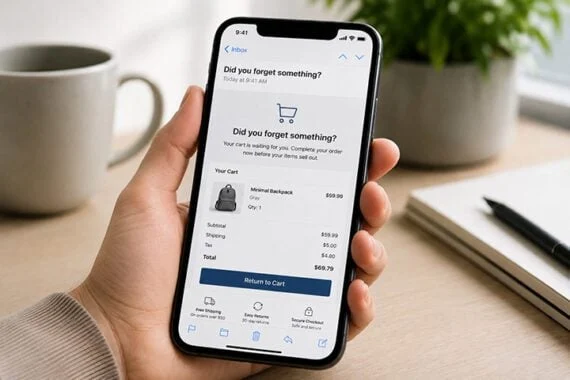
In the dynamic landscape of e-commerce, a significant portion of potential revenue slips through the digital cracks, with an estimated 70% of online shopping carts ultimately abandoned, according to the Baymard Institute. This persistent challenge, a familiar adversary for online retailers for over two decades, underscores the critical importance of sophisticated cart abandonment recovery strategies. Far beyond simple reminders, effective recovery programs leverage product specifics, build trust, and deploy strategic incentives to re-engage hesitant shoppers and reopen the path to conversion.
The inherent complexity of cart abandonment lies in the fact that a deserted cart signifies an outcome, not a clearly articulated reason. While an e-commerce platform can readily identify the products left behind, discerning the precise "why" behind the shopper’s departure is often a more nuanced endeavor. Historically, most recovery efforts have relied on rigid, pre-programmed sequences that struggle to account for the myriad of individual customer concerns. These obstacles typically fall into three broad categories:
Understanding the Obstacles to Conversion
1. Unforeseen Costs and Pricing Concerns: A primary driver of cart abandonment is often the revelation of unexpected expenses at the checkout stage. High shipping fees, taxes, or other surcharges can significantly alter a shopper’s perception of value, leading them to reconsider their purchase. This is particularly true for price-sensitive consumers or those comparing options across multiple retailers. Research consistently shows that free shipping is a powerful motivator, with a significant percentage of consumers willing to add items to their cart to qualify for it. Conversely, perceived high shipping costs are a leading cause of checkout abandonment.
2. Hesitation and Information Gaps: Shoppers may hesitate to complete a purchase due to a lack of confidence in the product, the brand, or the overall transaction security. This can stem from insufficient product information, unclear return policies, concerns about data privacy, or a general feeling of uncertainty about the buying process. For complex or high-value items, customers may require more detailed specifications, customer reviews, or assurances regarding warranties and after-sales support before committing. A lack of trust in the website’s security or the payment process can also be a significant deterrent.
3. Technical Glitches and User Experience Issues: Frustrating technical difficulties or a cumbersome user interface can abruptly halt a shopping journey. Long or complicated checkout forms, slow website loading times, compatibility issues with mobile devices, or errors during the payment process can all lead to abandonment. A seamless and intuitive user experience is paramount, and any friction point can quickly erode a shopper’s patience and intent.
Evolving Recovery Tactics in a Competitive Market
Given these multifaceted obstacles, the evolution of cart recovery tactics has been driven by the need for more nuanced and responsive strategies. While the fundamental goal remains to win back lost sales, the methods employed have become increasingly sophisticated.
1. Product-Centric Reminders: Moving beyond a generic "you left something behind" message, effective emails and texts now incorporate rich product details. This includes high-quality images, concise descriptions, and key specifications of the items in the abandoned cart. This visual and informational reinforcement helps shoppers reconnect with the products they were interested in and reminds them of the specific benefits or features that initially attracted them.
2. Building Trust and Addressing Concerns: Recovery messages can also serve as a platform to proactively address potential anxieties. This might involve highlighting a customer-friendly return policy, emphasizing secure payment gateways, showcasing positive customer testimonials, or providing links to detailed product FAQs. By offering reassurance and demonstrating a commitment to customer satisfaction, retailers can mitigate lingering doubts and build confidence in the purchase.
3. Strategic Incentives and Offers: Discounts, free shipping, or bundled offers are powerful tools to nudge a hesitant shopper towards completion. However, the effectiveness of these incentives is amplified when they are strategically deployed. Offering a discount to a customer who abandoned due to price concerns is more impactful than offering it to someone who simply forgot an item. The timing and nature of the incentive can significantly influence its success.
4. Personalized Communication: The move towards personalization is a hallmark of modern e-commerce marketing. Tailoring recovery messages based on the specific items in the cart, the shopper’s browsing history, or their past purchase behavior can dramatically increase relevance and engagement. This can include recommending complementary products or highlighting limited-time availability of the abandoned items.
The Opportunity in Abandoned Carts: A Significant Untapped Market
The sheer volume of abandoned carts represents a substantial missed revenue opportunity for online businesses. The Baymard Institute’s statistic of a 70% abandonment rate is not a static figure but a consistent challenge that has persisted for years, indicating a fundamental aspect of online consumer behavior. This has led most e-commerce marketers to implement some form of automated cart recovery.

Email remains the foundational channel for this recovery effort. Data from Ringly suggests an average open rate of 50.5% and a conversion rate of 10.7% for abandoned cart emails. While these figures demonstrate the efficacy of email as a recovery tool, the immediacy and directness of SMS and phone outreach can often surpass email in terms of engagement and conversion rates, according to industry analyses. This dual-channel approach, leveraging both email and text, can create a more robust and multi-layered recovery strategy.
The Limitations of Fixed Sequences: A One-Size-Fits-All Approach
A common pitfall in cart recovery automation is the reliance on fixed, predetermined sequences. These systems are typically built on a series of triggers and branches, where merchants define delays, craft messages, and establish conditions for offers. While this approach offers a degree of manageability, it necessitates a considerable effort in anticipating every conceivable customer scenario.
The challenge is exacerbated by the sheer diversity of product catalogs. Products vary in their profit margins, the typical consideration period required by customers, and the unique concerns they might elicit. A single, unyielding sequence struggles to accommodate this inherent variability. For instance, an automated system might offer a discount to a shopper who had no intention of purchasing immediately but planned to return later. Conversely, it might focus on product features for someone whose abandonment was solely due to unexpectedly high shipping costs. This lack of adaptability means that recovery efforts can sometimes be misdirected, offering solutions to non-existent problems or failing to address the actual barriers to purchase.
Optimizing for Success: Manual Refinement vs. AI Decisioning
To truly improve cart conversion and recovery rates, marketers are increasingly faced with two primary strategic pathways: manual optimization or the adoption of AI-driven decisioning.
Manual Optimization: A Granular Approach
For retailers opting for a manual optimization strategy, a focused approach on four key areas can yield significant improvements:
- Segmentation: Instead of treating all abandoned carts identically, segmenting audiences based on factors such as cart value, customer history, or product category allows for more tailored recovery efforts. High-value carts might warrant more aggressive incentives or personalized outreach, while first-time abandoners might receive gentler nudges.
- Offer Testing: Experimenting with different types of incentives is crucial. This involves testing various discount percentages, free shipping thresholds, bundled offers, or even non-monetary incentives like expedited shipping. The goal is to identify which offers resonate most effectively with specific customer segments.
- Message Variation: The content and tone of recovery messages can significantly impact their effectiveness. Testing different subject lines, calls to action, and message formats (e.g., plain text vs. HTML emails, short vs. detailed text messages) can help identify what best captures attention and drives action. Including elements like customer reviews or social proof within the messages can also be highly beneficial.
- Timing and Frequency: The optimal timing for sending recovery messages is a critical variable. Sending too soon might be perceived as intrusive, while sending too late might mean the customer has moved on. Similarly, the frequency of follow-up messages needs careful consideration to avoid overwhelming the customer. A/B testing different sending schedules and cadences is essential.
Crucially, manual optimization demands robust measurement. Metrics like revenue per recipient provide a clear indication of the value generated by each recovery sequence. The use of control groups—shoppers who do not receive recovery messages—is vital for accurately assessing whether the outreach is generating incremental sales or simply claiming credit for customers who would have returned on their own. This rigorous data analysis is the bedrock of informed manual optimization.
AI Decisioning: The Future of Personalized Recovery
A more advanced approach to cart recovery lies in what customer engagement platforms term "AI decisioning." This sophisticated methodology leverages artificial intelligence to dynamically evaluate a confluence of customer and cart signals. It then intelligently compares a pre-approved set of recovery tactics to select the message, offer, and optimal timing most likely to achieve the merchant’s desired outcome.
In this model, the human element remains in strategic control. Merchants define the overarching recovery strategy, create a library of approved "treatments" (such as reminders, product reassurance messages, free shipping offers, or various discount levels), and establish crucial parameters like margin limitations, message frequency caps, and eligibility criteria for promotions.
The AI then takes over the granular decision-making for each individual shopper. It can consider a multitude of factors in real-time, including the total cart value, the specific product types included, the shopper’s purchase history, and their behavior leading up to the abandonment. This dynamic approach differentiates AI decisioning from conventional email automation, where fixed sequences rigidly execute predefined instructions. AI decisioning, conversely, evaluates those instructions for each unique shopper and continuously learns from the resulting interactions—purchases, ignored messages, and further abandoned carts—to refine its future decisions.
While an AI model cannot definitively know a shopper’s exact reason for leaving, it can make highly informed attempts based on its analysis of which tactics have historically yielded the best results for similar shoppers in comparable circumstances. This predictive and adaptive capability allows for a level of personalization and efficiency that is difficult to achieve through manual methods alone.
The Strategic Imperative of Advanced Cart Recovery
Ultimately, the objective of any cart abandonment automation strategy should transcend mere reminders of items left behind. Whether marketers choose to meticulously optimize sequences manually or embrace the power of AI decisioning, the core aim remains the same: to identify the most probable obstacle preventing conversion and systematically remove it.
The implications of mastering cart recovery are far-reaching. By effectively re-engaging hesitant shoppers, businesses can unlock significant untapped revenue streams, improve customer lifetime value, and gain a competitive edge in an increasingly crowded online marketplace. The continuous evolution of these recovery strategies, driven by technological advancements and a deeper understanding of consumer behavior, promises to further bridge the gap between initial interest and final purchase, solidifying cart recovery as an indispensable component of modern e-commerce success. As the digital retail space matures, the ability to intelligently and empathetically reclaim lost sales will increasingly define the difference between stagnation and sustained growth.