

The global eCommerce landscape is currently undergoing a fundamental shift in how brands interact with consumers, moving away from historical data-driven segments toward a model of real-time, intent-based engagement. As digital storefronts become increasingly saturated, the traditional methods of personalization—once considered the gold standard of digital marketing—are proving insufficient to meet the volatile and immediate needs of the modern shopper. Today’s consumers no longer view personalization as a luxury but as a baseline requirement; they expect digital experiences to reflect their immediate needs rather than their past behaviors. This evolution marks the transition from "identity-based" targeting to "intent-based" prediction, a change driven by the integration of predictive AI and real-time behavioral analytics.
The State of Digital Personalization and the Expectation Gap
The impetus for this shift is rooted in a widening gap between consumer expectations and the capabilities of legacy systems. According to extensive research from McKinsey & Company, 71% of consumers now expect personalized shopping experiences, and perhaps more tellingly, 76% report feeling frustrated when brands fail to deliver them. The economic stakes of bridging this gap are substantial. Effective personalization strategies have been shown to increase marketing return on investment (ROI) by 10% to 30%. Furthermore, companies that excel in personalization generate 40% more revenue from these activities than their less-agile competitors.
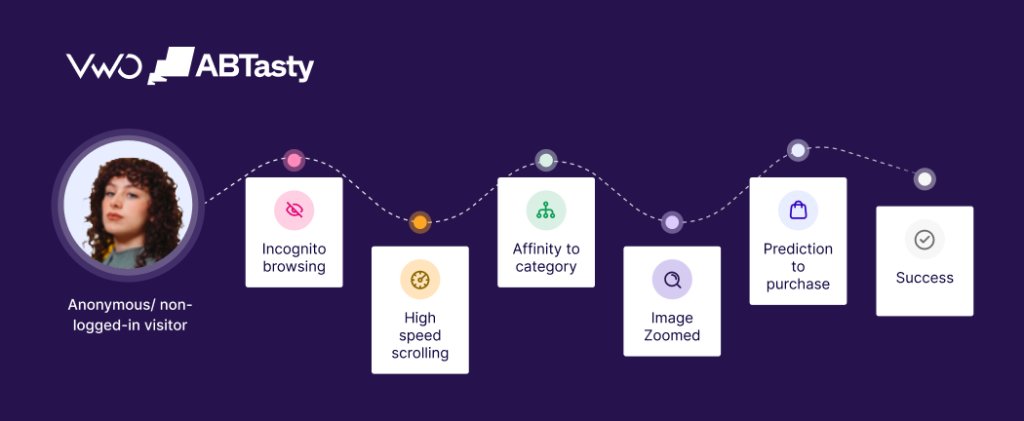
Despite these clear incentives, many brands remain tethered to "static" personalization. This traditional approach relies on predefined rules, historical purchase data, and broad audience segments. While these methods were revolutionary a decade ago, they are increasingly out of step with a privacy-conscious digital environment. A significant hurdle for modern retailers is the anonymity of their audience; industry data suggests that upwards of 90% of visitors to many eCommerce sites are anonymous. These users may be first-time visitors, browsing in private modes, or opting out of cookie tracking. For brands relying on historical identity data, these visitors are essentially invisible, resulting in a generic, one-size-fits-all experience that fails to capture potential revenue.
The Evolution of Personalization: A Brief Chronology
To understand the current transformation, it is necessary to examine the trajectory of digital retail engagement over the last twenty years.
- The Era of Mass Marketing (Late 1990s – Early 2000s): Digital retail functioned largely like a digital catalog. Every visitor saw the same homepage, the same offers, and the same product layouts regardless of their interests or location.
- The Rise of Segmentation (Mid-2000s – 2010s): Brands began utilizing basic demographic data and "cookies" to group users into segments. Customers were categorized by geography, gender, or basic purchase history (e.g., "Frequent Shoppers" or "Discount Seekers").
- The Static Personalization Peak (2015 – 2022): Rules-based engines allowed for more granular targeting. If a user bought a pair of shoes six months ago, the system would show them socks today. However, this relied on the assumption that a consumer’s interests remain static over time.
- The Predictive Intent Era (Present – Future): Driven by AI, this phase focuses on "in-session" behavior. It ignores who the person was six months ago and focuses entirely on what they are doing in the current second.
The Mechanics of Intent-Based Prediction
The transition to real-time personalization is powered by platforms like AdaptiveCX, a solution within the VWO AB Tasty ecosystem. Unlike traditional systems that wait for a user to log in or match a known profile, intent-based systems analyze "micro-signals" emitted during a live session. These signals include click patterns, scroll depth, mouse movement, hover time, and navigation sequences.
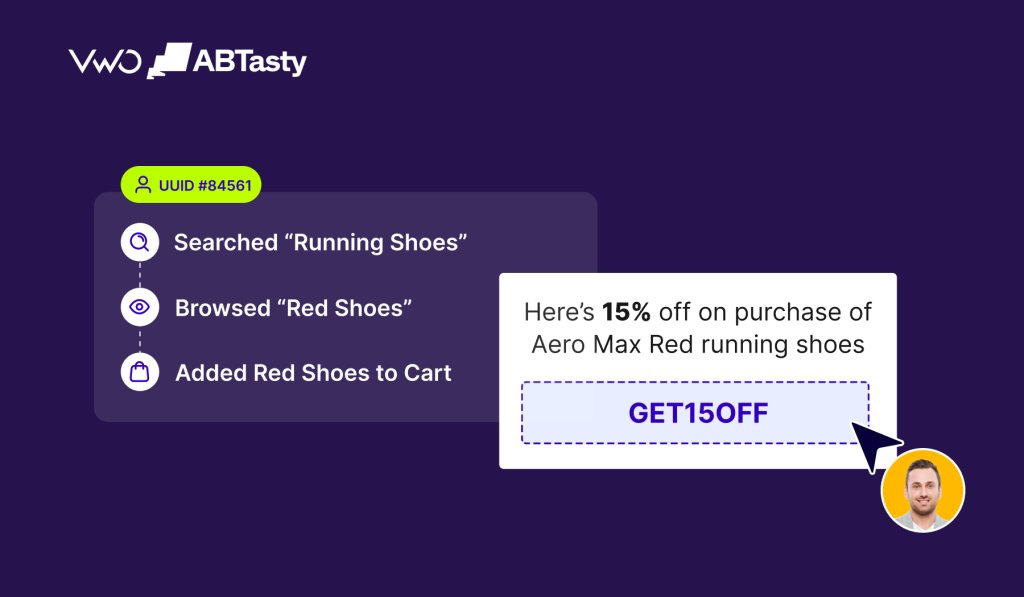
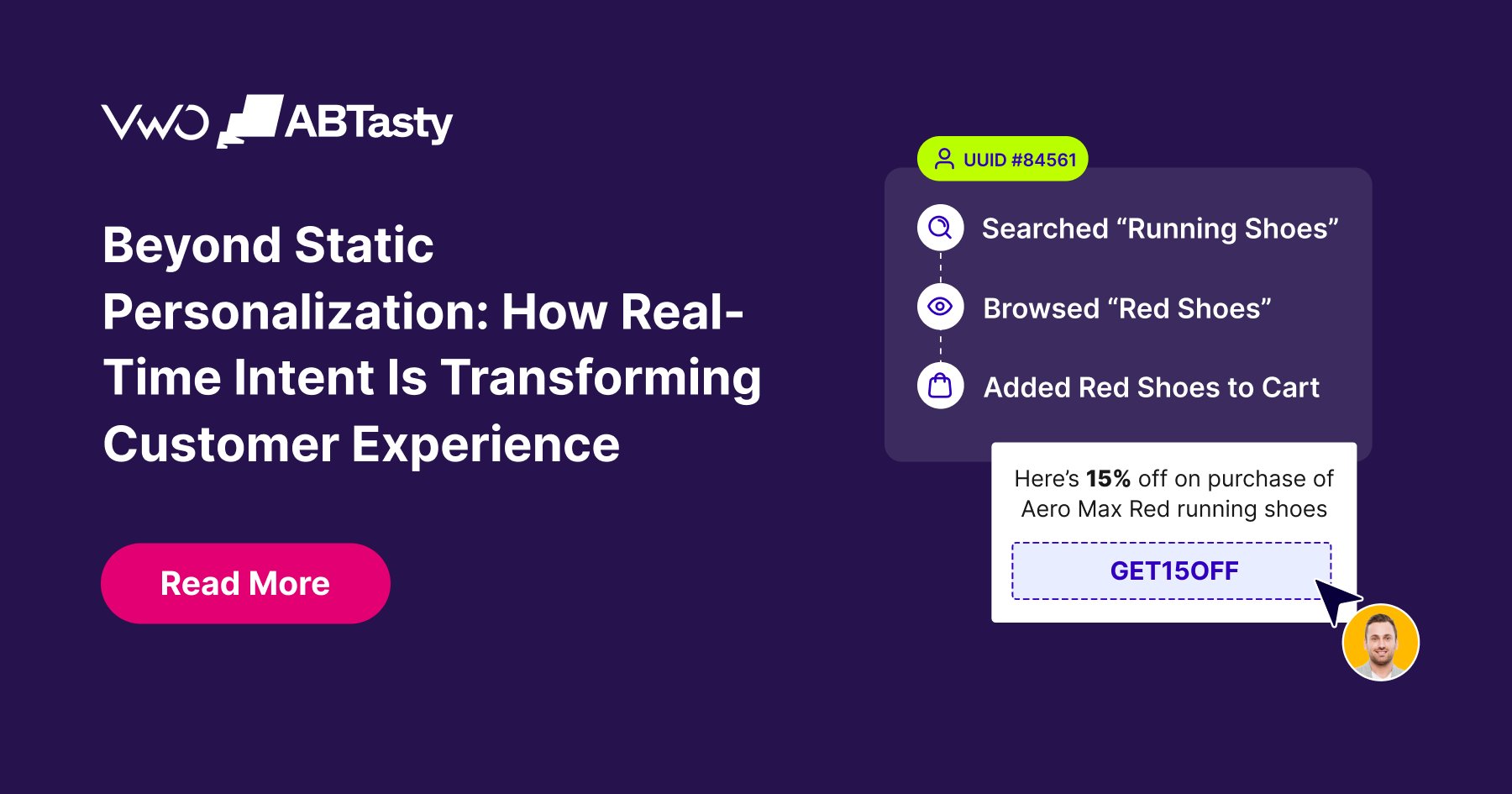
By processing these behavioral heuristics through machine learning algorithms, the system can predict a visitor’s likelihood to purchase, their risk of churning, or their specific product affinity within seconds of them landing on a page. This allows the digital storefront to "morph" in real-time. For example, if a visitor’s behavior suggests they are price-sensitive—perhaps by repeatedly visiting the "clearance" section or sorting by "price: low to high"—the system can proactively surface discount codes or value-oriented bundles to secure the conversion. Conversely, if a user demonstrates "high-intent" behavior for luxury items, the site can prioritize high-resolution imagery and social proof rather than focusing on price reductions.
Case Studies: Real-World Impact of Adaptive Personalization
The theoretical benefits of real-time intent are supported by empirical data from major global retailers who have integrated these AI-driven models into their operations.
Kurt Geiger: Enhancing Product Discovery
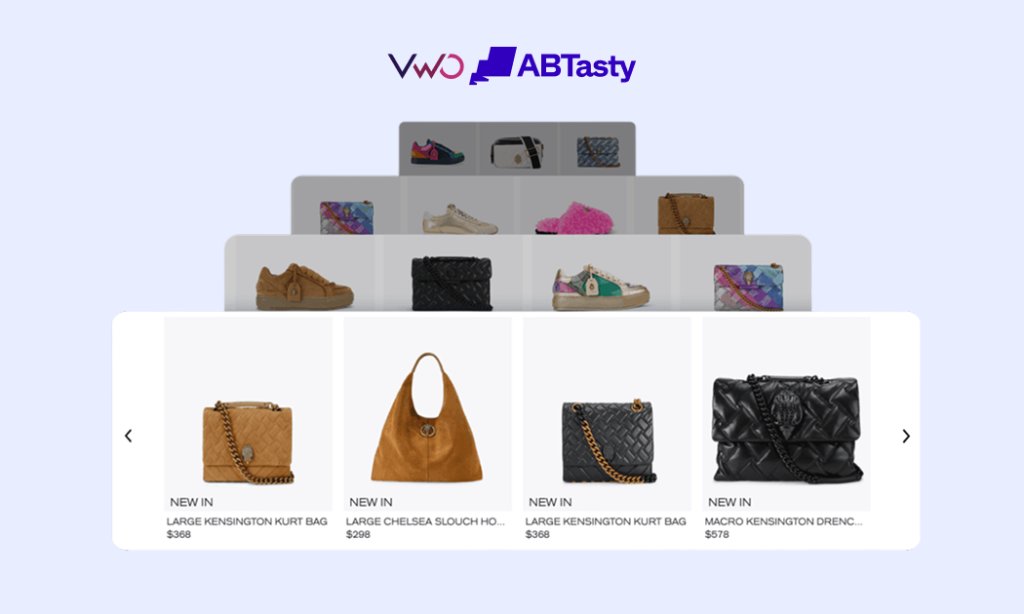
Kurt Geiger, a prominent global fashion and accessories brand, faced a common eCommerce challenge: a vast product catalog that often overwhelmed visitors, leading to "choice paralysis." Despite high traffic, the brand noted that many visitors struggled to find items relevant to their specific tastes, leading to missed revenue opportunities.
By implementing AdaptiveCX, Kurt Geiger introduced a dynamic homepage carousel. Rather than showing a static set of "best sellers," the carousel adapted to each visitor’s real-time affinities. If a user spent their first thirty seconds looking at handbags, the homepage would automatically reconfigure to prioritize bag recommendations upon their return to the main page. The results were significant:
- 11% increase in revenue per visitor (RPV).
- 5% increase in the average order value (AOV).
- 2.2% lift in overall conversion rates.
Gareth Rees-John, Chief Digital Officer at Kurt Geiger, noted that the technology allowed the brand to "predict user intent and connect people with the right products instantly," fundamentally changing the efficiency of their digital spend.
AttractionTickets.com: Optimizing Search for Anonymous Users
For AttractionTickets.com, a major ticket specialist founded in 2002, the primary hurdle was engaging first-time, anonymous visitors. Without a purchase history, the site’s search suggestions were generic and often irrelevant to the user’s immediate travel plans.

The company implemented an adaptive search experience that utilized in-session behavior to suggest search terms and destinations. If a user hovered over Orlando-based attractions, the search bar would proactively suggest "Disney World" or "Universal Studios" packages, accompanied by enticing imagery. This shift from reactive search to proactive, intent-led suggestions resulted in:
- 4% increase in the conversion rate.
- 1% increase in the average order value.
The Strategic Imperative: Why Static Rules Are Failing
The failure of static rules-based personalization can be attributed to the "non-linear" nature of modern shopping. A consumer may arrive at a site via a social media ad, browse casually on their phone during a commute, and then return via a desktop hours later with a completely different mindset. Static rules struggle to bridge these contexts.
Furthermore, the "Cookie Apocalypse"—the phasing out of third-party cookies by major browsers and the tightening of privacy regulations like GDPR and CCPA—has stripped brands of their traditional data sources. In this "cookieless" future, the only reliable data a brand possesses is the behavior the user exhibits on the brand’s own owned-and-operated properties. Real-time intent analysis is privacy-compliant by design, as it focuses on how a user interacts with a site rather than who that user is in their personal life.
Broader Impact and Industry Implications
The shift toward adaptive personalization has implications that extend beyond simple conversion lifts. It represents a move toward "operationalized empathy" in digital retail. By responding to a visitor’s hesitation or confusion in real-time, brands can recreate the helpfulness of an in-store sales associate.
- Margin Protection: Traditional brands often "blanket-bomb" their audience with discounts to drive sales. Intent-based AI allows for "surgical" discounting. Only visitors who show signs of price-sensitivity or cart abandonment receive a coupon, while high-intent shoppers pay full price, thereby protecting the brand’s profit margins.
- Reduced Manual Labor: Traditional personalization requires marketing teams to manually create and manage hundreds of "If/Then" rules. Adaptive systems automate this process, allowing human talent to focus on high-level strategy and creative development rather than manual segment management.
- Improved Customer Loyalty: While 44% of shoppers are likely to become repeat buyers after a personalized experience, the "relevance" of that experience is what builds long-term satisfaction. Brands that "understand" the customer in the moment foster a deeper sense of trust.
The Path Forward: A New Standard for eCommerce
As we look toward the 2025 retail landscape, the distinction between "online shopping" and "personalized digital experiences" will likely disappear. They will become one and the same. The future of personalization is not found in the archives of a database, but in the live signals of the present moment.
For eCommerce leaders, the mandate is clear: the transition from identity-based targeting to intent-based prediction is no longer optional. Brands that continue to rely on static, historical data risk alienating the 90% of their audience that remains anonymous and failing the 76% of consumers who demand immediate relevance. By leveraging predictive AI to turn live intent into action, retailers can finally deliver on the decades-old promise of the "segment of one," creating a digital world that is as responsive and intuitive as a physical one.







