

The landscape of digital marketing and conversion rate optimization (CRO) has undergone a significant shift as of mid-2024, according to the latest comprehensive data released in the Unbounce 2024 Conversion Benchmark Report. Analyzing over 57 million conversions from 41,000 landing pages and 464 million individual pageviews, the report establishes a new baseline for what constitutes success in an increasingly fragmented digital economy. The central finding of the study identifies a median conversion rate of 6.6% across all industries, though this figure serves only as a broad reference point for a market defined by extreme sector-specific volatility.

Industry experts, including Josh Gallant, founder of Backstage SEO and a primary contributor to the report, emphasize that the concept of a "good" conversion rate is no longer a static target. Instead, performance must be measured against specific industry benchmarks, device types, and traffic sources. The data suggests that while a 6.6% conversion rate represents the middle-of-the-pack performance, top-tier marketers—those in the 75th percentile—are achieving rates between 11.4% and 40.8%, depending on their specific niche and the complexity of their offering.
Methodology and Data Integrity
The 2024 report distinguishes itself through its reliance on median values rather than simple averages. This statistical approach prevents the data from being skewed by "unicorn" pages—outliers that convert at near-impossible rates of 90%—or by abandoned pages with near-zero activity. By focusing on the median, the study provides a more realistic "typical" experience for marketers. The scale of the data—spanning hundreds of millions of interactions—ensures that the findings are statistically significant and representative of global trends in lead generation and direct sales.

Sector-Specific Performance Analysis
The report breaks down performance across several key industries, revealing that user intent and product complexity remain the primary drivers of conversion success.
Financial Services and Insurance
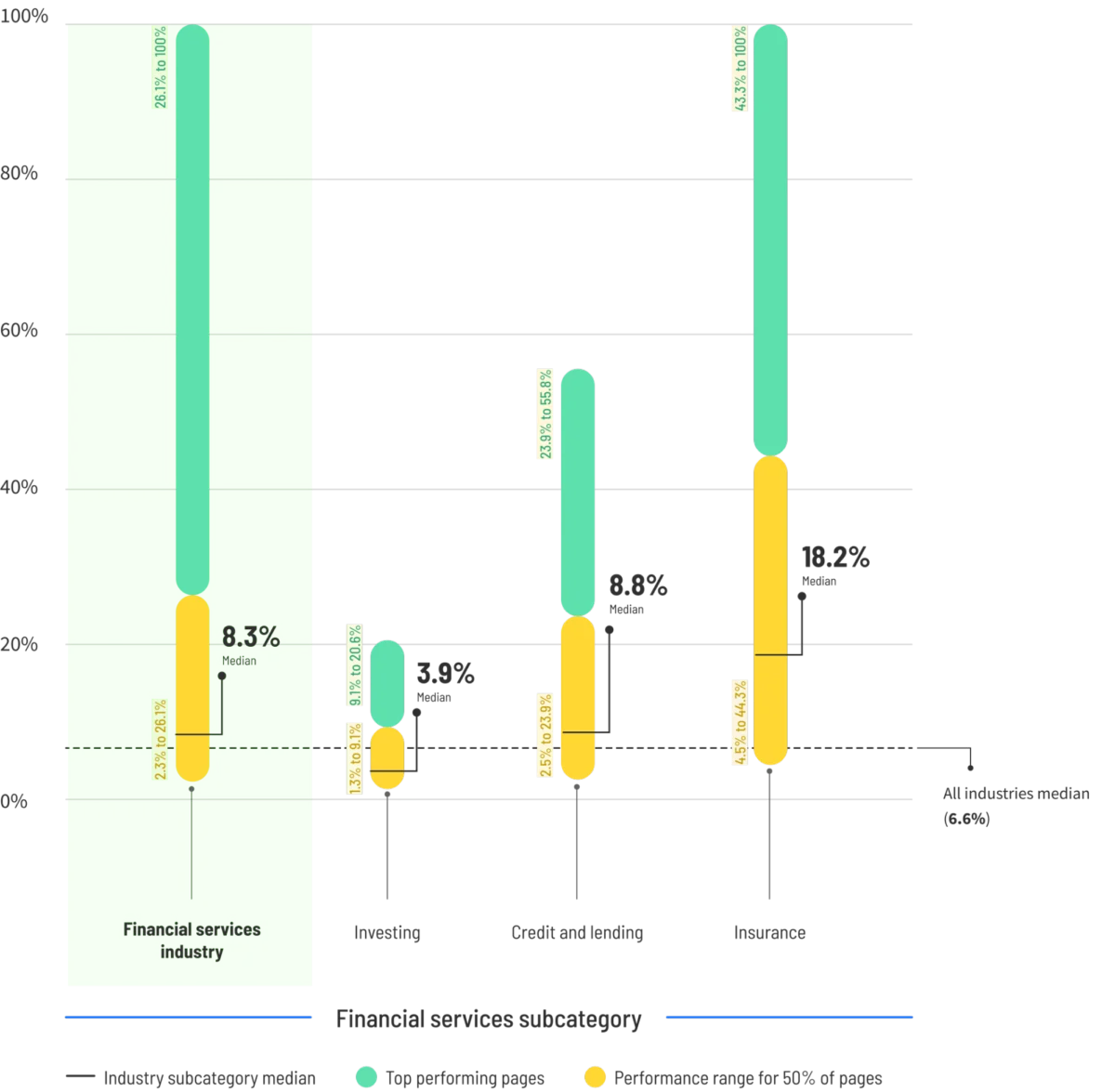
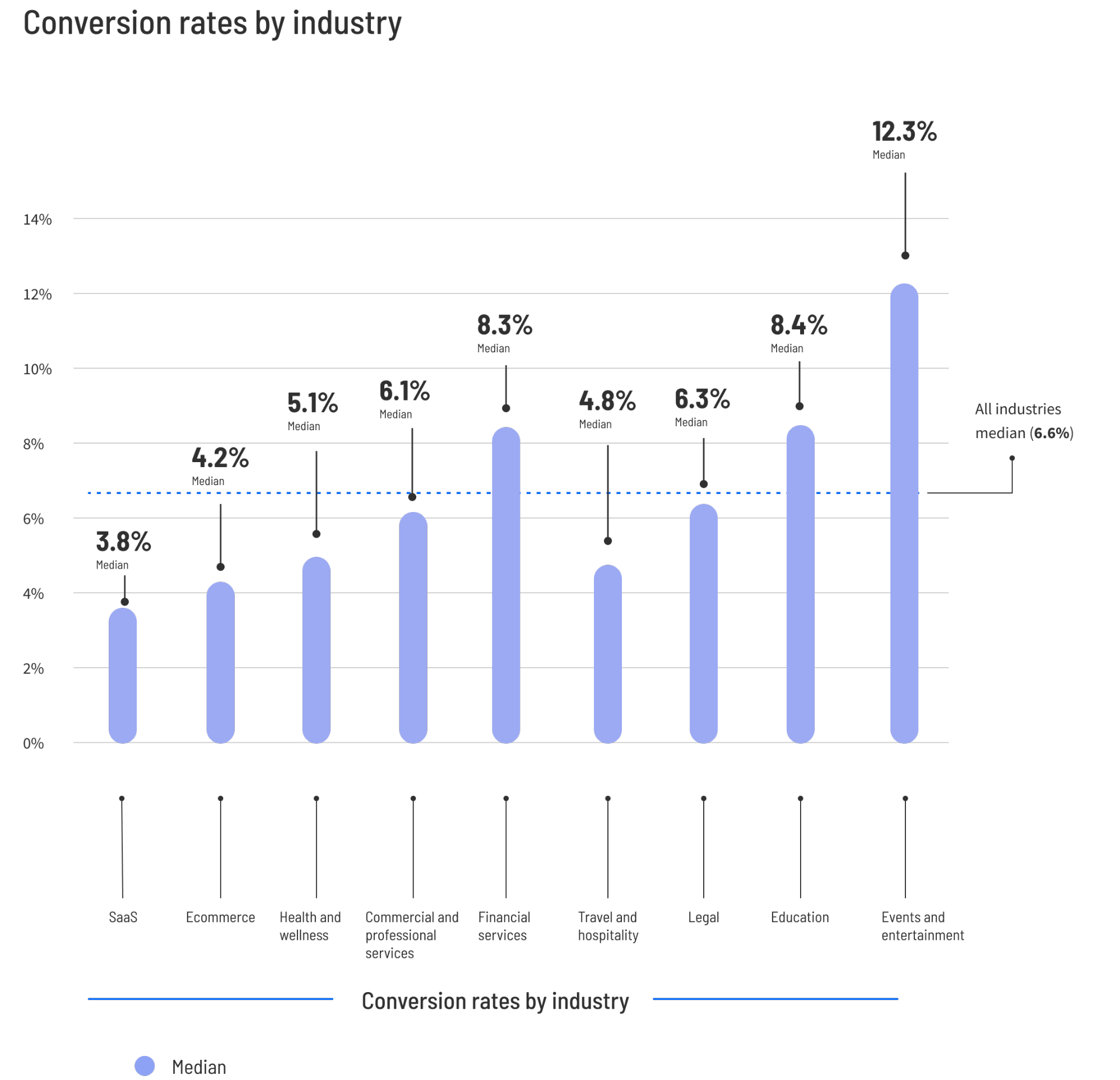
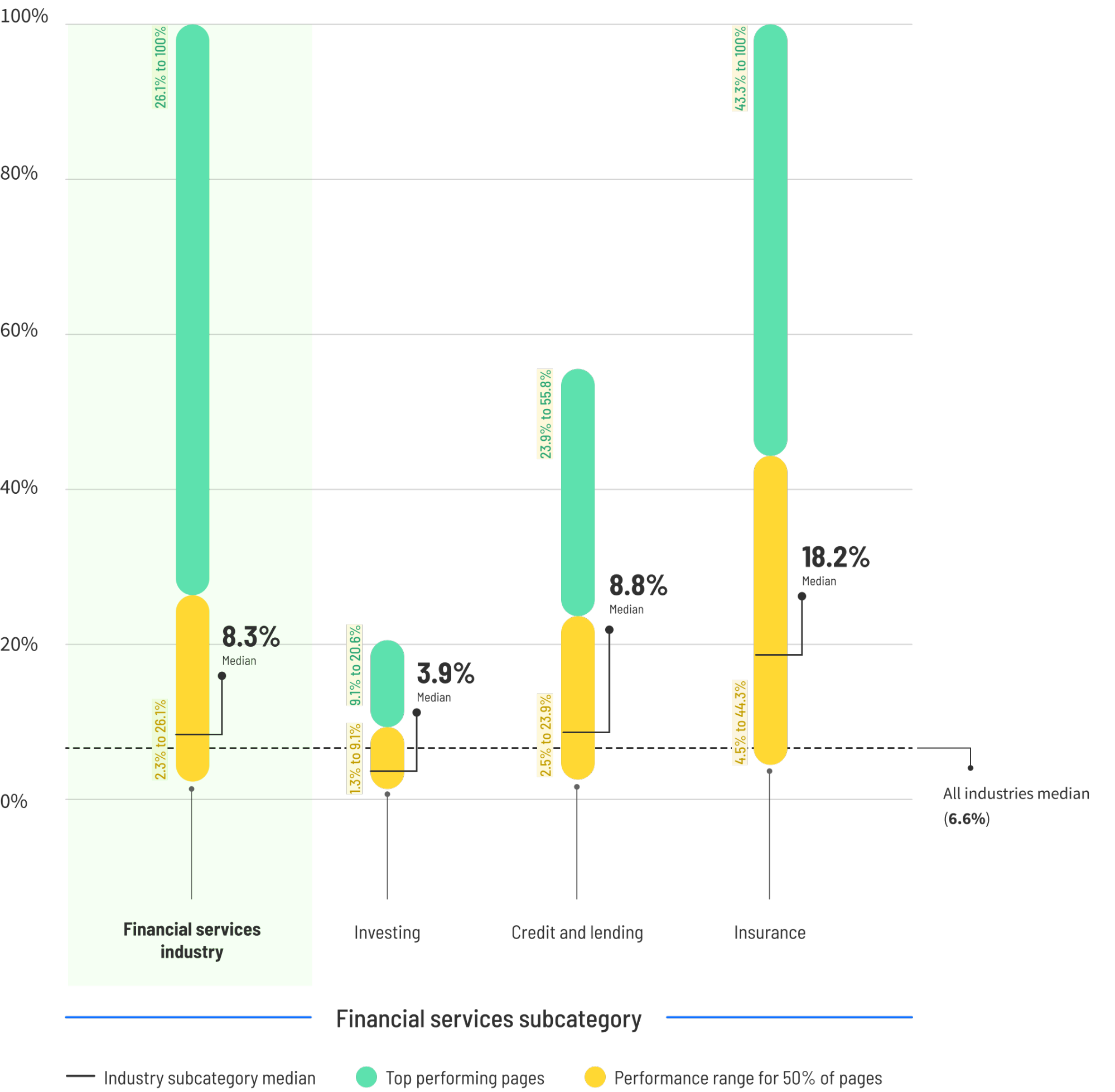
The financial services sector continues to outperform the general market, boasting a median conversion rate of 8.3%. Within this category, insurance-specific landing pages are exceptionally high performers, reaching a median of 18.2%. Analysts attribute this to high user intent; consumers searching for insurance are typically in a state of immediate need or active comparison, leading to higher action rates. Conversely, investment-related pages see a lower median of 3.9%, reflecting the longer consideration period and higher perceived risk associated with wealth management decisions.
Professional and Legal Services
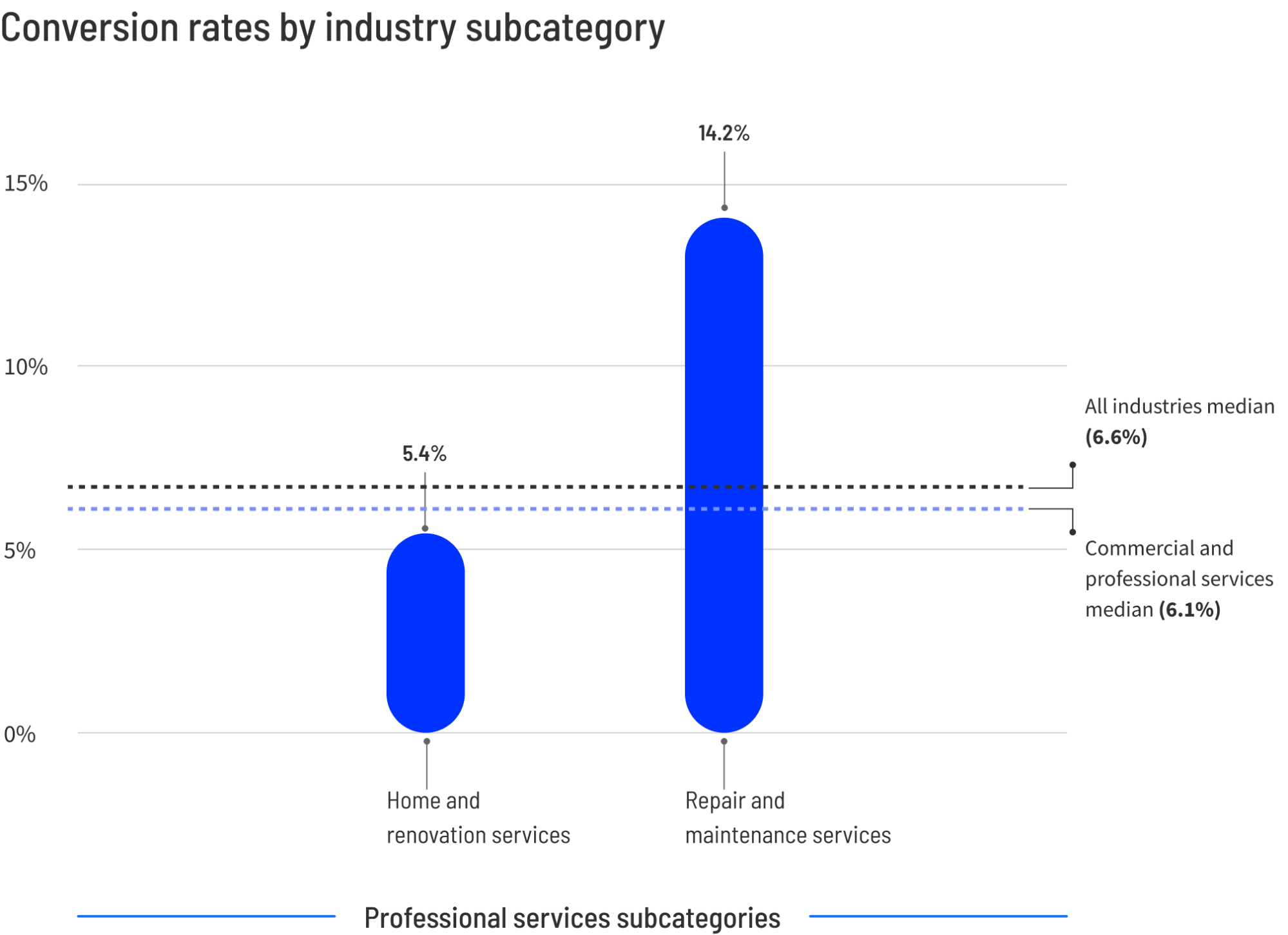
Professional services, which include consulting, home repair, and agencies, maintain a median rate of 6.1%. However, the report highlights a massive disparity based on urgency. For example, repair and maintenance services convert at nearly triple the rate of home renovation services. This "urgency factor" is even more pronounced in the legal sector, which sees a median of 6.3%. Legal services exhibit a unique behavior: they convert significantly better on mobile (21%) than on desktop (15.9%), as many users seek legal counsel during immediate crises via smartphone searches.
SaaS and Technology
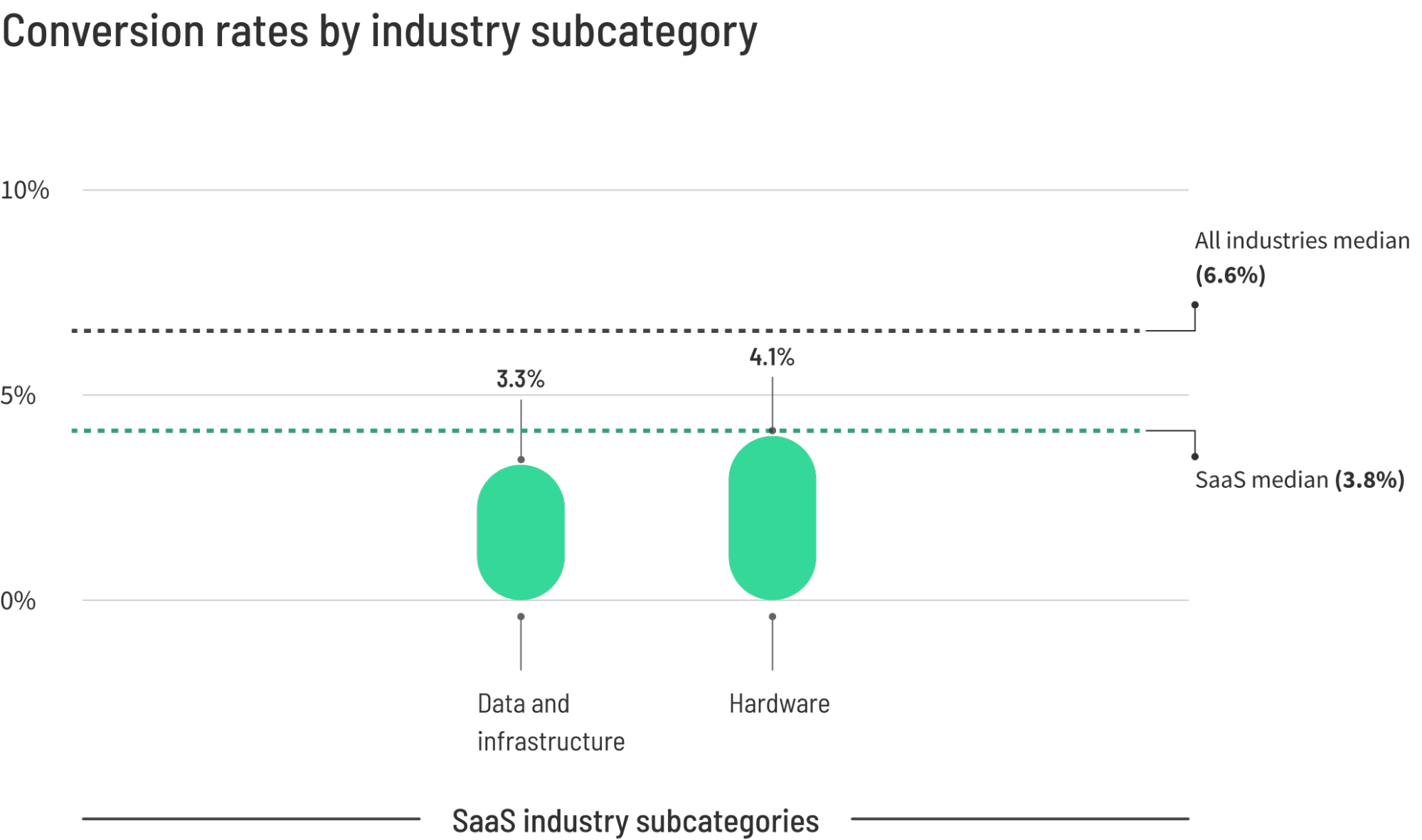
Software-as-a-Service (SaaS) companies face a more challenging conversion environment, with a median rate of 3.8%. This lower figure is attributed to the complexity of software products and the length of B2B sales cycles. Despite this, top-performing SaaS pages reach 11.6% or higher by utilizing streamlined trial sign-ups and clear value propositions. Hardware-focused SaaS solutions slightly edge out data infrastructure solutions, suggesting that tangible product benefits remain easier to communicate than abstract data services.
Ecommerce and Retail
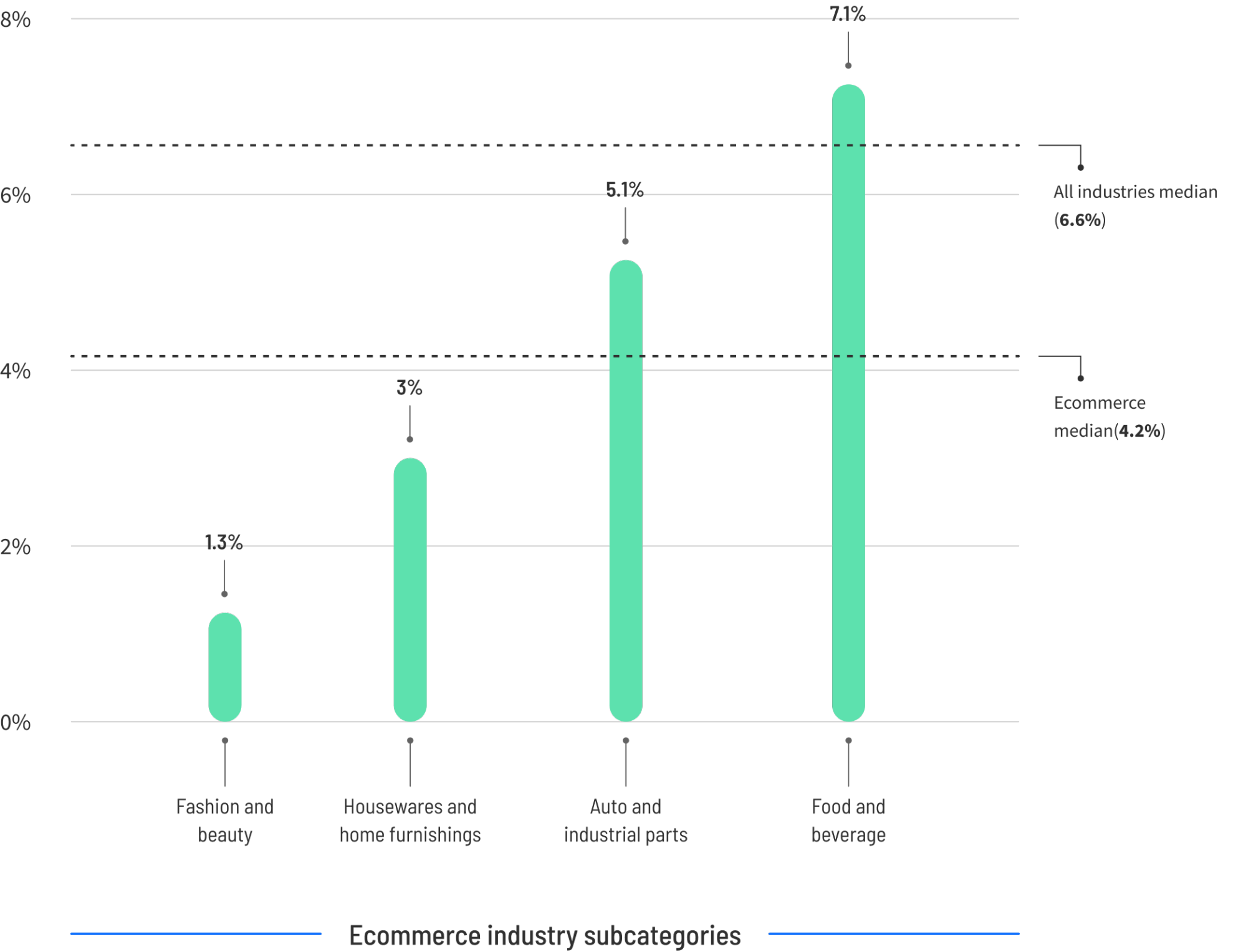
Ecommerce landing pages show a median conversion rate of 4.2%. This sector is highly sensitive to product category. Food and beverage pages lead with a 7.1% median, while fashion and beauty struggle at 1.3%. The discrepancy is largely due to the "browsing" nature of fashion consumers compared to the "transactional" nature of grocery or specialty food shoppers.
Education and Online Learning
The education sector has emerged as a powerhouse in 2024, with a median conversion rate of 13.3%. Online courses are the primary driver here, with a median of 18.3%. The report suggests that education marketers have successfully pivoted to selling "transformation" and career advancement rather than just curriculum, resonating deeply with a workforce seeking to upskill in a volatile economy.
The Mobile-Desktop Paradox
One of the most striking findings in the 2024 report is the continued dominance of mobile traffic versus its often-lagging conversion performance. Mobile devices now account for approximately 83% of all landing page visits. However, in many industries, desktop still yields higher conversion percentages.
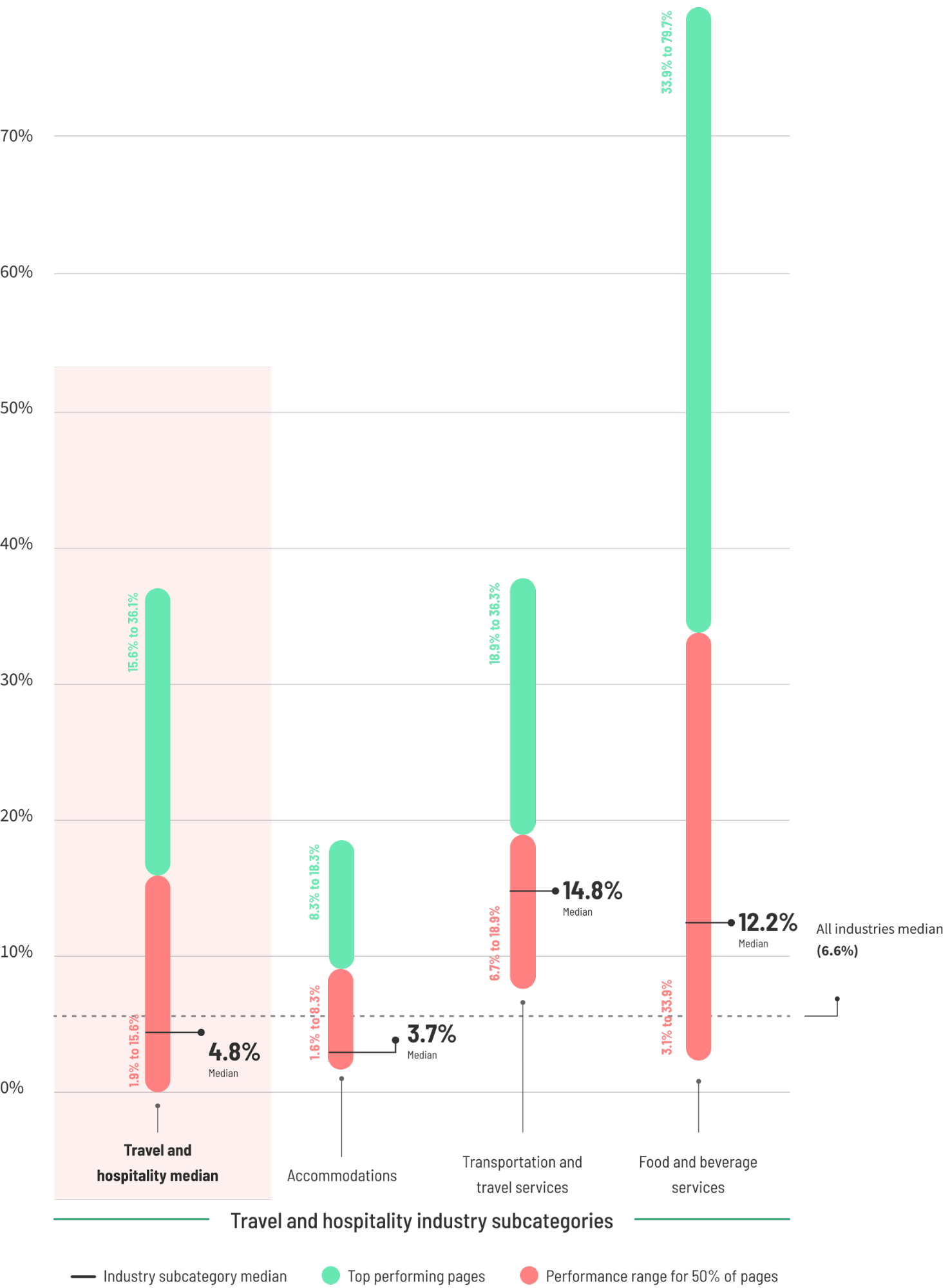
In the travel and hospitality industry, for instance, desktop traffic converts 10.4% better than mobile. This suggests a "cross-device journey" where consumers perform initial research on their phones but return to a desktop environment to finalize expensive or complex bookings. The notable exception remains the legal and financial sectors, where mobile’s immediate accessibility aligns perfectly with the user’s urgent need for a solution.
Traffic Source Efficacy: The Power of Email
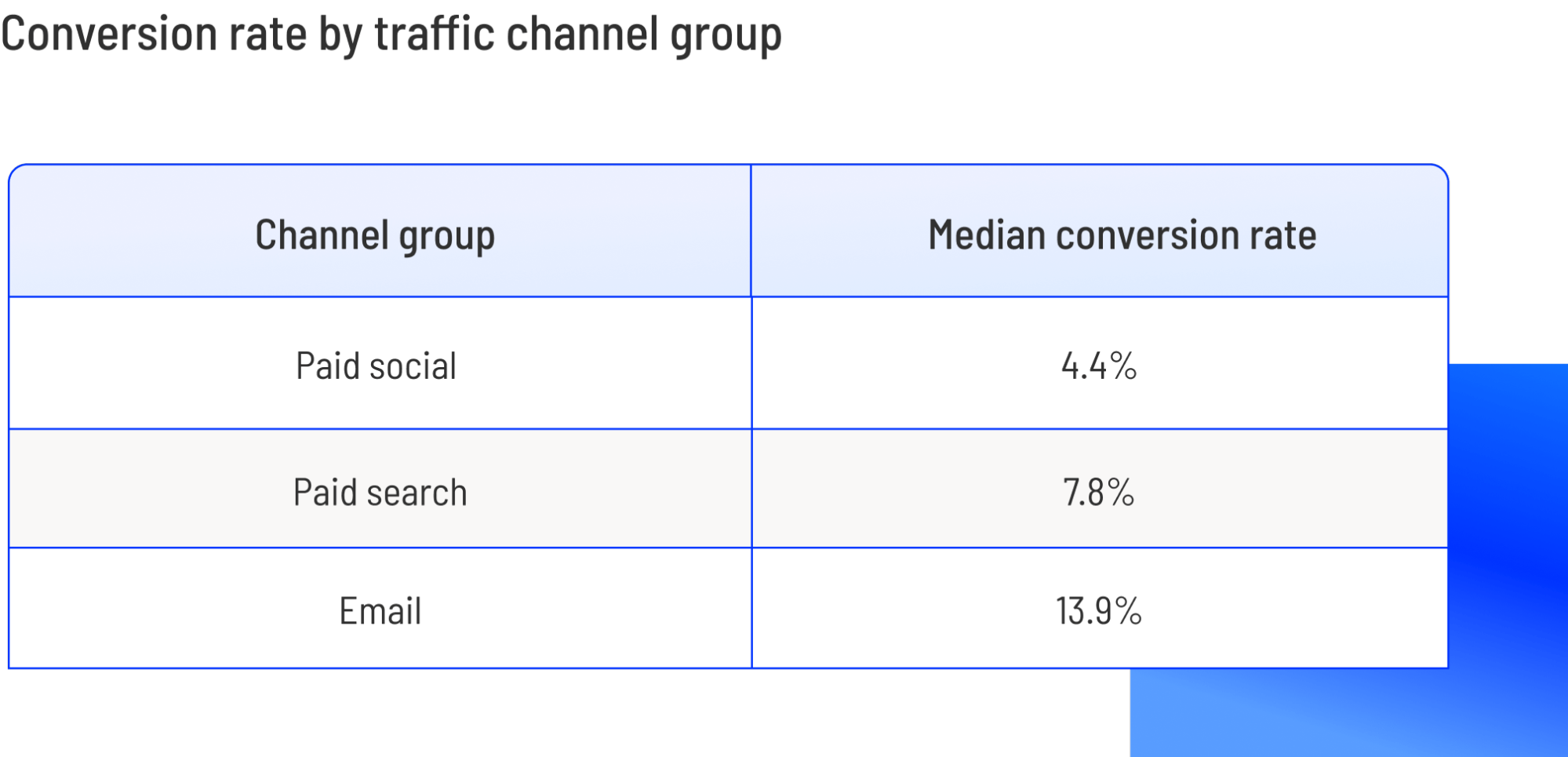
The study provides a clear hierarchy of traffic source effectiveness. Across almost every industry, email marketing remains the highest-converting channel. In professional services, email traffic converts at nearly 14%, compared to just 4.4% for paid social media. This data reinforces the importance of nurturing first-party data and owned audiences rather than relying solely on paid acquisition. Paid search (PPC) remains a strong second, particularly in the legal and repair sectors where "near me" searches dominate user behavior.
The Science of Readability in Conversion
A significant portion of the report is dedicated to the linguistic elements of landing pages. The data reveals a direct correlation between simple language and high conversion rates. Pages written at a 5th-to-7th-grade reading level convert at a median of 11.1%. This is 56% higher than pages written at an 8th-to-9th-grade level and more than double the rate of pages utilizing complex, "professional" jargon.
This finding challenges the traditional assumption that "sophisticated" industries like finance or law require complex language. On the contrary, the data suggests that when users are making decisions—especially under stress or in a hurry—clarity and simplicity are the most effective tools for building trust and facilitating action.
Strategic Recommendations for Marketers
Based on the 2024 data, Unbounce and its analysts have identified five core tactics for businesses looking to exceed industry benchmarks:
- Prioritize Radical Simplicity: Marketers are encouraged to audit their copy using readability tools to ensure they are targeting a middle-school reading level, effectively removing barriers to comprehension.
- Optimize for the Mobile "Micro-Moment": Given that 83% of traffic is mobile, pages must load in under two seconds and feature "thumb-friendly" navigation to prevent bounce rates.
- Leverage Social Proof at the Point of Friction: Placing testimonials and trust signals directly next to the Call to Action (CTA) or form field—rather than in the footer—can significantly reduce user hesitation.
- Aggressive A/B Testing of CTAs: The report indicates that even minor changes in button color or wording can lead to double-digit improvements in conversion, provided they are tested systematically.
- Minimize Cognitive Load: Successful pages in the 75th percentile typically remove all navigation menus and external links, forcing the user to focus entirely on the singular conversion goal.
Broader Impact and Future Outlook
The Unbounce 2024 Conversion Benchmark Report serves as a wake-up call for businesses that have relied on outdated "best practices." As AI-driven search and privacy-first browsing change how traffic arrives at landing pages, the ability to convert that traffic becomes the ultimate competitive advantage.
The data indicates that the "gap" between average performers and top-tier companies is widening. Those who utilize data-driven optimization tools, such as Smart Traffic and automated A/B testing, are scaling at a rate that traditional manual optimization cannot match. As we move toward 2025, the focus of digital marketing appears to be shifting away from mere volume and toward the precision of the user experience.
In conclusion, while a 6.6% median conversion rate provides a snapshot of the current market, the real story lies in the nuances of industry intent, device preference, and linguistic clarity. For enterprises and agencies alike, the 2024 benchmarks offer a roadmap for navigating an increasingly complex digital path to purchase.







