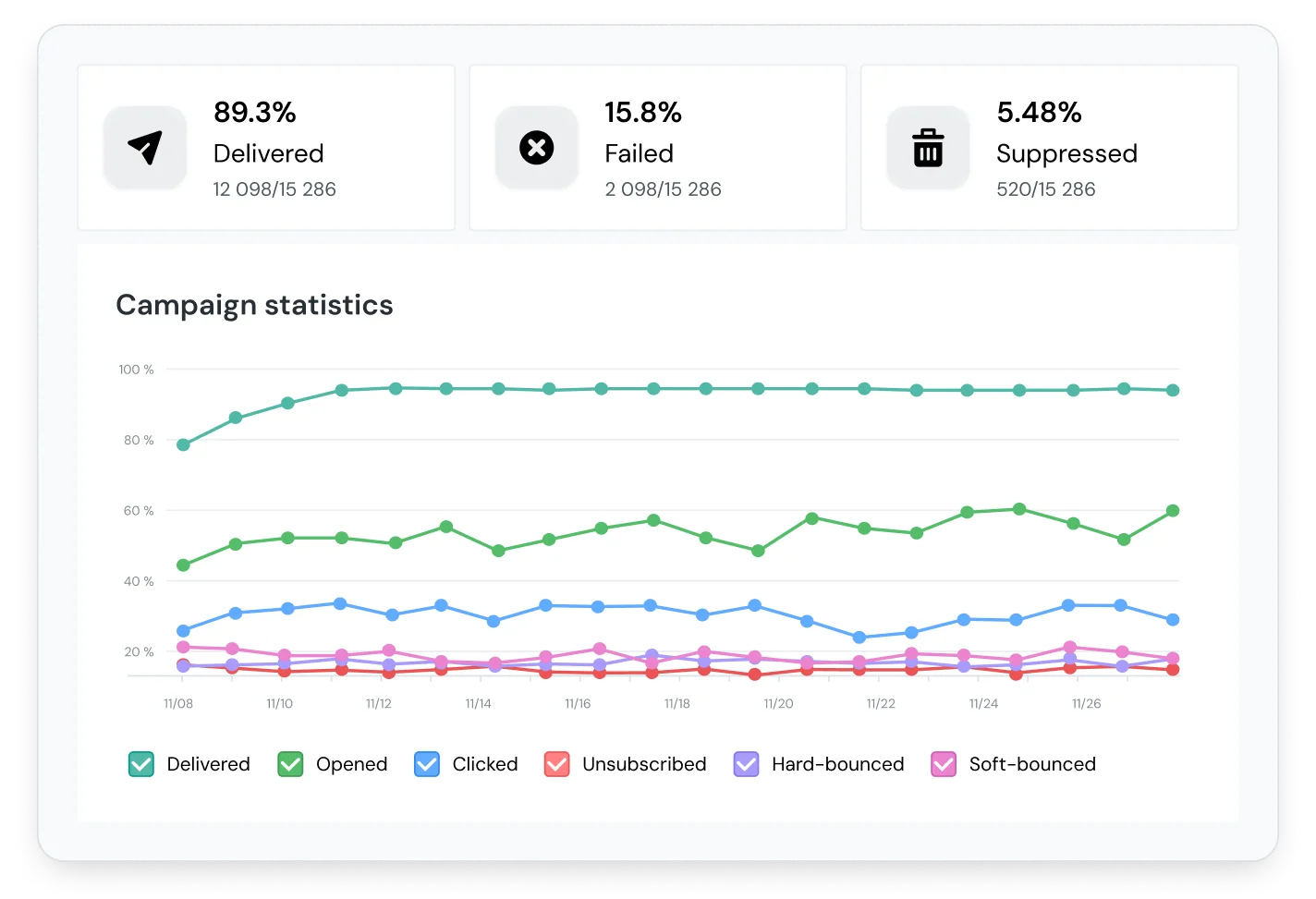
For modern email marketers navigating the dynamic digital landscape, the question of optimal send times for newsletters and promotional campaigns is paramount. It is a strategic consideration that directly influences key performance indicators such as open rates and click-through rates (CTR), ultimately impacting campaign effectiveness and return on investment. The precise timing of email deployment is not merely a logistical detail but a critical element in an overarching marketing strategy, influenced by a myriad of factors from audience behavior to global time zones and cultural nuances.
The Evolving Landscape of Email Marketing and the Imperative of Timing
The evolution of email marketing has transformed it from a nascent communication channel into a sophisticated tool for customer engagement and conversion. In its early days, simply delivering an email was often sufficient. However, as inboxes became increasingly saturated and consumer attention fragmented across multiple digital platforms, the challenge shifted from mere delivery to achieving meaningful engagement. Today, users receive an overwhelming volume of emails daily, leading to intense competition for visibility. Industry reports indicate that the average professional receives over 120 emails per day, while personal inboxes often face similar inundation. This environment necessitates a nuanced approach to timing, as an email’s placement at the top of an inbox significantly increases its chances of being seen and acted upon.
Furthermore, the rise of mobile technology has fundamentally altered how and when people check their emails. The traditional desktop-centric viewing patterns have given way to intermittent checks throughout the day, often during commutes, breaks, or leisure time. This constant connectivity, while offering more opportunities for engagement, also means that emails must contend with real-time distractions. Algorithmic filtering by email service providers, designed to prioritize relevant content, further underscores the importance of high engagement rates, as these metrics can influence future deliverability and inbox placement. Consequently, understanding and leveraging optimal send times has become a strategic imperative for marketers striving to cut through the noise and foster genuine connections with their audience.
Decoding Peak Engagement Hours: Global and Industry Insights
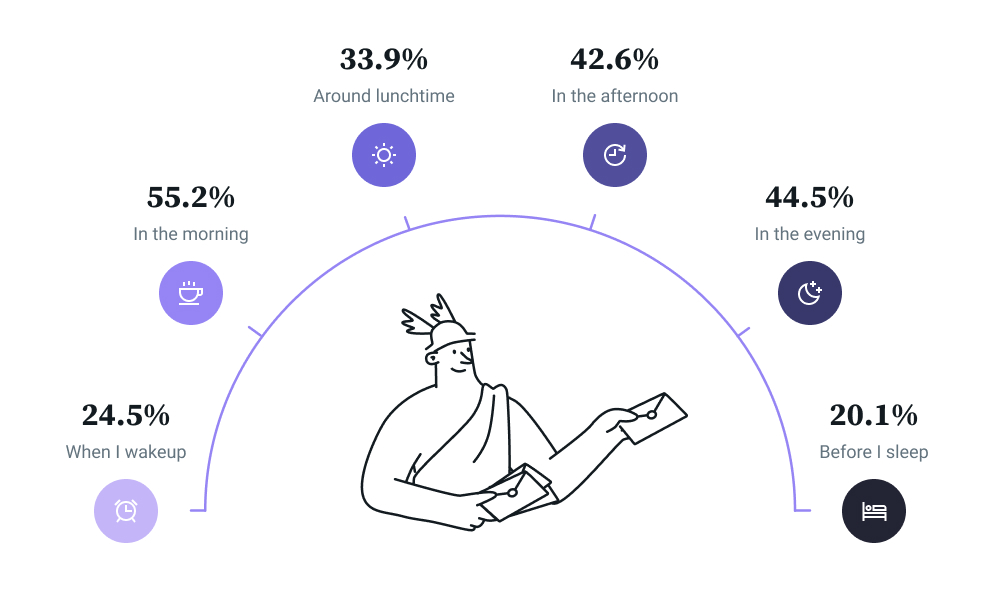
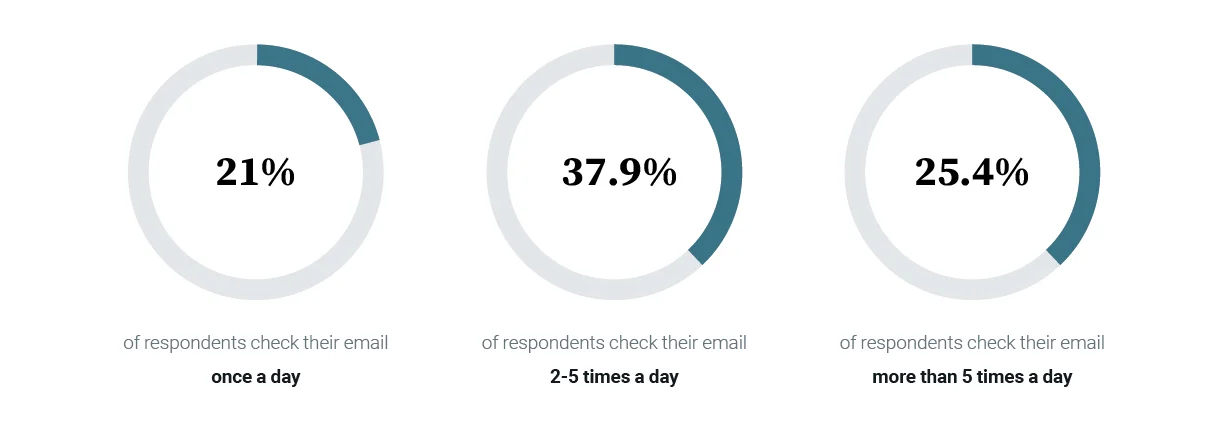
While a commonly cited heuristic suggests sending emails between 9 AM and 12 PM, this generalization often overlooks the complex interplay of factors determining true engagement. Research consistently shows that email interaction is a multi-point daily activity. According to the 2024 Email Engagement Report, a significant 63.3% of users engage with their personal mailboxes at various intervals throughout the day. This frequent checking implies opportunities beyond a narrow morning window, but crucially, mere visibility does not equate to the capacity for action. The objective is to reach recipients when they are most receptive and able to respond to a call-to-action.
To provide more granular insight, comprehensive studies, such as those conducted by Sinch Mailgun, analyze billions of emails to identify global engagement patterns. These analyses frequently point to a peak in click-to-open ratios around 15:00 UTC. This translates to varying local times depending on the region and daylight saving adjustments; for instance, 15:00 UTC corresponds to 11 AM Eastern Standard Time during summer months. This mid-morning to early afternoon window, often aligning with a pre-lunch break or post-morning meeting period in many Western time zones, appears to be a sweet spot where recipients have both the time and mental bandwidth to process marketing messages.
However, the "best time" is rarely universal. Industry sector plays a crucial role. Business-to-Business (B2B) communications often perform best during standard working hours, reflecting the professional context in which these emails are consumed. Conversely, Business-to-Consumer (B2C) emails, particularly those related to leisure, entertainment, or personal shopping, might see higher engagement during evenings or weekends when individuals have more personal time. A general guideline, therefore, must always be contextualized by the specific nature of the business and its target demographic.
Geographical Nuances: A World of Diverse Habits
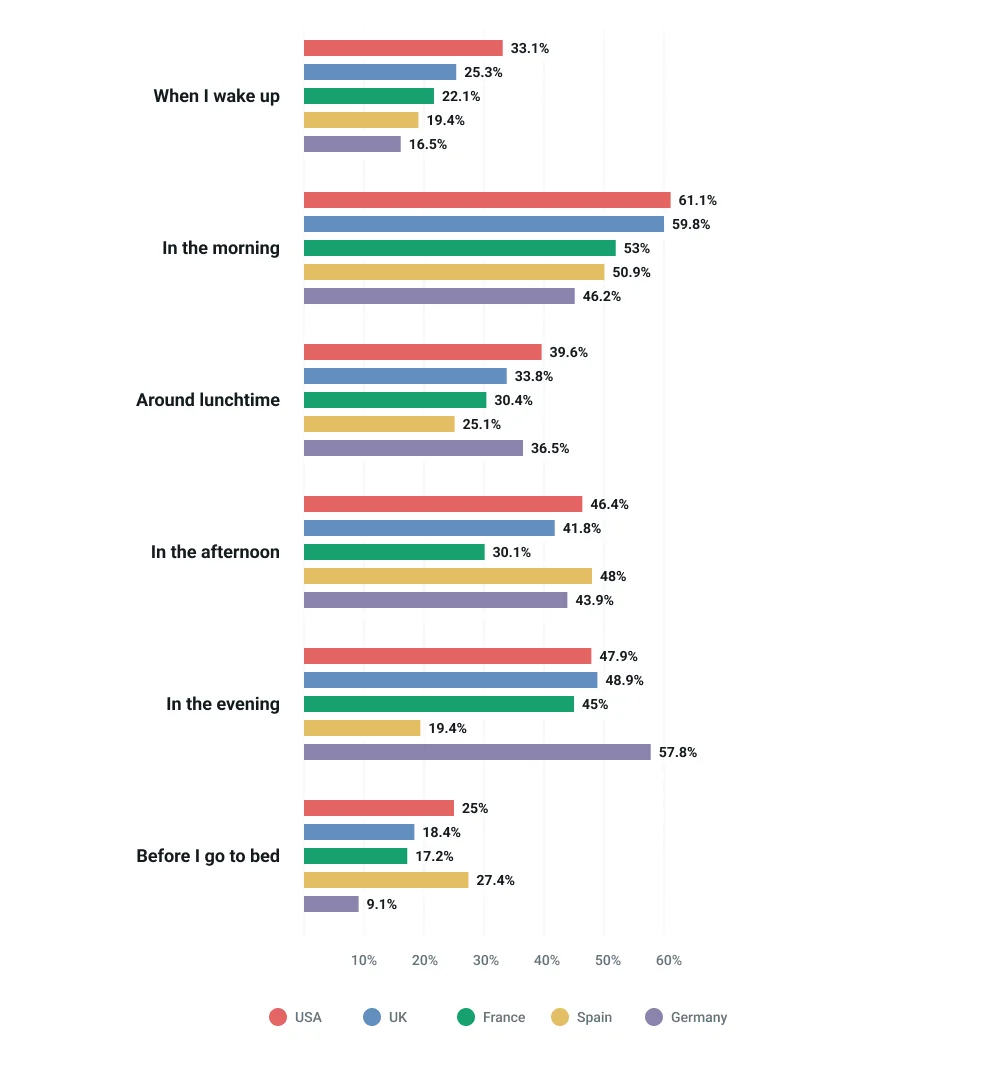
Beyond global averages, national and cultural differences profoundly impact email engagement patterns. The 2024 Email Engagement Report highlights significant disparities in email checking habits across different countries, underscoring the necessity of geo-segmentation for international campaigns.
For example, reaching German customers effectively may require targeting the early evening, with a substantial 57.8% opening emails during this period, a stark contrast to Spain’s 19.4% for the same timeframe. Conversely, 27.4% of Spanish participants reported checking emails late in the evening before bed, an activity that captures only 9.1% of German attention. These variations are not arbitrary; they reflect deep-seated cultural norms, work-life balances, and daily routines. Countries with a stronger emphasis on work-life separation might see later evening engagement for personal emails, while those with longer working hours might see peaks during commutes or specific breaks.
This data strongly advocates against a uniform global send schedule. Marketers operating internationally must invest in robust audience segmentation, understanding not just demographic data but also the behavioral patterns influenced by geography. Adapting send times to local time zones and cultural rhythms is not just a best practice; it is a fundamental requirement for maximizing engagement and avoiding messages being lost in an irrelevant time slot.
The Weekly Rhythm: Best and Worst Days for Campaigns
Just as the hour of the day matters, so too does the day of the week. Data from extensive studies consistently reveals that certain days yield significantly higher engagement rates than others.
Optimal Days:
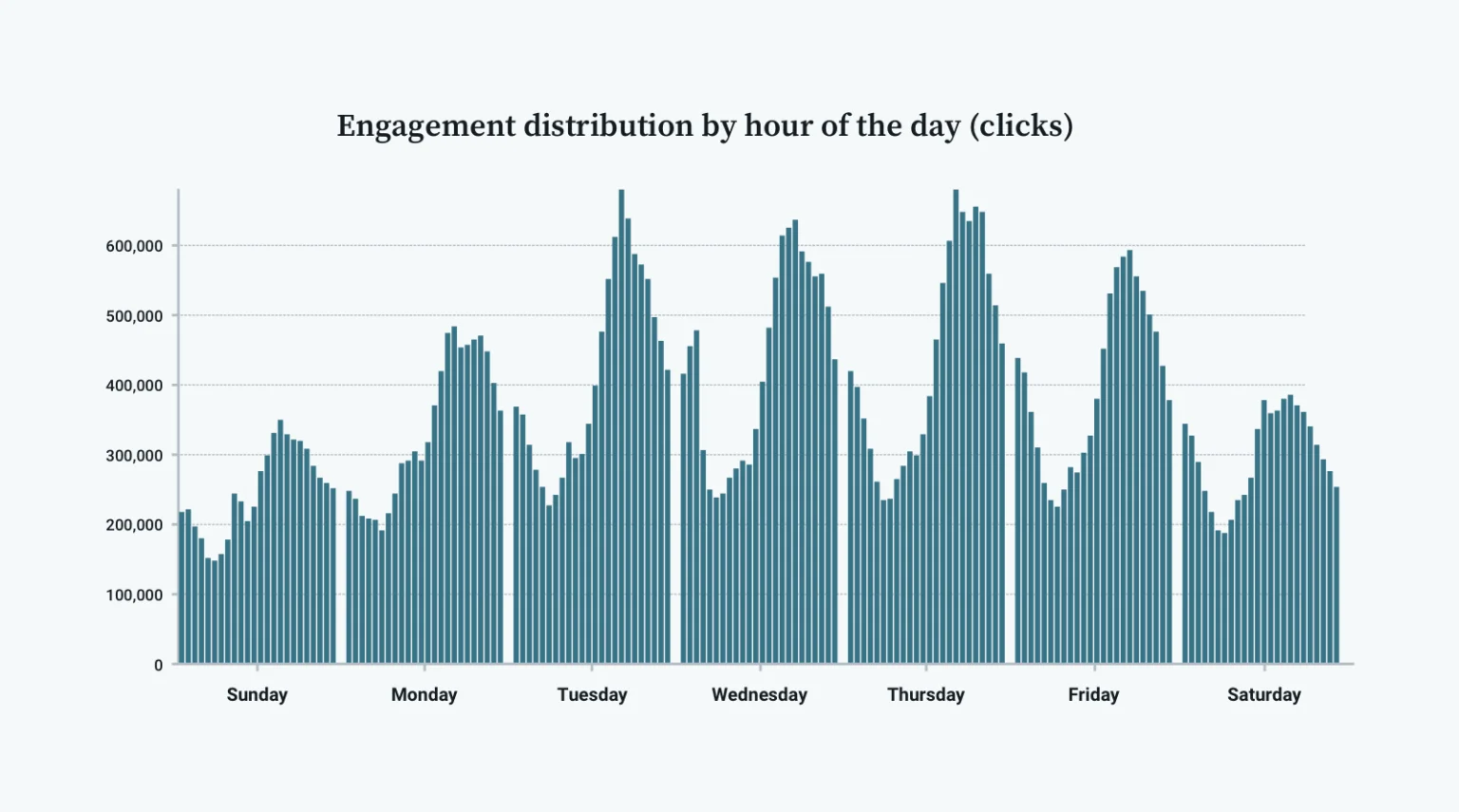
Analysis of vast email campaign data, including the Sinch Mailgun study, indicates that Tuesdays through Thursdays are the most effective days for sending marketing emails. These mid-week days generally exhibit the highest open and click-through rates. While Tuesday and Thursday often show slightly superior engagement, Wednesday remains a very strong second option. For marketers aiming for maximum reach, deploying campaigns twice a week within this Tuesday-Thursday window is often recommended. However, caution is advised against sending emails on consecutive days (e.g., Tuesday and Wednesday) to the same audience, as this can lead to inbox fatigue and diminished engagement.
The rationale behind mid-week effectiveness is often attributed to professional and personal routines. By Tuesday, recipients have typically cleared their Monday inbox backlog and settled into the work week, making them more receptive to new information. By Thursday, they are still engaged but perhaps looking for content that offers a slight reprieve from the intensity of the early week.
Suboptimal Days:
Conversely, Saturdays and Sundays consistently rank as the worst days for email engagement. Weekends are generally reserved for personal activities, family time, and leisure, making email checking a low priority for most. Exceptions might exist for highly specialized B2C content, such as travel deals or entertainment guides, which align with weekend planning or relaxation. However, for most brands, avoiding weekend sends is a widely accepted rule.
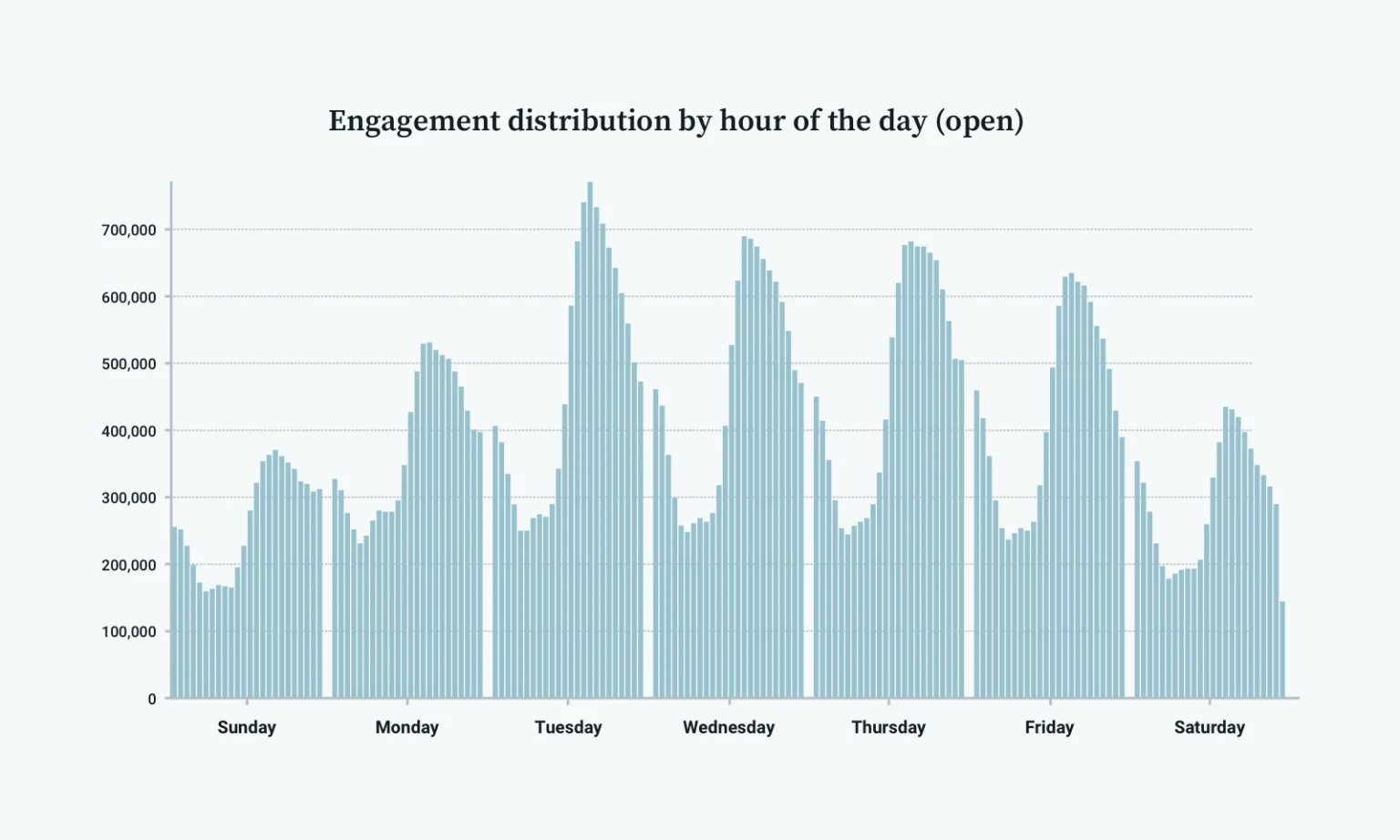
The debate between sending on Mondays vs. Fridays is also critical. Historically, both have been considered less ideal. Mondays suffer from "inbox overload" as recipients catch up on weekend emails and plan their week, often with limited capacity for marketing messages. Fridays, on the other hand, are often associated with winding down for the weekend, leading to decreased attention. However, recent research suggests that Friday often outperforms Monday in terms of open and click-through rates. This could be because while individuals are disengaging from work, they might be more open to engaging with lighter, more promotional content as they anticipate leisure time. Moreover, the sheer volume of emails on a Monday can make it harder to stand out, whereas Friday’s inbox might be less cluttered, offering an advantage.
B2B vs. B2C: Tailoring Timing to Audience Context
The fundamental distinction between Business-to-Business (B2B) and Business-to-Consumer (B2C) marketing necessitates divergent strategies for email send times. Professionals interact with their work inboxes differently than individuals engage with their personal ones, influencing when they are most receptive to various types of content.
B2B Email Marketing:
For B2B campaigns, the timing should align with the professional workday. Peak engagement typically occurs during standard business hours, reflecting when professionals are actively managing their work-related communications.
- Best Times: Mid-morning (9 AM – 11 AM) and early afternoon (1 PM – 3 PM) during weekdays (Tuesday, Wednesday, Thursday) are generally optimal. These windows often coincide with breaks, pre-meeting preparations, or periods of focused work where checking emails is part of the routine.
- Worst Times: Weekends are almost universally ineffective for B2B emails, as are late evenings. Mondays can be challenging due to inbox backlog and week planning, and Fridays often see reduced engagement as professionals wrap up their week.
- Considerations: B2B emails often require more cognitive effort to process, such as reviewing product updates, downloading whitepapers, or registering for webinars. Therefore, sending when recipients are in a "work mindset" and have dedicated time is crucial. Understanding the specific industry and its typical work patterns (e.g., retail vs. tech) can further refine timing.
B2C Email Marketing:
B2C emails cater to personal interests, purchases, and leisure. The timing here should reflect when consumers are most likely to be receptive to such content outside of their professional obligations.
- Best Times: More flexibility exists. Late mornings (10 AM – 12 PM) and evenings (5 PM – 8 PM) on weekdays can be effective as people commute, wind down from work, or engage in personal browsing. Weekends, while generally poor for overall engagement, might perform well for specific niches like travel, entertainment, or home improvement promotions when individuals have more leisure time.
- Worst Times: Early mornings (before 8 AM) and very late nights (after 9 PM) are often less effective, as people are either preparing for their day or already disengaged.
- Considerations: B2C emails often leverage impulse, emotional connection, or the desire for immediate gratification (e.g., flash sales, new product announcements, content for entertainment). Timing should coincide with periods of relaxation, online shopping, or content consumption. Segmentation by demographic (e.g., parents versus young professionals) can reveal further timing nuances, as their daily schedules vary significantly.
The Strategic Imperative: Why Email Sending Time Matters Beyond Simple Metrics
The significance of email sending time extends far beyond merely boosting open and click rates. It is a strategic component that underpins the overall effectiveness and long-term viability of an email marketing program. By optimizing send times, marketers achieve several critical advantages:
- Enhanced Deliverability and Sender Reputation: Email service providers (ESPs) and internet service providers (ISPs) monitor engagement metrics. Higher open and click rates signal to these providers that an email is relevant and valued by recipients. This positive feedback loop improves sender reputation, reducing the likelihood of emails landing in spam folders and ensuring future campaigns reach the inbox.
- Increased Conversions and Revenue: Ultimately, the goal of most marketing emails is to drive a desired action, whether it’s a purchase, a download, or a sign-up. Sending emails when recipients are most attentive and able to act directly translates to higher conversion rates, thereby maximizing the return on investment (ROI) of email marketing efforts. Research consistently highlights email marketing as one of the highest ROI channels, and optimized timing is a key driver of this performance.
- Improved Customer Experience and Brand Perception: Receiving an email at an opportune moment makes it feel less intrusive and more helpful. Conversely, ill-timed emails can be perceived as annoying or irrelevant, leading to negative brand sentiment, increased unsubscribe rates, and even spam complaints. Delivering content when it’s most welcome reinforces a positive brand image and builds trust.
- Competitive Advantage: In a crowded digital space, standing out is paramount. By strategically timing emails, a brand can gain a momentary advantage by appearing at the top of an inbox when competitors’ messages are buried or yet to arrive. This subtle edge can be crucial in capturing fleeting attention.
- Data-Driven Decision Making: The process of optimizing send times compels marketers to delve deeper into their audience data, fostering a more sophisticated and analytical approach to campaign planning. This continuous feedback loop of testing, analyzing, and refining improves not just timing but overall email strategy.
As supported by research, 86.4% of respondents state that having adequate time to read an email is a crucial factor in their decision to open it. This statistic powerfully underscores that even the most compelling content and subject lines are ineffective if the recipient lacks the opportunity or mental space to engage.
Mastering Optimization: Data-Driven Approaches and Continuous Refinement
Identifying the absolute "best time" to send emails is an ongoing process, unique to each business, its audience, and its objectives. It demands a scientific approach rooted in data analysis and continuous experimentation.
1. Leverage Existing Analytics: The first step is to consult your Email Service Provider’s (ESP) statistics dashboard. Most modern ESPs provide detailed analytics on past campaign performance, including open and click rates broken down by hour and day. This treasure trove of historical data offers invaluable insights into your specific audience’s engagement patterns. By analyzing peak activity times for your most successful campaigns, marketers can formulate initial hypotheses about optimal send windows.
2. Implement Robust A/B Testing: A/B testing is indispensable for refining send times. This involves sending variations of a campaign to different segments of your audience at different times or on different days, then comparing the results. For example, to determine the optimal time for a weekly newsletter, a marketer could test three different send times (e.g., 10 AM, 1 PM, 9 PM) over three consecutive weeks, or split their list and send half the emails in the morning and the other half in the afternoon within the same day. Key metrics to monitor include open rates, click-through rates, conversion rates, and even unsubscribe rates. The insights gained from these tests should then inform subsequent campaigns. This is an iterative process; what works today may need adjustment tomorrow as audience habits evolve.
3. Audience Segmentation is Key: Generic send times rarely yield optimal results for a diverse audience. Segmenting subscribers based on demographics, geographic location, past engagement behavior, and even stated preferences (e.g., "send me updates weekly" vs. "send me daily deals") allows for hyper-targeted timing. For global audiences, localizing send times to individual time zones is non-negotiable. Behavioral segmentation, such as sending re-engagement campaigns to inactive subscribers at different times, can also prove highly effective.
4. Consistency vs. Adaptability: While consistency in a sending schedule can build anticipation and trust with an audience, rigid adherence can be counterproductive during special events or holidays. During periods of high consumer activity (e.g., Black Friday, Cyber Monday) or reduced attention (e.g., major national holidays), it is often more effective to deviate from the regular schedule to capture attention when recipients are most likely to be engaged or, conversely, to avoid being lost in a flood of promotional emails. Strategic adjustments are essential.
5. Embrace Advanced Tools: Modern email marketing platforms are increasingly integrating advanced features like AI-driven send-time optimization. These tools use machine learning to analyze individual subscriber behavior and automatically send emails at the predicted optimal time for each recipient, maximizing personalization and engagement at scale.
Technological Enablers: Leveraging Modern Email Platforms
The complexity of optimizing email send times necessitates robust technological support. Email marketing services like Mailjet offer a comprehensive suite of features designed to empower marketers in this endeavor. From intuitive drag-and-drop email editors for crafting engaging content to sophisticated tracking and analytics tools, these platforms provide the infrastructure for strategic email deployment.
Key features such as Segmentation allow marketers to meticulously categorize their audience, enabling precise targeting based on geographic location, engagement history, and other critical attributes. A/B Testing functionalities are integral for systematically experimenting with different send times and subject lines, providing actionable data to refine strategies. Campaign Comparison tools offer a holistic view of performance across multiple campaigns, helping identify broader trends and best practices. Finally, detailed Email Statistics dashboards provide granular data on opens, clicks, conversions, and more, offering the insights needed for continuous optimization.
In a hyper-competitive digital environment, the ability to deliver the right message to the right person at the right time is no longer a luxury but a fundamental requirement for success. By meticulously analyzing audience behavior, leveraging robust data, and employing the advanced features offered by modern email platforms, marketers can transform their email campaigns from mere messages into powerful engines of engagement and growth. The science of email send times is dynamic, requiring constant vigilance and adaptation, but its mastery yields significant dividends in customer loyalty and business success.